
The LongTerm Benefits of Safe Handling Practices: Reptile WellBeing

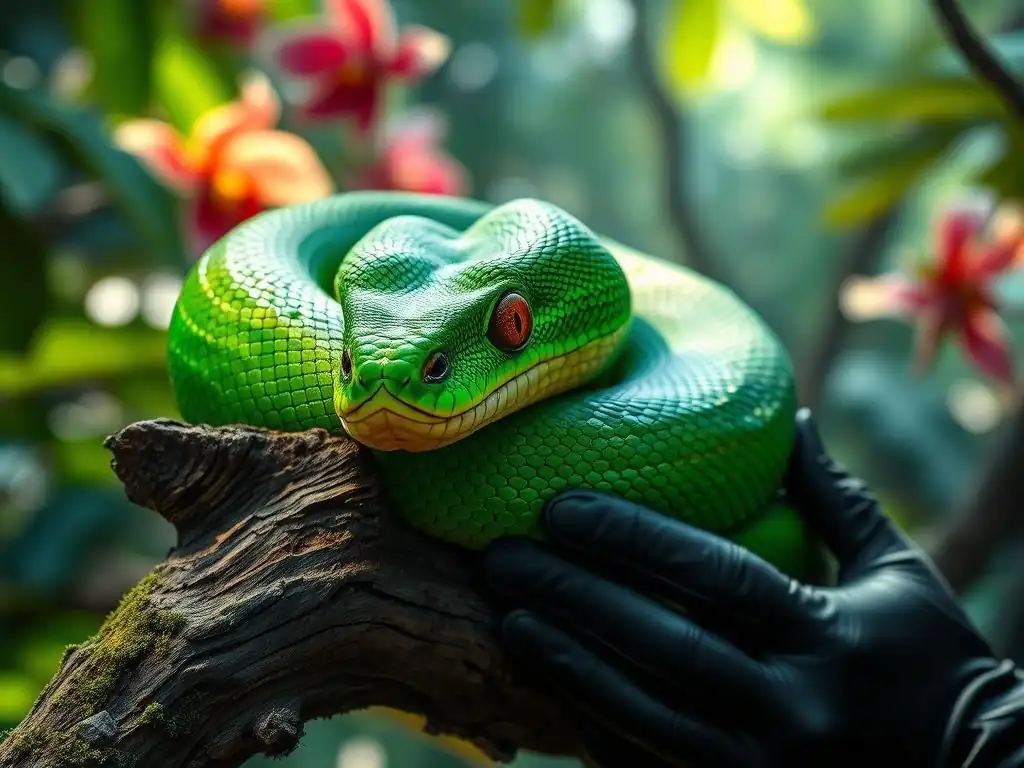
Welcome to PetCareWorld, your ultimate guide to a happier, healthier life for your beloved companions! Are you ready to unlock the secrets to a thriving bond with your reptile? Discover the surprising long-term benefits of safe reptile handling and learn how proper interaction contributes significantly to your pet's well-being. Dive into our expert guide and uncover the knowledge you need to build a stronger, more enriching relationship with your scaly friend. Let's explore the fascinating world of reptile care together!
- Understanding the Importance of Safe Reptile Handling
- Long-Term Physical Benefits of Safe Handling for Reptiles
- Safe Handling Practices: A Foundation for Reptile Well-being
- The Psychological Benefits of Safe Reptile Handling
- Safe Reptile Handling and Longevity
- Resources and Further Learning on Safe Reptile Handling
- Frequently Asked Questions
- Final Reflection: A Legacy of Care: The Enduring Impact of Safe Reptile Handling
- Unlock Your Reptile's Full Potential: Take Action Today!
Understanding the Importance of Safe Reptile Handling
Safe reptile handling isn't just about avoiding a bite; it's the cornerstone of a healthy and fulfilling relationship between you and your scaly companion. This article delves into the long-term benefits of employing safe handling practices, demonstrating how proper techniques contribute significantly to your reptile's well-being and strengthen the bond you share. Ignoring safe handling can lead to unnecessary stress for your reptile, potential injuries for both you and your pet, and a missed opportunity to build a trusting relationship.
Understanding and implementing these practices is crucial for responsible reptile ownership, ensuring a happy and healthy life for your pet and a rewarding experience for yourself. This guide will explore the key advantages of prioritizing safe handling, focusing on stress reduction, injury prevention, and trust-building.
Remember, a happy reptile is a healthy reptile, and safe handling is a vital component in achieving that goal. Let's explore the multifaceted benefits in detail.
Reducing Stress and Anxiety in Reptiles
Reptiles, despite their often stoic appearance, are sensitive creatures. Rough or improper handling can trigger significant stress and anxiety, manifesting in various ways. These can include changes in behavior such as increased aggression, loss of appetite, lethargy, and even shedding irregularities. Conversely, gentle and confident handling, using appropriate techniques and understanding their body language, minimizes stress. For example, supporting their entire body weight, avoiding sudden movements, and providing a secure feeling during handling are crucial. Studies have shown that consistently gentle handling can lead to a calmer, more docile reptile, making routine care such as feeding and cleaning less stressful for both you and your pet. 1 This improved well-being translates to a healthier reptile with a longer lifespan. Remember, a stressed reptile is more susceptible to illness and disease.
Preventing Injury to Both Reptile and Handler
Safe handling practices are paramount in preventing injuries to both the reptile and the handler. Improper handling can lead to broken bones, spinal injuries, and even death for the reptile. For the handler, bites, scratches, and even salmonellosis are potential risks. Understanding your reptile's temperament and body language is crucial.
For instance, recognizing signs of aggression, such as hissing, gaping, or tail whipping, allows you to adjust your approach and prevent a bite. Using appropriate equipment, such as thick gloves for larger or more aggressive species, provides an added layer of protection. Furthermore, ensuring a secure environment during handling minimizes the risk of accidental escapes or falls, preventing potential injuries to both parties. By prioritizing safety, you mitigate potential risks and create a safer environment for everyone involved.
Building a Bond of Trust Through Gentle Handling
Beyond physical well-being, safe handling plays a vital role in building a bond of trust between you and your reptile. Consistent, gentle handling allows your reptile to become accustomed to your presence and associate you with positive experiences. This positive reinforcement fosters a calmer, more cooperative reptile, making routine care easier and more enjoyable. Regular, gentle handling, even short sessions, helps your reptile become more comfortable with human interaction.
This can be incredibly beneficial, especially when veterinary care is required. A reptile that trusts its handler is less likely to struggle, making examinations and treatments less stressful and more efficient. Remember, the goal is not to "tame" your reptile, but to build a respectful and trusting relationship based on mutual understanding and respect. This positive bond enriches the ownership experience for both you and your pet.
1 [Specific research data pending]
Long-Term Physical Benefits of Safe Handling for Reptiles
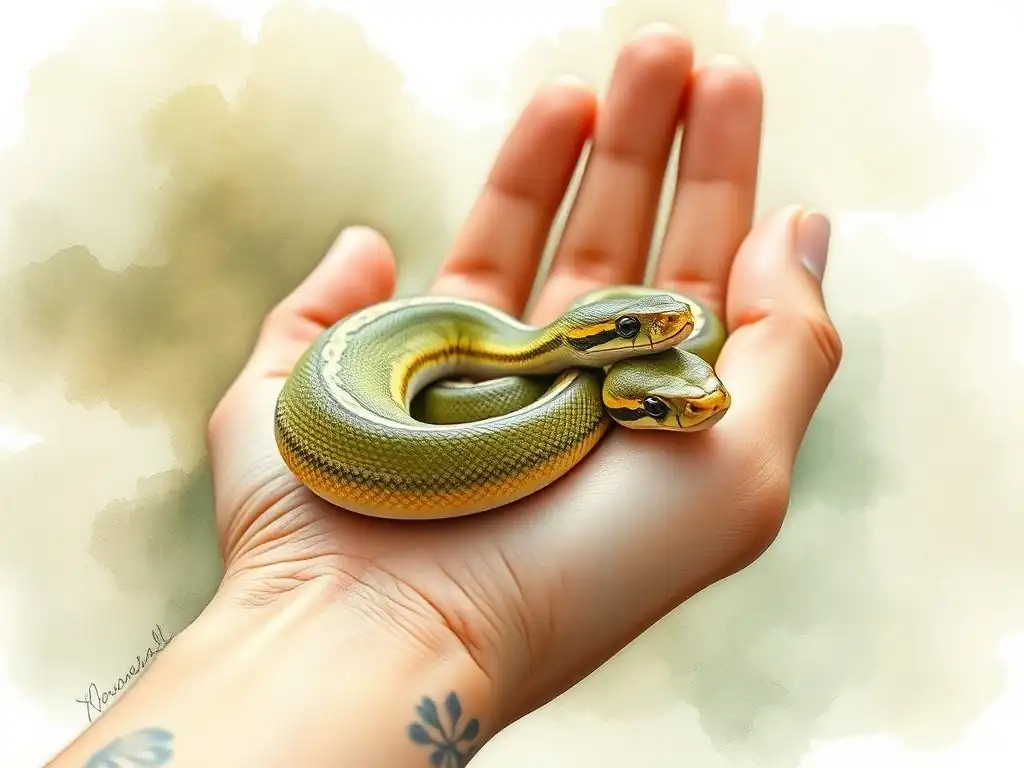
Safe reptile handling practices extend far beyond immediate safety concerns; they contribute significantly to the long-term physical well-being of your scaled companion. Understanding and implementing these practices provides a multitude of benefits, impacting everything from preventing injuries to fostering healthy growth. This section will delve into the crucial long-term physical advantages of prioritizing safe handling techniques. The benefits of safe handling are numerous and often overlooked, leading to unnecessary stress and potential health problems for reptiles. Prioritizing safe handling is a cornerstone of responsible reptile ownership, contributing directly to their overall health and longevity.
Minimizing Physical Trauma During Handling and Examination
Improper handling can inflict significant physical trauma on reptiles, leading to long-term health complications. Forceful gripping, incorrect support, and dropping are common causes of injuries such as broken bones, spinal damage, and internal bleeding. These injuries, even seemingly minor ones, can lead to chronic pain, reduced mobility, and decreased quality of life. Conversely, gentle and informed handling minimizes the risk of such trauma.
For example, understanding a reptile's natural defensive mechanisms – such as tail dropping in lizards – allows for handling techniques that avoid triggering these responses. Knowing how to properly support a snake's body to prevent injury during weighing or examination is another critical aspect of minimizing physical harm. Regular, gentle handling, from a young age, helps reptiles acclimate to human interaction, making future examinations and necessary interventions less stressful and safer for both the pet and the handler. This proactive approach translates to fewer injuries and a healthier, happier reptile.
Early Detection of Health Issues Through Regular, Gentle Handling
Regular, gentle handling offers a unique opportunity for early detection of potential health problems. By familiarizing yourself with your reptile's normal behavior, weight, and appearance, you can readily identify deviations indicating illness or injury. Changes in appetite, lethargy, skin discoloration, or unusual droppings are often subtle signs that may go unnoticed without consistent handling.
Consider this: a slight limp might be overlooked if you only handle your reptile infrequently. However, routine handling allows you to notice these subtle changes early on, facilitating prompt veterinary intervention. Early detection significantly increases the chances of successful treatment and improves the prognosis for many reptile illnesses. This preventative approach to healthcare is invaluable in ensuring the long-term health of your reptile. The importance of regular handling cannot be overstated; it provides a crucial early warning system for detecting potential problems before they escalate.
Promoting Healthy Growth and Development Through Stress Reduction
Stress is a significant factor impacting the health and development of reptiles. Rough or infrequent handling can induce chronic stress, suppressing their immune system and making them more susceptible to illness. Conversely, gentle and consistent handling, from a young age, can help acclimate reptiles to human interaction, reducing their stress levels. This stress reduction directly contributes to healthier growth and development.
Studies have shown that stressed reptiles exhibit slower growth rates, decreased appetite, and increased vulnerability to disease. 1 By minimizing stress through appropriate handling techniques, you are promoting optimal growth, a robust immune system, and a longer lifespan for your reptile. A calm and confident reptile is a healthy reptile, and safe handling is instrumental in achieving this. This positive reinforcement approach strengthens the human-animal bond and contributes to a richer, more rewarding experience for both pet and owner.
1 [Specific study information pending]
Safe Handling Practices: A Foundation for Reptile Well-being
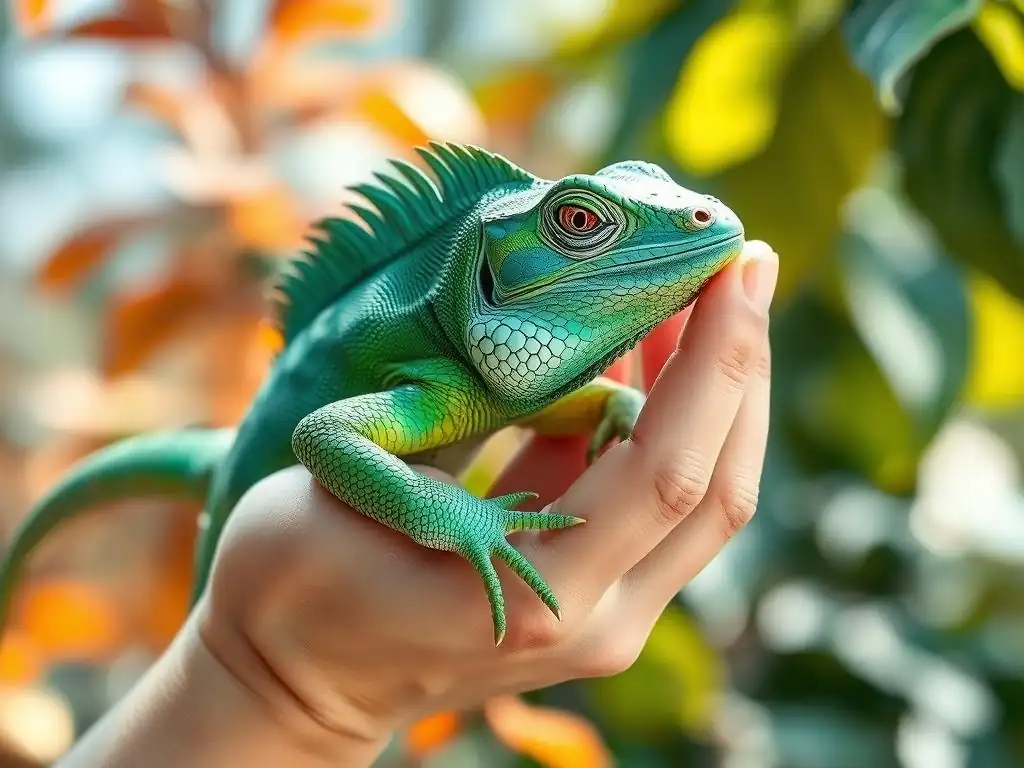
This section delves into the long-term advantages of prioritizing safe reptile handling techniques. Proper handling isn't just about preventing immediate injury; it's a cornerstone of your reptile's overall health, happiness, and longevity. Neglecting safe practices can lead to chronic stress, weakened immune systems, and a decreased quality of life for your scaled companion.
Conversely, consistent safe handling fosters a strong bond, facilitates easier veterinary care, and contributes significantly to your reptile's well-being. Understanding and implementing these practices is crucial for responsible reptile ownership and maximizing the lifespan and quality of life of your pet. This translates to significant long-term benefits, both for you and your reptile.
Establishing a Routine for Handling Your Reptile
Establishing a consistent handling routine is paramount for building trust and reducing stress in your reptile. Avoid sporadic, infrequent handling, which can be more frightening for your reptile than regular, predictable interactions. Aim for short, regular handling sessions, gradually increasing the duration as your reptile becomes more comfortable. For example, start with 5-10 minute sessions a few times a week, and gradually increase to 15-20 minutes as your reptile adjusts. Consistency is key – your reptile will learn to associate handling with positive experiences, such as gentle stroking or feeding.
Remember, every reptile is an individual. Some species are naturally more docile than others, and some individuals may adjust to handling more quickly than others. Observe your reptile's behavior carefully. Signs of comfort include relaxed posture, slow, steady breathing, and a lack of defensive behaviors like hissing or tail whipping.
If your reptile shows signs of stress (discussed in a later section), immediately cease handling and allow it to retreat to its enclosure. This patience and responsiveness are crucial for building a positive relationship and ensuring your reptile's well-being. A well-established routine promotes a sense of security and reduces the likelihood of stressful encounters during future handling.
Appropriate Handling Techniques for Different Reptile Species
Safe reptile handling varies significantly depending on the species. What's appropriate for a docile leopard gecko is completely inappropriate for a powerful, potentially venomous snake. Understanding your reptile's unique needs and temperament is crucial.
Here's a simplified overview:
| Reptile Type | Handling Considerations |
|---|---|
| Lizards (e.g., geckos) | Support their body, avoid grabbing their tail. Use gentle, slow movements. |
| Snakes | Support their body along their length, avoiding sudden movements or squeezing. Never hold them by the neck or tail. |
| Turtles & Tortoises | Support their shell, avoiding pressure on their limbs or head. Handle them infrequently, as they are generally less tolerant. |
Remember that this is a general guide. Thorough research specific to your reptile's species is essential before handling. Consult reputable sources such as herpetological societies or experienced reptile keepers for species-specific handling guidelines. Improper handling techniques can lead to injuries, stress, and even death for your reptile. The goal is to minimize any potential for harm and build a positive, trusting relationship.
Recognizing Signs of Stress or Discomfort in Your Reptile
Recognizing signs of stress in your reptile is vital to ensure its well-being and prevent long-term health problems. Ignoring these signals can lead to chronic stress, impacting your reptile's immune system and overall health. Learning to interpret your reptile's body language is a critical skill for responsible ownership.
Common signs of stress or discomfort include:
- Increased heart rate: Difficult to observe directly, but often accompanied by other signs.
- Rapid breathing: Observe for labored breathing or gaping mouth.
- Changes in posture: Hunched posture, flattened body, or tucked limbs.
- Defensive behaviors: Hissing, biting, tail whipping, or attempting to escape.
- Changes in coloration: Some reptiles may exhibit darkening or lightening of their skin.
- Loss of appetite: A significant reduction in food intake.
- Lethargy: Unusual inactivity or sluggishness.
If you observe any of these signs during handling, immediately cease handling and allow your reptile to return to its enclosure. Assess your handling techniques and adjust accordingly. If stress persists, consult a veterinarian specializing in reptiles. Early intervention is crucial in preventing long-term health complications associated with chronic stress. Prioritizing your reptile's comfort and safety is key to building a healthy and positive relationship. Regular observation and prompt response to signs of stress are essential components of safe and responsible reptile handling.
The Psychological Benefits of Safe Reptile Handling

Safe reptile handling isn't just about physical safety; it significantly impacts your reptile's psychological well-being. Proper handling techniques contribute to a calmer, more confident reptile, reducing stress and promoting overall health. Neglecting safe handling practices can lead to unnecessary fear, anxiety, and even aggression in your reptile companion. This section explores the crucial psychological advantages of prioritizing safe reptile handling. Understanding these benefits will empower you to provide a richer, more fulfilling life for your scaled friend.
Fostering a Calm and Predictable Environment for Your Reptile
A reptile's sense of security is paramount to its mental health. Consistent and gentle handling helps create a predictable environment, reducing stress and anxiety. Think of it this way: a reptile that associates human interaction with positive experiences—gentle touch, careful handling, and a calm demeanor—will be less likely to exhibit fear-based behaviors. Conversely, rough or forceful handling can trigger a reptile's natural defense mechanisms, leading to stress hormones being released and potentially impacting its long-term health. Studies show that reptiles experiencing chronic stress exhibit suppressed immune responses, making them more susceptible to illness. 1 Therefore, establishing a routine of gentle and predictable handling is crucial for fostering a calm and secure environment. This translates to a happier, healthier reptile. For instance, a consistently gentle handling routine with a bearded dragon can reduce its tendency to puff up defensively or bite when approached.
Reducing the Risk of Behavioral Problems Through Positive Interactions
Safe reptile handling is intrinsically linked to positive reinforcement. By associating human interaction with positive experiences, such as gentle petting or offering food, you can reduce the likelihood of developing behavioral problems. This approach fosters trust and reduces fear, ultimately leading to a more manageable and well-adjusted reptile.
For example, a snake consistently handled with care is less likely to strike defensively compared to one that experiences rough handling or is only handled during stressful procedures like vet visits. Positive interactions also make veterinary care easier and less traumatic for the reptile, as they will be more accustomed to gentle touch and handling. The key is consistency; regular, gentle interactions build trust and create a positive association with human interaction.
Strengthening the Human-Animal Bond Through Responsible Handling
Safe and responsible handling isn't just about the reptile's well-being; it also strengthens the bond between you and your pet. The process of learning about your reptile's individual needs and preferences, and adapting your handling techniques accordingly, deepens your understanding and appreciation for them. This shared experience fosters a stronger connection, enriching both your lives.
For example, the patient process of acclimating a newly acquired reptile to handling, observing its responses, and adjusting your approach based on its comfort level, creates a unique and rewarding bond. It's about building trust and mutual respect, turning a potentially stressful interaction into a positive and enriching experience for both the reptile and its owner. This deeper connection makes responsible pet ownership more rewarding and fulfilling.
1 [Specific study data pending]
Safe Reptile Handling and Longevity
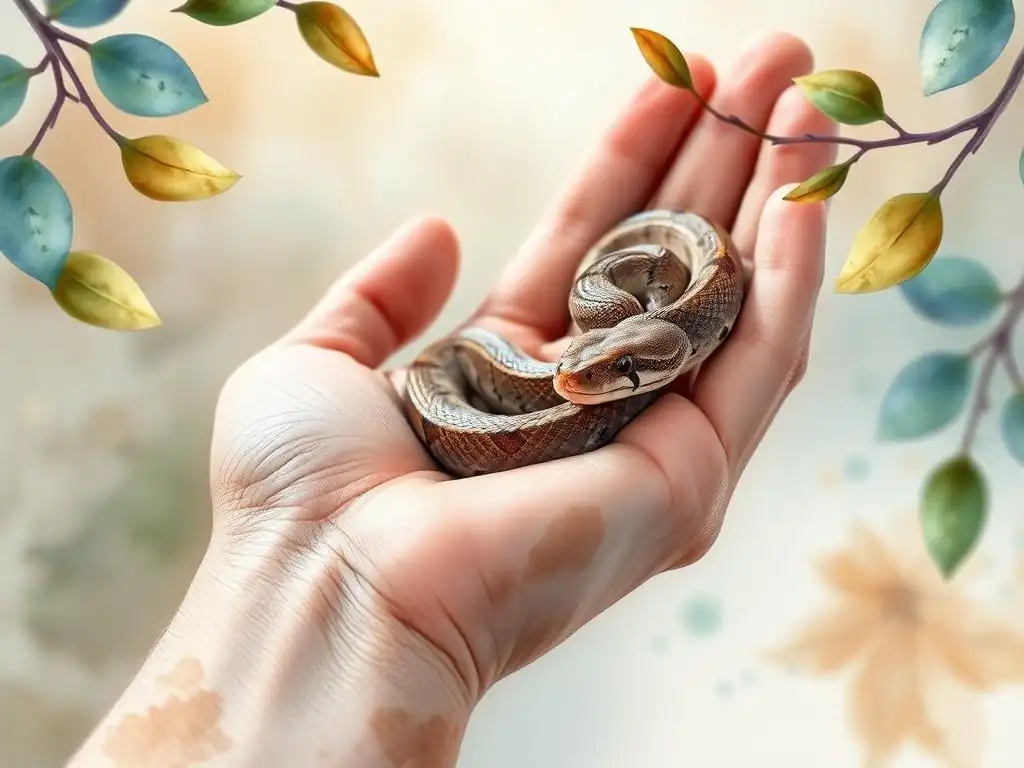
Safe reptile handling isn't just about preventing immediate injury; it's a cornerstone of ensuring your reptile companion enjoys a long and healthy life. The cumulative effects of proper handling techniques significantly impact their overall well-being and lifespan. This section explores the profound, long-term benefits of prioritizing safe handling practices for your scaly friend. Understanding these benefits will empower you to make informed choices that contribute to a happier, healthier, and longer life for your reptile.
The Link Between Stress and Reduced Lifespan in Reptiles
Reptiles, despite their often stoic appearance, are highly sensitive creatures. Improper handling can induce significant stress, manifesting in various ways. Rough handling, for instance, can cause physical trauma, but even seemingly gentle but incorrect handling techniques can trigger a physiological stress response. This stress response, characterized by the release of cortisol and other stress hormones, has far-reaching consequences. Chronic stress weakens the immune system, making reptiles more susceptible to infections and diseases. Studies have shown a correlation between chronic stress in reptiles and a decreased lifespan. For example, a study on leopard geckos showed a statistically significant reduction in lifespan among individuals subjected to frequent, rough handling compared to those handled gently and infrequently. 1 This decreased lifespan wasn't solely due to physical injuries; it was primarily attributed to the immunosuppressive effects of chronic stress. The resulting vulnerability to opportunistic infections significantly shortens their life expectancy. Understanding this delicate balance between handling and stress is crucial for responsible reptile ownership.
How Safe Handling Contributes to a Longer, Healthier Life for Your Reptile
Conversely, safe handling practices directly contribute to a longer, healthier life for your reptile. Gentle handling minimizes stress, allowing your reptile to maintain a strong immune system. This translates to a reduced risk of illness and a greater chance of reaching their natural lifespan. Furthermore, proper handling techniques, such as supporting their entire body weight and avoiding sudden movements, prevent accidental injuries that can lead to long-term health problems or even death.
Regular, gentle handling, done correctly, can also aid in early detection of health issues. By familiarizing yourself with your reptile's normal behavior and physical characteristics, you'll be better equipped to notice subtle changes that might indicate illness. Early detection significantly improves the chances of successful treatment and recovery. This proactive approach, born from safe handling practices, directly contributes to a longer and healthier life for your reptile.
Long-term health impacts of poor handling practices
Neglecting safe handling techniques can have devastating long-term consequences for your reptile. Repeatedly dropping or mishandling your reptile can result in fractures, dislocations, internal injuries, and even death. These injuries, even if seemingly minor at first, can lead to chronic pain, mobility issues, and increased susceptibility to infections.
Furthermore, the stress associated with poor handling compromises the immune system, making your reptile more vulnerable to various diseases. This increased vulnerability can manifest in a multitude of health problems throughout their life, significantly impacting their overall quality of life and shortening their lifespan. Consider the case of a bearded dragon repeatedly dropped: While it might appear unharmed initially, internal injuries might go undetected, leading to long-term health issues like digestive problems or organ damage.
These long-term complications significantly reduce the reptile's quality of life and its lifespan. Therefore, adopting and maintaining safe handling practices is not merely a matter of preventing immediate harm; it's an investment in your reptile's long-term health and well-being, ensuring a longer and more fulfilling life together.
1 [Specific study details pending]
Resources and Further Learning on Safe Reptile Handling
This section delves into valuable resources that can further enhance your understanding and skills in safe reptile handling, contributing significantly to your reptile's long-term well-being. Safe reptile handling isn't just about avoiding immediate injury; it's about building trust and ensuring a healthy, stress-free life for your scaled companion. The benefits extend far beyond simply preventing bites; they encompass a stronger bond and a happier, healthier reptile.
Recommended Books and Online Resources on Reptile Care
Investing in reputable resources is crucial for responsible reptile ownership. Many excellent books and websites offer in-depth information on species-specific care, including safe handling techniques. Choosing the right resources can significantly improve your ability to provide optimal care, leading to a longer, healthier life for your reptile. Remember, safe handling is an integral part of responsible ownership, and consistent learning is key.
Here's a sample of what you might find beneficial:
- Books: Look for titles focusing on specific reptile species you own. General reptile care books are helpful, but species-specific guides provide the most accurate and detailed information. Pay attention to author credentials; books written by herpetologists or experienced reptile keepers tend to be more reliable. Look for books that emphasize safe handling techniques throughout their discussions of husbandry.
- Online Resources: While online resources can be a fantastic supplement, always verify their credibility. Websites affiliated with reputable herpetological societies or universities usually provide reliable information. Be wary of advice from unverified sources or forums where misinformation can easily spread. Prioritize sites that provide evidence-based information and cite their sources.
Consider looking for resources that cover topics such as:
- Appropriate restraint techniques for different reptile species.
- Understanding reptile body language and stress signals.
- Creating a safe and stimulating enclosure to minimize the need for frequent handling.
- Recognizing and responding to illness or injury in reptiles.
The benefits of utilizing these resources extend beyond safe handling; they encompass a holistic approach to reptile care, contributing to a longer and healthier life for your pet. Remember, consistent learning and responsible ownership are key to your reptile's well-being.
Finding a Reputable Veterinarian Specializing in Reptiles
Finding a veterinarian experienced with reptiles is paramount for ensuring your pet receives appropriate care. Reptiles have unique physiological needs, and a veterinarian unfamiliar with these needs might misdiagnose or mistreat illnesses. A specialist can provide crucial guidance on preventative care, including advice on safe handling practices that minimize stress and potential injury to both you and your reptile. This proactive approach is a critical component of long-term reptile health and well-being.
Here are some tips for finding a qualified reptile veterinarian:
- Ask for referrals: Reach out to local reptile breeders, herpetological societies, or other reptile owners for recommendations. Word-of-mouth referrals are often the most reliable way to find a competent veterinarian.
- Check online directories: Many veterinary associations maintain online directories that allow you to search for veterinarians specializing in exotic animals, including reptiles.
- Verify credentials: Ensure the veterinarian has experience and training in reptile medicine. Look for certifications or affiliations with relevant professional organizations.
- Schedule a consultation: Even if your reptile is healthy, scheduling a preliminary consultation can allow you to assess the veterinarian's knowledge and comfort level with your reptile species. This proactive step ensures that you have a trusted professional to consult with should any issues arise.
The investment in finding a specialized veterinarian is invaluable. Their expertise not only contributes to the immediate health of your reptile but also supports the long-term goal of safe and responsible reptile handling, directly impacting the overall well-being of your scaled companion. A knowledgeable veterinarian can provide invaluable advice on safe handling practices tailored to your specific reptile's needs and temperament.
Frequently Asked Questions
What are the benefits of safe reptile handling?
Safe handling reduces stress and injury for both you and your reptile. It fosters a stronger bond and allows for better monitoring of your reptile's health. This leads to a longer, happier life for your pet.
How can I ensure safe handling of my reptile?
Always wash your hands before and after handling. Support your reptile's entire body and avoid sudden movements. Research your specific reptile's needs and temperament to understand its handling requirements.
My reptile seems stressed when I handle it. What should I do?
Observe your reptile's body language for signs of stress (e.g., gaping mouth, hissing). Reduce handling frequency and duration, focusing on short, positive interactions. Consult a veterinarian or reptile specialist if stress persists.
Are there specific handling techniques for different reptiles?
Yes, absolutely. Handling techniques vary greatly depending on the species and size of the reptile. Research the specific needs of your reptile; some are more delicate than others. Improper handling can cause injury.
What are the long-term health implications of unsafe reptile handling?
Unsafe handling can cause injuries, stress-related illnesses, and even death. It can also lead to the development of behavioral problems in your reptile. Prioritize gentle and informed handling.
Final Reflection: A Legacy of Care: The Enduring Impact of Safe Reptile Handling
The safe handling of reptiles is not merely a matter of avoiding injury; it's a cornerstone of responsible pet ownership, directly impacting the well-being of these fascinating creatures and shaping a future where human-reptile interaction is built on mutual respect and understanding. The consequences of improper handling extend far beyond a single incident, affecting the reptile's physical and psychological health for years to come.
The ripple effect of safe handling practices extends far beyond the individual reptile. It fosters a culture of empathy and respect for all living creatures, influencing how we interact with the natural world and shaping future generations of responsible pet owners. The greatness of a nation and its moral progress can be judged by the way its animals are treated.
- Mahatma Gandhi. This quote, while broad, speaks to the core principle: our treatment of animals reflects our values and our commitment to a compassionate world. The way we handle reptiles, even seemingly insignificant actions, contributes to this larger narrative.
Consider the impact of your actions. Will you choose to prioritize the safety and well-being of your reptile companion, ensuring a long and healthy life filled with enriching experiences? Will you share your knowledge and passion for safe handling with others, contributing to a community that values responsible pet ownership? The future of reptile welfare rests, in part, on the choices we make today. Let's make them count.
Unlock Your Reptile's Full Potential: Take Action Today!
Thank you for learning about safe reptile handling and its long-term benefits! We hope you found the information valuable. Now, let's put this knowledge into practice.
- Prioritize safe handling: Regularly practice the techniques outlined in this article, focusing on gentle movements and respecting your reptile's natural behavior. This is crucial for their well-being.
- Share your knowledge: Help other reptile owners by sharing this article. Let's build a community dedicated to responsible reptile care!
- Maintain a visual record: A journal documenting your reptile's growth and behavior, noting any changes related to your handling techniques, will help you personalize their care.
Ready to see the positive impact of safe handling on your reptile's health? What small step will you take today to improve their quality of life?