
Mastering the Hold: Proper Techniques for Handling Different Reptiles

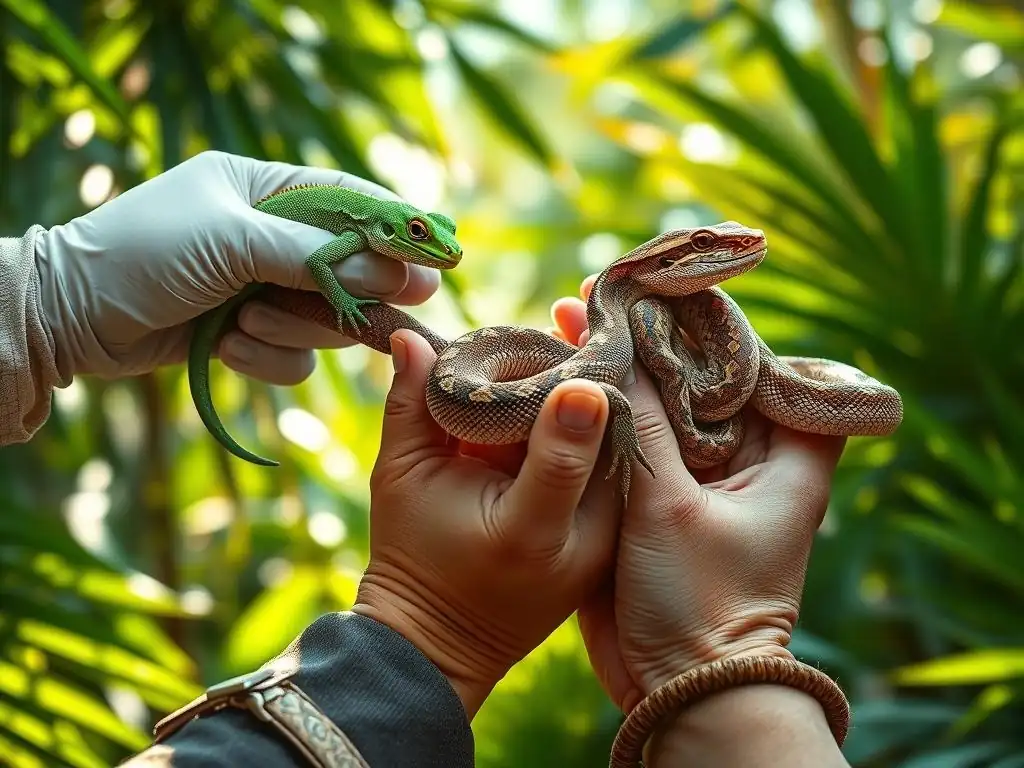
Welcome to PetCareWorld, your ultimate guide to a happier, healthier life for your beloved companions! Are you ready to unlock the secrets to confident and safe reptile handling? Our expert guide on "Safe reptile handling techniques" reveals the crucial steps to ensure both your safety and the well-being of your scaly friends, regardless of species. Discover the proper techniques for handling different reptiles and learn how to build trust and prevent stressful encounters. Dive in and become a master of reptile handling!
- Understanding Safe Reptile Handling Techniques: A Comprehensive Guide
- Safe Reptile Handling Techniques for Specific Species
- Advanced Safe Reptile Handling Techniques: Addressing Difficult Situations
- Post-Handling Care: Ensuring Your Reptile's Well-being
- Maintaining a Safe Reptile Handling Environment: Long-Term Considerations
- Frequently Asked Questions
- Final Reflection: The Enduring Bond: Respect and Responsibility in Reptile Handling
- Unlock Your Reptile Handling Confidence
Understanding Safe Reptile Handling Techniques: A Comprehensive Guide
Safe reptile handling is paramount for both your well-being and the health of your scaly companion. This comprehensive guide delves into the essential techniques required to handle different reptile species safely and confidently. Improper handling can lead to injury for both you and your reptile, stressing the animal and potentially causing bites or escapes.
Understanding your reptile's individual temperament, recognizing its body language cues, and preparing your environment accordingly are crucial steps in mastering safe handling practices. This guide provides practical advice and detailed steps to ensure a positive and safe experience for both you and your reptile, contributing to a stronger bond and a healthier pet. We will explore various handling techniques, focusing on minimizing stress and ensuring the safety of both the handler and the reptile.
Remember, responsible ownership includes understanding and implementing safe handling procedures. Let's embark on this journey towards becoming a confident and capable reptile handler.
Assessing Your Reptile's Temperament and Body Language
Understanding your reptile's individual personality is the cornerstone of safe handling. Some reptiles are naturally docile and easy to handle, while others are more defensive and require a gentler, more cautious approach. Observing your reptile's behavior provides crucial insights into its temperament. For example, a reptile that frequently hisses, puffs up its body, or strikes when approached is exhibiting signs of stress or aggression. Conversely, a calm reptile may readily accept handling and exhibit relaxed body posture.
It's crucial to learn to interpret your reptile's body language. Key indicators of stress or aggression include:
- Hissing: A clear sign of discomfort or threat.
- Puffing up the body: An attempt to appear larger and more intimidating.
- Darkening of skin color: Often indicates stress or aggression.
- Rapid tongue flicking: While sometimes normal, excessive flicking can signal alertness or anxiety.
- Open mouth: A sign of aggression or defense.
- Tail whipping: A defensive action.
Regular observation allows you to identify patterns in your reptile's behavior, enabling you to anticipate potential reactions and adjust your handling techniques accordingly. For instance, a reptile that consistently exhibits aggressive behavior might require specialized handling techniques or the assistance of a reptile veterinarian or experienced handler. Remember, patience and careful observation are essential for building a positive relationship with your reptile and ensuring safe handling practices.
Preparing for Safe Reptile Handling: Essential Equipment and Environment
Before handling your reptile, ensure you have the necessary equipment and have prepared a safe environment. This preparation minimizes stress for both you and your reptile, reducing the risk of accidents. The specific equipment may vary depending on the species of reptile you own, but some essential items include:
| Equipment Item | Purpose |
|---|---|
| Thick Gloves (leather or specialized reptile gloves) | Protect your hands from bites and scratches. |
| Appropriate sized container (e.g., a secure enclosure) | A safe place to temporarily contain the reptile during handling. |
| Soft towels or cloths | To gently support the reptile and provide a secure surface. |
| Reptile hook (for larger species) | To gently guide or support the reptile during handling, minimizing direct contact. |
The handling environment should be calm and quiet, free from distractions. Ensure good lighting to allow for clear visibility of the reptile. Avoid handling your reptile in areas with excessive noise or activity, as this can easily stress the animal. Furthermore, always handle your reptile in a controlled environment, away from potential escape routes or hazards such as sharp objects or other pets. Prioritizing a calm and controlled environment is crucial for a positive and safe handling experience, reducing the likelihood of accidents or injuries.
Safe Reptile Handling Techniques for Specific Species

This section delves into the specifics of safe reptile handling, focusing on techniques tailored to different species and sizes. Remember, even with proper technique, some reptiles may be more difficult to handle than others. Always prioritize the safety and well-being of the reptile. Improper handling can lead to injury for both the reptile and the handler. Understanding species-specific behaviors is crucial for minimizing stress and ensuring a positive experience for everyone involved. The key to safe reptile handling is patience, gentle movements, and a thorough understanding of your reptile's temperament.
Handling Snakes Safely: Techniques for Different Sizes and Temperaments
Snakes, with their diverse sizes and temperaments, require nuanced handling approaches. From the delicate corn snake to the powerful Burmese python, understanding these differences is paramount for safe and responsible handling. Always approach handling with respect and caution, understanding that even docile snakes can react defensively if startled or mishandled.
Gentle Restraint Techniques for Smaller Snakes
Smaller snakes, such as corn snakes, king snakes, and hognose snakes, generally require less forceful handling. The goal is to gently support their bodies, preventing them from constricting or becoming stressed.
- Support the body: Use both hands, gently supporting the snake's body along its entire length. Avoid squeezing too tightly.
- Controlled movement: Move slowly and deliberately, avoiding sudden movements that could startle the snake.
- Avoid grabbing the tail: Grabbing the tail can cause the snake to become defensive and potentially bite.
- Observe body language: Pay close attention to the snake's body language. A tense body, hissing, or striking motions are signs of discomfort or stress. If you observe these signs, immediately cease handling.
Handling Larger Snakes: Safety Precautions and Best Practices
Handling larger snakes, such as ball pythons, boas, and pythons, requires additional precautions. Their size and strength necessitate a more controlled and deliberate approach. Never handle a large snake alone.
- Two-person handling: It's advisable to have a second person assist in handling larger snakes, especially if the snake is particularly large or strong.
- Use appropriate equipment: Consider using handling hooks or gloves for added safety, particularly when dealing with potentially aggressive species.
- Controlled support: Distribute the snake's weight evenly across your arms and body, preventing undue stress on any one area.
- Avoid sudden movements: As with smaller snakes, sudden movements can startle the snake, leading to defensive behavior.
- Regular health checks: Ensure your snake is healthy and well-fed before handling, as a hungry or sick snake may be more prone to aggression.
Handling Lizards Safely: Species-Specific Considerations
Lizards, like snakes, exhibit a wide range of temperaments and physical characteristics, necessitating species-specific handling techniques. Understanding the unique needs of each species is vital for ensuring both your safety and the lizard's well-being. Remember that even docile lizards can bite or scratch if mishandled.
Handling Chameleons: Minimizing Stress and Ensuring Safety
Chameleons are notoriously delicate and prone to stress. Their unique adaptations, such as their color-changing abilities and specialized toe pads, require gentle and careful handling.
- Minimize handling: Chameleons should be handled as infrequently as possible, as excessive handling can be detrimental to their health and well-being.
- Gentle support: When handling is necessary, support the chameleon's entire body, minimizing any pressure on its delicate limbs and tail.
- Avoid sudden movements: Sudden movements can frighten chameleons, causing them to become stressed and potentially injure themselves.
- Proper enclosure maintenance: Maintaining a properly enriched and stress-free environment for your chameleon will reduce the need for frequent handling.
Handling Geckos and Other Small Lizards: Gentle Handling Methods
Smaller lizards, such as geckos and anoles, are generally easier to handle than larger species. However, gentle handling techniques are still crucial to avoid causing injury or stress.
- Support the body: Support the lizard's body gently, avoiding squeezing too tightly.
- Avoid grabbing the tail: Some lizards can detach their tails as a defense mechanism. Avoid grabbing the tail to prevent this.
- Observe body language: Pay attention to the lizard's body language. Signs of stress include rapid movements, hissing, or attempting to bite.
- Quick handling: Keep handling sessions brief to minimize stress.
Handling Larger Lizards (e.g., Iguanas, Monitors): Advanced Handling Techniques
Handling large lizards, such as iguanas and monitors, presents unique challenges due to their size, strength, and potential for aggression. These lizards require specialized handling techniques and, in many cases, the assistance of another person.
- Two-person handling: Two people should handle large lizards to ensure both the lizard's and handler's safety.
- Use appropriate equipment: Thick gloves or other protective gear might be necessary when handling large and potentially aggressive lizards.
- Controlled movements: Slow and deliberate movements are crucial to prevent startling the lizard.
- Regular health checks: Ensure the lizard is healthy and well-fed before handling, as a sick or hungry lizard may be more prone to aggression.
- Professional assistance: For very large or aggressive lizards, seeking professional assistance from a reptile handler or veterinarian is highly recommended. This is especially true for species known for their powerful bites and strong claws.
Handling Turtles and Tortoises Safely: Species-Specific Considerations
Safe reptile handling techniques are crucial for both the pet's well-being and the owner's safety. Turtles and tortoises, while seemingly docile, require a gentle and informed approach. Their shells, while protective, can be easily damaged, and their delicate bones are prone to injury if mishandled. Understanding the specific needs of different species is paramount.
For instance, aquatic turtles, with their sleek, often slippery shells, require different handling techniques compared to the more robust and often less agile terrestrial tortoises. Ignoring these differences can lead to stress for the reptile and potentially injury to both the animal and the handler. Remember, always prioritize the animal's safety and comfort. A stressed reptile is more likely to bite or struggle, increasing the risk of injury.
Observing the reptile's body language is key – signs of stress include rapid breathing, hissing, or attempts to withdraw into its shell. Respect these signs and adjust your handling accordingly. A calm and confident approach will significantly improve the handling experience for both you and your shelled companion.
Handling Aquatic Turtles: Safety Measures in and out of Water
Aquatic turtles, known for their smooth shells and often quick movements, present unique challenges when it comes to safe handling. Their slippery shells make a firm grip essential to prevent accidental drops. Always support their entire body, avoiding squeezing or applying pressure to their shell, which can cause cracks or damage. When handling them in the water, ensure a secure grip and be mindful of their sudden movements.
A net can be a helpful tool for retrieving them from their enclosure, minimizing the risk of injury. When removing them from the water, gently support their weight and provide a stable, non-slippery surface for them to rest on. Avoid sudden movements or loud noises, which can startle them.
Always wash your hands thoroughly before and after handling, not only for hygiene reasons but also to avoid transferring potentially harmful substances to the turtle's environment. Regularly check your turtle for any injuries or signs of illness, and consult a veterinarian if you notice anything unusual. Remember, prevention is key – a well-maintained habitat will greatly reduce the need for frequent handling.
Handling Terrestrial Tortoises: Gentle Handling and Support
Terrestrial tortoises, while generally slower-moving than their aquatic counterparts, still require careful handling. Their shells are typically more robust, but their legs and necks are fragile. Always support their entire body weight, especially their hind legs, preventing strain or injury. Avoid lifting them solely by their shell; this can cause undue stress and potential damage to their spine. Instead, gently cup your hands under their belly and support their weight evenly.
When handling a large tortoise, consider using a sturdy towel or blanket to provide additional support. Tortoises can be surprisingly strong, so a firm but gentle grip is essential. Their claws can be sharp, so wear appropriate gloves if necessary. Observe their body language closely – if they retract their head and legs, it's a sign of stress.
Give them space and try again later. Remember, handling should be kept to a minimum, only for necessary tasks like cleaning their enclosure or veterinary examinations. A calm and patient approach will create a positive experience for you and your tortoise, strengthening the bond between you and your pet. Regularly inspect your tortoise for any signs of injury or illness and consult a veterinarian immediately if you notice anything concerning.
Advanced Safe Reptile Handling Techniques: Addressing Difficult Situations
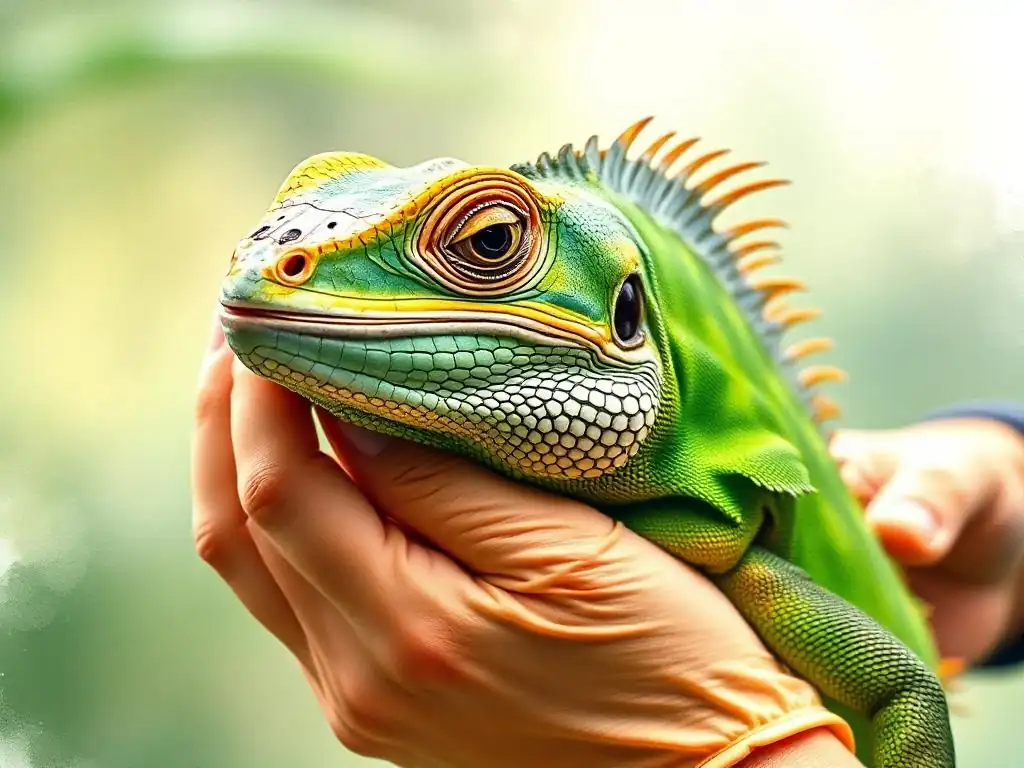
This section delves into advanced techniques for handling reptiles, focusing on situations that require extra care and expertise. Mastering these techniques is crucial for ensuring both your safety and the well-being of your reptile companion. Remember, even seemingly docile reptiles can exhibit unexpected behavior, so always prioritize safety. These strategies build upon the foundational safe reptile handling techniques already discussed and are essential for experienced reptile keepers.
Dealing with Aggressive or Defensive Reptiles: Safety Protocols and Handling Strategies
Aggressive or defensive behavior in reptiles can manifest in various ways, from hissing and puffing up (in some species) to biting and striking. Understanding the underlying causes of this behavior is the first step towards safe handling. Stress, fear, improper handling in the past, and even hunger can trigger aggression.
Several safety protocols should always be followed when dealing with a potentially aggressive reptile:
- Protective Gear: Always wear appropriate protective gear, including thick gloves (leather or specialized reptile gloves are recommended), long sleeves, and eye protection. Consider using a sturdy handling hook or tongs for added safety, especially with larger or more aggressive species.
- Controlled Environment: Handle the reptile in a confined, secure area, such as a large tub or enclosure with a secure lid. This prevents escapes and reduces stress on both you and the reptile.
- Calm and Controlled Movements: Sudden movements can startle a reptile and trigger aggression. Approach slowly and deliberately, making smooth, controlled movements. Avoid loud noises or sudden vibrations.
- Understanding Body Language: Learn to recognize your reptile's body language. Signs of aggression can include flattened bodies, raised crests (in some species), hissing, gaping mouths, and rapid tongue flicking. If you observe these signs, immediately cease handling and reassess the situation.
- Professional Assistance: If you are consistently unable to handle your reptile safely, or if its aggression is escalating, seek professional assistance from a veterinarian specializing in reptiles or an experienced reptile handler.
Here’s a table summarizing common aggressive behaviors and appropriate responses:
| Aggressive Behavior | Potential Cause(s) | Response |
|---|---|---|
| Biting | Fear, hunger, territoriality | Withdraw slowly; provide safe space; consult vet |
| Hissing/Puffing Up | Fear, defense | Give space; avoid sudden movements |
| Striking | Fear, defense, hunting instinct | Use tongs or hook; provide safe space |
| Tail whipping | Fear, territoriality | Give space; avoid sudden movements |
Remember, patience and understanding are key. Consistent, positive interactions can help reduce aggression over time, but safety should always be the top priority. Never force interaction with an unwilling reptile.
Handling Injured or Sick Reptiles: Safe Transportation and Veterinary Care
Handling an injured or sick reptile requires extra caution and sensitivity. Their weakened state can make them more prone to stress and further injury. Improper handling can exacerbate existing conditions.
Safe transportation to a veterinarian is critical. Follow these steps:
- Secure Containment: Use a sturdy, well-ventilated container appropriate for the size and species of reptile. Line the container with absorbent material to absorb any waste or fluids.
- Support and Stabilization: If the reptile has a visible injury, provide support to prevent further trauma during transport. This might involve gently supporting the injured area with soft padding.
- Temperature Regulation: Maintain a suitable temperature during transport, especially for reptiles sensitive to temperature fluctuations. Use heat packs or ice packs as needed, but avoid direct contact with the reptile.
- Minimize Handling: Limit handling to the absolute minimum necessary for safe transport. Avoid unnecessary stress.
- Emergency Veterinary Care: Contact a veterinarian experienced with reptiles immediately. Provide them with a detailed description of the injury or illness, as well as any relevant information about the reptile's history and care.
The process of handling a sick reptile demands gentle movements and a calm demeanor. Observe the animal carefully for any signs of pain or distress. If unsure about any aspect of handling or treatment, always consult a veterinary professional specializing in reptiles. The health and well-being of your reptile should always take precedence. Remember, prompt veterinary care is crucial for a positive outcome.
Post-Handling Care: Ensuring Your Reptile's Well-being
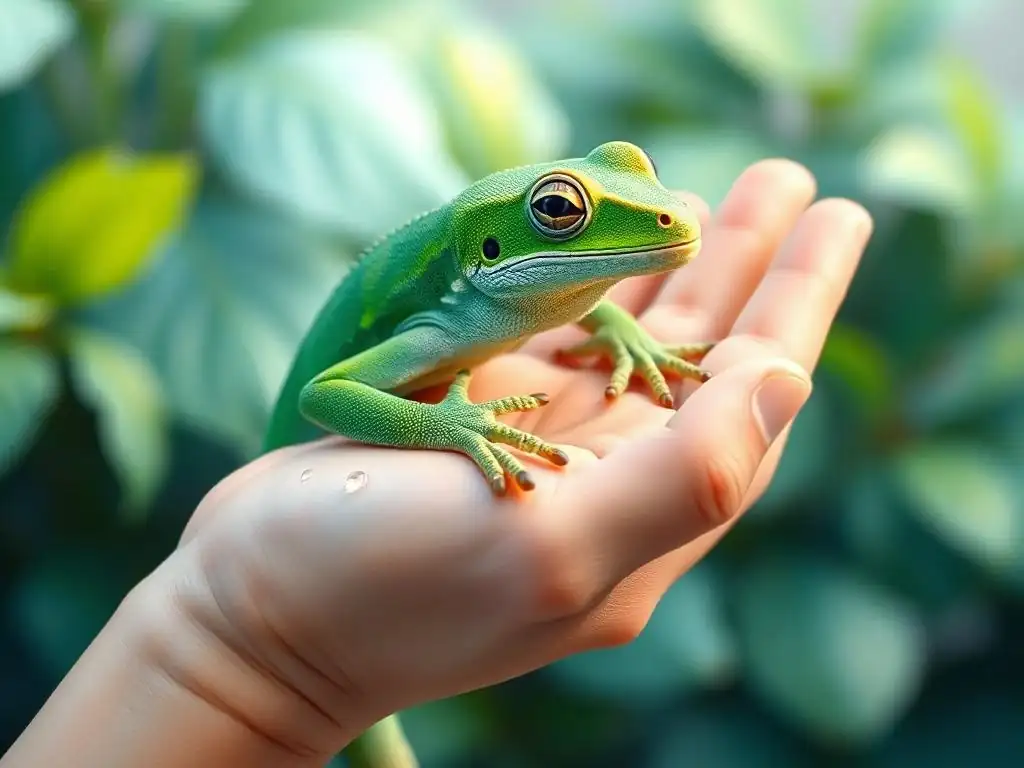
After handling your reptile, it's crucial to prioritize their well-being and ensure a smooth transition back to their enclosure. Neglecting post-handling care can inadvertently introduce stress, illness, or injury to your scaly companion. Implementing these practices contributes significantly to safe reptile handling techniques and promotes a healthy, thriving reptile.
Cleaning and Disinfecting Your Hands and Handling Equipment
Thorough hygiene is paramount after handling any reptile. Reptiles, even seemingly healthy ones, can carry Salmonella and other bacteria. This is not to instill fear, but to emphasize the importance of preventative measures. Always wash your hands thoroughly with soap and warm water for at least 20 seconds after handling your reptile. This is especially critical if you have young children or individuals with compromised immune systems in your household.
Furthermore, any equipment used during handling, such as hooks, tongs, or gloves (if used), should be disinfected. A 10% bleach solution (1 part bleach to 9 parts water) is effective; allow the equipment to soak for at least 10 minutes before rinsing thoroughly with clean water and allowing it to air dry completely. Avoid using harsh chemicals that could damage the equipment or leave harmful residue. Regular disinfection of your handling tools is a crucial aspect of safe reptile handling techniques, minimizing the risk of cross-contamination between your pet and its environment.
Observing Your Reptile for Signs of Stress or Injury
Following handling, carefully observe your reptile for any signs of stress or injury. Even gentle handling can sometimes cause unforeseen issues. Look for subtle changes in behavior or physical appearance. These could include:
- Lethargy: Is your reptile less active than usual? Does it seem less responsive to stimuli?
- Changes in Appetite: Has its feeding behavior altered? A sudden loss of appetite could indicate stress or illness.
- Respiratory Issues: Is its breathing labored or unusually rapid?
- Physical Injuries: Inspect your reptile carefully for any cuts, abrasions, or other visible injuries. Pay close attention to the areas that were directly handled.
- Dehydration: Check for signs of dehydration, such as sunken eyes or a lack of skin turgor.
Detailed Observation Checklist:
To ensure thorough observation, consider using a checklist. This helps to identify subtle changes that might otherwise go unnoticed. A simple checklist could include:
- ✅ Activity level (normal/reduced/increased)
- ✅ Appetite (normal/reduced/increased)
- ✅ Respiration rate (normal/fast/slow)
- ✅ Posture (normal/hunched/stiff)
- ✅ Skin condition (normal/abrasions/cuts)
- ✅ Hydration (normal/dehydrated)
Any unusual behavior or visible injury warrants immediate attention. If you notice any concerning symptoms, consult a veterinarian specializing in reptiles as soon as possible. Early intervention is key to ensuring the continued health and well-being of your reptile. Proactive monitoring is an integral part of mastering safe reptile handling techniques. Remember, responsible ownership includes vigilant observation and prompt veterinary care when needed.
Maintaining a Safe Reptile Handling Environment: Long-Term Considerations

Safe reptile handling techniques aren't just about the moment you're interacting with your reptile; they encompass creating a consistently safe and enriching environment. A stressed or unwell reptile is far more likely to bite or exhibit defensive behaviors, negating even the best handling techniques. Proactive environmental management is crucial for responsible reptile ownership and minimizing handling risks. This involves considering both immediate and long-term factors influencing your reptile's well-being. Think of it as preventative care for safe reptile handling techniques: a healthy, happy reptile is a safer reptile to handle.
Enrichment and Environmental Factors to Reduce Stress
A stimulating and appropriately sized enclosure is paramount. Reptiles, even seemingly docile ones, need mental and physical stimulation to prevent boredom and stress. Insufficient enrichment can lead to behavioral problems, increasing the likelihood of defensive reactions during handling. Consider these factors:
- Appropriate Substrate: The correct substrate (the bedding material) is vital. Avoid materials that can be ingested and cause impaction, a serious and potentially fatal condition. Sand, for example, is risky for many species. Paper towels, reptile carpet, or specific reptile-safe substrates are safer alternatives.
- Thermal Gradient: Reptiles are ectothermic (cold-blooded), relying on external sources to regulate their body temperature. Providing a thermal gradient—a range of temperatures within the enclosure—allows them to thermoregulate effectively. This reduces stress and improves overall health. A basking spot with a higher temperature and cooler areas are essential.
- Hiding Places: Secure hiding places are crucial for reducing stress. Reptiles instinctively seek shelter when feeling threatened or insecure. Providing multiple hiding spots allows them to feel secure and reduces their inclination towards defensive behaviors when handled.
- Environmental Enrichment: Enrichment is not just about temperature and hiding; it encompasses the overall stimulation of the reptile's environment. This can include climbing branches, rocks, or specialized enrichment toys designed for specific reptile species. This stimulation keeps them mentally engaged and reduces stress, making handling easier and safer.
- Light Cycles: Maintaining appropriate day/night light cycles is crucial for mimicking their natural environment. This impacts their behavior, digestion, and overall well-being. Incorrect lighting can cause stress and hormonal imbalances, making them more prone to biting.
Regular Veterinary Checkups for Optimal Reptile Health
Regular veterinary checkups are an indispensable component of safe reptile handling techniques. A healthy reptile is less likely to exhibit defensive behaviors. Preventative care minimizes the risk of underlying health issues that could manifest as aggression or unusual behaviors during handling.
Consider these points:
- Preventative Care: Schedule regular checkups, even if your reptile appears healthy. Your veterinarian can identify potential problems early, ensuring prompt treatment and preventing serious complications. This proactive approach is essential for long-term reptile well-being and safe handling.
- Parasite Control: Reptiles can be susceptible to various parasites. Regular fecal examinations can detect and treat these parasites before they cause significant health problems and behavioral changes. Addressing parasite issues is vital for maintaining a healthy and manageable reptile.
- Nutritional Assessment: Your veterinarian can assess your reptile's diet, ensuring it's receiving the proper nutrients for optimal health. Nutritional deficiencies can lead to weakened immune systems, making them more vulnerable to stress and illness, which in turn can affect their behavior during handling.
- Early Detection of Illness: Regular checkups allow for early detection of illness or injury. Early intervention is crucial for successful treatment and preventing complications that could negatively impact your reptile's temperament and make handling more challenging. A sick reptile is a stressed reptile, and a stressed reptile is more likely to bite.
Remember, proactive care translates directly into safer handling experiences. By prioritizing your reptile's health and well-being, you create a foundation for positive interactions and minimize the risk of accidents. This holistic approach to reptile care is the key to mastering safe reptile handling techniques.
Frequently Asked Questions
What are the most important safety precautions when handling reptiles?
Always wash your hands thoroughly before and after handling. Approach the reptile calmly and slowly, avoiding sudden movements that could startle it. Never handle a reptile that is showing signs of aggression or illness.
How do I handle different types of reptiles safely?
Handling techniques vary depending on the reptile species. Smaller, more docile reptiles might be gently scooped up, while larger, potentially aggressive species require more specialized methods, often involving using appropriate tools. Consult species-specific guides for detailed instructions.
What should I do if a reptile bites me?
Remain calm and carefully remove the reptile. Wash the bite area thoroughly with soap and water. Seek immediate medical attention, especially if the bite is deep or the reptile is venomous. Proper identification of the reptile is crucial for treatment.
Are there certain times when I shouldn't handle my reptile?
Avoid handling your reptile immediately after feeding, during shedding, or if it appears stressed or unwell. These times increase the risk of accidental bites or injuries to both you and your reptile. Observe your pet's behavior for clues.
Where can I find more information on safe reptile handling techniques?
PetCareWorld offers a wealth of resources on safe reptile handling, including species-specific guides and expert advice. Consult reputable herpetological websites and books for additional information and best practices. Always prioritize your safety and your reptile's well-being.
Final Reflection: The Enduring Bond: Respect and Responsibility in Reptile Handling
Safe reptile handling isn't just about avoiding bites; it's about fostering a respectful and enriching relationship with these fascinating creatures. The techniques detailed in this article are crucial not only for personal safety but also for the well-being of the reptiles themselves. Ignoring these practices risks injury, stress, and even the death of the animal.
The impact of responsible reptile handling extends far beyond the individual interaction. It shapes our understanding of these often misunderstood animals, challenging preconceived notions and fostering empathy. The greatness of a nation and its moral progress can be judged by the way its animals are treated.
- Mahatma Gandhi. This quote, while broad in scope, speaks directly to the ethical responsibility we bear when interacting with any animal, particularly those we bring into our homes and care for. Our actions, both positive and negative, contribute to the overall perception and treatment of reptiles within our society.
Now, consider your own interactions with reptiles. Have you ever observed a reptile's unique personality? Have you felt the weight of responsibility when handling a delicate creature? I urge you to approach every encounter with respect, patience, and a commitment to learning. By mastering the techniques outlined in this article, you can not only ensure your safety but also contribute to a future where reptiles are understood, appreciated, and protected. Let's work together to build a world where human interaction with reptiles is always marked by respect and responsibility.
Unlock Your Reptile Handling Confidence
Thanks for joining us on this journey into the world of reptile handling! You've gained valuable insights into safe and respectful interactions with these amazing creatures. Ready to put your knowledge into practice?
- Practice gentle handling techniques: Begin with short sessions, focusing on building trust and carefully observing your reptile's body language. This is crucial for establishing a positive relationship.
- Share your experiences: Tell us about your reptile handling journey in the comments below! We love hearing about your successes and learning from any challenges you've encountered.
- Explore enrichment techniques: A stimulated reptile is generally calmer and easier to handle. Research new ways to engage and enrich your scaly companion's environment!
What unique approaches have you found to make reptile handling a positive experience for both you and your pet?