Reptiles & Exotic Pets: Expert Care Guides at PetCareWorld
Welcome to PetCareWorld’s dedicated hub for reptiles, amphibians, fish, and small exotic mammals. Here, we deliver science-backed, practical advice on everything from terrarium setup and species-specific nutrition to disease prevention and ethical ownership. Whether you’re a first-time bearded dragon keeper or a seasoned tarantula enthusiast, these guides help you create thriving, enriched habitats while avoiding common health pitfalls.
🐟 Fish Care - Common Fish Diseases
Learn to identify and treat ich, fin rot, and velvet before they spread. This section covers symptom recognition, quarantine protocols, and medication safety for both freshwater and saltwater tanks. Expect clear charts on water quality parameters that prevent most outbreaks, plus natural remedies that don’t harm beneficial bacteria.
🦴 Common Reptile Health Problems - Metabolic Bone Disease
Metabolic Bone Disease (MBD) is a silent killer caused by calcium deficiency and poor UVB lighting. Here, we break down early warning signs like limb swelling and jaw softness, then guide you through calcium-to-phosphorus ratios, UVB bulb selection, and dietary corrections to reverse mild cases and prevent severe deformities.
💊 Reptile Nutritional Supplements
Discover which calcium, vitamin D3, and multivitamin powders your reptile truly needs—and when to avoid over-supplementing. We cover dusting schedules for juveniles vs. adults, gut-loading prey insects, and the dangers of hypervitaminosis. Real-world dosage examples for geckos, iguanas, and tortoises simplify your routine.
🩺 Recognizing Illness in Reptiles
Reptiles hide sickness until it’s critical. This guide teaches you to spot subtle behavioral shifts—lethargy, reduced appetite, abnormal stool—plus physical signs like retained shed or cloudy eyes. You’ll also learn when to seek a certified reptile veterinarian and how to perform a basic at-home health checklist.
🐍 Caring for Snakes - Corn Snakes
Corn snakes are ideal beginners, but they still need precise care. Explore enclosure sizing, temperature gradients, and humidity hides that reduce stress and respiratory issues. We also detail feeding schedules for hatchlings to adults, safe handling techniques, and how to troubleshoot regurgitation or refusal to eat.
❄️ Live vs Frozen Food for Reptiles
Should you offer live rodents or thawed frozen ones? We compare safety, nutritional value, and ethical concerns. Live prey can bite and injure your pet; frozen-thawed is safer and more convenient. Learn proper thawing methods, temperature checks, and how to switch a picky predator onto pre-killed food.
🥩 Feeding Carnivorous Reptiles
This section covers whole-prey nutrition for snakes, monitors, and tegus. We explain why whole rodents are superior to muscle meat alone, portion sizes based on body weight, and how to balance fats and proteins. Also included: tips for feeding frozen-thawed, managing obese predators, and offering occasional treats like quail eggs.
🪵 Decorations and Enrichment for Reptile Habitats
Bored reptiles develop stereotypical behaviors. Here, we recommend climbing branches, dig boxes, and puzzle feeders that mimic natural foraging. You’ll learn which decorations are toxic, how to safely sterilize driftwood and rocks, and why visual barriers (plants, cork bark) dramatically reduce chronic stress and aggression.
🐹 Small Mammal Care - Hamsters and Gerbils
Hamsters and gerbils thrive with deep bedding, wheels, and tunnel systems. This guide covers species-specific cage sizes, social needs (gerbils need pairs), and dental health. We also address common issues like wet tail in hamsters and scent gland overgrowth in gerbils, with prevention strategies that keep them active and happy.
🦦 Small Mammal Care - Ferrets
Ferrets are mischievous, obligate carnivores with high-energy demands and a strong prey drive. Learn about appropriate ferret kibble or raw diets, escape-proof cage setups, and critical vaccinations (distemper, rabies). We also discuss adrenal disease and insulinoma—two common ferret illnesses—and how early detection extends their lifespan.
🦟 Reptile Parasites and Prevention
Internal worms, coccidia, and mites can devastate a collection. This article explains fecal testing, quarantine for new arrivals, and antiparasitic drugs (with vet oversight). You’ll also find environmental controls—substrate replacement, thorough disinfection—to break the parasite lifecycle and keep your reptiles thriving.
🩹 Common Reptile Health Problems - Skin Issues and Shedding
Improper humidity leads to retained shed, stuck toe caps, and scale rot. We detail how to create perfect humidity gradients for different species, use shed aids safely, and treat minor wounds. Recognize early signs of bacterial or fungal infections, and learn when dry shedding is normal vs. a sign of dehydration or illness.
🐢 Caring for Turtles and Tortoises - Aquatic Turtles
Aquatic turtles need strong filtration, basking spots, and UVB lighting to prevent shell rot and metabolic bone disease. This guide covers tank sizing (10 gallons per inch), water temperature for red-eared sliders and map turtles, and how to build a dry dock that’s easy to climb. Feeding tips balance protein, veggies, and calcium supplements.
🔆 Heating and Lighting for Reptile Habitats
Set up proper temperature gradients and photoperiods for basking species. We explain basking bulbs, ceramic heat emitters, and UVB tube vs. compact fluorescents—plus how to measure temperatures at the basking surface and cool hide. Avoid common mistakes like night-time red lights that disrupt sleep cycles.
🦎 Caring for Lizards - Chameleons
Chameleons demand heavy misting, live plants, and screen enclosures with strong airflow. Learn about species-specific needs (veiled vs. panther), hydration via drippers, and calcium dusting for insects. We also cover stress-induced color changes, preventing mouth rot, and handling tips that reduce cortisol in these delicate lizards.
🌍 Exotic Pet Care - General Considerations
Before acquiring any exotic pet, understand lifespan, adult size, and specialized equipment costs. This section helps you assess whether you have the time, budget, and veterinary access for species like sugar gliders, hedgehogs, or parrots. We also stress the importance of learning natural behaviors to replicate their wild habitat as closely as possible.
🌿 Feeding Herbivorous Reptiles
Iguanas, tortoises, and uromastyx require high-fiber, low-protein plant diets. We list safe greens, vegetables, and occasional fruits with calcium-to-phosphorus complications. Avoid common toxic foods (avocado, rhubarb) and learn to supplement with D3-free calcium for species that receive natural sunlight or strong UVB.
📏 Terrarium Size Guide for Different Reptiles
Size matters: a too-small tank stunts growth and increases stress. This handy table outlines minimum floor space and height for leopard geckos, corn snakes, ball pythons, bearded dragons, and green iguanas. We explain why arboreal species need tall enclosures, while terrestrial species need length over height, plus tips for upgrading as your pet grows.
🏡 Setting Up a Reptile Terrarium - Basics
Start from scratch: choose a glass vs. PVC enclosure, set up substrate, heating, lighting, and hides. This fundamental guide walks through a 5-step setup process, safety checks for electrical components, and how to establish a proper day-night cycle. You’ll learn to avoid common first-time mistakes that lead to respiratory infections or burns.
🐠 Fish Care - Saltwater Aquarium Setup
Saltwater tanks reward patience. This guide covers cycling with live rock, protein skimmers, and water movement. We discuss choosing beginner fish like clownfish and gobies, maintaining salinity and alkalinity, and avoiding the “new tank syndrome.” Also included: quarantine procedures and how to safely introduce corals later.
🦗 Invertebrate Pets - Stick Insects and Mantises
These low-maintenance pets are perfect for apartments. Learn about ventilation, foliage selection, and humidity for stick insects. For mantises, we cover instar-to-adult housing, feeding live fruit flies or roaches, and the dangers of cannibalism. Both require no heating unless your home drops below 15°C, but do need diligent misting.
🦎 Caring for Lizards - Bearded Dragons
Bearded dragons are interactive and hardy. Here, we detail juvenile protein-heavy diets transitioning to adult greens, proper UVB strength (10-12% UVB), and basking temps of 40-42°C. Avoid impaction by using slate tile or paper rather than loose sand. Learn to identify brumation, and handle them frequently to maintain docility.
🤲 Exotic Pet Handling and Safety
Handling exotic pets requires species-specific technique. We cover supporting a snake’s body, avoiding tail restraint that causes spinal injury, and holding small mammals with one hand under the chest. Also discuss zoonotic risks (salmonella, ringworm), hand-washing protocols, and how to read stress signals before a bite occurs.
🦄 Exotic Pet Care - Uncommon Species
For advanced keepers, this niche covers sugar gliders, skunks, wallabies, and crocodilian species. We emphasize the immense responsibility, legal restrictions, and potential for aggressive behavior. Expect honest assessments of diet (some need live insectivore diets), enrichment complexity, and the suprisingly high veterinary costs for these unusual companions.
📜 Legal Considerations for Reptile Ownership
Before buying, check local laws on native species, venomous snakes, and CITES-listed animals. This section helps you navigate permits, microchipping requirements, and bans on certain turtles or monitors. We provide a checklist to verify legal ownership status, avoid confiscation, and ensure your pet has been ethically sourced with proper documentation.
🪨 Substrates for Reptile Terrariums
Choose the right substrate to manage humidity and prevent ingestion. We compare paper towels, reptile carpet, coconut coir, cypress mulch, and sand. For burrowers, a deep soil mix is ideal; for arid species, sand risks impaction if they eat it. Learn which substrates harbor bacteria, how often to replace them, and how to create a bioactive layer if desired.
🐰 Small Mammal Care - Guinea Pigs and Rabbits
Unlike hamsters, guinea pigs and rabbits require unlimited timothy hay and vitamin C supplementation. We explain proper cage sizes (rabbits need at least 8 sq ft), litter training techniques, and why they cannot tolerate corn-based pellets. Also cover dental overgrowth, grooming for long-haired breeds, and safe vegetables for daily rotation.
🐢 Caring for Turtles and Tortoises - Box Turtles
Box turtles are mostly terrestrial but need shallow water bowls for soaking and high humidity. This guide covers outdoor pens with secure fencing, mixed diet of insects, earthworms, and leafy greens, and hibernation requirements (or indoor wintering). Learn to spot shell pyramiding caused by excess protein and low humidity.
🦎 Caring for Lizards - Geckos (Leopard, Crested)
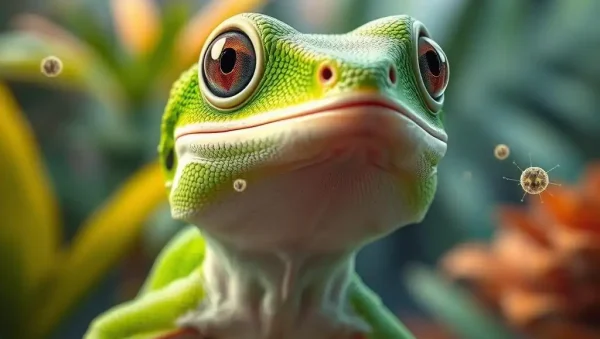
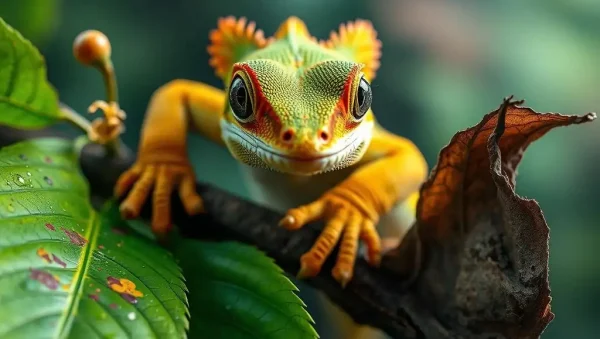
Leopard and crested geckos are nocturnal and need low UVB, warm spots, and vertical climbing space. For leopard geckos, use paper or tile; for crested geckos, mist twice daily and offer a powdered fruit diet. We cover proper temperatures, shedding problems, and handling frequency that minimizes tail drop (leopard) or stress (crested).
🐢 Caring for Turtles and Tortoises - Tortoises
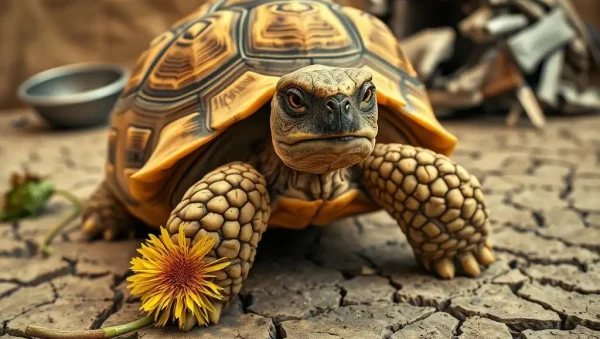
Land tortoises like sulcata and Russian need outdoor grazing areas and burrowing space. This article details proper temperatures for warm-weather species, calcium-rich diets (avoid fruit for sulcatas), and the importance of UVB even outdoors. Learn to prevent pyramiding, respiratory infections, and metabolic bone disease with a correct humidity and basking setup.
🕷️ Invertebrate Pets - Tarantulas and Scorpions
Tarantulas are display pets, never handled. We cover terrestrial vs. arboreal species, substrate depth for burrowing, and prey size (crickets, roaches). Scorpions need a more arid setup and may require heat mats. Understand venom potency, defensive behaviors, and how to safely rehousing both using a catch cup.
🛡️ Reptile Safety for Owners and Family
Prevent bites, scratches, and zoonotic infections. This section covers proper handwashing, avoiding salmonella from turtles, and never kissing your pet. We also explain bite prevention for snakes (using hooks for defensive individuals), how to read tail twitches or hissing, and keeping small children and other pets safely away.
🐍 Handling Reptiles Safely
Master confident, calm handling techniques. For snakes, support ⅓–½ of the body and avoid tapping the head. For lizards, never grab the tail—allow them to climb onto your hand. For turtles, support the shell with both hands. This guide includes how to soothe an agitated reptile, and when to postpone handling (after feeding, during shed).
🐍 Caring for Snakes - Ball Pythons
Ball pythons are known for fasting and respiratory issues. Here, we provide exact temperature gradients (32°C hot spot, 25°C cool), humidity targets (60-70% for good sheds), and hide boxes for security. Learn to troubleshoot food refusal with scenting techniques, and recognize early signs of inclusion body disease (IBD) or scale rot.
🫁 Common Reptile Health Problems - Respiratory Infections
Wheezing, open-mouth breathing, and excess mucus signal RI. This article covers why low temps and high humidity trigger infections, how to treat mild cases with increased heat and ventilation, and when antibiotic injections from a vet are necessary. Prevention: avoid substrate that keeps humidity too high (like wet soil) without airflow.
⏰ Reptile Feeding Schedules and Frequency
Feeding too often causes obesity; too little leads to malnutrition. This guide provides age- and species-specific charts: juvenile beardeds eat insects daily, adult corn snakes eat every 7-10 days, and adult ball pythons every 2 weeks. We also cover fasting periods (breeding seasons, brumation), when to check for weight loss, and how to adjust portions.
🐠 Fish Care - Freshwater Aquarium Setup
Freshwater tanks are easier than saltwater but still need careful cycling. Learn how to cycle with ammonia, choose a canister vs. HOB filter, and pick compatible fish. We cover heater placement, gravel vs. sand substrates, and live plant benefits. Avoid common beginner errors like overstocking and insufficient biological filtration.
⚖️ Exotic Pet Legal and Ethical Considerations
Beyond legality, ask yourself: can you provide for this animal’s complex needs? This section discusses the ethics of keeping wild-caught vs. captive-bred animals, the impact of the pet trade on endangered species, and how to support conservation by adopting from rescues. We warn against impulse buys and emphasize lifelong commitment.
🌳 Conservation and Exotic Pet Ownership
Responsible keepers contribute to conservation. This guide explains how captive breeding programs help reduce poaching of rare geckos and tortoises, and how to support accredited breeders and zoos. We also cover why releasing exotic pets into the wild is harmful, and how you can participate in citizen science for species registry.
🌍 Ethical Sourcing of Exotic Pets
Always buy from breeders who prioritize health, not volume. Learn to spot signs of captive-bred vs. wild-caught (parametiosis, internal parasites, fearful behavior) and why wild-caught animals often die from stress. We provide question checklists for breeders, and how to verify that your reptile has a verifiable lineage.
🌿 Bioactive Reptile Terrariums
Create a self-cleaning ecosystem with live plants, springtails, and isopods. This section covers layering your substrate (drainage, soil, leaf litter), choosing heat-loving plants like pothos or bromeliads, and how to maintain a clean-up crew population. Bioactive setups reduce mold, enrich natural burrowing behaviors, and make cleaning less frequent.
💧 Humidity and Ventilation in Reptile Enclosures
Humidity balancing is crucial. Desert species need 30-40%, tropical species 70-80%. We compare misting systems, water bowls’ evaporation, and substrate moisture retention. Learn to ventilate screen tops or side intakes to prevent stale air that breeds bacteria, and how to measure humidity with digital hygrometers to avoid hygrometer drift.
🐸 Amphibian Care - Frogs and Toads
Amphibians absorb toxins through skin, so water quality is paramount. This guide covers dechlorinated water, reverse osmosis mixing, and correct temperatures for white’s tree frogs or dart frogs. We explain their dietary needs (live feeders dusted with vitamins), humidity requirements, and why they should be handled minimally to avoid stress and dangerous heat transfer.
🦎 Amphibian Care - Salamanders and Newts
Salamanders need both aquatic and terrestrial zones. For newts, fully aquatic setups with a land basking area. This section details cooler temperatures (15-20°C), damp soil, and hiding spots. We cover captive breeding, feeding bloodworms and blackworms, and common conditions like skin fungal infections, with tips on water filtration and substrate safety.
🦗 Feeding Insectivorous Reptiles
Geckos, chameleons, and anoles eat live insects. Learn the nutritional hierarchy of crickets, dubia roaches, mealworms, and hornworms, plus gut-loading and dusting techniques. We also cover how many insects to offer per meal based on size, and how to ensure your insect colony is disease-free to prevent parasite transmission.
📖 General Reptile Care Guide
Start here if you’re new. This foundational guide summarizes all essential care components: enclosure, heating, UVB, diet, hydration, and handling. We include a weekly checklist (clean water, spot cleaning, feeding records) and a troubleshooting chart for common issues like hard shed, not eating, or cloudy eyes. Ideal for beginners building confidence.
Frequently Asked Questions
What is the best beginner reptile for a child?
A leopard gecko is ideal: they’re docile, don’t grow large, and require no UVB (though it’s beneficial). They tolerate handling and eat easy-to-buy crickets. But always supervise children and ensure the gecko has a quiet hide; avoid letting the child squeeze or drop the pet. Setup costs about $200 including tank.
How often should I clean my reptile’s terrarium?
Spot-clean feces and urates daily, and replace soiled substrate weekly. Deep-clean the entire terrarium monthly: remove all décor, scrub with a 5% bleach solution (rinse thoroughly), and replace 100% of the substrate. Bioactive tanks need less deep-cleaning but still require annual substrate refresh. Always wash hands after handling
.
Can I feed my snake live mice instead of frozen?
While possible, live prey is risky: mice can bite, scratch, and transmit diseases, causing severe wounds on your snake. Frozen-thawed mice are nutritionally identical, safer, and more humane. To switch your snake, warm the thawed mouse to 38°C, wiggle it with tongs, and ensure it’s dry. Most snakes convert within 2-4 weeks.
Why is my bearded dragon not eating?
Common causes include low basking temp (should be 40-42°C), impaction from loose substrate, or the onset of brumation (winter slowdown). Check your temperatures with a digital thermometer, offer leafy greens alone, and see a vet if fasting exceeds 2 weeks or is paired with weight loss, loose stools, or lethargy.
Do tarantulas need heat lamps?
Most tarantulas are fine at room temperature (20-26°C) and only need gentle heating in cold rooms, but avoid direct lamps that over-dry and cause fatal dehydration. Use