
Frozen Food Drawbacks: Potential Risks and How to Avoid Them

Welcome to PetCareWorld, your ultimate guide to a happier, healthier life for your beloved companions! Are you considering frozen food for your reptile or exotic pet? Discover the surprising Frozen Pet Food Risks and learn how to navigate the potential dangers in our comprehensive guide. We delve into the critical issues surrounding frozen food, empowering you to make informed decisions for your pet's well-being. Explore the article now and unlock the secrets to safe and nutritious feeding!
-
Understanding the Risks of Frozen Pet Food
- Nutritional Deficiencies in Frozen Reptile Food: Avoiding Vitamin and Mineral Imbalances
- Bacterial Contamination in Frozen Food for Reptiles: Safe Handling and Storage Practices
- Freezer Burn and Its Impact on Frozen Reptile Food Quality
- Identifying Spoiled Frozen Pet Food: Signs and Symptoms to Watch For
- Minimizing Risks: Safe Handling and Storage of Frozen Reptile Food
- Choosing Safe and High-Quality Frozen Pet Food
- Alternatives to Frozen Food for Reptiles
- Frequently Asked Questions
- Final Reflection: The Chill of Choice: Navigating the Frozen Pet Food Landscape
- Unlock Healthier Meals: Take Charge of Your Pet's Diet Today!
Understanding the Risks of Frozen Pet Food
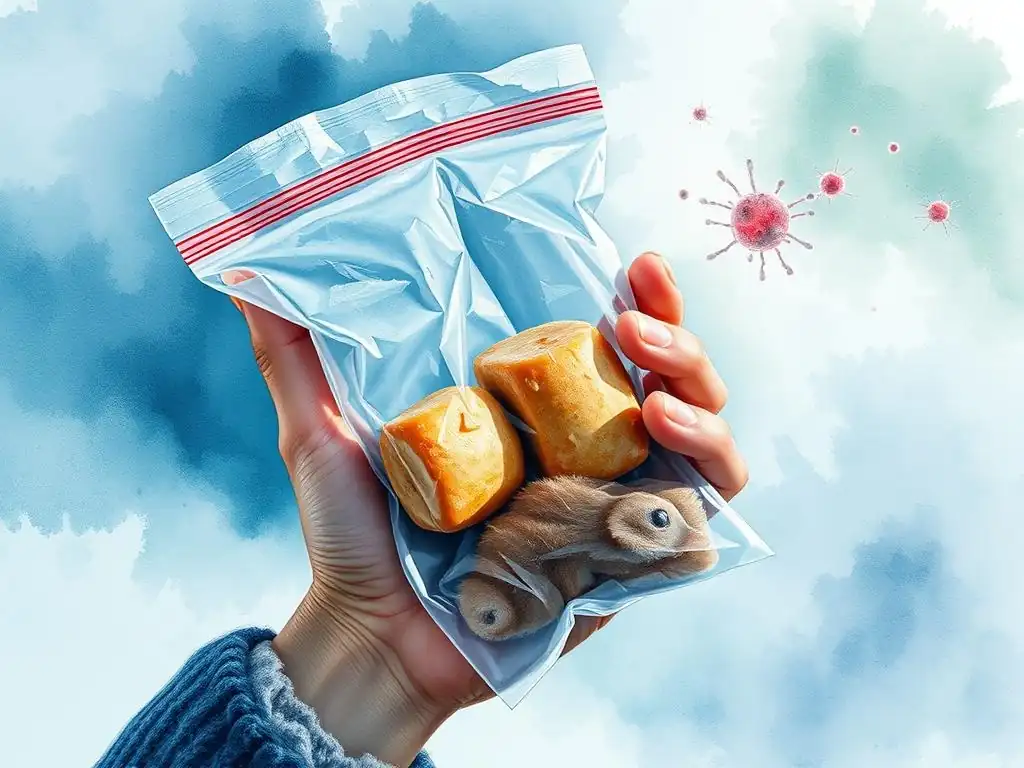
Feeding your reptile a balanced and nutritious diet is crucial for their health and longevity. While frozen reptile food offers convenience and a seemingly wide variety of options, it's essential to understand the potential drawbacks before incorporating it into your pet's feeding regime. This article delves into the potential risks associated with frozen pet food, specifically focusing on nutritional deficiencies, bacterial contamination, and the impact of freezer burn.
Understanding these risks empowers responsible pet owners to make informed decisions and mitigate potential harm, ultimately ensuring the well-being of their scaled companions. Choosing the right frozen food, combined with safe handling and storage, is paramount for providing your reptile with optimal nutrition and minimizing health risks. Let's explore these critical aspects in detail.
Nutritional Deficiencies in Frozen Reptile Food: Avoiding Vitamin and Mineral Imbalances
Frozen reptile food, while convenient, can sometimes suffer from nutritional imbalances. The freezing process, while preserving the food, can unfortunately degrade certain essential vitamins and minerals. For example, Vitamin C, known for its crucial role in immune function, is particularly susceptible to degradation during freezing and storage. Similarly, certain fat-soluble vitamins (A, D, E, and K) can be affected, leading to potential deficiencies if not carefully managed. The problem isn't inherent to all frozen foods, however; the quality of the initial ingredients and the processing methods significantly impact the final nutritional profile.
To mitigate these risks, carefully examine the nutritional label of any frozen reptile food. Look for products that clearly state the guaranteed analysis, listing the minimum levels of crucial vitamins and minerals. Supplementing your reptile's diet with appropriate vitamin and mineral supplements, under the guidance of a veterinarian specializing in reptiles, can help ensure your pet receives the necessary nutrients even when using frozen food.
Furthermore, opting for high-quality brands known for their commitment to nutritional integrity can significantly reduce the risk of deficiencies. Remember, a balanced diet is key; don't rely solely on frozen food but consider incorporating a variety of fresh, appropriately prepared foods to ensure a complete and balanced nutritional intake for your reptile.
Bacterial Contamination in Frozen Food for Reptiles: Safe Handling and Storage Practices
Bacterial contamination poses a significant risk with frozen reptile food. Improper handling and storage can lead to the growth of harmful bacteria, potentially causing illness in your reptile. Even though freezing significantly reduces bacterial activity, it doesn't eliminate it entirely. Thawing and re-freezing, in particular, creates an ideal environment for bacterial proliferation. Moreover, cross-contamination can occur if thawing frozen food is done improperly or if utensils and surfaces aren't properly sanitized.
Safe handling practices are crucial. Always thaw frozen food safely, ideally in the refrigerator overnight. Avoid thawing at room temperature, as this allows for rapid bacterial growth. Use separate cutting boards and utensils for handling frozen reptile food and avoid contaminating it with raw meat intended for human consumption. Ensure that all surfaces and utensils are thoroughly cleaned and sanitized after handling frozen food.
Proper storage is equally important; store frozen food at a consistently low temperature (-18°C or lower) to prevent bacterial growth. Discard any food showing signs of spoilage, such as discoloration, unusual odor, or slimy texture. Regularly check your freezer's temperature to ensure it is functioning correctly. Careful attention to hygiene and safe handling procedures are vital to minimize the risk of bacterial contamination.
Freezer Burn and Its Impact on Frozen Reptile Food Quality
Freezer burn, a common issue with frozen food, occurs when the food's surface dries out due to exposure to air. This results in a loss of moisture and nutrients, affecting both the texture and nutritional value of the food. Freezer-burned food may appear discolored, dry, and leathery. While it might still be safe to consume (depending on the extent of the damage), its nutritional value is significantly reduced, and the altered texture may make it less appealing to your reptile. The loss of moisture can also concentrate the remaining salts and minerals, potentially creating an imbalance in the diet.
To minimize freezer burn, ensure proper packaging of frozen reptile food. Use airtight containers or freezer bags designed to minimize exposure to air. Also, try to avoid frequently opening and closing the freezer, as this can increase the risk of freezer burn.
When removing food from the freezer, only take out what you need for immediate use. By following these guidelines, you can significantly extend the shelf life of frozen reptile food and maintain its nutritional value and palatability. Regularly inspect your frozen food for signs of freezer burn and discard any affected portions to prevent your reptile from consuming sub-par nutrition.
Identifying Spoiled Frozen Pet Food: Signs and Symptoms to Watch For
Determining whether your frozen reptile food has gone bad is crucial for your pet's health and safety. Spoiled frozen food can harbor harmful bacteria, parasites, and toxins, leading to serious illness or even death. Careful observation is key to preventing these issues. Several visual and olfactory cues can help you identify spoiled frozen food.
One of the most obvious signs is color change. While the exact color variation depends on the type of food (e.g., insects, mice, fish), a significant shift from the original color should raise concerns. For instance, discoloration in fish, such as browning or graying, is a strong indicator of spoilage. Similarly, insects might exhibit unusual darkening or changes in their natural pigmentation. This discoloration often signals bacterial growth or oxidation, rendering the food unsafe for consumption.
Another critical indicator is unusual odor. Fresh frozen food should have little to no discernible smell upon thawing. A strong, unpleasant, sour, or ammonia-like smell is a clear sign of spoilage. This odor arises from the breakdown of proteins and the proliferation of bacteria during improper storage or thawing. Never feed your reptile food that emits a foul odor; discarding it is always the safest option.
Furthermore, pay close attention to the texture and consistency of the food. Frozen food should maintain its original texture upon thawing, with no signs of excessive mushiness, stickiness, or unusual slime. A change in texture might suggest bacterial contamination or enzymatic breakdown, making the food unsafe for your reptile. For example, if you notice an unusually soft or slimy texture in previously firm insects or fish, it's a strong indication of spoilage.
Finally, mold growth is a definitive sign of spoiled food. Any visible mold, regardless of color or type, renders the food completely inedible. Mold produces mycotoxins, which are highly toxic to reptiles and can cause severe health problems. If you observe any mold, immediately discard the entire package to prevent potential cross-contamination.
Remember, when in doubt, throw it out! The health of your reptile is paramount, and erring on the side of caution is always the best approach when dealing with potentially spoiled frozen food. Regular inspection of your frozen food supply is a vital aspect of responsible reptile ownership and contributes significantly to maintaining a healthy and thriving pet.
Minimizing Risks: Safe Handling and Storage of Frozen Reptile Food
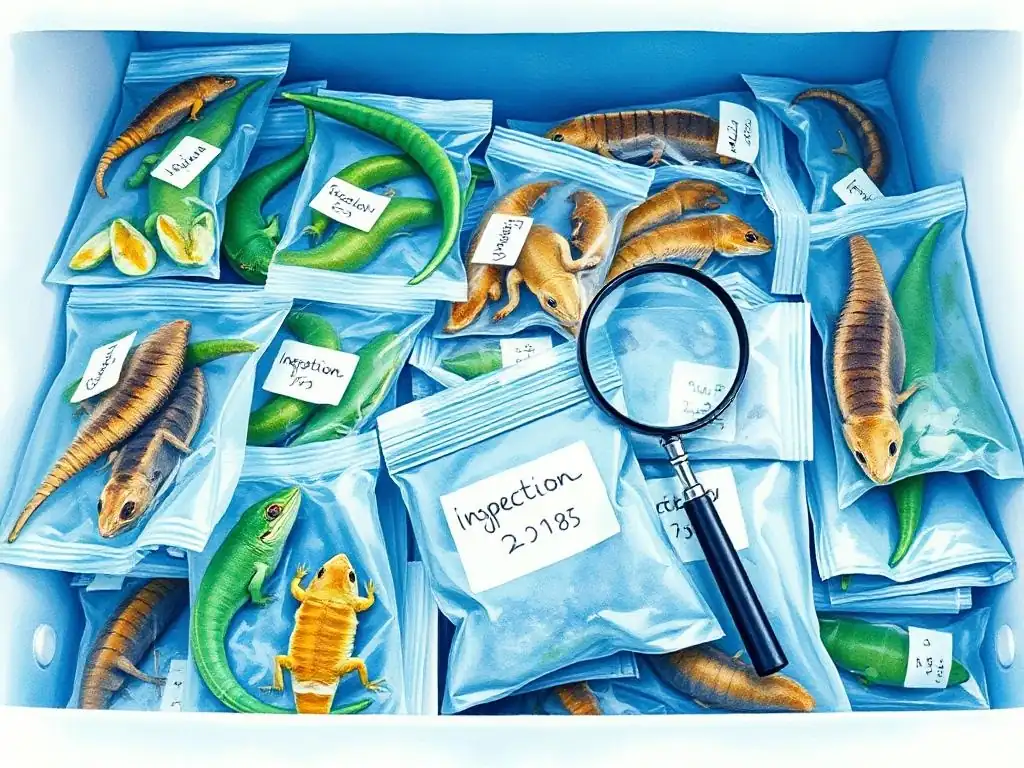
Frozen reptile food offers convenience and nutritional benefits, but improper handling and storage can negate these advantages, introducing significant health risks for your reptile. Understanding and implementing safe practices is crucial for ensuring your pet's well-being. The potential risks associated with frozen pet food, particularly for reptiles, are largely related to bacterial contamination and nutritional degradation. This section will detail best practices for handling and storage, mitigating these "frozen pet food risks."
Thawing Frozen Food for Reptiles Safely: Best Practices to Prevent Bacterial Growth
Thawing frozen reptile food incorrectly can rapidly promote bacterial growth, leading to serious illness or even death in your reptile. Never thaw frozen food at room temperature. This allows dangerous bacteria like Salmonella and E. coli to proliferate rapidly.
Instead, utilize one of the following safe thawing methods:
- Refrigerator Thawing: This is the safest method. Transfer the frozen food to the refrigerator and allow it to thaw completely. This slow thawing process minimizes bacterial growth. Plan ahead, as this method can take several hours or even overnight, depending on the size and type of food.
- Cold Water Thawing: Place the frozen food in a sealed, leak-proof bag and submerge it in a bowl of cold water. Change the water every 30 minutes to ensure it remains cold and prevent bacterial growth. This method is faster than refrigerator thawing but still requires careful monitoring.
- Microwave Thawing (Use with Caution): While possible, microwave thawing should be approached cautiously. Ensure the food is thawed completely and evenly to avoid hot spots that can kill beneficial bacteria or enzymes. Immediately use thawed food after microwaving.
Important Considerations:
- Never thaw food at room temperature.
- Always check the internal temperature of the food before feeding. It should be completely thawed and uniformly cold.
- Discard any food that shows signs of spoilage, such as discoloration, unusual odor, or slimy texture. These are clear indicators of bacterial contamination. Prioritizing the health of your reptile by discarding spoiled food is crucial to avoid "frozen pet food risks."
Proper Storage of Frozen Reptile Food: Maintaining Nutritional Value and Preventing Spoilage
Proper storage of frozen reptile food is as critical as safe thawing. Improper storage can lead to freezer burn, nutrient loss, and bacterial contamination, all increasing "frozen pet food risks".
Follow these guidelines for optimal storage:
- Use airtight containers: This prevents freezer burn and maintains the food's moisture content, preserving its nutritional value. Label containers clearly with the date of freezing.
- Organize your freezer: Proper organization prevents accidental cross-contamination and helps you easily identify older items that should be used first. Consider using labeled freezer bags or containers for different food types.
- Maintain a consistent freezer temperature: Fluctuations in temperature can affect the quality and safety of the food. Ensure your freezer maintains a temperature of 0°F (-18°C) or lower.
- First In, First Out (FIFO): Always use older frozen food before newer items. This minimizes the risk of spoilage and ensures your reptile receives the freshest, most nutritious food.
Failing to maintain these standards significantly increases the "frozen pet food risks" for your reptile.
Preventing Cross-Contamination: Hygiene Protocols for Handling Frozen Pet Food
Cross-contamination occurs when harmful bacteria from other sources transfer to your reptile's food. This is a significant concern when handling frozen pet food.
Here’s how to minimize cross-contamination:
- Wash your hands thoroughly: Always wash your hands with soap and water before and after handling frozen reptile food.
- Sanitize surfaces: Clean and sanitize all surfaces that come into contact with the frozen food, including cutting boards, utensils, and countertops. A diluted bleach solution (follow manufacturer instructions carefully) is effective for sanitization.
- Use separate utensils: Avoid using utensils that have come into contact with raw meat or other potentially contaminated items when handling reptile food. Dedicated utensils for reptile food preparation are a must.
- Proper disposal: Dispose of packaging and any waste materials properly to prevent contamination.
By diligently following these hygiene protocols, you significantly reduce the "frozen pet food risks" and ensure the safety and health of your reptile companion. Ignoring these steps can lead to serious health problems. Remember, proactive hygiene is key to responsible pet ownership.
Choosing Safe and High-Quality Frozen Pet Food
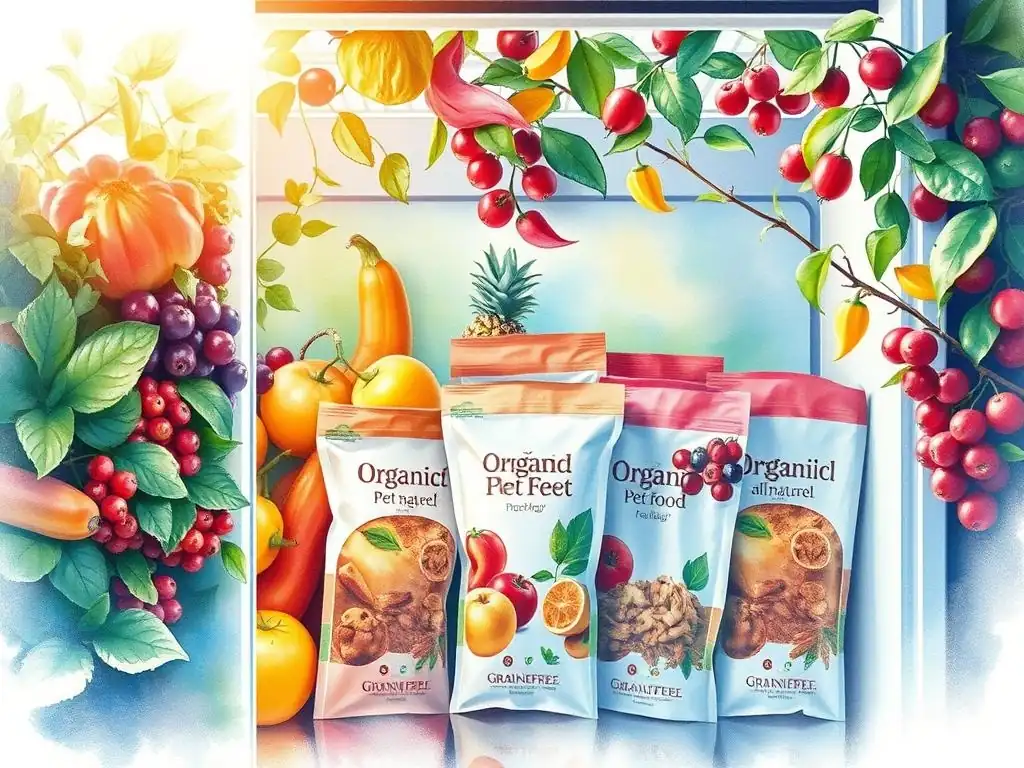
Choosing the right frozen food for your reptile is crucial for their health and well-being. Frozen pet food offers convenience and a wider variety of prey items compared to live feeding, but it also carries potential risks if not handled and selected carefully. Minimizing these "frozen pet food risks" requires a proactive approach, starting with careful brand selection and diligent label reading.
Remember, the goal is to provide a nutritionally complete and safe diet that mimics your reptile's natural foraging habits as closely as possible. Ignoring potential dangers can lead to nutritional deficiencies, bacterial contamination, and ultimately, illness in your pet.
Selecting Reputable Brands of Frozen Reptile Food: Factors to Consider
Selecting a reputable brand is the first line of defense against potential dangers associated with frozen pet food. Don't just grab the cheapest option; prioritize quality and safety. Several key factors should guide your decision:
- Brand Reputation: Look for established brands with a strong track record and positive customer reviews. Research the company's sourcing practices and manufacturing processes. Do they prioritize food safety and quality control? Are there any reported instances of contamination or product recalls?
- Ingredient Sourcing: Where does the company source its ingredients? Reputable brands will be transparent about their sourcing, often specifying the origin of their prey animals and any added supplements. Look for sources that emphasize ethical and sustainable practices. Avoid brands that are vague or secretive about their sourcing.
- Packaging and Handling: The packaging should be intact, free of damage, and properly sealed to prevent contamination. Check for expiration dates and ensure the food is stored correctly (typically frozen at 0°F or -18°C). Poorly handled frozen food significantly increases the risk of bacterial growth.
- Customer Reviews and Feedback: Online reviews can provide valuable insights into a brand's reliability and product quality. Look for consistent positive feedback regarding freshness, quality, and the overall health of pets fed the brand's products. Pay close attention to any recurring negative comments that might point to potential problems.
- Certifications and Standards: Some brands may hold certifications related to food safety and quality. While not always mandatory, these certifications can offer an additional layer of assurance. Look for certifications from reputable organizations in your region.
Choosing a reputable brand significantly reduces the risk of encountering contaminated or low-quality frozen reptile food, contributing to a healthier and happier pet.
Reading Food Labels Carefully: Understanding Nutritional Information and Ingredients
Carefully examining food labels is paramount to ensuring your reptile receives a balanced and nutritious diet. Don't just glance at the picture; delve into the details. Here's what to look for:
- Guaranteed Analysis: This section provides the minimum percentage of crude protein, fat, fiber, and moisture. These values should align with the nutritional requirements of your specific reptile species. Significant deviations could indicate nutritional imbalances.
- Ingredient List: The ingredient list should be clear and concise, listing all ingredients in descending order by weight. Avoid products with vague or unclear descriptions. Look for whole prey items rather than processed by-products.
- Additives and Preservatives: Check for the presence of any artificial additives or preservatives. While some are acceptable, excessive amounts or the use of questionable chemicals should raise concerns. Opt for brands that minimize or avoid artificial additives.
- Species-Specific Formulations: Some brands offer species-specific formulations, tailoring the nutritional content to the needs of particular reptile species. These specialized products can be beneficial in providing a more balanced diet for your pet.
- Expiration Date and Storage Instructions: Always check the expiration date and follow the recommended storage instructions carefully. Proper storage is crucial for maintaining food quality and preventing bacterial growth. Thawing and refreezing should be avoided to minimize the risk of spoilage.
Understanding and interpreting food labels empowers you to make informed decisions, minimizing the "frozen pet food risks" associated with nutritional deficiencies.
Comparing Different Frozen Food Options for Reptiles: Nutritional Content and Safety
Once you've identified a few reputable brands, compare their offerings to find the best fit for your reptile's specific needs. Consider the following factors:
- Nutritional Profile: Compare the guaranteed analysis of different products to ensure they meet your reptile's dietary requirements. Consider the protein-to-fat ratio, calcium-to-phosphorus ratio, and the presence of essential vitamins and minerals.
- Prey Item Variety: A varied diet is crucial for optimal health. Look for brands that offer a range of prey items, such as mice, rats, insects, or fish, depending on your reptile's diet. Variety helps ensure your reptile receives a broader spectrum of nutrients.
- Size and Packaging: Consider the size and packaging of the frozen food items. Choose sizes appropriate for your reptile's size and feeding habits. Bulk packaging can be cost-effective, but ensure you have adequate freezer space and can use it before it expires.
- Price per Serving: Compare the price per serving of different products to determine the best value for your money. While price shouldn't be the sole determining factor, it's important to consider affordability when making your decision.
- Convenience and Ease of Use: Consider the convenience and ease of use of different products. Some brands offer individually packaged portions, which can simplify feeding and reduce waste.
By carefully comparing different frozen food options, you can select a product that provides optimal nutrition and minimizes the risks associated with feeding frozen prey. Remember, a healthy and varied diet is fundamental to your reptile's overall health and longevity.
Alternatives to Frozen Food for Reptiles
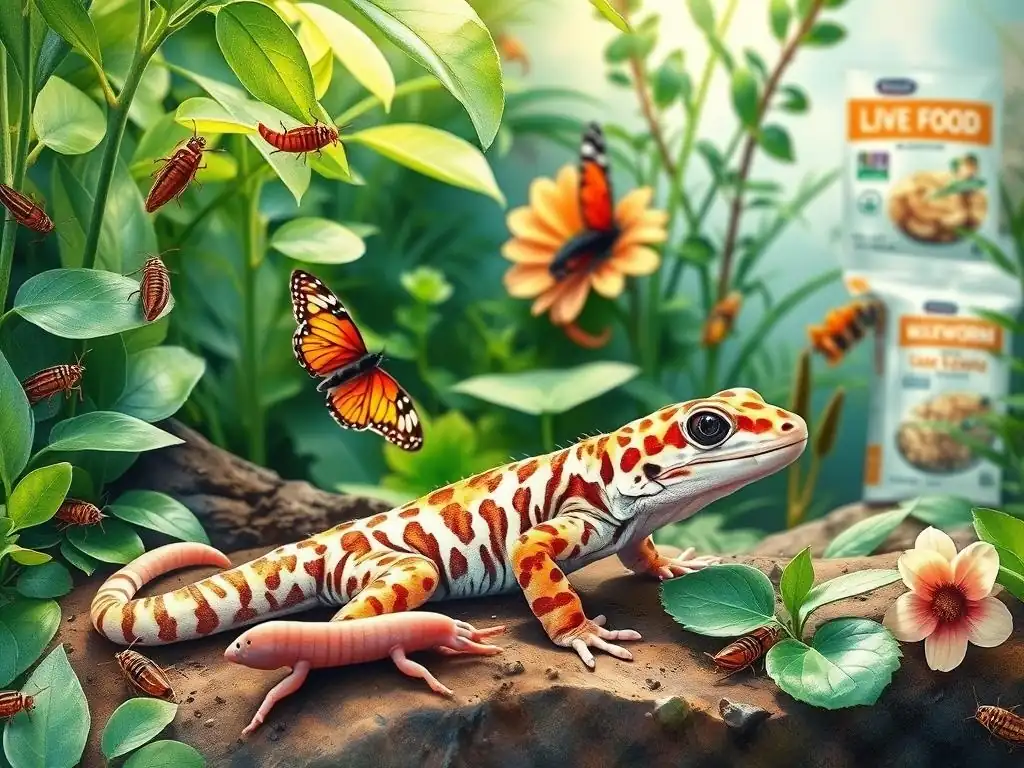
Frozen pet food, while convenient, presents certain risks. Understanding these "frozen pet food risks" is crucial for responsible reptile ownership. This section explores viable alternatives, emphasizing safety and nutritional adequacy. Choosing the right diet significantly impacts your reptile's health and longevity.
Live Food for Reptiles: Benefits and Considerations
Live food, such as crickets, mealworms, and dubia roaches, offers several advantages. Reptiles often exhibit a more natural feeding response to live prey, leading to increased appetite and potentially better digestion. The inherent moisture content in live insects can also contribute to hydration, particularly crucial for certain species. However, live feeding presents its own set of challenges.
The primary concern is the potential for parasite infestation. Insects raised improperly can harbor parasites harmful to reptiles. Careful sourcing from reputable breeders or suppliers is paramount. Thorough cleaning and quarantine of live food before feeding are essential preventative measures. Additionally, the nutritional content of live insects can vary widely depending on their diet and rearing conditions.
Supplementing with calcium and vitamin powders is often necessary to ensure nutritional balance. Proper handling is also crucial to prevent accidental escape of insects and to avoid potential bites or stings. Careful monitoring of the insect population is essential to prevent overpopulation and maintain hygiene. 🐛
High-Quality Dry and Canned Food for Reptiles: A Safe and Convenient Alternative
High-quality commercially produced dry and canned foods provide a safe and convenient alternative to frozen and live food. These options are formulated to meet the specific nutritional needs of different reptile species, minimizing the risk of nutritional deficiencies. Reputable brands conduct rigorous quality control, reducing the risk of contamination. However, careful selection is vital.
Look for foods specifically designed for your reptile's species and life stage. Check the ingredient list for high-quality protein sources and avoid fillers. Always check the expiration date and store food properly to maintain its nutritional value and prevent spoilage. Remember that while convenient, these foods should often be supplemented with other nutrients to ensure a complete and balanced diet.
Supplementing Diets: Ensuring Nutritional Completeness for Reptiles
Regardless of the primary food source—live, frozen, or commercially produced—supplementing your reptile's diet is crucial. This is because even the best commercial reptile food may not provide all the necessary vitamins and minerals in optimal quantities. Calcium and vitamin D3 are particularly important for bone health and overall well-being. Other essential vitamins and minerals may also need to be added, depending on your reptile's species and dietary requirements. Always use high-quality supplements specifically formulated for reptiles.
Follow the manufacturer's instructions carefully to avoid over-supplementation, which can be just as harmful as under-supplementation. Regular veterinary check-ups are recommended to monitor your reptile's health and ensure their nutritional needs are being met. A balanced diet, carefully monitored and supplemented, is key to preventing health problems and ensuring a long and healthy life for your reptile. Remember, responsible pet ownership requires vigilance and attention to detail. 🦎
Frequently Asked Questions
What are the main risks associated with feeding my pet frozen food?
Feeding frozen raw pet food carries risks like bacterial contamination (e.g., Salmonella, E. coli), parasite infestation, and nutritional imbalances if not properly prepared or sourced. Always choose reputable brands.
How can I safely thaw frozen pet food?
The safest method is to thaw food in the refrigerator overnight. Avoid thawing at room temperature to prevent bacterial growth. Never refreeze thawed food.
Are all types of frozen pet food equally risky?
No, the risk varies depending on the source, processing, and storage of the food. Reputable brands undergo rigorous testing and adhere to safety standards, minimizing risks.
My pet ate some thawed frozen food that was left out at room temperature for a few hours. Should I be concerned?
Yes, there's a higher risk of bacterial contamination in food left at room temperature for extended periods. Monitor your pet closely for signs of illness (vomiting, diarrhea) and consult your vet if concerned.
Can I freeze homemade pet food?
Yes, you can, but ensure it's properly portioned and stored in airtight containers to prevent freezer burn and maintain quality. Thorough cooking and rapid cooling are essential to minimize bacterial growth.
The convenience of frozen pet food is undeniable, yet the potential risks, if overlooked, can significantly impact our beloved companions' health and well-being. Ignoring these risks is simply not an option for responsible pet owners. We must actively engage in informed decision-making to ensure our furry friends receive the best possible nutrition.
The impact of readily available, often mass-produced, frozen pet food on the pet food industry is profound, shaping consumer choices and influencing the very standards of pet nutrition. This shift necessitates a critical examination of sourcing, processing, and storage practices. The best thing we can do for our pets is to be informed consumers,
a wise veterinarian once told me, and this rings truer than ever in the context of frozen pet food. Understanding the potential dangers empowers us to make choices that prioritize our pets' health above mere convenience.
Now, consider your own pet's diet. Are you confident in the quality and safety of their food? Take this opportunity to review your choices, research brands diligently, and prioritize transparency in sourcing. Don't let the allure of convenience overshadow the critical need for informed decisions. Your pet's health and happiness depend on it. Let's work together to ensure a safer, healthier future for our animal companions.
Unlock Healthier Meals: Take Charge of Your Pet's Diet Today!
Thank you for learning about the potential drawbacks of frozen pet food. We hope you feel confident making informed decisions about your pet's nutrition. Ready to put this knowledge into action?
- Prioritize Fresh, Whole Ingredients: Begin preparing your pet's meals with fresh, whole foods. This simple change significantly improves their diet.
- Scrutinize Food Labels: Carefully examine the ingredient lists of both fresh and frozen pet foods, paying close attention to the quality and source of ingredients.
- Share Your Experiences: Join the conversation! Share your tips and experiences with pet food in the comments below. Let's help each other keep our pets healthy and happy!
What small change will you make today to improve your pet's diet?