
Live Food Benefits: Encouraging Natural Behaviors in Reptiles

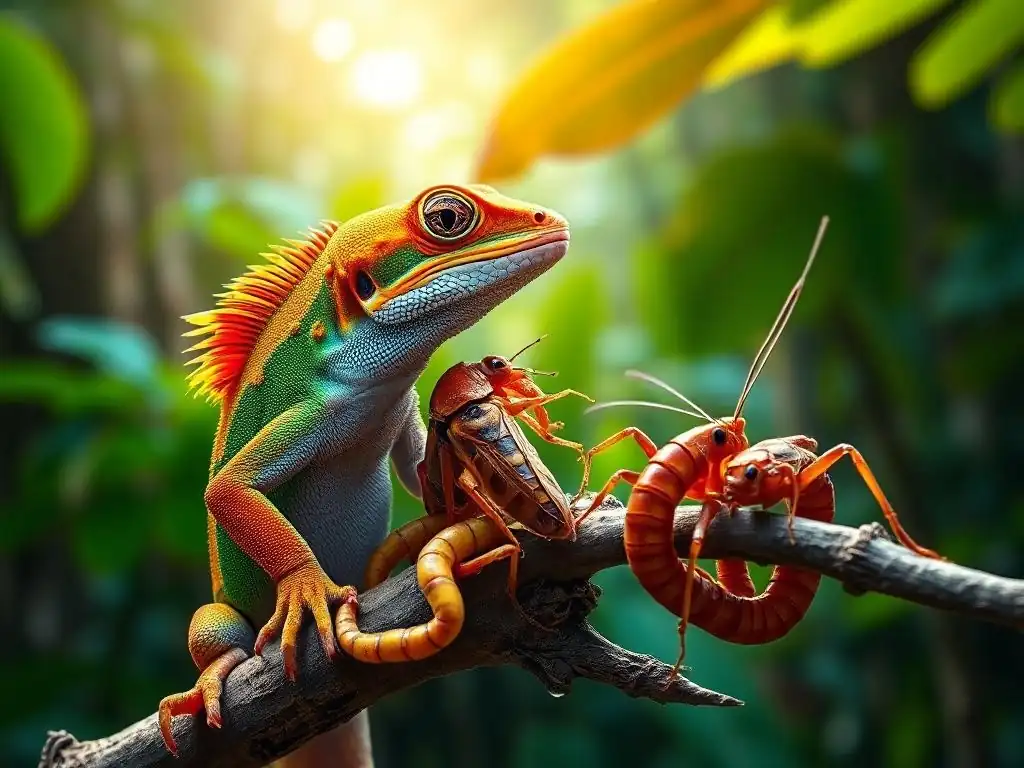
Welcome to PetCareWorld, your ultimate guide to a happier, healthier life for your beloved companion animals! Are you curious about unlocking the secrets to vibrant reptile health? Discover the surprising Live Reptile Food Benefits that go beyond simple nutrition, and learn how providing live food can encourage natural hunting instincts and improve overall well-being. Dive into our expert guide and unlock the key to a thriving reptile companion.
- Understanding the Advantages of Live Reptile Food
- Live Food and Natural Hunting Instincts
- Selecting Appropriate Live Food for Your Reptile
- Potential Challenges of Live Feeding
- Live vs. Frozen: A Balanced Approach to Reptile Nutrition
- Supplementing Live Food with Essential Vitamins and Minerals
- Frequently Asked Questions
- Final Reflection: Cultivating a Thriving Ecosystem, One Live Feed at a Time
- Unlock Your Reptile's Radiant Health: Take Action Today!
Understanding the Advantages of Live Reptile Food
Providing your reptile with a diet that mimics its natural foraging habits offers significant benefits beyond simply meeting nutritional requirements. Feeding live food isn't just about sustenance; it's about enriching your reptile's life, encouraging natural behaviors, and contributing to its overall well-being.
This article delves into the key advantages of incorporating live prey into your reptile's diet, focusing on the nutritional benefits, improved digestion, and the crucial role it plays in preventing nutritional deficiencies often associated with solely frozen or commercially prepared diets. We'll explore why live reptile food benefits extend far beyond simple caloric intake, impacting everything from your reptile's hunting instincts to its overall health and longevity.
Choosing the right live food, however, requires careful consideration and knowledge of your specific reptile's dietary needs – a topic we will also address in subsequent sections. Remember, responsible pet ownership includes understanding and meeting the unique requirements of your scaled companion.
Nutritional Superiority of Live Prey for Reptiles
Live insects and other prey items offer a superior nutritional profile compared to their frozen or commercially prepared counterparts. Frozen food, while convenient, often undergoes processing that can diminish the concentration of essential vitamins and minerals. Live food, on the other hand, retains its natural nutrient density, providing a more complete and balanced diet for your reptile.
For example, crickets fed a varied diet before being offered to your reptile will contain higher levels of calcium, phosphorus, and other vital nutrients than those raised on a less diverse diet. This difference directly translates to better bone health, stronger immune function, and overall improved vitality in your reptile.
The natural variation in the prey also mirrors a reptile's natural diet, which typically consists of a mix of insects, small rodents, or other animals, each providing a unique nutritional contribution. The natural variation in prey also contributes to a more complete and balanced diet, reducing the risk of nutritional imbalances.
The table below illustrates the potential differences in nutrient content between live and frozen crickets (values are approximate and can vary based on numerous factors):
| Nutrient | Live Cricket (Approximate) | Frozen Cricket (Approximate) |
|---|---|---|
| Calcium (mg/100g) | 35-45 | 20-30 |
| Phosphorus (mg/100g) | 25-35 | 15-25 |
| Vitamin A (IU/100g) | 150-250 | 80-150 |
Enhanced Digestive Health with Live Food
The act of hunting and consuming live prey stimulates natural digestive processes in reptiles. The struggle to capture the prey, the subsequent tearing and ingestion, all contribute to increased digestive enzyme production and improved gut motility. This is in stark contrast to simply dropping frozen food into a reptile's enclosure, where minimal physical effort is involved. The enhanced digestive stimulation associated with live feeding can help prevent digestive issues, such as constipation and impaction, which are common problems in reptiles fed solely on readily available commercial foods.
Furthermore, the natural movement of live prey can trigger your reptile's natural feeding instincts, leading to a more satisfying and efficient meal. Improved digestion translates to better nutrient absorption and overall improved health. This is particularly important for growing reptiles or those recovering from illness.
The Role of Live Feeding in Preventing Nutritional Deficiencies
Nutritional deficiencies are a significant concern for reptile keepers. Relying solely on commercially prepared or frozen foods can lead to imbalances in essential vitamins and minerals, resulting in various health problems, including metabolic bone disease (MBD), which is frequently observed in reptiles kept on inadequate diets.
Incorporating live food into your reptile's diet helps mitigate this risk by providing a more diverse and naturally balanced source of nutrients. The natural variation in the prey items, each with their own unique nutritional profile, ensures a wider range of essential nutrients are consumed.
Live feeding isn't a complete replacement for supplemental vitamins and minerals (especially calcium and Vitamin D3 which are crucial for many species), but it significantly contributes to a healthier and more robust diet, reducing the likelihood of deficiencies and promoting optimal health and well-being. Always consult a reptile veterinarian to determine the specific nutritional needs of your reptile and to develop a balanced feeding plan that incorporates live food appropriately.
Live Food and Natural Hunting Instincts
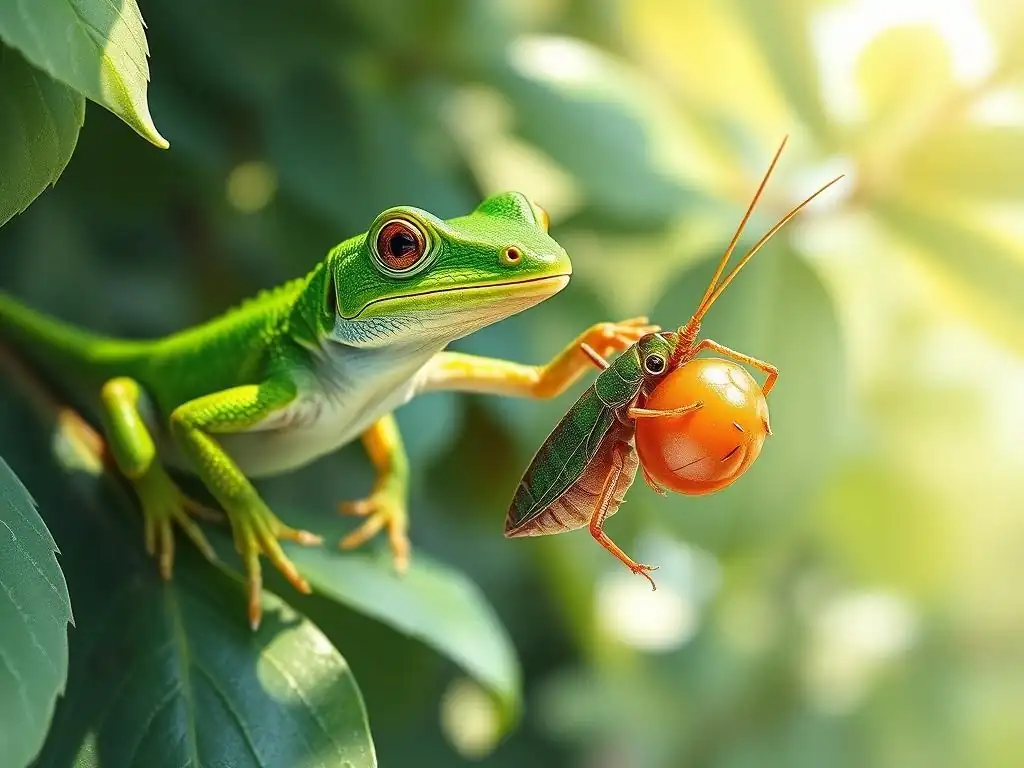
Live reptile food benefits extend far beyond simple nutrition. Providing live prey taps into deeply ingrained predatory instincts, offering significant advantages for the overall health and well-being of captive reptiles. Unlike the passive consumption of frozen or thawed food, hunting and consuming live prey activates a complex series of behaviors crucial for a reptile's physical and psychological health.
This inherent drive to hunt is not merely a matter of obtaining sustenance; it's a fundamental aspect of their natural behavior, and depriving them of this can lead to significant problems. The act of hunting itself provides physical exercise, mental stimulation, and a sense of accomplishment, all contributing to a more enriched and fulfilling life for your reptile. This section will delve into the specific ways live feeding stimulates natural behaviors, enriching your reptile's life.
Stimulating Natural Foraging Behaviors in Captive Reptiles
Captive reptiles often lack the opportunity to exhibit their natural foraging behaviors. In the wild, reptiles spend a considerable amount of time searching for and pursuing prey. This process involves a range of activities, from visually scanning their environment to strategically ambushing their target. Live feeding replicates these crucial behaviors.
For example, a leopard gecko, typically a sit-and-wait predator, will actively stalk and ambush crickets, engaging its natural hunting strategies. Similarly, a more active species like a corn snake will actively pursue and constrict its prey, engaging its entire body and musculature in the process. The physical exertion involved in hunting burns calories, helps maintain muscle tone, and prevents obesity, a common issue in captive reptiles. Furthermore, the success of the hunt provides a positive reinforcement, contributing to the reptile's overall emotional well-being.
The variety of hunting techniques displayed, even within a single species, underscores the importance of live prey in maintaining natural behaviors. Observing these behaviors provides a fascinating insight into your reptile's natural instincts and promotes a stronger bond between owner and pet. For instance, the precision and speed with which a chameleon catches a cricket is a captivating display of their natural agility.
Enrichment and Mental Stimulation through Live Feeding
Beyond the physical benefits, live feeding provides significant mental enrichment. The challenge of hunting live prey keeps your reptile mentally engaged and stimulated, preventing boredom and promoting a more natural expression of their instincts. The anticipation of the hunt, the strategic pursuit, and the satisfaction of the kill all contribute to a richer, more stimulating environment.
This is particularly important for intelligent species like certain lizards and snakes, which can become lethargic and depressed in environments lacking sufficient mental stimulation. Providing varied prey items and adjusting the hunting difficulty can further enhance the mental challenge. For example, offering a larger, faster prey item can provide a more stimulating hunt for a more experienced reptile, while smaller, slower prey is suitable for younger or less experienced individuals.
This tailored approach ensures a consistently engaging and appropriately challenging hunting experience. The cognitive engagement significantly reduces the risk of stereotypical behaviors, often observed in bored or understimulated reptiles. Data suggests that reptiles provided with live prey exhibit fewer signs of stress and anxiety compared to those fed exclusively frozen food.
Reducing Boredom and Stress with Live Prey
Boredom and stress are significant contributors to health problems in captive reptiles. A lack of mental and physical stimulation can lead to lethargy, reduced appetite, and even illness. Live feeding directly combats these issues by providing a natural outlet for their predatory instincts. The act of hunting provides both physical exercise and mental engagement, reducing boredom and promoting a more natural and fulfilling lifestyle.
The inherent unpredictability of live prey also adds to the stimulation. Unlike frozen food, which is always in the same place and easily obtained, live prey requires active engagement and problem-solving, keeping your reptile mentally alert and engaged. The successful hunt releases endorphins, contributing to a sense of well-being and reducing stress levels. This positive feedback loop helps maintain a healthy and balanced state for your reptile.
The reduction in stress translates to improved immune function and a lower susceptibility to disease. Therefore, providing live food is not merely about nutrition; it's a crucial element in maintaining the overall health, happiness, and well-being of your reptile companion. The benefits are multifaceted, encompassing physical fitness, mental stimulation, and a reduction in stress, all contributing to a longer, healthier, and more fulfilling life for your pet.
Selecting Appropriate Live Food for Your Reptile
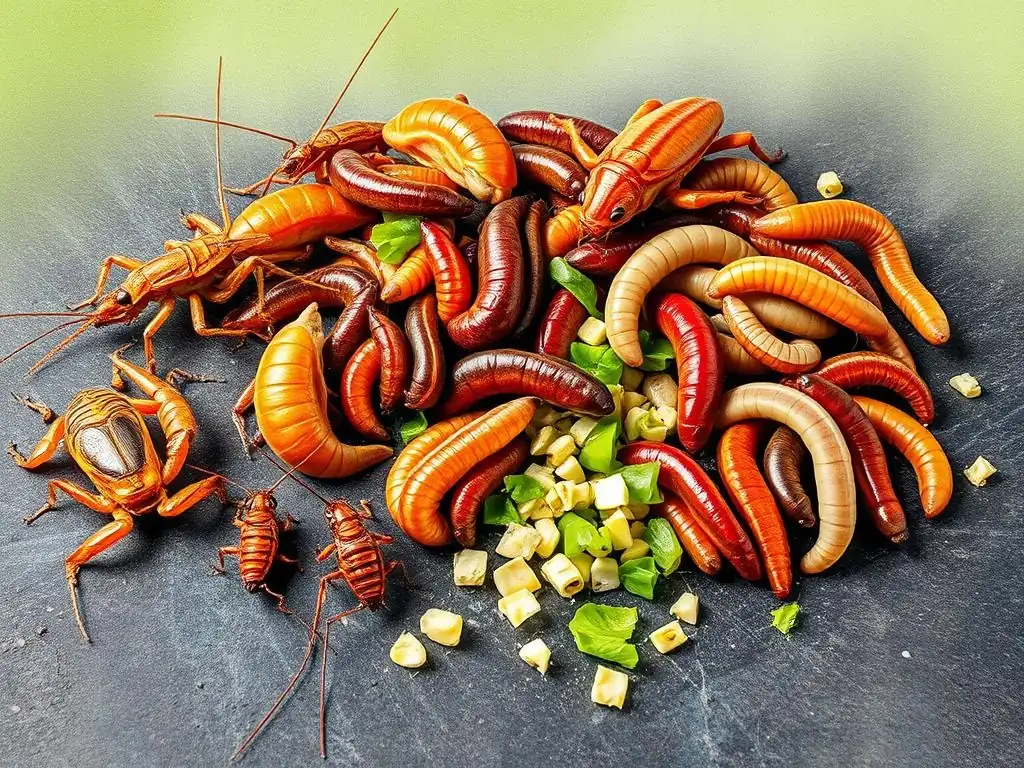
This section focuses on the crucial aspects of choosing the right live food for your reptile, ensuring its nutritional needs are met while minimizing health risks. The selection process involves careful consideration of prey size, species appropriateness, and sourcing practices. Improper choices can lead to digestive problems, nutritional deficiencies, and the introduction of parasites or diseases, significantly impacting your reptile's health and longevity. Therefore, understanding the nuances of live food selection is paramount for responsible reptile ownership. The benefits of live feeding extend beyond simple nutrition; it also stimulates natural hunting instincts, enriching the reptile's overall well-being.
Choosing the Right Prey Size and Species
Selecting appropriately sized prey is critical for preventing digestive issues in your reptile. Too large a prey item can cause regurgitation, impaction, or even injury. Conversely, prey that's too small offers insufficient nutritional value and may not provide enough stimulation for your reptile. The ideal size is generally considered to be no larger than the widest part of your reptile's head.
For example, a young leopard gecko should be fed appropriately sized crickets, while an adult may also consume larger insects like mealworms or dubia roaches. Larger reptiles, such as certain species of snakes, may require larger prey such as appropriately sized rodents. The species of prey is equally important; some insects are better nutritional sources than others.
Crickets, for instance, are a common staple, but they lack certain nutrients compared to other insects like dubia roaches or mealworms. A varied diet, incorporating different prey species, ensures a balanced nutritional intake for your reptile. Always research the specific dietary needs of your reptile species to determine the most appropriate prey size and species.
Here's a table summarizing suitable prey sizes for different reptile life stages:
| Reptile Life Stage | Appropriate Prey Size | Example Prey |
|---|---|---|
| Juvenile | Smaller than head width | Small crickets, pinhead crickets |
| Sub-adult | Up to head width | Medium crickets, small mealworms |
| Adult | Slightly larger than head width | Large crickets, dubia roaches, appropriately sized rodents (for larger species) |
Remember to monitor your reptile's feeding habits and adjust prey size accordingly. Regular veterinary check-ups are also essential to ensure your reptile's overall health and well-being. This proactive approach can help identify and address potential problems early on.
Sourcing Safe and Healthy Live Food for Reptiles
Sourcing live food from reputable suppliers is essential to minimize the risk of introducing parasites, diseases, or contaminants into your reptile's environment. Avoid purchasing live food from unknown sources or those that appear unhealthy or stressed. Look for suppliers who maintain clean, well-ventilated enclosures and prioritize the health and well-being of their animals. Reputable breeders often provide information about their feeding practices and the origin of their insects.
Consider these factors when sourcing live food:
- Supplier reputation: Research potential suppliers and read reviews to assess their reputation.
- Health of the insects: Check for any signs of illness or stress in the insects, such as lethargy, unusual coloration, or deformities.
- Cleanliness of the enclosure: The insects' enclosure should be clean and free of excessive waste.
- Variety: A diverse supply ensures a broader range of nutrients for your reptile.
- Gut-loading: Ensure that your supplier gut-loads insects, meaning they feed the insects nutritious foods to improve their nutritional value for your reptile.
Choosing a reliable supplier is a significant step in ensuring the health and well-being of your reptile. This proactive approach significantly reduces the risk of introducing parasites and diseases. The investment in high-quality live food is a worthwhile investment in your reptile's health.
Ensuring Live Food is Free from Parasites and Disease
Even with careful sourcing, there's always a risk of introducing parasites or diseases to your reptile through live food. Therefore, implementing quarantine and preventative measures is crucial. Before introducing any new live food into your reptile's enclosure, quarantine it for at least a few days. This period allows you to observe the insects for any signs of illness or parasites.
Additional preventative measures include:
- Dusting with supplements: Dusting insects with calcium and vitamin D3 supplements helps ensure your reptile receives adequate nutrition.
- Regular cleaning: Thoroughly clean and disinfect the reptile's enclosure regularly to minimize the risk of parasite infestation.
- Veterinary check-ups: Regular veterinary check-ups can help detect and address any health issues early on.
- Careful observation: Closely observe your reptile for any changes in behavior, appetite, or physical condition.
By combining careful sourcing with quarantine and preventative measures, you significantly reduce the risk of introducing parasites and diseases to your reptile. Remember, proactive health management is key to ensuring your reptile's long-term health and happiness. The benefits of a healthy reptile far outweigh the effort required to implement these preventative measures. It's an investment in the well-being of your cherished pet.
Potential Challenges of Live Feeding
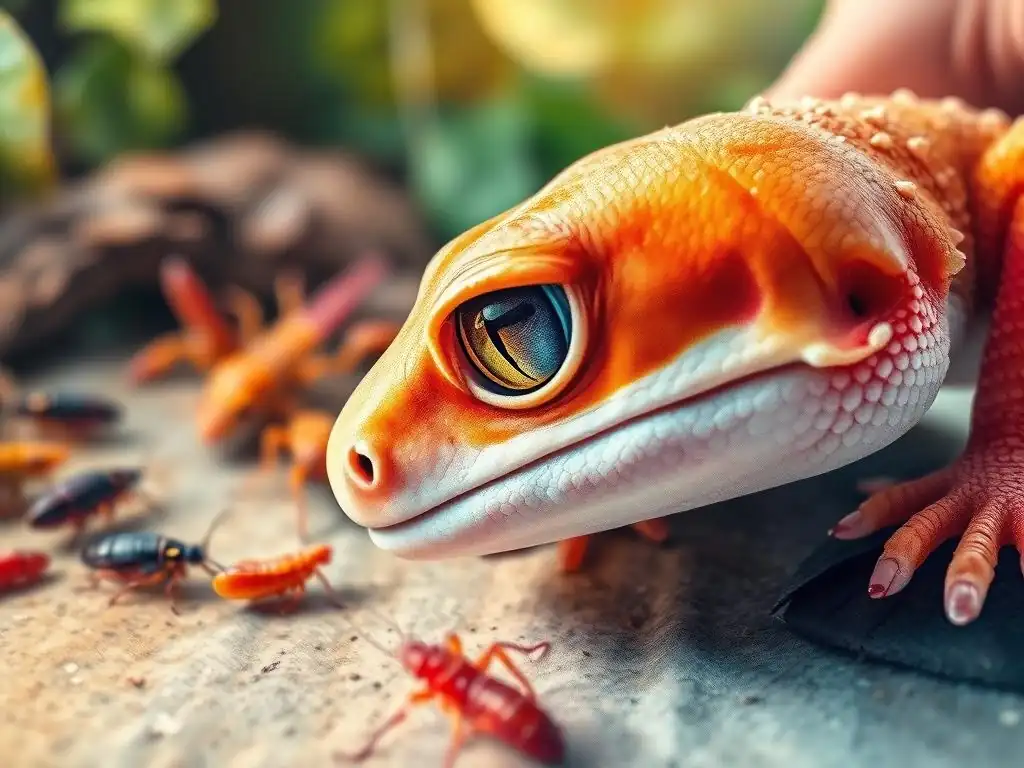
While offering live reptile food benefits numerous advantages, it's crucial to acknowledge the potential drawbacks. Successfully incorporating live feeding into your reptile's diet requires careful planning, diligent observation, and a proactive approach to risk mitigation. Ignoring these challenges can lead to health problems for your reptile and even safety concerns for you. Understanding these potential hurdles is key to responsible live feeding. The benefits, while substantial, are only realized with careful management.
Risks Associated with Live Prey: Parasites and Disease
One of the most significant concerns associated with live reptile food is the potential introduction of parasites and diseases. Live insects, rodents, and other prey animals can carry a variety of pathogens, including bacteria, viruses, and parasites, that can easily infect your reptile. These pathogens can cause a range of illnesses, from mild digestive upset to severe, life-threatening conditions. The risk is amplified when sourcing prey from unknown or unreliable sources.
For example, crickets purchased from a poorly maintained breeder might carry Salmonella or other harmful bacteria. Similarly, feeding wild-caught insects increases the risk of introducing parasites like nematodes or mites. Minimizing these risks requires careful selection of prey sources and implementing strict hygiene protocols. Regularly inspecting your live food for signs of illness or infestation is also essential.
Choosing reputable suppliers who prioritize the health and well-being of their animals is paramount. Remember, a sick prey animal can quickly become a sick reptile. Prevention is always better than cure in this aspect of reptile care.
Safety Precautions When Handling Live Food
Handling live food items requires caution. Insects like crickets and roaches can escape, potentially causing infestations in your home. Larger prey animals, such as mice or rats, pose a different set of challenges. They can bite, scratch, and even transmit diseases through their saliva or droppings.
Always wash your hands thoroughly before and after handling live food items. Wear gloves if you are uncomfortable handling the animals directly. Ensure that your reptile's enclosure is securely closed to prevent escapees. Consider using tongs or forceps to feed larger prey items to minimize direct contact.
Proper containment is crucial, especially when dealing with numerous insects or more agile prey animals. A dedicated feeding area, away from the main living space, can also help to minimize the risk of escape and improve hygiene. The goal is to create a safe and controlled environment for both you and your reptile. Remember, a small escapee can lead to a significant problem.
Managing Waste and Uneaten Prey
Proper waste management is another crucial aspect of live feeding. Uneaten prey items should be removed promptly to prevent decomposition, which can attract pests and negatively impact the hygiene of the enclosure. Regular cleaning of the enclosure is essential, and appropriate substrate should be used to facilitate easy cleaning and prevent the build-up of waste.
The frequency of cleaning will depend on the size and type of reptile, as well as the amount of live food provided. For example, an enclosure housing a large lizard that consumes a significant amount of prey will require more frequent cleaning than one housing a smaller reptile with a lower feeding frequency. Failure to manage waste effectively can lead to an increase in ammonia levels, which can be detrimental to your reptile's health.
Regularly monitoring the enclosure's environment, including temperature, humidity, and cleanliness, is crucial for maintaining a healthy and safe habitat for your reptile. A clean environment contributes significantly to the overall well-being of your pet and minimizes the risks associated with live feeding. Proper waste management is an integral part of responsible live reptile food practices.
Live vs. Frozen: A Balanced Approach to Reptile Nutrition
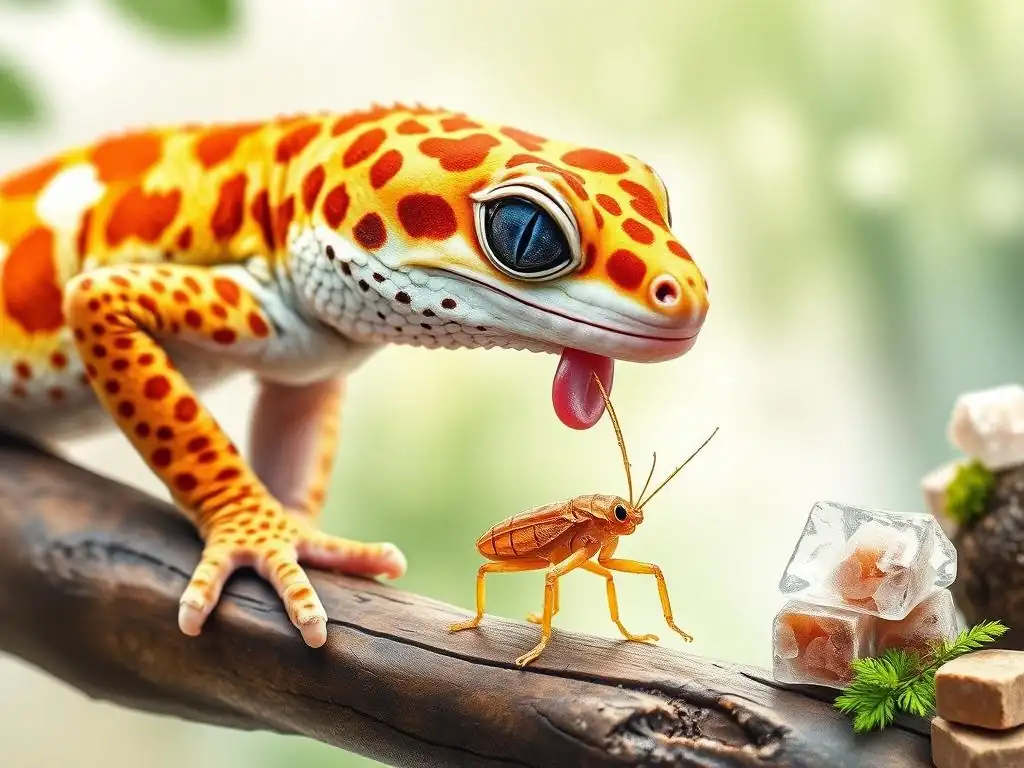
Choosing between live and frozen reptile food is a crucial decision for responsible pet ownership. While live feeding offers undeniable benefits in stimulating natural hunting instincts and providing a more complete nutritional profile in some cases, relying solely on live food presents potential risks. Frozen food, on the other hand, offers convenience, safety from parasites and disease, and predictable nutritional content. The ideal approach often involves a balanced combination of both.
This strategy allows you to harness the advantages of live feeding while mitigating its inherent drawbacks. The best approach is highly species-specific; a large constrictor snake will have different dietary requirements than a small leopard gecko. Consider consulting with a veterinarian specializing in reptiles to determine the optimal feeding strategy for your specific reptile.
Understanding the benefits and drawbacks of each method is key to making informed decisions about your reptile's diet. Remember, a varied and balanced diet is crucial for maintaining your reptile's overall health and well-being. The goal is to create a diet that closely mimics what your reptile would consume in the wild, while ensuring its safety and nutritional needs are met.
Combining Live Food and Frozen Food for Optimal Nutrition
Many reptile keepers find that a blend of live and frozen food offers the best of both worlds. For instance, you could offer a primarily frozen diet supplemented with occasional live prey items to stimulate hunting behaviors. This approach allows you to provide a consistent source of nutrition while still engaging your reptile's natural instincts.
The frequency of live feeding should depend on your reptile's species, age, and overall health. For example, a juvenile reptile might benefit from more frequent live feedings to encourage growth and development, while an adult might only require occasional live prey to maintain behavioral enrichment.
Consider these examples:
- Leopard Geckos: These geckos thrive on a diet primarily consisting of commercially prepared insect-based frozen foods, supplemented by occasional live crickets or mealworms for enrichment.
- Bearded Dragons: These lizards benefit from a varied diet incorporating live insects such as crickets, dubia roaches, and mealworms, alongside frozen vegetables and fruits for a balanced nutritional profile. However, careful monitoring for parasite transmission is crucial when using live insects.
- Snakes: Larger snakes, depending on the species, may benefit from a diet of pre-killed rodents, supplemented with live prey on occasion to stimulate hunting behaviors. Pre-killed rodents are safer than live rodents, eliminating the risk of injury to the reptile.
The key is to maintain a balance that addresses both nutritional needs and behavioral enrichment. Regular monitoring of your reptile's weight, activity levels, and overall health will help you fine-tune the ratio of live to frozen food in its diet. Remember to always source your food from reputable suppliers to minimize the risk of parasites and disease.
Supplementing Live Food with Essential Vitamins and Minerals
Even the most nutritious live prey items may lack the complete spectrum of vitamins and minerals required for optimal reptile health. Supplementing your reptile's diet, whether it's primarily live or frozen, is therefore essential. This is especially important for growing reptiles and those with specific dietary needs. The type and frequency of supplementation will depend on the species and the specific nutritional deficiencies of the prey items being fed.
Supplementing Live Food with Essential Vitamins and Minerals
Reptile-specific vitamin and mineral supplements are readily available from pet stores. These supplements typically contain a balanced blend of calcium, vitamin D3, and other essential nutrients. It's crucial to follow the manufacturer's instructions precisely, as over-supplementation can be just as harmful as under-supplementation. Dusting live insects with a vitamin and mineral supplement before feeding is a common practice. Ensure the supplement is properly adhered to the prey item.
Here's a breakdown of important considerations:
- Calcium: Essential for bone health and overall development. Calcium deficiency can lead to metabolic bone disease (MBD), a serious condition in reptiles.
- Vitamin D3: Crucial for calcium absorption. Reptiles cannot synthesize vitamin D3 without exposure to UVB light, so supplementation is often necessary, especially for indoor reptiles.
- Other Vitamins and Minerals: Reptiles also require various other vitamins and minerals, including vitamin A, vitamin E, and various trace minerals. A balanced reptile supplement will contain a combination of these essential nutrients.
Remember, the best way to ensure your reptile receives the proper nutrition is to consult with a veterinarian experienced in reptile care. They can help you develop a customized feeding plan that meets your reptile's specific needs and ensures its long-term health and well-being. Regular veterinary check-ups are vital for monitoring your reptile's health and making any necessary adjustments to its diet. 🦎
Frequently Asked Questions
What are the main benefits of feeding my reptile live food?
Live food offers superior nutritional value compared to commercially prepared options, often containing higher levels of essential vitamins and minerals. It also encourages natural hunting and foraging behaviors, enriching your reptile's life.
Is live feeding safe for my reptile and me?
While generally safe, proper hygiene is crucial. Wash your hands thoroughly before and after handling live food. Choose reputable suppliers to minimize the risk of parasites or disease.
What types of live food are suitable for my reptile?
The appropriate live food depends entirely on your reptile's species and size. Research your specific reptile's dietary needs to determine suitable prey items like crickets, mealworms, or dubia roaches.
How often should I feed my reptile live food?
Feeding frequency varies depending on your reptile's age, species, and activity level. Consult a veterinarian or reputable reptile care guide for species-specific recommendations. Overfeeding can be harmful.
Are there any drawbacks to feeding live food?
Yes, potential drawbacks include the risk of parasite transmission and the difficulty in controlling the exact nutritional content compared to prepared diets. Careful supplier selection and monitoring are key.
Final Reflection: Cultivating a Thriving Ecosystem, One Live Feed at a Time
The benefits of feeding reptiles live food extend far beyond simple nutrition; they are crucial for maintaining the natural behaviors and overall well-being of these fascinating creatures. Ignoring this fundamental aspect of reptile care not only compromises their health but also diminishes the enriching experience of keeping them as pets. The ethical implications of providing appropriate enrichment are paramount, and understanding this is key to responsible reptile ownership.
The shift towards recognizing the importance of live feeding in reptile husbandry represents a significant evolution in our understanding of animal welfare. It's a move away from the sterile, convenience-focused approaches of the past and towards a more holistic and ecologically conscious perspective. This change reflects a growing awareness of the complex needs of these animals, moving beyond mere survival to encompass their natural instincts and behaviors. The best pet owner is one who understands the needs of their animal and strives to meet them, not just the minimum requirements.
This quote underscores the responsibility we bear in providing a truly enriching environment for our reptile companions.
Consider the implications of this knowledge. Are you providing your reptile with the stimulation and enrichment it needs to thrive? Take a moment to reflect on your current feeding practices and consider how you can better emulate the natural hunting and foraging behaviors inherent to your reptile's species. By embracing live feeding, you're not just providing sustenance; you're fostering a healthier, happier, and more fulfilling life for your scaly friend. This commitment to natural behaviors is a testament to responsible and ethical pet ownership, and it's a journey worth embarking on.
Unlock Your Reptile's Radiant Health: Take Action Today!
Thank you for learning about the incredible benefits of live feeding for your reptile! You've discovered how enriching this natural approach can be for their well-being. Ready to see the positive changes?
- Gradually transition your reptile to a live feeding diet. Begin by offering small amounts of live food and carefully monitor your reptile's response. This is crucial for a healthier, happier pet.
- Share your experiences and knowledge with other reptile enthusiasts! Join our online community forums to connect and exchange tips.
- Deepen your understanding of your reptile's dietary needs. Research the specific nutritional requirements of your reptile's species to create a tailored feeding plan.
What exciting changes will you see in your reptile's behavior after introducing live food?