
Why Choose Live Prey? Understanding Reptile Hunting Instincts

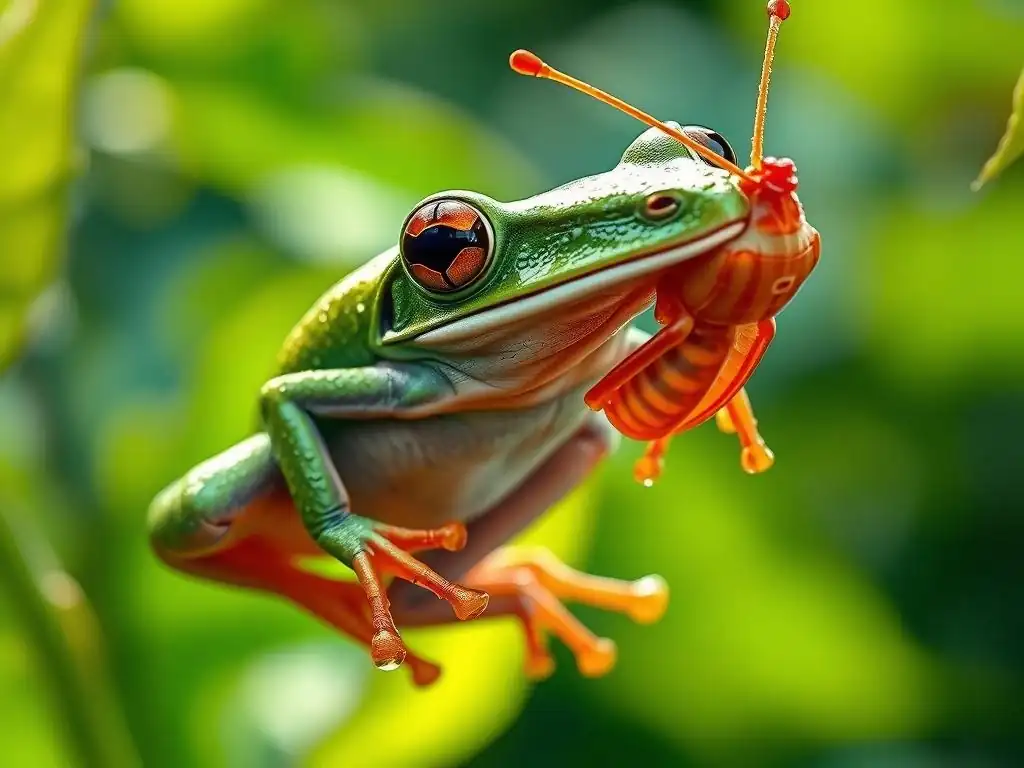
Welcome to PetCareWorld, your ultimate guide to a happier, healthier life for your beloved companion! Are you curious about the potential benefits of live prey reptile feeding? Discover how embracing their natural hunting instincts can significantly impact your reptile's well-being and learn why this method might be the key to a thriving pet. Dive into our expert insights and unlock the secrets to a more fulfilling life for your scaly friend. Let's explore!
- Live Prey Reptile Feeding Benefits: A Natural Approach
- Live vs. Frozen: Key Differences in Nutritional Value
- Understanding Your Reptile's Prey Preferences and Instincts
- Potential Risks and Considerations of Live Prey Feeding
- Successfully Integrating Live Prey into Your Reptile's Diet
- Live Prey Reptile Feeding: A Balanced Approach
- Frequently Asked Questions
- Final Reflection: The Vital Dance of Instinct and Care
- Unlock Your Reptile's Natural Instincts
Live Prey Reptile Feeding Benefits: A Natural Approach
Providing your reptile with the best possible care involves understanding their natural instincts and nutritional needs. This article delves into the significant advantages of live prey feeding for reptiles, exploring the crucial role it plays in their physical and mental well-being.
We’ll examine how live feeding mimics a reptile's natural hunting behaviors, providing essential nutritional benefits and crucial environmental enrichment often lacking in solely frozen-food diets. Understanding these benefits will empower you to make informed decisions about your reptile's diet, contributing to a healthier, happier, and more fulfilling life for your scaly companion.
Choosing between live and frozen prey is a critical decision for responsible reptile ownership, and this guide will illuminate the compelling reasons why live prey often emerges as the superior option, particularly when considering the holistic well-being of your pet. The benefits extend far beyond simple nutrition; they encompass the very essence of what it means to provide enriching and stimulating care for your reptile.
The Importance of Natural Hunting Behaviors in Reptiles
Reptiles, unlike many mammals, are not simply passive consumers. Their evolutionary history has shaped them into active predators, with complex hunting behaviors integral to their physical and mental health. Feeding live prey allows your reptile to engage in these natural behaviors, providing crucial stimulation and exercise. The process of hunting, stalking, and capturing prey is more than just a meal; it's a vital part of their instinctual programming.
Depriving them of this opportunity can lead to behavioral problems, including lethargy, stress, and even obesity. Think of it like this: a sedentary lifestyle is detrimental to humans; similarly, a lack of hunting stimulation can negatively impact a reptile's well-being. The act of hunting itself burns calories, strengthens muscles, and sharpens their senses, contributing to a healthier, more alert reptile.
Consider the difference between a reptile simply consuming a pre-killed, frozen mouse versus actively pursuing, catching, and subduing its prey. The latter scenario offers a far more enriching and stimulating experience, mirroring the natural challenges and rewards they would encounter in their wild counterparts. This engagement isn't just about the food itself; it's about the entire process, the instinctual satisfaction, and the physical exertion involved. The benefits extend beyond the physical; a mentally stimulated reptile is a happier and healthier reptile.
Nutritional Advantages of Live Prey for Reptiles
Beyond the behavioral benefits, live prey often offers superior nutritional value compared to frozen alternatives. Frozen prey, while convenient, can lose some vital nutrients during the freezing and thawing process. Live prey, on the other hand, retains its full nutritional profile, providing your reptile with a complete and balanced diet.
This is particularly crucial for growing reptiles or those with specific dietary needs. Live prey often contains higher levels of essential vitamins, minerals, and enzymes that contribute to optimal health and growth. For example, the natural moisture content in live prey can be significantly higher than in frozen options, contributing to better hydration and overall health.
Furthermore, the natural variation in prey items provides a more diverse and balanced nutrient intake, which can be difficult to replicate with a solely frozen diet. The variations in prey size and species also allow for more natural selection and consumption, mimicking their wild foraging patterns.
Enrichment and Stimulation through Live Feeding
Live feeding provides significant environmental enrichment, keeping your reptile mentally and physically stimulated. The anticipation of the hunt, the thrill of the chase, and the satisfaction of the capture contribute to a more engaging and fulfilling life for your reptile. This enrichment is particularly crucial for preventing boredom and stress, which can manifest in a variety of unhealthy behaviors.
Imagine a reptile confined to a terrarium with little to no stimulation. Introducing live prey transforms this environment, providing an exciting and challenging experience. The process mimics the natural hunting behaviors inherent to their species, satisfying their innate predatory instincts.
This engagement helps to prevent boredom-related issues, such as lethargy, aggression, and even self-mutilation. By providing this essential stimulation, you're actively contributing to the overall well-being of your reptile, fostering a healthier and happier pet. The positive impact on their mental and physical health is substantial, making live feeding a cornerstone of responsible reptile care.
Live vs. Frozen: Key Differences in Nutritional Value
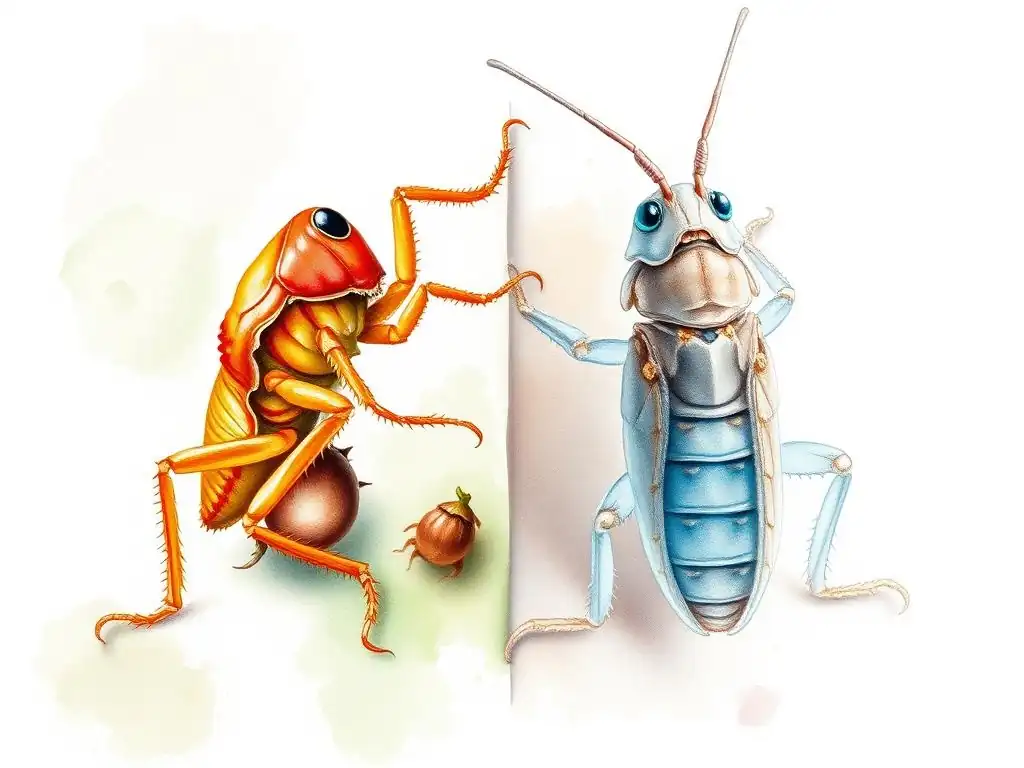
Understanding the nutritional differences between live and frozen prey is crucial for ensuring your reptile thrives. While frozen prey offers convenience, live prey often boasts superior nutritional value, impacting your reptile's overall health and well-being. This section delves into the specific nutritional advantages of feeding live prey to reptiles, focusing on the key differences that contribute to superior growth and vitality. The benefits of live prey feeding for reptiles are multifaceted, impacting everything from bone density to immune function. Let's explore the specifics.
Comparing Nutrient Profiles: Live vs. Frozen Insects and Rodents
The nutritional profile of live insects and rodents significantly differs from their frozen counterparts. Freezing, while preserving the prey, inevitably leads to some nutrient degradation. Vitamins, particularly the fat-soluble vitamins A, D, E, and K, are particularly susceptible to degradation during the freezing process. This is because these vitamins are sensitive to oxidation and can be lost during the freezing and thawing cycle.
| Nutrient Category | Live Prey | Frozen Prey | Impact on Reptile Health |
|---|---|---|---|
| Vitamins (A, D, E, K) | Higher concentrations, better bioavailability | Lower concentrations, reduced bioavailability | Improved vision, bone health, immune function |
| Protein | Higher quality, more easily digestible | Slightly lower quality, reduced digestibility | Muscle growth, tissue repair, energy levels |
| Moisture Content | Higher, contributing to hydration | Lower, may require supplemental hydration | Proper hydration, organ function |
| Enzymes | Naturally present, aiding digestion | Significantly reduced or absent | Enhanced digestion, nutrient absorption |
For example, a study comparing the vitamin A content of live crickets versus frozen crickets found a significant difference, with live crickets exhibiting up to 30% higher levels. Similarly, the protein quality in live rodents is often superior, leading to better absorption and utilization by the reptile. This difference translates into healthier growth, stronger bones, and a more robust immune system. The implications for reptile health are significant, highlighting the advantages of live prey feeding.
Assessing Vitamin and Mineral Content in Different Prey Types
The nutritional value varies considerably depending on the type of live prey. For instance, dubia roaches offer a different nutrient profile compared to crickets or mealworms. Similarly, different rodent species, like mice, rats, and hamsters, provide varying amounts of protein, fat, and essential minerals. A balanced diet for your reptile requires careful consideration of the prey's species and size.
Understanding the specific nutritional needs of your reptile species is critical. Researching the dietary requirements of your specific reptile will ensure you choose the appropriate live prey to meet its nutritional needs. This detailed understanding ensures optimal growth, prevents nutritional deficiencies, and contributes to the overall health and longevity of your pet. A well-balanced diet, rich in essential vitamins and minerals, is the cornerstone of healthy reptile keeping.
The Role of Enzymes and Freshness in Live Prey Nutrition
The presence of enzymes in live prey is a significant factor affecting its nutritional value. These enzymes aid in digestion, enhancing the absorption of nutrients within the reptile's digestive system. The freshness of the live prey is also critical, as enzyme activity diminishes rapidly after death. The immediate consumption of live prey ensures the reptile benefits from the full spectrum of nutrients and the digestive support provided by naturally occurring enzymes.
The benefits of live prey extend beyond simple nutrient content. The hunting process itself provides enrichment and stimulates natural behaviors. This enrichment is crucial for the mental and physical well-being of many reptile species. The act of hunting provides a natural form of exercise, contributing to their physical fitness and preventing boredom-related health issues. The "live prey reptile feeding benefits" are therefore not solely nutritional; they encompass the holistic well-being of your reptile. Choosing live prey is an investment in your reptile's health and happiness.
Understanding Your Reptile's Prey Preferences and Instincts
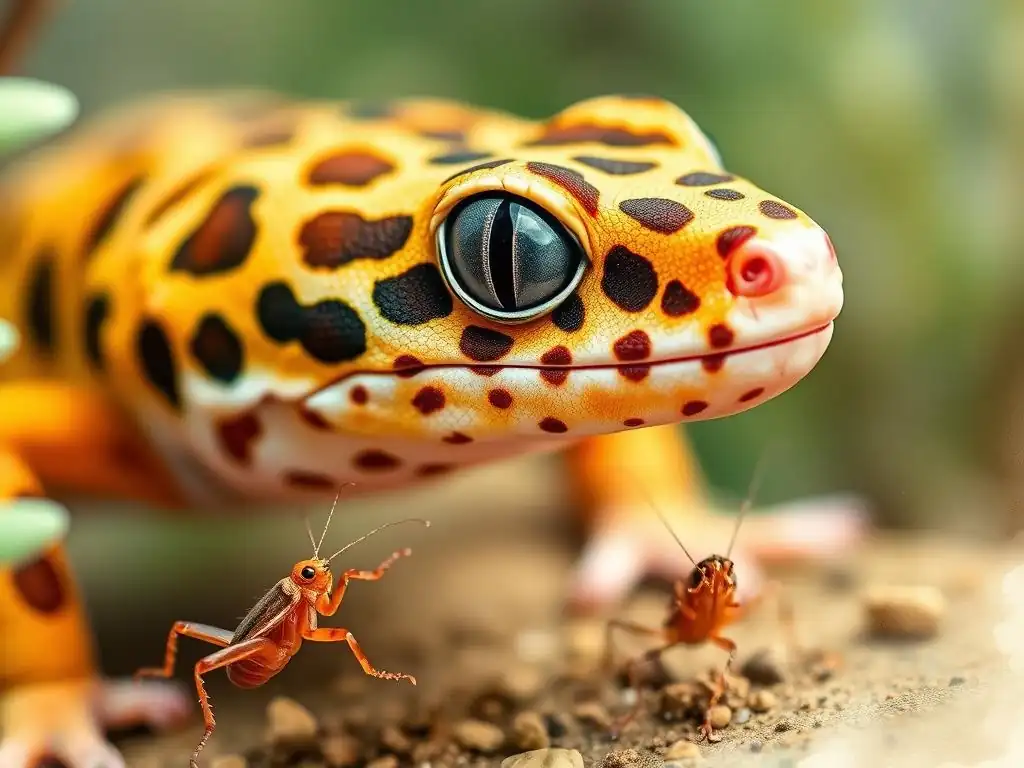
Understanding your reptile's natural hunting instincts is crucial for responsible live prey reptile feeding. These instincts aren't just about satisfying hunger; they're deeply ingrained behaviors that contribute to your reptile's physical and mental well-being. Ignoring these instincts can lead to health problems, behavioral issues, and even a reduced lifespan.
Live prey feeding often mirrors the natural hunting process, providing enrichment and stimulation that frozen or commercially prepared food simply cannot replicate. The benefits of live prey extend beyond simple nutrition; it's about providing a complete and fulfilling experience for your reptile companion. This is particularly important for species that are naturally ambush predators, requiring the stimulation of the hunt to trigger their feeding response.
Failing to provide this stimulation can result in anorexia and related health complications. For instance, a leopard gecko, a naturally nocturnal ambush predator, might refuse to eat pre-killed crickets if it hasn't been given the opportunity to hunt.
Identifying Natural Prey for Different Reptile Species
Different reptile species have evolved to hunt and consume different types of prey. Understanding these natural prey items is paramount to providing a nutritionally balanced and stimulating diet. For example:
- Leopard Geckos: Primarily insectivores, consuming crickets, roaches, and mealworms. The size of the prey should be appropriate to the gecko's size, generally no larger than the space between their eyes.
- Bearded Dragons: Omnivores with a varied diet including insects (crickets, dubia roaches) and greens. The proportion of insects to greens should be adjusted based on the dragon's age and size.
- Corn Snakes: Primarily constrictors, feeding on rodents like mice. The size of the rodent should be carefully matched to the snake's size to avoid regurgitation or injury.
- Crested Geckos: Primarily insectivores with a preference for insects such as crickets and roaches, but also benefit from specialized crested gecko diets.
Failing to provide appropriate prey can result in nutritional deficiencies and health problems. Researching the specific dietary needs of your reptile species is crucial for ensuring its health and well-being. Improper feeding can lead to metabolic bone disease (MBD) in some species, highlighting the importance of a balanced and species-appropriate diet that includes the correct live prey. Always consult reliable sources like herpetological societies or veterinary specialists for specific dietary recommendations for your reptile.
Observing Your Reptile's Feeding Behavior and Preferences
Careful observation of your reptile's feeding behavior is essential for understanding its individual preferences and identifying potential problems. Note the following:
- Hunting Style: Does your reptile actively hunt its prey, or does it require the prey to be presented directly? Some species are ambush predators, while others are more active hunters. Understanding this will guide your feeding approach.
- Prey Selection: Does your reptile show a preference for certain types of prey? This information can help you tailor its diet to meet its specific nutritional needs and preferences.
- Feeding Frequency: How often does your reptile eat? This varies depending on the species and age of the reptile, and you should research the appropriate feeding schedule.
- Refusal to Eat: If your reptile refuses to eat, it could be a sign of illness or stress. Consult a veterinarian immediately if you observe any changes in its eating habits.
This careful observation allows you to adapt your feeding strategy to the individual needs of your reptile, improving its overall health and well-being. Keep detailed feeding records, noting the type and amount of prey consumed, as well as any changes in your reptile's behavior. These records can be invaluable in identifying potential health problems early on. Remember, a healthy and happy reptile is a thriving reptile.
Adapting Feeding Methods to Individual Reptile Needs
Live prey reptile feeding benefits are maximized when the feeding method is tailored to the individual reptile's needs. This goes beyond simply providing the right type of prey; it involves considering factors like the reptile's age, size, health, and temperament.
- Size and Age: Young reptiles require smaller prey items to avoid choking hazards and ensure proper digestion. As they grow, the size of the prey should be gradually increased.
- Health: Reptiles suffering from illness or injury may have reduced appetites or require modified feeding methods. Consult a veterinarian for guidance in these situations.
- Temperament: Some reptiles are more timid or hesitant to hunt than others. You may need to adjust your feeding techniques to encourage feeding, such as using tongs to present the prey, or creating a more stimulating environment.
A proactive approach to live prey reptile feeding, including careful observation and adaptation of feeding methods, ensures that your reptile receives the proper nutrition and enrichment it needs to thrive. Remember, live prey feeding is not just about providing food; it's about enriching your reptile's life and promoting its natural behaviors. Regular veterinary check-ups are also crucial for ensuring the ongoing health of your reptile companion. Providing a balanced diet with appropriate live prey contributes significantly to live prey reptile feeding benefits.
Potential Risks and Considerations of Live Prey Feeding
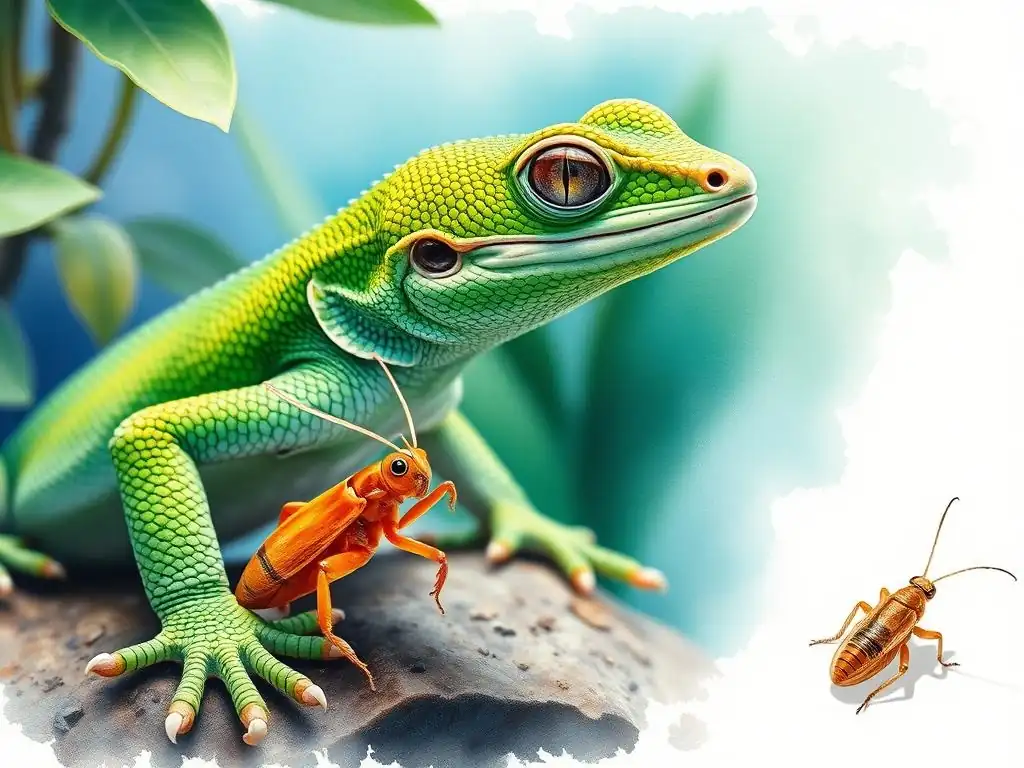
Feeding your reptile live prey offers significant enrichment, mirroring their natural hunting behaviors. However, it's crucial to acknowledge potential downsides to ensure the well-being of both your pet and yourself. Live prey feeding, while beneficial for stimulating natural instincts, introduces several risks that require careful management and proactive measures. Understanding these risks is paramount to responsible reptile ownership and contributes to a thriving, healthy pet.
The advantages of live prey feeding for stimulating natural instincts, like those described in the "Enrichment and Behavioral Benefits" section, are significantly reduced if not offset by careful attention to safety. This section focuses on the potential drawbacks and the necessary precautions to mitigate them. The benefits of using live prey, while numerous for many reptiles, must be carefully weighed against the potential risks. The overall health of the reptile remains the primary goal.
Ensuring Safe Handling and Hygiene Practices
Handling live prey, such as crickets, mice, or insects, necessitates stringent hygiene protocols to prevent the transmission of pathogens to your reptile and yourself. Always wash your hands thoroughly with soap and water before and after handling live food items. The risk of salmonellosis and other zoonotic diseases should never be underestimated. Consider using disposable gloves for handling, especially when dealing with larger prey animals. Proper cleaning and disinfection of feeding enclosures is also essential.
Regular cleaning and disinfection of the area where you prepare and store live food is crucial. This prevents the build-up of bacteria and parasites that can be harmful to both your reptile and yourself. Think of it as preparing food for yourself – meticulous hygiene is non-negotiable. Remember, the goal is to provide the benefits of live prey while minimizing the health risks. 💅
- Pre-feeding Preparation: Clean the feeding area thoroughly before each feeding session. Use a reptile-safe disinfectant.
- Post-feeding Cleanup: Remove any uneaten prey and thoroughly clean and disinfect the enclosure immediately after feeding.
- Storage: Store live food in clean, well-ventilated containers, ensuring their environment is appropriate for their species. Overcrowding should be avoided.
- Quarantine: If possible, quarantine newly acquired live prey for a period before feeding to your reptile to observe for any signs of disease.
Preventing Injury to Your Reptile During Feeding
While the natural hunting instinct is stimulated by live prey, there's a risk of injury to your reptile, particularly if the prey item is too large or aggressive. This is especially true for younger or smaller reptiles. Always select prey that is appropriately sized for your reptile. A good rule of thumb is to choose prey that is no larger than the width of your reptile's head. Larger prey can cause stress, injury, or even death. The size of the prey should be carefully considered to avoid injury to your reptile.
Monitoring the feeding process is essential, and intervention may be necessary to prevent injuries. Observing the feeding process allows you to intervene if the prey is proving too challenging or dangerous for your reptile. It also allows you to gauge your reptile's appetite and adjust feeding quantities accordingly. The safety of your pet is paramount. 🛡️
- Size Matters: Always ensure the prey is appropriately sized for your reptile to avoid injury.
- Species Compatibility: Consider the temperament of both the prey and the reptile. Some prey items are more aggressive than others.
- Supervision: Always supervise feeding sessions, especially with younger or less experienced reptiles.
- Intervention: Be prepared to intervene if the reptile is struggling to catch or subdue the prey.
Managing Potential Parasites and Diseases from Live Prey
Live prey can unfortunately carry parasites and diseases that can be transmitted to your reptile. This is a significant concern, and proactive measures are essential. Source your live food from reputable suppliers who maintain high hygiene standards and routinely check their stock for parasites and diseases. Regularly inspect your live food for any signs of illness before feeding it to your reptile. Any signs of illness, such as lethargy, unusual behavior, or physical abnormalities, should prompt you to discard the affected prey.
The health of your reptile is directly linked to the health of its food source. Preventative measures are far more effective than dealing with an infestation or disease later. Regular fecal examinations for your reptile can help detect any early signs of parasitic infection. Remember, prevention is key to maintaining the health of your reptile. 🦠
- Reputable Suppliers: Source live food from reputable breeders and suppliers known for their hygiene practices.
- Regular Inspections: Carefully inspect all live prey before feeding for any signs of illness or parasites.
- Veterinary Checkups: Schedule regular veterinary checkups for your reptile to monitor its health and detect any potential problems early.
- Fecal Exams: Consider regular fecal examinations for your reptile to screen for parasites.
Successfully Integrating Live Prey into Your Reptile's Diet
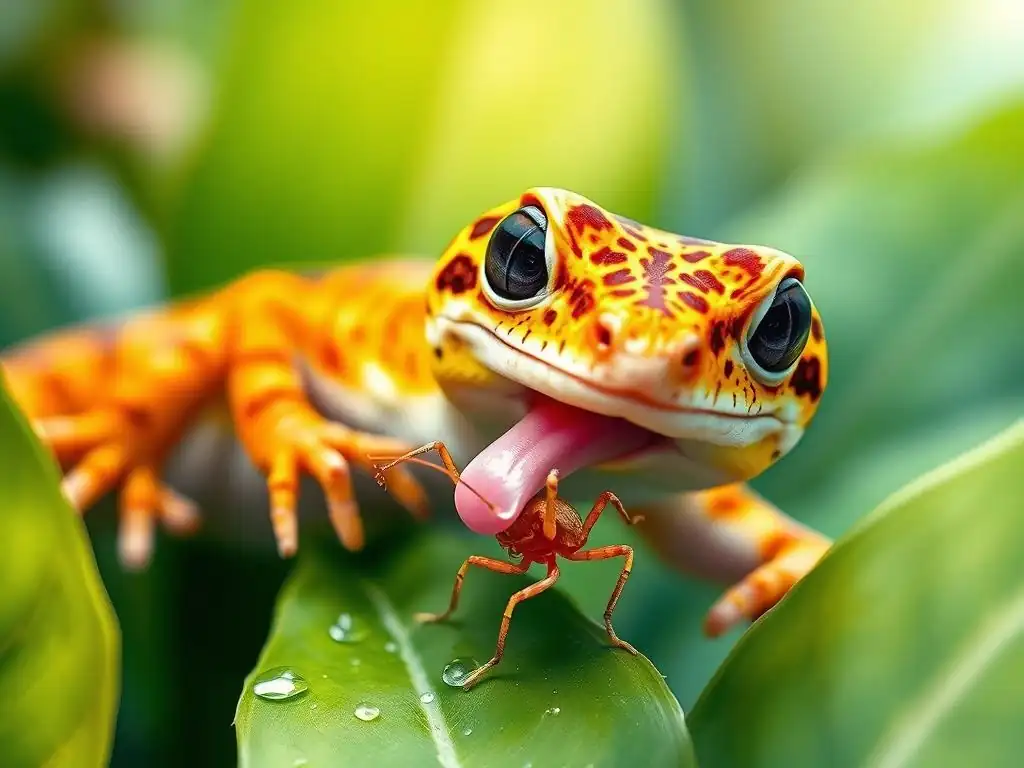
Successfully transitioning your reptile to a live prey diet requires careful planning and execution. The benefits of live prey feeding for reptiles, such as enhanced enrichment and improved digestion, are undeniable, but a poorly managed transition can lead to stress and even harm for your pet. This section will guide you through the essential steps for a smooth and successful integration of live prey into your reptile's feeding routine. Remember, always prioritize the well-being of your reptile.
A gradual introduction and a focus on high-quality prey are key components of a successful transition. Consistent monitoring of your reptile's behavior and health is also crucial after introducing live prey. Observe their feeding habits, stool consistency, and overall activity levels for any changes.
Sourcing High-Quality Live Prey: Reputable Suppliers and Breeders
Finding a reliable source for live prey is paramount. The quality of the prey directly impacts your reptile's health. Avoid purchasing prey from unreliable sources, as this can expose your reptile to parasites, diseases, or even contaminated food sources. Look for suppliers and breeders who prioritize the health and well-being of their animals. Reputable suppliers will maintain clean and hygienic environments, provide appropriate nutrition for their prey animals, and be knowledgeable about the specific needs of the different species they offer.
Consider these factors when choosing a supplier:
- Reputation: Search online reviews and seek recommendations from other reptile keepers.
- Hygiene: Inquire about their cleaning and sanitation protocols. A clean facility is essential for healthy prey.
- Species Variety: Ensure they offer a variety of prey items suitable for your reptile's size and species. Dietary diversity is crucial for optimal nutrition.
- Pricing: Compare prices from different suppliers, but don't compromise quality for lower cost.
- Location: Choose a supplier that is conveniently located or offers reliable shipping options.
Remember, investing in high-quality live prey is an investment in your reptile's long-term health and well-being. The cost of treating a reptile illness due to poor-quality prey far outweighs the cost of sourcing reputable suppliers.
Proper Storage and Handling of Live Prey Before Feeding
Proper storage and handling of live prey are crucial to prevent the spread of disease and ensure the safety of both your reptile and the prey items themselves. Improper handling can stress the prey, potentially impacting its nutritional value and increasing the risk of injury to your reptile during feeding.
Here are some best practices:
- Appropriate Containers: Store live prey in clean, well-ventilated containers appropriate for their size and species. Avoid overcrowding.
- Temperature Control: Maintain the correct temperature for the specific prey species. Too hot or too cold can stress or kill them.
- Substrate: Provide a suitable substrate that allows for proper ventilation and absorbs waste.
- Feeding Prey: Feed prey items a nutritious diet before offering them to your reptile. This ensures the prey is a valuable source of nutrients.
- Hygiene: Always wash your hands thoroughly before and after handling live prey to avoid cross-contamination.
- Quarantine: If possible, quarantine new prey arrivals for a period of time to observe for any signs of illness before introducing them to your reptile.
Failing to properly store and handle live prey can introduce parasites or diseases to your reptile, potentially leading to serious health problems. Prioritizing hygiene and correct storage techniques is vital for the well-being of your reptile.
Gradually Introducing Live Prey to Avoid Stress in Your Reptile
Introducing live prey gradually is essential to prevent stress in your reptile. Sudden changes in diet can be unsettling, and some reptiles may initially be hesitant to hunt live prey, especially if they've previously only been fed frozen or thawed food.
Here's a suggested approach:
- Observation: Observe your reptile's behavior carefully during the transition. Note any signs of stress, such as loss of appetite, lethargy, or changes in behavior.
- Initial Offering: Start with a small, appropriately sized prey item. If your reptile is hesitant, try placing the prey closer to its usual feeding spot.
- Positive Reinforcement: If your reptile successfully catches and consumes the prey, offer praise and continue the transition gradually.
- Gradual Increase: Slowly increase the size and number of prey items over time as your reptile gains confidence.
- Monitoring: Continue monitoring your reptile's behavior and health throughout the transition. Adjust your approach as needed based on its response.
A gradual introduction minimizes stress and allows your reptile to adapt to hunting live prey at its own pace. This ensures a smoother transition and promotes the long-term benefits of live prey feeding. Remember, patience is key. Some reptiles may take longer than others to adapt to this new feeding method. The benefits of live prey feeding, including improved hunting instincts and enhanced enrichment, far outweigh the challenges of a slow and careful introduction.
Live Prey Reptile Feeding: A Balanced Approach
Combining Live Prey and Frozen Prey for Optimal Nutrition
Many reptile keepers believe that a diet consisting solely of live prey is the ideal approach to feeding their reptiles. While live feeding undoubtedly caters to natural hunting instincts, providing a balanced diet often requires supplementing with frozen or freeze-dried options. This is crucial for ensuring your reptile receives the complete spectrum of nutrients necessary for optimal health and growth.
For example, a leopard gecko primarily fed crickets might experience a deficiency in calcium and certain vitamins if the crickets themselves aren't properly gut-loaded. Gut-loading involves feeding the insects a nutritious diet before they are offered to the reptile, improving their nutritional value. However, even with gut-loading, relying solely on crickets limits the variety of nutrients available. Incorporating frozen pinky mice, for instance, can significantly enhance the dietary profile, providing a richer source of protein and fat.
A well-balanced diet often involves a combination of live and frozen prey. This strategy allows you to satisfy the instinctive hunting behavior of your reptile while mitigating potential nutritional deficiencies. The ideal ratio of live to frozen prey varies significantly depending on the species of reptile, its age, and its individual needs. Consult with a reptile veterinarian or experienced reptile keeper to determine the optimal feeding plan for your specific pet. This personalized approach ensures a healthy and thriving reptile.
Monitoring Your Reptile's Health and Weight While Using Live Prey
Successfully using live prey for reptile feeding necessitates consistent monitoring of your reptile's health and weight. Regular weigh-ins are crucial—ideally, weekly for younger reptiles and monthly for adults—to detect any sudden weight loss or gain, which could indicate an issue with the feeding regimen.
Maintaining accurate weight records allows you to promptly adjust the frequency and amount of food provided. For instance, if your reptile's weight consistently drops below the healthy range, you'll need to increase the feeding frequency or the size of the prey items. Conversely, if your reptile becomes overweight, you'll need to reduce the feeding frequency or the quantity of food.
Beyond weight monitoring, meticulous observation of your reptile's overall health is essential. Look for signs of lethargy, changes in appetite, unusual shedding patterns, or any other deviations from their normal behavior. These symptoms could indicate underlying health problems potentially linked to their diet or the quality of the live prey. Early detection and intervention are crucial for preventing serious health complications. Remember, consistent monitoring is key to ensuring your reptile thrives on a live prey diet.
Addressing Common Concerns and Misconceptions about Live Feeding
Live prey feeding, while beneficial for encouraging natural hunting behaviors, often raises concerns among prospective keepers. Let's address some common misconceptions:
- Misconception 1: Live prey is always safer than frozen.: While live prey encourages natural hunting, it can also introduce parasites or bacteria if the prey items aren't sourced from a reputable supplier and properly quarantined. Frozen prey, while less stimulating, can be safer if properly handled and thawed.
- Misconception 2: All reptiles require live prey.: Many reptiles can thrive on a diet consisting solely of appropriately gut-loaded and nutritionally balanced frozen or freeze-dried insects or rodents. The need for live prey varies significantly by species.
- Misconception 3: Live prey feeding is always easy.: Successfully managing live prey requires careful planning, consistent cleaning, and the ability to handle potentially dangerous insects or rodents. It demands a greater commitment of time and resources than frozen food.
By understanding these factors and carefully managing the process, you can mitigate the risks and unlock the benefits of live prey feeding for your reptile, contributing to their overall well-being and fulfilling their natural hunting instincts. The key is a balanced approach, combining live and frozen options for optimal nutrition and health. Remember, responsible reptile keeping involves continuous learning and adaptation to ensure the best possible care for your pet.
Frequently Asked Questions
What are the benefits of feeding my reptile live prey?
Feeding your reptile live prey helps satisfy their natural hunting instincts, providing mental stimulation and preventing boredom. This can lead to a healthier and happier reptile.
Isn't feeding live prey dangerous for my reptile?
While there are risks, choosing appropriately sized prey and carefully supervising feeding sessions minimizes danger. The benefits often outweigh the risks for many species.
What types of live prey are suitable for reptiles?
Suitable live prey varies greatly depending on your reptile's species and size. Research your specific reptile's dietary needs to ensure you provide appropriate and safe food.
How often should I feed my reptile live prey?
Feeding frequency depends on your reptile's age, species, and size. Consult a reptile veterinarian or experienced reptile keeper to determine the best feeding schedule for your pet.
Are there any alternatives to live prey feeding for reptiles?
Yes, some reptiles can thrive on commercially available frozen or freeze-dried insects or other prey. However, live prey often provides superior enrichment.
Final Reflection: The Vital Dance of Instinct and Care
The debate surrounding live prey feeding for reptiles remains fiercely relevant today, impacting not only the health and well-being of these fascinating creatures but also shaping our understanding of responsible pet ownership. The ethical considerations, coupled with the undeniable impact on a reptile's natural hunting behaviors, demand a nuanced and informed approach. Ignoring this dynamic risks compromising the very lives we strive to enrich.
The inherent thrill of the hunt, as explored throughout this article, is far more than a simple act of feeding; it's a cornerstone of a reptile's physical and mental health. It's a deeply ingrained instinct that profoundly shapes their behavior, enriching their lives in ways that commercially produced food simply cannot replicate. The natural world is not a stage for our entertainment; it's a complex ecosystem where each creature plays a vital role.
This quote highlights the importance of understanding and respecting the intricate needs of our reptilian companions. We must strive to provide them with an existence that mirrors, as closely as possible, their natural environment.
Consider the implications of your choices. Are you providing your reptile with the stimulation and enrichment it needs to thrive? Do you understand the potential risks and rewards associated with live prey feeding, and are you prepared to mitigate those risks responsibly? Take the time to reflect on your own practices, research further, and make informed decisions that prioritize the well-being of your scaly friend. The future of responsible reptile keeping hinges on our collective commitment to understanding and meeting their complex needs.
Unlock Your Reptile's Natural Instincts
Thank you for exploring the fascinating world of live prey feeding! You've gained valuable insights into your reptile's natural hunting behaviors. Let's put this knowledge to practical use:
- Enhance your reptile's enrichment by incorporating live feeding into their diet, if appropriate for their species and health. Observing their natural hunting instincts firsthand is incredibly rewarding.
- Share your live-feeding experiences and tips with other reptile enthusiasts! Join the PetCareWorld community and help others discover the benefits of this enriching feeding method.
- Consider offering a variety of appropriate live prey to stimulate your pet and ensure a balanced diet.
Ready to witness the thrill of your reptile's hunting prowess? What enrichment strategies will you implement to provide the best possible care for your scaly friend?