Ball Python Conservation: The Importance of Responsible Ownership
😊 Ensure the survival of this captivating species by practicing responsible ball python ownership. Learn about ethical ball python conservation breeding programs…
Read article
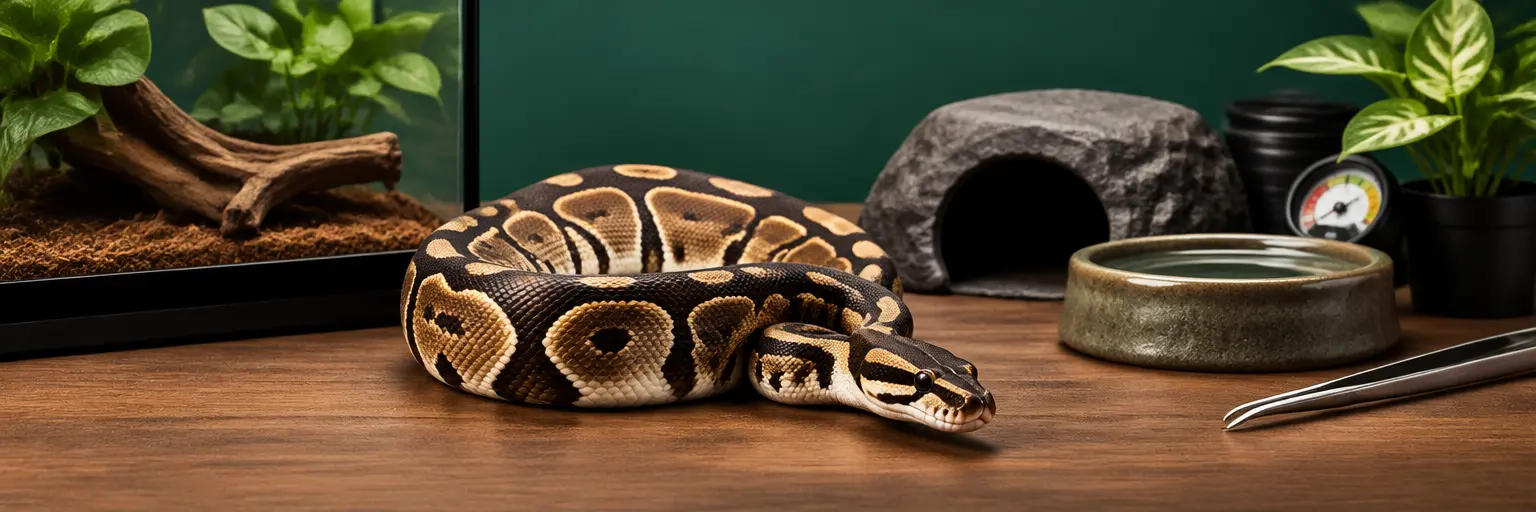
Caring for snakes is a deeply rewarding journey, and ball pythons make exceptional companions for both beginners and seasoned reptile enthusiasts. Known for their docile nature and manageable size, these fascinating creatures thrive when their specific environmental and nutritional needs are met. From mastering the perfect temperature gradient to selecting the ideal enclosure and understanding shedding cycles, our expert guidance ensures your ball python lives a healthy, stress-free life. Whether you’re a first-time owner or looking to refine your husbandry skills, PetCareWorld delivers practical tips on feeding, handling, and habitat setup that promote natural behaviors and long-term well-being. Unlock the secrets to a thriving, contented snake with trusted advice that prioritizes both safety and enrichment. Your journey to becoming a confident, knowledgeable keeper starts here, with clear, actionable steps that turn routine care into a meaningful bond. Discover how to create a sanctuary that mirrors their wild habitat, and gain confidence in recognizing signs of wellness or potential issues early.

😊 Ensure the survival of this captivating species by practicing responsible ball python ownership. Learn about ethical ball python conservation breeding programs…
Read article
😊 Noticeable shifts in your ball python's behavior, such as lethargy, poor appetite, or unusual shedding, could signal illness. Learn to recognize…
Read article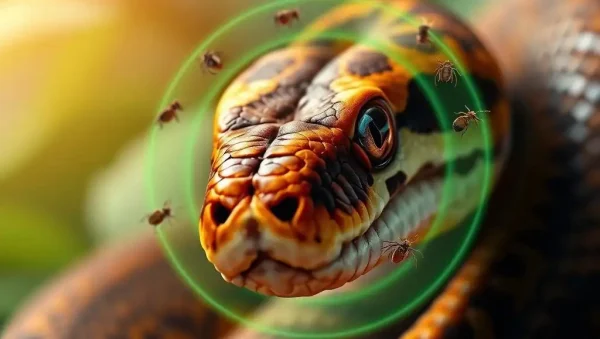
😊 Protect your ball python from devastating parasites! This guide from PetCareWorld offers expert advice on preventing and treating both internal and…
Read articleWelcome to PetCareWorld’s dedicated section on caring for ball pythons, your go-to resource for mastering the art of keeping these gentle, docile reptiles thriving in captivity. Whether you’re a first-time snake keeper or a seasoned herpetology enthusiast, this subcategory under Reptiles & Exotic Pets delivers evidence-based husbandry advice, nutritional guidance, and enrichment strategies. From perfecting thermal gradients to decoding quirky shedding behaviors, every article here is crafted to reduce common mistakes, enhance snake welfare, and build your confidence as a responsible keeper. Explore practical checklists, troubleshooting guides, and species-specific insights that transform complex reptile care into simple, daily routines.
Creating a secure, stress-free habitat is the foundation of ball python health. In this section, we break down tank size (40-gallon minimum for adults), substrate choices like cypress mulch or coconut husk for humidity retention, and the critical temperature gradient (88-92°F basking zone, 78-80°F cool side). Learn why PVC enclosures outperform glass for heat stability and how to install hides—two identical snug caves—plus a water bowl that raises ambient moisture. We also cover UVB lighting myths, thermostats vs. thermometers, and how to prevent “stress hides” that lead to regurgitation. Each guide includes a printable setup checklist, so you’ll never miss a critical detail before your snake arrives home.
Security matters more than aesthetics for these shy constrictors. Our expert-backed articles explain why cluttered environments with fake foliage, branches, and multiple hiding spots reduce anxiety and encourage natural “patrolling” behavior. You’ll also learn to avoid over-engineering: too many decorations can trap heat or harbor mites. We share DIY solutions, such as using dark plastic tubs for juveniles, and how to safely disinfect second-hand enclosures. By mastering this first pillar, you prevent most respiratory infections, scale rot, and refusal-to-eat episodes that plague novice keepers.
Ball pythons are famously picky eaters, so this H3 section tackles feeding frequency by age: every 5-7 days for hatchlings, 7-14 days for juveniles, and 10-14 days for adults. We delineate proper prey sizing—a rat or mouse roughly the same width as the snake’s thickest body part—and the debate between frozen-thawed vs. live feeding. You’ll discover why frozen-thawed is safer (no risk of rodent bites) and how to reheat prey to 100°F without causing bacterial bloom. Articles also ding common myths, such as “rodents must be alive for stimulation” or “fasting for months is normal”—while explaining the natural breeding-season anorexia and when to intervene.
Beyond prey choice, this subcategory demystifies feeding problems: refusals due to stress, temperature drops, or shedding. We provide step-by-step troubleshooting, including braining techniques, scenting with quail or chicken broth, and the “cup method” for shy eaters. You’ll also learn about calcium and vitamin D3 supplementation—though whole-prey ratios usually suffice—and how to monitor body condition scores to prevent obesity in adults. Our goal is to help you build a reliable feeding routine that mimics wild foraging, supports healthy growth, and reduces vet visits for malnutrition or impaction.
Early detection saves lives, so this H3 section focuses on ball python-specific ailments: respiratory infections (wheezing, open-mouth breathing), inclusion body disease (IBD), and scale rot from wet bedding. We detail visual and behavioral signs—like excessive yawning, tail kinking, or reddish underbelly—and explain first-aid measures such as raising ambient temperature or switching to paper towels for observation. You’ll also get guidance on quarantine protocols for new snakes (90 days) and how to perform a basic wellness check at home, from checking the vent area to inspecting oral health with a cotton swab. Each article stress when antibiotics or antiparasitics are necessary and when home care suffices.
Preventive medicine is equally crucial. Dive into our guides on shedding complications (dysecdysis), which often stem from low humidity—learn to create a “shed box” with damp sphagnum moss. We also cover mite infestations (treating both snake and enclosure), prolapse emergencies, and metabolic bone disease from poor UVB or calcium balance. Our vet-finder checklist helps you assess clinic experience with reptiles, and we share red flags—like persistent anorexia beyond 8 weeks—that require professional intervention. By pairing this knowledge with our first-aid primer, you’re not just reacting to problems but actively creating a resilient snake.
Ball pythons are naturally nervous, but consistent, gentle handling builds trust and reduces defensive bites. This section teaches the “hook training” plus scooping method—never grab from above—and how to read body language: hissing, coiling, or tail rattling indicate stress, while a relaxed flicking tongue signals curiosity. We outline a handling schedule (10-15 minutes, 2-3 times a week after feeding), proper hydration breaks, and how to avoid overhandling during shedding or after meals to prevent regurgitation. You’ll also learn to recognize the difference between a defensive strike and a feeding response, so you can adjust your approach accordingly.
Enrichment isn’t just for mammals; it’s vital for snake well-being. Explore our ideas for sensory stimulation: rearranging furniture weekly, offering climbing branches, or introducing novel scents (unscented paper bags) during out-of-enclosure time. We discuss natural behaviors like burrowing, soaking, and hide-switching, and how to replicate them with digging substrates or misting cycles. Our articles also cover environmental temperature cycling to encourage crepuscular activity, plus the use of red or purple night bulbs that don’t disturb their photoperiod. By engaging multiple senses, you reduce stereotypic pacing and promote a more active, curious pet—one that thrives in your home.
For advanced keepers, this subcategory offers a meticulous roadmap to responsible breeding. Start with sexing techniques (probing vs. popping), genetic morph identification, and selecting healthy breeder stock—avoiding kinks or neurological wobbles in spider morphs. You’ll learn the seasonal cooling cycle (gradually lowering temps to 75-80°F for 60-90 days), how to pair multiple males for ovulation confidence, and signs of a gravid female, such as basking or “egg-bound” posture. Our guides cover incubator setup (using perlite, 89-90°F, 90-95% humidity), fertility checking via candling, and the critical first shedding of neonates.
Hatchling care is a delicate art, and we break it down into day-by-day steps: first week’s enclosure (small deli cups with moist paper towels), first shed, and first meal (usually pinky mice). We also tackle ethical considerations, including the oversupply of normals and the responsibility of finding homes for every offspring. Articles detail common breeding failures—egg binding, infertile clutches, and kitten-like maternal neglect—with troubleshooting timelines. Our goal is to equip you with the knowledge to breed healthier, more resilient generations while supporting the wider herpetoculture community through honesty about setbacks and successes.
Aim for 55-60% ambient humidity, increasing to 70-80% during shedding. Use a digital hygrometer, mist the enclosure lightly, or add a humid hide. Avoid soaking the substrate, as constant wetness can cause scale rot. Monitor daily and adjust based on your environment.
Start with 5-10 minutes, 2-3 times per week, after it has eaten and defecated. Overhandling can cause stress and food refusals. Gradually increase to 15-20 minutes as your snake becomes comfortable, but always respect its body language and stop if it shows signs of agitation.
Occasional fasting, especially during winter or around shedding, can be normal for several weeks. However, check temperatures, humidity, and a secure hide first. If refusal persists beyond 8 weeks, or if weight drops, consult a reptile vet. Offer smaller prey or try scenting techniques.
No, they are solitary and can cause stress, competition, or even cannibalism. Ball pythons are not social animals; keeping them solo is essential for their mental and physical health. Even same-sex pairs can experience dominance issues. Provide separate enclosures for each snake.
Aspen shavings, paper towels, or reptile-safe carpet are least risky. If using cypress mulch or coconut husk, ensure it’s not dusty, and feed your snake in a separate container to avoid accidental ingestion. Never use pine or cedar, as they release aromatic oils harmful to snakes. Monitor for impaction signs.