
Ball Python Behavior Changes: Recognizing Signs of Illness

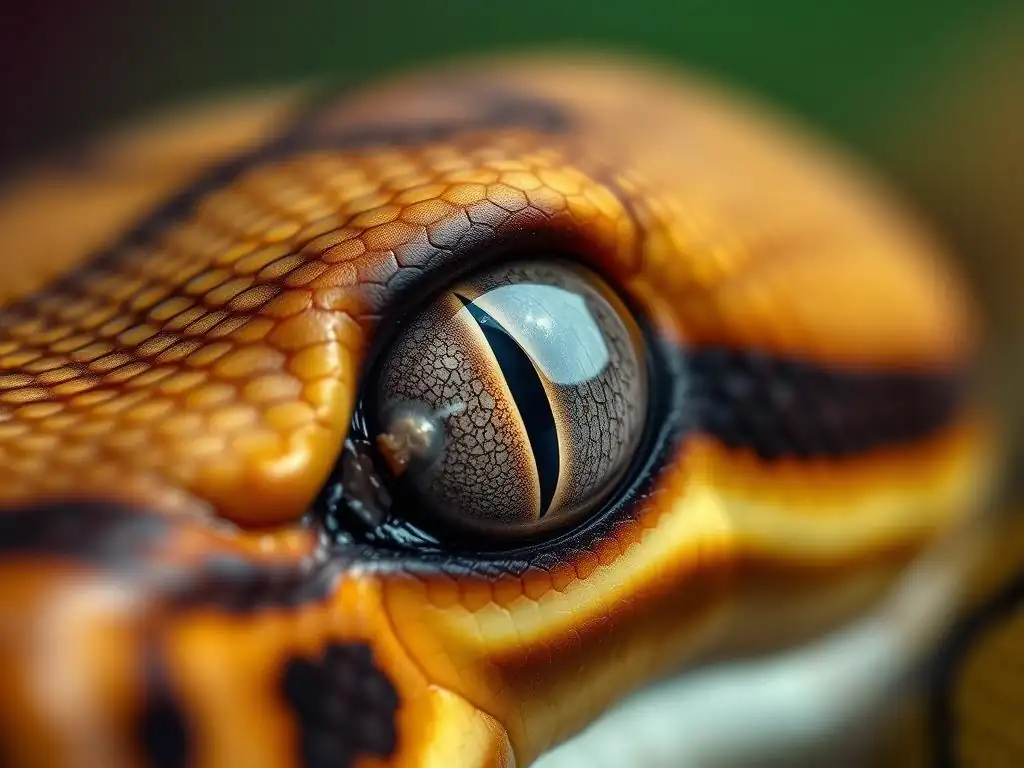
Welcome to PetCareWorld, your ultimate guide to a happier, healthier life for your beloved companions! Are you concerned about your ball python's recent behavior? Understanding subtle shifts in their demeanor is crucial for early illness detection. Discover how to distinguish normal behavior from warning signs in our insightful article, "Ball Python Behavior Changes: Recognizing Signs of Illness," and learn how to provide the best possible care for your scaly friend. Dive in and unlock the secrets to a thriving reptile companion!
- Understanding Normal Ball Python Behavior
-
Identifying Abnormal Ball Python Behavior: Key Signs of Illness
- Changes in Appetite and Feeding Behavior in Sick Ball Pythons
- Unusual Defecation Patterns and Potential Digestive Issues
- Respiratory Problems: Signs of Infection and Difficulty Breathing in Ball Pythons
- Skin and Shedding Problems: Indicators of Underlying Health Issues
- Lethargy and Lack of Activity: A Common Sign of Illness in Ball Pythons
- Changes in Ball Python Posture and Movement: Limping, Wobbliness, and Unusual Positions
- Behavioral Changes: Aggression, Hiding, or Unusual Vocalizations
- Neurological Signs: Tremors, Seizures, and Loss of Coordination
- Specific Illnesses and Their Associated Behavioral Changes in Ball Pythons
- When to Seek Veterinary Care for Your Ball Python
- Preventing Illness in Your Ball Python: Proactive Care
-
Frequently Asked Questions
- What are some common behavioral changes in ball pythons that could indicate illness?
- How can I differentiate between normal ball python behavior and illness-related behavior?
- What are some specific signs of illness to watch out for in my ball python?
- Should I handle my ball python if I suspect it's ill?
- Where can I find a veterinarian experienced in treating ball pythons?
- Final Reflection: Understanding the Silent Signals of Your Ball Python
- Unlock Your Ball Python's Secrets: Spotting Illness Early
Understanding Normal Ball Python Behavior
Ball pythons, known for their docile nature and relatively low maintenance requirements, are popular among reptile enthusiasts. However, even these generally calm snakes can exhibit changes in behavior that signal underlying health problems. This article serves as a crucial guide for recognizing subtle shifts in your ball python's behavior that might indicate illness.
Understanding what constitutes normal behavior for your ball python is the first and most important step in identifying when something is amiss. By carefully observing your snake's activity levels, feeding habits, temperament, and shedding patterns, you can become a more attentive and proactive caregiver, ensuring your reptile companion receives timely veterinary care when needed.
Early detection of illness is paramount in improving the chances of a successful outcome, so let's delve into the key aspects of normal ball python behavior to better understand potential deviations that might signal trouble. The goal is to empower you to differentiate between normal variations and concerning changes, ultimately leading to a healthier and happier life for your ball python.
Typical Ball Python Activity Levels and Feeding Habits
Ball pythons are generally considered crepuscular, meaning they are most active during dawn and dusk. Their activity levels can vary depending on factors such as age, temperature, and overall health. A healthy adult ball python will typically spend a significant portion of its time resting, often coiled up in a secure hiding spot. They may become more active during feeding times or when exploring their enclosure. However, prolonged inactivity or unusual lethargy can be a warning sign.
Regarding feeding habits, a healthy adult ball python usually feeds once every 7-10 days, consuming a rodent appropriate to its size. Refusal to eat, a sudden decrease in appetite, or changes in feeding behavior (e.g., dropping food before swallowing) warrant close monitoring and potential veterinary attention. Keep detailed records of your ball python's feeding schedule and amount consumed to easily track any significant deviations.
Consider factors like enclosure temperature, humidity, and the size and type of prey offered when assessing your python's feeding behavior. Remember to always provide appropriately sized prey to avoid choking or digestive issues. Any deviation from these established feeding patterns should be viewed as a potential indicator of illness.
Assessing Your Ball Python's Temperament and Reactivity
Ball pythons are generally known for their docile nature. They are typically not aggressive, though they may strike defensively if they feel threatened or startled. A healthy ball python will usually show a calm demeanor, allowing gentle handling without excessive stress. However, changes in temperament, such as increased aggression, unusual restlessness, or excessive hiding, should be considered potential warning signs.
Observe your ball python's response to handling. Does it remain calm and relaxed, or does it exhibit unusual levels of stress? Note any changes in its usual behavior during handling. A sudden increase in defensiveness, a change in its typical response to interaction, or an unwillingness to be handled could indicate pain or discomfort. Any significant alteration in temperament warrants careful observation and a consultation with a reptile veterinarian. Documenting these changes, along with the date and circumstances, will be invaluable for your vet.
Recognizing Normal Shedding and Resting Periods in Ball Pythons
Shedding is a normal process for all snakes, including ball pythons. A healthy ball python will shed its skin smoothly and completely every 4-8 weeks, depending on factors such as age and environmental conditions. During the pre-shed phase, the snake's eyes may become cloudy, and its skin may appear dull and slightly opaque. After shedding, the skin should be shed completely and in one piece. Difficulty shedding (dysecdysis) can be a sign of underlying health issues, such as dehydration or metabolic bone disease.
Similarly, prolonged periods of inactivity or lethargy can be a cause for concern. While ball pythons are naturally prone to periods of rest, excessive lethargy or a significant reduction in activity levels outside of normal shedding or brumation could indicate an underlying health problem. Carefully monitor your ball python's resting behavior to distinguish between normal rest and a potential symptom of illness. Pay attention to the duration and frequency of these rest periods, noting any changes from its usual pattern. A persistent lack of activity should prompt a veterinary examination.
Identifying Abnormal Ball Python Behavior: Key Signs of Illness
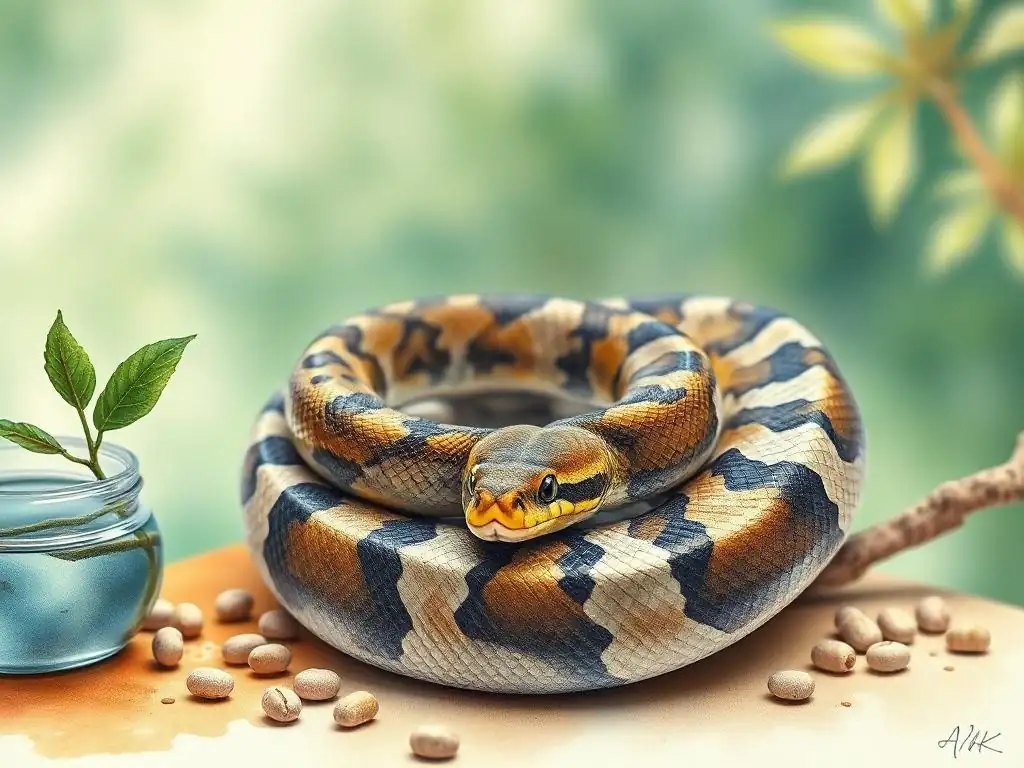
Ball pythons, known for their docile nature and relatively low maintenance requirements, can still exhibit subtle behavioral shifts indicating underlying health problems. Early detection is crucial for successful treatment, so understanding normal ball python behavior is the first step in recognizing deviations that might signal illness. This section focuses on key behavioral changes that often accompany various illnesses in ball pythons, helping you identify potential problems and seek veterinary care promptly. Recognizing these "ball python behavior illness signs" early can significantly improve your pet's prognosis.
Changes in Appetite and Feeding Behavior in Sick Ball Pythons
A significant change in your ball python's eating habits is often one of the earliest indicators of illness. Healthy adult ball pythons typically feed every 7-10 days, consuming a rodent appropriately sized for their body mass. However, several variations from this norm can signal trouble:
- Complete Loss of Appetite (Anorexia): A prolonged refusal to eat (more than 2-3 missed meals) is a serious red flag. This can be caused by various factors, including infections, parasites, metabolic bone disease (MBD), or organ dysfunction.
- Selective Feeding: While some individual ball pythons might be picky eaters, a sudden shift in preference (e.g., rejecting previously favored prey items) can be indicative of illness. This might be related to mouth sores, difficulty swallowing, or digestive problems.
- Regurgitation: Repeated regurgitation of food after consumption is a clear sign of a problem. Possible causes include improper temperature gradients, stress, parasites, or underlying medical conditions.
- Increased or Decreased Thirst: Changes in water intake can reflect various health issues. Increased thirst may suggest dehydration from an underlying illness, while decreased thirst can indicate kidney problems or other metabolic disorders.
It's crucial to note that the severity and duration of appetite changes vary depending on the underlying cause. A single missed meal isn't always a cause for alarm, but consistent refusal to eat warrants immediate veterinary attention. Detailed records of feeding frequency, prey size, and any observed abnormalities during feeding are invaluable diagnostic tools for your veterinarian.
Unusual Defecation Patterns and Potential Digestive Issues
Monitoring your ball python's defecation patterns provides crucial insights into its digestive health. Normally, a healthy ball python will defecate relatively infrequently, perhaps once every 1-3 weeks. The feces should be firm, dark brown or black, and contain undigested parts of the prey. However, several deviations warrant concern:
- Frequency Changes: Both increased and decreased defecation frequency can indicate digestive problems. More frequent defecation might suggest diarrhea, potentially caused by bacterial or parasitic infections. Infrequent defecation could signal constipation, impacted fecal matter, or other digestive blockages.
- Abnormal Fecal Consistency: Diarrhea (loose, watery stools) is a common symptom of various illnesses, including bacterial infections and parasitic infestations. Conversely, hard, pellet-like feces suggest constipation. The presence of blood, mucus, or unusual coloration in the feces requires immediate veterinary attention.
- Urate Problems: Urate (uric acid) excretion is a crucial indicator of kidney function. Abnormal urate production (e.g., pale, watery urates; excessive urate production) can indicate kidney disease or other metabolic disorders.
Careful observation of your ball python's waste products is essential for early detection of digestive issues. Keeping a record of defecation frequency, consistency, and color can provide valuable information for your veterinarian. Any significant changes from the normal pattern should prompt a veterinary examination.
Respiratory Problems: Signs of Infection and Difficulty Breathing in Ball Pythons
Respiratory infections are a common health concern for ball pythons. These infections can range from mild to severe and often manifest through distinct behavioral and physical signs. Observing your ball python's breathing patterns and overall respiratory health is crucial.
- Open-Mouth Breathing: Healthy ball pythons rarely breathe with their mouths open. Open-mouth breathing, especially accompanied by labored breathing or wheezing, strongly suggests a respiratory infection. This can be caused by bacterial, fungal, or viral pathogens.
- Wheezing or Clicking Sounds: Unusual sounds during respiration, such as wheezing or clicking, indicate airway obstruction or inflammation. This is often a sign of respiratory infection or other lung problems.
- Lethargy and Weakness: Respiratory infections can lead to lethargy, weakness, and decreased activity levels. Your ball python might spend more time hiding or exhibit a reduced interest in its surroundings.
- Nasal Discharge: A clear, white, or yellowish nasal discharge is a common symptom of respiratory infections. The discharge can be thin or thick, depending on the severity of the infection.
Prompt veterinary care is crucial when dealing with suspected respiratory problems. Early diagnosis and treatment can significantly improve the chances of a full recovery. Remember, early intervention is key when dealing with any illness in your ball python. Regular monitoring of your pet's behavior, combined with proactive veterinary care, are essential aspects of responsible ball python ownership.
Skin and Shedding Problems: Indicators of Underlying Health Issues
Ball pythons, like all reptiles, rely on their skin for protection and regulation of their body temperature. Problems with shedding, often a key indicator of underlying health issues, can manifest in several ways. Dysecdysis, or difficulty shedding, is a common sign. This can present as retained shed on the eyes (spectacle), causing blindness, or stuck shed on the body, potentially leading to infection or constriction.
The retained shed can appear as cloudy or opaque areas on the skin. Additionally, excessively dry or cracked skin can point towards dehydration or metabolic bone disease (MBD). Conversely, excessively moist skin might be a symptom of a bacterial or fungal infection. A careful examination of your ball python's skin, paying close attention to the shedding process and overall skin condition, is crucial for early detection of these problems.
Regular humidity checks within the enclosure are also essential for preventing shedding difficulties. If you observe any irregularities, such as stuck shed, open sores, or unusual discoloration of the skin, immediate veterinary attention is necessary. Remember, prompt intervention can often prevent minor skin problems from escalating into serious health complications.
Lethargy and Lack of Activity: A Common Sign of Illness in Ball Pythons

A significant decrease in activity levels is a classic warning sign of illness in ball pythons. Healthy ball pythons, while generally not overly active, exhibit a certain level of alertness and responsiveness to their environment. A lethargic ball python will spend significantly more time hiding, show reduced interest in food, and appear unresponsive to external stimuli.
This lethargy can stem from various sources, including infections (respiratory infections are particularly common), parasites, metabolic disorders like MBD, or even simple dehydration. The severity of the lethargy can vary; some snakes might simply be less active than usual, while others may be completely unresponsive. It's important to distinguish between normal periods of inactivity, especially during digestion or brumation (a period of dormancy), and lethargy associated with illness.
If your ball python exhibits prolonged lethargy accompanied by other symptoms, such as loss of appetite or changes in defecation, seek veterinary care immediately. Early diagnosis and treatment are vital for improving the chances of a full recovery. Accurate temperature and humidity readings within the enclosure should be routinely monitored to rule out environmental stress as a contributing factor.
Changes in Ball Python Posture and Movement: Limping, Wobbliness, and Unusual Positions
Observing your ball python's posture and movement patterns can provide valuable insights into its overall health. Changes in these behaviors can be subtle or dramatic, but they often signal underlying problems. Limping or difficulty moving could indicate injury, arthritis, or neurological issues. A wobbly gait or uncoordinated movements might point to neurological problems, inner ear infections, or even poisoning.
Unusual positions, such as consistently curled in an unnatural way or lying on their side, can also indicate pain, weakness, or severe illness. Furthermore, observe the snake's ability to right itself if placed on its back. A healthy ball python can quickly correct its posture. Difficulty doing so may indicate neurological problems or muscle weakness.
If you notice any of these unusual postural or movement changes, it is critical to consult a veterinarian specializing in reptiles. Early intervention is crucial for successful treatment, especially in cases of neurological problems or injuries. Careful observation of your pet’s daily activities is an essential part of preventative healthcare, allowing for early detection of potential health concerns.
Behavioral Changes: Aggression, Hiding, or Unusual Vocalizations
Ball pythons are generally docile creatures, known for their calm and relatively inactive nature. Significant deviations from this typical behavior can be strong indicators of underlying health issues. Increased aggression, for instance, is not a common trait. A normally placid snake suddenly becoming defensive, striking readily, or exhibiting more forceful biting than usual warrants immediate veterinary attention.
This aggressive behavior could stem from various causes, including pain due to an injury or infection, or even stress triggered by an unsuitable environment. It's crucial to carefully observe the snake's environment for any potential stressors, such as extreme temperatures, insufficient humidity, or overcrowding. Remember, even subtle changes in temperament should be noted and investigated.
Another significant behavioral change to watch for is unusual hiding behavior. While ball pythons are naturally secretive and spend considerable time in their hides, a sudden increase in hiding or a refusal to emerge even when offered food can be a warning sign. This could indicate pain, discomfort, or a weakened immune system.
A ball python feeling unwell might seek seclusion to conserve energy and protect itself. It’s important to differentiate between normal shy behavior and a drastic increase in secretive actions. If your usually curious snake suddenly avoids all interaction and remains completely hidden for extended periods, seek professional veterinary advice.
While ball pythons don't typically vocalize in the way mammals or birds do, they can sometimes produce subtle hissing sounds when stressed or threatened. However, any unusual sounds, such as wheezing, clicking, or other abnormal vocalizations, should be considered a cause for concern and prompt a veterinary examination. These unusual noises might reflect respiratory problems, internal blockages, or other internal issues. Keep a detailed log of the sounds, noting their frequency, duration, and any accompanying symptoms. This detailed information will be invaluable to your veterinarian in diagnosing the problem.
Neurological Signs: Tremors, Seizures, and Loss of Coordination
Neurological problems in ball pythons can manifest in a variety of ways, often presenting as subtle changes initially. Tremors, for example, might start as slight shaking that is only noticeable during specific movements. As the condition progresses, these tremors can become more pronounced and frequent, affecting the snake's ability to move smoothly and efficiently. These tremors could be indicative of several underlying conditions, including metabolic bone disease (MBD), infections, or neurological disorders. Early detection and treatment are crucial in these cases.
Seizures are a more serious neurological sign, characterized by involuntary muscle contractions and convulsions. These seizures can range in severity and duration, and can leave the snake exhausted and disoriented afterward. Seizures in ball pythons can result from various factors, including severe infections, trauma, or metabolic imbalances. If your ball python experiences a seizure, it is imperative to seek immediate veterinary care, as the underlying cause needs prompt diagnosis and treatment to prevent further episodes and potential long-term damage.
Loss of coordination, or ataxia, is another critical indicator of neurological issues. This manifests as an unsteady gait, difficulty navigating its enclosure, or an inability to maintain balance. The snake may appear clumsy, stumble frequently, or have trouble righting itself. This lack of coordination often points towards neurological damage, potential spinal injuries, or severe metabolic disorders. Careful observation and prompt veterinary attention are paramount to determine the underlying cause and implement appropriate treatment. The sooner the problem is addressed, the better the chances of a positive outcome for your ball python.
Specific Illnesses and Their Associated Behavioral Changes in Ball Pythons
Ball pythons, while generally docile, can exhibit significant behavioral changes when unwell. Understanding these subtle shifts is crucial for early detection and intervention, potentially saving your pet's life. This section details specific illnesses and their associated behavioral indicators, focusing on the key signs that should prompt a visit to a reptile veterinarian experienced in treating ball pythons. Early diagnosis is paramount in managing these conditions effectively. Remember, subtle changes in appetite, activity levels, and defecation can be critical indicators of underlying health issues. Always prioritize proactive care for your ball python.
Recognizing Signs of Inclusion Body Disease (IBD)
Inclusion Body Disease (IBD) is a devastating and unfortunately incurable viral disease affecting ball pythons. Early detection is challenging as symptoms can be subtle and mimic other conditions. However, behavioral changes can sometimes offer clues. One primary indicator is a progressive lethargy. A healthy ball python will exhibit periods of activity, exploring its enclosure and basking. A ball python suffering from IBD may become increasingly inactive, spending prolonged periods in one spot with minimal movement. This lethargy often progresses, leading to significant weight loss, even with adequate food provision.
Another subtle behavioral change is a reduced responsiveness. While ball pythons aren't overly interactive, a healthy snake will typically show some response to gentle handling or environmental changes. An IBD-affected snake might become unresponsive, exhibiting no interest in interaction, even when offered food. Furthermore, IBD can manifest as altered feeding habits, ranging from reduced appetite to complete anorexia.
This is often accompanied by regurgitation of recently consumed meals, further highlighting the severity of the disease. Careful observation of these subtle behavioral shifts is key to early identification and management of IBD. Sadly, there is no cure, but early detection can help manage symptoms and improve quality of life.
Identifying Symptoms of Bacterial Infections
Bacterial infections in ball pythons can stem from various sources, including wounds, compromised immune systems, or unsanitary enclosure conditions. Behavioral changes associated with bacterial infections often manifest as lethargy and weakness. The snake may appear less active than usual, struggling to climb or even move within its enclosure. This weakness can be accompanied by changes in posture, such as a curled or unusual body position, reflecting discomfort and pain.
Furthermore, bacterial infections can cause anorexia, leading to significant weight loss. The snake may refuse food entirely or struggle to consume even small meals. Respiratory infections, a common type of bacterial infection, can also present with unusual respiratory sounds, such as wheezing or clicking, and an increased respiratory rate. This can be accompanied by gaping of the mouth, a clear sign of respiratory distress.
Finally, diarrhea or changes in defecation are other significant behavioral indicators. Regular monitoring of your ball python's bowel movements is crucial for early identification of such issues. A shift from normal bowel movements to frequent, watery stools could indicate a bacterial infection.
Detecting Parasite Infestations Through Behavioral Changes
Parasite infestations, including internal and external parasites, can significantly impact a ball python's behavior. Internal parasites, such as nematodes or coccidians, can cause weight loss and lethargy, similar to bacterial infections. However, they are often accompanied by diarrhea or changes in the consistency and frequency of bowel movements. The snake may exhibit abdominal distension due to the parasitic burden, and this can be visually evident.
External parasites like mites can cause skin irritation and itching. This can manifest as excessive rubbing against surfaces, attempts to shed skin prematurely, or restlessness. The snake may seem more agitated or frequently shift its position within the enclosure. Careful examination of the skin is essential to detect external parasites.
Additionally, some parasites can cause anorexia due to discomfort and the energy drain of the infestation. Regular fecal examinations and careful visual inspections are key to detecting and treating parasitic infestations in ball pythons. The sooner the parasites are detected and treated, the better the chances of a full recovery. Remember, proactive parasite prevention is crucial for maintaining your ball python’s health and well-being.
Recognizing Signs of Metabolic Bone Disease (MBD)
Metabolic Bone Disease (MBD) is a serious condition in ball pythons caused by nutritional deficiencies, specifically a lack of calcium and/or vitamin D3. This imbalance prevents proper bone development and mineralization, leading to a range of behavioral and physical changes. Early detection is crucial for successful treatment. One of the most noticeable behavioral changes associated with MBD is a significant decrease in activity levels. A ball python suffering from MBD will often become lethargic, spending extended periods of time in one spot, showing little interest in exploring its enclosure or interacting with its environment.
This lethargy is often accompanied by a loss of appetite, resulting in weight loss and a weakened physical state. Furthermore, you might observe tremors or muscle weakness, making it difficult for the snake to move normally. They may appear clumsy or struggle to climb branches or other structures within their enclosure. These behavioral changes often manifest alongside visible physical symptoms such as skeletal deformities, such as a soft or rubbery jaw, bowed legs, or a fragile tail.
Remember, early intervention is key; if you notice these signs, immediately consult a reptile veterinarian experienced in treating ball pythons. They can conduct proper diagnostic tests and recommend a tailored treatment plan, including dietary adjustments and supplementation to correct the calcium and vitamin D3 imbalance. Without prompt treatment, MBD can lead to severe complications, including paralysis and ultimately death. Providing your ball python with a proper diet, including calcium-rich prey dusted with a vitamin D3 supplement, is crucial for preventing MBD.
Identifying Signs of Respiratory Infections in Ball Pythons
Respiratory infections, often caused by bacteria, viruses, or fungi, are a common health concern in ball pythons. These infections can manifest in several ways, and recognizing the behavioral changes is vital for early diagnosis and treatment. A primary indicator of a respiratory infection is a change in breathing pattern. You might notice your ball python exhibiting open-mouth breathing, a behavior not typically seen in healthy snakes. This is often accompanied by wheezing, clicking, or gurgling sounds emanating from the snake's respiratory system.
This labored breathing can lead to lethargy and decreased activity. The snake may become less responsive to its environment and exhibit a reduced appetite. Another key behavioral sign is increased shedding frequency or difficulty shedding. This can be attributed to the dehydration often associated with respiratory infections. Furthermore, you might observe nasal discharge, which can be clear, white, or yellowish-green depending on the severity and type of infection.
Respiratory infections can quickly become severe if left untreated, leading to pneumonia and other life-threatening complications. If you notice any of these behavioral changes, immediate veterinary attention is critical. A veterinarian can perform a thorough examination, including potentially radiographs or other diagnostic tests, to confirm the diagnosis and prescribe appropriate treatment, which might include antibiotics or other medications. Prevention involves maintaining a clean and appropriately humidified enclosure, avoiding stress factors, and ensuring proper ventilation to prevent the buildup of harmful bacteria or fungi. Regular monitoring of your ball python's behavior, combined with quick action upon noticing any abnormalities, will significantly improve the chances of a successful recovery.
When to Seek Veterinary Care for Your Ball Python
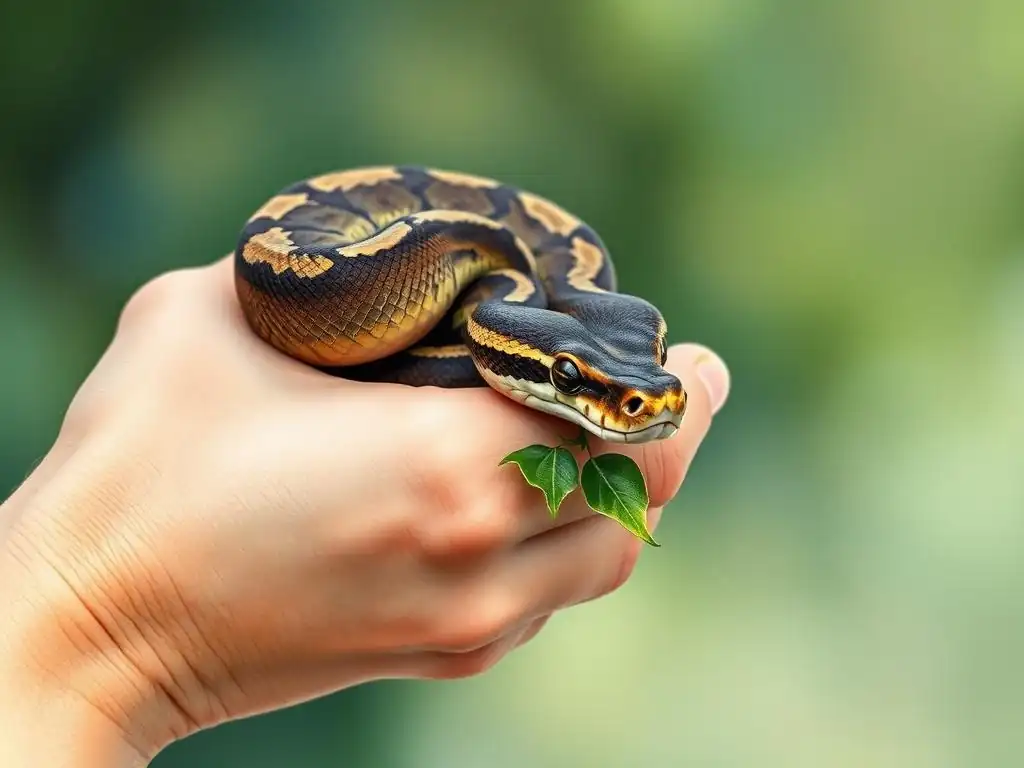
Recognizing subtle shifts in your ball python's behavior is crucial for early illness detection. While some behavioral changes might be temporary or related to environmental factors, others signal a serious health problem requiring immediate veterinary attention. Understanding the difference can significantly impact your snake's prognosis. This section helps you determine when a vet visit is necessary for your ball python, focusing on the key indicators of underlying illness.
Early intervention dramatically increases the chances of a successful recovery. Ignoring subtle signs can lead to more severe complications, making treatment more challenging and potentially less effective. This is especially important for the keyword "Ball python behavior illness signs," as early detection is key to successful treatment.
Urgent Situations Requiring Immediate Veterinary Attention
Several ball python behavior changes demand immediate veterinary care. These are life-threatening situations requiring prompt intervention. Delaying treatment in these cases can be fatal. Look for these urgent signs:
- Lethargy and complete lack of appetite: A ball python that is completely unresponsive, refuses food for extended periods (beyond normal fasting), and shows no interest in its environment needs immediate attention. This is not just a temporary mood swing; it often indicates a serious underlying health issue.
- Severe dehydration: Sunken eyes, lack of skin elasticity, and significant weight loss are serious signs of dehydration. Dehydration in reptiles can quickly become life-threatening.
- Respiratory distress: Open-mouth breathing, labored breathing, or audible wheezing are clear indicators of a respiratory infection, which can be fatal if left untreated. Observe your snake carefully for these symptoms.
- Bleeding or open wounds: Any visible bleeding or open wounds require immediate veterinary attention to prevent infection and further complications. Clean the wound carefully (if possible) before transport.
- Neurological signs: Tremors, paralysis, unusual head tilting, or loss of coordination are critical signs of neurological problems that necessitate emergency veterinary intervention. These symptoms often point to serious underlying issues.
Preparing for a Veterinary Visit with Your Sick Ball Python
When you suspect your ball python is ill, preparation for the veterinary visit is essential. A well-prepared visit ensures your vet has all the necessary information to diagnose and treat your snake effectively. Effective preparation is a crucial component of managing your ball python's health crisis. Remember that your accurate observations and detailed information are vital to helping your veterinarian understand the situation.
- Detailed notes: Before your visit, meticulously record your observations. Note the onset of symptoms, their progression, and any changes in your ball python's behavior, appetite, and shedding patterns. Include details about your snake's environment, including temperature, humidity levels, and substrate.
- Collect a fecal sample: If possible, collect a fresh fecal sample for your veterinarian to analyze for parasites. This is crucial for diagnosing parasitic infections, which are common in reptiles.
- Secure transport: Use a secure, well-ventilated container for transport, ensuring your ball python remains safe and comfortable during travel. Avoid using plastic bags as they can compromise ventilation.
- Contact your veterinarian in advance: Contact the veterinarian beforehand to inform them about your ball python's condition and make arrangements for the visit. This allows them to prepare and allocate sufficient time for your snake's examination.
Questions to Ask Your Veterinarian about Your Ball Python's Health
Visiting a veterinarian specializing in reptiles is crucial for accurate diagnosis and treatment. Preparing a list of questions beforehand ensures you receive all the necessary information. Your questions should be specific and focused on your ball python's particular symptoms. Thorough communication is key to ensuring your snake receives the appropriate care.
- What is the likely cause of my ball python's symptoms? Understanding the underlying cause is crucial for effective treatment and preventing future occurrences.
- What is the recommended treatment plan? This includes medication, supportive care, and any necessary environmental adjustments.
- What is the prognosis? Understanding the likely outcome will help you manage expectations and provide the best possible care for your snake.
- What are the potential long-term effects? Knowing the potential long-term implications allows you to plan for your ball python's ongoing needs.
- How can I prevent this illness in the future? Preventive measures are vital for maintaining your ball python's health and well-being. This includes appropriate husbandry practices and regular veterinary check-ups.
Remember, proactive monitoring and prompt veterinary care are vital for the health and longevity of your beloved ball python. Early detection of illness significantly improves the chances of a full recovery.
Preventing Illness in Your Ball Python: Proactive Care
Proactive care is crucial in preventing illness in your ball python. A healthy ball python is less susceptible to disease and will exhibit normal, predictable behaviors. Understanding the nuances of their behavior is key to early detection of any potential health problems. Regular monitoring and a commitment to preventative measures are the cornerstones of responsible ball python ownership. This section focuses on practical steps you can take to minimize the risk of your ball python developing illness and exhibiting concerning behavioral changes associated with "ball python behavior illness signs."
Maintaining a Healthy Ball Python Enclosure and Environment
A clean and appropriately maintained enclosure is paramount to your ball python's health. Neglecting hygiene can lead to bacterial or parasitic infections, manifesting in various behavioral changes like lethargy, loss of appetite, or unusual skin conditions. These changes can be subtle initially, easily overlooked if you're not diligently monitoring your pet's behavior.
Maintaining a healthy environment involves several key practices:
- Regular Cleaning: Spot clean the enclosure daily, removing feces and urates promptly. Complete substrate changes should be performed at least once a month, or more frequently depending on the substrate type and the size of your python. Disinfect the enclosure thoroughly after each cleaning using a reptile-safe disinfectant.
- Temperature and Humidity Control: Ball pythons require specific temperature and humidity gradients within their enclosure. Inconsistent temperatures can weaken their immune systems, making them more vulnerable to illness. Use accurate thermometers and hygrometers to monitor these parameters and adjust heating and humidity sources as needed. Fluctuations outside the ideal range can lead to subtle behavioral shifts, such as seeking unusual basking spots or hiding excessively.
- Proper Ventilation: Adequate ventilation prevents the buildup of ammonia and other harmful gases, which can directly impact respiratory health. Poor ventilation can cause lethargy, respiratory distress, and even death. Ensure that your enclosure has appropriate ventilation openings without creating drafts.
- Substrate Selection: Choose a substrate that is easy to clean, absorbs moisture effectively (to prevent bacterial growth), and does not pose a risk of ingestion or impaction. Aspen shavings, cypress mulch, and paper towels are popular and safe choices.
Providing a Proper Diet for Your Ball Python
Nutritional deficiencies can significantly weaken a ball python's immune system, predisposing it to various illnesses. A well-balanced diet is crucial for maintaining their overall health and preventing behavioral changes indicative of illness.
- Appropriate Prey Size: Feeding your ball python appropriately sized prey is crucial. Prey that is too large can cause regurgitation, stress, and even impaction. Too small, and your snake may not get the nutrition it needs. The prey should be roughly the same width as the widest part of your snake's body.
- Dietary Variety: While mice are the staple diet for most ball pythons, occasional variety with rats (of appropriate size) can provide a broader spectrum of nutrients. Avoid feeding your snake anything other than appropriately sized rodents.
- Feeding Frequency: Feeding frequency depends on the size and age of your ball python. Young, growing snakes will require more frequent feeding than adults. Observe your snake's behavior after feeding; consistent regurgitation can indicate an issue and should be investigated.
- Supplementation: While generally not necessary with a varied diet, some keepers choose to supplement their ball python's diet with calcium and vitamin D3 powder. This should be done sparingly and according to the instructions on the supplement packaging.
Regular Health Checkups and Preventative Measures
Regular veterinary checkups are essential for preventative care. Even if your ball python seems perfectly healthy, annual checkups allow for early detection of any potential problems before they become serious. A veterinarian specializing in reptiles can conduct a thorough physical examination, identify any subtle signs of illness, and recommend appropriate preventative measures.
- Weight Monitoring: Regularly weighing your ball python can help you detect weight loss or gain, both of which can indicate underlying health issues. Keep a record of your snake's weight over time to monitor trends.
- Shedding: Monitor your snake's shedding process. Difficulty shedding (dysecdysis) can be a sign of underlying health problems, such as dehydration or metabolic bone disease. Proper humidity is crucial for healthy shedding.
- Fecal Examination: Periodic fecal examinations can help detect parasites, a common cause of illness in ball pythons. This is a crucial part of preventative care. These examinations often reveal subtle issues before significant behavioral changes occur, allowing for timely intervention.
- Proactive Veterinary Care: Don't wait for obvious signs of illness. Schedule regular checkups to catch potential problems early. Early detection and treatment are key to a positive outcome. This proactive approach is the best way to prevent serious illness and maintain your ball python's health and normal behavior. 🐍
Frequently Asked Questions
What are some common behavioral changes in ball pythons that could indicate illness?
Ball pythons exhibiting illness may show reduced activity levels, loss of appetite, or unusual aggression. Changes in defecation patterns or skin condition can also be indicative of underlying health problems.
Observe your snake's typical behavior patterns for baseline comparison. Significant deviations, like prolonged lethargy or refusal of food, warrant a veterinary examination. Consider keeping a detailed log of observations.
What are some specific signs of illness to watch out for in my ball python?
Look for open wounds, unusual swelling, respiratory issues (like gaping mouth breathing), neurological symptoms (tremors, paralysis), or dehydration. Discharge from the eyes or nose is also a major concern.
Should I handle my ball python if I suspect it's ill?
Minimize handling if you suspect illness to reduce stress. If you must handle your snake, wear gloves to protect yourself and handle it gently. Seek veterinary attention immediately.
Where can I find a veterinarian experienced in treating ball pythons?
The Association of Reptilian and Amphibian Veterinarians (ARAV) website is a great resource to locate specialized reptile veterinarians. Your regular vet may also be able to recommend a specialist.
Final Reflection: Understanding the Silent Signals of Your Ball Python
Understanding subtle shifts in your ball python's behavior is crucial for early disease detection and ensuring their well-being. Ignoring these changes can have devastating consequences, turning a manageable ailment into a life-threatening crisis. Early intervention is key to a successful outcome for your beloved reptile.
The impact of responsible reptile ownership extends far beyond the individual animal. It fosters a deeper understanding of these fascinating creatures and encourages a more compassionate approach to animal care. This understanding is vital, not just for ball pythons, but for all animals under our care. The greatness of a nation and its moral progress can be judged by the way its animals are treated.
- Mahatma Gandhi. This quote underscores the ethical responsibility we bear as pet owners, demanding vigilance and proactive care.
Now, consider your own ball python. Have you noticed any subtle changes in its behavior lately? Take a moment to reflect on its eating habits, activity levels, and overall demeanor. Don't dismiss seemingly minor shifts; they might be the first whispers of an underlying health issue. By actively observing and learning to interpret your ball python's communication, you become a more effective advocate for its health and happiness. Empower yourself with knowledge, and you empower your scaly companion to thrive.
Unlock Your Ball Python's Secrets: Spotting Illness Early
Thank you for exploring the world of ball python health! We hope you feel more confident in understanding your reptile's subtle cues. Ready to apply your new knowledge?
- Schedule a wellness checkup: A preventative veterinary visit is crucial for early detection of health problems. Early intervention is key to successful treatment.
- Share your insights: Discuss this article with other reptile enthusiasts—your experiences could help others! What unexpected behavioral changes have you observed in your ball python?
- Dive deeper: Explore our comprehensive guide on ball python care (available on PetCareWorld.org) for even more tips and tricks. You'll find a wealth of information there.
What small change in your ball python's routine will you monitor more closely now?