The Essential Guide to Bearded Dragon Substrates: Choosing the Right Bedding
🤔 Discover the best bearded dragon substrate for a thriving habitat! PetCareWorld's expert guide helps you choose the perfect bedding, ensuring your…
Read article

Discover the art of caring for bearded dragons with confidence—these charismatic reptiles make extraordinary companions, but they thrive only with the right knowledge. From setting up the perfect basking gradient and UVB lighting to mastering their omnivorous diet of gut-loaded insects and fresh greens, our expert guidance covers every essential. Learn to recognize subtle signs of health, prevent common issues like metabolic bone disease, and create a habitat that mimics their natural Australian desert home. Whether you’re a first-time owner or refining your skills, we break down shedding, hydration, temperament handling, and seasonal brumation in simple, actionable steps. With trusted, science-backed advice, you’ll ensure your bearded dragon lives a long, vibrant life—full of curious head bobs and relaxed arm waves. Explore practical tips, product recommendations, and troubleshooting strategies tailored to your scaly friend’s unique needs, all designed to make ownership rewarding and stress-free. 🦎✨
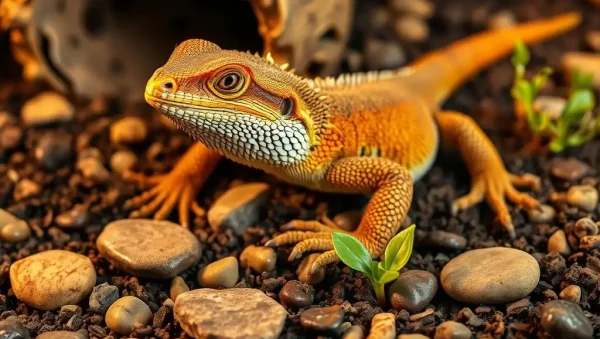
🤔 Discover the best bearded dragon substrate for a thriving habitat! PetCareWorld's expert guide helps you choose the perfect bedding, ensuring your…
Read article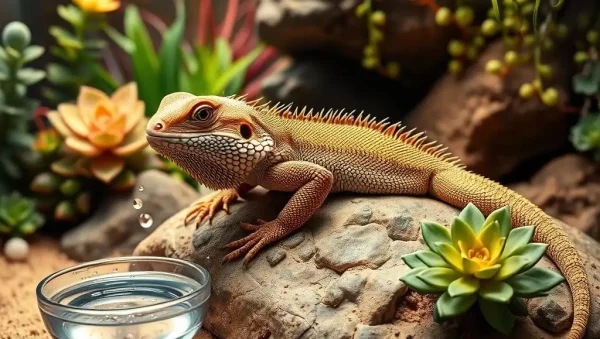
🤔 Maintaining proper bearded dragon ideal humidity levels is crucial for their health. Learn the optimal range and how to achieve it…
Read article
😊 Elevate your bearded dragon's care with PetCareWorld's expert guide. This advanced care guide covers nutrition, enclosure optimization, and health management for…
Read article
🤔 Learn all about bearded dragon brumation in our expert guide! Understand this natural winter sleep, how to prepare your dragon, and…
Read articleBearded dragons are among the most rewarding reptile companions, but their unique needs require a dedicated, informed approach. This subcategory of Reptiles & Exotic Pets is your go-to resource for mastering every aspect of bearded dragon husbandry, from creating a perfect heat gradient to decoding their body language. Whether you’re a first-time owner or a seasoned keeper, you’ll find actionable, science-backed guidance here.
Your bearded dragon’s health begins with its environment. Expect detailed advice on tank sizes (minimum 40 gallons for adults), proper substrate choices that avoid impaction risks, and the critical importance of UVB lighting and basking temperatures (105–110°F). We cover how to create a thermogradient that lets your pet regulate its body heat naturally.
Beyond hardware, we delve into décor, hides, and climbing structures that reduce stress and encourage natural behaviors. Learn how to maintain humidity levels around 30–40% and how to clean and disinfect the enclosure without harming your pet. Proper setup prevents most common health issues, making this foundational knowledge essential for long-term success.
Bearded dragons are omnivores, but their dietary ratios shift by age. Expect a clear breakdown: juvenile dragons need about 70% insects (crickets, dubia roaches) and 30% greens, while adults flip that ratio. We cover gut-loading insects, calcium and vitamin D3 supplementation, and safe fruit/vegetable lists—avoiding toxic items like avocado or rhubarb.
You’ll also learn feeding frequency, portion sizes, and how to identify picky eaters. We offer practical tips for transitioning to salad-heavy diets and using feeding tongs to encourage natural hunting. Consistent, varied nutrition supports vibrant skin, strong bones, and a lively disposition. Always provide fresh water, but remember they hydrate largely through food.
Early detection saves lives. This section focuses on metabolic bone disease (MBD), impaction, respiratory infections, and parasites—common ailments in captive bearded dragons. Expect to recognize signs like swollen limbs, lethargy, wheezing, or abnormal stools. Prevention centers on correct UVB, temperature, and hygiene, which we explain in detail.
We also guide you on quarantine procedures for new pets and when to seek an exotic vet. Learn simple home checks, like monitoring shed cycles and eye clarity, that reveal overall well-being. Never attempt to medicate without veterinary guidance; instead, use our resources to prepare questions and provide your vet with accurate history for better outcomes.
Bearded dragons are known for their calm, curious demeanor, but they need gentle, consistent handling to trust you. Expect advice on the “head-bob” and “arm-wave” communication signals, understanding stress marks (dark stripes), and recognizing when they’re basking versus seeking escape. Positive reinforcement works wonders with these reptiles.
We cover safe handling techniques—supporting the full body, avoiding tail grabbing, and limiting sessions to 10–15 minutes for babies. Learn how to reduce aggression during shedding or breeding seasons and how to introduce your dragon to other pets safely. Regular, calm interaction builds a confident pet that enjoys being handled and even tolerates gentle head scratches.
If breeding interests you, we explain the essential conditions: temperature cycling for brumation (a hibernation-like state), egg-laying setups with moist nesting boxes, and incubation temperatures that determine sex. Expect a realistic look at the commitment—female dragons can lay up to 20 eggs per clutch, requiring careful calcium management. Breeding should never be taken lightly due to high mortality risks.
Brumation often confuses new owners; we differentiate normal slowed activity from illness. Learn when to let brumation run its course (typically 1–3 months in winter) and when to intervene. Understanding these natural phases reduces unnecessary vet visits and helps you support your dragon through torpor, shedding, and rapid juvenile growth spurts.
Juveniles (under 6 months) need live insects 2–3 times daily, as much as they can eat in 10–15 minutes. Adults require insects only 1–2 times per week, with most of their diet being leafy greens. Always dust insects with calcium powder (without D3) at most feedings and a multivitamin once weekly.
For safety, use solid substrates like reptile carpet, ceramic tile, or paper towels—especially for juveniles—to prevent impaction from loose materials. Avoid sand, wood chips, or walnut shells, which can be ingested during eating or burrowing. For breeding adults, a deep soil/sand mix is acceptable under strict supervision.
Yes, absolutely. Glass filters out essential UVB rays, so indoor enclosures must have a UVB bulb (tube type, not coil) covering 2/3 of the tank. Replace bulbs every 6–12 months, as output fades even if the light still shines. Without UVB, dragons cannot synthesize vitamin D3, leading to metabolic bone disease.
Try offering greens early in the day before insects, or mist them lightly for crispness. Rotate options like collard greens, mustard greens, butternut squash, and shredded carrots. Some dragons prefer chopped or torn pieces over whole leaves. Reduce insect frequency temporarily—hunger often motivates vegetable consumption.
Stress signs include dark “beard” stripes, pacing, glass surfing (repeatedly climbing walls), reduced appetite, and hiding excessively. Check tank temperatures, provide more hides, and minimize handling for a few days. Also confirm no reflection issues (tape paper outside the glass) and that the enclosure feels secure, not exposed to high traffic.