Decoding Amphibian Diets: A Guide to Feeding Frogs and Toads
😊 Unlock the secrets to a thriving amphibian companion! Learn about the best frog and toad diet in our expert guide, ensuring…
Read article
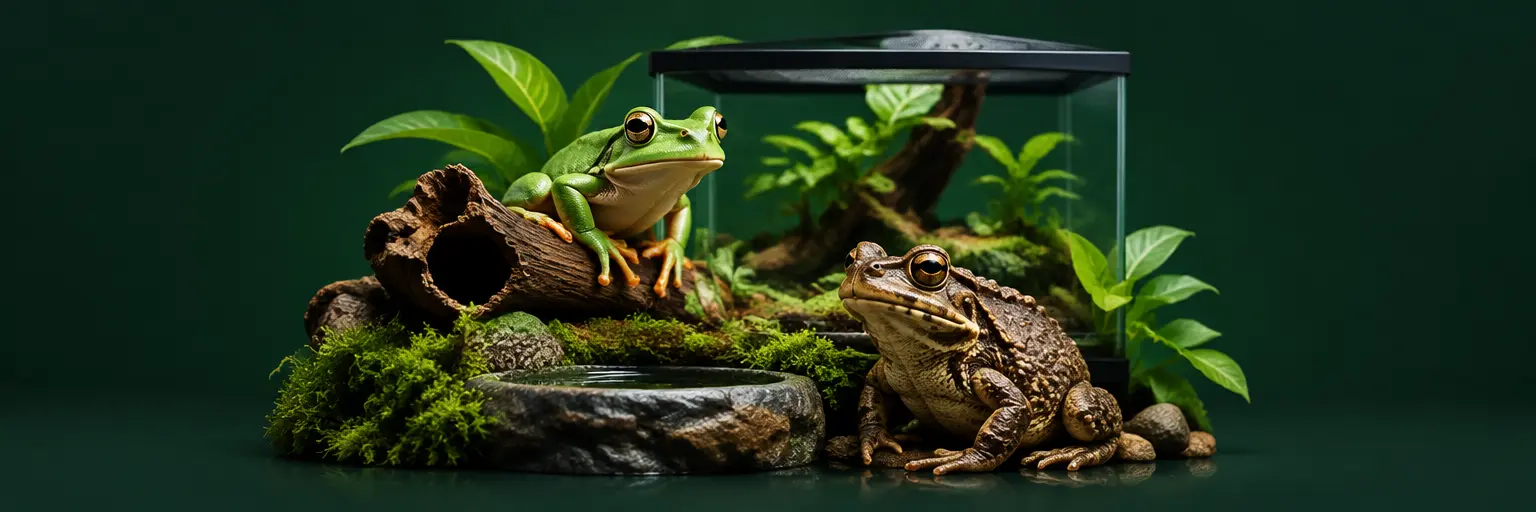
Discover the fascinating world of frogs and toads with PetCareWorld’s expert guidance on amphibian care—your go-to source for nurturing these unique, exotic pets. From building the perfect terrarium habitat with proper humidity and temperature gradients to mastering their specialized dietary needs, we cover every essential detail to ensure your amphibian thrives. Learn the critical differences between aquatic, semi-aquatic, and terrestrial species, and get actionable tips on health monitoring, disease prevention, and safe handling. Whether you’re a beginner exploring your first Pacman frog or a seasoned keeper refining your toad’s environment, our in-depth guides simplify complex care routines, helping you avoid common pitfalls. With seasoned advice on substrates, lighting, and water quality, plus troubleshooting for issues like shedding problems or appetite loss, you’ll transform your enclosure into a thriving ecosystem. Trust PetCareWorld for up-to-date, reliable information that balances practical solutions with animal welfare, so your frogs and toads stay vibrant, active, and stress-free.
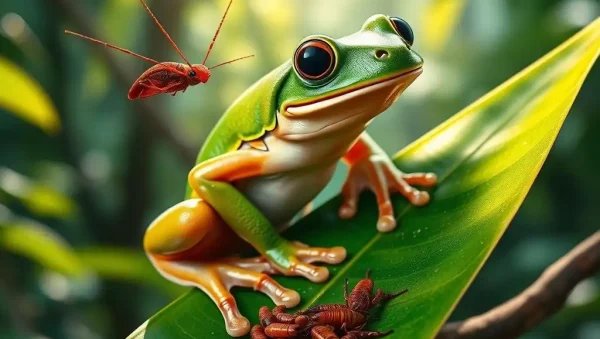
😊 Unlock the secrets to a thriving amphibian companion! Learn about the best frog and toad diet in our expert guide, ensuring…
Read article
😊 Discover the secrets to the best frog and toad habitat setup! PetCareWorld guides you through creating the perfect enclosure, ensuring your…
Read article
😊 Master amphibian reproduction with our expert "Breeding frogs and toads guide." Learn essential techniques for successful breeding and raising healthy frogs…
Read articleWelcome to PetCareWorld’s dedicated hub for frog and toad care. Whether you’re a first-time keeper or a seasoned exotic pet enthusiast, this subcategory provides evidence-based, practical guidance on every facet of amphibian husbandry. From building the perfect vivarium to mastering feeding schedules and recognizing early signs of illness, our resources are designed to help your amphibians thrive. Explore detailed species profiles, step-by-step setup tutorials, and expert troubleshooting, all optimized to answer the questions you actually have about keeping these fascinating, moisture-loving creatures.
Not all frogs and toads are created equal. Some, like the White’s tree frog or African clawed frog, are forgiving and adapt well to captivity. Others, such as dart frogs or tomato frogs, demand precise humidity, bioactive setups, and specialized diets. Start by assessing your available time, budget, and willingness to maintain strict environmental parameters. This subcategory breaks down beginner, intermediate, and advanced species, highlighting their natural history, temperament, and potential pitfalls. We also discuss legal considerations and ethical sourcing, ensuring you choose a species that matches your lifestyle and commitment.
A successful amphibian habitat mimics the microclimate of its wild counterpart. We guide you through selecting the right tank size, ventilation, and sealing for high humidity. Learn to layer drainage, substrate, and leaf litter to prevent bacterial growth while supporting live plants. For toads, we cover burrowing substrates and hide structures; for arboreal frogs, we explain vertical setups with branches and bromeliads. Our step-by-step instructions include temperature gradients, UVB requirements (often overlooked in frogs), and misting systems. We also share tips on transitioning to a fully bioactive terrarium, which reduces cleaning frequency and enhances natural behaviors.
Feeding amphibians is more than tossing in a few crickets. This section dives into gut-loading, dusting with calcium and vitamin D3, and offering a variety of prey items like roaches, flightless fruit flies, and black soldier fly larvae. We explain age-specific feeding frequencies: juvenile frogs need daily feeding, while adults may only require 2–3 times weekly. For toads, we address their enthusiastic appetites and risk of obesity. You’ll also find guidance on avoiding impaction, recognizing feeding strikes, and assisting with hand-feeding for captive-bred animals. Proper nutrition is the foundation of disease prevention, so we emphasize measurable portion control and prey size.
Amphibians are highly sensitive to water chemistry and skin health. We teach you how to dechlorinate, condition, and maintain water quality for aquatic or semi-aquatic species. For terrestrial frogs, foggers and manual misting routines are detailed, including hygrometer calibration and seasonal humidity cycling. Learn to monitor and correct low humidity that causes skin dehydration and retained shed. We also cover the critical role of clean, shallow water dishes for soaking and toxin absorption, plus how to recognize abnormal shedding that may indicate mite infestation or fungal issues. This section ensures your amphibian’s skin remains stress-free and functional.
Red-leg, chytrid fungus, and metabolic bone disease are frequent concerns in amphibian husbandry. Our guides help you identify early symptoms—lethargy, skin discoloration, abnormal posture—and differentiate between treatable conditions and those requiring an exotic vet. We emphasize quarantine protocols for new arrivals and routine fecal exams for parasites. Additionally, we cover safe handling practices (minimal and gloved) to reduce stress and pathogen transfer. Preventive measures like regular tank cleaning, proper nutrition, and correct UVB lighting are discussed in detail. This proactive approach extends your amphibian’s lifespan and quality of life.
For keepers interested in reproduction, we provide insights into simulating rainy seasons, cooling periods, and photoperiod changes. Each species has distinct triggers; we outline those for common frogs and toads, including amplexus behavior and egg deposition sites. Enrichment is equally important—offer varying textures, climbing vines, and even live plants to encourage foraging. We also address managing tadpole rearing, metamorphosis, and the transition to a terrestrial juvenile. While breeding is rewarding, it requires significant space and time. Our balanced advice helps you decide if this path fits your resources and experience.
For most beginners, the White’s tree frog (Litoria caerulea) is ideal. They tolerate moderate humidity, accept a variety of prey, and are hardy against minor temperature fluctuations. However, they still need a proper 20-gallon vertical enclosure, UVB lighting, and daily misting. Always source captive-bred individuals to avoid stress and disease.
Yes, though many keepers omit it. UVB aids in vitamin D3 synthesis and calcium metabolism, reducing metabolic bone disease. Use a low-level UVB bulb (5–7%) for 8–10 hours daily, especially for diurnal species. Nocturnal toads benefit from low UVB too, but always research your species’ specific requirements.
Spot-clean daily for feces and uneaten prey. Perform a full substrate change every 2–4 weeks if using a non-bioactive setup. Bioactive tanks require less frequent deep cleaning—just remove waste and replace leaf litter monthly. Always use hot, dechlorinated water when disinfecting décor.
First, check environmental parameters—temperature, humidity, and lighting. Stress from handling, tank relocation, or improper prey size can cause refusal. Try offering different prey. If fasting lasts more than 7 days, inspect for signs of illness like skin discoloration or bloating. Consult a reptile/amphibian veterinarian if needed.
Some species tolerate cohabitation, like White’s tree frogs in pairs, but others are cannibalistic (e.g., African bullfrogs). Always research social behaviors. Quarantine new arrivals for 30 days. Provide ample space and multiple hides to reduce territorial stress. Overcrowding increases disease transmission and aggression.