
Frog and Toad Habitats: Creating the Perfect Enclosure for Your Amphibian

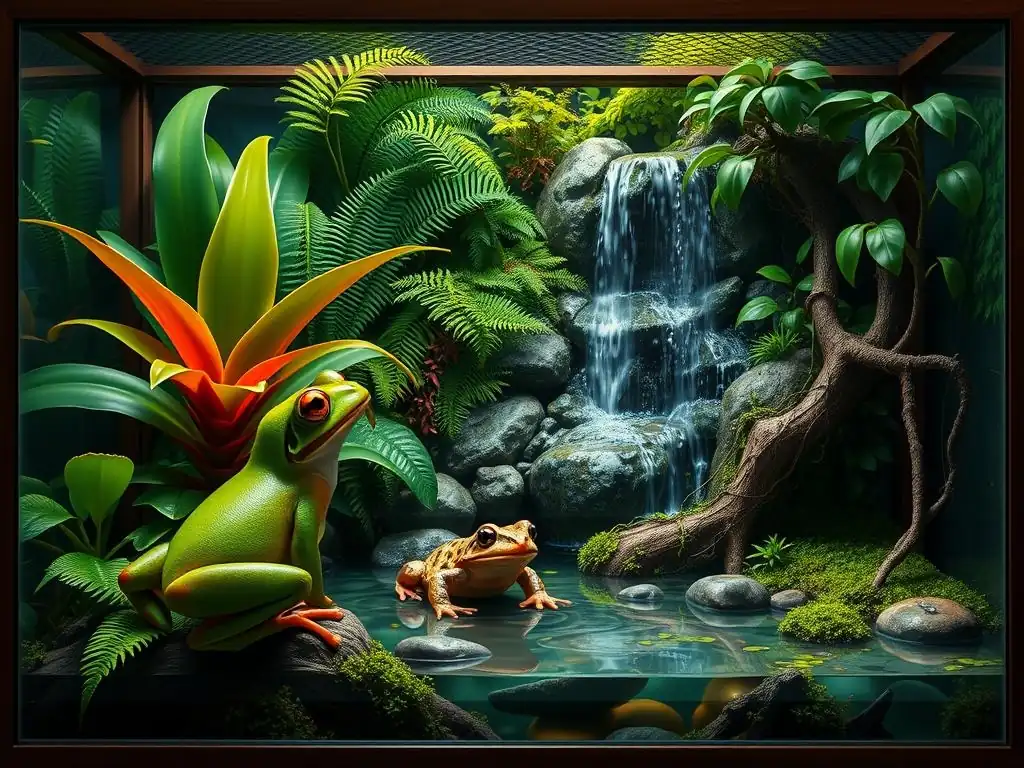
Welcome to PetCareWorld, your ultimate guide to the wonderful world of pet care! Are you ready to create a thriving paradise for your amphibious friend? Then delve into our expert guide on the best frog toad habitat setup, offering invaluable insights and practical tips to ensure your reptile companion enjoys a healthy and stimulating environment. Discover the secrets to building the perfect enclosure and unlock the key to a long and happy life for your frog or toad. Let's jump in!
-
Understanding Your Frog or Toad's Needs: Essential Habitat Considerations
- Choosing the Right Enclosure Size for Your Amphibian: Species-Specific Requirements
- Substrate Selection for Optimal Frog and Toad Habitats: Moisture Retention and Drainage
- Maintaining Ideal Temperature and Humidity Levels for Frog and Toad Habitats
- Essential Lighting for Frog and Toad Vivariums: UVB and Heat Lamps
-
Designing the Ideal Frog and Toad Habitat Setup: Step-by-Step Guide
- Step 1: Selecting the Appropriate Enclosure Type for Your Frog or Toad
- Step 2: Creating a Suitable Substrate Layer: Depth and Material Considerations
- Step 3: Incorporating Hiding Places and Enrichment Features: Providing Security and Stimulation
- Step 4: Setting Up the Water Source: Choosing the Right Bowl or Waterfall Feature
- Step 5: Adding Plants and Decorations: Enhancing the Aesthetic Appeal and Providing Cover
- Step 6: Maintaining Optimal Temperature and Humidity: Using Heat Lamps and Misting Systems
- Step 7: Regular Cleaning and Maintenance: Preventing Disease and Maintaining a Healthy Environment
-
Best Frog and Toad Habitat Setup: Advanced Techniques and Considerations
- Advanced Habitat Design for Specific Frog and Toad Species: Specialized Needs and Adaptations
- Implementing Bioactive Habitats for Enhanced Environmental Control
- Creating a Naturalistic Frog and Toad Enclosure: Mimicking Natural Habitats
- Troubleshooting Common Frog and Toad Habitat Issues: Addressing Problems and Maintaining Health
-
Maintaining a Thriving Frog and Toad Habitat: Ongoing Care and Monitoring
- Regular Water Changes and Substrate Cleaning: Preventing the Buildup of Waste
- Monitoring Temperature and Humidity Levels: Ensuring Ideal Conditions
- Observing Your Frog or Toad's Behavior: Detecting Signs of Illness or Stress
- Feeding Your Frog or Toad: Providing a Nutritious and Balanced Diet
- Preventing Disease and Parasites in Frog and Toad Habitats: Proactive Measures
-
Frequently Asked Questions
- What is the most important aspect of setting up a frog or toad habitat?
- What kind of substrate is best for a frog or toad enclosure?
- How do I maintain the correct humidity level in my frog or toad habitat?
- What kind of lighting is necessary for a frog or toad enclosure?
- What are some common mistakes to avoid when setting up a frog or toad habitat?
- Final Reflection: Amphibian Guardianship: Building a Legacy of Conservation
- Unleash Your Inner Herpetologist: Design the Perfect Frog & Toad Haven!
Understanding Your Frog or Toad's Needs: Essential Habitat Considerations
Creating the perfect habitat for your frog or toad is crucial for their health, well-being, and longevity. A thriving environment mimics their natural surroundings, providing the necessary conditions for proper growth, development, and a stress-free life. This guide will walk you through the key elements of setting up the best frog and toad habitat setup, focusing on enclosure size, substrate selection, and environmental control. Understanding your amphibian's specific needs, considering factors like species, size, and temperament, is paramount to building a successful and enriching habitat.
We'll cover everything from choosing the right tank to maintaining optimal temperature and humidity levels, ensuring your amphibian companion thrives under your care. Failing to provide a suitable environment can lead to health problems, stress, and ultimately, a reduced lifespan for your pet. Let's delve into the specifics to create the ideal home for your amphibious friend! 🐸
Choosing the Right Enclosure Size for Your Amphibian: Species-Specific Requirements
The size of your frog or toad's enclosure is critically important and directly impacts their quality of life. A cramped space can lead to stress, aggression, and health issues. The general rule is bigger is better! However, the specific size depends heavily on the species. A tiny tree frog will require a much smaller enclosure than a large, terrestrial toad. Consider these factors:
- Species: Research your specific frog or toad species to determine their adult size and activity level. Some species are arboreal (tree-dwelling), requiring tall enclosures with branches, while others are terrestrial, needing more floor space.
- Number of amphibians: If housing multiple frogs or toads, ensure enough space for each individual to have its own territory and avoid overcrowding. Overcrowding can lead to increased stress and competition for resources.
- Enclosure type: Horizontal enclosures are generally suitable for terrestrial species, while vertical enclosures are better for arboreal species. The height and width should accommodate your amphibian's natural behaviors and movements.
For example, a small dart frog might thrive in a 10-gallon tank, while a larger species like a green tree frog might need a 20-gallon or even larger enclosure. Always err on the side of caution and provide more space than you think is necessary. Remember to regularly check for signs of stress or overcrowding and adjust the enclosure size accordingly.
Substrate Selection for Optimal Frog and Toad Habitats: Moisture Retention and Drainage
Substrate, the material lining the bottom of the enclosure, plays a vital role in maintaining the proper humidity and providing a comfortable environment for your frog or toad. The ideal substrate retains moisture without becoming waterlogged, promoting healthy skin and preventing fungal or bacterial infections. Several options exist, each with its advantages and disadvantages:
| Substrate Type | Advantages | Disadvantages | Suitable for |
|---|---|---|---|
| Coco fiber/peat moss | Excellent moisture retention, readily available | Can become compacted, requires regular misting | Most frog and toad species |
| Soil mix (orchid bark) | Good drainage, natural look | Can be difficult to maintain proper moisture | Terrestrial species |
| Paper towels | Easy to clean and maintain, inexpensive | Less aesthetically pleasing, offers less enrichment | Quarantine or temporary setups |
Choosing the right substrate is crucial for maintaining the appropriate level of humidity within the enclosure. Improper substrate can lead to dry skin, dehydration, or the growth of harmful bacteria and fungi. Regular monitoring and adjustment of the substrate’s moisture content are essential for ensuring a healthy environment for your amphibian.
Maintaining Ideal Temperature and Humidity Levels for Frog and Toad Habitats
Maintaining the correct temperature and humidity is absolutely crucial for the health and well-being of your frog or toad. These factors directly impact their immune system, appetite, and overall activity levels. Fluctuations outside the ideal range can lead to various health problems.
- Temperature: The optimal temperature range varies widely depending on the species. Research your specific frog or toad's requirements carefully. Use a reliable thermometer to monitor the temperature consistently and use heating pads or heat lamps (carefully and appropriately) if necessary to maintain the appropriate temperature gradient within the enclosure. Avoid extreme temperature fluctuations.
- Humidity: Most frogs and toads require high humidity levels, typically between 60% and 90%, depending on the species. Use a hygrometer to monitor humidity levels and mist the enclosure regularly to maintain the appropriate levels. Consider adding a shallow water dish to increase humidity. Proper ventilation is also crucial to prevent mold and bacterial growth.
Remember, consistent monitoring of both temperature and humidity is key. Regularly check and adjust as needed to ensure your amphibian's environment remains optimal and conducive to a long, healthy life. Providing the proper environmental conditions is a key component of responsible amphibian ownership.
Essential Lighting for Frog and Toad Vivariums: UVB and Heat Lamps
Providing the right lighting is crucial for the well-being of your frog or toad. Unlike many reptiles, most frogs and toads don't require UVB lighting. The need for UVB is species-specific; some arboreal species might benefit from a low-output UVB bulb, but this is the exception rather than the rule. Always research the specific needs of your amphibian species before introducing any UVB lighting. Incorrect UVB exposure can be detrimental to their health. For example, excessive UVB can lead to dehydration and skin damage in species not adapted to it.
Heat, however, is a different story. Maintaining the correct temperature gradient within the vivarium is absolutely essential for your amphibian's health and activity levels. Most frogs and toads require a basking spot that is warmer than the ambient temperature, allowing them to thermoregulate effectively. This can be achieved using a heat lamp, a heat mat placed on the side or bottom of the enclosure (never directly under the substrate), or a ceramic heat emitter. Ceramic heat emitters are a good choice as they don't emit light, allowing for a natural night-time temperature drop.
The type of heat source you choose will depend on your frog or toad species and the size of your vivarium. Larger enclosures will require more powerful heat sources. It's vital to use a thermometer to monitor the temperature at both the basking spot and the cooler end of the enclosure. The ideal temperature range will vary depending on the species; some prefer warmer temperatures than others.
For example, a tropical species might thrive in a higher temperature range than a species from a temperate climate. Always consult reliable resources specific to your amphibian’s species for accurate temperature guidelines. Failure to maintain the correct temperature can lead to decreased appetite, lethargy, and even death.
Remember, consistent monitoring is key. Fluctuations in temperature can stress your amphibian, so it's crucial to have a reliable thermostat to control your heat source. This ensures a stable and appropriate temperature gradient within the vivarium, mimicking their natural environment and promoting optimal health and activity levels. Regularly check and calibrate your thermometer to maintain accuracy. A properly set-up heating system is a cornerstone of a thriving frog or toad habitat. The best frog toad habitat setup includes accurate temperature control.
Designing the Ideal Frog and Toad Habitat Setup: Step-by-Step Guide
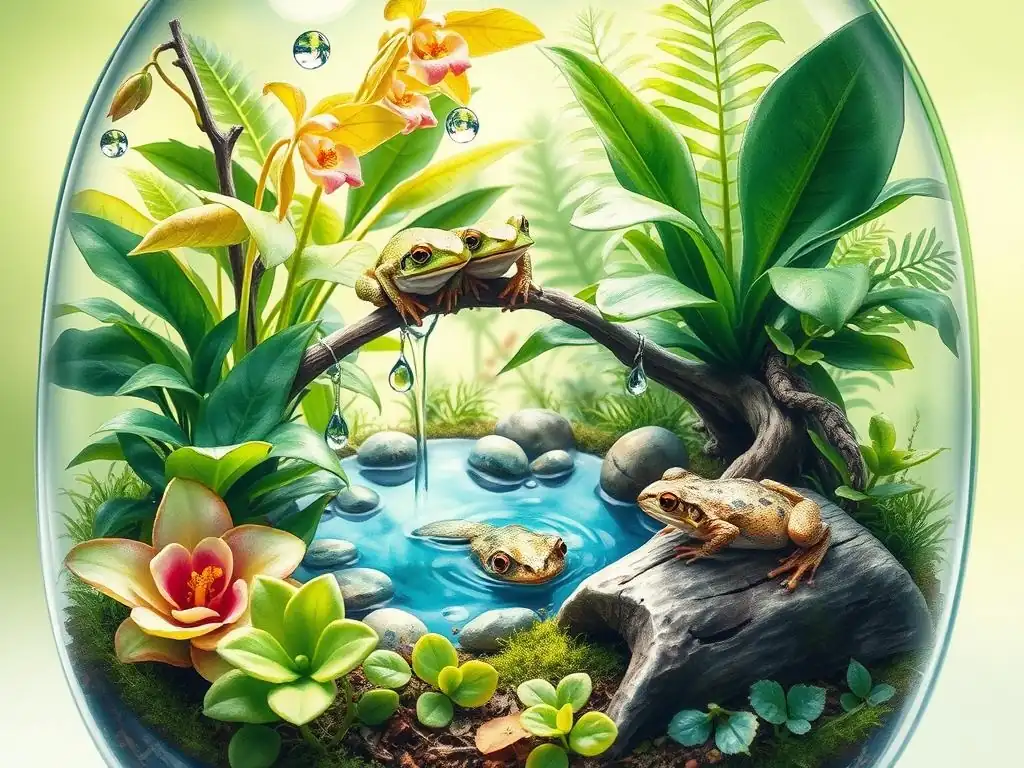
This section provides a detailed, step-by-step guide to creating the best frog and toad habitat setup, focusing on the key elements crucial for your amphibian's health and well-being. Optimizing your amphibian's enclosure is essential for a thriving pet; this guide will help you achieve a setup that mimics their natural environment as closely as possible. Remember, the best frog toad habitat setup prioritizes the specific needs of your species.
Step 1: Selecting the Appropriate Enclosure Type for Your Frog or Toad
Choosing the right enclosure is paramount for a successful setup. The size and type of enclosure depend heavily on the species of frog or toad. A tiny tree frog will require a much smaller enclosure than a larger species like a Pacman frog. Consider these factors:
- Species Size: Larger species, like the American Bullfrog, need significantly more space than smaller species, such as poison dart frogs. A general rule of thumb is to provide ample floor space and vertical space for climbing species.
- Adult Size: Don't just consider the current size of your frog or toad; plan for its adult size. An enclosure that's too small will stress your amphibian and lead to health problems.
- Enclosure Type: Several options exist:
- Glass Terrariums: These offer excellent visibility and are easy to clean, making them popular choices for many species. However, ensure adequate ventilation to prevent the buildup of humidity.
- Plastic Terrariums: These are often more affordable but can scratch more easily. They are suitable for many species, but their durability is often less than glass.
- Screen Enclosures: These provide excellent ventilation, crucial for species needing high airflow. However, they might not retain humidity as well as glass or plastic enclosures. They also present escape risks.
- Example: A young green tree frog might thrive in a 10-gallon terrarium, but as it matures, it will require a much larger enclosure, potentially 20 gallons or more, to accommodate its growth and activity.
Step 2: Creating a Suitable Substrate Layer: Depth and Material Considerations
The substrate, the material forming the bottom layer of the enclosure, plays a critical role in maintaining humidity and providing a natural environment for burrowing and foraging. The best frog toad habitat setup considers substrate carefully.
- Depth: Substrate depth varies depending on the species. Burrowing species, like spadefoot toads, need a significantly deeper substrate layer (4-6 inches or more) than species that primarily live on the surface. Insufficient depth can lead to stress and injury.
- Material: A variety of materials can be used, each with its advantages and disadvantages:
- Coco Coir: This is a popular choice, readily available, and retains moisture well. It's suitable for many species.
- Reptile Carpet: This is a synthetic option, easy to clean, but may not be as aesthetically pleasing or offer the same burrowing opportunities.
- Soil Mixes: These can be beneficial for certain species, providing a more natural environment. However, it's crucial to use a sterile mix to prevent the growth of harmful bacteria or fungi. Always check the soil is safe for amphibians.
- Leaf Litter: Adding leaf litter to the substrate creates a more natural-looking environment and provides hiding places. However, ensure the leaves are free from pesticides or other harmful chemicals.
- Important Note: Avoid using sand, gravel, or cedar shavings, as these materials can be harmful to frogs and toads. Always research the specific substrate requirements for your species.
Step 3: Incorporating Hiding Places and Enrichment Features: Providing Security and Stimulation
Providing adequate hiding places and enrichment features is vital for reducing stress and promoting natural behaviors. The best frog toad habitat setup considers their need for security and stimulation.
- Hiding Places: Frogs and toads are naturally shy creatures and appreciate secure places to retreat. Offer a variety of hiding spots, such as:
- Cork Bark: This provides excellent climbing opportunities and creates crevices for hiding.
- Hollow Logs: These offer secure, dark hiding places, mimicking their natural environment.
- Artificial Plants: These add visual appeal and provide some hiding areas, though they are not as effective as natural materials.
- Rocks and Stones: These can provide additional hiding spots and create visual interest.
- Enrichment Features: Enrichment features stimulate natural behaviors and prevent boredom. Consider incorporating:
- Shallow Water Dishes: Provide shallow dishes of water for drinking and soaking. Change the water daily to prevent bacterial growth.
- Climbing Branches: For arboreal species, provide branches for climbing and exploring.
- Live Plants: Live plants can add beauty and provide additional hiding places. Choose plants that are safe for amphibians, such as certain types of bromeliads or orchids. Ensure they are not treated with pesticides.
- Variations in Temperature and Humidity: This can be achieved through strategically placed heat lamps and misting systems.
By following these steps, you can create a thriving and enriching habitat that will ensure the health and happiness of your frog or toad. Remember to always research the specific needs of your species to optimize their environment for the best frog toad habitat setup possible. 🐸
Step 4: Setting Up the Water Source: Choosing the Right Bowl or Waterfall Feature
Providing a clean and accessible water source is crucial for the well-being of your frog or toad. The type of water source you choose will depend on the species and size of your amphibian. Smaller frogs and toads might thrive with a simple, shallow water bowl, ensuring they can easily enter and exit without difficulty. The bowl should be heavy enough to prevent tipping, and its size should be proportionate to the size of your amphibian; a too-large bowl can present a drowning risk.
The water should be changed daily, and the bowl should be thoroughly cleaned to prevent bacterial growth. For larger species, or for a more naturalistic setup, a small waterfall feature can be incorporated. This adds visual appeal and provides a gentle, flowing water source that mimics their natural environment. However, ensure that the waterfall's flow is gentle enough to avoid injuring your amphibian and that the area around the base is easily accessible for drinking and bathing.
Remember to regularly clean the waterfall feature and maintain water quality to prevent the buildup of algae or harmful bacteria. Always use dechlorinated water, as tap water can contain chemicals harmful to amphibians. Consider using a water conditioner specifically designed for amphibians to ensure the water is safe and healthy for your pet. Regular water testing can also help to monitor the water quality and make necessary adjustments.
Step 5: Adding Plants and Decorations: Enhancing the Aesthetic Appeal and Providing Cover
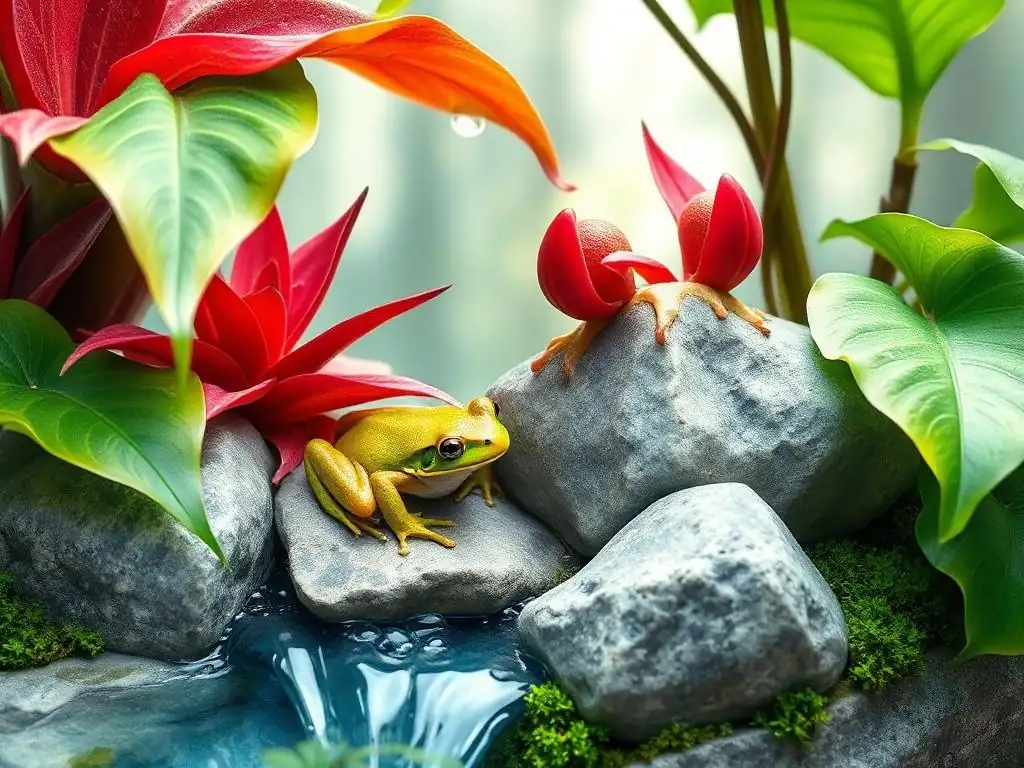
The addition of plants and decorations is vital for creating a stimulating and enriching environment for your frog or toad. Live plants are highly recommended, as they help to regulate humidity, filter the water, and provide hiding places. Choose plants that are non-toxic to amphibians, and research species that thrive in humid environments. Examples include bromeliads, pothos, and certain types of ferns. Avoid using sharp-edged or potentially hazardous decorations.
Smooth rocks, driftwood, and artificial plants are good choices, but ensure these are thoroughly cleaned before placing them in the enclosure. The placement of plants and decorations is important; create a variety of hiding spots and vertical structures to mimic the natural environment. This allows your amphibian to explore, hide from potential predators (even if it’s only you! ), and feel secure.
Consider creating different levels within the enclosure using rocks or branches, allowing your amphibian to climb and explore different areas. The aesthetic appeal is also important; a visually appealing habitat is more enjoyable for both you and your pet. Aim for a balanced and naturalistic look, replicating the natural habitat of your specific frog or toad species as closely as possible. Remember to regularly inspect and clean the plants and decorations to prevent mold or bacterial growth.
Step 6: Maintaining Optimal Temperature and Humidity: Using Heat Lamps and Misting Systems
Maintaining the correct temperature and humidity levels is paramount for the health and survival of your frog or toad. The specific requirements will vary depending on the species, but generally, frogs and toads require a humid environment. A hygrometer is essential for monitoring humidity levels, ensuring they remain within the appropriate range for your chosen species. Misting the enclosure several times a day can help maintain humidity, mimicking the natural rainfall in their habitat.
You can also use a fogger or humidifier to increase humidity levels, but always ensure that the device is safe and appropriate for your amphibian. Monitoring temperature is equally crucial. A thermometer is necessary to ensure the temperature remains within the ideal range. Under-tank heaters (UTHs) can be used to provide gentle bottom heat, while heat lamps can be used for basking spots, if required by your species.
However, it's critical to avoid overheating, as this can be detrimental to your amphibian's health. The temperature gradient within the enclosure is also important; provide both warmer and cooler areas to allow your amphibian to thermoregulate effectively. Always research the specific temperature and humidity requirements for your frog or toad species to ensure you create the best possible environment for their well-being. Regular monitoring and adjustment of the heating and humidity systems are essential for maintaining a healthy and thriving habitat.
Step 7: Regular Cleaning and Maintenance: Preventing Disease and Maintaining a Healthy Environment
Regular cleaning and maintenance are crucial for preventing disease and ensuring a thriving environment for your frog or toad. Neglecting hygiene can lead to the rapid buildup of harmful bacteria, parasites, and fungi, significantly impacting your amphibian's health. A dirty enclosure can manifest in various ways, from a foul odor to visible mold growth, ultimately creating a stressful and unhealthy living space. This can weaken your pet's immune system, making them susceptible to various illnesses. Remember, a clean habitat is a happy habitat!
Maintaining a clean enclosure involves several key steps, performed with varying frequency depending on the size of the enclosure and the number of amphibians housed within. Spot cleaning should be conducted daily. This involves removing any uneaten food, fecal matter, and decaying plant material. Use paper towels or a small, soft brush to gently remove debris, avoiding any harsh chemicals that could harm your amphibian.
A thorough substrate cleaning should be done at least once a week. This might involve partial or complete substrate replacement, depending on the type used. For example, coco coir substrates often require more frequent partial changes compared to more inert substrates like river rock or gravel. Remember to always use dechlorinated water when cleaning and misting.
Beyond spot cleaning and substrate maintenance, regular deep cleaning is essential. This involves completely removing all the items from the enclosure, scrubbing all surfaces with a reptile-safe disinfectant, and thoroughly rinsing everything before reassembling the habitat. The frequency of deep cleaning depends on several factors, including the size of the enclosure, the number of frogs or toads, and the type of substrate used.
Larger enclosures with multiple amphibians will require more frequent deep cleaning than smaller setups with a single amphibian. A good rule of thumb is to perform a deep clean every 2-4 weeks, or more often if necessary.
During cleaning, pay close attention to the water source, whether it's a bowl or a waterfall feature. Clean and dechlorinate the water daily. Regularly inspect the water for any signs of contamination, such as cloudiness or an unpleasant odor. Replace the water completely at least once a week or more often as needed.
Remember to always use dechlorinated water, as tap water contains chlorine and chloramine, which can be harmful to amphibians. Failing to maintain the water quality can lead to skin irritation, infections, and other health problems. Always prioritize the health and well-being of your amphibian by maintaining a clean and sanitary environment. Prevention is always better than cure, and regular cleaning is the cornerstone of proactive amphibian care.
Best Frog and Toad Habitat Setup: Advanced Techniques and Considerations
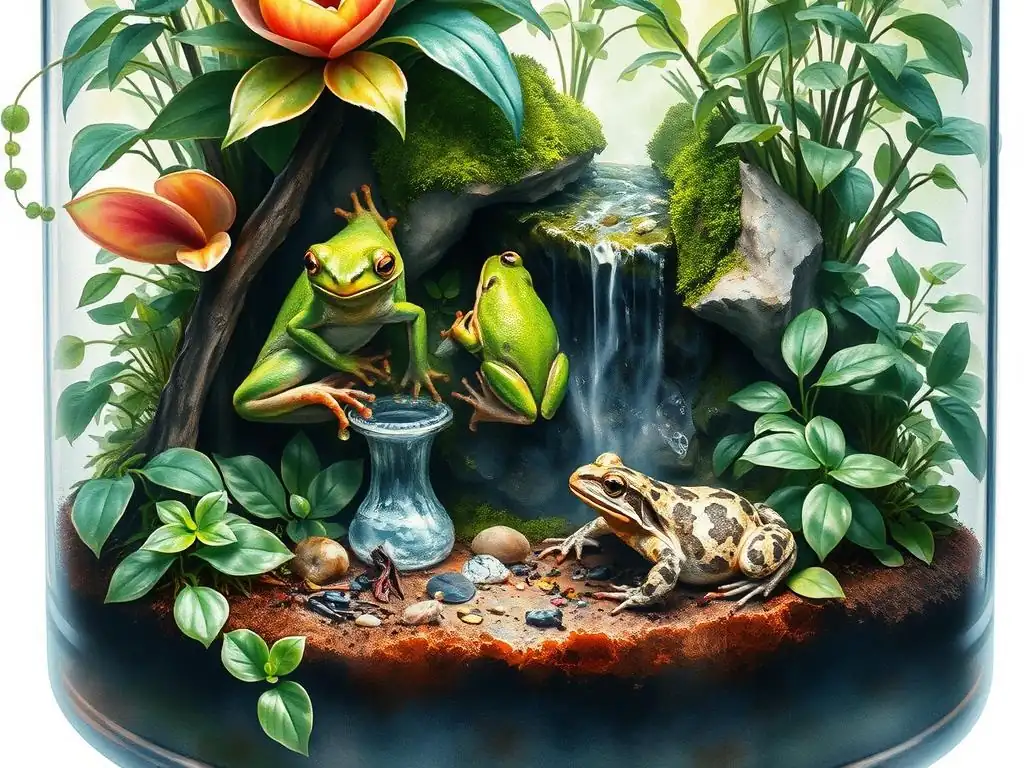
This section delves into advanced techniques for creating optimal frog and toad habitats, moving beyond the basics to achieve truly thriving ecosystems. We'll explore specialized needs, bioactive systems, and naturalistic designs to ensure your amphibian companions flourish. Building the best frog toad habitat setup requires careful consideration of several key factors, and this section will provide the expertise needed for success.
Advanced Habitat Design for Specific Frog and Toad Species: Specialized Needs and Adaptations
Different frog and toad species have unique requirements. A setup suitable for a hardy green tree frog won't necessarily suffice for a delicate poison dart frog. Understanding these nuances is crucial for providing appropriate care. For example:
- Poison Dart Frogs (Dendrobatidae): These frogs require high humidity levels (80-100%), specific temperature gradients, and a diet of dusted fruit flies. Their enclosures need to be meticulously cleaned to prevent the spread of disease. They also need a variety of vertical climbing structures, mimicking their rainforest environment. A bioactive substrate is highly recommended.
- Green Tree Frogs (Litoria caerulea): While relatively hardy, these frogs still benefit from a well-designed enclosure. They require a good amount of vertical space for climbing, ample foliage for basking and hiding, and a shallow water dish for soaking. Maintaining appropriate humidity (60-80%) is important to prevent dehydration.
- American Toads (Anaxyrus americanus): These terrestrial toads require a different setup compared to arboreal frogs. Their enclosures should include a significant amount of substrate for burrowing, hiding places like rocks and logs, and a shallow water source. They need less humidity than arboreal species.
Consider the following table summarizing key differences in habitat requirements:
| Species | Humidity (%) | Temperature (°C) | Substrate Type | Climbing Structures | Water Source |
|---|---|---|---|---|---|
| Poison Dart Frog | 80-100 | 24-28 | Bioactive substrate | Abundant, vertical | Shallow dish, misting |
| Green Tree Frog | 60-80 | 22-26 | Orchid bark, sphagnum | Abundant, vertical | Shallow dish |
| American Toad | 40-60 | 18-24 | Soil, leaf litter | Minimal | Shallow dish |
Remember, always research the specific needs of your chosen species before setting up their habitat. Improper conditions can lead to stress, illness, and even death. Consult reputable sources like herpetological societies and experienced keepers for detailed species-specific information.
Implementing Bioactive Habitats for Enhanced Environmental Control
Bioactive habitats are self-sustaining ecosystems that mimic nature. They significantly reduce maintenance and provide a more enriching environment for your frogs and toads. A bioactive setup incorporates beneficial bacteria, isopods, springtails, and other organisms that break down waste, maintain substrate quality, and provide a natural food source for some species.
The key elements of a bioactive setup include:
- Substrate: A well-draining mix of topsoil, leaf litter, and other organic materials forms the base.
- Microfauna: Isopods and springtails help decompose waste and keep the substrate clean.
- Plants: Live plants add aesthetic appeal, provide hiding places, and help regulate humidity. Choosing hardy, low-maintenance species is crucial.
- Drainage layer: A layer of gravel or lava rock at the bottom improves drainage and prevents waterlogging.
Implementing a bioactive habitat requires initial setup effort, but the long-term benefits are substantial. It reduces the frequency of cleaning, improves air quality, and provides a more natural and stimulating environment for your amphibians. However, it requires careful monitoring to ensure the microfauna population remains balanced.
Creating a Naturalistic Frog and Toad Enclosure: Mimicking Natural Habitats
A naturalistic enclosure aims to recreate a slice of the frogs' and toads' natural environment. This goes beyond just providing basic necessities; it focuses on creating a visually appealing and stimulating space that promotes natural behaviors.
Key components include:
- Realistic Substrate: Use materials like soil, leaf litter, moss, and bark to create a natural-looking floor.
- Varied Hiding Places: Provide ample hiding spots using rocks, cork bark, hollow logs, and artificial plants. This reduces stress and allows for privacy.
- Climbing Structures: Include branches, vines, and rocks for arboreal species to climb and explore.
- Water Features: A shallow water dish is essential, and for some species, a small waterfall or misting system may be beneficial to increase humidity.
- Lighting: Use a combination of full-spectrum lighting to mimic natural sunlight and provide warmth.
By carefully selecting and arranging these elements, you can create a visually stunning and functionally superior habitat that mimics the natural environment, promoting the well-being and natural behaviors of your frogs and toads. This approach contributes significantly to achieving the best frog toad habitat setup. Remember that careful research into your specific species’ natural habitat is key to success.
Troubleshooting Common Frog and Toad Habitat Issues: Addressing Problems and Maintaining Health
Maintaining a thriving frog or toad habitat requires vigilance and proactive problem-solving. Several common issues can arise, impacting the health and well-being of your amphibian companions. Early detection and prompt intervention are crucial for preventing more significant problems. Let's explore some common issues and their solutions.
One frequent problem is poor water quality. Stagnant water can quickly become contaminated with bacteria and harmful substances, leading to skin infections and other health problems. Regular water changes, typically 25-50% weekly, are essential, depending on the size of your enclosure and the number of amphibians housed. Using a dechlorinator is also vital, as tap water often contains chlorine and chloramine, which are toxic to amphibians.
Monitoring water parameters like pH and ammonia levels with a reliable test kit is highly recommended for proactive management. A noticeable foul odor is a clear sign of poor water quality and requires immediate attention. Consider incorporating a filter system, especially for larger enclosures, to maintain water clarity and reduce the frequency of complete water changes.
Another common issue is inadequate humidity. Frogs and toads require specific humidity levels to maintain healthy skin and prevent dehydration. Insufficient humidity can lead to dry skin, shedding difficulties, and increased susceptibility to infections. Regular misting, using a spray bottle or an automated misting system, is often necessary.
Monitoring humidity levels with a hygrometer is essential to ensure you're maintaining the optimal range for your species. Adding moisture-retaining substrate, such as sphagnum moss or coconut fiber, can also help maintain humidity. Observe your amphibians for signs of dehydration, such as sunken eyes or lethargy, which indicate the need for immediate humidity adjustments.
Substrate issues can also significantly impact habitat health. Improper substrate can harbor harmful bacteria, become too dry or too wet, or even cause impaction if ingested. Choosing the right substrate is crucial. Avoid substrates that retain too much moisture, as this can promote bacterial growth and fungal infections. Similarly, substrates that become too dry can lead to dehydration. Regularly check the substrate for dryness or excessive moisture and adjust accordingly. If you notice mold or mildew growth, immediately replace the affected substrate to prevent further contamination.
Finally, inadequate ventilation can lead to a buildup of ammonia and other harmful gases, compromising the health of your amphibians. While maintaining high humidity is vital, sufficient ventilation is equally important to prevent the formation of a stagnant atmosphere. Ensure your enclosure has adequate ventilation holes or a well-functioning ventilation system.
Observe your amphibians for signs of respiratory distress, such as labored breathing or gasping, which could indicate poor ventilation. Regular cleaning and maintenance of the enclosure are essential to prevent the buildup of waste products and maintain a healthy environment for your amphibians. A well-maintained habitat with regular monitoring and prompt attention to potential problems will significantly improve the chances of keeping your frogs and toads healthy and happy.
Maintaining a Thriving Frog and Toad Habitat: Ongoing Care and Monitoring
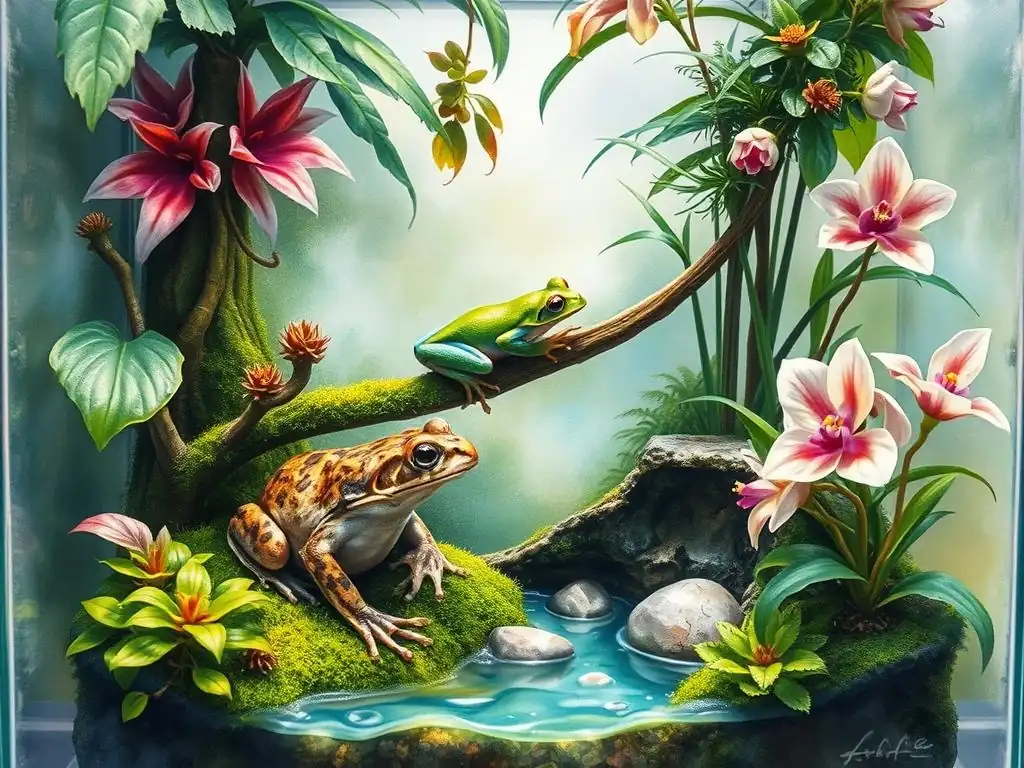
Creating the best frog toad habitat setup isn't a one-time task; it requires consistent effort and vigilance to ensure your amphibian thrives. Maintaining a healthy environment involves regular cleaning, monitoring environmental parameters, and carefully observing your pet's behavior. Neglect in any of these areas can lead to illness and even death. This section details the crucial ongoing care aspects of providing the best possible home for your frog or toad.
Regular Water Changes and Substrate Cleaning: Preventing the Buildup of Waste
Maintaining water quality is paramount in a frog or toad habitat. Stagnant water quickly becomes a breeding ground for harmful bacteria and parasites, posing a significant threat to your amphibian's health. The frequency of water changes depends on the size of your enclosure and the number of inhabitants, but a general guideline is to change at least 25-50% of the water weekly, depending on the specific needs of the species. For example, a smaller enclosure housing a single dart frog might require a more frequent water change than a larger terrarium with multiple tree frogs.
The substrate, the material forming the bottom of the enclosure, also needs regular cleaning. Waste products accumulate quickly, impacting water quality and potentially introducing harmful pathogens. Spot cleaning, removing visible waste daily, is essential. A more thorough substrate cleaning, potentially involving partial or complete replacement, should be undertaken every 2-4 weeks, depending on the type of substrate used and the level of soiling. Always use dechlorinated water for all water changes. Never use tap water directly.
Here's a helpful table summarizing cleaning schedules:
| Enclosure Size | Number of Frogs/Toads | Water Change Frequency | Substrate Cleaning Frequency |
|---|---|---|---|
| Small (<10 gallons) | 1-2 | Weekly (50%) | Every 2 weeks (partial) |
| Medium (10-20 gallons) | 2-4 | Weekly (25-50%) | Every 2-4 weeks (partial) |
| Large (>20 gallons) | 4+ | Weekly (25%) | Monthly (partial, potentially complete every 3 months) |
Remember to always carefully remove your amphibian before cleaning the enclosure to prevent accidental injury or stress.
Monitoring Temperature and Humidity Levels: Ensuring Ideal Conditions
Temperature and humidity are critical factors affecting the health and well-being of frogs and toads. The optimal range varies greatly depending on the species. For example, a desert-dwelling toad will require significantly different conditions than a rainforest frog. Incorrect temperature and humidity can lead to dehydration, respiratory problems, and a weakened immune system, making your amphibian more susceptible to disease.
Consistent monitoring is crucial. Invest in a reliable thermometer and hygrometer to track these parameters. Place them in multiple locations within the enclosure to ensure accurate readings, as temperature and humidity can vary significantly. Aim for consistent readings within the species-specific range. If you notice significant fluctuations, investigate the cause and adjust your setup accordingly. This might involve modifying the lighting, ventilation, or the use of humidifiers or heat mats. Keep detailed records of your temperature and humidity readings to identify trends and patterns. This detailed record-keeping will be invaluable in case of any health issues.
Example Monitoring Schedule
Ideally, check temperature and humidity twice daily: once in the morning and once in the evening. Record these readings in a logbook or spreadsheet.
Observing Your Frog or Toad's Behavior: Detecting Signs of Illness or Stress
Regular observation of your frog or toad's behavior is essential for early detection of illness or stress. A healthy amphibian will be active, alert, and have a good appetite. Changes in behavior, such as lethargy, loss of appetite, abnormal posture, or unusual skin coloration, can indicate a problem.
Pay close attention to your pet's skin. Look for any signs of lesions, redness, or swelling. Also, monitor its breathing and defecation patterns. Difficulty breathing or infrequent defecation can signal underlying health issues. Immediate veterinary attention is crucial if you observe any significant changes in your amphibian's behavior or physical condition.
Early intervention significantly improves the chances of successful treatment. Remember, proactive monitoring is key to ensuring a long and healthy life for your amphibian companion. Consider keeping a detailed journal to track daily observations. This allows you to easily identify any deviations from normal behavior, providing valuable insight into your pet's health.
Feeding Your Frog or Toad: Providing a Nutritious and Balanced Diet
Providing a balanced diet is crucial for the health and well-being of your frog or toad. The specific dietary needs vary significantly depending on the species. For example, a poison dart frog's diet will differ drastically from that of a common toad. Before acquiring any amphibian, thoroughly research the species-specific dietary requirements. This information is readily available through reputable herpetological resources and online communities. Failing to provide appropriate nutrition can lead to malnutrition, weakened immune systems, and ultimately, disease.
A common mistake is overfeeding. Amphibians, especially frogs and toads, often have slow metabolisms. Overfeeding can lead to obesity and digestive issues. It's generally recommended to feed young amphibians daily, while adults may only need feeding every other day or even less frequently, depending on their size and species. Observe your amphibian's behavior and adjust feeding accordingly. If food remains uneaten after a few hours, reduce the amount provided at the next feeding.
The type of food is just as important as the frequency. Many frogs and toads are insectivores, with crickets, mealworms, and other insects forming the backbone of their diet. Supplementing their diet with calcium and vitamin D3 powder is essential, particularly for growing amphibians. This helps prevent metabolic bone disease, a common ailment in captive amphibians. Dusting the insects with the supplement before feeding ensures your amphibian receives the necessary nutrients.
You can also offer a variety of insects to provide a more diverse and nutritious diet. Always ensure insects are appropriately sized for your amphibian to avoid choking hazards. Larger species might require larger prey items like appropriately sized dubia roaches. Remember to always source your insects from a reputable supplier to avoid introducing parasites or pesticides into your amphibian's enclosure.
Preventing Disease and Parasites in Frog and Toad Habitats: Proactive Measures
Maintaining a healthy frog or toad habitat requires proactive measures to prevent disease and parasites. A clean and well-maintained environment is the first line of defense. Regular cleaning of the enclosure is paramount. This includes removing uneaten food, fecal matter, and decaying plant material. The frequency of cleaning depends on the size of the enclosure and the number of amphibians housed within. For smaller enclosures, daily spot cleaning might be necessary, while larger enclosures may only require cleaning every few days. Always use dechlorinated water for cleaning and misting.
Regular water changes are also vital, especially in setups that utilize water features. Stagnant water can quickly become a breeding ground for bacteria and parasites. Partial water changes should be performed weekly, replacing a portion of the water with fresh, dechlorinated water. Complete water changes may be necessary depending on the filtration system in place. Regularly inspect your amphibians for any signs of illness, such as lethargy, loss of appetite, skin lesions, or unusual swelling. Early detection is crucial for successful treatment.
Quarantine is essential for any new amphibians introduced to your existing collection. This helps prevent the introduction of diseases or parasites. Keep new amphibians in a separate enclosure for at least several weeks before introducing them to the main habitat. Observe them closely during this period for any signs of illness. Additionally, maintaining proper hygiene when handling your amphibians is crucial.
Always wash your hands thoroughly before and after handling to minimize the risk of transferring pathogens. Regularly inspect the plants and substrate within the enclosure for any signs of infestation. Promptly address any issues to prevent widespread problems. Remember, prevention is far more effective and less stressful than treating established diseases or parasite infestations. A proactive approach to hygiene and maintenance is key to a thriving and healthy frog or toad habitat.
Frequently Asked Questions
What is the most important aspect of setting up a frog or toad habitat?
The most crucial element is accurate habitat replication. This means mimicking your amphibian's natural environment, including temperature, humidity, and substrate. Proper ventilation is also key.
What kind of substrate is best for a frog or toad enclosure?
The ideal substrate depends on your specific species. However, options include soil mixes, coco coir, and sphagnum moss, ensuring good drainage to prevent bacterial growth. Avoid anything that could be harmful if ingested.
How do I maintain the correct humidity level in my frog or toad habitat?
Maintaining humidity is vital. Use a hygrometer to monitor levels and mist regularly, or use a fogger system for larger enclosures. Consider the species-specific humidity requirements.
What kind of lighting is necessary for a frog or toad enclosure?
Frogs and toads don't require special lighting for photosynthesis. However, a heat lamp or heat mat might be necessary to maintain the correct temperature gradient, depending on the species. Avoid UVB lights unless specifically recommended for your amphibian.
What are some common mistakes to avoid when setting up a frog or toad habitat?
Avoid overcrowding, using inappropriate substrates, and neglecting humidity and temperature control. Always research the specific needs of your frog or toad species before setting up the habitat to ensure its well-being.
Final Reflection: Amphibian Guardianship: Building a Legacy of Conservation
Creating the perfect frog and toad habitat isn't just about providing a comfortable enclosure; it's about actively participating in the conservation of these vital creatures. The health of our amphibian populations is a direct reflection of the health of our planet, and every carefully constructed terrarium becomes a small but significant contribution to a larger ecological balance.
The journey of understanding amphibian needs has been profoundly enriching for me. It's highlighted the delicate interconnectedness of life, reminding us that even the smallest creatures play a crucial role in the larger ecosystem. The fate of the frog is the fate of the planet.
This simple statement underscores the urgency of responsible amphibian stewardship. Witnessing the vibrant life within a well-maintained habitat, from the playful antics of a tiny tree frog to the serene stillness of a toad basking in the warmth, is a constant reminder of the beauty and fragility of nature.
Now, I invite you to consider your own role in this delicate balance. Will you build a haven for these fascinating creatures? Will you educate others about the importance of amphibian conservation? The knowledge you've gained here is a powerful tool. Use it to create not just a beautiful habitat, but a testament to your commitment to protecting these essential components of our world's biodiversity. Let's work together to ensure that future generations can also experience the wonder of frogs and toads thriving in their natural environments.
Unleash Your Inner Herpetologist: Design the Perfect Frog & Toad Haven!
Thank you for joining us on this journey into the fascinating world of frog and toad habitats! We hope you've gained valuable insights into creating a thriving environment for your amphibian companions. Now, let's put that knowledge into practice.
- Design and build your amphibian paradise! Sketch out your ideal enclosure, considering the specific needs of your chosen frog or toad species. Gather the necessary materials and let your creativity flow! This is your chance to craft a truly unique and enriching habitat.
- Share your progress and pictures with our community! Let other PetCareWorld members see your amazing creation and learn from your experience. Inspire others with your innovative design!
- Consider adding a unique element to your enclosure, such as a miniature waterfall or a custom-built climbing structure, to enhance your amphibian's environment and provide extra stimulation.
Ready to transform your pet's life? What special feature will make your frog or toad habitat truly exceptional?