
Decoding Amphibian Diets: A Guide to Feeding Frogs and Toads

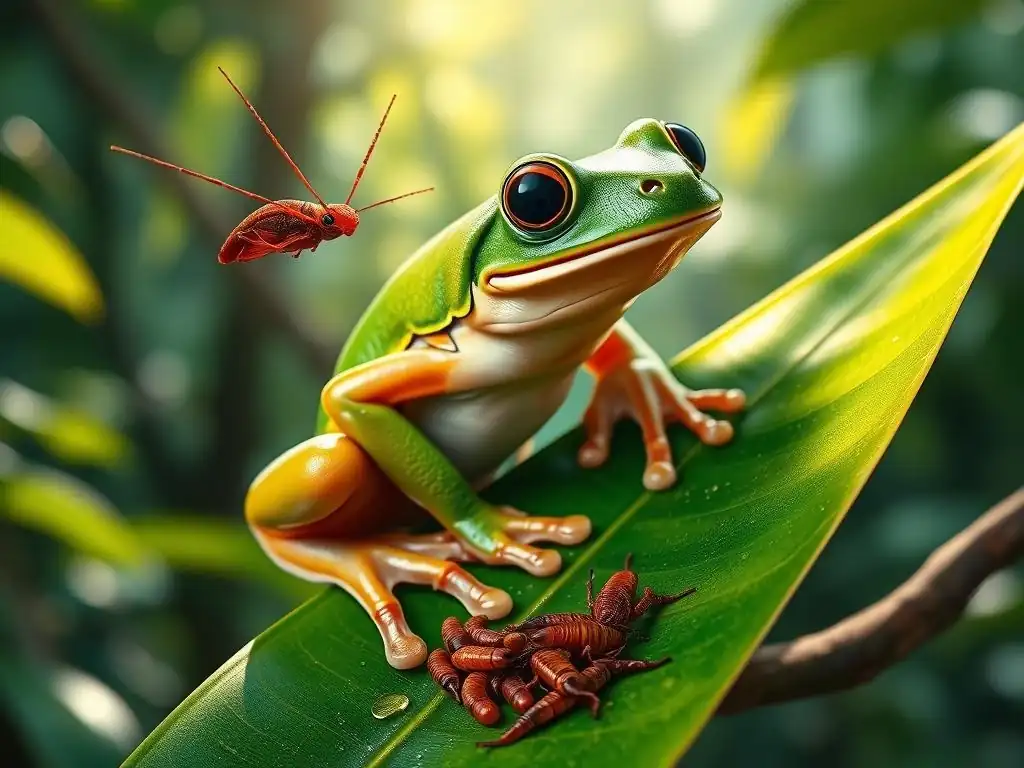
Welcome to PetCareWorld, your ultimate guide to the fascinating world of pet care! Are you ready to unlock the secrets to a thriving amphibian companion? Our expert guide, "Best frog and toad diet," dives deep into the nutritional needs of these unique creatures, revealing the key ingredients and feeding strategies for a healthy and happy frog or toad. Discover the surprising complexities of amphibian nutrition and embark on a journey to provide the best possible care for your beloved reptile. Let's explore the world of amphibian diets together!
- Understanding the Best Frog and Toad Diet: Nutritional Needs
- Choosing the Right Food for Your Frog or Toad: Food Selection Guide
- How to Feed Your Frog or Toad: Feeding Techniques and Schedules
- Common Mistakes to Avoid When Feeding Frogs and Toads
- Maintaining a Clean and Healthy Feeding Environment
- Long-Term Health and Dietary Considerations for Frogs and Toads
- Frequently Asked Questions
- Final Reflection: The Enduring Legacy of Understanding Amphibian Diets
- Unlock Your Amphibian's Potential: A Thriving Friend's Diet!
Understanding the Best Frog and Toad Diet: Nutritional Needs
Providing the best frog and toad diet is crucial for their health, longevity, and overall well-being. A balanced and varied diet ensures your amphibian companion receives all the essential nutrients necessary for thriving. This comprehensive guide dives into the specifics of amphibian nutrition, covering everything from essential nutrients to avoiding common dietary deficiencies. Understanding your frog or toad's specific needs, based on its species and life stage, is paramount to responsible pet ownership and ensuring a happy, healthy amphibian.
We'll explore what constitutes a "best frog and toad diet," debunking common myths and offering practical advice for creating a nutritionally complete feeding plan. This guide will equip you with the knowledge to provide optimal care for your fascinating amphibian friends. Remember, a healthy diet is a cornerstone of responsible amphibian ownership, contributing significantly to their quality of life and preventing potential health problems.
Essential Nutrients for Healthy Amphibians
Amphibians, like all living creatures, require a balanced intake of essential nutrients for optimal health. These nutrients fall into several key categories:
- Proteins: Form the building blocks of tissues and are crucial for growth and repair. Good sources include insects like crickets, mealworms, and dubia roaches. The protein content should be a significant portion of their diet, especially for growing frogs and toads. The percentage of protein needed varies depending on the species and life stage, with juveniles generally requiring a higher percentage. [Specific protein percentage recommendations pending based on species]
- Fats: Provide energy and are essential for hormone production and cell function. Insects naturally contain fats, but supplementary sources may be necessary depending on the insect diet. Avoid excessive fat, as it can lead to obesity and related health issues. [Specific fat percentage recommendations pending based on species]
- Vitamins: A diverse range of vitamins is needed, including Vitamins A, D3, E, and B-complex vitamins. These are often supplemented through dusting insects with vitamin and mineral powders. Over-supplementation can be harmful, so follow the instructions on the supplement packaging carefully. Remember to rotate supplements to avoid vitamin toxicity.
- Minerals: Minerals like calcium and phosphorus are vital for bone health and overall development. Calcium is particularly crucial for amphibians, and deficiency can lead to metabolic bone disease. Calcium supplementation is often necessary, especially for growing frogs and toads. The calcium-to-phosphorus ratio is also important and should be carefully monitored. [Specific calcium-to-phosphorus ratio recommendations pending based on species]
The appropriate balance of these nutrients is vital. A diet lacking in any of these essential components can lead to significant health problems, including stunted growth, weakened bones, and compromised immune function. Always strive for a well-rounded and varied diet. Using a variety of insects is key to ensuring a complete nutritional profile.
Varying Diets Based on Species and Life Stage
The best frog and toad diet varies considerably depending on the species and the life stage of the amphibian. For example, a small tree frog will have different dietary requirements than a large bullfrog. Similarly, tadpoles require a completely different diet compared to adult frogs.
- Tadpoles: Primarily herbivorous, tadpoles need a diet rich in algae and plant matter. Commercial tadpole pellets are available, but supplementing with finely chopped vegetables and algae is beneficial.
- Juveniles: As they transition from tadpoles to froglets, their diet gradually shifts to include more insects. Smaller insects, such as pinhead crickets, are ideal at this stage.
- Adults: Adult frogs and toads typically require a larger variety of insects and may also consume other small invertebrates depending on the species. Larger insects like crickets, roaches, and mealworms are commonly used. The size of the insect should be appropriately sized to the frog or toad's mouth to prevent choking hazards.
Here's a table summarizing some dietary variations:
| Species Type | Life Stage | Primary Food Source | Supplemental Foods |
|---|---|---|---|
| Green Tree Frog | Tadpole | Algae, plant matter | Commercial tadpole pellets |
| Green Tree Frog | Juvenile | Pinhead crickets, small flies | Vitamin and mineral dusted insects |
| Green Tree Frog | Adult | Crickets, mealworms, waxworms | Occasional small invertebrates, vitamin dusted insects |
| American Bullfrog | Adult | Larger insects (crickets, roaches), small rodents | [Specific supplemental foods pending] |
Remember to always research the specific dietary needs of your particular species.
Common Nutritional Deficiencies in Frogs and Toads and How to Avoid Them
Nutritional deficiencies are common problems in captive amphibians, often resulting from improper diets. Some of the most prevalent deficiencies include:
- Metabolic Bone Disease (MBD): Caused by a lack of calcium and/or vitamin D3, leading to weakened bones, skeletal deformities, and muscle weakness. Prevention involves providing a diet rich in calcium, supplementing with calcium powder, and ensuring adequate exposure to UVB lighting (for some species).
- Vitamin A Deficiency: Can cause eye problems, skin issues, and impaired immune function. Prevention involves feeding a varied diet rich in insects and supplementing with vitamin A as needed.
- Protein Deficiency: Leads to stunted growth, lethargy, and weakened immune system. Prevention involves feeding a diet with sufficient protein content, especially for growing frogs and toads.
By providing a varied and balanced diet, regularly supplementing with appropriate vitamins and minerals, and ensuring proper environmental conditions, you can significantly reduce the risk of nutritional deficiencies in your amphibian pets. Regular observation of your frog or toad's health and behavior is essential for early detection of any potential problems. Early intervention is key to successful treatment. 🐸
Choosing the Right Food for Your Frog or Toad: Food Selection Guide
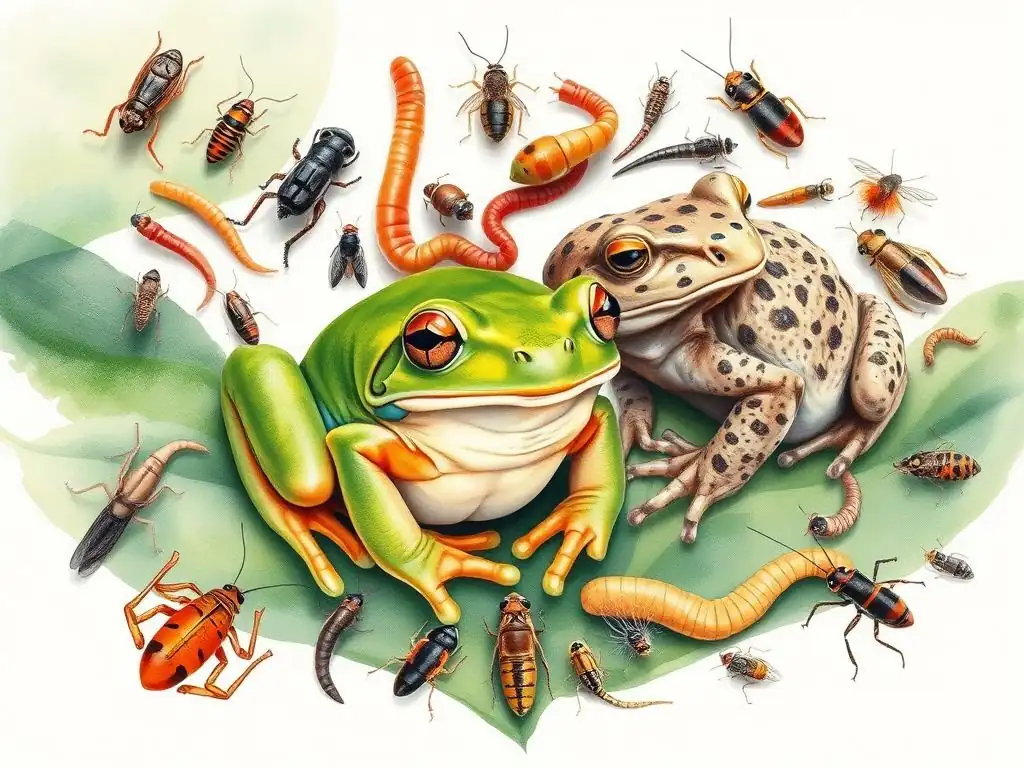
Selecting the best frog and toad diet is crucial for their health and longevity. The ideal diet will vary depending on the species of amphibian you own, their age, and their size. Generally, a diverse diet is key to ensuring your pet receives all the necessary nutrients. Avoid feeding your amphibian only one type of food, as this can lead to nutritional deficiencies.
Remember, a well-nourished amphibian is a happy and healthy amphibian! Always research the specific dietary needs of your particular frog or toad species before establishing a feeding routine. Improper feeding can lead to a variety of health problems, including metabolic bone disease and obesity. Let's delve into the specifics of creating a balanced and nutritious diet for your amphibian companion.
Best Live Foods for Frogs and Toads: Insects and Other Prey
The cornerstone of a healthy frog or toad diet is live food. Insects form the bulk of most amphibian diets in the wild, and providing a variety of insects in captivity mimics this natural feeding pattern. The size of the insect should be appropriate for the size of your amphibian; the prey item should not be larger than the frog or toad's head. Larger species might even require larger prey.
Here's a list of excellent live food options:
- Crickets: A staple for many amphibian species. Dust crickets with calcium and vitamin supplements before feeding.
- Mealworms: Offer a good source of protein, but should be fed in moderation as they are higher in fat.
- Waxworms: These are high in fat and should only be offered as an occasional treat.
- Dubia roaches: A popular choice due to their ease of breeding and nutritional value.
- Fruit flies (Drosophila): Ideal for smaller frog and toad species, particularly tadpoles and juveniles.
- Earthworms: A good source of protein and moisture, but ensure they are pesticide-free.
It's important to note that commercially-raised insects are generally safer than wild-caught insects, as they are less likely to carry parasites or pesticides. Always gut-load your insects (feed them nutritious food before offering them to your amphibian) to boost their nutritional value. This ensures your amphibian receives a more complete and balanced diet. Consider the variety and the frequency of feeding; more is not always better.
Selecting High-Quality Commercial Frog and Toad Food
While live food is essential, commercial frog and toad food can supplement your amphibian's diet and provide additional nutrients. Look for high-quality pellets or other formulated foods that are specifically designed for amphibians. These products often contain balanced levels of vitamins and minerals, helping to prevent nutritional deficiencies. Read the ingredient lists carefully, opting for foods with high protein content and minimal fillers.
When choosing commercial food, consider the following:
| Feature | Description |
|---|---|
| Brand Reputation | Choose established brands with a proven track record of quality and reliability. |
| Ingredient List | Look for high-protein ingredients and minimal fillers. |
| Nutrient Content | Check for added vitamins and minerals, especially calcium and vitamin D3. |
| Size and Shape | Select a size and shape appropriate for your amphibian's size and feeding habits. |
Always follow the manufacturer's instructions regarding feeding frequency and amount. Overfeeding can lead to obesity and other health problems. Observe your amphibian's eating habits and adjust the feeding schedule accordingly. If you notice your amphibian is not eating as much as usual, consult a veterinarian.
Supplementing Your Amphibian's Diet: Vitamins and Minerals
Even with a diverse diet of live and commercial food, supplementation may be necessary to ensure your amphibian receives all the essential vitamins and minerals. Calcium and vitamin D3 are particularly important for bone health and overall well-being. You can dust live insects with a calcium and vitamin D3 supplement before feeding.
Remember, over-supplementation can be just as harmful as under-supplementation. Follow the instructions on the supplement packaging carefully. If you are unsure about the appropriate dosage, consult a veterinarian specializing in amphibians. Regular veterinary check-ups are also recommended to monitor your amphibian's overall health and nutritional status. A healthy and balanced diet, combined with appropriate care, will contribute significantly to the well-being of your frog or toad. Remember, providing the best possible care is key to ensuring a long and happy life for your amphibian companion! 🐸
How to Feed Your Frog or Toad: Feeding Techniques and Schedules
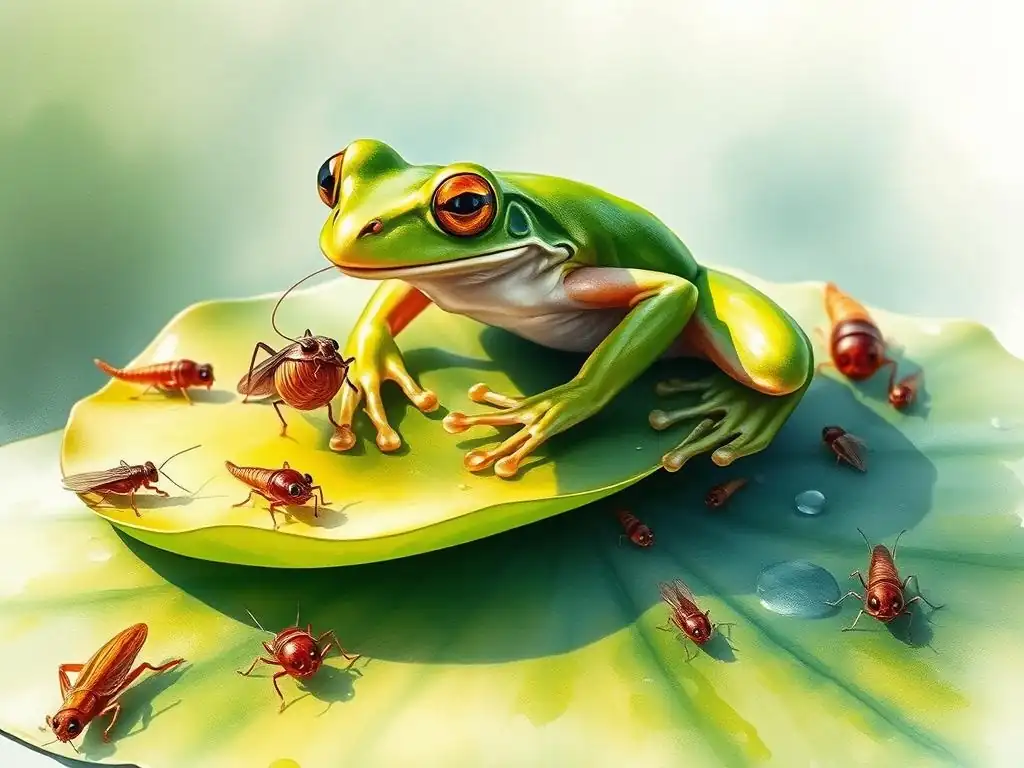
This section delves into the practical aspects of feeding your amphibian companions, focusing on techniques and scheduling for optimal health and well-being. Remember, a well-planned feeding routine is crucial for maintaining the vibrant health of your frogs and toads. A proper diet, delivered correctly, contributes significantly to their longevity and overall quality of life. This is key to achieving the best frog and toad diet.
Establishing a Proper Feeding Schedule for Optimal Health
The frequency of feeding depends largely on the age and size of your amphibian. Juveniles, those still growing rapidly, require more frequent feedings than adults. A good rule of thumb is to feed young frogs and toads daily, offering smaller portions. As they mature, you can gradually reduce the feeding frequency to every other day, or even every two to three days for larger adult specimens.
Always observe your pet's behavior and adjust the schedule accordingly. If your amphibian appears overweight or lethargic, reduce the feeding frequency and portion size. Conversely, if it seems underweight or unusually active during feeding times, you may need to increase the frequency or portion slightly.
Consider the species as well. Some species are naturally more voracious eaters than others. Researching your specific frog or toad species will provide valuable insights into their natural feeding habits and help you establish the most appropriate feeding schedule. For example, a young Green Tree Frog will need more frequent, smaller meals than a mature American Bullfrog.
Maintaining a detailed feeding log can assist in tracking your amphibian's growth and dietary needs over time. This log should include date, food type, amount fed, and observations on your pet's behavior and appetite. This attention to detail is crucial for maintaining a best frog and toad diet.
Remember, consistency is key. Sticking to a regular feeding schedule helps your amphibian maintain a healthy digestive system and prevents overfeeding or underfeeding. Irregular feeding can lead to stress and digestive problems, compromising their immune system.
Appropriate Feeding Amounts: Avoiding Overfeeding and Underfeeding
Determining the correct portion size is as important as establishing the right feeding schedule. Overfeeding can lead to obesity, liver disease, and other health complications. Underfeeding, on the other hand, can result in malnutrition and stunted growth. A good starting point is to offer a volume of food roughly equivalent to the size of your amphibian's head. Observe their eating habits. If they consistently leave food uneaten, you're likely overfeeding. If they seem ravenous and constantly searching for more, you might need to increase the amount slightly.
The type of food also influences the appropriate portion size. Live insects, for instance, are often more easily digested than commercially prepared food. Always remove any uneaten food within a few hours to maintain a clean and hygienic environment and prevent bacterial growth. Regularly weighing your amphibian can help you monitor their weight and adjust the feeding amount as needed.
This is particularly helpful for monitoring growth in juveniles. A sudden weight loss or gain can be an indicator of underlying health problems. Remember, the goal is to provide a balanced diet that supports healthy growth and maintains a healthy weight. Finding the right balance is vital for achieving the best frog and toad diet.
A healthy amphibian will exhibit bright coloration, active behavior, and firm, healthy skin. Regular monitoring of your pet's physical condition is essential to ensure you are providing the appropriate amount of food.
Safe Handling and Feeding Practices to Prevent Injury
Handling your amphibian should be minimized, especially during feeding. Frogs and toads have delicate skin, and rough handling can cause injuries. Always wash your hands thoroughly before and after handling to avoid transferring harmful chemicals or bacteria. When feeding live insects, ensure that the prey is appropriately sized for your amphibian. Too large an insect could injure your pet, while very small insects may be difficult to catch and may not provide sufficient nutritional value.
Never handle your amphibian immediately before or after feeding, as this can cause stress and digestive upset. When feeding live insects, use tongs or tweezers to deliver the food. Avoid placing your fingers directly into the enclosure, as your amphibian might mistake them for prey and attempt to bite or injure themselves. This is especially crucial when dealing with larger species.
This practice minimizes stress for both you and your amphibian and prevents accidental injuries. Consider using feeding tongs specifically designed for amphibians to prevent accidental injury and ensure accurate placement of food. Prioritizing safety and minimizing handling ensures a healthy and enjoyable experience for both you and your amphibian. This careful approach is vital to maintaining the best frog and toad diet and promoting your amphibian's well-being.
Recognizing Signs of Nutritional Deficiency in Your Amphibian
Nutritional deficiencies in frogs and toads can manifest in various subtle and sometimes overt ways, making early detection crucial for their health. A poorly balanced diet can lead to a cascade of problems, impacting everything from their growth and development to their immune system's strength. Recognizing these signs early allows for prompt intervention and dietary adjustments, preventing serious health complications.
One of the most common indicators is slowed growth. If your amphibian isn't growing at the expected rate for its species and age, it might be a sign of inadequate nutrition. Compare your frog or toad's size to established growth charts for its specific species; significant deviations warrant a closer look at its diet. Remember that growth rates can be affected by other factors, such as temperature and overall health, so consider these factors alongside dietary evaluation.
Another key indicator is skeletal deformities. A lack of essential minerals, such as calcium and phosphorus, can lead to weak bones and skeletal malformations. These deformities can be visible as bowed legs, curved spines, or other unusual skeletal structures. This is a serious issue that requires immediate veterinary attention and a significant dietary overhaul. Providing appropriate calcium supplements, alongside a balanced diet rich in calcium-rich insects, is critical in preventing and addressing this problem.
Furthermore, lethargy and weakness can signal nutritional deficiencies. A frog or toad that is less active than usual, displaying reduced appetite or exhibiting sluggish movements, could be suffering from a lack of essential nutrients. This lethargy might be accompanied by a decreased response to stimuli, further indicating a health issue. This should prompt a review of the diet and a potential veterinary consultation.
Skin problems such as dull coloration, dry skin, or lesions can also point towards nutritional deficiencies. Healthy amphibian skin is usually smooth, moist, and vibrant in color. Significant changes in skin texture or appearance could indicate a dietary imbalance or a lack of specific vitamins and minerals crucial for skin health. Consult a veterinarian or a herpetologist for diagnosis and treatment.
Finally, increased susceptibility to infections is a significant red flag. A poorly nourished amphibian is more vulnerable to infections and diseases. If your frog or toad is frequently falling ill, despite appropriate husbandry practices, a nutritional deficiency might be a contributing factor. This highlights the importance of preventive care through a well-balanced diet. A healthy diet boosts the immune system, making your amphibian more resilient to various diseases. A comprehensive dietary evaluation and veterinary consultation are crucial in such cases.
Common Mistakes to Avoid When Feeding Frogs and Toads
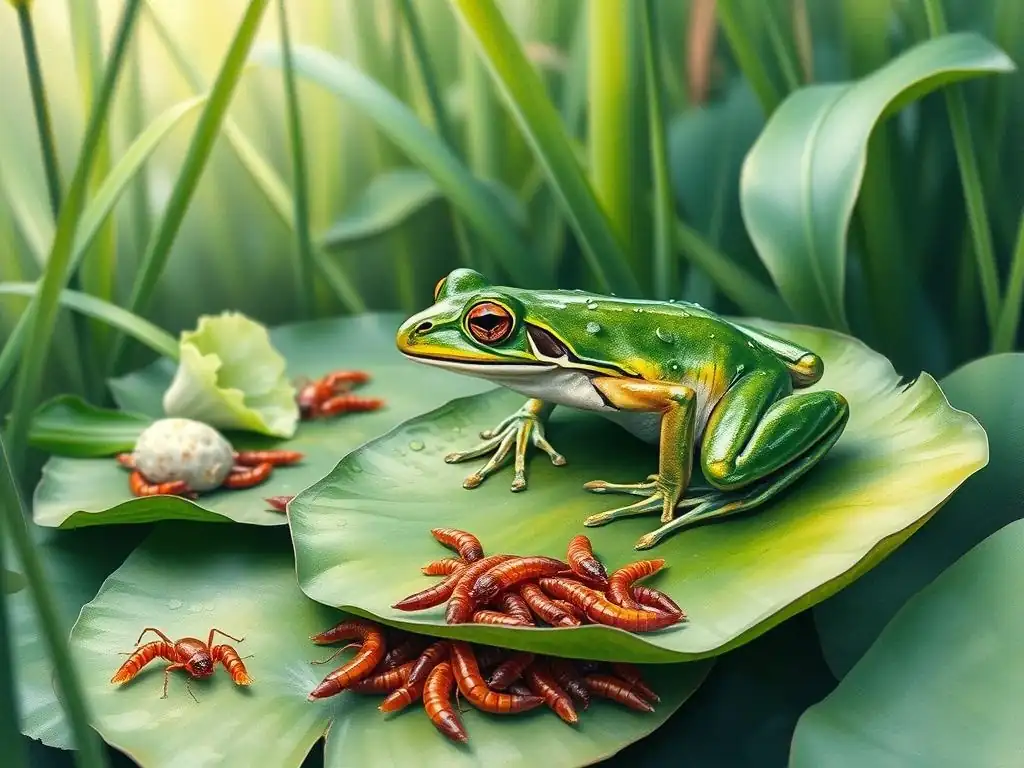
This section focuses on the prevalent errors pet owners make when feeding their frogs and toads, ultimately impacting their health and longevity. Understanding these pitfalls is crucial to providing optimal care and ensuring a thriving amphibian companion. Choosing the best frog and toad diet requires careful attention to detail.
Dangers of Incorrect Feeding Practices: Health Risks and Complications
Improper feeding practices can lead to a cascade of health problems in frogs and toads. These range from minor digestive upsets to life-threatening conditions. Overfeeding, for example, is a common mistake. This leads to obesity, impacting their mobility and making them susceptible to various diseases. Obese amphibians are less likely to escape predators in the wild and are more prone to infections due to a weakened immune system. Conversely, underfeeding leads to malnutrition, resulting in stunted growth, weakened bones, and a compromised immune system, leaving them vulnerable to illness and parasites.
Furthermore, feeding inappropriate food items introduces significant risks. For instance, feeding a frog a diet solely consisting of crickets without any supplemental calcium and vitamin D3 can lead to metabolic bone disease (MBD). MBD causes skeletal deformities, weakening of the bones, and ultimately, severe pain and immobility. The symptoms can manifest gradually, making early detection and intervention crucial. Similarly, providing contaminated food can introduce parasites and bacteria, leading to infections and potentially fatal consequences. A balanced and varied diet is paramount for avoiding these risks.
The size of the food items is also critical. Feeding a small frog large prey items can lead to choking or internal injuries. Conversely, feeding large frogs excessively small prey items can lead to nutritional deficiencies as they will struggle to obtain sufficient nutrients from such tiny morsels. Careful consideration should be given to the frog's size and developmental stage when choosing the correct prey size. This ensures adequate nutrition and prevents dangerous feeding incidents.
Identifying and Addressing Common Feeding Problems
Recognizing signs of improper feeding is crucial for timely intervention. Weight loss, lethargy, unusual posture, and difficulty moving are all potential indicators of nutritional deficiencies or digestive problems. Changes in skin coloration, such as paleness or excessive dryness, can also signal underlying health issues related to diet. Furthermore, observe the frog's stool for any abnormalities; unusual color, consistency, or frequency can suggest digestive problems.
Addressing these problems requires a multifaceted approach. Firstly, carefully assess the current diet. Is it varied enough? Is the frequency appropriate for the amphibian's size and species? Are the prey items the correct size? A detailed dietary analysis is needed.
Secondly, introduce dietary changes gradually. Abrupt changes can cause digestive upset. Thirdly, consult with a veterinarian specializing in reptiles and amphibians. They can perform a thorough examination, identify underlying health issues, and recommend appropriate treatments and dietary adjustments. In severe cases, specialized nutritional supplements may be necessary to address specific deficiencies. Early detection and intervention are vital to improving the frog's condition and preventing further complications.
Avoiding Toxic Foods for Frogs and Toads
Certain foods are toxic to frogs and toads and should be strictly avoided. These include anything processed, seasoned, or containing added sugars or preservatives. Common household foods like avocado, chocolate, onions, garlic, and caffeine-containing products are highly toxic and should never be offered. Even seemingly harmless foods like lettuce or other leafy greens provide minimal nutritional value and can cause digestive problems. In addition, avoid feeding wild-caught insects as they may contain pesticides or parasites.
Always source insects from reputable breeders or suppliers who ensure the insects are properly cared for and fed a nutritious diet. This is essential for ensuring the health and safety of your amphibian pet. Choosing only appropriate and safe food sources is crucial for a healthy best frog and toad diet. Remember, a balanced and carefully selected diet is the cornerstone of your amphibian's well-being, contributing significantly to its overall health and longevity.
Maintaining a Clean and Healthy Feeding Environment
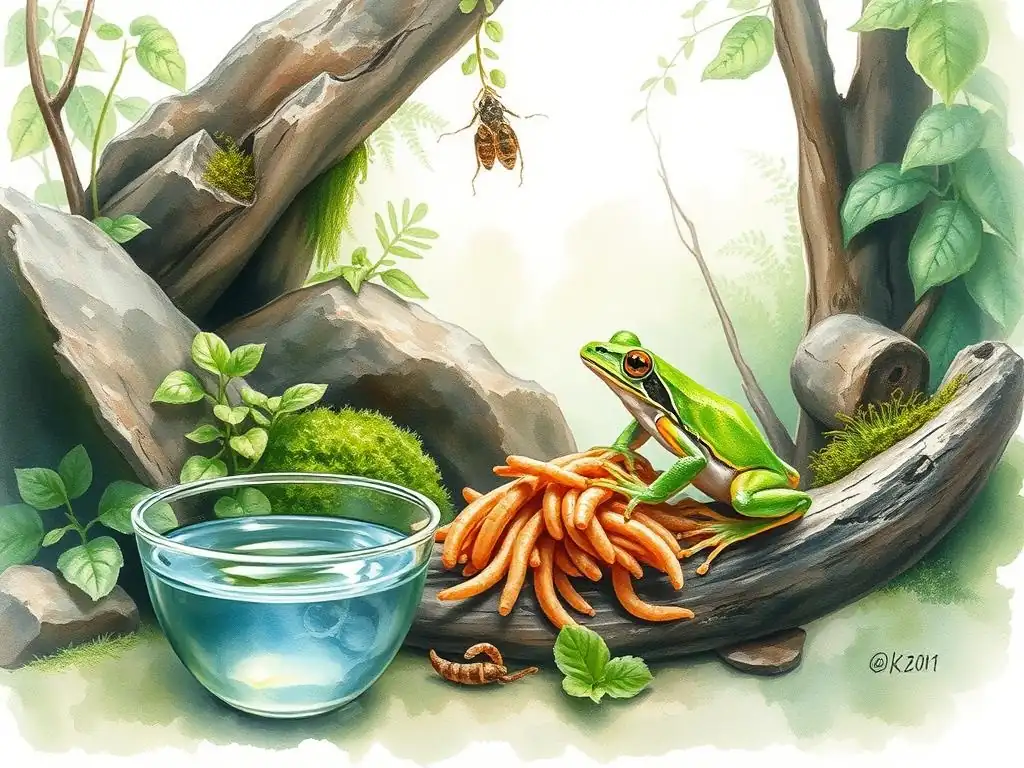
Maintaining a clean and healthy feeding environment is paramount for the well-being of your frogs and toads. A dirty enclosure can quickly become a breeding ground for bacteria and parasites, leading to illness and even death. This section details crucial steps to ensure your amphibians thrive. Proper hygiene directly impacts their health and contributes to a longer, happier life, making it a critical aspect of the best frog and toad diet. Neglecting this can lead to serious health complications and compromise your pet's overall well-being.
Cleaning and Maintaining Feeding Enclosures
Regular cleaning is essential. The frequency depends on the size of the enclosure, the number of amphibians, and the type of substrate used. For smaller enclosures with one or two frogs or toads, a thorough cleaning every 1-2 weeks is generally sufficient. Larger enclosures may require less frequent, but more extensive, cleaning.
Here's a step-by-step guide:
- Remove uneaten food: Remove any leftover food items immediately after feeding to prevent decomposition and bacterial growth. This is crucial for maintaining optimal hygiene and preventing the spread of disease. Leaving uneaten food can quickly contaminate the enclosure.
- Spot cleaning: Daily spot cleaning involves removing fecal matter and any other visible debris. This prevents the buildup of waste and maintains a cleaner environment. A small net or tweezers are helpful tools for this.
- Substrate change: The frequency of substrate change depends on its type. Paper towels should be changed daily or every other day. Other substrates, like coconut fiber or soil, may require less frequent changes, but should be checked for excessive moisture or waste buildup. A damp substrate is ideal, but it shouldn't be soggy.
- Deep cleaning: A thorough deep cleaning of the entire enclosure should be performed every 1-2 weeks (or more frequently as needed). This involves removing all the substrate, scrubbing down all surfaces with a reptile-safe disinfectant, and allowing the enclosure to thoroughly dry before replacing the substrate. Always rinse thoroughly after disinfecting to remove any residue.
- Enclosure materials: Choose enclosure materials that are easy to clean and disinfect. Avoid porous materials that can harbor bacteria. Smooth surfaces are easier to maintain.
Preventing Food Waste and Maintaining Hygiene
Minimizing food waste is not only economically beneficial but also crucial for maintaining a hygienic environment. Overfeeding can lead to uneaten food decomposing, creating unhealthy conditions and potentially harming your amphibian. Providing the correct amount of food, tailored to your pet's age, species, and activity level, is key.
- Portion control: Feed your frogs and toads only what they can consume within 15-20 minutes. Observe their feeding behavior to gauge their appetite.
- Appropriate food size: Ensure the food items are appropriately sized for your amphibian. Too large a food item might be difficult to handle and could lead to choking or injury. Too small and they will waste too much energy trying to catch many small items.
- Feeding frequency: Adjust feeding frequency based on the age and species of your amphibian. Juveniles generally require more frequent feedings than adults. Research the specific dietary needs of your pet to optimize feeding frequency and portions.
- Variety in diet: Offering a varied diet can encourage better food consumption. A monotonous diet can lead to picky eating and wasted food. A diverse diet is also essential for providing a complete range of nutrients. This is a key component of the best frog and toad diet.
Improper diet and hygiene can manifest in several ways. Recognizing these early signs is crucial for prompt veterinary intervention. Early detection significantly improves the chances of successful treatment.
| Symptom | Possible Cause | Action |
|---|---|---|
| Lethargy and inactivity | Nutritional deficiencies, bacterial infection | Consult a veterinarian immediately. |
| Weight loss | Insufficient food intake, parasitic infection | Adjust feeding schedule, consult a veterinarian for parasite testing. |
| Skin lesions or discoloration | Bacterial or fungal infections from unclean environment | Improve hygiene, consult a veterinarian for treatment. |
| Difficulty shedding | Nutritional deficiencies, dehydration | Adjust diet, ensure proper hydration, consult a veterinarian. |
| Swelling or bloating | Overfeeding, ingestion of contaminated food | Adjust feeding schedule, ensure clean feeding environment, consult vet. |
| Poor appetite | Illness, stress, unsuitable food | Consult a veterinarian to rule out underlying health issues. |
Remember, proactive measures are far more effective than reactive ones. By diligently maintaining a clean and healthy feeding environment and carefully monitoring your amphibian's health, you significantly increase their chances of a long and healthy life. Providing the best frog and toad diet includes much more than just the food itself. It's a holistic approach to care that ensures your amphibian thrives in a clean and stimulating environment. 🐸
Long-Term Health and Dietary Considerations for Frogs and Toads
Maintaining optimal health in your amphibian companions hinges significantly on providing a nutritionally complete and varied diet. The "best frog and toad diet" isn't a single, static formula; it's a dynamic approach that adapts to your pet's age, species, and overall health. Ignoring these considerations can lead to nutritional deficiencies, impacting growth, immunity, and longevity. A poorly planned diet can manifest in various ways, from lethargy and poor skin condition to increased susceptibility to disease.
Maintaining a Balanced Diet Throughout Your Pet's Life
A balanced diet for frogs and toads should mimic their natural foraging habits as closely as possible. This means providing a diverse range of appropriately sized insects, offering a mix of protein sources and essential nutrients. For instance, a diet consisting solely of crickets can lead to calcium deficiencies, a common issue in captive amphibians. To prevent this, supplement your feeding routine with gut-loaded insects. Gut-loading involves feeding the insects a nutritious diet prior to offering them to your amphibian, enriching their nutritional value. This process is crucial for providing essential vitamins and minerals.
Consider incorporating a variety of insects such as:
- Crickets (various sizes)
- Mealworms (occasionally, as they are high in fat)
- Dubia roaches (a good source of protein)
- Waxworms (as an occasional treat, due to their high fat content)
- Black soldier fly larvae (excellent source of protein and nutrients)
Remember to dust insects with a calcium and vitamin D3 supplement at least once or twice a week, adjusting the frequency based on your pet's species and age. Always research the specific dietary needs of your frog or toad species, as requirements can vary significantly. For example, some species may require a higher proportion of specific insects compared to others. Regular monitoring of your pet's weight and overall health is also crucial. If you notice any changes, consult a veterinarian specializing in amphibians.
Addressing Dietary Needs During Breeding Season
The breeding season significantly increases the metabolic demands of frogs and toads. During this time, they require a substantial increase in their food intake to support egg production and overall reproductive effort. Failing to provide adequate nutrition during this crucial period can result in reduced fertility, smaller clutch sizes, and weaker offspring. Therefore, adjusting the diet is paramount.
To meet the heightened nutritional requirements, increase the frequency and quantity of feedings. You might need to offer food twice daily, or even more frequently, depending on your pet's appetite and species. Ensure the insects are appropriately sized, and continue to provide a diverse range of prey items. Focus on high-protein insects and continue supplementing with calcium and vitamin D3. Additionally, providing a moist and suitable breeding environment is equally crucial for successful breeding. Observing your amphibian's behavior and appetite closely will provide valuable indicators of their nutritional needs.
Recognizing Signs of Aging and Adjusting Dietary Needs Accordingly
As your frog or toad ages, its metabolic rate naturally slows down, and its dietary needs change. Older amphibians often exhibit decreased appetites and may require adjustments to their feeding regime. Ignoring these changes can lead to weight loss, weakness, and an increased vulnerability to illness. Early detection and prompt adjustments are crucial for extending their lifespan and maintaining their quality of life.
Signs of aging in amphibians may include:
- Decreased activity levels
- Reduced appetite
- Weight loss
- Lethargy
- Changes in skin condition
- Difficulty shedding
In response to these changes, you may need to:
- Reduce the frequency of feedings
- Offer smaller portions of food
- Soften the insects to aid digestion
- Ensure easy access to food and water
- Provide a comfortable and stress-free environment
Remember, a proactive approach to your amphibian's dietary needs throughout its entire life is vital for ensuring its health and longevity. Regular veterinary checkups are also highly recommended to address any specific dietary concerns or health issues. By carefully monitoring your pet's health and adapting its diet accordingly, you can significantly contribute to its well-being and enjoy a longer companionship with your fascinating amphibian friend. 🐸
Frequently Asked Questions
What is the best diet for a frog or toad?
The best diet for a frog or toad depends on the species. Generally, a varied diet of appropriately sized live insects (crickets, mealworms, etc.) is crucial. Supplementing with calcium and vitamin D3 is also important.
How often should I feed my frog or toad?
Feeding frequency varies by age and size. Young frogs and toads may need daily feeding, while adults may only need feeding every other day or even less frequently. Observe their behavior to gauge their appetite.
What types of insects are suitable for feeding frogs and toads?
Suitable insects include crickets, mealworms, waxworms (in moderation), and dubia roaches. Avoid insects caught outdoors due to potential pesticide contamination. Always ensure the insects are the appropriate size for your amphibian.
Can I feed my frog or toad commercial frog food?
While commercial frog food exists, it's best to primarily feed live insects for a balanced and enriching diet. Commercial food can supplement but shouldn't replace live prey entirely. Variety is key.
My frog or toad isn't eating. What should I do?
If your frog or toad isn't eating, first check for signs of illness (lethargy, unusual shedding). Ensure the temperature and humidity are correct. If the problem persists, consult a veterinarian specializing in amphibians.
Final Reflection: The Enduring Legacy of Understanding Amphibian Diets
Understanding the nutritional needs of frogs and toads is not merely a hobbyist pursuit; it's a crucial step in ensuring the health and survival of these vital creatures. The implications extend far beyond individual pet care, impacting conservation efforts and our understanding of delicate ecosystems worldwide. A well-fed amphibian is a healthy amphibian, and healthy amphibians play a critical role in maintaining biodiversity.
The journey into decoding amphibian diets has profoundly shaped my understanding of the interconnectedness of life. It's highlighted the fragility of these often-overlooked creatures and the responsibility we bear in their well-being. The fate of the frog is the fate of the world.
While not a direct quote about diet, this sentiment encapsulates the importance of understanding and protecting these amphibians, whose health is intrinsically linked to the health of their environment. The more we learn about their dietary needs, the better equipped we are to protect them from habitat loss, pollution, and disease, all of which directly impact their ability to find appropriate food sources.
Now, I invite you to consider your own role in this vital endeavor. Whether you're a seasoned herpetologist, a dedicated pet owner, or simply someone fascinated by the natural world, understanding amphibian diets empowers you to make a difference. Take what you've learned here, apply it to your own interactions with these fascinating creatures, and become a champion for their survival. Let's work together to ensure that future generations can continue to marvel at the beauty and diversity of frogs and toads.
Unlock Your Amphibian's Potential: A Thriving Friend's Diet!
Thanks for exploring the world of amphibian diets with us! You've learned how to ensure your frog or toad thrives. Ready to put your knowledge into practice?
- Prioritize a varied diet tailored to your amphibian's species: This is crucial for a happy and healthy pet. Always consult reliable sources for species-specific feeding guidelines.
- Experiment with a variety of feeder insects: This could involve carefully collecting suitable insects from your local environment or trying different commercially available options. Keep track of your findings – you might discover a new favorite food for your amphibian!
- Share your amphibian's feeding journey with our community! Post pictures or stories in the comments below; we love hearing about your successes (and learning experiences).
What delicious new food will you offer your amphibian companion today?