
Breeding Frogs and Toads: A Comprehensive Guide for Amphibian Reproduction

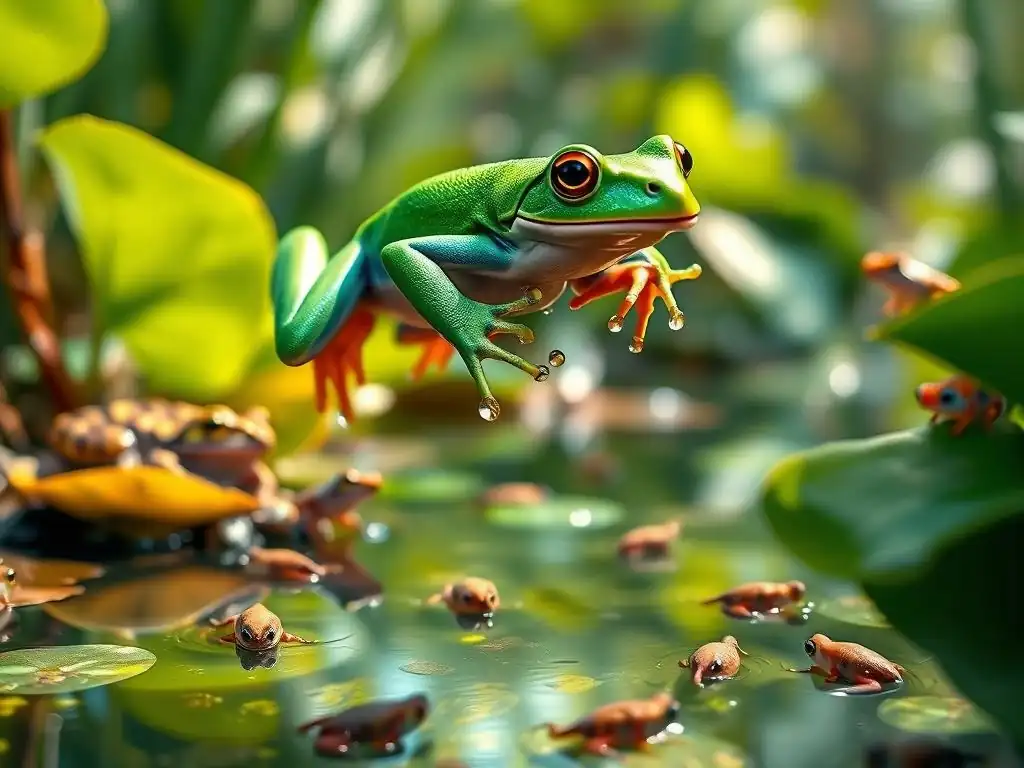
Welcome to PetCareWorld, your ultimate guide to the fascinating world of pet care! Are you ready to delve into the intricate art of amphibian reproduction? Our comprehensive guide to breeding frogs and toads unlocks the secrets of successful amphibian breeding, offering expert advice and practical techniques to help you nurture the next generation of these captivating creatures. Discover the essential steps, from creating the perfect environment to understanding the nuances of amphibian mating and development. Prepare to be amazed by the journey – explore the guide now and embark on an enriching experience!
- Understanding Frog and Toad Reproduction: A Beginner's Guide
- Preparing Your Frogs and Toads for Breeding: Essential Steps
- The Breeding Process: From Amplexus to Tadpoles
- Raising Tadpoles and Juvenile Frogs and Toads
- Common Challenges in Breeding Frogs and Toads: Troubleshooting
- Breeding Specific Frog and Toad Species: Case Studies
- Ethical Considerations in Frog and Toad Breeding: Responsible Practices
- Resources and Further Reading: Expanding Your Knowledge on Frog and Toad Breeding
-
Frequently Asked Questions
- What species of frogs and toads are easiest to breed for beginners?
- What are the essential requirements for a successful frog or toad breeding setup?
- How do I know when my frogs or toads are ready to breed?
- What kind of food should I feed breeding frogs and toads?
- What should I do with the frog or toad eggs after they've been laid?
- Final Reflection: The Enduring Legacy of Amphibian Conservation
- Ready to Amplify Your Amphibian Knowledge?
Understanding Frog and Toad Reproduction: A Beginner's Guide
Breeding frogs and toads can be a rewarding experience for dedicated amphibian enthusiasts, offering a fascinating glimpse into the life cycle of these amazing creatures. This comprehensive guide will equip you with the knowledge and understanding necessary to successfully breed frogs and toads, covering everything from identifying males and females to selecting the appropriate species and creating the ideal breeding environment. Successfully breeding frogs and toads requires patience, attention to detail, and a deep understanding of their specific needs.
This guide will delve into the intricacies of amphibian reproduction, providing practical advice and valuable insights to increase your chances of success. We will explore the crucial aspects of sexual dimorphism, breeding seasons, species selection, and environmental factors that significantly impact breeding outcomes. Whether you're a seasoned herpetologist or a curious beginner, this guide will provide the essential information you need to embark on this exciting journey.
Let's dive into the fascinating world of frog and toad reproduction! 🐸
Sexual Dimorphism in Frogs and Toads: Identifying Males and Females
Successfully breeding frogs and toads begins with accurately identifying the sex of your amphibians. Sexual dimorphism, the distinct differences between males and females, varies significantly across different species. Some species exhibit obvious differences, while others require a closer examination. Generally, male frogs and toads tend to be smaller than females, but this isn't always the case. Key indicators often include:
- Size: While not always reliable, females are often larger than males.
- Vocalization: Males are typically the ones that call, using various vocalizations to attract females during breeding season. The type and frequency of calls vary greatly between species.
- Coloration: Some species exhibit distinct color differences between sexes, with males often displaying brighter or more vibrant colors during breeding season.
- Nuptial Pads: Male frogs and toads often develop nuptial pads on their thumbs or forelimbs during breeding season. These are rough, darkened areas used to grip the female during amplexus (mating embrace).
- Body Shape: In some species, males may have a more slender body shape than females.
Understanding these visual cues and behavioral patterns is crucial for successful breeding. It's important to research the specific characteristics of the species you intend to breed to ensure accurate sex identification. Accurate identification is paramount to ensure successful mating and the production of healthy offspring. Incorrect identification can lead to wasted time and effort.
The Frog and Toad Breeding Season: Timing is Everything
The breeding season for frogs and toads is heavily influenced by environmental factors such as temperature, rainfall, and day length. This timing is crucial for successful reproduction, as it aligns with the optimal conditions for egg development and tadpole survival. The specific timing varies significantly between species and geographic locations.
| Species Example | Typical Breeding Season | Environmental Triggers |
|---|---|---|
| American Bullfrog | Spring and Summer (variable) | Increased rainfall, warmer temperatures |
| Green Tree Frog | Rainy season | Heavy rainfall, humid conditions |
| Cane Toad | Year-round (in tropical climates) | Consistent warmth and humidity, abundant rainfall |
Understanding your chosen species' breeding season is critical for preparing the appropriate environment and ensuring optimal conditions for reproduction. Monitoring environmental cues, such as increased rainfall or temperature changes, can help you anticipate the breeding season and prepare accordingly. Failure to synchronize with the natural breeding cycle can significantly reduce breeding success.
Choosing the Right Species for Breeding: Factors to Consider
Selecting the appropriate species for breeding is a crucial step. Some species are easier to breed than others, and certain factors should be considered before making your choice:
- Experience Level: Beginners should start with species known for their relatively easy breeding and care requirements. More challenging species should be tackled once you've gained experience.
- Space Requirements: Different species have different space requirements, both for the breeding tank and for raising tadpoles. Ensure you have adequate space to accommodate your chosen species throughout their entire life cycle.
- Dietary Needs: The dietary needs of both adult frogs and tadpoles vary considerably across species. Consider the availability and cost of appropriate food sources before selecting a species.
- Legal Considerations: Check local and national regulations regarding the breeding and keeping of specific amphibian species. Some species may require permits or licenses.
- Temperament: Some species are more docile than others, influencing their suitability for breeding in captivity.
Careful consideration of these factors will increase the likelihood of successful breeding and the well-being of your amphibians. Thorough research into the specific needs of your chosen species is essential for success. Choosing the right species is the foundation for a successful breeding program.
Setting up a Breeding Environment for Frogs and Toads: Habitat Requirements
Creating the ideal breeding environment for frogs and toads is crucial for successful reproduction. This involves meticulously replicating their natural habitat, paying close attention to several key factors. Failure to provide the correct conditions can lead to stress, reduced breeding activity, and even death. Remember, different species have different needs, so research your specific frog or toad species thoroughly before beginning.
One of the most important aspects is water quality. Frogs and toads, especially during breeding, are highly sensitive to changes in water parameters. The water should be free of chlorine and chloramine, which are commonly found in tap water. You can easily remove these using a water conditioner specifically designed for aquariums or ponds.
The water should also be pH-neutral or slightly acidic, ideally between 6.0 and 7.5, and the temperature should be appropriate for the species, generally between 65°F and 75°F (18°C and 24°C). Regular water changes are essential to maintain water quality and prevent the buildup of harmful bacteria and ammonia. Consider using a filter, especially for larger breeding setups.
Beyond water quality, the physical environment plays a significant role. The enclosure should be spacious enough to accommodate the frogs or toads comfortably, with ample space for swimming, basking, and hiding. The size will depend on the species and the number of animals involved. For example, a larger species like a bullfrog will require a considerably larger enclosure than a smaller species like a green tree frog.
Provide various hiding places using plants, rocks, driftwood, and other suitable materials. These hiding places are especially important for reducing stress and providing security, particularly during breeding. The substrate should be appropriate for the species and should retain moisture well, such as peat moss, coco fiber, or a mixture of both.
Finally, lighting and humidity are also crucial factors. Most frogs and toads require a combination of UVB and UVA lighting to stimulate their natural behaviors. However, the specific light requirements will vary between species; some might need more intense lighting, while others might prefer dimmer conditions. Humidity is another essential factor that must be carefully controlled. High humidity is vital for successful breeding, and you can achieve this by misting the enclosure regularly or using a humidifier.
The ideal humidity level varies depending on the species but is usually between 60% and 80%. Regular monitoring with a hygrometer is highly recommended to ensure the humidity remains within the optimal range. Consistent monitoring and adjustments are key to successful frog and toad breeding. Careful observation and attention to detail are vital for creating a thriving breeding environment. Remember to consult species-specific care sheets for the most accurate information.
Preparing Your Frogs and Toads for Breeding: Essential Steps
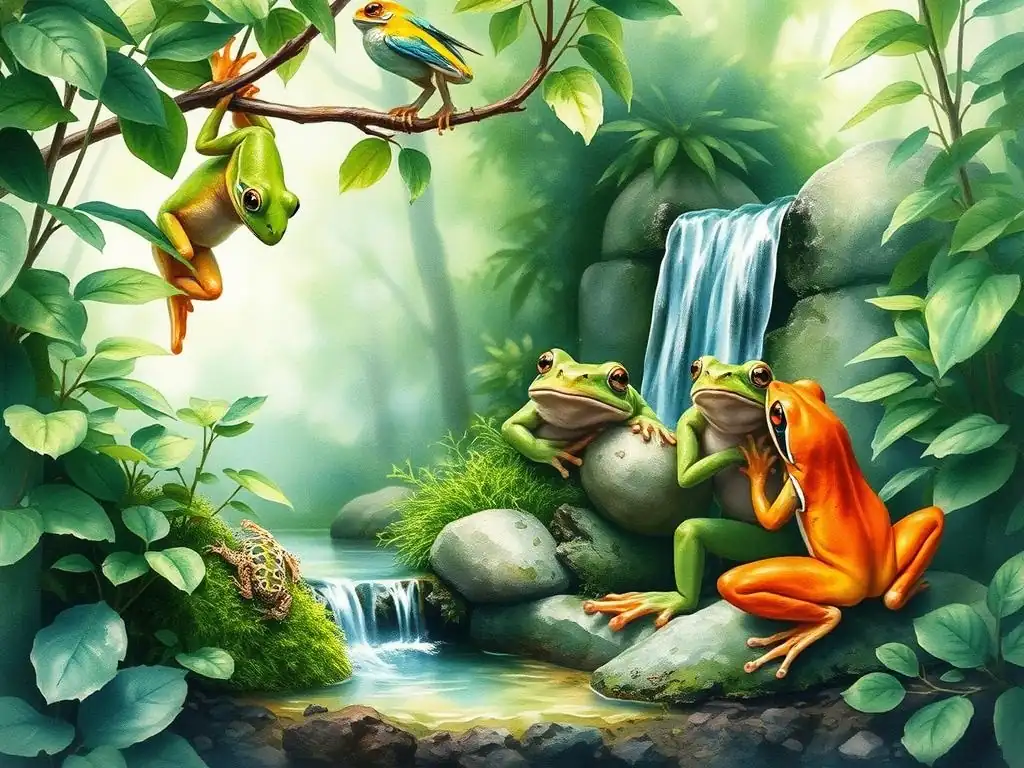
Successfully breeding frogs and toads requires meticulous preparation. This isn't a spontaneous event; it demands careful consideration of several key factors to ensure the health and reproductive success of your amphibians. Ignoring these steps can lead to poor breeding outcomes, or even worse, harm to your animals. This section outlines the crucial steps involved in preparing your frogs and toads for a successful breeding season. Remember, responsible breeding practices are paramount.
Nutritional Needs for Breeding Frogs and Toads: Diet and Supplements
Providing a nutritious diet is fundamental to successful amphibian breeding. Malnourished frogs and toads are less likely to breed successfully, and their offspring may be weak and prone to disease. The diet should be adjusted several months before the intended breeding season to maximize reproductive potential.
This means shifting from a maintenance diet to one that is significantly richer in protein and essential nutrients. For example, instead of relying solely on commercially available frog pellets, supplement their diet with live foods such as:
- Insects: Crickets, mealworms, dubia roaches, and waxworms (in moderation). These should be gut-loaded beforehand to increase their nutritional value.
- Earthworms: An excellent source of protein.
- Fruit Flies (Drosophila): Especially beneficial for smaller species.
Supplement Considerations
Consider supplementing their diet with vitamins and minerals, particularly calcium and vitamin D3, to ensure optimal bone development and overall health. Over-supplementation can be harmful, so follow the instructions on any supplements carefully. Consult a veterinarian specializing in amphibians for specific recommendations based on your frog or toad species.
The frequency of feeding should also be increased during this pre-breeding phase. Monitor their weight and adjust the feeding schedule accordingly. Observe your amphibians carefully for any signs of obesity or malnutrition. A healthy, well-nourished frog or toad is more likely to successfully reproduce. Remember that the specific dietary needs vary depending on the species, so research the requirements of your specific amphibians thoroughly.
Maintaining Optimal Water Conditions for Amphibian Reproduction
Water quality is absolutely critical for amphibian reproduction. Frogs and toads require clean, well-oxygenated water for breeding, egg development, and tadpole growth. Stagnant or polluted water can lead to disease, reduced fertility, and high mortality rates among eggs and tadpoles.
Maintaining optimal water parameters is crucial and involves several key aspects:
- Water Temperature: The ideal water temperature varies greatly depending on the species. Research the specific temperature requirements for your frogs or toads. Use a thermometer to monitor the water temperature regularly and adjust as needed.
- pH Level: The pH of the water should be within the appropriate range for the specific species. Regular testing with a reliable pH meter is essential. Adjusting the pH level may be necessary using commercially available products, but proceed cautiously and follow instructions carefully.
- Water Filtration: A robust filtration system is crucial to remove waste products and maintain water clarity. Regular water changes are also necessary, with the frequency depending on the size of the tank and the number of amphibians.
- Dechlorination: Always use a water conditioner to remove chlorine and chloramine from tap water before using it in the tank. These chemicals are toxic to amphibians.
Failing to maintain optimal water conditions can significantly impact breeding success. Regular monitoring and adjustments are key to creating a healthy environment for your amphibians. Remember, clean water is not just important for the adults, but also vital for the successful development of eggs and tadpoles.
Environmental Enrichment: Stimulating Natural Breeding Behaviors
Environmental enrichment plays a vital role in stimulating natural breeding behaviors in frogs and toads. Mimicking their natural habitat as closely as possible can significantly increase the likelihood of successful reproduction. This includes providing appropriate lighting, humidity, and hiding places.
- Lighting: Proper lighting cycles help regulate their hormones and stimulate breeding behavior. Research the specific lighting requirements for your species, including the intensity and duration of light exposure.
- Humidity: Maintaining the correct humidity levels is crucial, as it influences their skin health and overall well-being. Use a hygrometer to monitor humidity and adjust it using misting, substrate changes, or other appropriate methods.
- Hiding Places: Providing ample hiding places reduces stress and encourages natural behaviors, including courtship and mating. Use rocks, plants, logs, and other suitable materials to create a stimulating environment.
- Breeding Sites: Depending on the species, this might include shallow pools of water, specific types of vegetation, or other structures that mimic their natural breeding habitats. Researching the specific requirements of your species is essential.
Remember that every species has unique environmental needs. Failing to provide the appropriate environment can lead to stress, reduced breeding success, or even the failure to breed altogether. Thorough research into your specific amphibian's natural habitat is vital for creating a successful breeding program. The key is to create an environment that feels safe, secure, and stimulating for your frogs and toads, thereby encouraging natural breeding behaviors.
Preventing and Treating Diseases Before Breeding
Breeding healthy frogs and toads is paramount to the success of your breeding program and the well-being of your offspring. A crucial step in preparing your amphibians for breeding involves proactively preventing and treating any potential diseases. Ignoring this aspect can lead to significant issues, including reduced fertility, weak offspring, and even the complete failure of your breeding attempt. Disease prevention should be an ongoing process, not just a pre-breeding measure.
One of the most effective disease prevention strategies is maintaining impeccable hygiene within your frog and toad enclosures. Regular cleaning and disinfection are essential. This includes removing waste regularly, scrubbing down surfaces with appropriate disinfectants (ensure they are amphibian-safe! ), and replacing substrate as needed. Always rinse thoroughly after cleaning to remove any residual disinfectant that could harm your amphibians. Overcrowding should also be avoided, as this can stress your animals and make them more susceptible to disease. Providing adequate space, appropriate temperature and humidity levels, and a balanced diet are all crucial components of preventative care.
Early detection is vital. Regularly inspect your frogs and toads for any signs of illness, such as lethargy, loss of appetite, unusual skin discoloration, or abnormal behavior. Even subtle changes can be indicators of underlying health problems. If you notice anything amiss, isolate the affected amphibian immediately to prevent the spread of disease to other individuals. This isolation should be in a separate, thoroughly cleaned enclosure.
Treatment options vary depending on the specific disease. Some common ailments in frogs and toads include fungal infections, bacterial infections, and parasitic infestations. Treatment may involve topical medications, oral medications, or even a combination of both. However, it's crucial to seek professional veterinary advice from a veterinarian experienced with amphibians.
Never self-treat your animals, as improper treatment can worsen the condition or even be fatal. A veterinarian can accurately diagnose the problem and recommend the safest and most effective treatment plan tailored to your specific situation. Remember to always follow the veterinarian's instructions precisely regarding medication dosage and administration. Accurate record-keeping of treatments administered is essential for tracking progress and future reference.
Documenting the type of medication, dosage, frequency, and the amphibian's response is invaluable for managing the health of your breeding colony. A healthy breeding colony is a successful breeding colony. Investing time and effort in disease prevention and treatment is an investment in the long-term success of your breeding program.
The Breeding Process: From Amplexus to Tadpoles
This section delves into the fascinating reproductive journey of frogs and toads, from the initial embrace to the emergence of tadpoles. Understanding this process is crucial for successful breeding and raising these captivating amphibians. Successful breeding of frogs and toads requires careful observation and a keen understanding of their specific needs. Remember, responsible breeding practices are paramount to avoid contributing to overpopulation and the potential harm to wild populations.
Amplexus: The Embrace of Reproduction
Amplexus, the characteristic mating embrace of anuran amphibians (frogs and toads), is the critical first step in the breeding process. It's a crucial stage where the male fertilizes the female's eggs externally. The exact duration and characteristics of amplexus vary significantly across species. Some species exhibit prolonged amplexus, lasting for hours or even days, while others may only engage in a brief embrace.
The male typically grasps the female around the waist or armpits, a position often referred to as "axillary amplexus." However, some species display unique amplexus variations. For example, certain species of tree frogs may exhibit inguinal amplexus, where the male clasps the female around the groin.
The success of amplexus depends on several factors, including environmental cues like temperature and rainfall. Many species are triggered to breed by specific environmental changes, ensuring that the eggs are laid at optimal times for survival. For instance, the presence of standing water after a heavy rainfall often initiates breeding activity in many species. Observing the behavioral cues leading up to amplexus, such as increased calling activity in males or the gathering of frogs and toads near breeding sites, is vital for successful breeding programs. Careful monitoring of these behaviors allows for appropriate intervention and support, if needed.
Egg Laying and Development: Observing the Process
Following amplexus, the female frog or toad will lay her eggs, often in large masses or strings, depending on the species. The eggs are typically gelatinous and contain a yolk providing nourishment to the developing embryo. The number of eggs laid varies dramatically; some species lay hundreds or even thousands of eggs, while others lay only a few dozen. The placement of the eggs is also species-specific. Some species lay their eggs in water, while others lay them on land, in damp vegetation, or even attach them to underwater plants.
The development of the eggs is highly dependent on environmental conditions, primarily water temperature and oxygen levels. Monitoring these parameters is crucial. Warmer temperatures generally accelerate development, but excessively high temperatures can be detrimental. Similarly, adequate oxygen levels are essential for healthy embryonic development.
Regular water changes and proper filtration are vital for maintaining optimal conditions. Observing the eggs for signs of fungal infections or other problems is also critical. Early detection and treatment can significantly improve hatching success rates. You should carefully document the egg-laying date and monitor the development stages for each clutch to track progress and identify any potential problems early on.
Caring for Frog and Toad Eggs: Ensuring Hatching Success
Once the eggs are laid, maintaining the appropriate environment becomes crucial for successful hatching. This involves carefully controlling factors like water quality, temperature, and potential predators. The water should be clean and well-oxygenated, free from pollutants and harmful chemicals. Regular partial water changes are essential to prevent the build-up of waste products that could harm the developing embryos. The water temperature should be maintained within the optimal range for the particular species; this information is readily available through reliable amphibian care resources.
Predation is a significant challenge during the egg stage. Many aquatic insects and other organisms prey on frog and toad eggs. To mitigate this risk, it's advisable to keep the eggs in a secure environment, away from potential predators. This may involve using fine mesh netting to protect the eggs or placing them in a separate container.
Frequent observation is essential to detect and address any signs of infection or predation promptly. The development of the eggs should be meticulously documented, including the number of eggs laid, hatching rate, and any abnormalities observed. This detailed record-keeping assists in optimizing future breeding attempts and contributes to a better understanding of the species' reproductive biology. Careful attention to detail during this stage directly impacts the success of your breeding project and the overall health of your future tadpoles.
Tadpole Care: From Larvae to Metamorphosis
Raising tadpoles successfully requires careful attention to their specific needs throughout their development. These tiny creatures are remarkably vulnerable, and providing the right environment is crucial for their survival and successful metamorphosis into froglets. The transition from tadpole to froglet is a period of significant physiological change, demanding optimal water conditions, appropriate nutrition, and vigilant monitoring.
One of the most important aspects of tadpole care is maintaining pristine water quality. Regular partial water changes (approximately 25-50% every 2-3 days) are essential to remove waste products and prevent the buildup of harmful ammonia and nitrites. The water should be dechlorinated and kept at a temperature appropriate for the species; generally, this falls within the range of 65-75°F (18-24°C), although some species have more specific requirements.
[Specific temperature ranges for various frog and toad species pending]. Filtration, even in smaller setups, is beneficial, particularly for larger tadpole populations. Regular monitoring of water parameters using a test kit is highly recommended to ensure the water remains healthy.
Nutrition is another critical factor in tadpole development. Tadpoles are primarily herbivores, feeding on algae and other aquatic plants. A commercial tadpole diet is readily available and provides a balanced source of nutrients. However, supplementing this diet with finely chopped vegetables like spinach or lettuce can further enhance their nutrition.
Avoid overfeeding, as uneaten food will contribute to water quality issues. Observe the tadpoles regularly to ensure they are eating sufficiently and adjust the feeding schedule as necessary. A healthy tadpole will exhibit active movement and a plump body. Signs of malnutrition include lethargy, thin bodies, and a lack of appetite.
As tadpoles grow and develop, they will begin to undergo metamorphosis. This process involves a dramatic transformation from an aquatic larva to a terrestrial juvenile frog or toad. During this stage, the tadpoles will start developing legs, their tails will gradually shrink, and their digestive systems will adapt to a more carnivorous diet. It's crucial to provide suitable environmental conditions during metamorphosis, including shallow areas with rocks and plants that the froglets can easily climb onto as they emerge from the water.
This transition period can be stressful for the young amphibians, so maintaining a clean and stable environment is paramount. Observe for any signs of disease or stress during metamorphosis; signs such as lethargy, abnormal coloration, or difficulty breathing should be addressed promptly. Maintaining optimal water conditions and providing appropriate nutrition throughout metamorphosis are vital for the successful transition into the next life stage.
The success rate of metamorphosis can vary significantly depending on species and environmental factors, with some species exhibiting higher success rates than others. [Specific metamorphosis success rates for various species pending]. Careful attention to detail during this crucial period maximizes the chances of healthy froglets.
Raising Tadpoles and Juvenile Frogs and Toads
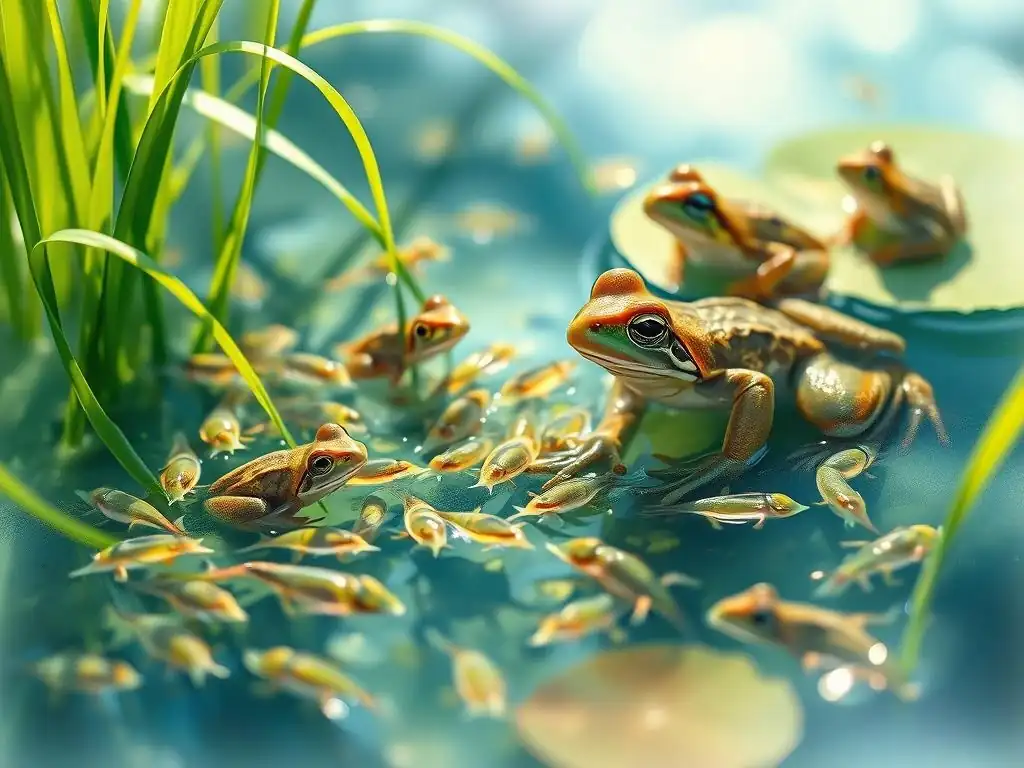
This section delves into the crucial stages of raising tadpoles and juvenile amphibians, focusing on providing optimal conditions for their growth and development. Successfully navigating these phases is vital for a successful breeding program, ensuring healthy adult frogs and toads. Understanding the specific needs of tadpoles, from their diet to their environment, is paramount for their survival and future well-being. This detailed guide provides practical advice and essential information for amphibian enthusiasts looking to breed frogs and toads successfully. Remember, responsible breeding practices are key to the conservation of these fascinating creatures.
Tadpole Diet and Nutrition: Feeding Your Growing Tadpoles
Providing the right nutrition is essential for healthy tadpole development. Tadpoles are primarily herbivores, initially feeding on algae and decaying organic matter present in their aquatic environment. As they grow, their dietary needs evolve. A balanced diet ensures proper growth, preventing deformities and promoting robust immune systems.
Several commercially available tadpole foods are available, often formulated with spirulina, kelp, and other essential nutrients. However, supplementing these with natural food sources enhances their nutrition and mimics their natural diet. Consider adding finely chopped vegetables like spinach, lettuce, and zucchini. Avoid overfeeding, as uneaten food can pollute the water, leading to poor water quality and potential disease.
Here's a sample feeding schedule for different tadpole developmental stages:
| Tadpole Stage | Feeding Frequency | Food Type | Notes |
|---|---|---|---|
| Early (Days 1-10) | 1-2 times daily | Algae, finely ground commercial tadpole food | Observe for readily consumed food; adjust accordingly. |
| Mid (Days 10-30) | 2-3 times daily | Commercial tadpole food, finely chopped vegetables | Introduce variety; monitor for signs of overfeeding or deficiency. |
| Late (Days 30-Metamorphosis) | 3-4 times daily | Commercial tadpole food, varied vegetables, occasional daphnia | Gradually increase the proportion of solid food as legs develop. |
Remember to monitor your tadpoles for any signs of nutritional deficiencies. Slow growth, lethargy, and deformities can indicate improper nutrition. Adjusting the food type and frequency will often correct these issues. Always maintain clean water to prevent bacterial growth from uneaten food.
Maintaining a Healthy Tadpole Environment: Water Quality and Space
Maintaining pristine water quality is crucial for tadpole health. Regular partial water changes are essential to remove waste products and maintain appropriate oxygen levels. The frequency of water changes depends on the tadpole density and the size of the tank. For a small tank with many tadpoles, daily partial water changes might be necessary. For larger tanks with fewer tadpoles, less frequent changes may suffice. However, regular monitoring is key.
The ideal water temperature should be species-specific, but generally falls within a range comfortable for the adult frogs or toads. Avoid drastic temperature fluctuations, which can stress the tadpoles and compromise their health. Using a thermometer to monitor the water temperature is highly recommended.
Sufficient space is also critical. Overcrowding leads to increased competition for resources, stress, and a higher risk of disease transmission. The tank size should be appropriately sized for the number of tadpoles. Provide ample hiding places using rocks, plants, or other suitable materials. This helps reduce stress and provides a sense of security for the young tadpoles.
Metamorphosis: The Transformation from Tadpole to Frog
Metamorphosis is a remarkable process marking the transition from aquatic tadpole to terrestrial frog or toad. This stage is a critical period requiring careful observation and management. As the tadpoles develop, they begin to show signs of metamorphosis, including the development of hind legs, followed by front legs. Their tails gradually shrink and are eventually reabsorbed.
During this time, the tadpoles' dietary needs shift. They start to consume more solid food and less algae. Introduce small insects, such as fruit flies or small crickets, to supplement their diet. Ensure the water level is gradually reduced as their lungs develop, allowing them to breathe air.
The timing of metamorphosis varies among species, but typically occurs over several weeks. Once the metamorphosis is complete, the young frogs or toads will emerge from the water, ready to begin their terrestrial life. At this point, transition them to a suitable terrestrial environment, providing appropriate substrate, humidity, and food sources. Careful monitoring during this transition period is crucial for their survival and healthy development. Remember to consult species-specific information for optimal care during and after metamorphosis.
Juvenile Frog and Toad Care: Transition to Adulthood
The transition from tadpole to juvenile frog or toad is a critical stage, demanding careful attention to ensure their survival and healthy development. This phase requires a gradual shift in their diet and environment, mirroring the changes occurring within the young amphibians themselves. As their legs develop and they begin to emerge from the water, the need for aquatic plants and algae diminishes, while the demand for insect prey increases significantly.
One of the most crucial aspects of juvenile amphibian care is providing a suitable environment. This should include both aquatic and terrestrial areas. A partially submerged rock or log provides a perfect basking spot, allowing the young frogs and toads to regulate their body temperature and humidity. The terrestrial portion should offer ample hiding places, such as leaf litter, small rocks, and even small artificial caves, to reduce stress and provide security.
Maintaining clean water is also paramount; regular partial water changes are necessary to prevent the buildup of harmful bacteria and waste products. Remember to dechlorinate any tap water before using it in the enclosure. The water temperature should be carefully monitored and maintained within the species-specific ideal range. Fluctuations can significantly impact their health and development.
The diet of juvenile frogs and toads undergoes a dramatic transformation. Initially, they might still consume some algae, but their primary food source will be insects. Small crickets, fruit flies (especially Drosophila melanogaster for smaller juveniles), and springtails are excellent options. The size of the prey should be carefully chosen to match the size of the juvenile's mouth, preventing choking hazards. Providing a varied diet is crucial for ensuring they receive the necessary nutrients for growth and development.
Supplementing their food with a calcium and vitamin D3 powder is also recommended to prevent metabolic bone disease. Overfeeding should be avoided, as this can lead to water quality issues and obesity. Observe their feeding habits and adjust the amount accordingly. A slightly underfed juvenile is generally healthier than an overfed one. Remember to remove any uneaten food promptly to maintain a clean and healthy environment.
Monitoring the health of juvenile frogs and toads is essential. Observe them regularly for any signs of illness, such as lethargy, loss of appetite, unusual skin discoloration, or abnormal behavior. Early detection and treatment are crucial for successful management of any health issues. Quarantine any new additions to the enclosure to prevent the spread of disease. Maintaining accurate records of their development, feeding, and any observed health issues is a good practice for long-term monitoring and care.
Keeping meticulous notes will aid in identifying any potential problems early on and allow for timely interventions. A healthy juvenile frog or toad is active, has bright, clear eyes, and exhibits normal feeding behaviors. Any deviation from this should be investigated immediately. Consulting with a veterinarian specializing in exotic animals is always recommended if you suspect any serious health problems. Early intervention often leads to better outcomes.
Common Challenges in Breeding Frogs and Toads: Troubleshooting
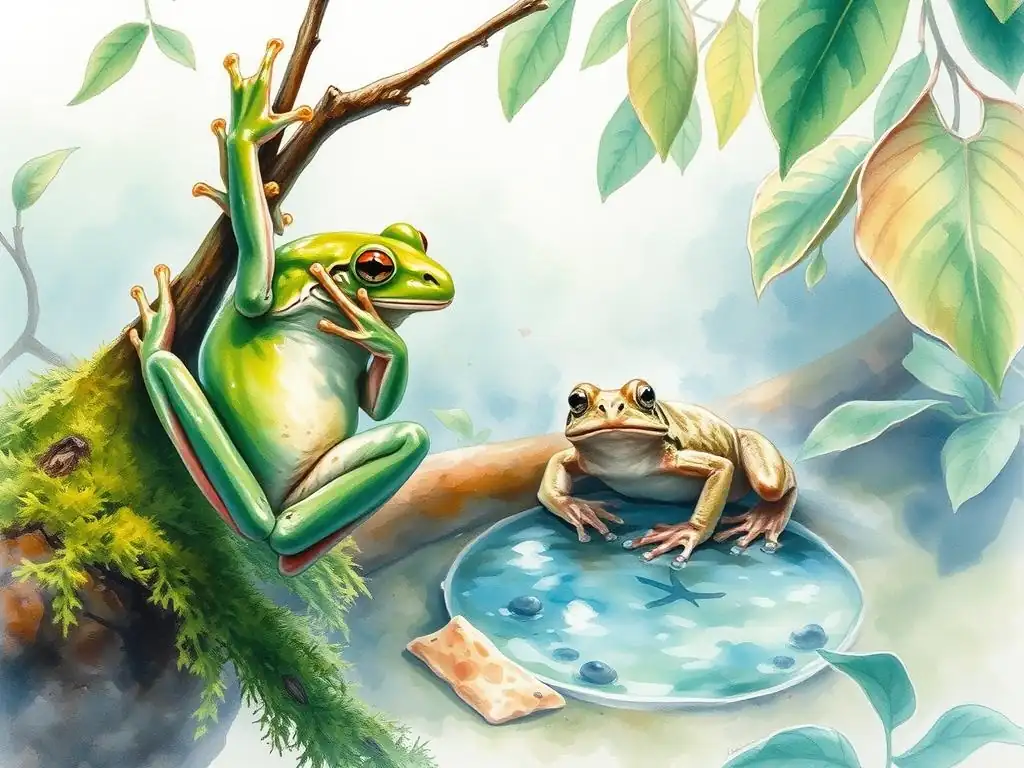
Breeding frogs and toads, while rewarding, presents several hurdles. Success hinges on meticulous attention to detail, encompassing environmental conditions, nutritional needs, and disease prevention. This section addresses common problems encountered during the breeding process, offering practical solutions to improve your chances of successful reproduction. Understanding these challenges is crucial for any aspiring amphibian breeder aiming to create a thriving colony. This guide will address some of the most common issues encountered by hobbyists attempting to breed frogs and toads.
Infertile Eggs: Identifying and Addressing the Problem
Infertile eggs are a frequent setback in frog and toad breeding. Identifying them early is crucial to avoid wasting resources on non-viable clutches. Infertile eggs often appear cloudy or opaque, lacking the characteristic dark coloration of fertilized eggs. They may also be smaller and less firm than fertilized eggs. Microscopic examination can confirm infertility, but visual inspection is often sufficient for experienced breeders.
Several factors contribute to infertility. These include inadequate nutrition for the breeding pair, improper environmental conditions (temperature, humidity, lighting), and genetic incompatibility between the frogs or toads. Stress, either from handling or environmental factors, can also negatively impact egg fertility.
To improve fertility:
- Ensure optimal nutrition: Provide a varied and nutritious diet rich in insects, vitamins, and minerals, tailored to the specific species. This is especially critical in the months leading up to and during the breeding season.
- Maintain ideal environmental conditions: Precise temperature and humidity levels are crucial. Consult species-specific guides for precise parameters. Fluctuations should be minimized.
- Minimize stress: Handle the frogs and toads as little as possible, particularly during the breeding period. Provide a quiet and secure environment.
- Genetic diversity: Breeding from genetically diverse stock can help reduce the risk of infertility. Avoid inbreeding whenever possible.
Disease Prevention and Treatment in Breeding Amphibians
Disease is a significant threat to breeding success. Maintaining impeccable hygiene and quarantine procedures are paramount. Common diseases in frogs and toads include fungal infections (like chytridiomycosis), bacterial infections, and parasitic infestations.
Preventing disease requires a proactive approach:
- Quarantine new arrivals: Isolate any newly acquired frogs or toads for several weeks to monitor for signs of illness before introducing them to the breeding group.
- Maintain impeccable hygiene: Regular cleaning and disinfection of enclosures are essential. Use appropriate disinfectants that are safe for amphibians.
- Provide clean water: Clean, dechlorinated water is crucial. Regular water changes are necessary to prevent the buildup of harmful bacteria and ammonia.
- Monitor for signs of illness: Regularly inspect the frogs and toads for any signs of illness, such as lethargy, loss of appetite, skin lesions, or unusual behavior. Seek veterinary advice immediately if any problems are detected. Early intervention is key.
Treatment depends on the specific disease diagnosed by a veterinarian specializing in amphibians. This might involve antifungal medications, antibiotics, or antiparasitic treatments.
Predation and Cannibalism: Protecting Your Young
Tadpoles and newly metamorphosed froglets are vulnerable to predation, both from other amphibians and from other animals. Cannibalism can also be a significant problem, particularly in overcrowded conditions.
To minimize predation and cannibalism:
- Provide ample space: Ensure sufficient space for the tadpoles and froglets to reduce competition and stress.
- Separate vulnerable individuals: Consider separating tadpoles and froglets of different sizes or species to reduce the risk of cannibalism.
- Offer abundant food: Adequate food supplies reduce competition and the likelihood of cannibalism.
- Control environmental factors: Maintain optimal water quality and temperature to minimize stress, which can increase the risk of cannibalism.
- Choose appropriate tank mates: Avoid keeping species that are known to prey on tadpoles or froglets together.
Careful planning and proactive measures significantly improve the chances of successful breeding. Remember that patience and observation are crucial aspects of amphibian breeding. Consistent monitoring and attention to detail will increase your chances of raising healthy and thriving frogs and toads. 🐸
Handling and Maintaining Breeding Stock: Best Practices
Maintaining healthy breeding stock is paramount for successful frog and toad breeding. Gentle handling is crucial to minimize stress and prevent injury. Avoid unnecessary handling, and when it's necessary, always support the amphibian's body to prevent damage to its delicate limbs and spine. Wash your hands thoroughly before and after handling to prevent the transmission of diseases. Regularly inspect your frogs and toads for any signs of illness or injury, such as lethargy, loss of appetite, skin lesions, or unusual behavior. Promptly isolate any affected individuals to prevent the spread of disease within the breeding group.
Maintaining optimal environmental conditions is equally important. This includes providing appropriate temperature and humidity levels, as well as clean and well-maintained enclosures. Regular water changes are essential to prevent the buildup of harmful bacteria and ammonia. The frequency of water changes depends on the species and the size of the enclosure, but generally, a partial water change every few days is recommended. Ensure the water source is chlorine-free, using a dechlorinator if necessary.
Clean the enclosure regularly to remove waste and uneaten food, using appropriate disinfectants that are safe for amphibians. Avoid overcrowding, as this can lead to stress, aggression, and the spread of disease. Adequate space per individual, considering the species' size and activity level, is crucial for their well-being and breeding success. Providing proper substrate, appropriate hiding places, and enrichment items can further reduce stress and improve the overall health of your breeding stock.
Regular monitoring of water parameters, such as pH and ammonia levels, is also essential for maintaining a healthy environment. Using a reliable water testing kit can help ensure that the water quality remains optimal for your amphibians. A proactive approach to maintaining clean enclosures and optimal water conditions can significantly improve the health and reproductive success of your breeding stock. Remember that preventative care is far more effective than trying to cure diseases after they have already taken hold.
Breeding Specific Frog and Toad Species: Case Studies
This section delves into the specifics of breeding three popular frog and toad species, highlighting the unique challenges and successful strategies involved in each case. Understanding these species-specific requirements is crucial for successful amphibian reproduction and contributes significantly to responsible breeding practices. This detailed "breeding frogs and toads guide" provides practical insights for both novice and experienced breeders.
White's Tree Frog Breeding Guide: Specific Requirements and Challenges
White's tree frogs ( Litoria caerulea) are a popular choice for breeding due to their relatively hardy nature. However, successful breeding requires careful attention to several key factors. Optimal breeding conditions mimic their natural environment, which includes a humid, warm environment. Temperature plays a vital role; maintaining a consistent temperature between 70-80°F (21-27°C) is crucial for stimulating breeding activity.
Maintaining appropriate humidity levels is equally important. A humidity level of around 70-80% is generally recommended, achieved through misting several times daily or the use of a fogger system. Providing ample foliage for climbing and hiding is essential for their well-being and breeding success. The presence of a water source, such as a shallow pool or waterfall, is also critical, as White's tree frogs require access to water for breeding and hydration.
Successful breeding also relies on the correct photoperiod. A 12-hour light/12-hour dark cycle is typically recommended, mimicking their natural environment. A gradual increase in daylight hours during the spring months can stimulate breeding behavior. The diet should be rich in insects and other invertebrates to ensure optimal health and reproductive readiness.
African Clawed Frog Breeding Guide: Unique Considerations and Techniques
Breeding African clawed frogs ( Xenopus laevis) presents unique challenges compared to other species. These frogs are aquatic and require a fully submerged environment for breeding. The water parameters are crucial, with a pH level between 6.5 and 7.5 and a temperature between 70-75°F (21-24°C) being ideal. Maintaining water quality is paramount; regular partial water changes are essential to prevent the build-up of harmful ammonia and nitrites.
Unlike many other frogs, African clawed frogs do not require a terrestrial phase for breeding. The presence of ample aquatic vegetation, such as water plants, can provide hiding places and encourage breeding activity. The breeding process itself is often triggered by changes in water temperature or rainfall simulation. Successfully breeding African clawed frogs involves careful monitoring of water quality and providing a stable, comfortable aquatic environment. The diet should consist of commercially available frog pellets or live invertebrates. Understanding the specific needs of these entirely aquatic animals is key to a successful breeding program.
American Bullfrog Breeding Guide: Successful Strategies and Observations
Breeding American bullfrogs ( Lithobates catesbeianus) requires a significantly larger setup than the previous species due to their size and territorial nature. These frogs require a large enclosure with both aquatic and terrestrial areas. The aquatic area should be deep enough for them to fully submerge, while the terrestrial area should provide basking spots and shelter. Maintaining appropriate water quality and temperature (72-78°F or 22-26°C) is crucial.
Successful breeding often involves mimicking the natural breeding season, which typically occurs in the spring and summer months. This can be achieved by gradually increasing water temperature and providing ample hiding places. American bullfrogs are prolific breeders and the female can lay thousands of eggs. However, high mortality rates among tadpoles are common.
Careful monitoring of tadpole development and providing a suitable diet, including algae and other plant matter, is critical for survival. The adults require a diet of large insects, small fish, and occasionally other amphibians. Observing their natural behaviors and replicating those aspects in captivity greatly increases the odds of successful breeding and offspring survival. Detailed records of water parameters, feeding schedules, and breeding success are essential for long-term breeding programs.
Ethical Considerations in Frog and Toad Breeding: Responsible Practices
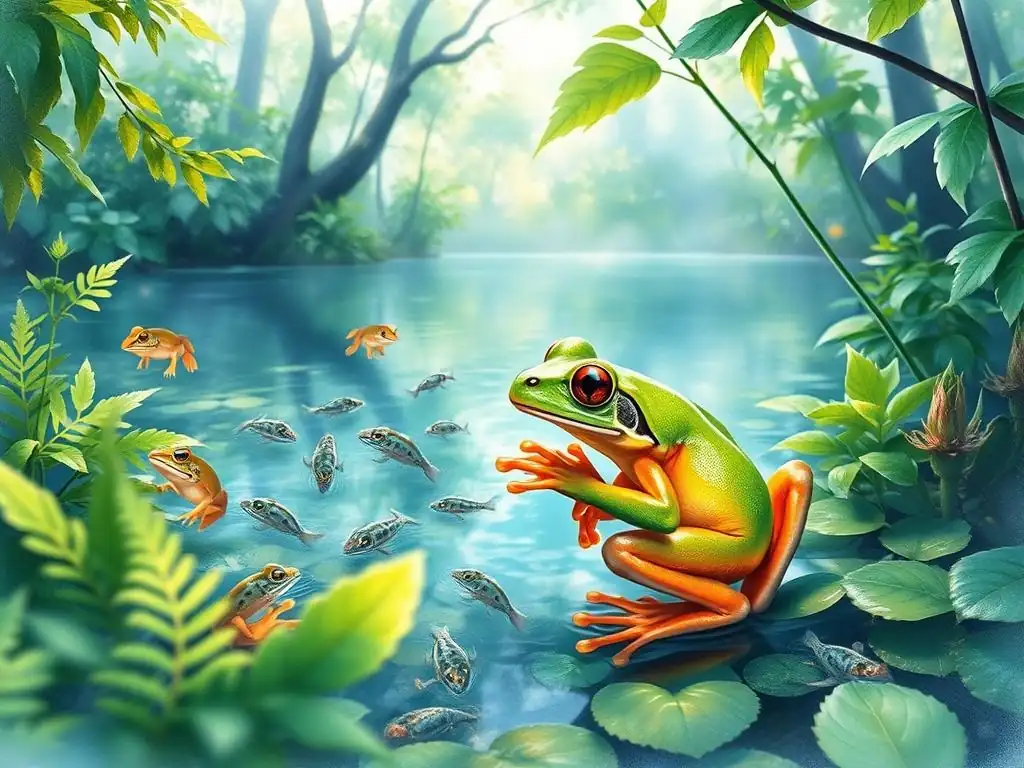
Breeding frogs and toads, while rewarding, demands a strong ethical commitment. Ignoring ethical considerations can lead to detrimental consequences for the amphibian population and the environment. This section outlines crucial ethical practices to ensure responsible amphibian breeding. A responsible breeder prioritizes the well-being of the animals above profit or personal gain. This commitment extends to all aspects of the breeding process, from selecting breeding pairs to caring for offspring.
The Importance of Sustainable Breeding Programs: Conservation Efforts
Sustainable breeding programs are paramount in responsible frog and toad breeding. Many amphibian species face threats in the wild due to habitat loss, pollution, and disease. Ethical breeders contribute to conservation efforts by:
- Focusing on endangered or threatened species: Breeding programs can help bolster populations of species facing extinction. Careful genetic management is crucial to maintaining genetic diversity within the captive population, preventing inbreeding depression.
- Participating in captive breeding programs: Collaborating with zoos, conservation organizations, and other breeders helps coordinate breeding efforts, share knowledge, and prevent duplication of efforts. This collaborative approach ensures the genetic health and long-term viability of captive populations.
- Supporting research: Contributing to research on amphibian diseases, genetics, and conservation biology helps improve breeding practices and conservation strategies. This research is crucial for the long-term success of captive breeding programs.
- Educating others: Responsible breeders educate fellow enthusiasts and the public about the importance of conservation and the ethical considerations of amphibian breeding. This knowledge transfer is vital for building a community dedicated to the responsible stewardship of amphibian populations.
Examples of successful conservation breeding programs involving frogs and toads can be found in numerous zoos and research institutions worldwide. These programs demonstrate the significant impact responsible breeding can have on the survival of vulnerable species. Data on the success rates of these programs highlight the importance of careful planning, genetic monitoring, and dedicated care. [Specific data on success rates of conservation breeding programs pending].
Avoiding Overpopulation: Responsible Pet Ownership
A common ethical concern in amphibian breeding is the potential for overpopulation. Irresponsible breeding practices can lead to a surplus of frogs and toads, overwhelming the capacity of breeders to provide proper care and potentially leading to the abandonment or euthanasia of unwanted animals. Responsible breeders mitigate this risk by:
- Careful planning: Before initiating a breeding program, carefully assess the available resources, including space, time, and financial commitments. Realistic estimations of the number of offspring and the long-term care requirements are essential.
- Finding suitable homes: Breeders should actively seek appropriate homes for all offspring, ensuring that potential owners understand the commitment involved in caring for amphibians. This may involve working with other breeders, reptile societies, or rescue organizations. Thorough screening of potential owners is crucial to ensure the well-being of the animals.
- Implementing population control: Methods to control the population may include adjusting breeding conditions, separating breeding pairs, or using other methods to manage reproductive output. These strategies are vital to prevent overpopulation and ensure the health and welfare of the animals.
The responsible breeder understands that breeding is not just about producing offspring, but also about ensuring their well-being throughout their lives. This responsibility extends beyond the initial breeding cycle and involves finding suitable homes for every amphibian produced.
Legal and Ethical Considerations: Regulations and Permits
Breeding frogs and toads may be subject to various legal regulations and permit requirements, depending on the species and location. These regulations are in place to protect endangered species and prevent the spread of invasive species. Ethical breeders comply with all applicable laws and regulations, including:
- Obtaining necessary permits: Research and obtain all required permits before initiating any breeding activities. This ensures legal compliance and demonstrates a commitment to responsible breeding practices.
- Adhering to CITES regulations: The Convention on International Trade in Endangered Species (CITES) regulates the international trade of endangered and threatened species. Breeders must ensure compliance with CITES regulations when dealing with protected species.
- Understanding local regulations: Familiarize yourself with local and regional laws concerning the possession, breeding, and sale of amphibians. These regulations vary significantly depending on the species and geographic location. Ignoring these regulations can result in severe penalties.
- Maintaining accurate records: Maintain detailed records of all breeding activities, including the origin of breeding stock, breeding dates, and the disposition of offspring. These records are essential for complying with regulations and tracing the lineage of animals.
Compliance with legal and ethical guidelines is not merely a matter of avoiding penalties; it is a fundamental aspect of responsible breeding. It demonstrates a commitment to the conservation of amphibian species and the protection of biodiversity. Failure to comply with these regulations undermines the credibility of the entire amphibian breeding community. 🐸
Resources and Further Reading: Expanding Your Knowledge on Frog and Toad Breeding
This section provides valuable resources to deepen your understanding of frog and toad breeding, supplementing the information presented in the main article. We aim to equip you with the knowledge and connections necessary for successful amphibian reproduction. Remember, responsible breeding practices are paramount to the well-being of these fascinating creatures.
Recommended Books and Articles on Amphibian Reproduction
Investing in reputable books and scientific articles significantly enhances your understanding of amphibian reproduction. These resources offer detailed insights into the complexities of breeding different species, covering topics ranging from hormonal cycles to environmental considerations. This detailed knowledge will significantly improve your success rate and ensure the health of your breeding program.
Here are some examples of the types of information you'll find in such resources:
- Detailed species-specific breeding guides: These guides provide crucial information on the unique requirements of various frog and toad species. For example, you'll find information on optimal water parameters, temperature ranges, and breeding triggers for specific species like Rana catesbeiana (American bullfrog) or Bufo bufo (common toad). Understanding these nuances is essential for successful breeding.
- In-depth analysis of reproductive biology: Learn about the intricacies of amphibian reproductive systems, including hormonal regulation, egg development, and larval stages. This knowledge empowers you to identify potential problems and intervene effectively.
- Advanced techniques in captive breeding: Explore advanced techniques such as artificial insemination and hormone manipulation, which can be particularly useful for endangered or difficult-to-breed species. However, always prioritize ethical considerations and consult with experienced breeders before attempting these methods.
- Disease prevention and management: Learn to identify common diseases affecting frog and toad breeding programs and implement effective prevention and management strategies. Maintaining healthy breeding stock is crucial for successful reproduction.
While specific book titles and articles are [specific information pending], searching for "amphibian reproductive biology," "frog breeding guide," or "toad breeding techniques" within academic databases and reputable online bookstores will yield many valuable results. Look for resources authored by herpetologists or experienced amphibian breeders.
Online Communities and Forums for Amphibian Enthusiasts
Connecting with other amphibian enthusiasts through online communities and forums provides invaluable support and shared knowledge. These platforms offer opportunities to ask questions, share experiences, and learn from the successes and challenges faced by experienced breeders. Engaging with these communities fosters a collaborative environment where collective knowledge contributes to the overall success of amphibian breeding efforts.
- Sharing of best practices: Learn from the firsthand experiences of other breeders, gaining valuable insights into successful breeding techniques, environmental setups, and disease management strategies.
- Troubleshooting problems: When challenges arise, access a wealth of collective knowledge to diagnose and resolve issues quickly and effectively. This can be crucial in preventing significant losses within a breeding program.
- Networking opportunities: Connect with other breeders to potentially exchange specimens, collaborate on research projects, or source necessary equipment and supplies.
- Access to rare species information: Find specialized information on less-common frog and toad species, benefiting from the collective experience of a broader community of breeders.
Remember to always critically evaluate the information you receive online and prioritize information from reputable sources. Look for forums and communities with a strong emphasis on ethical breeding practices and responsible amphibian husbandry.
Reputable Breeders and Suppliers of Frogs and Toads
Sourcing your frogs and toads from reputable breeders is critical for maintaining the genetic health and overall well-being of your breeding program. Reputable breeders prioritize ethical practices, ensuring healthy and genetically diverse stock. They also provide valuable guidance and support to new breeders, sharing their expertise and knowledge.
Choosing a reputable breeder involves several considerations:
- Transparency: A reputable breeder will be open and transparent about their breeding practices, providing detailed information on the origin and health history of their animals.
- Health certifications: They will likely provide health certificates or other documentation demonstrating the health status of their breeding stock.
- Ethical practices: They will adhere to ethical breeding practices, avoiding inbreeding and prioritizing the well-being of their animals.
- Genetic diversity: They will strive to maintain genetic diversity within their breeding populations.
- Support and guidance: They will offer support and guidance to new breeders, assisting them in establishing successful breeding programs.
Finding reputable breeders may require some research, but the investment is well worth it for the long-term health and success of your breeding program. Look for breeders who are active in amphibian conservation efforts and have a strong track record of success. Consider attending local herpetological society meetings or contacting universities with herpetology programs for recommendations. Remember to always prioritize ethical sources and practices.
Frequently Asked Questions
What species of frogs and toads are easiest to breed for beginners?
Many beginner-friendly species exist! African dwarf frogs and white's tree frogs are often recommended due to their relatively simple care requirements and higher reproductive success rates. Research thoroughly before choosing a species.
What are the essential requirements for a successful frog or toad breeding setup?
A successful setup requires a large, appropriately sized tank with specific water parameters, including temperature and pH, depending on the species. You'll also need suitable substrate, hiding places, and ample space for mating and egg laying.
How do I know when my frogs or toads are ready to breed?
Breeding readiness depends on the species but often involves specific environmental cues, like temperature and rainfall simulation. Observe for behavioral changes, such as increased activity, vocalization, and amplexus (mating embrace).
What kind of food should I feed breeding frogs and toads?
The diet should consist of live food appropriate for the species, such as insects, worms, and other invertebrates. Provide a varied diet to ensure nutritional balance for both the adults and their developing offspring. Supplementing with vitamins and minerals may be beneficial.
What should I do with the frog or toad eggs after they've been laid?
Once the eggs are laid, monitor them closely and ensure appropriate water conditions. Many species require specific water parameters and may need regular water changes. After hatching, you'll need to provide appropriate food for the tadpoles.
Final Reflection: The Enduring Legacy of Amphibian Conservation
The delicate balance of amphibian populations is not merely an ecological concern; it's a critical indicator of the health of our planet. The alarming decline in amphibian numbers worldwide underscores the urgent need for responsible stewardship and informed action. This guide, while focused on the practicalities of breeding frogs and toads, ultimately serves a much larger purpose: contributing to the preservation of these vital creatures.
Understanding the intricacies of amphibian reproduction, as detailed in this guide, is more than just a hobby; it's a crucial step towards ensuring their survival. The knowledge gained here can be applied to conservation efforts, from captive breeding programs to habitat restoration projects. As Rachel Carson eloquently stated, >“The more clearly we can focus our attention on the wonders and realities of the universe about us, the less taste we shall have for destruction.” This understanding fosters a deeper appreciation for the interconnectedness of life and the vital role amphibians play within it.
Now, consider the implications of this knowledge. You have learned the delicate dance of amphibian reproduction, the challenges they face, and the steps you can take to contribute to their survival. Will you use this knowledge to become a champion for amphibian conservation? Will you share this information with others, advocate for responsible environmental practices, or even contribute to a local conservation project? The future of these fascinating creatures rests, in part, on the choices we make today.
Ready to Amplify Your Amphibian Knowledge?
Thank you for exploring the fascinating world of frog and toad reproduction! We hope you've gained valuable insights. Now, let's put your newfound knowledge into practice.
- Plan your breeding setup carefully: Consider the specific needs of your chosen frog or toad species and create an ideal environment for successful reproduction. This is the most crucial step.
- Share your experiences: Connect with other amphibian enthusiasts in our community forum and share your successes and challenges—your knowledge can help others!
- Explore advanced breeding techniques: Research various breeding methods and experiment to find what works best for your amphibians.
Ready to witness the miracle of life firsthand? What challenges and successes do you anticipate on your amphibian breeding journey?