Creating a Safe and EscapeProof Enclosure for Salamanders and Newts
😊 Secure your salamanders and newts with our expert Salamander enclosure escape-proof guide! Learn how to build a safe, escape-proof habitat, ensuring…
Read article
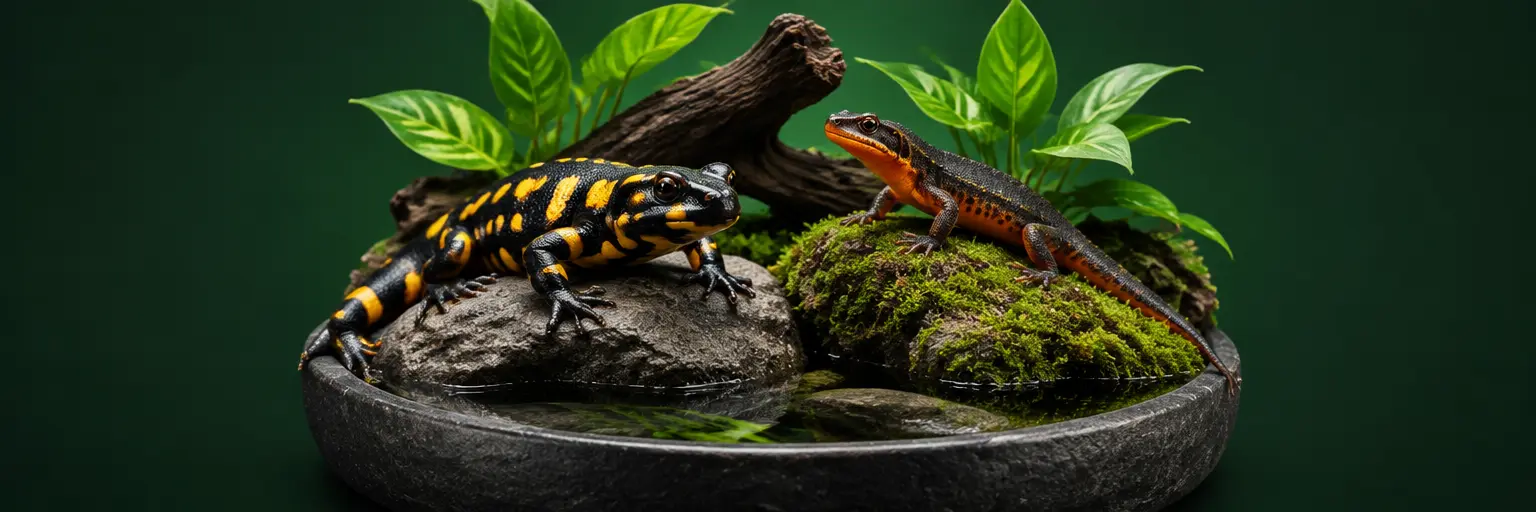
Discover the fascinating world of salamanders and newts with expert guidance tailored for exotic pet enthusiasts. These amphibians offer a unique blend of aquatic and terrestrial behaviors, making them captivating companions for dedicated owners. Our in-depth resources cover essential habitat setup, water quality management, temperature control, and species-specific diets to ensure your delicate pet thrives. From tiger salamanders to fire-bellied newts, learn how to replicate their natural environments, identify signs of stress or illness, and provide enrichment that supports their active, curious nature. Whether you’re a beginner or a seasoned keeper, our practical tips on safe handling, breeding, and seasonal care cycles empower you to build a lasting, healthy bond with these remarkable creatures. Explore the beauty of amphibian stewardship today—your salamander’s well-being starts here.
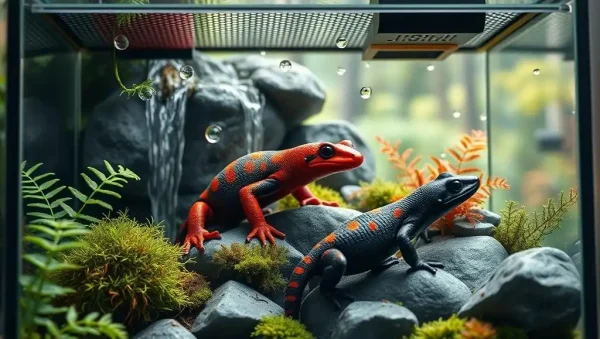
😊 Secure your salamanders and newts with our expert Salamander enclosure escape-proof guide! Learn how to build a safe, escape-proof habitat, ensuring…
Read article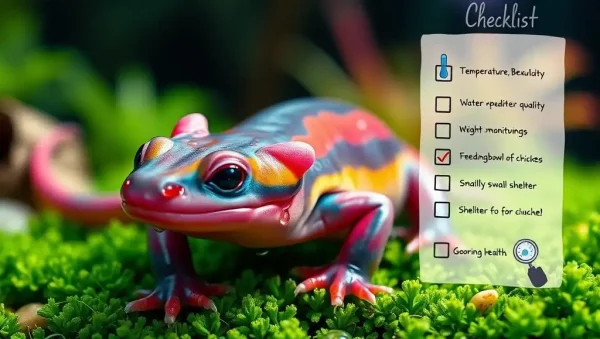
😊 Ensure your salamander or newt thrives! PetCareWorld's Salamander Newt Health Checklist provides a step-by-step guide to optimal care, covering everything from…
Read article
😊 Salamander and newt owners must understand environmental toxins' impact on their pets' health. Exposure to pollutants can cause serious illness and…
Read articleWelcome to our dedicated section on amphibian care for salamanders and newts, part of our Reptiles & Exotic Pets category at PetCareWorld. These fascinating, moisture-loving creatures make unique pets, but they require specific habitats, diets, and handling practices to thrive in captivity. Whether you’re a first-time keeper or a seasoned herpetologist, our expert insights will help you master the essentials of salamander and newt husbandry, ensuring a healthy, enriched life for your aquatic or terrestrial companion.
Selecting the perfect species is the first step toward successful amphibian care. Common beginner-friendly options include the hardy Tiger Salamander, the fully aquatic Axolotl, and the striking Fire-Bellied Newt. Each species has unique temperature, humidity, and space requirements. For example, axolotls need cool water (60–64°F) and no land area, while Fire-Bellied Newts thrive in semi-aquatic setups with both water and land zones. Researching your chosen species’ natural history—whether it’s nocturnal, burrowing, or fully aquatic—will prevent common care mistakes.
At PetCareWorld, we emphasize matching the animal to your experience level. Some newts, like the Eastern Newt, have a terrestrial juvenile stage (red eft) that requires different care than the adult aquatic phase. Meanwhile, rare species like the Marbled Salamander may demand advanced humidity control. Always source captive-bred specimens from reputable breeders to avoid stress and disease. Our guides break down lifecycle stages, adult size, and temperament so you can make an informed, responsible choice that ensures a long-term commitment (often 10–20 years) with confidence.
Creating a proper enclosure is non-negotiable for salamander and newt health. These amphibians breathe through their skin, which must stay moist and clean. For terrestrial species, use a glass terrarium with a tight-fitting mesh lid to retain humidity (70–90%) while allowing ventilation. Substrates like coconut fiber, sphagnum moss, or organic soil should be kept damp but not waterlogged, with a shallow water dish for soaking. For aquatic newts, a 20-gallon long tank with a gentle filter and smooth rocks or driftwood provides swimming space and hiding spots, but avoid strong currents.
Temperature and lighting are critical: most species prefer 55–70°F, so a room without drastic temperature swings often works. Aquatic setups may require a chiller in warm climates. UVB lighting is disputed but a low-level 5.0 bulb can support vitamin D synthesis and reduce metabolic bone disease. We recommend hiding spots like cork bark, live plants (e.g., Java moss), and PVC pipes to mimic natural shelters. Always quarantine new animals and cycle aquatic tanks fully before introduction. Our detailed checklists help you measure humidity, test water parameters (ammonia, nitrite, pH), and adjust based on seasonal changes.
A balanced diet fuels growth, reproduction, and immune function. Most salamanders and newts are carnivorous, thriving on live prey like earthworms, blackworms, bloodworms, and small crickets. For terrestrial species, dust insects with calcium and vitamin D3 supplements at every feeding, and a multivitamin once weekly. Aquatic newts eagerly consume frozen bloodworms and brine shrimp, but you should vary their menu to prevent nutritional deficiencies. Juveniles feed daily, while adults eat every 2–3 days, adjusting portion size to avoid obesity—a common captive issue.
Some species, like axolotls, can be trained to eat pellets from tongs, which simplifies feeding. However, never feed wild-caught insects due to pesticide risks, and avoid mealworms for smaller species as their hard exoskeletons can cause impaction. Always supervise feedings to remove uneaten prey after 15 minutes, keeping the water clean. At PetCareWorld, we’ve curated feeding charts with frequency, portion sizes, and safe live-food suppliers. Remember, appetite can drop during cooler seasons, so monitor weight and behavior to adjust your routine for optimal health.
Water is life for these amphibians—they absorb moisture and oxygen through their skin, making water quality a top priority. For aquatic species, use dechlorinated water (treat with a tap-water conditioner) and perform 20–30% partial water changes weekly. Test for ammonia, nitrite, and nitrate using liquid test kits, keeping ammonia and nitrite at zero and nitrate below 20 ppm. A sponge filter with gentle flow is ideal, as it provides biological filtration without creating strong currents that stress newts. Maintain water temperatures within species-specific ranges; a thermometer and heater/chiller combo are essential.
For terrestrial habitats, mist the enclosure daily with dechlorinated water to maintain humidity, but avoid direct spraying on animals. Provide a shallow, broad water dish for soaking—this also aids skin shedding. Always use reverse-osmosis or aged tap water to prevent chlorine and chloramine toxicity. Signs of poor water quality include lethargy, cloudy eyes, or skin sloughing; address these immediately. Our expert guides include troubleshooting charts for common water issues and recommended filtration systems, ensuring your salamander or newt stays hydrated and healthy.
Early detection of illness extends your pet’s lifespan. Watch for symptoms like lethargy, loss of appetite, abnormal swimming, lesions, or redness on skin. Common issues include fungal infections (white cotton-like patches), which often result from poor water quality or injuries—treat with salt baths or targeted antifungal meds as prescribed by an exotic vet. Bacterial infections like “red leg” appear as reddened skin on the belly and require prompt antibiotic treatment. Parasitic infestations (e.g., worms) can be diagnosed via fecal examination; prescribe antiparasitics from a professional.
Prevention is better than cure: maintain pristine water, quarantine new animals for 30 days, and avoid handling unless absolutely necessary (oils from human skin are toxic). Provide stress-free environments with plenty of hides and stable temperatures. At PetCareWorld, we partner with amphibian veterinarians to bring you symptom checklists, home-care protocols, and quarantine strategies. Remember, never self-medicate—incorrect dosing is lethal. Regular observation and record-keeping of weight and behavior help you spot subtle changes, ensuring your companion enjoys a full, vibrant life.
Juveniles should be fed daily with small live prey, while adults can be fed every 2–3 days. Portion size depends on species—offer as much as they can eat in 15 minutes. Adjust during cooler periods, as metabolism slows. Always dust insects with calcium supplements to prevent deficiencies.
Minimize handling as their skin is highly permeable and sensitive to human oils, salts, and bacteria. Only handle with clean, wet hands when moving them during tank cleaning. Excessive handling causes stress and can lead to skin infections. Wash hands thoroughly before and after any contact.
Low-level UVB (5.0) can support vitamin D synthesis, but it’s not mandatory if you supplement with D3 in their diet. Many keepers successfully keep them without UVB, as long as calcium and vitamin D3 are provided. If using UVB, provide shade areas to avoid overexposure.
A 10-gallon tank suits small species like the spotted salamander, but a 20-gallon long tank is better for adults like tiger salamanders, providing more land area and gradients. Ensure a secure lid, as they can climb. Larger enclosures reduce aggression and improve humidity stability.
Hiding is natural behavior, especially during daylight. Newts are crepuscular and prefer cover. If they hide excessively, check water temperature (too warm?) and water quality (ammonia spikes). Add more plants, caves, or driftwood. Observe them during dawn and dusk for normal activity; if they eat well, hiding is likely just personality.