
Salamander and Newt Health Checklist: A StepbyStep Guide for Owners

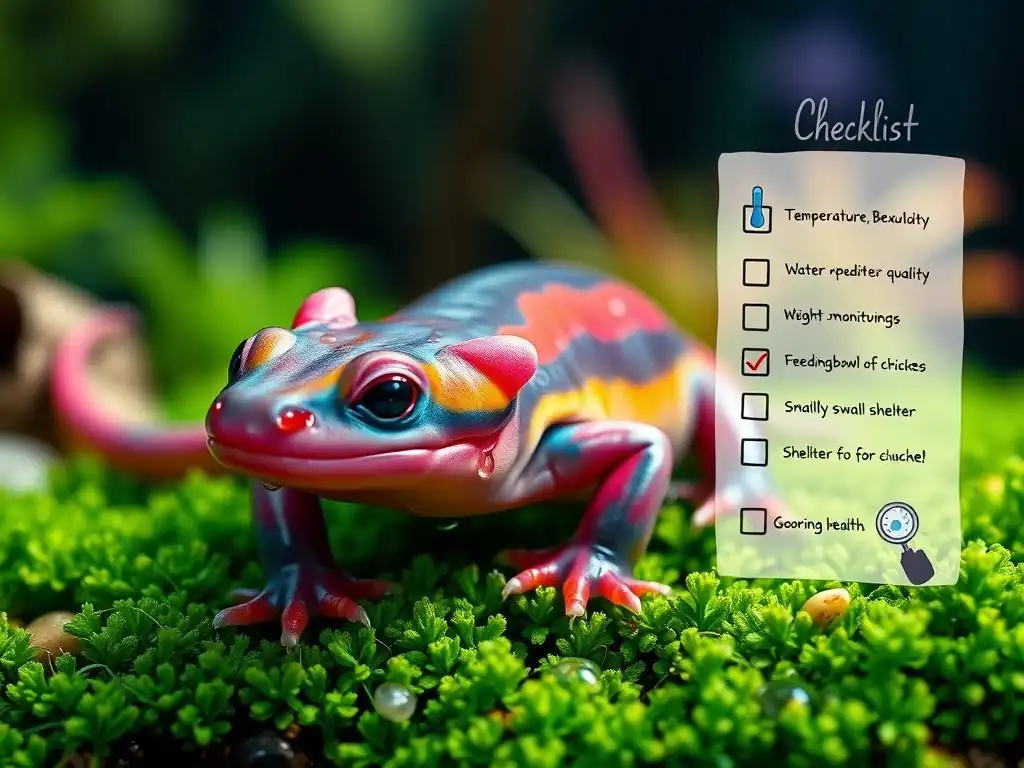
Welcome to PetCareWorld, your ultimate guide to a happier, healthier life for your beloved companions! Are you ready to unlock the secrets to thriving pet ownership? We delve into every aspect of animal care, from playful puppies to fascinating exotics. Today, we're focusing on something truly captivating: our comprehensive Salamander Newt Health Checklist. Discover the essential steps to ensure your amphibian friend enjoys a long and vibrant life – dive in and explore!
- Understanding Your Salamander or Newt's Basic Needs
- Daily Salamander and Newt Health Checks: A Visual Inspection
- Weekly Salamander and Newt Health Checks: A Deeper Dive
- Monthly Salamander and Newt Health Checks: Preventative Care
- Recognizing Common Salamander and Newt Health Issues
- When to Seek Veterinary Care for Your Salamander or Newt
- Creating a Healthy Environment for Long-Term Salamander and Newt Health
-
Frequently Asked Questions
- What is the most important aspect of salamander and newt health?
- How often should I clean my salamander or newt's enclosure?
- What are the common signs of illness in salamanders and newts?
- What should I feed my salamander or newt?
- Where can I find a veterinarian experienced with salamanders and newts?
- Final Reflection: Guardians of the Tiny Titans
- Unlock Your Salamander's Full Potential!
Understanding Your Salamander or Newt's Basic Needs
Caring for salamanders and newts successfully hinges on understanding their specific needs. These fascinating amphibians, often overlooked in the pet-owning world, require a dedicated and informed approach to thrive. This comprehensive salamander and newt health checklist will guide you through the essential aspects of providing optimal care, ensuring your amphibian companion enjoys a long and healthy life. We'll cover everything from setting up the perfect habitat to monitoring their diet and recognizing signs of illness.
Successfully navigating these crucial steps will help you become a confident and capable salamander or newt owner, contributing to the well-being of these often-misunderstood creatures. Remember, responsible ownership means proactive care and a commitment to understanding your pet's unique requirements. This checklist will serve as your roadmap to success in providing exceptional care for your salamander or newt.
Essential Habitat Setup for Salamander and Newt Health
Creating the right environment is paramount for your salamander or newt's health. A properly set up terrarium mimics their natural habitat, reducing stress and promoting overall well-being. The size of the enclosure is crucial; it should be spacious enough to allow for natural behaviors like exploring and hiding. For example, a single adult axolotl might require a tank of at least 20 gallons, while smaller species may need less space. However, always err on the side of providing more space than you think is necessary.
The tank should also include several key elements:
- Hiding places: Provide ample hiding spots using rocks, driftwood, or artificial caves. Salamanders and newts are naturally shy creatures and need places to feel secure.
- Water source: A clean water source is essential, especially for aquatic species. The water should be dechlorinated and changed regularly to prevent the buildup of harmful bacteria. Ensure that there's a gradual slope allowing easy access for your amphibian to enter and exit the water. The water level should be appropriate for the species; some species are primarily terrestrial, while others are fully aquatic.
- Ventilation: Proper ventilation is crucial to prevent the build-up of ammonia and other harmful gases. Ensure adequate airflow without creating drafts.
Ignoring these basic habitat requirements can lead to stress, disease, and ultimately, the death of your amphibian. Remember, a well-designed habitat is the cornerstone of a healthy and happy salamander or newt.
Optimal Temperature and Humidity for Salamander and Newt Wellbeing
Maintaining the correct temperature and humidity levels is critical for your salamander or newt's health and survival. These amphibians are ectothermic, meaning they rely on external sources to regulate their body temperature. Inappropriate temperatures can lead to stress, decreased immunity, and various health problems. The specific temperature and humidity requirements vary depending on the species. For example, some species prefer cooler temperatures (around 65-75°F), while others may need slightly warmer conditions (70-80°F). Always research the specific needs of your particular species.
Humidity is equally important. Most salamanders and newts require high humidity levels (around 70-90%). You can maintain humidity using a combination of methods such as:
- Misting: Regularly misting the enclosure with dechlorinated water helps maintain humidity.
- Substrate: Choosing a substrate that retains moisture is also beneficial.
- Water features: A shallow water dish or a waterfall can increase humidity levels.
Monitoring temperature and humidity using a thermometer and hygrometer is essential for ensuring your amphibian's well-being. Regular checks and adjustments are necessary to maintain optimal conditions. Failure to do so can severely impact their health and longevity.
Providing the Right Substrate for Your Amphibian
The substrate, or bottom covering, of your salamander or newt's enclosure plays a vital role in maintaining appropriate humidity levels and providing a natural environment. The ideal substrate will depend on the species and its specific needs. However, several factors should be considered when selecting a substrate:
- Moisture retention: The substrate should retain moisture to help maintain humidity. However, it shouldn't be so wet as to become soggy and promote bacterial growth.
- Drainage: Good drainage is essential to prevent waterlogging.
- Safety: The substrate should not be toxic or pose a risk of ingestion. Avoid materials that could be harmful if accidentally consumed by your amphibian.
Suitable substrates include:
- Coco coir: A popular choice, offering good moisture retention and drainage.
- Spaghnum moss: Excellent for moisture retention, often used in combination with other substrates.
- Leaf litter: Adds a natural look and can contribute to humidity. However, it requires careful monitoring to prevent mold growth.
Avoid using sand, gravel, or other substrates that can cause impaction if ingested. Always research the best substrate for your specific species to ensure its health and safety. Regular cleaning and replacement of the substrate is also essential to maintain a hygienic environment.
Daily Salamander and Newt Health Checks: A Visual Inspection
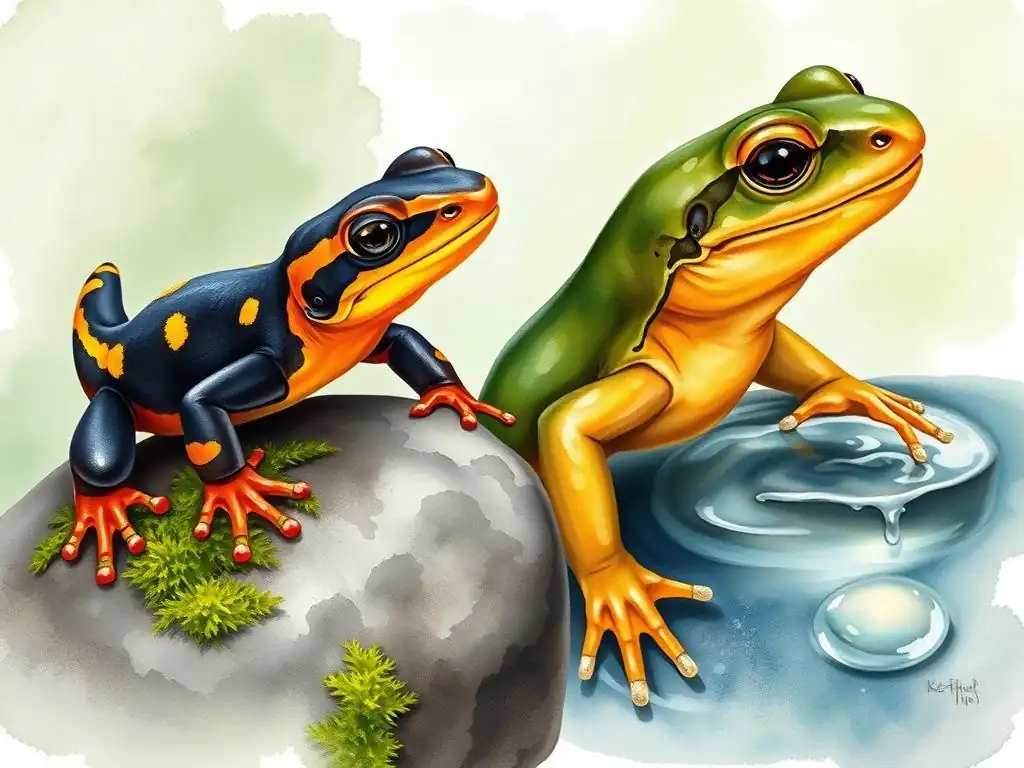
Daily observation is crucial for maintaining the well-being of your salamander or newt. A quick visual inspection can often reveal early signs of illness or distress, allowing for prompt intervention and preventing more serious health problems. Think of it as a proactive approach to amphibian wellness – a daily "salamander and newt health checklist" if you will.
Regular checks are especially important for new arrivals, allowing you to establish a baseline for their normal behavior and appearance. This proactive approach is key to preventing more significant health issues down the line. Remember, early detection is key to successful treatment in the world of amphibian care.
Assessing Your Salamander or Newt's Appearance: Skin and Body Condition
The skin of a salamander or newt is a crucial indicator of its overall health. Healthy skin should be smooth, moist, and free from any lesions, discoloration, or excessive shedding. Look closely for:
- Changes in skin color: Unusual pallor, darkening, or blotchiness could signal underlying issues. For example, a sudden darkening might indicate stress, while unusual paleness could suggest anemia. Keep detailed records of any color changes you observe.
- Skin lesions or sores: Any open wounds, blisters, or areas of redness require immediate attention. Note the size, location, and appearance of any lesions. Photographing these for your records can be beneficial for tracking changes over time.
- Excessive shedding: While shedding is a normal process, excessive or difficult shedding can indicate problems with hydration or environmental conditions. Observe the frequency and ease of shedding.
- Dehydration: Dehydrated salamanders and newts will have dry, wrinkled skin. This is a serious condition requiring immediate attention. You should adjust their environment's humidity to address this.
- Body condition: A healthy salamander or newt will have a plump, well-rounded body. A significant weight loss or emaciation suggests a problem with nutrition or underlying illness.
Checking for Signs of Parasites or Infections in Salamanders and Newts
Parasites and infections are common concerns in salamanders and newts. Regularly inspecting your amphibian for these issues is essential. Look for:
- External parasites: These include mites, ticks, and flukes, which may appear as small moving dots on the skin. Examine the skin carefully, paying particular attention to the crevices and folds.
- Internal parasites: These are harder to detect visually but may manifest as lethargy, weight loss, or changes in appetite. Regular fecal examinations are recommended to detect internal parasites.
- Fungal or bacterial infections: These can cause discoloration, lesions, or white patches on the skin. Any unusual growths or changes in skin texture warrant a veterinary examination.
- Signs of bacterial infections: These can be indicated by cloudy eyes, lethargy, and difficulty breathing. Immediate veterinary attention is needed if you observe these symptoms. Remember, prompt treatment greatly improves the chances of successful recovery.
Monitoring Your Amphibian's Activity Levels and Appetite
Monitoring your salamander or newt's behavior and feeding habits provides valuable insights into its health. Changes in these aspects can be early warning signs of illness. Consider the following:
- Activity levels: A healthy amphibian will exhibit normal activity levels appropriate for its species and age. Lethargy, unusual stillness, or hiding excessively could suggest illness or stress. Note any changes in their typical behavior.
- Appetite: Changes in appetite are often a key indicator of illness. A sudden loss of appetite, refusal to eat, or changes in feeding behavior deserve close attention. Keep a detailed feeding log, noting the type and amount of food consumed daily. This allows you to identify even subtle changes in your amphibian’s eating habits.
- Waste production: Monitor the frequency and consistency of your amphibian's waste. Changes in the color, frequency, or consistency of their feces can indicate underlying health issues. Regular observation of waste production is an often overlooked but valuable tool for monitoring amphibian health.
- Respiration: Observe your amphibian's breathing. Rapid or labored breathing could indicate respiratory problems. Note any unusual sounds or difficulties with breathing. This is particularly important in detecting early signs of respiratory infections.
Remember, this checklist is a guide, and consulting with a veterinarian specializing in amphibians is crucial for any concerns beyond normal variations. Early detection and prompt veterinary care are essential for the health and longevity of your salamander or newt. A proactive approach to amphibian care ensures your pet thrives.
Weekly Salamander and Newt Health Checks: A Deeper Dive
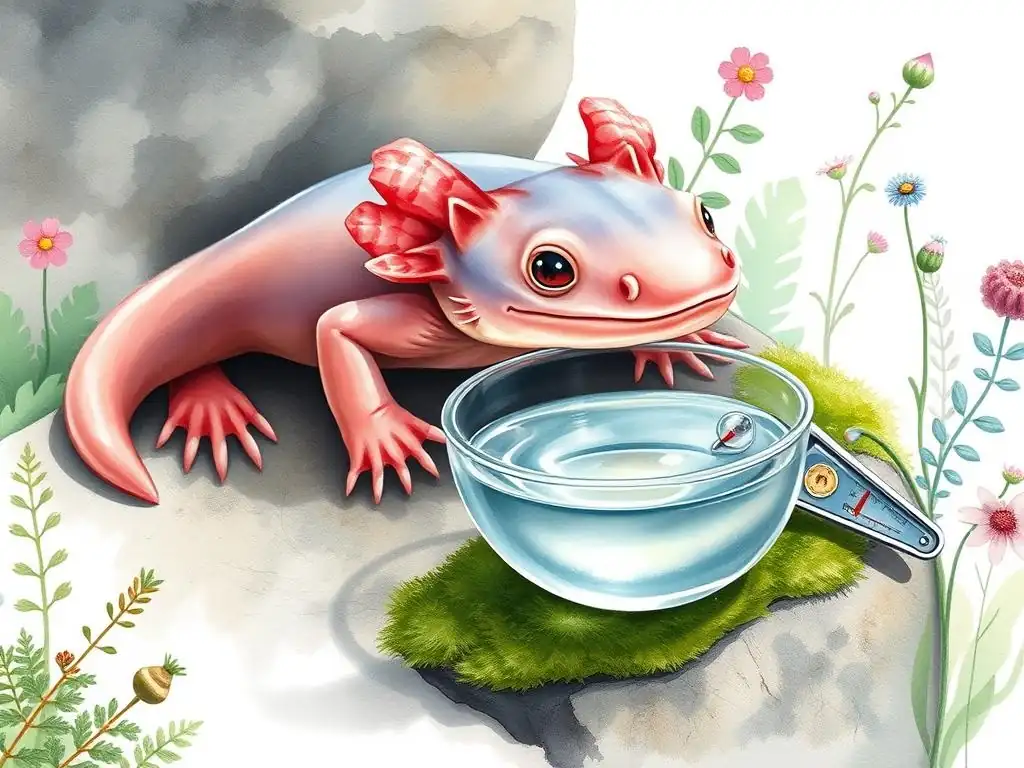
This section delves into the specifics of your weekly salamander and newt health checks, providing detailed guidance on what to look for and how to interpret your observations. Regular monitoring is key to proactive amphibian care and early detection of potential health issues. Remember, early intervention significantly improves the chances of a successful outcome for your beloved amphibians. This checklist focuses on the crucial aspects of maintaining a thriving environment and recognizing subtle signs of distress. Consistent observation is paramount for responsible salamander and newt ownership.
Water Quality Monitoring for Salamander and Newt Tanks
Maintaining pristine water quality is paramount for the health of your salamanders and newts. These amphibians are highly sensitive to changes in water parameters, and neglecting water quality can quickly lead to illness. Your weekly checks should include several key aspects:
- Visual Inspection: Look for cloudiness, unusual discoloration (e.g., green, brown, or milky), or the presence of excessive debris or algae. A healthy tank should be relatively clear. A cloudy appearance often indicates excessive organic waste.
- Temperature Check: Use a reliable thermometer to verify the water temperature falls within the species-specific ideal range. Fluctuations outside this range can stress your amphibians and weaken their immune systems. For example, Plethodon cinereus (Eastern Red-backed Salamanders) thrive in cooler temperatures than many other species.
- pH Level Testing: Regularly test the pH level of the water using a reliable testing kit. The ideal pH range varies depending on the species, but generally falls between 6.0 and 7.5 for most common salamander and newt species. A pH outside this range can affect their skin and overall health. Consistent monitoring is vital.
- Ammonia, Nitrite, and Nitrate Levels: These are crucial indicators of water quality. High levels of ammonia and nitrites are extremely toxic to amphibians. Regular testing using a liquid test kit is recommended to ensure these levels remain within safe parameters. Zero ammonia and nitrite, and low nitrate levels are the goal.
- Water Changes: Based on your test results, perform partial water changes (25-50%) as needed to maintain optimal water quality. Always use dechlorinated water that is the same temperature as the tank water to avoid shocking your animals.
Inspecting Food and Waste Management in the Enclosure
Proper food management and waste removal are essential for maintaining a healthy environment for your salamanders and newts. Neglecting these aspects can lead to bacterial growth and water contamination, jeopardizing the health of your pets. Your weekly checks should encompass:
- Food Quantity: Observe the amount of food consumed. Uneaten food should be removed promptly to prevent decomposition and water contamination. Overfeeding can lead to water quality issues and obesity in your amphibians.
- Food Type: Ensure you are providing a varied and appropriate diet for your specific species. A balanced diet is crucial for their overall well-being. Different species have different dietary needs; research your specific salamander or newt's requirements carefully.
- Waste Removal: Regularly remove fecal matter and uneaten food from the enclosure. This helps prevent the buildup of harmful bacteria and ammonia. Depending on the size of the enclosure and the number of amphibians, daily spot cleaning might be necessary in addition to weekly thorough cleanings.
- Substrate Condition: Inspect the substrate (e.g., soil, leaf litter) for excessive moisture or mold growth. A damp but not waterlogged substrate is essential. Excessive moisture can lead to bacterial growth and respiratory problems in your amphibians.
Checking for Signs of Stress or Illness in Salamanders and Newts
Early detection of illness is crucial for the survival of your salamanders and newts. Regular observation is key to identifying subtle signs of stress or disease. Your weekly checklist should include:
- Appearance: Carefully examine your amphibians for any changes in their skin, such as discoloration, lesions, swelling, or excessive shedding. Look for any signs of lethargy, unusual behavior (e.g., hiding excessively, refusing food), or difficulty breathing.
- Behavior: Observe their activity levels and feeding habits. Any significant changes from their normal behavior could indicate a problem. Note any unusual postures or movements. A lethargic salamander or newt is a cause for concern.
- Weight: Regularly weigh your amphibians to monitor their weight. Significant weight loss can indicate illness or nutritional deficiencies. Keep a record of their weights to track changes over time. This is especially important for long-term health monitoring.
- Immediate Action: If you observe any of these signs, isolate the affected animal and consult a veterinarian specializing in reptiles and amphibians immediately. Prompt veterinary care is crucial for improving the chances of recovery. 🧐 Don't delay seeking professional help.
Remember, this checklist serves as a guide. The specific needs of your salamanders and newts may vary depending on their species and individual characteristics. Always research the specific requirements of your pets and adapt this checklist accordingly. Proactive care is the best way to ensure the long-term health and well-being of your amphibians.
Monthly Salamander and Newt Health Checks: Preventative Care
Regular health checks are crucial for maintaining the well-being of your salamander or newt. A monthly examination allows for early detection of potential problems, enabling prompt intervention and preventing minor issues from escalating into major health crises. This proactive approach significantly improves their quality of life and longevity. Think of it as a preventative maintenance schedule for your amphibian companion, just like you'd schedule regular check-ups for yourself. Early detection is key to managing issues like parasitic infections, bacterial diseases, and nutritional deficiencies effectively. This section details essential steps in your monthly salamander and newt health checklist.
Cleaning and Disinfecting the Salamander or Newt Enclosure
Maintaining a clean and hygienic enclosure is paramount for preventing disease in salamanders and newts. Their sensitive skin is easily susceptible to bacterial and fungal infections stemming from unsanitary conditions. Monthly deep cleaning goes beyond a simple spot cleaning; it's a comprehensive process.
First, carefully remove your salamander or newt to a temporary, secure container. This prevents accidental injury during the cleaning process. Next, completely remove all substrate, decorations, and hiding places. Scrub all surfaces thoroughly with a non-toxic reptile-safe disinfectant. Avoid harsh chemicals; opt for solutions specifically designed for amphibian enclosures. Pay close attention to corners and crevices where bacteria and debris can accumulate.
Rinse all surfaces thoroughly with dechlorinated water, ensuring no disinfectant residue remains. Finally, allow the enclosure to air dry completely before replacing the substrate and decorations. Remember to replace any damaged or worn-out components. A clean enclosure is the first line of defense against potential health problems. Consider using a different disinfectant solution every other month to prevent the build-up of resistant bacteria.
Regular Substrate Replacement for Hygiene
The substrate, the material at the bottom of the enclosure, plays a significant role in maintaining hygiene. Different substrates require different maintenance schedules. For example, paper towels require complete replacement weekly, while soil-based substrates might require partial replacement monthly. However, a complete substrate change should be part of your monthly salamander and newt health checklist for optimal hygiene.
During the monthly cleaning, completely remove and discard the old substrate. This prevents the build-up of harmful bacteria, parasites, and waste products that can negatively impact your amphibian's health. Replace the substrate with fresh, clean material appropriate for your salamander or newt species. Ensure the new substrate is properly moistened to maintain the correct humidity levels within the enclosure. Regular substrate changes are an effective preventative measure against numerous health issues, contributing significantly to a healthy environment for your pet. Always research the best substrate for your specific salamander or newt species to ensure optimal well-being.
Planning for Preventative Veterinary Care for Salamanders and Newts
While monthly checks are crucial, preventative veterinary care is equally important. Even seemingly healthy salamanders and newts can harbor internal parasites or develop subtle health issues undetectable through visual inspection alone. Schedule annual check-ups with a veterinarian experienced in amphibian care. These check-ups are not just about treating existing illnesses; they are about identifying potential problems before they become serious.
During these visits, your veterinarian can perform fecal examinations to detect internal parasites, assess your pet's overall health condition, and offer tailored advice on diet, environment, and preventative measures. They can also advise on necessary vaccinations or other preventative treatments specific to your salamander or newt species and geographic location. This preventative approach minimizes the risk of serious health complications, ensuring a longer, healthier life for your amphibian companion. Remember, proactive veterinary care is an investment in your pet's well-being. Finding a specialist in amphibian care is key to receiving the best possible advice and treatment for your pet.
Recognizing Common Salamander and Newt Health Issues
This section focuses on identifying common health problems in salamanders and newts, crucial for proactive pet care. Early detection is key to successful treatment, improving the lifespan and overall well-being of your amphibian companion. Understanding the subtle signs of illness can make a significant difference in your pet's health. We'll delve into specific symptoms, helping you distinguish between normal behavior and potential health concerns. Remember, regular observation is paramount for maintaining the health of your salamander or newt. This checklist will provide you with the tools to become a more attentive and informed caregiver.
Identifying Skin Problems in Salamanders and Newts
Salamander and newt skin health is paramount. Their permeable skin plays a vital role in respiration and hydration. Therefore, any changes to its appearance warrant immediate attention. Common skin problems include:
- Dehydration: Signs include dry, wrinkled skin, lethargy, and sunken eyes. This often results from inadequate humidity levels in the enclosure.
- Bacterial or Fungal Infections: Look for discoloration, lesions, excessive shedding, or cloudy areas on the skin. These infections can manifest as red spots, white patches, or ulcerations. Severity can range from mild irritation to severe systemic illness.
- Parasite Infestations: Parasites like mites or flukes can cause intense itching, leading to skin irritation, excessive scratching, and potentially secondary bacterial infections. You might observe small moving specks on the skin or unusual behavior like frantic rubbing against objects.
- Burns or Abrasions: These injuries can occur from rough substrate, sharp objects within the enclosure, or improper handling. Observe for redness, swelling, or bleeding.
Regular visual inspections of your amphibian's skin are essential. Maintaining proper humidity and hygiene within the enclosure is crucial for preventative care. A healthy salamander or newt will have smooth, moist, and evenly colored skin. Any deviation from this warrants further investigation and potentially veterinary attention. Early intervention is crucial for the successful treatment of skin issues.
Recognizing Signs of Respiratory Infections in Amphibians
Respiratory infections in salamanders and newts are often serious and can be life-threatening if left untreated. These infections are frequently caused by bacteria or fungi, and can be exacerbated by poor water quality or inadequate environmental conditions. Here are key indicators to watch for:
- Lethargy and Reduced Appetite: A significant decrease in activity and food intake is a common early warning sign. Your usually active amphibian may become sluggish and unresponsive.
- Abnormal Breathing Patterns: Observe your pet closely. Rapid, labored breathing, gaping mouth breathing (especially while submerged), or wheezing sounds are all indicative of respiratory distress.
- Mucus Production: Increased mucus secretion from the nostrils or mouth is a common symptom. The mucus may be clear, white, or even yellowish in color.
- Mouth Rot: In severe cases, the infection can spread to the mouth, resulting in ulcerations and lesions around the mouth and jaw.
Prompt veterinary care is essential if you suspect a respiratory infection. Treatment usually involves antibiotics or antifungal medications, alongside adjustments to the environmental conditions to improve air quality and humidity. Prevention involves maintaining a clean and well-ventilated enclosure with proper temperature and humidity levels. Regular water changes and proper filtration are also vital in preventing respiratory infections.
Detecting Nutritional Deficiencies in Your Salamander or Newt
Nutritional deficiencies can manifest in various ways, often subtly at first. A balanced diet is crucial for a healthy salamander or newt. Signs of deficiencies may include:
- Poor Growth or Stunted Development: If your salamander or newt is not growing at the expected rate or exhibits signs of stunted growth, it may indicate a nutritional imbalance. Keep detailed records of your pet's growth and weight to monitor progress.
- Skeletal Deformities: Severe deficiencies in calcium, vitamin D3, or phosphorus can lead to bone deformities, such as curved spines or weakened limbs. Regular visual inspections are crucial for detecting these issues early.
- Skin Problems: Nutritional deficiencies can weaken the immune system, making your amphibian more susceptible to skin infections and other health problems. A dull, dry, or abnormally colored skin may be a symptom.
- Lethargy and Weakness: A lack of essential nutrients can lead to overall weakness, lethargy, and reduced appetite. This can be a general symptom of various health issues, including nutritional deficiencies.
Providing a varied diet that includes appropriate live foods, supplemented with vitamin and mineral powders, is critical. Research the specific dietary needs of your species to ensure a balanced nutritional intake. Regular veterinary check-ups can also help identify potential nutritional deficiencies before they become severe. A healthy diet is fundamental for a long and healthy life for your salamander or newt. Remember to consult a reptile veterinarian for species-specific dietary recommendations.
When to Seek Veterinary Care for Your Salamander or Newt
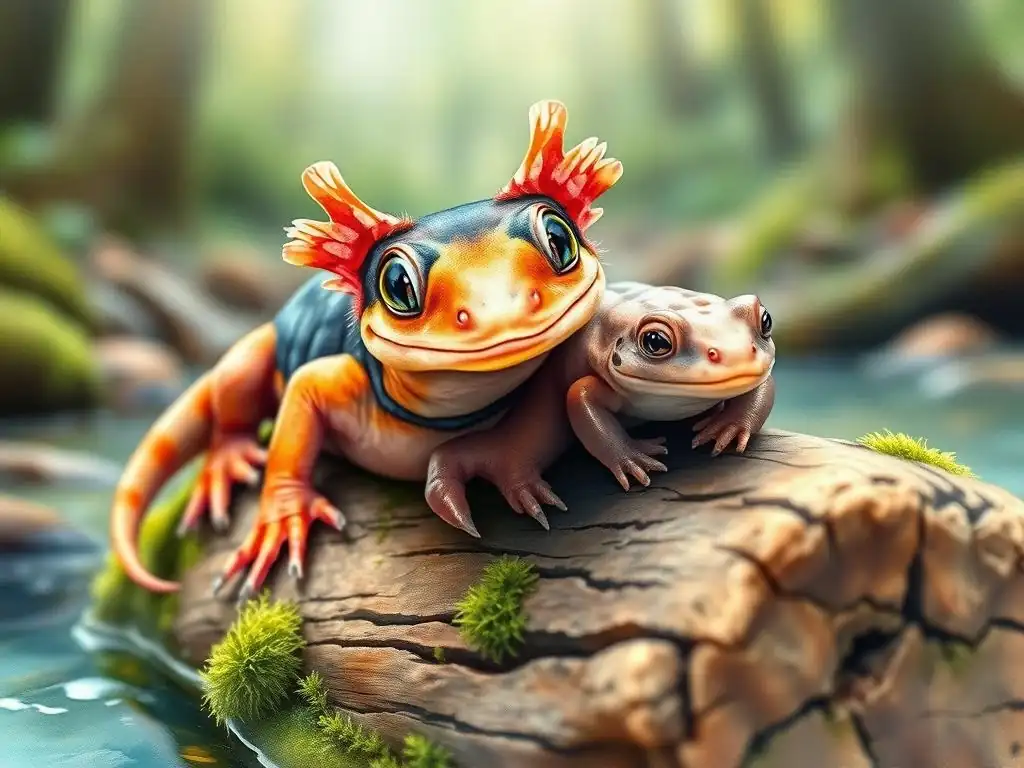
Knowing when to seek veterinary care for your salamander or newt is crucial for their well-being. While these amphibians are relatively hardy, recognizing subtle signs of illness can significantly impact their chances of recovery. This section provides a detailed checklist to help you determine when professional intervention is necessary, focusing on both emergency situations and less urgent but still important health concerns.
Early detection and prompt veterinary care are key to managing salamander and newt health effectively. Remember, a proactive approach to amphibian care is essential for preventing serious health problems and ensuring a long, healthy life for your pet.
Emergency Situations Requiring Immediate Veterinary Attention
Certain situations demand immediate veterinary attention. Delay can be life-threatening for your salamander or newt. These emergency situations include:
- Significant injury: Any major trauma, such as a severe fall, attack by another animal, or a deep wound, requires immediate veterinary care. Look for excessive bleeding, broken bones, or deep lacerations. Even seemingly minor injuries can quickly become infected in amphibians.
- Respiratory distress: Difficulty breathing, gasping for air, or open-mouth breathing are serious signs. This could indicate pneumonia, lung infection, or other life-threatening respiratory issues. Observe your amphibian carefully; rapid breathing or changes in breathing patterns are key indicators.
- Sudden lethargy and anorexia: A sudden, drastic change in behavior, such as prolonged inactivity, lack of appetite, or refusal to eat for more than a few days, warrants immediate veterinary assessment. This can be a symptom of various underlying health problems.
- Severe dehydration: Dehydration is a serious condition in amphibians. Signs include sunken eyes, loss of skin turgor (skin elasticity), and lethargy. Immediate veterinary intervention is needed to rehydrate your pet.
- Seizures or unusual neurological symptoms: If your salamander or newt experiences seizures, tremors, or other neurological signs, seek veterinary help immediately. These can indicate severe underlying medical conditions.
- Significant changes in skin: Any sudden and significant changes in skin color, texture, or presence of lesions or sores should be addressed promptly by a veterinarian. This could be indicative of various skin infections or diseases. Amphibian skin is delicate, and issues should not be taken lightly.
Understanding When to Contact an Amphibian Veterinarian
Beyond emergencies, there are several situations where contacting an amphibian veterinarian is advisable, even if the condition isn't immediately life-threatening. These include:
- Persistent lethargy or changes in behavior: Even if not as dramatic as an emergency situation, persistent lethargy, unusual inactivity, or changes in typical behavior should prompt a call to your veterinarian. These subtle changes can be early warning signs.
- Gradual weight loss: A gradual decline in weight over time can indicate a underlying problem, such as parasites or a dietary deficiency. Regular weighing helps in early detection.
- Skin abnormalities: Minor skin abnormalities, such as small sores, discoloration, or shedding problems, might not be emergencies, but should be monitored. If they worsen or persist, veterinary consultation is recommended.
- Difficulty shedding: Problems shedding skin can indicate underlying health issues, such as dehydration, improper humidity, or vitamin deficiencies. Consult a veterinarian to rule out any serious underlying conditions.
Preparing for a Veterinary Visit with Your Salamander or Newt
Preparing for a veterinary visit is crucial for a smooth and successful examination. Here's a checklist to ensure you are well-prepared:
| Task | Details |
|---|---|
| Gather Information | Note down any observed symptoms, duration, and any recent changes in the environment or diet. |
| Secure Transport | Use a secure, well-ventilated container suitable for transporting your amphibian safely and comfortably. |
| Prepare Substrate | Bring a small amount of the salamander's or newt's substrate to help maintain humidity during transport. |
| Contact Veterinarian | Call ahead to schedule an appointment and inform them of your pet's condition and any specific needs. |
| Bring Records | If possible, bring any previous veterinary records or information regarding your amphibian's history. |
Remember to handle your salamander or newt gently during transport to minimize stress. A calm and prepared approach will ensure a more accurate diagnosis and effective treatment. Your proactive participation is vital in ensuring the best possible care for your amphibian companion.
Creating a Healthy Environment for Long-Term Salamander and Newt Health
Creating a thriving environment is paramount for maintaining the health of your salamanders and newts. These amphibians are sensitive creatures, and their well-being is directly tied to the quality of their habitat. Neglecting environmental factors can lead to stress, illness, and ultimately, death. A proactive approach to habitat management is crucial for responsible salamander and newt ownership. This means understanding their specific needs and consistently monitoring their enclosure. Think of it as preventative medicine for your amphibious companions; a healthy environment is the best defense against disease. We'll explore key aspects of habitat maintenance below.
Maintaining a Clean and Safe Habitat for Your Amphibian
Maintaining a pristine habitat is fundamental to salamander and newt health. A dirty environment can quickly become a breeding ground for bacteria and parasites, leading to infections and other health problems. Regular cleaning is essential, but the frequency depends on the species and size of your enclosure. For example, a smaller tank for a single fire salamander might require daily spot cleaning of fecal matter and uneaten food, while a larger vivarium for multiple newts might necessitate weekly partial water changes and monthly deep cleans.
Remember, regular cleaning doesn't just mean removing waste; it also involves inspecting the substrate, decor, and plants for signs of decay or mold. These can harbor harmful microorganisms. The use of appropriate substrate is also key. Avoid substrates that can become easily contaminated or that might be ingested by your amphibians, leading to impaction.
Consider using a mix of topsoil, leaf litter, and sphagnum moss for a naturalistic and hygienic setup. Regularly misting the enclosure to maintain appropriate humidity levels is also crucial, as dry conditions can lead to dehydration and skin problems. Always use dechlorinated water for misting and water changes.
The goal is to mimic their natural environment as closely as possible. A clean and safe habitat minimizes the risks of disease and promotes overall well-being, contributing significantly to a longer, healthier life for your salamanders and newts. Think of it as their "immune booster" – a clean home equals a healthy amphibian.
Providing a Balanced Diet for Optimal Health
Nutrition plays a pivotal role in the overall health and vitality of your salamanders and newts. Providing a balanced and varied diet is essential for preventing nutritional deficiencies and supporting their immune systems. The specific dietary needs vary depending on the species, but generally, their diets should consist of live insects such as crickets, mealworms, and fruit flies.
The size of the prey should be appropriately sized to avoid choking hazards. Gut-loading insects with nutritious foods before feeding them to your amphibians further enhances the nutritional value of their meals. This means feeding the insects a diet rich in fruits, vegetables, and high-quality protein sources to ensure your salamanders and newts get the maximum benefit.
Avoid overfeeding, which can lead to obesity and digestive problems. Observe your amphibians' eating habits and adjust the feeding frequency accordingly. Some species are more voracious eaters than others. You should also provide variety in their diet to ensure they receive a broad range of essential nutrients.
Supplementing their diet with vitamin and mineral powders specifically formulated for amphibians can further support their health, especially during periods of rapid growth or breeding. Remember, a balanced and varied diet is not just about survival; it's about thriving. A well-nourished salamander or newt will be more resilient to disease and will exhibit vibrant colors and active behavior. Providing the right nutrition is a key component of responsible amphibian care.
Understanding the Importance of Enrichment for Salamanders and Newts
While providing a clean and nutritious environment is crucial, it's equally important to provide environmental enrichment for your salamanders and newts. Enrichment refers to providing stimuli that promote natural behaviors and prevent boredom. A lack of stimulation can lead to stress, lethargy, and a weakened immune system. Enrichment can take many forms, including adding hiding places like rocks, logs, and plants; providing shallow water pools for soaking; and incorporating live plants to create a more complex and engaging environment. This mimics their natural habitat and allows them to express natural behaviors such as foraging, exploring, and hiding.
The type and complexity of enrichment will depend on the species and size of your amphibians. For example, a terrestrial salamander may benefit from a variety of hiding places and climbing structures, while an aquatic newt might appreciate a more complex tank setup with different water depths and aquatic plants. Regularly changing the arrangement of the enclosure can also provide novelty and prevent boredom. Remember that enrichment is not just about aesthetics; it's about promoting physical and mental well-being.
A stimulated amphibian is a healthier amphibian. By providing a stimulating and engaging environment, you are contributing significantly to their overall health and longevity, making their lives richer and more fulfilling. This proactive approach to amphibian care ensures that your salamanders and newts not only survive, but thrive in your care.
Frequently Asked Questions
What is the most important aspect of salamander and newt health?
Maintaining a clean and appropriately humid environment is crucial. Proper temperature and water parameters are also essential for their well-being. Ignoring these can lead to serious health issues.
How often should I clean my salamander or newt's enclosure?
The frequency depends on the size of the enclosure and the number of animals, but weekly partial water changes and monthly full cleanings are generally recommended. Always remove waste promptly.
What are the common signs of illness in salamanders and newts?
Look for lethargy, loss of appetite, skin changes (like discoloration or lesions), unusual swelling, and difficulty breathing. Consult a veterinarian specializing in exotic animals immediately if you notice any of these.
What should I feed my salamander or newt?
Their diet should consist of appropriate sized insects, such as crickets, mealworms, and earthworms. The size of the prey should be no larger than the space between their eyes. Supplement with appropriate vitamins and minerals.
Where can I find a veterinarian experienced with salamanders and newts?
Finding an exotic animal veterinarian is key. Check online directories or contact your local animal shelters or reptile rescue organizations for recommendations. Specialized care is crucial for these animals.
Final Reflection: Guardians of the Tiny Titans
The health and well-being of our amphibian companions are inextricably linked to the health of our planet. A seemingly small act, like meticulously checking the hydration of a salamander or ensuring the cleanliness of a newt's enclosure, becomes a powerful symbol of our responsibility towards the natural world. Ignoring their needs is not just neglecting a pet; it's a reflection of a larger disregard for biodiversity.
The journey of understanding amphibian care is a continuous learning process, one that deepens our appreciation for these often-overlooked creatures. Their delicate ecosystems are under immense pressure from habitat loss and pollution, mirroring the challenges faced by many other species. The fate of the salamander is the fate of the forest, and the fate of the forest is the fate of us all.
This sentiment, though not directly about salamanders and newts, encapsulates the interconnectedness of all life and the responsibility we bear. My hope is that this checklist serves as a starting point, encouraging a deeper engagement with the fascinating world of amphibian care and conservation.
Now, I invite you to consider your own role in amphibian welfare. Beyond the practical steps outlined in this guide, what further actions can you take to protect these incredible creatures and their habitats? Perhaps it's supporting conservation organizations, advocating for responsible land management, or simply sharing your knowledge with others. Let us all become guardians of these tiny titans, ensuring their survival for generations to come.
Unlock Your Salamander's Full Potential!
Thank you for learning about keeping your salamander or newt happy and healthy! We hope this guide provided valuable insights into their unique needs. Now, let's put that knowledge into action.
- Prioritize a Comprehensive Health Check: Carefully examine your amphibian, noting any unusual behavior, skin problems, or changes in appetite. Early detection is crucial for successful treatment.
- Share Your Amphibian's Story: Have you observed any interesting quirks in your salamander's personality or habits? Share your experiences in the comments below – let's build a supportive community of amphibian enthusiasts!
- Enrich Your Salamander's Environment: Consider adding new hiding spots, climbing structures, or foraging opportunities to your salamander's enclosure to encourage natural behaviors and prevent boredom.
What's one small step you can take today to improve your salamander's well-being?