
Creating a Safe and EscapeProof Enclosure for Salamanders and Newts

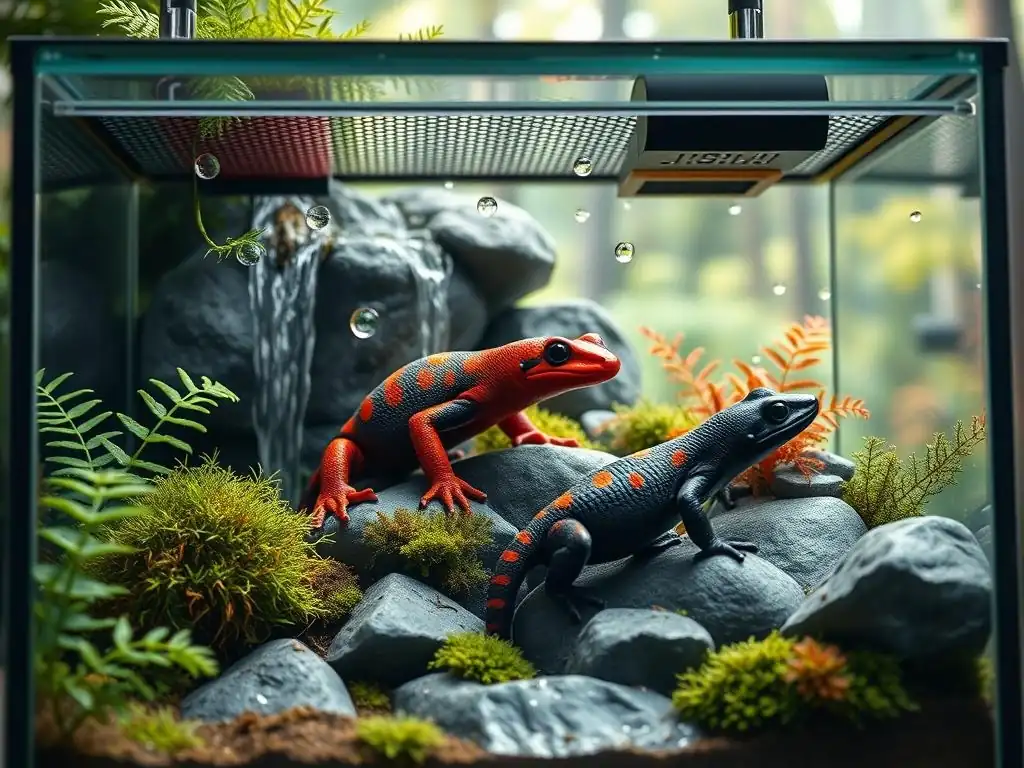
Welcome to PetCareWorld, your ultimate guide to the wonderful world of pet care! Are you ready to create a truly secure haven for your fascinating salamander? Our expert guide on building an escape-proof enclosure tackles the challenges of keeping these captivating creatures safely contained, ensuring their well-being and your peace of mind. Discover the secrets to a thriving salamander habitat – read on to learn more!
- Understanding Salamander and Newt Enclosure Requirements
- Designing an Escape-Proof Salamander and Newt Enclosure
- Creating a Safe and Stimulating Environment for Your Salamanders and Newts
- Maintaining a Clean and Healthy Salamander and Newt Enclosure
- Advanced Escape-Proofing Techniques for Salamanders and Newts
- Troubleshooting Common Salamander and Newt Enclosure Problems
- Resources for Building a Safe Salamander and Newt Enclosure
- Frequently Asked Questions
- Final Reflection: Securing a Future for Salamanders, One Enclosure at a Time
- Unlock Your Salamander's Sanctuary: Build the Perfect Enclosure Today!
Understanding Salamander and Newt Enclosure Requirements
Creating a safe and escape-proof enclosure is paramount for the well-being of your salamanders and newts. These fascinating amphibians have specific environmental needs, and a poorly designed habitat can lead to stress, injury, or even escape. This comprehensive guide will walk you through the essential steps to build a secure and thriving environment for your aquatic or terrestrial companions. We'll cover everything from selecting the right enclosure size and substrate to maintaining optimal temperature and humidity levels, ensuring your salamanders and newts live long, healthy lives.
This guide is designed to help you create the perfect home for your pets, addressing common concerns and providing practical solutions to prevent escapes and promote their overall health and happiness. Remember, a happy amphibian is a healthy amphibian! 🦎
Essential Enclosure Size for Different Species
The size of your salamander or newt enclosure is critically important and depends heavily on the species. Larger species, like the axolotl, require significantly more space than smaller species like fire salamanders. Failing to provide adequate space can lead to stress, territorial disputes, and stunted growth. Generally, the rule of thumb is "bigger is better," but here's a more specific breakdown:
| Species Type | Minimum Enclosure Size (Approximate) | Notes |
|---|---|---|
| Axolotls | 20 gallons (75 liters) per adult | Requires ample swimming space and hiding places. |
| Larger Terrestrial Species (e.g., Fire Salamanders) | 10 gallons (37 liters) per adult | Consider the adult size; multiple adults may need a larger enclosure. |
| Smaller Terrestrial Species | 5 gallons (19 liters) per adult | Ensure adequate depth of substrate for burrowing. |
Remember, these are minimum sizes. Providing more space is always beneficial and allows for more enriching habitat features. Always research the specific needs of your species before purchasing an enclosure. Consider future growth – a juvenile salamander will need to be moved to a larger enclosure as it matures.
Substrate Selection: Safety and Humidity Control for Salamanders and Newts
Choosing the right substrate is crucial for maintaining appropriate humidity and providing a safe environment for burrowing and foraging. Avoid substrates that can be ingested and cause impaction, such as sand or small gravel. Suitable options include:
- Paper towels: A simple and easily cleanable option, particularly useful for quarantine or young amphibians.
- Coco coir: A natural and readily available substrate that retains moisture well, mimicking a natural environment. Ensure it's properly rinsed before use.
- Leaf litter: Provides a natural-looking and enriching environment, but requires careful monitoring to prevent mold growth.
Avoid substrates that retain too much moisture, which can lead to bacterial growth and skin problems. Proper ventilation is also key to preventing mold and maintaining a healthy humidity level. Regular spot cleaning and periodic complete substrate changes are essential for hygiene. Always use clean water when misting the enclosure.
Maintaining Optimal Temperature and Humidity Levels for Amphibians
Maintaining the correct temperature and humidity is essential for the health and survival of your salamanders and newts. Fluctuations in these parameters can lead to stress, illness, and even death. The specific requirements vary depending on the species, but generally:
- Temperature: Most salamanders and newts thrive in temperatures between 60-75°F (15-24°C). Use a thermometer to monitor the temperature consistently, and adjust heating or cooling as needed. Avoid direct heat sources, which can cause burns.
- Humidity: High humidity is crucial. Aim for 70-90% humidity. Regular misting, a humidity hide, and a well-chosen substrate will help maintain optimal levels. A hygrometer is essential to monitor humidity levels accurately.
Consistent monitoring is key. Regularly check and adjust temperature and humidity as needed to ensure your salamanders and newts remain happy and healthy. Remember that even small fluctuations can have a significant impact on their well-being. A well-maintained enclosure is the foundation for a thriving amphibian companion.
Providing Hiding Places and Enrichment for a Natural Habitat
Salamanders and newts are naturally shy creatures that thrive in environments that mimic their wild habitats. Providing ample hiding places is crucial not only for their well-being but also for reducing stress and encouraging natural behaviors. A lack of sufficient cover can lead to increased anxiety, impacting their appetite and overall health. Think of it like this: would you feel comfortable living in a completely open space with no place to retreat? The answer is likely no, and the same applies to these fascinating amphibians.
To create a suitable environment, incorporate various hiding spots of different sizes and materials. These could include: half-log hides, cork bark pieces, flat rocks, artificial plants, and even commercially available reptile hides. Varying the types of hides provides different levels of security and encourages exploration. For example, a larger, more open hide might be preferred for basking, while a smaller, enclosed space offers a secure retreat from perceived threats. Remember to ensure that all hiding places are secure and cannot be easily dislodged by your salamander or newt, potentially causing injury or escape.
Enrichment goes beyond simply providing hiding places. It involves creating a stimulating and engaging environment that mimics the natural complexity of their wild habitat. This can be achieved through the careful arrangement of substrate, the addition of live plants, and the inclusion of small, shallow water features. Live plants, such as Anubias or Java fern, not only enhance the aesthetic appeal but also provide additional hiding spots and contribute to a healthier environment by helping to filter the water.
A shallow water dish allows for soaking and hydration, mimicking their natural behaviors. Remember to change the water frequently to maintain hygiene and prevent the build-up of harmful bacteria. The key is to create an environment that is both visually appealing and functionally enriching for your salamander or newt, stimulating natural behaviors and reducing stress. A thoughtfully designed enclosure will not only keep your pet safe but also contribute to its overall well-being and longevity.
Consider adding variations in substrate depth and texture to further enhance the complexity of the environment. This might involve using a mix of soil, leaf litter, and sphagnum moss to create different microhabitats within the enclosure. A well-planned and enriched enclosure is crucial for a healthy and happy salamander or newt.
Designing an Escape-Proof Salamander and Newt Enclosure
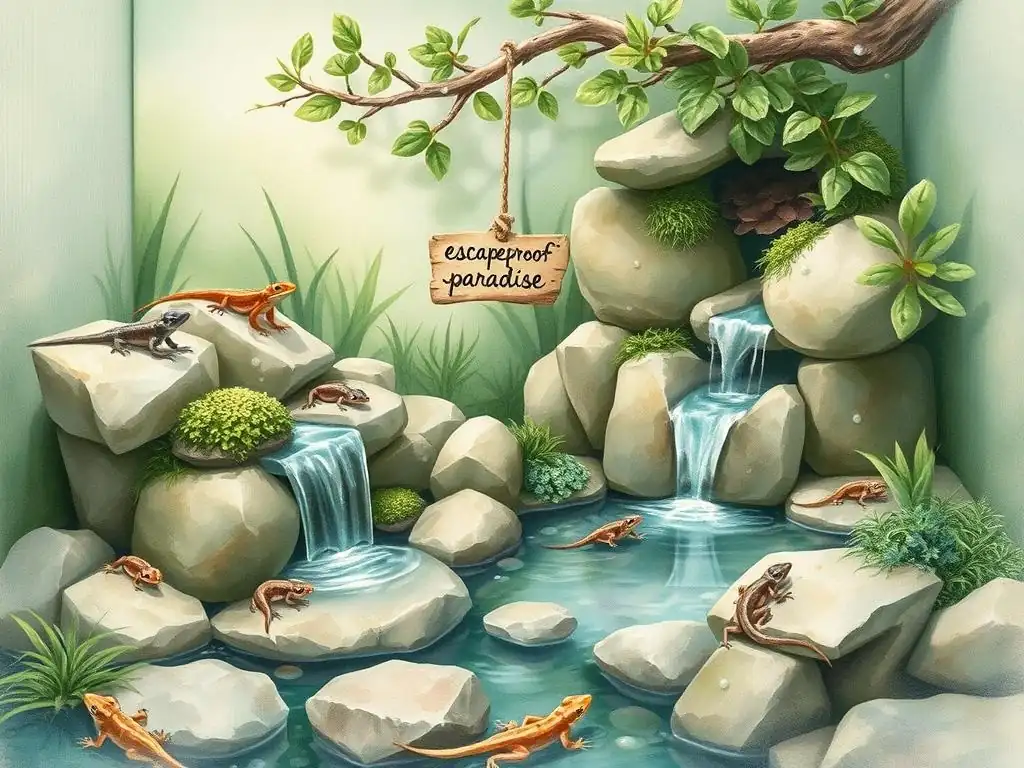
This section delves into the crucial aspects of constructing a secure and escape-proof enclosure for your salamanders and newts. These amphibians, while charming, are masters of escape, utilizing even the smallest crevices to make a daring bid for freedom. A well-designed enclosure is paramount to their safety and well-being, preventing stressful escapes and ensuring their long-term health. This guide provides a detailed, practical approach to building a truly escape-proof salamander and newt habitat. Remember, a secure enclosure is the cornerstone of responsible amphibian keeping.
Choosing the Right Enclosure Material: Glass vs. Plastic
The choice between glass and plastic for your salamander enclosure significantly impacts its escape-proof capabilities. While both materials offer advantages, glass generally provides a more secure and robust solution.
Glass terrariums offer superior visibility, allowing for easy observation of your amphibians. Moreover, smooth glass surfaces make it significantly harder for salamanders and newts to climb and escape compared to textured plastic. However, glass enclosures can be heavier and more prone to breakage. Consider the size and weight capacity of your chosen enclosure to ensure stability and safety. A larger glass enclosure will naturally be heavier and require more careful handling.
Plastic enclosures, on the other hand, are lighter and more affordable. However, their textured surfaces can provide footholds for escape-artist amphibians. Furthermore, some plastics can degrade over time, potentially leading to cracks or warping that compromise the enclosure's integrity. If opting for plastic, choose a high-quality, durable material known for its resistance to cracking and warping. Always inspect the enclosure regularly for any signs of damage.
| Material | Advantages | Disadvantages | Escape-Proof Rating |
|---|---|---|---|
| Glass | Superior visibility, smooth surface, durable | Heavier, more expensive, prone to breakage | ⭐⭐⭐⭐⭐ |
| Plastic | Lighter, more affordable | Textured surface, potential for degradation | ⭐⭐⭐ |
Choosing the right material is a critical step in creating a safe and escape-proof environment for your salamanders and newts. Prioritizing a smooth, non-porous surface is essential to minimizing escape opportunities.
Securing the Lid: Preventing Escape Attempts by Salamanders and Newts
The lid is the most vulnerable point of any enclosure, hence securing it is paramount. Salamanders and newts are surprisingly adept climbers and can exploit even seemingly minor gaps. Therefore, the lid needs to be securely fastened and completely sealed. Several methods can be employed to ensure a secure lid.
- Secure Locking Mechanisms: Opt for enclosures with secure locking mechanisms, such as clips, latches, or screws. Avoid lids that simply rest on top of the enclosure. Multiple locking points provide added security.
- Silicone Sealant: Applying a bead of aquarium-safe silicone sealant around the perimeter of the lid significantly enhances its seal, preventing escapes through even minute gaps. Ensure the sealant is fully cured before introducing your amphibians.
- Weight: Adding weight to the lid, such as placing heavy objects on top, can deter escapes, especially with smaller enclosures. However, this method should be used cautiously to avoid damage to the enclosure or injury to the animals.
- Mesh Lids: While mesh lids provide ventilation, they are inherently less secure and should be avoided for escape-prone species. If ventilation is a concern, consider using screened vents with small mesh sizes and secure fastenings.
Regularly inspect the lid and its locking mechanism for any signs of wear or damage. A compromised lid is a direct invitation for an escape. Proactive maintenance is key to preventing escapes.
Sealing Gaps and Cracks: Preventing Escapes Through Small Openings
Even seemingly insignificant gaps and cracks can provide an escape route for determined salamanders and newts. Thorough sealing is crucial to create a truly escape-proof environment.
- Silicone Sealant: Use a high-quality, aquarium-safe silicone sealant to seal any gaps or cracks in the enclosure's seams, edges, or around any accessories. Apply a generous bead of sealant and allow it to fully cure before introducing your amphibians. Regularly inspect the sealant for any signs of degradation or damage.
- Caulk: In cases of larger gaps or cracks, caulk can provide a more robust seal than silicone. Choose a type of caulk suitable for use in terrariums and ensure it is non-toxic to amphibians.
- Substrate Depth: The type and depth of the substrate can also influence escape potential. A deep layer of moist substrate can help prevent burrowing escapes. However, the substrate should be carefully chosen to ensure it's suitable for the specific species of salamander or newt being housed.
Remember, meticulous attention to detail is key. A single overlooked gap can compromise the entire escape-proof design. Regularly inspect the enclosure for any potential escape routes, proactively addressing any issues before they become a problem. Preventing escapes ensures the well-being and safety of your beloved amphibians. Following these guidelines will significantly reduce the chances of your salamanders or newts making a daring escape.
Substrate Depth and Escape Prevention: Managing Burrowing Behavior
Salamanders and newts, particularly terrestrial species, are known for their burrowing behavior. Understanding and managing this instinct is crucial for creating an escape-proof enclosure. The depth of your substrate plays a significant role in preventing escapes and ensuring your amphibians' well-being. Simply put, a shallow substrate will only encourage escape attempts as your salamanders will feel the need to burrow deeper, leading them to find weaknesses in your enclosure's construction.
A deeper substrate, however, offers a more natural environment and significantly reduces the likelihood of escape. Aim for a substrate depth of at least 4-6 inches, depending on the size and burrowing habits of your specific species. For larger species or those known for extensive burrowing, even 8 inches might be necessary. This depth provides ample space for burrowing and foraging, satisfying their natural instincts without prompting them to seek escape routes.
Remember that the type of substrate also impacts escape prevention. Loose substrates like peat moss or coconut fiber are easier to burrow through than denser mixes. Consider adding a layer of leaf litter on top for a more naturalistic look and added humidity retention, but this shouldn't compromise the overall depth of the substrate.
The choice of substrate is also an important consideration. While loose substrates are appealing for their natural appearance and moisture retention, they can make it easier for salamanders to tunnel their way out. Denser substrates like a well-mixed blend of topsoil, peat moss, and coco coir offer a compromise: they retain moisture well, provide a natural-looking environment, and are more difficult to burrow through than loose peat moss alone.
You can even experiment with adding small stones or pebbles to the mix to further discourage burrowing and add textural variety to the enclosure. Regularly monitoring the substrate for signs of excessive burrowing or tunneling is also essential. If you notice significant changes or potential escape routes, adjust the substrate depth or consider alternative substrate types.
Remember, a properly designed substrate isn't just about preventing escapes; it's about providing a healthy and enriching environment for your salamanders and newts. By carefully selecting the substrate type and depth, you can create a safe and stimulating habitat that meets your amphibians' natural needs while effectively preventing escape attempts. Always research the specific requirements of your salamander or newt species, as their burrowing habits can vary significantly.
Creating a Safe and Stimulating Environment for Your Salamanders and Newts
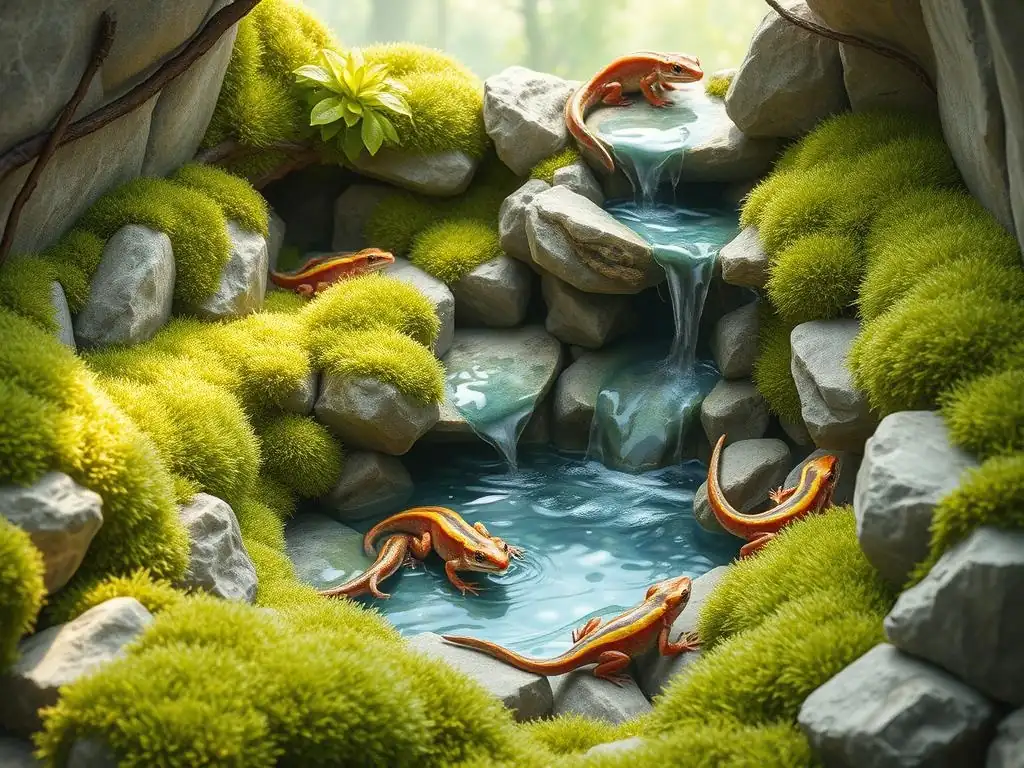
This section delves into the crucial aspects of designing a habitat that not only prevents escapes but also promotes the well-being of your salamanders and newts. A stimulating environment is key to their health and longevity. Remember, a happy amphibian is a healthy amphibian! This guide focuses on creating an escape-proof salamander enclosure, a vital aspect of responsible amphibian ownership. We'll explore the key components to ensure your pets thrive.
Water Features: Designing Safe and Accessible Water Sources
Water is paramount for salamanders and newts. They require access to clean, shallow water for drinking, soaking, and shedding their skin. However, the water source must be designed carefully to prevent escapes. Avoid deep water bowls; instead, opt for shallow dishes or gently sloping ramps leading into the water. The ideal setup incorporates a water feature integrated into the substrate, such as a small, shallow stream or pond created using waterproof sealant and carefully placed rocks.
Consider these points when designing your water feature:
- Shallow Depth: The water should be shallow enough for your salamanders and newts to easily enter and exit. Aim for a depth of no more than 1-2 inches.
- Smooth Edges: Avoid sharp or jagged edges that could injure your amphibians. Smooth, rounded stones are ideal for creating a natural-looking water feature.
- Regular Cleaning: Clean the water feature daily or every other day, depending on the size and number of your amphibians. Use dechlorinated water and avoid harsh chemicals.
- Water Quality: Monitor water parameters regularly, including temperature and pH levels. A water testing kit is a valuable investment for any amphibian keeper. Maintaining optimal water quality prevents disease and ensures the well-being of your pets. This is a critical component of your salamander enclosure escape proof guide.
An improperly designed water source can become a pathway for escape, so careful planning is essential. For example, a steep-sided bowl can allow agile newts to climb out. A carefully constructed, shallow water feature significantly reduces the risk of escape.
Providing Appropriate Lighting: UVB and Heat Lamps for Salamanders and Newts
While salamanders and newts don't require the same intense UVB lighting as many reptiles, providing a suitable light cycle is still important for their overall well-being. This contributes to their natural behavioral patterns and helps regulate their body temperature. Overheating, however, should be avoided.
The type of lighting you choose will depend on the species of salamander or newt you are keeping. Some species thrive in cooler environments, while others appreciate a slightly warmer basking spot. Research your specific species' needs to determine the appropriate lighting and temperature gradient.
- Heat Lamps: A low-wattage heat lamp can provide a localized basking spot, allowing your amphibians to thermoregulate. Avoid placing the lamp directly above the enclosure, as this can lead to overheating. Instead, position it off to one side.
- UVB Lighting: While not essential for all species, a low-output UVB bulb can be beneficial for some salamanders and newts, particularly those kept in enclosures with limited natural light. This helps support vitamin D3 synthesis.
- Day/Night Cycle: Maintain a consistent day/night cycle of approximately 12 hours of light and 12 hours of darkness. This mimics their natural environment and helps regulate their behavior and overall health.
Remember, providing the correct lighting is a crucial aspect of your salamander enclosure escape proof guide because it contributes to a healthy and happy pet, reducing stress and the likelihood of escape attempts related to discomfort.
Decorating the Enclosure: Safe and Natural Decorations for Amphibians
Enrichment is crucial for reducing stress and promoting natural behaviors in salamanders and newts. However, decorations must be carefully chosen to ensure they are safe and do not create escape routes.
Here's a list of safe decoration options:
- Rocks and Stones: Smooth, rounded rocks and stones provide hiding places and create a natural-looking environment. Avoid sharp or jagged rocks that could injure your amphibians.
- Driftwood: Pieces of driftwood can be added to provide climbing structures and additional hiding places. Ensure the driftwood is thoroughly cleaned and free of any harmful chemicals before adding it to the enclosure.
- Plants: Live or artificial plants can add visual appeal and provide cover. Avoid plants that are toxic to amphibians. Research the species carefully before introducing any live plants.
- Leaf Litter: A layer of leaf litter on the substrate provides additional hiding places and mimics a natural environment. Choose leaf litter that is free of pesticides and other harmful chemicals.
When decorating, remember that creating a secure and stimulating environment is paramount. Avoid creating gaps or crevices that could be exploited as escape routes. A well-designed enclosure, even with plenty of enrichment, will still prevent escapes and ensure the long-term health and happiness of your salamanders and newts. This is a vital part of any comprehensive salamander enclosure escape proof guide.
Plant Selection: Non-Toxic and Safe Plant Life for Your Salamander Enclosure
Choosing the right plants for your salamander enclosure is crucial, not just for aesthetics, but for the well-being of your amphibian companions. Salamanders and newts are sensitive creatures, and ingesting toxic plants can lead to serious health problems, even death. Therefore, meticulous plant selection is paramount in creating a safe and stimulating environment. This requires careful research to ensure that any plant introduced is completely non-toxic to your specific species of salamander or newt.
One of the most important factors to consider is the plant's origin. Avoid plants treated with pesticides or herbicides, as these chemicals can be absorbed by the plant and then ingested by your salamander, causing harm. Always opt for organically grown plants or plants grown in your own controlled environment. This guarantees the absence of potentially harmful chemicals. Furthermore, consider the plant's maturity. Young plants may be more susceptible to pesticide residue than mature ones.
When selecting plants, research the specific toxicity of each species to salamanders and newts. Many common houseplants are toxic to amphibians. For example, Dieffenbachia (dumb cane), Philodendron, and Pothos are popular houseplants that are highly toxic and should be completely avoided. Instead, focus on plants known to be safe, such as certain varieties of bromeliads, Java moss, and various types of ferns. These plants not only provide visual appeal but also offer hiding places and enrichment for your salamanders.
The size and placement of plants are also important considerations. Larger plants can create a more naturalistic environment and provide ample cover, reducing stress for your salamanders. However, avoid overcrowding the enclosure, as this can hinder ventilation and make cleaning more difficult. Strategically place plants to create different levels and hiding spots, mimicking their natural habitat. This provides a more stimulating and enriching environment for your pets. Remember to research the specific needs of your salamander species; some may prefer a more heavily planted environment than others.
Finally, always monitor your plants for any signs of disease or pests. Infested plants can introduce parasites or diseases to your salamanders, impacting their health. Regularly inspect your plants and remove any that show signs of illness or infestation to maintain a healthy and safe enclosure. This proactive approach ensures the long-term well-being of your beloved amphibians. A healthy, thriving plant life is an essential component of a successful and escape-proof salamander enclosure.
Maintaining a Clean and Healthy Salamander and Newt Enclosure
Maintaining a clean and healthy environment is crucial for the well-being of your salamanders and newts. Neglecting hygiene can lead to bacterial infections, parasitic infestations, and ultimately, the death of your amphibians. This section details best practices for maintaining a sanitary and stimulating habitat, directly impacting their health and longevity. A clean enclosure is a key component of any successful salamander enclosure escape proof guide.
Regular Cleaning and Maintenance Schedule for Salamander Enclosures
A regular cleaning schedule is paramount. The frequency depends on the size of the enclosure, the number of amphibians housed, and the substrate used. However, a good rule of thumb is to perform partial water changes (for aquatic species) and spot cleanings daily. This involves removing uneaten food, fecal matter, and any decaying plant material.
A more thorough cleaning should be done at least once a week, or even more frequently for smaller enclosures. This entails:
- Removing all substrate: Carefully remove all substrate, such as peat moss, coconut fiber, or soil. Thoroughly rinse and replace it with fresh, clean substrate.
- Washing the enclosure: Wash the enclosure thoroughly with dechlorinated water and a pet-safe cleaning solution (see below). Avoid harsh chemicals.
- Rinsing thoroughly: Rinse the enclosure meticulously to remove all traces of cleaning solution. Residual chemicals can be harmful to your amphibians.
- Replanting and decorating: Carefully replace the substrate, plants, and decorations. Ensure everything is securely in place to prevent escape.
Consider using a dedicated cleaning tool set for your amphibian enclosure to prevent cross-contamination with other cleaning supplies. This minimizes the risk of introducing harmful bacteria or chemicals into the habitat. Regular maintenance is a vital aspect of any effective salamander enclosure escape proof guide.
Safe Cleaning Products for Salamander and Newt Habitats
Choosing the right cleaning products is essential. Avoid all products containing chlorine bleach, ammonia, or other harsh chemicals. These substances can be highly toxic to salamanders and newts, even in dilute concentrations. Opt for pet-safe cleaning solutions specifically designed for reptile and amphibian enclosures. Alternatively, a mild solution of dechlorinated water and a tiny amount of white vinegar can be effective for removing organic matter. Always rinse thoroughly after cleaning.
Here's a table summarizing safe and unsafe cleaning products:
| Product Type | Safe Options | Unsafe Options |
|---|---|---|
| Cleaning Solution | Pet-safe reptile/amphibian cleaners | Bleach, ammonia, disinfectants with harsh chemicals |
| Water | Dechlorinated water | Tap water (unless dechlorinated) |
| Substrate Cleaning | Gentle scrubbing with dechlorinated water | Harsh scrubbing that damages the substrate |
Remember, prevention is better than cure. Regular spot cleaning minimizes the need for aggressive cleaning, reducing the risk of harming your pets and their environment. This careful approach is a cornerstone of any reliable salamander enclosure escape proof guide.
Recognizing Signs of Illness or Stress in Salamanders and Newts
Early detection of illness or stress is crucial for successful treatment. A healthy salamander or newt will be alert, active, and have bright, clear skin. Signs of illness or stress may include:
- Lethargy: Unusually sluggish behavior or lack of appetite.
- Skin lesions: Redness, swelling, or open sores on the skin.
- Changes in coloration: Fading or unusual discoloration of the skin.
- Abnormal respiration: Rapid or labored breathing.
- Loss of appetite: Refusal to eat for extended periods.
- Abnormal shedding: Difficulty shedding skin or excessive shedding.
- Dehydration: Sunken eyes or dry skin.
If you observe any of these signs, immediately isolate the affected amphibian and consult a veterinarian specializing in reptiles and amphibians. Prompt action can significantly increase the chances of a successful recovery. Regular monitoring and early intervention are essential components of a comprehensive salamander enclosure escape proof guide, ensuring the well-being of your delicate charges. Ignoring these signs can lead to serious health complications and even death.
Advanced Escape-Proofing Techniques for Salamanders and Newts
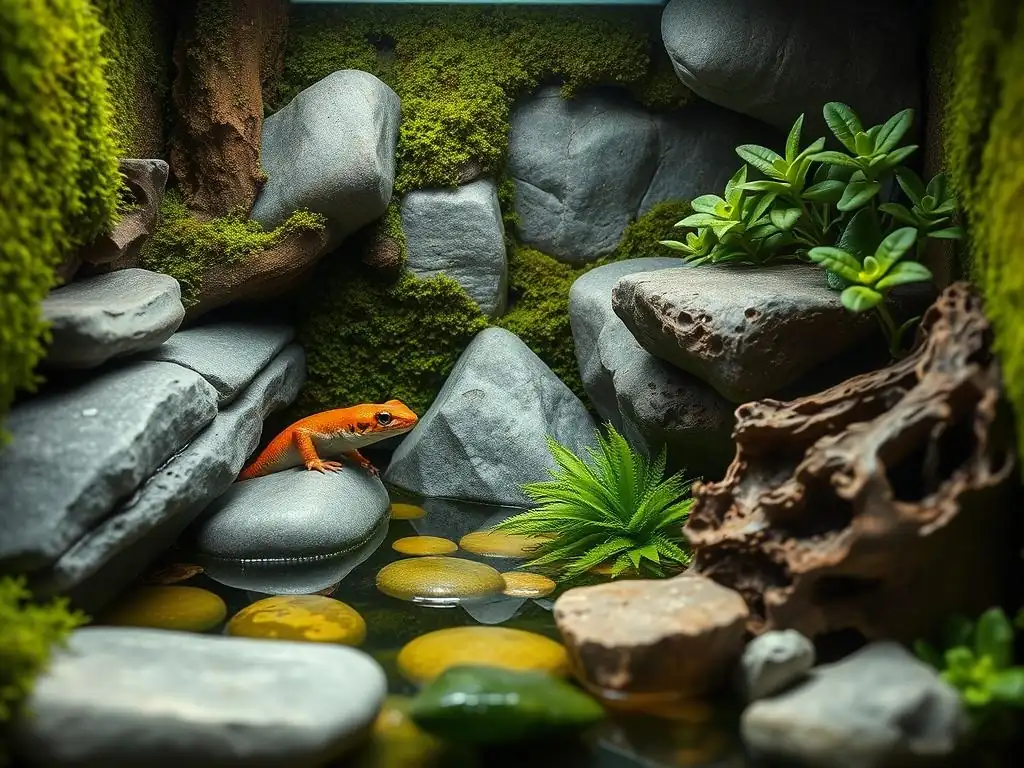
This section delves into advanced strategies to create a truly escape-proof enclosure for your salamanders and newts, going beyond basic setup. These techniques address the ingenuity of even the most determined escape artists among amphibians. Remember, even small gaps can be exploited by these surprisingly agile creatures. This guide focuses on "Salamander enclosure escape proof guide" best practices.
Advanced Lid Securing Mechanisms: Preventing Determined Escapes
Standard lids can be surprisingly easy for determined amphibians to overcome. Here's how to elevate your lid security:
- Multiple Locking Mechanisms: Don't rely on a single latch. Use a combination of clips, latches, and even strategically placed weights to secure the lid. Consider using at least three separate locking points distributed evenly along the lid's perimeter. This significantly reduces the chance of a successful escape.
- Silicone Sealant: Apply a high-quality, non-toxic silicone sealant around the edges of the lid where it meets the enclosure. This creates an airtight and escape-proof seal, preventing even the slimmest salamander from squeezing through. Ensure the sealant is specifically designed for use in terrariums and is safe for amphibians.
- Internal Lid Support: For larger enclosures, consider incorporating internal supports to prevent the lid from warping or bending under pressure. This is particularly important if you’re using a glass lid. A warped lid can create gaps, undermining your escape-proofing efforts.
- Weight Distribution: Strategically placing heavy objects on top of the lid, such as smooth, non-porous rocks or bricks, adds an extra layer of security. This makes it harder for your salamander to lift the lid, even if it manages to overcome the latches. Avoid anything that could damage the enclosure or pose a risk to your pet.
The key is redundancy. Multiple layers of security offer the best protection against escape attempts. Regularly inspect your lid securing mechanisms for any signs of wear and tear or damage.
Specialized Substrate for Escape Prevention: Controlling Burrowing Behavior
Substrate choice significantly impacts escape risk. Certain substrates encourage burrowing, which can lead to accidental escapes or even successful escapes through compromised enclosure walls.
- Substrate Depth: While providing ample substrate for burrowing is important for natural behavior, excessive depth can increase escape risk. Limit substrate depth based on your salamander's species and burrowing habits. Research your specific species to determine the appropriate depth. A shallower depth, combined with a smooth, non-porous bottom layer, will minimize this risk.
- Substrate Type: Avoid loose, easily-moved substrates like peat moss or loose soil, which can be easily tunnelled through. Opt for a combination of substrates that provide moisture retention and are less conducive to burrowing. Consider a mix of coco fiber, sphagnum moss (in limited amounts), and a layer of smooth river rocks or pebbles at the base. This combination offers a suitable environment while minimizing escape opportunities.
- Smooth Enclosure Walls: Ensure the walls of your enclosure are smooth and free of cracks or gaps. Any irregularities can be exploited by burrowing salamanders. Regularly inspect the enclosure walls for any damage.
- Escape-Proofing the Bottom: Consider applying a thin layer of aquarium-safe silicone sealant along the bottom edges of the enclosure, particularly where the substrate meets the walls. This creates a barrier that prevents burrowing animals from digging their way out.
Monitoring Your Enclosure for Potential Escape Points: Regular Checks and Maintenance
Even the most meticulously constructed enclosure can develop weaknesses over time. Regular monitoring is crucial to prevent escapes.
- Regular Inspections: Conduct thorough visual inspections of your enclosure at least once a week. Pay close attention to the seams, corners, and lid seals for any signs of damage or gaps. Check the substrate for any signs of tunneling or significant shifting.
- Preventative Maintenance: Address any potential escape points immediately. Repair any cracks or gaps in the enclosure, reseal any loose seams, and replace any damaged components. Regular maintenance prevents small problems from escalating into significant escape risks.
- Behavioral Observation: Observe your salamanders' behavior for any signs of attempted escapes. Changes in behavior, such as persistent attempts to climb or dig, could indicate a weakness in your enclosure’s security. Addressing these issues proactively prevents potential escapes.
- Documentation: Keep a log of your enclosure inspections and maintenance activities. This detailed record will help you identify potential problems and track the effectiveness of your escape-proofing strategies. This is especially helpful if you have multiple salamanders or are dealing with particularly persistent escape artists. This detailed approach will help you maintain a safe and secure environment for your beloved amphibians, ensuring they thrive in their habitat. 🦎
Troubleshooting Common Salamander and Newt Enclosure Problems
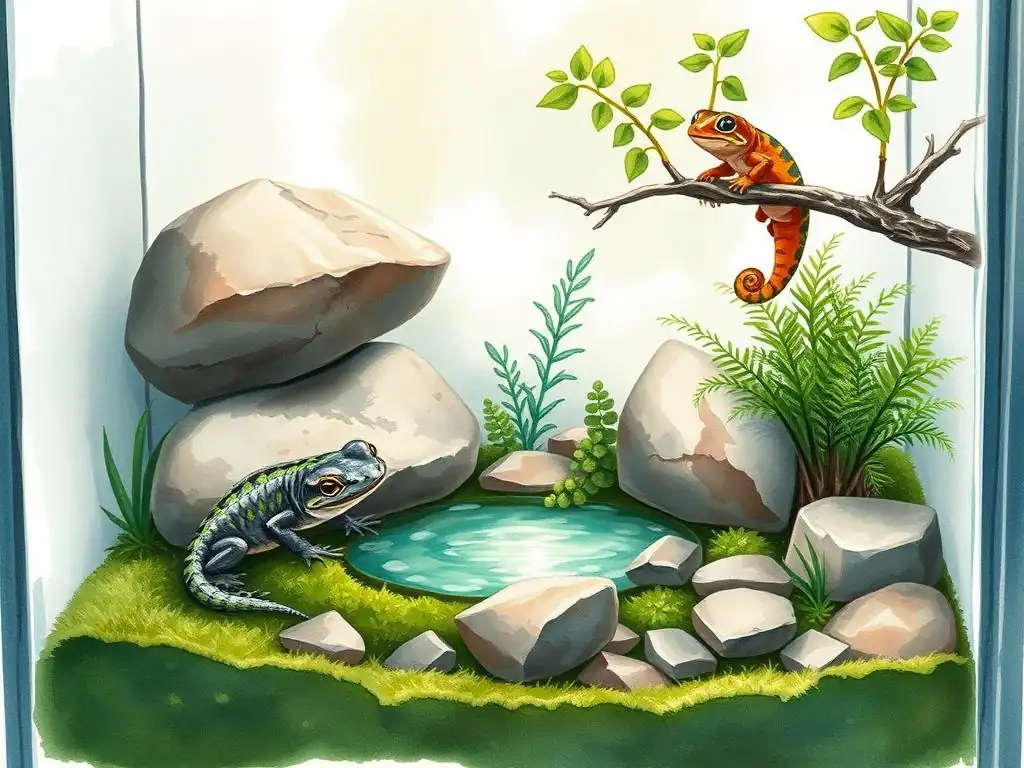
This section addresses common issues encountered when creating and maintaining a secure salamander and newt enclosure. Successfully keeping these amphibians requires vigilance and attention to detail. Even seemingly minor oversights can lead to escapes or health problems. Let's delve into some frequent challenges and their solutions. This guide focuses on practical solutions to problems often encountered by even experienced amphibian keepers, helping you create a truly escape-proof and thriving environment for your salamanders and newts.
Dealing with Persistent Escape Attempts: Identifying and Fixing Weak Points
Persistent escape attempts indicate weaknesses in your enclosure design. Salamanders and newts, while not renowned for their climbing prowess, are surprisingly adept at exploiting even small gaps. Thoroughly inspect your enclosure for potential escape routes.
- Check all seals and joints: Ensure a tight fit between glass panels, lids, and substrate. Silicone sealant is your friend! Apply a generous bead and allow ample drying time before introducing your amphibians. Regularly check for cracks or deterioration of the sealant.
- Inspect mesh lids: Fine-mesh lids are crucial for ventilation, but even small holes can become escape points. Consider using double-layered mesh or reinforcing weak spots with additional mesh or tape. Never underestimate the determination of a determined newt!
- Substrate assessment: Loose substrate like peat moss or coco fiber can be tunneled through by persistent escape artists. Consider a solid base layer of a less easily manipulated material, such as a layer of smooth river rocks, followed by your preferred substrate.
- Vertical surfaces: Any vertical surfaces, even smooth ones, might offer a foothold. Ensure that all vertical components, such as background decorations, are securely attached and offer no climbing opportunities. Consider using smooth, vertical surfaces like glass or polished slate.
- Lid security: The lid is your primary defense against escapes. Make sure it's securely fastened, using clips, latches, or weights appropriate for the enclosure size and weight. Never rely on a loosely fitting lid.
- Plant selection: While live plants enhance the enclosure's aesthetics and provide cover, some species can be easily climbed. Opt for low-growing plants or securely anchor any taller plants to prevent them from providing escape routes.
Addressing Humidity and Temperature Fluctuations: Maintaining Optimal Conditions
Maintaining stable humidity and temperature is paramount for the health and well-being of salamanders and newts. Fluctuations can stress these sensitive creatures, weakening their immune systems and potentially leading to illness or death.
- Accurate monitoring: Invest in a reliable digital thermometer and hygrometer to monitor temperature and humidity levels consistently. Place these instruments within the enclosure to obtain accurate readings. Note: digital devices are generally more accurate than analog ones.
- Humidity control: Low humidity can lead to dehydration, while excessively high humidity can promote fungal growth. Use a combination of misting, substrate choice (e.g., sphagnum moss retains moisture well), and potentially a humidifier or fogger to maintain optimal humidity levels (typically 60-80%, species-dependent).
- Temperature regulation: Salamanders and newts are ectothermic, meaning they rely on external sources for heat regulation. Use a thermostat-controlled heat mat or under-tank heater to maintain a consistent temperature gradient within the enclosure, allowing your amphibians to thermoregulate effectively. Avoid dramatic temperature swings.
- Ventilation: Proper ventilation is key to preventing excess humidity buildup, but it shouldn't compromise temperature stability. Ensure adequate ventilation while minimizing drafts. Balance is crucial here.
Common Mistakes to Avoid When Building a Salamander Enclosure
Avoiding common errors during the setup phase is crucial for creating a successful and escape-proof salamander enclosure. Here are some pitfalls to watch out for:
- Improper substrate: Using inappropriate substrates can lead to health problems and escape opportunities. Avoid using substrates that can be easily ingested or that retain too much or too little moisture. Thoroughly research species-specific substrate requirements.
- Inadequate ventilation: Poor ventilation can lead to high humidity and the build-up of harmful gases, impacting the health of your amphibians. Ensure adequate airflow without creating drafts.
- Ignoring temperature gradients: Failing to provide a temperature gradient within the enclosure prevents your salamanders and newts from thermoregulating effectively. This can lead to stress and health issues.
- Overcrowding: Overcrowding leads to competition for resources, stress, and increased risk of disease transmission. Ensure ample space for each individual.
- Neglecting hiding places: Amphibians require secure hiding places to feel safe and reduce stress. Provide ample cover using rocks, plants, and other suitable hiding spots. Remember, a stressed amphibian is more likely to attempt an escape.
- Using unsuitable materials: Avoid using toxic materials in the construction or decoration of the enclosure. Ensure all materials are safe for amphibians. Research thoroughly before using any material.
Remember, meticulous planning and attention to detail are key to creating a thriving and escape-proof environment for your salamanders and newts. Regularly inspect your enclosure for any potential weaknesses and address them promptly. Your proactive approach will ensure the long-term health and happiness of your amphibian companions.
Resources for Building a Safe Salamander and Newt Enclosure
This section details the resources needed to construct a secure and thriving habitat for your salamanders and newts. Creating an escape-proof enclosure requires careful planning and the right materials. This guide will help you navigate the process, ensuring your amphibians remain safe and comfortable. Remember, a well-designed enclosure is crucial for the long-term health and happiness of your pets. This is a critical component of your Salamander enclosure escape proof guide.
Recommended Enclosure Supplies and Materials:
Building a suitable salamander and newt enclosure involves selecting appropriate materials that are both safe and effective in preventing escapes. The following list provides a comprehensive overview of essential supplies:
- Glass or Acrylic: These transparent materials offer excellent visibility and are easy to clean. Acrylic is lighter than glass but can be more prone to scratching. Consider the size and weight capacity when choosing between glass and acrylic. Thick glass or acrylic is essential for larger enclosures to prevent breakage and ensure structural integrity.
- Substrate: The substrate forms the base of the enclosure and plays a crucial role in maintaining humidity and providing a natural environment. Consider using a mix of sphagnum moss, peat moss, and leaf litter. Avoid using materials that could be harmful if ingested, such as cedar shavings. The choice of substrate greatly impacts the overall success of your Salamander enclosure escape proof guide.
- Hiding Places: Salamanders and newts are naturally shy creatures and require secure hiding places to feel safe and reduce stress. These can include smooth, flat rocks, cork bark, or commercially available reptile hides. Ensure hiding places are large enough for your amphibians to comfortably fit inside.
- Water Source: A shallow water dish is essential for hydration and should be large enough for your salamanders and newts to partially submerge themselves. The water should be shallow and clean, changed regularly to prevent bacterial growth. Cleanliness is paramount in your Salamander enclosure escape proof guide.
- Lighting: While salamanders and newts don't require intense lighting, a low-wattage heat lamp can be used to gently warm a section of the enclosure, creating a thermal gradient. Avoid using high-intensity lights that can overheat the enclosure. Consider using a timer to regulate the lighting schedule.
- Ventilation: Proper ventilation is crucial to prevent mold and mildew growth. Small mesh screens or vents can be incorporated into the enclosure design. However, ensure these vents are small enough to prevent escapes.
Where to Buy:
Many pet stores carry supplies for amphibian enclosures. However, for specialized materials or larger quantities, consider online retailers specializing in reptile and amphibian supplies. For example, you can find a wide array of substrates, hiding places, and other essential items online, often at competitive prices. Remember to compare prices and read reviews before purchasing. Prioritize reputable suppliers who offer high-quality products.
Useful Tools and Equipment for Building and Maintaining an Enclosure:
Beyond the materials, you’ll need the right tools for construction and maintenance. This ensures a secure and easy-to-clean enclosure for your salamanders and newts.
- Silicone sealant: Crucial for sealing gaps and creating a watertight enclosure. Choose a non-toxic, aquarium-safe sealant.
- Measuring tape and ruler: Precise measurements are essential for accurate construction.
- Drill with appropriate bits: Required for creating ventilation holes or mounting accessories.
- Utility knife or glass cutter (if working with glass): For precise cutting of materials.
- Safety glasses and gloves: Essential for protecting yourself during the construction process.
- Cleaning supplies: Regular cleaning is vital for maintaining a healthy environment. Stock up on non-toxic cleaning solutions appropriate for amphibian enclosures.
Online Communities and Forums for Salamander and Newt Keepers:
Connecting with experienced salamander and newt keepers can provide invaluable insights and support. Online forums and communities offer a platform to share experiences, ask questions, and receive advice from fellow enthusiasts. These communities can be a great resource for troubleshooting problems and learning best practices for enclosure construction and maintenance. Remember to always verify information from multiple sources before implementing any advice. Engaging with these communities can significantly enhance your Salamander enclosure escape proof guide experience. The collective knowledge available online can help you refine your setup and ensure the well-being of your amphibians.
Frequently Asked Questions
What makes a salamander enclosure escape-proof?
An escape-proof salamander enclosure requires secure lids and a completely sealed base. Consider using silicone sealant around any seams and ensure there are no gaps or holes where a salamander could squeeze through. Regular inspection is crucial.
What materials are best for an escape-proof salamander enclosure?
Glass terrariums are generally preferred due to their smooth surfaces and ease of cleaning. Securely fitting lids are essential, and you may want to consider using heavy-duty plastic containers for certain species. Avoid materials that can be easily chewed or damaged.
My salamander keeps trying to climb. How can I prevent escapes?
Provide plenty of horizontal space rather than vertical. Use smooth, non-climbable surfaces inside the enclosure. Weighted decorations can help prevent climbing, and you can add shallow water dishes to deter climbing attempts.
What size enclosure do I need for my salamander?
The size of your salamander enclosure depends on the species and size of your salamander. Research the specific needs of your pet for accurate dimensions. Remember, a larger enclosure is always better than a small one.
How often should I check my salamander's enclosure for escape routes?
You should inspect your salamander's enclosure daily for any signs of damage, gaps, or weaknesses. Regular maintenance and timely repairs are vital to prevent escapes and ensure your salamander's safety and well-being.
Final Reflection: Securing a Future for Salamanders, One Enclosure at a Time
The meticulous construction of a secure salamander enclosure isn't merely a hobbyist's pursuit; it's a crucial step in responsible amphibian stewardship. The escape of even a single salamander can have devastating consequences for both the animal and the local ecosystem. Our detailed guide has highlighted the critical need for proactive measures, emphasizing the importance of understanding species-specific needs and implementing robust escape-proofing techniques.
The journey of creating the perfect enclosure is a testament to our growing understanding of these fascinating creatures and our commitment to their well-being. It's a reflection of the shift in our relationship with nature, moving from passive observation to active participation in conservation. The care of the earth is our most ancient and most worthy, and after all our other skills, our most beautiful and difficult accomplishment.
– Wendell Berry. This quote beautifully encapsulates the responsibility we bear in providing safe havens for these delicate amphibians, ensuring their survival and contributing to the health of the wider environment.
Now, consider your own role in this endeavor. Whether you're an experienced herpetologist or a curious beginner, the principles outlined in this guide can be applied to any aspect of responsible pet ownership. Take the time to reflect on the impact you have on the animals in your care.
Are you providing them with the best possible environment? Are you actively learning and adapting your methods to ensure their well-being? By embracing a commitment to responsible husbandry, you're not just creating a safe haven for your salamanders and newts; you're contributing to a future where these incredible creatures can thrive.
Unlock Your Salamander's Sanctuary: Build the Perfect Enclosure Today!
Thank you for exploring the world of salamander and newt care! We hope you've gained valuable insights into creating a thriving habitat for these fascinating creatures. Now it's time to put your knowledge into practice.
Here's how to proceed:
- Design and build a secure enclosure: This is the most crucial step! Use the article's guidelines to create a safe and stimulating home for your amphibians. Start by sketching a design.
- Gather appropriate materials: Check local pet stores or online retailers for suitable substrate, plants, and hiding places. Prioritize safety and materials appropriate for your specific salamander species.
- Share your progress! Post pictures of your enclosure's construction on our PetCareWorld forums—we'd love to see your creation and offer support.
Ready to transform your salamander's living space into a miniature paradise? What unique element will you add to your design?