Maintaining a Healthy Bioactive Terrarium: Tips and Tricks
😊 Discover the secrets to a thriving bioactive terrarium ecosystem! Our expert bioactive terrarium setup guide provides essential tips and tricks for…
Read article
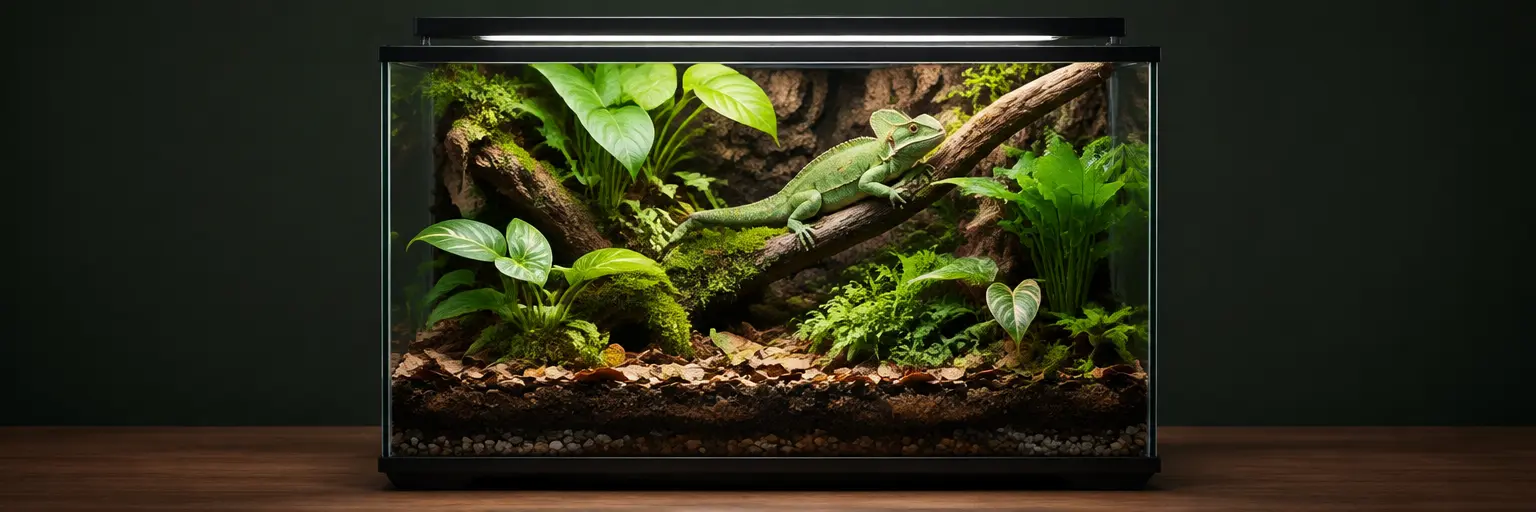
Discover the art of creating a living, breathing ecosystem with bioactive reptile terrariums—the ultimate fusion of natural habitat design and modern pet care. At PetCareWorld, we dive deep into how bioactive setups transform your reptile’s enclosure into a self-sustaining micro-world, complete with live plants, beneficial microorganisms, and clean-up crews that mimic nature’s own recycling system. Unlike traditional tanks, these vibrant environments reduce manual cleaning, boost humidity regulation, and provide essential mental stimulation for species like geckos, skinks, and tree frogs. Our expert guides cover everything from substrate layering and springtail & isopod colonies to choosing the right lighting, drainage, and foliage for arid or tropical climates. Whether you’re a seasoned hobbyist or a curious beginner, you’ll learn how to balance moisture, airflow, and biodiversity to create a thriving habitat that supports your pet’s physical and psychological health. Embrace a more natural, low-maintenance approach that’s both eco-friendly and visually stunning—bioactive terrariums aren’t just enclosures; they’re living art.
😊 Discover the secrets to a thriving bioactive terrarium ecosystem! Our expert bioactive terrarium setup guide provides essential tips and tricks for…
Read article
😊 Successfully establishing a bioactive terrarium requires careful cycling. This essential guide from PetCareWorld details the crucial steps for creating a thriving,…
Read article
🤔 Mastering bioactive terrarium humidity control is crucial for your reptile's health. Proper moisture levels prevent respiratory issues and promote thriving ecosystems…
Read articleTransform your reptile’s enclosure from a simple habitat into a thriving, self-sustaining ecosystem. Bioactive reptile terrariums combine live plants, beneficial microfauna (like springtails and isopods), and natural substrate to create a miniature world that mimics your pet’s native environment. This approach not only enhances your reptile’s physical and mental well-being but also reduces cleaning chores, as the cleanup crew naturally processes waste. At PetCareWorld, we dive deep into every aspect of building and maintaining these vibrant terrariums, from substrate recipes to lighting schedules, ensuring you succeed whether you’re a beginner or a seasoned herpetoculturist.
Building a bioactive terrarium starts with understanding its core layers: drainage, substrate, hardscape, and living organisms. The drainage layer (typically clay balls or gravel) prevents waterlogging, while a nutrient-rich soil mix—often blended with sphagnum moss and orchid bark—supports plant roots and microfauna. Hardscape elements like cork bark, driftwood, and rocks provide climbing structures and hiding spots. The star players are the cleanup crew: springtails (for mold and fungi) and isopods (for decaying matter), which break down feces and uneaten food into plant fertilizer. This closed-loop system reduces waste and creates a balanced, low-maintenance environment that benefits your reptile’s respiratory and immune health.
Choosing the right substrate blend is critical. For tropical species, a coconut coir and peat mix retains humidity, while arid species need a sandy, well-draining topsoil. Always layer substrates thickly (at least 2–3 inches) to allow burrowing and microfauna colonization. Live plants like pothos, bromeliads, and ferns not only beautify but also help regulate humidity and provide cover. Remember, the substrate is the engine of your bioactive system—investing in quality components saves you time and frustration later.
Not every reptile is suited for a bioactive setup. Species from humid rainforests (crested geckos, dart frogs, green tree pythons) and temperate zones (garter snakes, box turtles) often thrive because they tolerate moderate humidity and live foliage. However, desert-dwelling reptiles like bearded dragons or leopard geckos require arid-specific plants (e.g., succulents, aloe) and a substrate that dries quickly, with microfauna that handle dry conditions, such as powder blue isopods. Matching your reptile’s climate needs with plant hardiness and microfauna survival is essential. Always research your reptile’s natural habitat to mimic temperature, humidity, and light cycles accurately, ensuring your plants photosynthesize and your cleanup crew stays active.
Plant selection should focus on non-toxic, hardy species that can withstand your reptile’s weight and occasional trampling. For climbing species, include sturdy bromeliads and epiphytes; for burrowers, use shallow-rooted ground covers like creeping fig. Avoid plants with sharp edges or toxic sap. Moreover, quarantine new plants for two weeks to prevent pest hitchhikers. Pairing the right plants with your reptile reduces stress and encourages natural behaviors—hiding, hunting, and exploring—leading to a healthier, more vibrant pet.
Bioactive terrariums demand careful environmental control. Lighting must serve dual purposes: providing UVB/UVA for your reptile’s vitamin D synthesis and offering photosynthetically active radiation (PAR) for plant growth. Use full-spectrum LED bars alongside a separate UVB bulb, positioning them 12–18 inches above basking spots. Provide a photoperiod of 10–12 hours, with a slight drop at night to mimic natural cycles. Heating should create a temperature gradient—warm basking zone (85–95°F for many tropicals) and a cooler retreat (70–75°F)—using ceramic heat emitters or heat mats under the tank, never directly on substrate. Humidity levels vary widely: rainforest species need 70–90%, while arid species prefer 30–40%. Use misting systems or hand misting, but ensure substrate doesn’t become waterlogged, which can suffocate plants and microfauna.
Monitoring is non-negotiable. Digital hygrometers and thermometers with probes placed in multiple zones give real-time data. Automatic misters and timed lighting simplify maintenance and prevent forgetfulness. During cooler months, humidity may drop; add a shallow water dish or more live plants to boost transpiration. Remember, stable conditions reduce stress-induced illness, so aim for consistency over drastic fluctuations. A well-regulated environment supports both your reptile and its ecosystem, creating a stunning, low-effort display.
While bioactive setups are low-maintenance, they aren’t zero-maintenance. Weekly tasks include spot-cleaning large feces (if your reptile leaves them), pruning dead plant leaves, and checking for mold outbreaks. The cleanup crew handles most waste but may need occasional boosts—add more springtails or isopods every few months if populations dwindle. Monthly, gently sift the top substrate to aerate and prevent compaction. Replace about 10–20% of the substrate every 6–12 months to replenish nutrients. Water quality matters: use dechlorinated water for misting and plants to avoid harming microfauna. Common issues include overwatering (leading to anaerobic conditions and foul odors), underpopulated cleanup crews, and plant die-off from insufficient light—all fixable with observation and adjustments.
Troubleshooting starts with identifying signs: if mold appears, reduce humidity and improve ventilation; if isopods die, check for toxic plant residue or excess protein in their diet; if plants yellow, assess lighting and nutrient levels. Mites can arrive via new plants—quarantine and use predatory mites. Reptiles may dig up plants—secure with mesh or heavier rocks. Keep a journal to track changes and successes. With proactive care, your bioactive terrarium will flourish, offering a dynamic, educational, and beautiful habitat that significantly improves your reptile’s quality of life.
Creating a bioactive terrarium is a rewarding weekend project. Start by selecting an enclosure with adequate ventilation—front-opening glass tanks are ideal. Clean it thoroughly, then install a false bottom using egg crate or clay pebbles covered with fiberglass mesh. Add a 1–2 inch drainage layer of hydroton or gravel. Then, mix your substrate recipe (e.g., 40% coconut coir, 30% sphagnum moss, 30% organic topsoil) and add 2–3 inches deep. Before adding plants and hardscape, pre-sterilize wood and rocks by baking or boiling to eliminate pathogens. Arrange cork flats and branches to create climbing areas and hide spots. Plant your chosen flora, burying roots firmly. Introduce your cleanup crew—500–1,000 springtails and 20–50 isopods for a 40-gallon tank—then mist heavily and allow the ecosystem to establish for 2–4 weeks before adding your reptile.
This waiting period is crucial; it lets microfauna populate and plants take root, preventing early disruption. During establishment, monitor humidity and temperature, adjusting as needed. Once stable, introduce your reptile, ideally during its active hours to reduce stress. Regularly observe how your pet interacts with the new environment—most show increased natural behaviors. Don’t rush; a well-established bioactive system can last for years, requiring only minimal intervention. By following this guide, you’ll create a living masterpiece that’s both functional and awe-inspiring.
No. While many species adapt, reptiles with strict humidity or dietary needs (e.g., desert tortoises) may not suit a standard bioactive setup. Research your reptile’s natural climate—tropical, temperate, or arid—and choose plants, substrate, and microfauna accordingly. Some keepers successfully use modified arid-based systems for desert species, but it requires careful tweaks like sand-mix substrates and desert-hardy isopods.
Typically, 2 to 4 weeks are needed for plants to root and microfauna to reproduce. However, full ecosystem stability may take up to 3 months, especially for larger enclosures. During this time, avoid adding reptiles and keep conditions stable. Regular misting and occasional feeding of the cleanup crew (leaf litter, fish flakes) accelerate colonization.
First, check for toxic residues from pesticides on plants or wood, or excess moisture causing anaerobic conditions. Ensure you’ve provided leaf litter and occasional food supplements. If populations crash, reintroduce new springtails and isopods, and adjust humidity or ventilation. Avoid cleaning substrates with chemicals—use dechlorinated water only.
Yes, but far less. You’ll still spot-clean large reptile feces and remove uneaten prey. The cleanup crew processes smaller waste, but annual substrate replacement (10–20%) helps replenish minerals. Also, periodically prune plants and wipe glass for visibility. This reduced workload is a major benefit for busy pet owners.
Initial costs are higher due to lighting, substrate layers, plants, and microfauna—often $150–$300 for a 40-gallon tank. However, over time, you save on frequent substrate changes and artificial decor. The self-regulating nature reduces cleaning supplies and wasted bedding, making it cost-effective long-term. Plus, the aesthetic and health benefits are invaluable.