Crested Gecko Care Mistakes: What to Avoid for a Healthy Pet
😊 Avoid crested gecko care mistakes! PetCareWorld reveals common errors in crested gecko husbandry, impacting health and longevity. Learn how proper diet,…
Read article
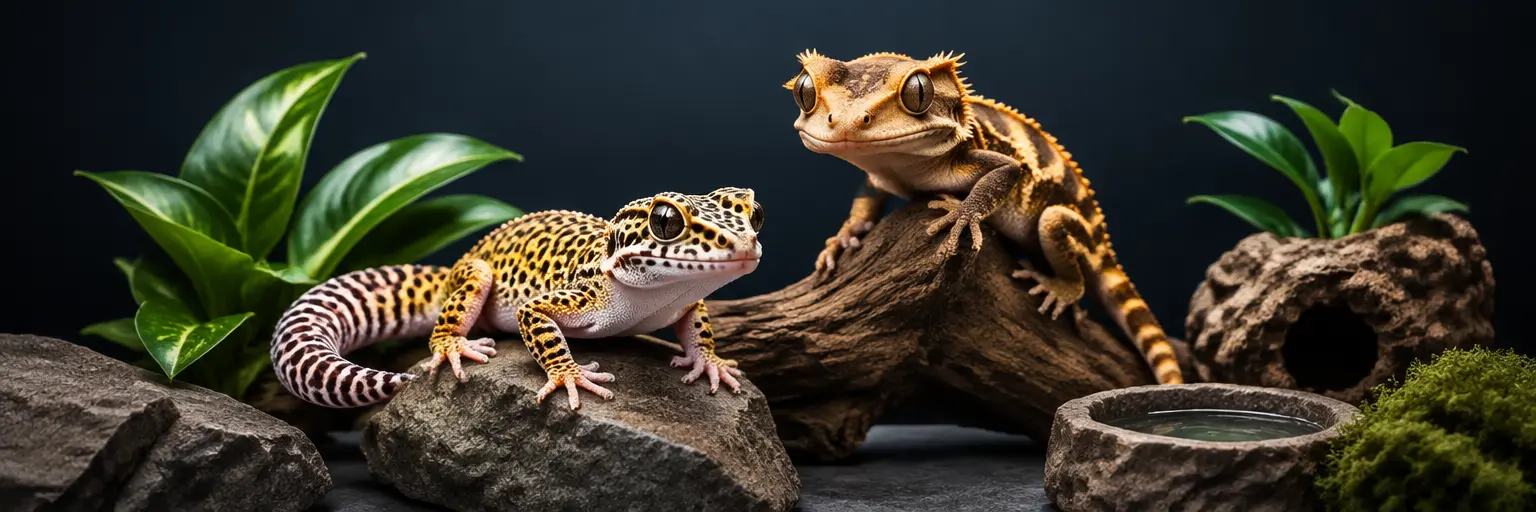
Discover the fascinating world of gecko care with PetCareWorld’s expert guidance on Leopard and Crested Geckos—two of the most popular and rewarding reptile pets for beginners and enthusiasts alike. From setting up the perfect terrarium with optimal humidity and temperature gradients to crafting a nutritious diet of live insects and fruit mixes, our in-depth guides cover every essential aspect of gecko husbandry. Learn how to handle these gentle, nocturnal creatures safely, recognize signs of common health issues like metabolic bone disease or shedding problems, and create a stimulating environment that promotes natural behaviors. Whether you’re a first-time owner or a seasoned reptile keeper, our practical tips on substrate selection, lighting schedules, and hydration techniques ensure your gecko thrives. With clear, step-by-step advice and troubleshooting insights, you’ll master the art of lizard care, build a lasting bond with your pet, and avoid costly mistakes. Trust PetCareWorld to be your go-to resource for raising happy, healthy Leopard and Crested Geckos—your journey to confident, informed exotic pet parenting starts here.
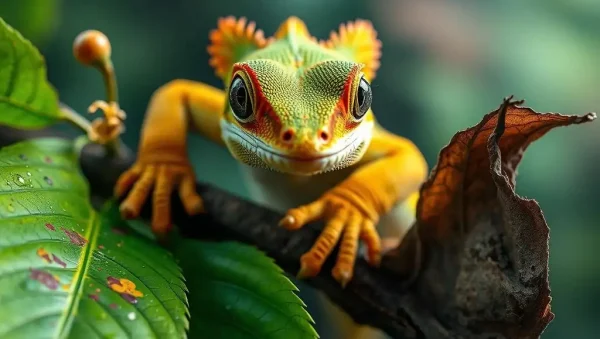
😊 Avoid crested gecko care mistakes! PetCareWorld reveals common errors in crested gecko husbandry, impacting health and longevity. Learn how proper diet,…
Read article
😊 Discover common ailments affecting leopard geckos, from metabolic bone disease to parasites, and learn how to identify and treat these issues…
Read article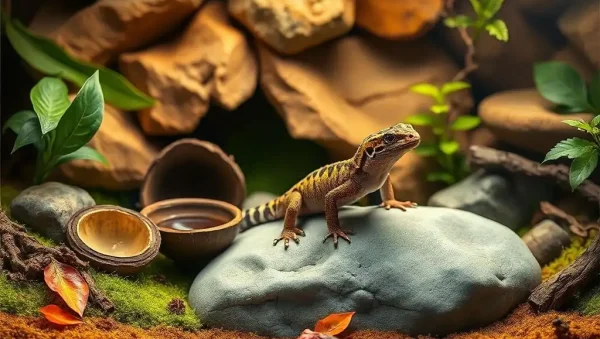
😊 Discover the secrets to a thriving leopard gecko with our expert leopard gecko habitat setup guide. PetCareWorld provides a step-by-step walkthrough…
Read article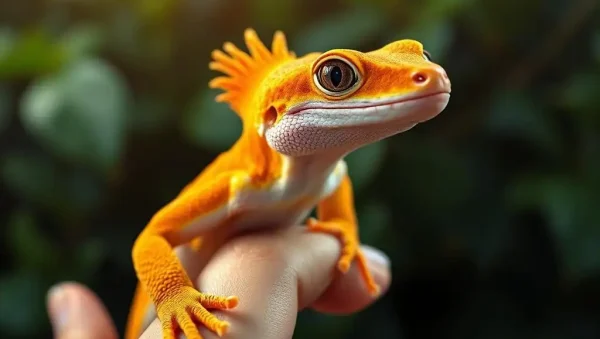
😊 Learn safe crested gecko handling techniques from PetCareWorld's expert guide. Gentle interaction ensures your gecko's well-being and strengthens your bond. Discover…
Read articleWelcome to PetCareWorld’s dedicated hub for gecko care, focusing on the two most beloved pet geckos: **Leopard Geckos** and **Crested Geckos**. Whether you're a first-time reptile owner or a seasoned enthusiast, this subcategory delivers in-depth, actionable advice on habitat setup, diet, health, handling, and breeding. Our goal is to help you create a thriving environment that mimics their natural habitat, ensuring a long, healthy, and happy life for your scaly companion. Explore expert-vetted insights designed to boost your confidence and your gecko’s well-being.
Creating the perfect enclosure is the foundation of gecko care. For **Leopard Geckos**, a terrestrial setup with a 20-gallon long tank, a warm side (88–92°F) and a cool side (75–80°F), plus a hide on each side, is ideal. Use a substrate like paper towels or reptile carpet to avoid impaction. **Crested Geckos**, on the other hand, are arboreal and need a taller vertical tank (18x18x24 inches) with branches, foliage, and a coconut fiber substrate. They thrive at 72–78°F and require high humidity (60–80%) with periodic misting. Always provide a shallow water dish and a humid hide, especially for shedding.
Lighting differs too: Leopard geckos are nocturnal and need minimal light, but a low-level UVB can aid calcium metabolism. Crested geckos benefit from a low-output UVB for 8–10 hours daily. Ensure proper ventilation to prevent respiratory issues. Use a thermometer and hygrometer to monitor conditions daily. A proper setup reduces stress, prevents illness, and encourages natural behaviors like climbing, burrowing, and hunting. Invest in quality equipment—it pays off in long-term health.
Diet is the cornerstone of gecko vitality. Leopard geckos are insectivores—feed them a variety of live insects like **crickets, mealworms, and dubia roaches**, dusted with calcium (with D3) at every feeding and a multivitamin once a week. Juveniles eat daily; adults eat every 2–3 days. Offer 2–3 appropriately sized insects per inch of gecko length. Crested geckos are omnivores and thrive on a commercial **crested gecko diet (CGD)** powder mixed with water, which provides complete nutrition. Supplement with mashed fruit (papaya, banana) and occasional live insects (small crickets) once or twice a week as treats. Never feed wild-caught insects due to pesticide risk.
Hydration is critical—provide fresh water daily and mist cresties’ tank at night to create drinking droplets. Monitor weight and body condition; a healthy gecko has a thick tail (leopards) and a plump belly (cresties). Adjust portion sizes to prevent obesity, a common captive issue. Avoid fatty insects like waxworms except as rare rewards. Consistent schedules prevent metabolic bone disease and digestive problems, ensuring your gecko thrives for 15–20 years (leopards) or 10–20 years (cresties).
Geckos are resilient but susceptible to specific ailments. **Metabolic Bone Disease (MBD)** is the most prevalent—caused by calcium deficiency, leading to tremors and deformities. Prevent it with proper supplementation and UVB in cresties. **Dysecdysis** (stuck shed) occurs due to low humidity; provide a humid hide and daily misting for cresties, and a moist moss box for leopards. **Parasites** (protozoa, worms) show as lethargy and weight loss—perform annual fecal exams. **Respiratory infections** arise from cold, damp conditions—maintain correct temperatures. **Impaction** from loose substrates is avoidable by using safe bedding for juveniles. Watch for skin lesions, nasal discharge, or labored breathing.
Quarantine new geckos for 30–60 days. Keep a first-aid kit with sterile saline and antimicrobial spray. Regular handling (gentle, 5–10 minutes daily) helps spot lumps or injuries early. If you notice signs, consult a reptile veterinarian immediately—don’t self-medicate. Preventive care is cheaper and kinder than reactive treatment. Maintain a clean tank, disinfect weekly, and provide fresh substrate to reduce bacterial buildup. A healthy gecko is active, alert, and has clear eyes and a smooth, well-rounded tail.
Both leopard and crested geckos are generally docile, but trust is earned. Start slow—allow your gecko to acclimatize for a week before handling. Use the **"hand-walking"** technique: let them crawl across your palms rather than grabbing. Support their body fully, never grasp the tail (tail-drop is a defense mechanism). Leopard geckos are curious and may be handled during daytime, but they’re nocturnal—handle in the evening. Crested geckos are more delicate and skittish; handle them rarely (once a week) and always over a soft surface to avoid injury if they leap. Keep sessions brief (5–10 minutes) to avoid stress.
Signs of stress include tail waving, vocalization, or hiding. Never handle after feeding (wait 48 hours) to prevent regurgitation. Consistency builds confidence—regular short sessions are better than long, rare ones. Wash your hands before and after to prevent salmonella. With patience, your gecko may even recognize your scent and sit calmly. For cresties, use a mist bottle to calm them before handling. Always supervise children—geckos are not toys but living companions. Proper handling strengthens your bond and makes veterinary visits less traumatic.
Breeding geckos is rewarding but demands preparation. For **Leopard Geckos**—maintain a brumation period (8–10 weeks at 70°F) to trigger breeding. Introduce a male to a female; mating leads to two eggs every 2–3 weeks. Incubate at 80–85°F for 60–90 days; temperature determines sex (80–82°F = females, 88–90°F = males). Provide a lay box with moist vermiculite. **Crested Geckos** don’t require brumation—just introduce a male and female; females lay two eggs every 30 days for several months. Incubate at 72–75°F for 6–10 weeks in a humid vermiculite container. Hatchlings are self-sufficient but need small, appropriately sized food.
Set up separate grow-out enclosures with paper towels, low perches, and correct humidity. Hatchlings need daily feeding (tiny crickets or CGD). Be ethical—only breed healthy, unrelated geckos and have homes for offspring. Track temperatures precisely with reliable incubators. Expect a higher failure rate in first-time breeding; patience is key. After laying, feed females extra calcium to replenish reserves. Breeding is a learning curve—join forums or consult a breeder for guidance. Your reward is observing life cycles and contributing to genetic conservation, but always prioritize welfare over volume.
Leopard geckos live 15–20 years in captivity, sometimes longer with excellent care. Crested geckos typically live 10–20 years. Both are long-term commitments, exceeding typical dog or cat lifespans. Age is influenced by diet, genetics, and habitat quality; consistent vet check-ups can help maximize longevity.
No, never co-house different species. Leopard geckos are terrestrial and crested geckos are arboreal, but they have different temperature, humidity, and dietary needs. Mixing can cause stress, aggression, or injury. Even same-species males should be housed separately to prevent fighting. Only house females together if ample space and hiding spots exist.
Leopard geckos are nocturnal and can survive without UVB if given proper calcium with D3, but low-level UVB improves mental and bone health. Crested geckos benefit significantly from UVB (2–4% output) for 8–10 hours daily, aiding in vitamin D synthesis. Always provide a shaded hide to allow your gecko to light-access more easily.
Tail dropping is a stress response, not fatal. Keep the gecko on clean paper towels, avoid handling, and prevent infection by monitoring the stump. The tail will regrow, but it will look different (shorter, blunter). Increase warm, quiet time and offer electrolyte baths at 85°F for 15 minutes daily for a week. Consult a vet if the stump turns dark.
A healthy gecko has clear, bright eyes, a thick base to its tail (leopards), a smooth, shiny body (cresties), and no visible bumps. It’s active, eats regularly, sheds completely, and has firm, well-formed stools. Skin should be free of stuck shed or lesions. Watch for lethargy, weight loss, or abnormal breathing—these warrant immediate veterinary attention.