
Handling Your Crested Gecko: Gentle Techniques for Safe Interactions

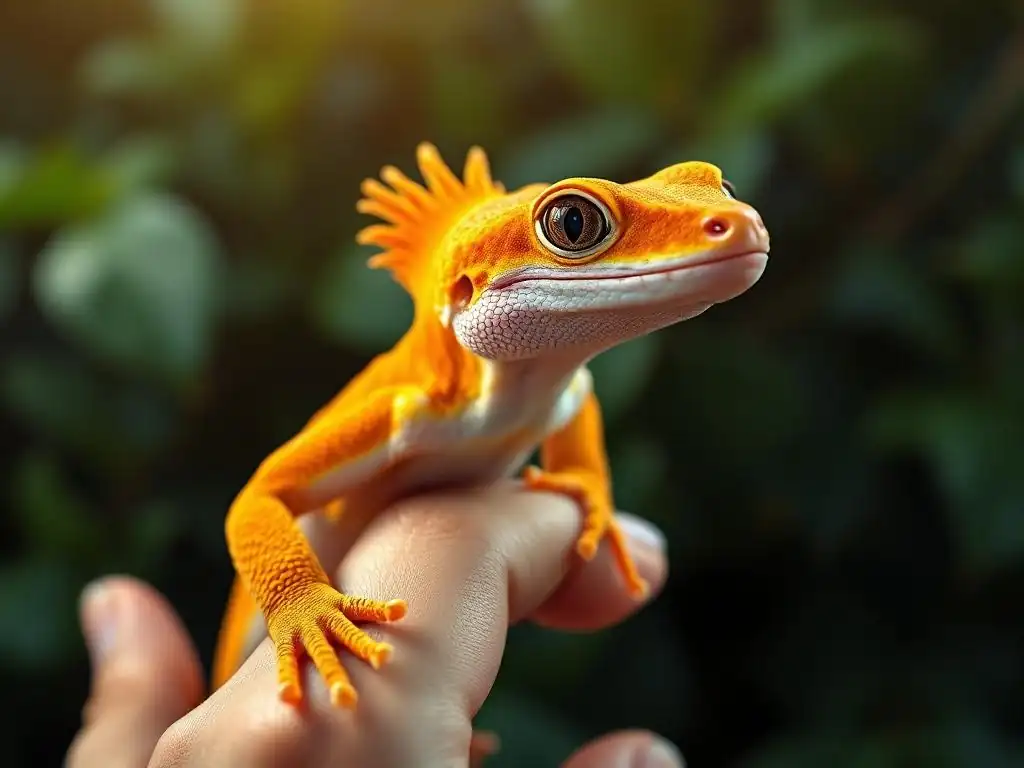
Welcome to PetCareWorld, your ultimate guide to a happier, healthier life for your beloved companion! Are you ready to unlock the secrets to confident and safe interactions with your captivating crested gecko? Discover expert techniques and essential tips for Safe crested gecko handling in our comprehensive guide, ensuring both you and your reptile friend remain safe and comfortable. Dive in and learn how to build a strong, trusting bond with your scaly friend – your journey to responsible reptile ownership starts here!
- Understanding Crested Gecko Behavior for Safe Handling
- Preparing for Safe Crested Gecko Handling
- Safe Crested Gecko Handling Techniques: A Step-by-Step Guide
- Handling Your Crested Gecko for Specific Tasks
- Recognizing and Responding to Stress in Your Crested Gecko
- When to Avoid Handling Your Crested Gecko
- Building a Bond with Your Crested Gecko Through Gentle Interaction
- Frequently Asked Questions
- Final Reflection: The Enduring Bond: Safe Handling and a Thriving Gecko
- Unlock Your Gecko's Gentle Side: Start Handling with Confidence!
Understanding Crested Gecko Behavior for Safe Handling
Crested geckos, with their captivating appearance and relatively docile nature, are becoming increasingly popular pets. However, even these seemingly placid creatures require a gentle and understanding approach to ensure safe and positive interactions. This guide provides essential information on handling crested geckos, focusing on techniques that prioritize the gecko's well-being and minimize stress. Understanding your gecko's individual personality and body language is paramount to building trust and avoiding any accidental injury to both you and your pet.
Mastering safe handling practices not only strengthens the bond between you and your crested gecko but also contributes to its overall health and longevity. We'll explore the nuances of gecko behavior, offering practical advice for safe and enjoyable interactions that promote a harmonious relationship. Remember, responsible handling is key to providing the best possible care for your fascinating crested gecko.
Observing Your Gecko's Body Language: Signs of Stress and Comfort
Understanding your crested gecko's body language is crucial for safe handling. A stressed gecko will exhibit several telltale signs. These include:
- Dilated pupils: Enlarged pupils often indicate fear or anxiety.
- Open mouth: An open mouth, especially if accompanied by hissing, is a clear sign of stress and potential aggression.
- Tail thrashing: Vigorous tail movements often signal discomfort or fear.
- Crouched posture: A low, flattened posture suggests the gecko feels threatened.
- Rapid movements: Sudden bursts of speed are attempts to escape a perceived threat.
Conversely, a comfortable and relaxed gecko will display:
- Calm demeanor: A relaxed gecko will generally move slowly and deliberately.
- Normal pupil size: Pupils will be their usual size, neither dilated nor constricted.
- Closed mouth: The mouth will be closed, and no hissing will be present.
- Relaxed posture: The gecko will maintain a natural, upright posture.
- Slow, deliberate movements: Movement will be slow and controlled.
Recognizing these subtle cues allows you to adjust your handling techniques accordingly, ensuring a positive and stress-free experience for your gecko. Remember to always observe your gecko’s behavior before and during handling; this proactive approach minimizes the risk of accidental injury or causing undue stress. [Specific examples of gecko body language variations pending].
Identifying Individual Temperaments: Adapting Your Approach
Just like people, crested geckos possess unique personalities. Some are naturally more docile and accepting of handling, while others may be more timid or reactive. It's essential to learn your gecko's individual temperament to adapt your handling techniques accordingly. A shy gecko will require a much gentler and more patient approach than a more outgoing individual.
Some geckos may tolerate being held for longer periods, while others may prefer shorter, more frequent interactions. Observe your gecko's reactions during handling. If it shows signs of stress, immediately cease handling and allow it to return to its enclosure. Forcing interactions will only damage the trust between you and your pet.
Regular, gentle interactions, even without physically handling the gecko, can help to build trust. This might involve talking softly to your gecko, offering food near its enclosure, or simply observing it from a distance. Over time, this will help you better understand its personality and preferences, allowing you to develop a handling approach that is both safe and comfortable for both of you. Patience and consistency are key to building a positive relationship with your crested gecko.
The Importance of Slow and Gentle Movements: Minimizing Stress Responses
Perhaps the most crucial aspect of safe crested gecko handling is the use of slow and gentle movements. Sudden or jerky motions can easily frighten your gecko, leading to stress, escape attempts, and even potential injury. Always approach your gecko slowly and deliberately, avoiding any sudden movements that might startle it.
When picking up your gecko, use both hands to gently support its body. Avoid squeezing or applying excessive pressure. Support its body gently to prevent falls and injuries. Remember that a crested gecko's body is delicate, and rough handling can lead to injuries.
After handling, always gently place your gecko back into its enclosure. Avoid dropping it or placing it down roughly. Provide a smooth, controlled return to its habitat, allowing it to settle back into its environment without further stress. Remember, slow, deliberate movements are key to maintaining a calm and safe environment for your gecko. Gentle handling is the cornerstone of a positive relationship between you and your pet.
Preparing for Safe Crested Gecko Handling
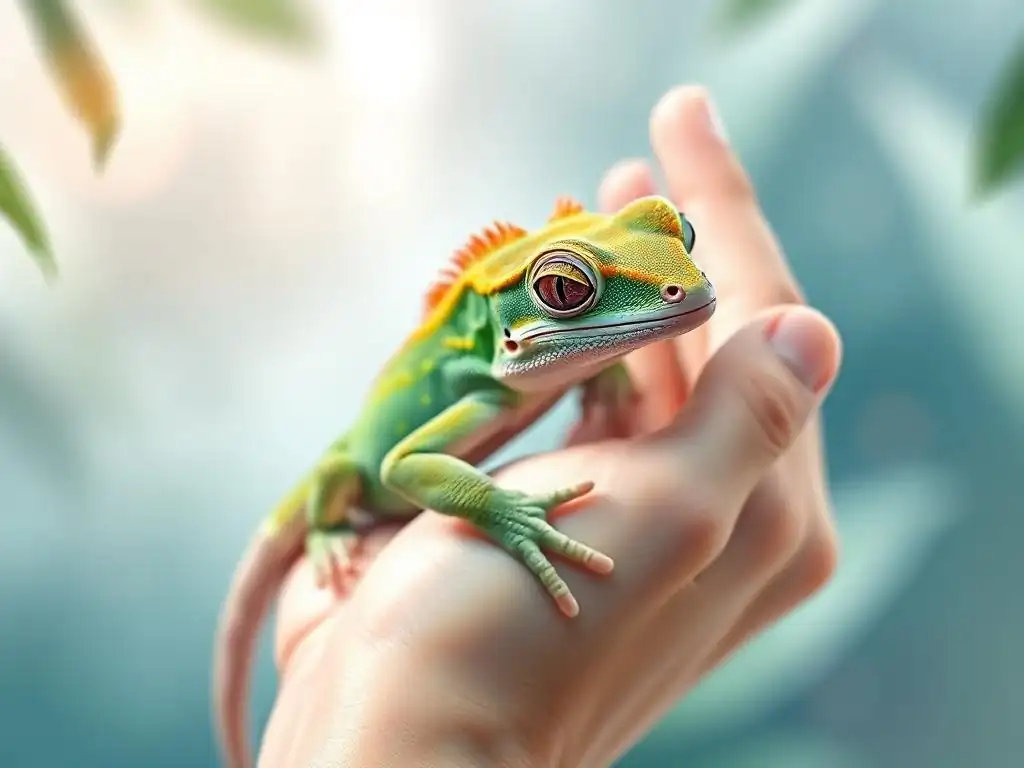
This section details the crucial preparatory steps to ensure safe and stress-free handling of your crested gecko. Remember, a calm and prepared approach is paramount for both your safety and the well-being of your gecko. Safe crested gecko handling requires careful planning and execution. Improper handling can lead to injury for both you and your pet, so thorough preparation is key.
Creating a Secure Handling Environment: Minimizing Escape Risks
Before even considering handling your crested gecko, you must create a secure environment that minimizes the risk of escape. Crested geckos are surprisingly agile and can squeeze into incredibly small spaces. A single moment of inattention can result in a frantic search for your missing reptile. Consider these essential steps:
- Designated Handling Area: Choose a specific, well-lit area away from distractions. A table or countertop with a clean, non-slip surface is ideal. Cover the surface with a soft, absorbent towel to provide cushioning and prevent accidental injuries.
- Barrier Creation: Surround the handling area with barriers to prevent escapes. This might involve using large, sturdy containers (such as plastic storage bins) or building a temporary enclosure with cardboard. Ensure there are no gaps or openings your gecko could exploit.
- Pre-Handling Inspection: Before releasing your gecko, carefully inspect the handling area and its surroundings for any potential escape routes. Look for small cracks, holes, or gaps that a determined gecko could use to slip away. A thorough check can prevent hours of searching later.
- Emergency Plan: Despite your best efforts, escapes can happen. Having a pre-planned search strategy in place can significantly reduce the stress and time involved in locating a runaway gecko. This plan should include a visual inspection of the immediate area, followed by a systematic search of likely hiding spots. Consider using a bright flashlight to aid in the search, especially in darker corners.
Choosing the Right Handling Equipment: Nets, Gloves, and Containers
Appropriate handling equipment plays a vital role in ensuring both your safety and the gecko's well-being. Improper equipment can lead to accidental injury or stress for the reptile.
- Handling Nets: A fine-meshed net is essential for safely retrieving your crested gecko from its enclosure or from any unexpected locations. Avoid nets with large holes that could allow the gecko's limbs to slip through. A soft, flexible net minimizes the risk of injury.
- Gloves (Optional): Some keepers prefer using thin, soft gloves, especially when handling multiple geckos or if they have concerns about hygiene. However, it's important to note that gloves can reduce the sensitivity of your touch, potentially making the handling process more stressful for the gecko. Direct contact allows for more gentle handling, fostering trust.
- Temporary Holding Containers: A small, secure container is helpful for temporarily holding your crested gecko during handling. This should be well-ventilated and provide a safe, stress-free environment for the gecko while you're performing any necessary tasks. The container should be appropriately sized to prevent the gecko from feeling cramped or escaping.
Maintaining Hygiene: Preventing Disease Transmission
Maintaining proper hygiene is crucial to prevent the transmission of diseases between you and your crested gecko, and vice-versa. Good hygiene practices are an integral part of responsible reptile ownership.
- Handwashing: Thorough handwashing with soap and water before and after handling your crested gecko is non-negotiable. This helps prevent the spread of bacteria and parasites.
- Enclosure Sanitation: Regularly cleaning and disinfecting your gecko's enclosure helps maintain a healthy environment and minimizes the risk of disease. Use appropriate reptile-safe disinfectants and follow the manufacturer's instructions carefully.
- Avoid Cross-Contamination: Never handle other pets or touch your face while handling your gecko. This prevents the transfer of bacteria or parasites between your pet and other animals, or yourself.
- Observing Your Gecko: Regularly monitor your crested gecko for any signs of illness, such as lethargy, loss of appetite, or unusual droppings. Early detection of illness can improve treatment outcomes and prevent the spread of disease. Any unusual symptoms should prompt a visit to a veterinarian specializing in reptiles.
Remember, safe crested gecko handling is a continuous learning process. Observe your gecko's behavior and adjust your techniques accordingly. Patience and a gentle approach are key to building trust and ensuring a positive experience for both you and your pet. 🦎
Safe Crested Gecko Handling Techniques: A Step-by-Step Guide
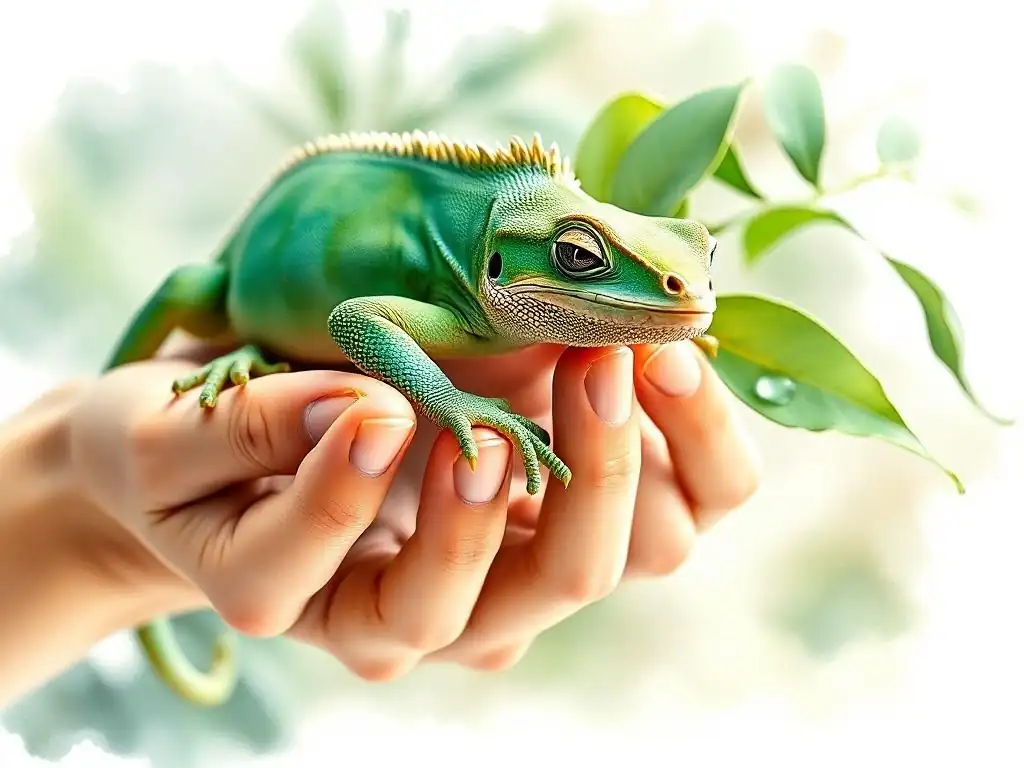
This section details safe crested gecko handling techniques, crucial for minimizing stress and preventing injury to your delicate reptile. Remember, even gentle handling can cause harm if not performed correctly. Prioritizing your gecko's safety and well-being is paramount for a positive owner-pet relationship. Safe crested gecko handling is essential for building trust and ensuring your pet's health.
Supporting Your Gecko's Body: Proper Grip and Posture
Supporting your crested gecko's body correctly is fundamental to safe handling. Never squeeze or grasp your gecko too tightly. Their delicate bones are easily fractured. Instead, use a gentle, supportive grip that mimics the feeling of security they experience in their natural environment.
Imagine cradling a tiny, fragile bird. That's the level of gentleness required. Your gecko's body should feel supported, not constricted.
Here's a step-by-step guide:
- Approach slowly and calmly: Avoid sudden movements that might startle your gecko. Speak softly and allow it to acclimate to your presence.
- Use both hands: This provides better control and prevents accidental drops.
- Support the body: Gently cup your gecko in your palms, supporting its entire body weight. Your fingers should cradle its underside, preventing it from falling or twisting.
- Avoid pressure points: Do not apply pressure to its head, tail, or limbs. These areas are particularly vulnerable to injury.
- Maintain a comfortable posture: Keep your hands steady and avoid jerky movements. A stable, relaxed posture will help your gecko feel secure.
Consider the following table for a visual representation of appropriate and inappropriate handling techniques:
| Handling Technique | Description | Safe? | Notes |
|---|---|---|---|
| Cupped Palms | Gecko cradled gently in both hands, supporting the entire body. | ✅ | Provides optimal support and minimizes stress. |
| One-Handed Grip | Holding the gecko with only one hand. | ❌ | Increases risk of dropping and injury. |
| Squeezing | Applying excessive pressure to the gecko's body. | ❌ | Can cause internal injuries and extreme stress. |
| Grabbing the Tail | Holding the gecko solely by its tail. | ❌ | Can lead to tail breakage or severe injury. |
| Supporting the Underside | Gently supporting the gecko's abdomen and underside with both hands. | ✅ | Mimics the gecko's natural feeling of security. |
Gentle Lifting and Transferring: Minimizing Physical Trauma
Lifting and transferring a crested gecko requires exceptional care. A sudden movement or a clumsy transfer can easily injure your pet.
- Use a smooth, controlled motion: Avoid abrupt movements. Lift your gecko slowly and gently, supporting its entire body weight.
- Transfer to a secure surface: When transferring your gecko to a new enclosure or surface, ensure the new location is safe and stable. Avoid placing it directly on the ground or other potentially hazardous areas.
- Minimize handling time: Limit the time you handle your gecko to short periods, particularly during the initial stages of acclimatization. Over-handling can stress your gecko and make it more difficult to handle in the future.
- Observe your gecko's behavior: Pay close attention to your gecko's body language. If it appears stressed or uncomfortable, stop handling immediately and return it to its enclosure. Signs of stress include rapid breathing, gaping mouth, and attempts to escape.
Remember, less is often more when it comes to handling your crested gecko. Frequent, prolonged handling can negatively impact its well-being.
Duration of Handling: Respecting Your Gecko's Needs
The duration of handling sessions should be carefully considered. While some geckos may tolerate brief interactions, others are more sensitive and need longer periods of undisturbed rest. Excessive handling can lead to stress, impacting their health and behavior. The key is to observe your gecko's cues and adjust your handling accordingly.
- Start with short sessions: Begin with very brief handling sessions (e.g., 5-10 minutes) and gradually increase the duration as your gecko becomes more comfortable.
- Observe for signs of stress: Watch for signs of stress, such as rapid breathing, open mouth, or attempts to escape. If you notice any of these signs, immediately stop handling and return your gecko to its enclosure.
- Frequency of handling: How often you handle your gecko depends on its temperament. Some geckos may enjoy daily brief interactions, while others may prefer less frequent handling. The goal is to find a balance that respects your gecko's needs while allowing for safe and positive interactions.
- Individual variation: Remember that each gecko is an individual, and their tolerance for handling can vary greatly. What works for one gecko may not work for another. Pay attention to your gecko's unique personality and adjust your handling accordingly. This is key to safe crested gecko handling.
By following these guidelines, you can ensure safe and positive interactions with your crested gecko, fostering a strong bond built on mutual respect and trust. Remember, responsible handling is a crucial aspect of providing excellent care for your reptile companion.
Returning Your Gecko to Its Enclosure: A Stress-Free Transition
Returning your crested gecko to its enclosure after handling is just as important as the handling process itself. A rushed or clumsy return can cause stress and injury to your delicate gecko. Remember, the goal is to make the transition smooth and comfortable, minimizing any potential fright or discomfort.
One crucial aspect is to ensure the environment is optimal before returning your gecko. Check the temperature and humidity levels within the enclosure. They should be within the ideal range for your crested gecko; typically, a temperature gradient of 72-80°F (22-27°C) and a humidity level between 60-80% are recommended. Make sure the water dish is full and clean, and that any hides or climbing structures are in place and secure. A cluttered or disorganized enclosure can lead to unnecessary stress during the reintroduction.
The actual return should be gentle and deliberate. Avoid dropping or throwing your gecko back into its enclosure. Instead, carefully support its body with both hands, gently lowering it onto a branch or a flat, secure surface within its enclosure. Never force your gecko into a specific location; allow it to explore and choose its own spot to settle down. Observe your gecko for a few minutes after returning it to ensure it has settled comfortably and shows no signs of distress. This observation period allows you to identify any potential issues early on.
Remember, your gecko's well-being is paramount. A smooth and stress-free return to its enclosure contributes significantly to its overall health and happiness. By following these simple steps, you can ensure that your handling sessions end on a positive note, fostering a strong and trusting relationship with your crested gecko. Consistent, gentle handling, coupled with a calm and careful return to its environment, will contribute to a happier and healthier pet. Always prioritize your gecko’s comfort and safety. Any signs of unusual behavior post-handling should prompt further observation and, if necessary, veterinary consultation.
Handling Your Crested Gecko for Specific Tasks
This section details safe crested gecko handling techniques for various necessary interactions, minimizing stress for both you and your pet. Remember, gentle and confident movements are key to a positive experience. Improper handling can lead to injury for both you and your gecko, so always prioritize safety and your gecko's well-being. The goal is to establish a routine that's comfortable for your crested gecko, promoting a trusting relationship. Safe crested gecko handling is crucial for their overall health and happiness.
Safe Handling for Feeding: Minimizing Stress During Mealtimes
Feeding time shouldn't be a stressful event for your crested gecko. Avoid sudden movements or loud noises. Instead, approach the enclosure calmly and quietly. Before handling your gecko, wash your hands thoroughly to remove any potentially harmful chemicals or scents. Many keepers find that using tongs to feed their crested geckos reduces stress. This eliminates the need to directly handle the gecko during feeding.
If direct handling is necessary (for example, to encourage a picky eater), support your gecko's body gently with both hands. Use your index finger and thumb to support its body, avoiding pressure on its delicate abdomen or tail. Offer the food near its nose, allowing it to investigate and eat at its own pace. Never force your gecko to eat. Observe your gecko's eating habits to determine the best feeding strategy. Some geckos may prefer to eat from a specific location within their enclosure, which you can adapt to.
Remember, patience is key. A stressed gecko may refuse food, so a calm and relaxed approach is essential for successful feeding. Consistent feeding routines can also help your gecko feel more secure and anticipate mealtimes without undue anxiety. This builds trust and makes feeding a less stressful experience for both you and your pet.
Safe Handling for Cleaning the Enclosure: Efficient and Gentle Methods
Cleaning the enclosure is crucial for maintaining a healthy environment for your crested gecko. However, this requires careful handling to avoid stressing your pet. Before you begin cleaning, prepare a temporary enclosure, such as a suitably sized container, with appropriate substrate and hiding spots. This will provide a safe space for your gecko while you clean.
When removing your gecko, gently scoop it up using your hands, supporting its body as described above. Avoid grabbing its tail, as this can cause injury and stress. Transfer it to the temporary enclosure. Thoroughly clean the main enclosure using appropriate reptile-safe cleaning products. Avoid harsh chemicals that could be harmful to your gecko.
Once the main enclosure is thoroughly cleaned and dried, carefully return your gecko to its home. Monitor your gecko closely after cleaning to ensure it is not experiencing any signs of stress, such as lethargy or loss of appetite. Regular, thorough cleaning, coupled with gentle handling, contributes significantly to your gecko's overall well-being. Regular cleaning minimizes the risk of bacterial or parasitic infections, promoting a safe and healthy habitat.
Safe Handling for Veterinary Visits: Preparing Your Gecko for Transport
Veterinary visits are essential for maintaining your crested gecko's health. Preparing your gecko for transport requires careful handling to minimize stress during this potentially unsettling experience. Use a secure and appropriately sized container, such as a well-ventilated plastic container with adequate air holes. Line the container with paper towels to absorb any waste.
Gently place your gecko into the container, supporting its body to prevent injury. Avoid any sudden movements that might frighten your gecko. Include a small, damp hide to help your gecko feel secure during the journey. Label the container clearly with your gecko's name, species, and any relevant medical information.
Before transporting your gecko, inform your veterinarian of your pet's species and any pre-existing conditions. This allows the veterinarian to prepare appropriately for your gecko's visit and ensure a smooth and stress-free examination. Safe and careful transport to the vet is crucial for your gecko's well-being and for allowing the veterinarian to accurately assess its health. Remember to keep the container secure during transport to prevent accidental escape.
Recognizing and Responding to Stress in Your Crested Gecko
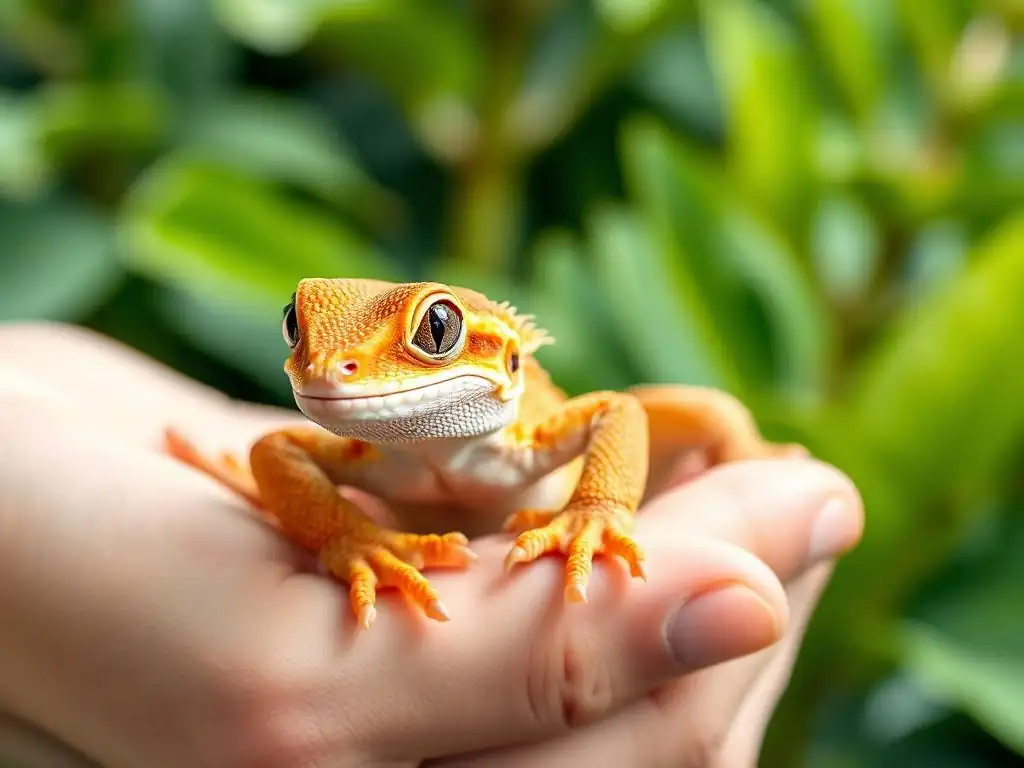
Safe crested gecko handling is paramount to their well-being, and understanding how to identify and alleviate stress is crucial. A stressed crested gecko can exhibit various behavioral and physical changes, impacting their health and longevity. This section will equip you with the knowledge to recognize these signs and implement effective strategies to ensure your gecko remains calm and content.
Signs of Stress: Behavioral and Physical Indicators
Recognizing stress in your crested gecko requires careful observation of both its behavior and physical condition. Behavioral indicators can be subtle, but consistent monitoring is key. A stressed gecko might exhibit:
- Lethargy and reduced activity: A normally active gecko becoming unusually sluggish or hiding constantly is a strong indicator of stress.
- Changes in appetite: Sudden loss of appetite or refusal to eat their usual diet is a significant warning sign. Conversely, overeating can also be a stress response in some cases.
- Increased defensive behaviors: This could manifest as tail dropping (autotomy), excessive biting, or attempts to escape their enclosure.
- Changes in posture: A stressed gecko might flatten its body against the substrate or hold an unusually stiff posture.
- Vocalizations: While not common, some geckos may emit high-pitched squeaks or chirps when stressed.
Physical indicators are often more pronounced and can include:
- Dehydration: Sunken eyes, wrinkled skin, and lethargy are all signs of dehydration, often exacerbated by stress.
- Weight loss: Significant weight loss, beyond normal fluctuations, warrants immediate attention.
- Shedding problems: Difficulty shedding skin can be linked to underlying health issues, including stress.
- Respiratory issues: Increased respiratory rate or abnormal breathing patterns can indicate stress-related illness.
It is important to note that these signs can also indicate underlying health problems. If you observe multiple symptoms, consult a veterinarian specializing in reptiles immediately. Early intervention is vital for a positive outcome.
Immediate Actions to Reduce Stress: Creating a Calm Environment
If you suspect your crested gecko is stressed, immediate action is necessary to create a calm and secure environment. This involves minimizing external stressors and providing a sense of safety.
- Reduce handling: Avoid handling your gecko until it shows signs of calming down. Unnecessary handling significantly contributes to stress.
- Minimize disturbances: Keep the enclosure away from loud noises, vibrations, or sudden movements. Ensure the area remains dimly lit and quiet.
- Maintain proper temperature and humidity: Fluctuations in temperature and humidity can exacerbate stress. Use accurate thermometers and hygrometers to maintain optimal conditions.
- Provide ample hiding places: Offer numerous secure hiding spots within the enclosure, such as cork bark, artificial plants, or small caves. This allows the gecko to retreat when feeling threatened.
- Gentle cleaning: Keep the enclosure clean, but avoid excessive or disruptive cleaning practices. Clean only necessary areas, and do so calmly and methodically.
Remember, creating a safe and comfortable environment is crucial for your crested gecko's overall well-being. A calm environment helps reduce stress and promotes a healthy and happy reptile.
Long-Term Strategies for Reducing Stress: Enrichment and Routine
Long-term stress reduction involves creating a stimulating yet predictable environment. This includes providing environmental enrichment and establishing a consistent daily routine.
- Environmental enrichment: This involves providing a variety of textures, climbing structures, and hiding places within the enclosure. This keeps your gecko mentally engaged and prevents boredom, a common cause of stress. Consider adding branches, vines, or leaf litter for climbing and exploration.
- Consistent feeding schedule: Establish a consistent feeding schedule to provide predictability and reduce stress associated with uncertainty. Maintain a healthy and varied diet, ensuring your gecko receives all necessary nutrients.
- Regular cleaning and maintenance: Regular cleaning is essential to maintain a healthy environment, but it should be done in a calm and methodical manner to avoid stressing your gecko.
- Handling with care: When handling your gecko, always approach slowly and gently. Support its body completely and avoid sudden movements. Limit handling sessions to short durations, particularly when the gecko is settling in.
- Monitor for signs of illness: Regularly monitor your gecko for any signs of illness or injury. Early detection and treatment can prevent stress from escalating. A healthy gecko is a less stressed gecko.
By implementing these long-term strategies, you can create a thriving environment for your crested gecko, minimizing stress and promoting its overall health and well-being. Remember, patience and understanding are key to safe crested gecko handling and a strong bond between you and your pet.
When to Avoid Handling Your Crested Gecko

Safe crested gecko handling is crucial for their well-being, but knowing when to avoid handling is equally important. Understanding your gecko's needs and recognizing signs of stress or vulnerability will help you ensure a long and happy life for your scaly friend. This section details specific situations where it's best to leave your crested gecko undisturbed.
Illness or Injury: Protecting Your Gecko's Health
A sick or injured crested gecko is far more fragile and susceptible to further harm during handling. Stress from unnecessary interaction can exacerbate existing conditions and hinder recovery. Signs of illness include lethargy, loss of appetite, changes in defecation patterns (frequency, consistency, color), unusual skin discoloration, or respiratory issues. Injuries, such as tail loss or cuts, require extra care and should not be disturbed by handling unless absolutely necessary for veterinary treatment.
If you notice any of these symptoms, avoid handling your gecko and consult a reptile veterinarian immediately. Gentle observation from a distance is preferable to potentially causing further stress or damage. Remember, prompt veterinary care is key to a successful outcome in these situations. Early detection and minimal handling are crucial components of safe crested gecko handling practices when your pet is unwell.
Shedding Period: Minimizing Disruption During This Sensitive Time
Crested geckos shed their skin periodically, a natural process crucial for growth and health. During this shedding phase, their skin is delicate and prone to damage. Handling your gecko during shedding can accidentally peel off skin prematurely, causing discomfort, infection, or even injury. You might notice a slight clouding of the skin or a dull appearance as a sign of an upcoming shed. Avoid handling your gecko during this time, allowing it to complete the shedding process naturally within its secure environment.
Providing a humid hide can assist with shedding. Post-shed, you may observe small, dried skin remnants. These will usually fall off on their own. Observe your gecko carefully but avoid handling until the entire shed is complete, for safe crested gecko handling practices.
After Recent Acquisition: Allowing for Acclimation to a New Home
Bringing a new crested gecko home is exciting, but it's vital to prioritize their acclimation period. A newly acquired gecko will be stressed by the change in environment, and unnecessary handling can exacerbate this stress, potentially leading to illness or impacting their ability to settle. Allow at least 7-10 days for your gecko to adjust to its new habitat before attempting any handling. During this time, focus on providing a stable and enriching environment, offering appropriate food and water, and ensuring the temperature and humidity are optimal. Observe your gecko from a distance to monitor its behavior and health. Once it appears settled and comfortable in its enclosure, you can begin carefully and gently introducing interaction. Patience and understanding are key to safe crested gecko handling, especially in the critical early days of a new home. Remember, a calm and stress-free environment is essential for your gecko's health and well-being.
Building a Bond with Your Crested Gecko Through Gentle Interaction
Safe crested gecko handling is paramount for both your well-being and your gecko's. Building a strong bond based on trust and respect is crucial for positive interactions and minimizes stress for your pet. Avoid forceful movements; gentle handling is key to a happy and healthy crested gecko. Remember, a stressed gecko is more likely to bite or become ill.
Positive Reinforcement Training: Building Trust and Confidence
Positive reinforcement training is a fantastic method to build trust and confidence with your crested gecko. This involves rewarding desired behaviors with positive stimuli, such as offering a favorite insect or a small amount of their crested gecko diet. Start with short, infrequent handling sessions. For instance, gently hold your gecko for a few minutes each day, rewarding calm behavior with a small treat. Gradually increase the duration of these sessions as your gecko becomes more comfortable. Never force interaction. If your gecko shows signs of stress (tail whipping, gaping mouth), end the session immediately and try again later.
Remember to use a soft, gentle touch. Avoid sudden movements or loud noises that might startle your gecko. Consistency is key; regular, positive interactions will significantly improve your gecko’s comfort level with handling. Over time, your crested gecko will learn to associate your presence with positive experiences, leading to a more relaxed and trusting relationship. This positive reinforcement approach translates directly to safer and more enjoyable handling sessions in the long run. The goal is to create a positive association between you and handling, not fear or stress.
Regular Observation: Learning Your Gecko's Personality and Preferences
Understanding your crested gecko's individual personality and preferences is essential for safe and effective handling. Some geckos are naturally more docile than others; some might be more prone to stress. Observing your gecko's behavior outside of handling sessions provides valuable insight into its temperament. Note its activity levels, preferred basking spots, and feeding habits. Does it seem more active during certain times of the day? Does it have a favorite hiding spot? This information helps you anticipate its reactions and tailor your handling approach accordingly.
Consider keeping a detailed journal of your observations. This helps you track behavioral patterns and identify any changes that might indicate illness or stress. For example, a sudden decrease in appetite or increased lethargy could be a sign that something is wrong. Regular observation allows for early detection of potential problems, preventing escalation and ensuring your gecko's overall well-being. This proactive approach contributes significantly to safer handling, as you’ll be better equipped to anticipate and respond appropriately to your gecko's needs. Remember, a well-understood gecko is a gecko that is easier to handle safely.
The Importance of Patience and Respect: Fostering a Positive Relationship
Patience and respect are fundamental aspects of safe crested gecko handling. Remember that your gecko is a living creature with its own unique personality and needs. It may take time for your gecko to become comfortable with being handled. Don't rush the process; forcing interaction will only increase stress and potentially lead to injury. Approach each handling session with calmness and respect. Avoid sudden movements or loud noises that might startle your gecko. Respect its boundaries; if it seems stressed or unwilling to be handled, end the session immediately and try again later.
A gentle approach is always best. Use slow, deliberate movements. Support its body weight gently, avoiding any pressure on its delicate limbs or tail. Speak softly and calmly to reassure your gecko. Remember, building a positive relationship takes time and consistency. Your patience and respect will be rewarded with a more confident and cooperative gecko, making handling safer and more enjoyable for both of you. The bond you build will create a foundation for years of positive interactions, making your crested gecko handling a positive and enriching experience.
Frequently Asked Questions
How should I approach my crested gecko for handling?
Approach your crested gecko slowly and calmly, avoiding sudden movements. Let it see and smell you before attempting to pick it up. Gentle movements are key.
What is the best way to pick up a crested gecko?
Support its body gently with both hands, cupping it from underneath. Avoid squeezing too tightly. Never grab its tail.
How long should I handle my crested gecko each time?
Keep handling sessions short, especially initially. Start with a few minutes and gradually increase the duration as your gecko becomes more comfortable. Observe its behavior.
What should I do if my crested gecko seems stressed during handling?
If your gecko shows signs of stress (e.g., tail dropping, gaping mouth), immediately stop handling and return it to its enclosure. Give it time to calm down.
What should I avoid when handling my crested gecko?
Avoid handling your gecko immediately after feeding or during shedding. Also, avoid loud noises or sudden movements which can frighten it. Always wash your hands before and after handling.
Final Reflection: The Enduring Bond: Safe Handling and a Thriving Gecko
The gentle art of crested gecko handling isn't just about avoiding injury; it's about fostering a trusting relationship that enriches both your life and your gecko's. Safe and respectful interaction is the cornerstone of responsible reptile ownership, impacting the well-being of these fascinating creatures and shaping our understanding of human-animal connection.
The impact of proper handling extends far beyond the immediate interaction. It shapes the gecko's personality, influencing its stress levels and overall health. A gecko accustomed to gentle handling is more likely to be calm during vet visits or other necessary procedures. The animals that we love are a mirror reflecting our own capacity for love and compassion.
This quote speaks volumes about the reciprocal nature of the bond we build with our pets, and crested geckos are no exception. Their quiet demeanor and unique beauty demand a level of respect and understanding that careful handling embodies.
Now, consider your own relationship with your crested gecko, or with any pet you may have. What steps can you take to ensure your interactions are always gentle and respectful? Take a moment to reflect on the importance of patience, understanding, and the profound connection that can blossom from responsible handling. Remember, every gentle touch, every careful observation, strengthens the bond and contributes to a richer, more fulfilling experience for both you and your scaly companion.
Unlock Your Gecko's Gentle Side: Start Handling with Confidence!
Congratulations on taking the first steps into the fascinating world of crested gecko care! You've already learned valuable techniques for safe and gentle handling. Ready to put your new skills into practice?
- Start with short handling sessions: Begin with a few minutes each day, gradually increasing the duration as your gecko becomes more comfortable. Always support your gecko's body to ensure its safety and comfort.
- Reward your gecko: Offering a favorite treat during handling sessions can create a positive association and make the experience more enjoyable for both you and your gecko.
- Share your handling experiences (and any funny gecko moments!) in the comments below – let's build a supportive community of crested gecko enthusiasts!
What small step will you take today to deepen your bond with your crested gecko?