
Crested Gecko Care Mistakes: What to Avoid for a Healthy Pet

Welcome to PetCareWorld, your ultimate guide to a happier, healthier life for your beloved companion! Are you ready to unlock the secrets to thriving crested gecko ownership? We delve into the most common pitfalls many new owners face in our comprehensive guide, "Avoid crested gecko care mistakes", ensuring your scaly friend enjoys a long and vibrant life. Discover the crucial insights you need to avoid costly errors and provide the best possible care – explore now and embark on a journey of responsible pet ownership!
- Common Crested Gecko Housing Mistakes to Avoid
- Nutritional Errors in Crested Gecko Care
- Handling and Interaction Mistakes with Crested Geckos
- Preventing and Treating Common Crested Gecko Illnesses
- Avoiding Crested Gecko Breeding Mistakes
- Long-Term Health and Care for Crested Geckos
- Frequently Asked Questions
- Final Reflection: Guiding Your Gecko Towards a Thriving Life
- Unleash Your Inner Gecko Guru!
Common Crested Gecko Housing Mistakes to Avoid
Crested geckos ( Correlophus ciliatus) are increasingly popular pets due to their relatively docile nature and stunning appearance. However, their unique needs often lead to well-intentioned owners making critical care mistakes that can significantly impact their gecko's health and longevity. This guide focuses on common housing errors to avoid, ensuring you provide your crested gecko with a thriving and stimulating environment. Understanding these crucial aspects of crested gecko care is paramount to preventing illness and ensuring your pet enjoys a long and happy life.
We'll cover essential aspects like enclosure size, humidity control, and substrate selection, providing practical advice to help you create the perfect habitat for your scaly friend. Successfully avoiding these mistakes will contribute significantly to your crested gecko's overall well-being and prevent unnecessary stress and health problems. Let's dive into the details to ensure you're providing optimal care! 🦎
Inadequate Enclosure Size for Crested Geckos
Providing your crested gecko with sufficient space is crucial for their physical and mental health. A cramped enclosure restricts natural behaviors like climbing and exploring, leading to stress and potential health issues. Many new owners underestimate the necessary size. A minimum enclosure size for a single adult crested gecko is generally considered to be a 12x12x18 inch enclosure (length x width x height), but larger is always better.
Remember, these are arboreal creatures; they spend much of their time climbing and exploring vertical spaces. Insufficient vertical space can lead to behavioral problems and stress. For multiple crested geckos, you'll need a significantly larger enclosure to accommodate their individual needs and prevent territorial disputes.
Consider the gecko's size and the number of geckos housed to determine the appropriate enclosure size. Always prioritize a larger enclosure over a smaller one to provide ample space for climbing, exploring, and overall well-being. Failing to provide adequate space is one of the most common crested gecko care mistakes.
Maintaining Proper Humidity Levels for Crested Geckos
Maintaining the correct humidity level is arguably the most critical aspect of crested gecko care. These geckos thrive in a humid environment, typically between 60-80%. Humidity levels that are too low can lead to dehydration, shedding problems, and respiratory infections. Conversely, excessively high humidity can promote the growth of harmful bacteria and fungi. To maintain the correct humidity, you need a reliable method for monitoring and adjusting the levels.
A hygrometer is essential for accurately measuring humidity within the enclosure. Several methods can help regulate humidity, including misting the enclosure regularly, using a water dish, or employing a fogger system. The frequency of misting will depend on the environmental conditions and the type of ventilation in the enclosure. Regular monitoring and adjustments are key to preventing issues related to improper humidity. Ignoring humidity levels is a frequent mistake that can have severe consequences for your crested gecko's health.
Suitable Substrate Choices for Crested Gecko Habitats
Choosing the right substrate is another important aspect of creating a healthy and safe environment for your crested gecko. The substrate serves multiple purposes, affecting humidity levels, providing enrichment, and preventing injury. Avoid using substrates that are easily ingested, such as sand or loose soil, as these can cause impaction. Paper towels are a safe and readily available option, particularly for new owners.
However, paper towels are not ideal for long-term use, as they lack the visual appeal and enrichment of more natural substrates. Other suitable substrates include coconut fiber, orchid bark, and specially designed reptile carpet. These options retain moisture better than paper towels, helping to maintain appropriate humidity levels.
Always consider the potential for ingestion and the overall safety of your chosen substrate. Selecting an inappropriate substrate is a common oversight that can lead to health problems for your crested gecko. Prioritizing a safe and suitable substrate is crucial for a healthy and happy pet.
Essential Crested Gecko Enclosure Furnishings and Decor
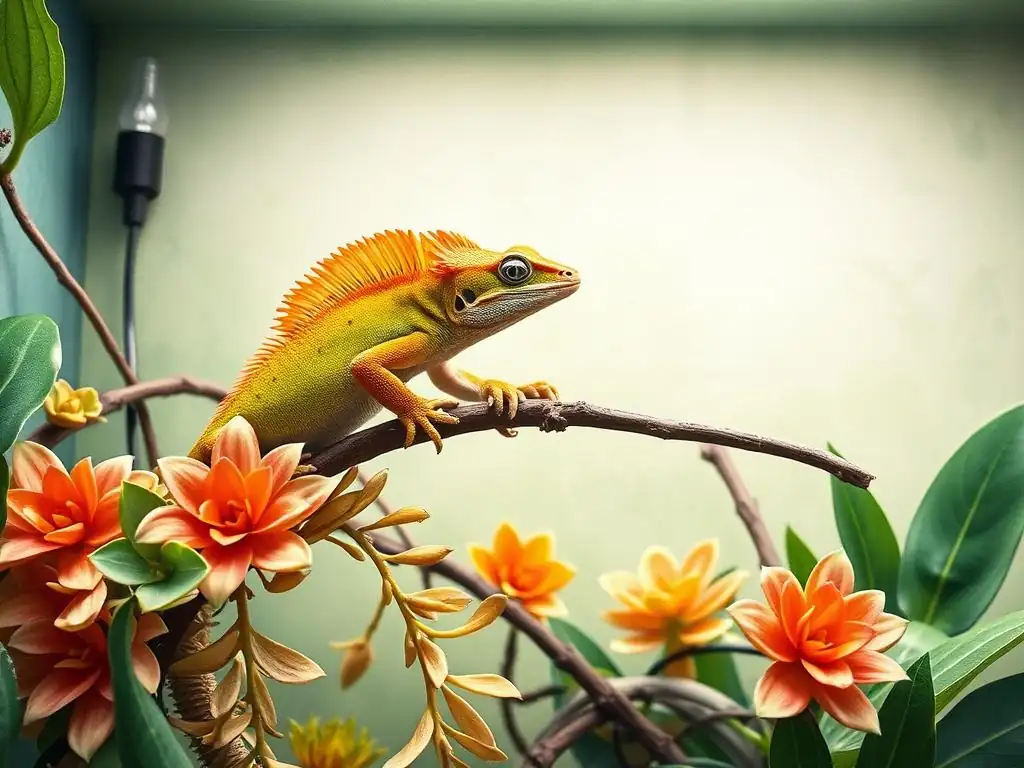
Providing a stimulating and enriching environment is crucial for a crested gecko's well-being. Avoid the mistake of thinking a simple tank with substrate is sufficient. A well-furnished enclosure mimics their natural habitat, promoting natural behaviors and reducing stress. This means focusing on providing vertical space, crucial for these arboreal creatures. Branches of varying thicknesses and heights should be included, allowing your gecko to climb, explore, and rest at different levels.
Think of it like providing a gecko-sized jungle gym! Avoid smooth, slippery branches; instead, opt for those with some texture to aid grip. Cork bark, particularly, offers excellent climbing opportunities and hiding places. These offer security and reduce stress, mimicking the crevices and hollows found in their natural environment. Live plants, such as pothos or bromeliads, are also excellent additions.
They not only enhance the visual appeal but also provide additional climbing surfaces and help maintain humidity. However, ensure any plants chosen are non-toxic to geckos. Finally, a water dish, large enough for your gecko to comfortably soak in, should always be present, providing a source of hydration and a place to bathe. Remember, a stimulating environment is key to avoiding common crested gecko care mistakes and ensuring a happy, healthy pet.
Avoiding Overcrowding in Crested Gecko Habitats
One of the most frequent mistakes new crested gecko owners make is overcrowding their habitats. While it might seem tempting to house multiple geckos together to save space, this can lead to significant problems. Crested geckos are generally solitary creatures, particularly males, who can become aggressive towards one another, leading to injuries and stress. Even females, while sometimes tolerant of each other, can compete for resources and territory. This competition can manifest as physical aggression, resulting in bites, scratches, or even more serious injuries.
Furthermore, overcrowding leads to increased stress levels, making the geckos more susceptible to illness and reducing their overall quality of life. The stress of competition for food, water, and basking spots can suppress their immune systems, making them more vulnerable to diseases. To avoid these problems, always house adult crested geckos individually in appropriately sized enclosures. The size of the enclosure should be carefully considered based on the gecko's size and activity level.
Remember, the larger the enclosure, the better, allowing for ample space to explore, climb, and avoid unwanted interaction. Juveniles can sometimes be housed together, but careful monitoring is vital to ensure they are not exhibiting signs of aggression or stress. Always prioritize the well-being of your crested gecko by providing sufficient space and avoiding the common mistake of overcrowding. A happy, healthy gecko will thrive in its own spacious home.
Nutritional Errors in Crested Gecko Care
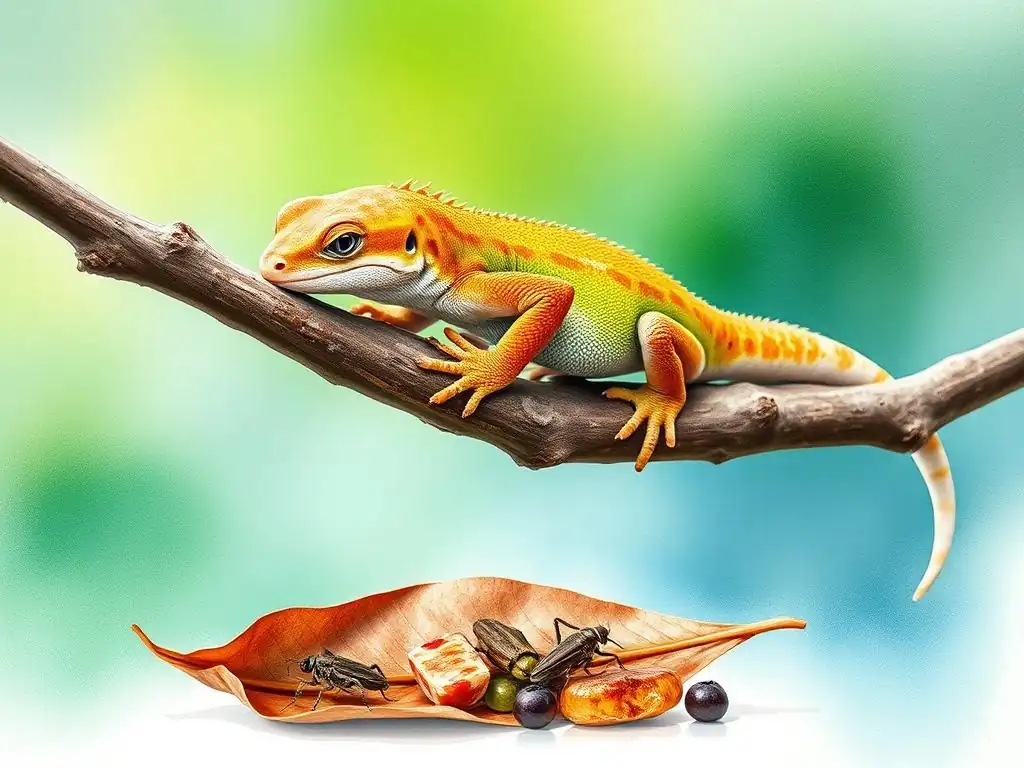
Crested geckos, despite their relatively low-maintenance reputation, are susceptible to health problems stemming from improper nutrition. Avoiding crested gecko care mistakes, particularly those related to diet, is crucial for ensuring a long and healthy life for your pet. This section will delve into the most common nutritional errors and provide practical advice to avoid them.
Remember, a well-balanced diet is the cornerstone of a thriving crested gecko. Failing to provide the correct nutrients can lead to a range of issues, from metabolic bone disease (MBD) to obesity and vitamin deficiencies. Let's explore the key areas where pet owners often falter.
Understanding Crested Gecko Dietary Needs
Crested geckos are primarily insectivores in the wild, but their captive diet often consists of commercially available crested gecko diets. These diets are formulated to mimic their natural prey, providing the necessary proteins, fats, and carbohydrates. However, relying solely on these mixes can be problematic. While convenient, they lack the complete spectrum of nutrients found in a varied diet. A crested gecko's nutritional needs include:
- Calcium: Essential for strong bones and proper muscle function. Deficiency can lead to MBD.
- Phosphorus: Works in conjunction with calcium for bone health. An imbalance can cause skeletal problems.
- Vitamin D3: Crucial for calcium absorption. Insufficient D3 can render calcium ineffective.
- Vitamin A: Supports vision, immune function, and overall health. Deficiency can cause various health issues.
- Protein: Needed for growth, tissue repair, and energy. Insufficient protein can stunt growth or weaken the immune system.
- Fats: Provide energy and aid in the absorption of fat-soluble vitamins. The right balance is key; too much can lead to obesity.
A balanced diet should also include live insects, such as crickets or dubia roaches, dusted with a calcium and vitamin D3 supplement. The frequency of insect feeding depends on the gecko's age and activity level, but it should be a regular part of their diet, not just an occasional treat. The ratio of commercial diet to live insects should be carefully considered, with veterinary advice being beneficial in this regard. [Specific ratio pending further research on optimal dietary compositions for crested geckos of different ages and sizes].
Avoiding Common Crested Gecko Food Mistakes
Many well-intentioned pet owners make mistakes that unknowingly compromise their crested gecko's health. Some of the most prevalent errors include:
- Over-reliance on commercial diets: While these mixes are convenient, they should not be the sole food source. A monotonous diet lacks the variety necessary for optimal health.
- Insufficient calcium supplementation: This is a major cause of MBD in crested geckos. Always dust insects with a high-quality calcium and vitamin D3 powder.
- Ignoring hydration needs: Dehydration is a serious concern. Ensure fresh water is always available in a shallow dish.
- Feeding inappropriate foods: Avoid feeding anything not specifically recommended for crested geckos. Certain fruits and vegetables can be harmful.
- Inconsistent feeding schedules: Maintaining a regular feeding schedule helps ensure consistent nutrient intake.
The consequences of these mistakes can range from minor digestive upsets to severe, life-threatening conditions. Always prioritize a balanced and varied diet, supplementing as needed to meet your gecko's specific nutritional requirements. Regular veterinary checkups are also essential for early detection and treatment of any potential problems. Remember, proactive care is far better than reactive treatment.
Supplementing Your Crested Gecko's Diet Properly
Supplementing your crested gecko's diet is crucial, but it's equally important to do it correctly. Over-supplementation can be just as harmful as under-supplementation. The key is moderation and the use of high-quality supplements formulated specifically for reptiles.
Here's a guide to proper supplementation:
| Supplement | Purpose | Frequency | Cautions |
|---|---|---|---|
| Calcium + Vitamin D3 | Bone health, calcium absorption | With each feeding of insects | Avoid over-supplementation, follow product instructions |
| Vitamin A | Immune function, vision | Once or twice a week | Too much can be toxic; follow recommended dosages |
| Multivitamin | Broad spectrum support | Monthly or as needed | Only use a reptile-specific multivitamin |
Remember to always follow the manufacturer's instructions carefully. Using too much of any supplement can lead to toxicity, resulting in serious health problems. Observe your gecko's behavior and droppings for any signs of digestive upset or other issues. If you notice anything unusual, consult a veterinarian specializing in reptiles immediately. A proactive approach to supplementation, combined with a balanced diet, will contribute significantly to the long-term health and well-being of your crested gecko.
Recognizing Signs of Nutritional Deficiencies in Crested Geckos
Nutritional deficiencies in crested geckos can manifest in various ways, often subtly at first. Early detection is crucial for successful intervention and preventing long-term health problems. One of the most common signs is a lack of growth or stunted growth. Young crested geckos should exhibit consistent growth, and a failure to thrive should raise immediate concerns about their diet. This isn't just about size; it also includes the overall health and vigor of the gecko. A lethargic gecko that's not growing as expected is a clear warning sign.
Another indicator is changes in skin and shedding. Healthy crested geckos shed their skin smoothly, revealing vibrant, healthy-looking skin underneath. Difficulties shedding, retained skin, or dull, dry skin can point to a dietary imbalance. This can be particularly noticeable around the toes and tail. The skin might appear brittle or even cracked in severe cases. Pay close attention to the texture and color; a healthy gecko's skin should be smooth and slightly moist, with a healthy coloration. Deviations from this can often indicate nutritional issues.
Furthermore, bone deformities can be a late-stage symptom of severe nutritional deficiencies. These deformities, often manifesting as bowed legs or a weakened skeletal structure, are indicative of long-term calcium or other essential mineral imbalances. These issues are often irreversible once they become visible, highlighting the importance of proactive dietary management. Early intervention is significantly more effective in preventing these serious complications.
Finally, ocular problems such as cloudy eyes or even blindness can, in some cases, be linked to nutritional deficiencies, particularly those involving Vitamin A. While not always directly caused by diet alone, severe vitamin A deficiencies can weaken the immune system, leaving the gecko vulnerable to infections that may affect its vision. This highlights the importance of a balanced diet rich in all necessary vitamins and minerals. Always consult a veterinarian specializing in reptiles if you observe any concerning changes in your gecko's eye health.
They can conduct a thorough examination and determine the underlying cause. Remember, early identification and treatment are key to avoiding serious health issues. Careful monitoring and a well-balanced diet are fundamental for preventing nutritional deficiencies in your crested gecko.
Handling and Interaction Mistakes with Crested Geckos
Crested geckos, while relatively docile, are still delicate creatures. Improper handling can lead to stress, injury, and even death. Avoiding common handling mistakes is crucial for ensuring the well-being of your pet. Many new crested gecko owners unintentionally cause stress through overly enthusiastic interaction or lack of understanding of the gecko's needs. This section will outline safe handling practices and methods for recognizing signs of stress in your crested gecko, allowing you to adjust your interactions accordingly and avoid common pitfalls associated with "Avoid crested gecko care mistakes."
Safe Handling Techniques for Crested Geckos
Gentle handling is paramount. Before you even approach your crested gecko, wash your hands thoroughly with unscented soap to remove any potentially harmful residues. Never grab or snatch your gecko; this can cause injury and instill fear. Instead, use a slow, gentle approach. Support the gecko's entire body while handling it, using both hands. One hand should gently support its abdomen, while the other supports its tail and hind legs. Avoid squeezing or applying excessive pressure.
Remember that crested geckos are crepuscular, meaning they're most active during dawn and dusk. Handling should be kept to a minimum and ideally done during these periods when they are more alert and less likely to be stressed. Prolonged handling sessions should be avoided, especially for young or recently acquired geckos. Aim for short, infrequent interactions to build trust and avoid overwhelming your pet.
Over-handling can lead to stress, impacting their appetite and overall health. Always prioritize your gecko's comfort and well-being. A good rule of thumb is to limit handling to once or twice a week for adults, and even less frequently for juveniles.
Consider using a designated handling container, such as a small, well-ventilated enclosure, to facilitate handling. This provides a safe and familiar environment for the gecko, minimizing stress. This is particularly useful for routine husbandry tasks, such as spot cleaning or providing food.
Recognizing Stress Signals in Crested Geckos
Learning to recognize stress signals is crucial to prevent long-term health problems. A stressed crested gecko might exhibit several behavioral changes. These include:
- Gaping: This is a common stress response where the gecko opens its mouth widely, sometimes accompanied by hissing.
- Tail Dropping: While tail dropping can occur due to injury, it's also a sign of extreme stress or fear.
- Increased Activity or Restlessness: A sudden increase in activity or pacing can indicate anxiety. Conversely, unusually lethargic behavior can also be a sign of stress.
- Changes in Appetite: Reduced or increased food intake can be indicative of underlying stress.
- Self-Mutilation: In extreme cases, stressed geckos may self-mutilate by shedding skin prematurely or excessively.
Understanding these subtle cues enables you to modify your interactions and provide a more supportive environment, thus avoiding many common mistakes associated with "Avoid crested gecko care mistakes." If you notice any of these signs, immediately reduce handling and assess the environment for potential stressors.
Creating a Stress-Free Environment for Crested Geckos
A well-designed and appropriately maintained habitat is crucial for a stress-free crested gecko. Several factors contribute to a comfortable environment:
- Proper Temperature and Humidity: Maintaining the correct temperature and humidity levels is paramount. Use a thermometer and hygrometer to monitor these parameters regularly. Fluctuations can cause significant stress.
- Adequate Hiding Places: Provide plenty of secure hiding places, such as cork bark, artificial plants, or small caves, to allow the gecko to feel secure and reduce anxiety.
- Minimize Disturbances: Avoid unnecessary handling or disturbances, especially during their active periods. Keep their enclosure in a quiet area away from direct sunlight and loud noises.
- Substrate Selection: Choose a suitable substrate that is easy to clean and maintain, preventing the build-up of harmful bacteria or parasites. Paper towels or reptile carpet are good choices.
- Enrichment: Providing environmental enrichment, such as branches for climbing and exploring, can help reduce boredom and stress.
By carefully considering these aspects of habitat management, you can create an environment that minimizes stress and promotes the well-being of your crested gecko. Remember, a happy and healthy gecko is a less stressed gecko, significantly reducing the likelihood of encountering problems. This proactive approach is key to successfully navigating the challenges of crested gecko care and avoiding many of the common mistakes.
The Importance of Gentle Handling for Crested Gecko Health
Gentle handling is paramount to the well-being of your crested gecko. These delicate creatures can easily be injured by rough or clumsy handling, leading to stress, injuries, and even death. Their bones are surprisingly fragile, and their skin is sensitive. A simple drop from a short height can result in broken bones or internal injuries.
Moreover, excessive handling can disrupt their natural behavior patterns, leading to stress-induced illnesses. A stressed crested gecko might refuse to eat, become lethargic, or develop other health problems. Remember, these geckos are not cuddly pets like dogs or cats; they are wild animals that require a respectful and gentle approach.
To avoid harming your crested gecko, always support its entire body when handling it. Never hold it by its tail; this can cause injury or even lead to tail loss, a process called autotomy which, while a survival mechanism, is stressful for the gecko. Instead, gently cup your hands under its body, providing a secure and supportive hold.
Keep your movements slow and deliberate, avoiding sudden jerks or movements that could startle the gecko. Before handling your gecko, wash your hands thoroughly to remove any potentially harmful substances like lotions, soaps, or perfumes. These can irritate their sensitive skin.
Additionally, ensure your hands are clean and dry, as wet hands can make it harder to maintain a secure grip. Short handling sessions are best; limit interaction to a few minutes at a time to minimize stress. Observe your gecko's behavior; if it seems stressed or agitated, immediately return it to its enclosure.
Understanding the delicate nature of crested geckos and practicing gentle handling techniques are crucial steps in responsible pet ownership. By prioritizing the gecko's comfort and safety, you contribute to its overall health and longevity, making your time with this fascinating creature a rewarding and positive experience. Remember, avoiding unnecessary handling is key to a happy and healthy crested gecko. The more you respect their natural behaviors and their need for a quiet environment, the better off your pet will be. Regular observation without handling allows you to monitor their health and behavior without causing undue stress.
Preventing and Treating Common Crested Gecko Illnesses
Crested geckos, while relatively hardy, are susceptible to several illnesses if their care is suboptimal. Proactive preventative measures are crucial to avoid costly and stressful veterinary interventions. Understanding common ailments and their early warning signs is key to maintaining a healthy and thriving crested gecko. Successfully avoiding crested gecko care mistakes hinges on diligent observation and prompt action.
Recognizing Early Signs of Illness in Crested Geckos
Early detection significantly improves the chances of successful treatment for your crested gecko. Subtle changes in behavior or physical appearance can indicate underlying health problems. Pay close attention to these potential indicators:
- Lethargy and lack of appetite: A significant decrease in activity levels and refusal to eat are often early warning signs of various illnesses, including infections or parasites. A healthy crested gecko should be active, especially at dusk and dawn, and readily consume its food.
- Changes in defecation: Observe the frequency and consistency of your gecko's droppings. Changes in color, frequency, or the presence of unusual substances (like blood or mucus) warrants immediate veterinary attention. Regular monitoring of their waste is a crucial part of preventative care.
- Skin changes: Look for any unusual skin discoloration, sores, or swelling. Skin problems can be indicative of bacterial or fungal infections, metabolic bone disease (MBD), or parasitic infestations. Regularly inspect your gecko's skin for any abnormalities.
- Respiratory issues: Difficulty breathing, wheezing, or excessive gaping of the mouth can indicate respiratory infections. These infections, often caused by poor ventilation or temperature fluctuations, can be life-threatening if left untreated.
- Dehydration: Dehydration manifests as sunken eyes, lethargy, and loss of skin elasticity. Ensure your crested gecko has access to fresh water at all times and monitor its hydration status.
Maintaining Optimal Temperature and Humidity to Prevent Disease
Maintaining the correct temperature and humidity is paramount in preventing many common crested gecko illnesses. Improper environmental conditions weaken their immune systems, making them more vulnerable to infections. Consider these factors:
- Temperature Gradient: Provide a temperature gradient within the enclosure, allowing your gecko to thermoregulate effectively. A basking spot slightly warmer than the ambient temperature is ideal (around 80-85°F/27-29°C), while cooler areas should be available. Consistent monitoring is vital; inaccurate temperature readings can significantly harm your pet.
- Humidity Levels: Crested geckos thrive in a humid environment (60-80%). Use a hygrometer to monitor humidity levels and adjust accordingly. Regular misting or the use of a humidifier might be necessary, depending on your climate and enclosure setup. Consistent high or low humidity can trigger various health problems.
- Proper Ventilation: While humidity is important, adequate ventilation is equally crucial to prevent the buildup of harmful bacteria and fungi. Ensure your enclosure has sufficient air circulation without creating drafts.
Understanding Parasites and Their Prevention in Crested Geckos
Parasites, such as mites and nematodes, are a common concern for crested geckos. Regular preventative measures significantly reduce the risk of infestation. Consider these strategies:
- Quarantine New Geckos: Always quarantine new geckos for at least 30 days before introducing them to your existing collection. This crucial step prevents the spread of parasites and other potential illnesses.
- Regular Cleaning and Disinfection: Thoroughly clean and disinfect the enclosure regularly to eliminate parasite eggs and larvae. Use appropriate reptile-safe disinfectants and pay attention to all surfaces, including the substrate and decorations. Regular cleaning minimizes the risk of infestation.
- Fecal Examination: Regular fecal examinations by a veterinarian can detect parasites early, allowing for prompt treatment. Early detection is essential for effective parasite control. This proactive approach significantly improves the chances of a healthy gecko. Ignoring this step can lead to serious complications.
Remember, consistent monitoring and preventative care are the cornerstones of avoiding crested gecko care mistakes and ensuring a long, healthy life for your pet. By paying attention to these details, you will significantly reduce the risk of illness and contribute to your gecko's overall well-being.
Seeking Veterinary Care for Your Crested Gecko
Finding a veterinarian experienced with reptiles, specifically geckos, is crucial for your crested gecko's health. Many general practitioners lack the specialized knowledge to diagnose and treat reptile-specific illnesses. A reptile-savvy vet will understand the nuances of crested gecko anatomy, physiology, and common ailments. They can accurately diagnose problems, often through physical examination, fecal analysis, and potentially blood work (though blood sampling in geckos can be challenging). Early intervention is key; delaying veterinary care can significantly worsen a gecko's condition and reduce the chances of a successful recovery.
Don't hesitate to seek veterinary attention if you notice any unusual behavior, changes in appetite, shedding problems, or visible signs of illness like lethargy, weight loss, or respiratory issues. A proactive approach to your gecko's health is far better than reactive treatment. Remember, even seemingly minor symptoms could indicate a more serious underlying problem. For example, a simple case of impaction can quickly escalate into a life-threatening situation if left untreated. A vet can provide appropriate medication, hydration therapy, or other interventions to address the problem effectively.
Building a relationship with a reputable reptile veterinarian before an emergency arises is highly recommended. This allows you to establish a rapport and ensures you have a point of contact when your gecko needs care. Ask other reptile keepers for recommendations or check online forums and reptile-specific veterinary directories for vets in your area with experience in treating crested geckos.
The investment in preventative care and access to expert veterinary services is invaluable to the long-term health and well-being of your crested gecko. A healthy gecko is a happy gecko, and a proactive approach to veterinary care is essential in ensuring your pet enjoys a long and fulfilling life.
Avoiding Crested Gecko Breeding Mistakes
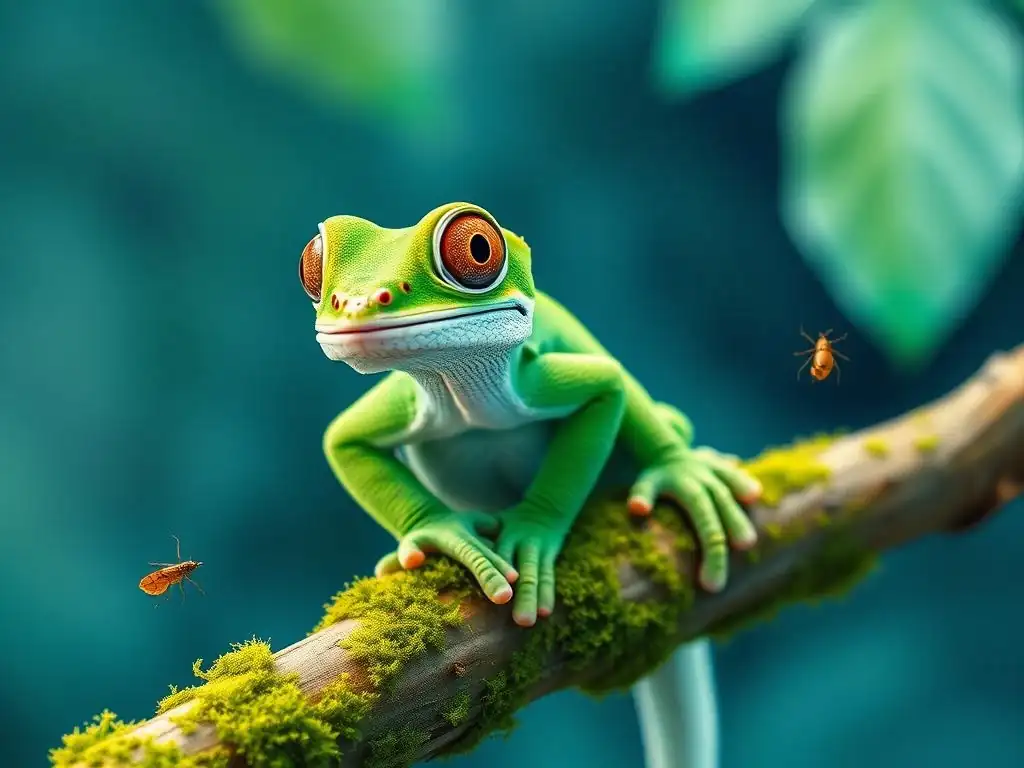
Breeding crested geckos can be a rewarding experience, allowing you to contribute to the preservation of this fascinating species. However, several common mistakes can lead to breeding failure, health problems for the parents and offspring, or even the death of the animals. This section focuses on avoiding these pitfalls to ensure a successful and ethical breeding program. Proper planning and understanding are crucial for responsible crested gecko breeding. Remember, the welfare of the geckos should always be the top priority. Avoid crested gecko care mistakes by following these guidelines.
Understanding the Reproductive Cycle of Crested Geckos
The reproductive cycle of Correlophus ciliatus (crested geckos) is influenced by several factors, primarily photoperiod (light cycle) and temperature. Understanding this cycle is paramount to successful breeding. Generally, crested geckos are capable of breeding year-round under optimal conditions, but a natural cycle mimicking their native New Caledonia habitat is often preferred.
This involves simulating a breeding season. This can be accomplished by gradually increasing the photoperiod from 10-12 hours of light to 12-14 hours, mimicking longer days. A gradual increase in temperature, within the ideal range of 72-80°F (22-27°C), also helps stimulate breeding activity. It's crucial to monitor their behavior closely. Signs of readiness include increased activity, vocalizations (gentle chirps or clicks), and the female exhibiting receptive behavior towards the male.
Female crested geckos can lay clutches of 1-2 eggs every 2-4 weeks during the breeding season. They typically lay their eggs in a humid, dark, and secure location, such as under cork bark or within a specially provided laying box filled with slightly moist vermiculite. Monitoring egg-laying is crucial for preventing problems such as egg-binding, which can be fatal.
Detailed Egg Laying Observation Checklist
* **Frequency:** Record the frequency of egg-laying. * **Clutch Size:** Note the number of eggs in each clutch. * **Egg Condition:** Observe the eggs for any signs of damage or abnormalities. * **Laying Site:** Document where the eggs were laid to help you provide optimal conditions in future breeding cycles. * **Incubation:** Record the incubation conditions (temperature and humidity) to track results.
Appropriate Breeding Conditions for Crested Geckos
Providing the correct environmental conditions is key to successful crested gecko breeding. This includes maintaining appropriate temperature and humidity levels, providing adequate space, and offering a suitable substrate. Inadequate conditions can lead to breeding failure, reduced egg fertility, and health problems in both parents and offspring.
| Parameter | Ideal Range | Consequences of Inadequacy |
|---|---|---|
| Temperature (°F) | 72-80 (22-27°C) | Reduced breeding activity, infertility, developmental issues |
| Humidity (%) | 60-80% | Dehydration, egg failure, skin problems |
| Enclosure Size (per pair) | Minimum 18x18x24 inches (46x46x61 cm) | Crowding, stress, aggression, breeding failure |
| Substrate | Paper towels, coconut fiber | Improper substrate can harbor bacteria and impact humidity |
The enclosure should also offer a variety of hiding places, branches for climbing, and a water dish. Overcrowding should be strictly avoided, as it can lead to stress, aggression, and breeding failure. Providing separate enclosures for the breeding pair after mating can prevent unnecessary stress and competition.
Preventing Breeding Problems in Crested Geckos
Several problems can arise during crested gecko breeding. These can range from egg-binding in females to male aggression and infertility. Prevention is key to avoiding these issues.
- Egg-binding: This occurs when a female struggles to lay her eggs. Maintaining appropriate humidity levels and providing a suitable laying site are crucial preventative measures. Signs of egg-binding include straining, lethargy, and loss of appetite. If you suspect egg-binding, veterinary attention is immediately necessary.
- Male Aggression: Some males can be aggressive towards females, especially during mating. Providing ample space and hiding places can help to mitigate this. Close monitoring is vital, and separation may be necessary if aggression becomes excessive.
- Infertility: Infertility can be caused by various factors, including poor nutrition, inadequate environmental conditions, or underlying health problems. Ensuring optimal health and nutrition for both parents is crucial. A balanced diet containing a variety of insects and commercially available crested gecko diets is essential. Regular veterinary checkups are also recommended to identify and address any potential health issues.
By carefully considering these factors and implementing preventative measures, you can significantly increase your chances of successful and ethical crested gecko breeding, while avoiding common crested gecko care mistakes. Remember that responsible breeding prioritizes the health and well-being of the animals above all else.
Long-Term Health and Care for Crested Geckos
This section focuses on the crucial aspects of long-term crested gecko care to avoid common mistakes and ensure your pet enjoys a long and healthy life. Proper husbandry, preventative care, and recognizing age-related changes are key to responsible crested gecko ownership. Failing to address these factors can lead to preventable illnesses and significantly shorten your gecko's lifespan. Let's delve into the specifics of maintaining your crested gecko's well-being over the years.
Establishing a Regular Crested Gecko Health Check Routine
Regular health checks are vital for early detection of potential problems. Think of it as preventative medicine for your scaly friend. A consistent routine allows you to identify subtle changes in behavior or physical appearance that might indicate an underlying issue. Ideally, you should perform a visual check at least once a week. What should you look for?
- Weight: Regular weighing (using a gram scale) helps monitor weight changes, which can signal dietary issues or illness. A sudden weight loss is a major red flag.
- Skin: Examine the skin for any signs of parasites (mites are common), cuts, abrasions, or unusual bumps. Look for any changes in color or texture. A dull, dry appearance might indicate dehydration or a metabolic bone disease.
- Eyes: Clear, bright eyes are a sign of health. Cloudy eyes, discharge, or swelling can indicate infection or illness.
- Mouth: Check for any signs of mouth rot (stomatitis), characterized by inflammation, redness, or excess salivation.
- Waste: Observe the frequency and consistency of your gecko's droppings. Changes in color, frequency, or consistency can indicate digestive problems or parasites. Note that the frequency of defecation can vary greatly between individual geckos.
- Activity Level: Monitor your gecko's activity levels. Lethargy or unusual inactivity can be a symptom of illness.
Example of a Weekly Health Check Log
Consider using a simple log to track your gecko's health. This allows you to quickly identify any trends or changes.
| Date | Weight (g) | Skin Condition | Eyes | Mouth | Waste | Activity Level | Notes |
|---|---|---|---|---|---|---|---|
| October 26, 2023 | 45 | Healthy, smooth | Clear, bright | Normal | Normal | Active | |
| November 2, 2023 | 44 | Slightly dry | Clear | Normal | Slightly less frequent | Slightly less active | Increased humidity |
Remember, early detection is key to successful treatment. Any unusual observations warrant a visit to a veterinarian specializing in reptiles.
Recognizing Signs of Aging in Crested Geckos
As crested geckos age (their average lifespan is 10-20 years), they may exhibit several age-related changes. Understanding these changes is crucial for providing appropriate senior care. These changes are often gradual and subtle:
- Decreased Activity: Older geckos generally become less active. They may spend more time resting and less time exploring their enclosure.
- Weight Loss: A gradual weight loss is common in older geckos, even with proper nutrition. However, a sudden, significant weight loss is cause for concern.
- Skin Changes: The skin may become thinner, drier, and more wrinkled.
- Loss of Muscle Mass: Older geckos may experience a loss of muscle mass, leading to a less robust appearance.
- Slower Metabolism: Their metabolism slows down, which can affect their appetite and digestion.
- Vision and Hearing Loss: Vision and hearing can deteriorate with age.
These changes are normal signs of aging, but it's important to differentiate them from disease. Any sudden or significant changes require veterinary attention. For example, a sudden drop in weight could indicate an underlying medical condition, even in an older gecko. Don't assume age is the sole culprit without a proper checkup.
Providing Senior Care for Crested Geckos
Senior crested geckos require specialized care to maintain their comfort and health. This often involves adjustments to their diet, environment, and handling.
- Dietary Modifications: Older geckos may have difficulty digesting food, requiring a softer diet. Consider offering smaller, more frequent meals of easily digestible foods. Supplementing with calcium and vitamin D3 remains important, but the dosage might need adjustment based on your veterinarian's recommendation.
- Environmental Enrichment: Maintain a comfortable and easily accessible environment. Ensure that climbing structures are easy to navigate and that the temperature and humidity are consistently maintained within the appropriate range. Avoid placing the enclosure in areas with significant drafts or temperature fluctuations.
- Gentle Handling: Handle your senior gecko gently and less frequently to minimize stress and potential injury.
- Veterinary Care: Regular veterinary checkups are essential for senior geckos to monitor their health and address any emerging issues promptly. Early intervention can significantly improve their quality of life and extend their lifespan. Remember to always consult a reptile specialist for proper diagnosis and treatment.
By proactively addressing these aspects of long-term crested gecko care, you can significantly improve the chances of your pet enjoying a long, happy, and healthy life. Remember, prevention is key, and regular monitoring is crucial for early detection and intervention of potential problems. This careful attention to detail is a testament to responsible pet ownership and will allow you to avoid common crested gecko care mistakes.
Frequently Asked Questions
What are the most common crested gecko care mistakes?
The most common mistakes include incorrect humidity levels, leading to shedding problems, and providing an inappropriate diet, resulting in nutritional deficiencies. Improper temperature also frequently causes health issues.
How important is humidity for crested geckos?
Humidity is absolutely crucial. Maintaining the correct humidity range (60-80%) prevents shedding difficulties and respiratory problems. Use a hygrometer to monitor levels.
What should I feed my crested gecko?
Crested geckos thrive on a commercially available complete crested gecko diet. Supplementing with insects is generally not necessary and can be harmful. Avoid feeding fruit-based diets exclusively.
What size enclosure is appropriate for a crested gecko?
The enclosure size depends on the gecko's age. A juvenile needs a smaller enclosure, while an adult requires a minimum of a 12x12x18 inch enclosure, providing ample space to climb and explore. Larger is always better.
My crested gecko isn't shedding properly, what should I do?
Improper shedding usually indicates incorrect humidity levels. Increase humidity, mist the enclosure regularly, and ensure proper ventilation. If problems persist, consult a veterinarian specializing in reptiles.
Final Reflection: Guiding Your Gecko Towards a Thriving Life
The delicate balance of proper crested gecko care is crucial, and avoiding common mistakes is the key to ensuring a long and healthy life for these captivating creatures. A seemingly small oversight can have significant consequences, impacting their well-being and potentially shortening their lifespan. Understanding these pitfalls is not just about responsible pet ownership; it's about fostering a deep and meaningful connection with a fascinating reptile.
The journey of learning to care for a crested gecko is a continuous one, filled with both triumphs and challenges. It's a testament to the evolving understanding of reptile husbandry and the growing appreciation for the unique needs of these animals. The greatest discovery of all time is that a person can change his future by merely changing his attitude.
– Oprah Winfrey. This quote resonates deeply because the right attitude – one of continuous learning and adaptation – is crucial for providing optimal care. We must always be willing to adjust our practices based on new research and our gecko's individual needs.
Now, consider your own approach to pet ownership. Are you actively seeking out new information and refining your techniques? Do you prioritize the well-being of your crested gecko above all else? Take this opportunity to reflect on your current practices and identify areas for improvement. Embrace the ongoing learning process, and remember that every small step you take towards better care contributes to a richer and more fulfilling life for your incredible crested gecko companion. The journey towards responsible ownership is a rewarding one, and your gecko will thank you for it.
Unleash Your Inner Gecko Guru!
Thank you for exploring the world of crested gecko care with us! We hope you've gained valuable insights to help your little friend thrive. Now it's time to put that knowledge into practice.
- Prioritize Enrichment: Take a close look at your gecko's habitat. Is there sufficient climbing space? Are the hides suitable for basking and hiding? Make any necessary adjustments today to create the perfect environment for your gecko.
- Share Your Success (or Questions!): Tell us about your crested gecko's favorite hide or a recent enrichment you've added in the comments below. Sharing experiences benefits everyone in our community.
- Explore Further: Consider researching different types of feeder insects and their nutritional content. This is a great way to optimize your gecko's diet.
What small improvement will you make today to enhance your crested gecko's well-being?