Choosing the Right Substrate for Your Corn Snake's Enclosure
🤔 Discover the ideal bedding for your corn snake! PetCareWorld guides you through selecting the best corn snake substrate, ensuring a healthy…
Read article
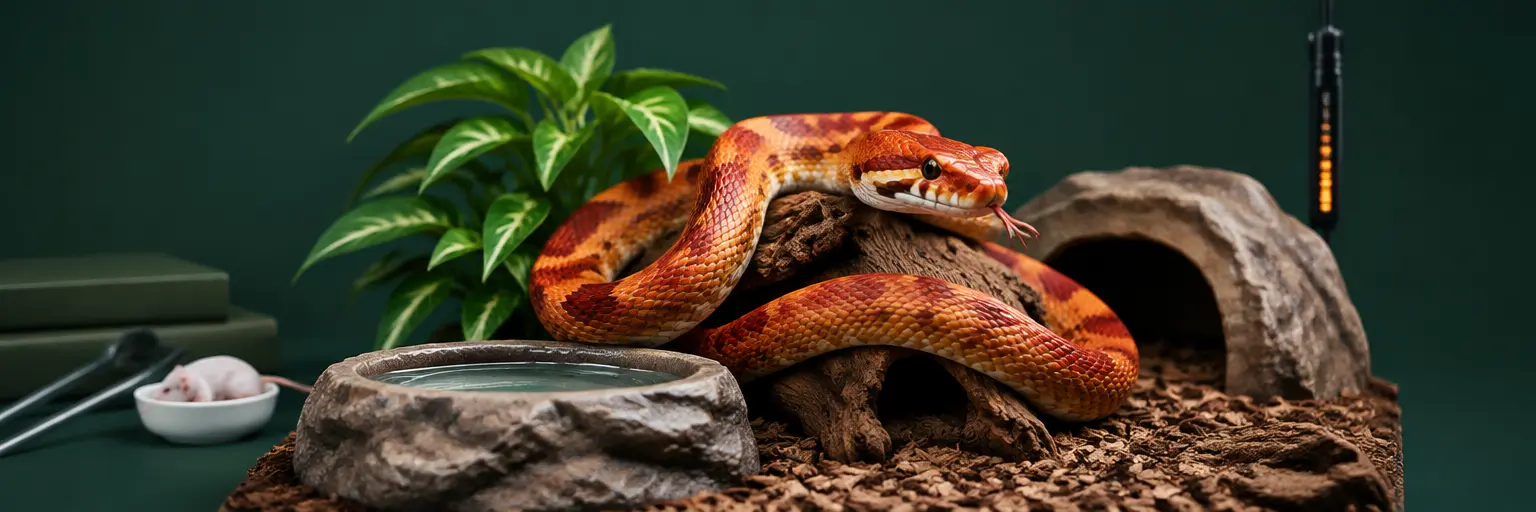
Discover the art of caring for corn snakes with expert-backed guidance designed for both beginners and seasoned reptile enthusiasts. These gentle, low-maintenance serpents thrive when their habitat, diet, and health needs are met with precision. From choosing the right enclosure and temperature gradient to mastering feeding schedules and shedding support, our tips ensure your corn snake stays vibrant and stress-free. Learn to recognize early signs of common issues, enrich their environment with safe climbing structures, and build a bond through calm, consistent handling. With the right setup—warm basking spots, proper humidity, and a secure hide—your corn snake will flourish for decades. Explore practical solutions for hydration, substrate choices, and seasonal care changes, all tailored to this hardy species. Whether you’re troubleshooting a picky eater or planning a bioactive vivarium, this resource simplifies every step. Trust PetCareWorld to turn you into a confident keeper, ensuring your corn snake’s well-being is always a top priority. Embrace the joy of responsible reptile ownership today!
🤔 Discover the ideal bedding for your corn snake! PetCareWorld guides you through selecting the best corn snake substrate, ensuring a healthy…
Read article
😊 Ensure your corn snake thrives! This PetCareWorld guide tackles common corn snake health problems, helping you identify and address illnesses for…
Read article
😊 Uncover the captivating world of corn snake genetics! This guide delves into the fascinating variety of corn snake morphs, explaining the…
Read article
😊 Discover the secrets to a thriving corn snake bioactive enclosure setup! This PetCareWorld guide provides expert advice on creating a natural,…
Read articleWelcome to PetCareWorld’s dedicated guide on caring for corn snakes, one of the most popular and beginner-friendly reptiles in the exotic pet community. Corn snakes (Pantherophis guttatus) are celebrated for their docile temperament, striking color morphs, and manageable size, making them ideal first snakes or cherished additions to any herpetoculture collection. In this subcategory, we dive deep into every facet of corn snake husbandry—from enclosure setup and temperature gradients to feeding schedules, health monitoring, and enrichment—ensuring your scaly companion thrives. Whether you’re a noviced keeper or refining your skills, our expert-backed advice covers habitat essentials, nutritional needs, common ailments, and behavioral insights, all optimized to boost your confidence and your snake’s quality of life.
Creating a secure and stimulating habitat is the foundation of corn snake care. We guide you through selecting the right terrarium size—typically a 20-gallon long tank for juveniles and a 40-gallon breeder for adults—along with essential accessories like hiding spots, climbing branches, and a water dish large enough for soaking. Proper ventilation and escape-proof lids are non-negotiable, as corn snakes are notorious escape artists. We also cover substrate choices, from aspen shavings to paper towels for quarantine, ensuring you avoid harmful options like cedar or pine that can cause respiratory issues.
Temperature and humidity are critical for digestion and shedding. Your enclosure should have a thermal gradient with a basking spot at 85-88°F (29-31°C) and a cool side around 75-80°F (24-27°C), using an under-tank heater or ceramic heat emitter regulated by a thermostat. Humidity levels should stay between 40-60%, with a humidity box filled with damp sphagnum moss during shedding periods to prevent retained eye caps or incomplete sheds. We’ll walk you through monitoring tools and seasonal adjustments, ensuring your snake remains stress-free and active.
Feeding corn snakes correctly prevents obesity, regurgitation, and future health problems. We detail prey size guidelines—offering mice or rats that are roughly 1.5 times the width of your snake’s widest body part—and recommend a schedule: every 5-7 days for juveniles and every 7-10 days for adults. Always use pre-killed or frozen-thawed prey to avoid injury to your snake and to reduce the risk of parasites. We explain the thawing process and how to warm prey to about 100°F (38°C) using hot water, never a microwave, to mimic natural body heat.
Beyond the basics, we address picky eaters, offering tips like braining prey or scenting with chicken broth to entice reluctant snakes. We also stress the importance of post-feeding handling restrictions—wait at least 48 hours to avoid regurgitation—and how to adjust portions during growth spurts or brumation. Hydration is equally vital, so we cover how to recognize dehydration signs and when to offer extra water bowls. Our nutritional advice ensures you provide a balanced diet that supports healthy bone development and vibrant coloration.
Corn snakes are hardy, but proactive health monitoring is essential. We explain how to identify a healthy snake—clear eyes, smooth scales, active tongue flicking, and a strong feeding response—and what abnormal signs warrant veterinary attention. Respiratory infections, mites, and mouth rot are common issues we demystify, listing visible symptoms like wheezing, excessive soaking, or lesions, along with first-aid steps and when to seek an exotic vet. We also cover stool analysis for parasites, ensuring your snake’s digestive health is optimal.
Shedding is a natural process, and we break down the signs of an impending shed—dull skin, blue-ish opaque eyes—and how to support it. Maintaining proper humidity and providing rough surfaces like bark or rocks helps snakes rub off old skin in one piece. If a stuck shed occurs, we offer safe remedies like a warm soak or a humidity box. Additionally, we touch on brumation, a lighter winter rest period, and how to manage it safely without causing stress, plus tips for quarantine new snakes to prevent disease spread. This section aims to keep your corn snake thriving for 15-20 years.
Regular, gentle handling builds trust and reduces stress, making corn snakes delightful companions. We provide step-by-step handling techniques—supporting the body with both hands, avoiding sudden movements, and reading body language like defensive hissing or tail vibration. Start with short sessions (5-10 minutes) a few times per week, gradually increasing duration as your snake becomes accustomed to you. We also advise against handling post-feeding or during shedding for safety.
Enrichment is often overlooked but crucial for mental well-being. We suggest adding climbing branches, cork bark tunnels, and leaf litter to mimic their natural habitat, encouraging natural behaviors like burrowing and climbing. Rotating decor every few weeks stimulates curiosity, while offering a shallow water dish for soaking promotes healthy skin. We also explain how to create an obstacle course for exercise and how to use feeding tongs to simulate prey movement, making mealtime engaging. These activities reduce stereotypic behaviors and keep your snake active, curious, and content.
Consistent cleaning prevents bacterial buildup and fungal infections. We outline a spot-cleaning routine—removing urates and soiled substrate daily—and a deep-clean schedule every 2-4 weeks, using reptile-safe disinfectants diluted with water. Always rinse thoroughly to remove chemical residues that could harm your snake. We also explain how to sanitize hides and water dishes, and when to replace substrates entirely to control ammonia levels and odors.
Seasonal changes affect your corn snake’s behavior and needs. During cooler months, we guide you on reducing feeding frequency and lowering temperatures slightly to mimic winter without full brumation, while in warmer months, you might see increased activity and appetite. Photoperiod adjustments—providing 12 hours of light and 12 of darkness—are vital for biological rhythms. We also address power outage preparedness with heat packs or warm water bottles, plus travel tips for vet visits or relocations, ensuring your snake stays safe in all seasons. With our maintenance checklist, you’ll create a pristine, low-stress environment year-round.
Juvenile corn snakes typically eat every 5-7 days, while adults can be fed every 7-10 days. Always choose prey about 1.5 times the snake’s widest girth, and adjust based on body condition—a healthy snake has a rounded, not creased, back. Overfeeding can lead to obesity, so err on the side of longer intervals for slower metabolism.
An adult corn snake, which can reach 4-6 feet, needs a minimum 40-gallon breeder tank (36x18x18 inches). Larger is always better, as more floor space allows for a proper thermal gradient and enrichment. Ensure a secure, escape-proof lid with clamps, as corn snakes are notorious for pushing against weak covers.
Before shedding, your snake’s skin will appear dull, and its eyes will turn a milky blue-gray. Its belly may look pinkish, and it may become more reclusive or lose its appetite. Increase humidity to 70% using a humidity hide or misting, and provide rough surfaces like aspen or bark to help it rub off the old skin in one piece.
Unlike many reptiles, corn snakes are primarily nocturnal and do not require UVB lighting for calcium metabolism. They obtain vitamin D3 from their diet (whole prey) and synthesize it through skin enzymes. However, providing a low-wattage LED day light can support a natural photoperiod, aiding in activity regulation, but it’s not essential.
First, check husbandry—temperature, humidity, and stress factors like handling or new surroundings. Corn snakes may fast during shedding or cooler months. If refusal persists over 4-6 weeks, offer a different prey type, ensure prey is properly warmed and dry, or try night feeding. If accompanied by weight loss or lethargy, consult an exotic vet.