
Corn Snake Genetics: A Fascinating World of Morphs

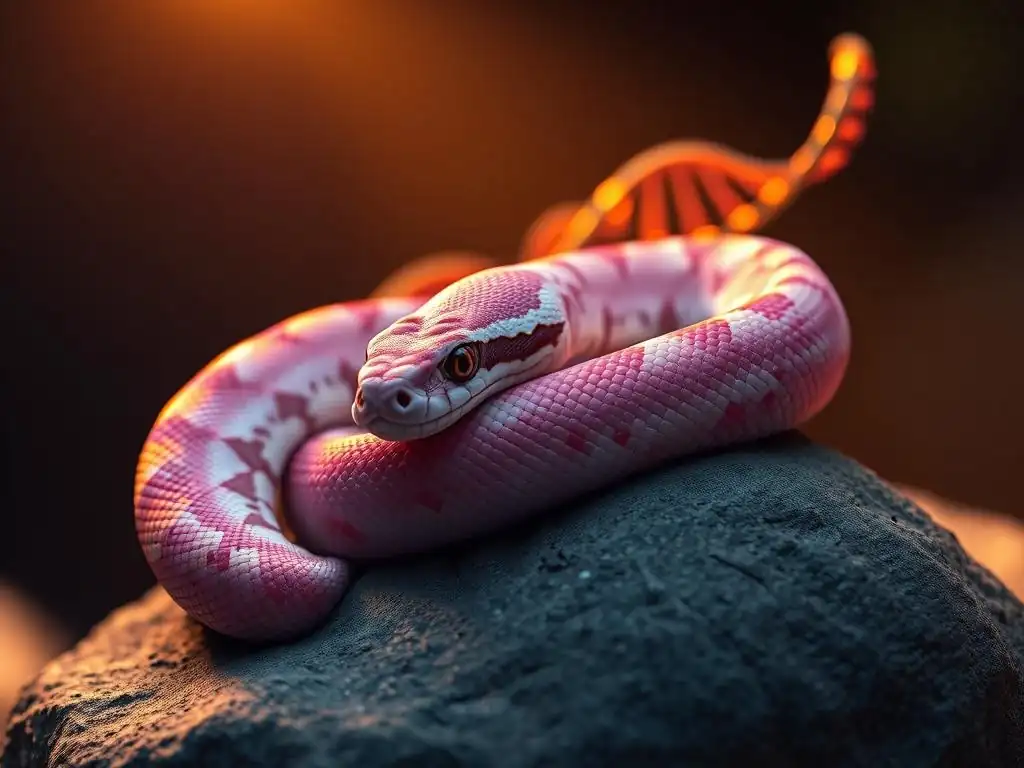
Welcome to PetCareWorld, your ultimate guide to the wonderful world of pet care! Are you fascinated by the incredible diversity of corn snakes? Then prepare to be amazed by the intriguing world of corn snake morph genetics. Our comprehensive guide delves into the fascinating science behind these stunning variations, revealing the secrets to understanding and predicting the inheritance of these captivating traits. Discover the complexities of corn snake genetics and unlock a deeper appreciation for these beautiful reptiles – read on to explore the possibilities!
- Understanding Corn Snake Morph Genetics: A Comprehensive Guide
-
Popular Corn Snake Morphs and Their Genetics
- Exploring the Genetics of Amel Corn Snakes
- Understanding the Genetics of Anerythristic Corn Snakes
- The Genetics Behind Hypomelanistic Corn Snakes
- Genetic Analysis of Lavender Corn Snakes
- Unraveling the Genetics of Albino Corn Snakes
- Deep Dive into the Genetics of Bloodred Corn Snakes
- Understanding the Genetics of Caramel Corn Snakes
- Corn Snake Morph Combinations and Their Genetic Implications
- Ethical Considerations in Corn Snake Breeding
- Resources for Corn Snake Breeders and Enthusiasts
- Frequently Asked Questions
- Final Reflection: Unraveling the Colorful Tapestry of Corn Snake Genetics
- Unlock the Secrets of Corn Snake Genetics!
Understanding Corn Snake Morph Genetics: A Comprehensive Guide
Corn snakes ( Pantherophis guttatus ) are popular pet reptiles renowned for their docile nature and stunning array of colors and patterns. This captivating diversity is largely due to the fascinating world of corn snake morph genetics.
This guide delves into the intricacies of corn snake genetics, exploring the fundamental principles that govern the inheritance of these striking variations, ultimately providing a comprehensive understanding of how different morphs are created and passed down through generations. We will unravel the complexities of dominant and recessive genes, explore common gene interactions, and equip you with the knowledge to better understand and appreciate the beauty of your corn snake's unique genetic makeup.
This guide serves as your essential resource for understanding corn snake morph genetics, empowering you to make informed decisions regarding breeding and responsible pet ownership. Prepare to embark on a journey into the captivating world of corn snake genetics – a world where simple principles of inheritance give rise to a breathtaking spectrum of visually stunning morphs.
Basic Mendelian Genetics in Corn Snakes
Understanding basic Mendelian genetics is crucial to comprehending corn snake morphs. Mendelian genetics, named after Gregor Mendel, explains how traits are passed from parents to offspring through genes. These genes come in pairs, one inherited from each parent. In corn snakes, each gene controls a specific characteristic, such as color, pattern, or scale structure.
Some genes are dominant, meaning only one copy is needed for the trait to be expressed. Others are recessive, requiring two copies for the trait to show. For example, the gene for an "amelanistic" morph (lacking black pigment) is recessive. A corn snake needs two copies of this gene to display the amelanistic trait; if it only has one copy, it will appear as a normal colored snake, as the dominant gene for normal pigmentation will mask the recessive gene.
This simple principle of dominance and recessiveness forms the foundation for understanding the complex interplay of genes that create the incredible variety of corn snake morphs. The Punnett square is a useful tool to predict the probability of offspring inheriting specific traits. For example, crossing two heterozygous (carrying one dominant and one recessive gene) amelanistic corn snakes would result in a 25% chance of an amelanistic offspring, a 50% chance of a heterozygous carrier, and a 25% chance of a normally pigmented offspring. Understanding this basic framework allows for more accurate predictions in breeding programs.
Identifying Dominant and Recessive Corn Snake Genes
Many corn snake morphs are determined by single genes exhibiting clear dominance patterns. However, the genetic landscape is more complex than simply dominant and recessive. Some morphs are caused by alleles on multiple genes, leading to epistasis (where one gene's expression masks another's). Identifying whether a gene is dominant or recessive can be challenging, often requiring careful observation of offspring from various breeding combinations.
For instance, the Anerythristic morph, characterized by the absence of red pigment, is recessive. This means both parents must carry the recessive gene for their offspring to exhibit the Anerythristic trait. Conversely, the Hypomelanistic morph, showing reduced black pigmentation, is often considered dominant, with only one copy of the gene sufficient to display the trait.
However, the expression of this trait can vary in intensity depending on other interacting genes. Careful record-keeping and meticulous observation are essential for accurate identification of dominant and recessive genes within a breeding program, and contribute significantly to responsible breeding practices. This detailed understanding of inheritance patterns is crucial for predicting offspring phenotypes and maintaining genetic diversity within corn snake populations.
Common Corn Snake Gene Interactions
The beauty of corn snake morphs often arises not from single genes, but from the intricate interplay of multiple genes. These interactions can lead to unexpected and stunning combinations of traits. For example, the combination of an Anerythristic gene and an Amelanistic gene results in a completely different phenotype than either gene expressed individually – a stunning example of epistasis. The resulting morph, often called an "Albino," lacks both red and black pigments, resulting in a characteristic yellow or cream coloration.
Another example is the interaction between the Hypomelanistic and Anerythristic genes. While each gene individually influences pigmentation, their combined effect can produce unique color variations, often resulting in subtle or dramatic changes in the overall appearance of the snake. Furthermore, some genes show incomplete dominance, where the heterozygous phenotype is intermediate between the two homozygous phenotypes.
Understanding these complex interactions is key to predicting the outcome of breeding programs and appreciating the full spectrum of corn snake morphs. Careful observation of the offspring from various breeding combinations is vital for unraveling these genetic interactions and furthering our understanding of corn snake genetics. The field of corn snake genetics is constantly evolving, with new discoveries continually expanding our knowledge of these complex interactions.
Popular Corn Snake Morphs and Their Genetics
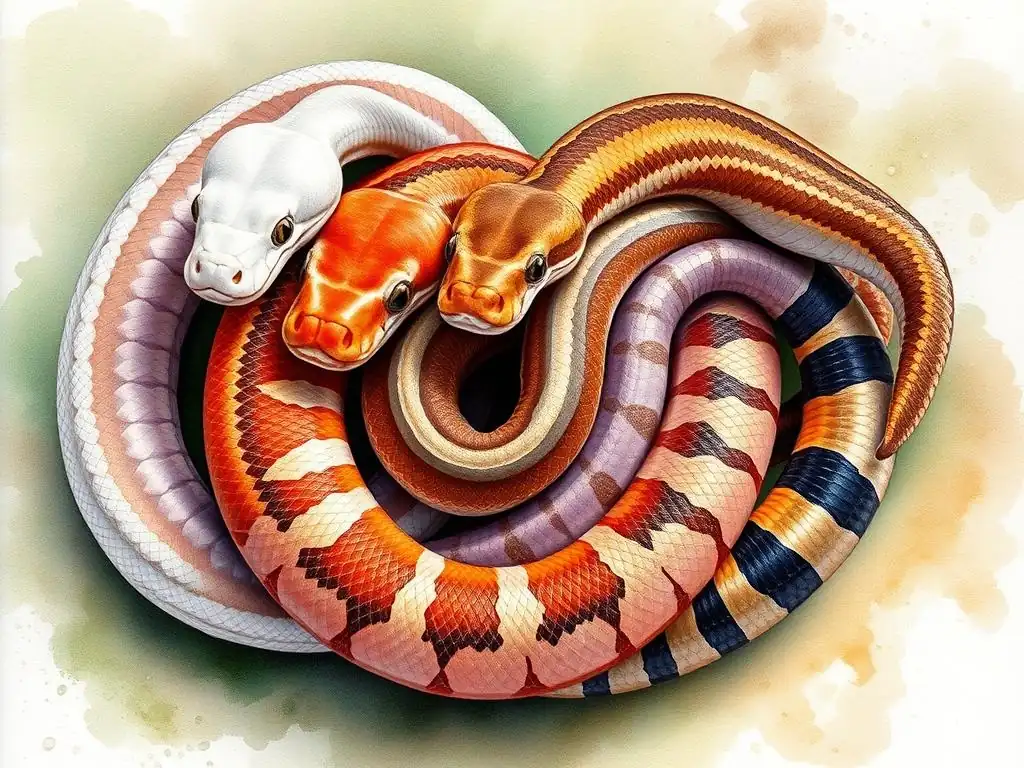
This section delves into the captivating world of corn snake morph genetics, providing a detailed guide for understanding the inheritance patterns behind some of the most popular and visually striking morphs. Corn snake morph genetics is a complex but fascinating field, offering a deeper appreciation for the diversity seen in these beautiful reptiles. Understanding the basics of Mendelian inheritance is crucial to comprehending how these stunning variations arise and are passed down through generations.
This guide focuses on three commonly found morphs: Amel, Anerythristic, and Hypomelanistic corn snakes. We'll explore the genetic mechanisms that produce their unique coloration and patterns, highlighting the importance of responsible breeding practices to maintain genetic diversity and avoid harmful inbreeding. Understanding these genetics is key for both breeders and enthusiasts seeking to expand their knowledge and appreciation of corn snakes.
Exploring the Genetics of Amel Corn Snakes
The Amel corn snake ( Pantherophis guttatus 'amel') is characterized by its striking lack of red pigment. Instead of the typical reddish-orange coloration found in wild-type corn snakes, Amel morphs exhibit a significantly reduced or absent red pigmentation, resulting in a more yellowish-orange or even a creamy hue. This beautiful variation is caused by a recessive gene. This means that both parents must carry the recessive allele for the offspring to exhibit the Amel trait.
To illustrate, let's use a simple Punnett square:
| A (Normal) | a (Amel) | |
|---|---|---|
| A (Normal) | AA | Aa |
| a (Amel) | Aa | aa |
In this example, 'A' represents the dominant allele for normal red pigmentation, and 'a' represents the recessive Amel allele. Only snakes with the 'aa' genotype will display the Amel phenotype. Snakes with 'Aa' will carry the gene but appear visually normal, acting as carriers. Therefore, breeding two Amel corn snakes (aa x aa) will always produce Amel offspring. Breeding an Amel snake (aa) with a homozygous normal snake (AA) will result in all carrier offspring (Aa).
Breeding an Amel snake (aa) with a heterozygous carrier (Aa) will result in approximately 50% Amel offspring and 50% carrier offspring. Careful record-keeping of lineage is crucial for responsible breeding practices. Understanding these probabilities is essential for predicting the outcome of breeding pairs and maintaining a healthy population of Amel corn snakes. The beauty of the Amel morph continues to make it a highly sought-after variation within the corn snake community.
Understanding the Genetics of Anerythristic Corn Snakes
Anerythristic corn snakes ( Pantherophis guttatus 'anery') lack red and yellow pigments. This results in a striking color variation, often appearing in shades of gray, brown, or black, depending on the other genes present. Unlike the Amel morph, which only affects red pigmentation, the anerythristic trait impacts both red and yellow pigments. This is also caused by a recessive gene.
The genetic interaction between Amel and Anerythristic is interesting. While both are recessive, they are on different genes. Therefore, it's possible to have corn snakes that are both Amel and Anerythristic, resulting in a unique combination of color and pattern modifications. This highlights the complex interplay of multiple genes in determining the final phenotype of a corn snake.
Breeding programs often combine these and other morphs to create unique and visually stunning specimens. The resulting offspring can exhibit a wide range of color variations, demonstrating the exciting possibilities within corn snake genetics. Understanding these complex interactions allows breeders to predict offspring phenotypes with increasing accuracy. This knowledge contributes to responsible breeding practices, preventing unintended or undesirable outcomes.
The Genetics Behind Hypomelanistic Corn Snakes
Hypomelanistic corn snakes ( Pantherophis guttatus 'hypo') exhibit a reduced amount of melanin, the pigment responsible for dark coloration. This leads to a lighter overall appearance, often with a washed-out or pastel effect on their usual patterns and colors. This trait is also controlled by a recessive gene, meaning both parents must carry the gene for the offspring to express the hypomelanistic phenotype.
The degree of hypomelanism can vary, ranging from subtly lighter coloration to significantly reduced dark pigmentation. This variation can be attributed to other interacting genes and environmental factors. Moreover, the interaction of hypomelanism with other morphs can create a wide array of unique color combinations. For example, a hypomelanistic Amel corn snake will present with a significantly lighter version of the Amel coloration, exhibiting a very pale, almost white appearance.
Similarly, combining hypomelanism with anerythristic traits can result in exceptionally pale gray or silver snakes. The study of these interactions is an ongoing area of research within the corn snake breeding community, and new combinations are constantly being discovered and documented. This continuous exploration showcases the beauty and complexity of corn snake genetics, driving further interest and responsible breeding practices within the community. Careful planning and record-keeping remain crucial for successfully predicting and producing these unique color variations.
Genetic Analysis of Lavender Corn Snakes
Lavender corn snakes are a stunning example of how subtle genetic variations can create dramatic visual differences. Their unique dilute coloration, a softened pastel lavender hue, is a result of a specific gene interaction, though the exact genetic mechanism is still under investigation by researchers. Early theories suggested a single recessive gene was responsible, but more recent studies indicate a more complex interplay of multiple genes, possibly including modifiers that influence the intensity and distribution of the lavender pigment.
This complexity makes predicting the outcome of breeding lavender corn snakes challenging, even for experienced breeders. Understanding the precise genetic architecture of lavender coloration is crucial for responsible breeding practices to avoid unintended consequences and ensure the health and well-being of the snakes. Further research is needed to fully elucidate the genetic basis of this beautiful morph, potentially involving advanced genomic techniques like next-generation sequencing.
This deeper understanding would provide breeders with more precise tools for selective breeding, helping to maintain genetic diversity within the lavender corn snake population and prevent the potential risks associated with inbreeding. The current state of knowledge emphasizes the importance of careful planning and responsible breeding choices to preserve the unique characteristics of this morph.
Unraveling the Genetics of Albino Corn Snakes
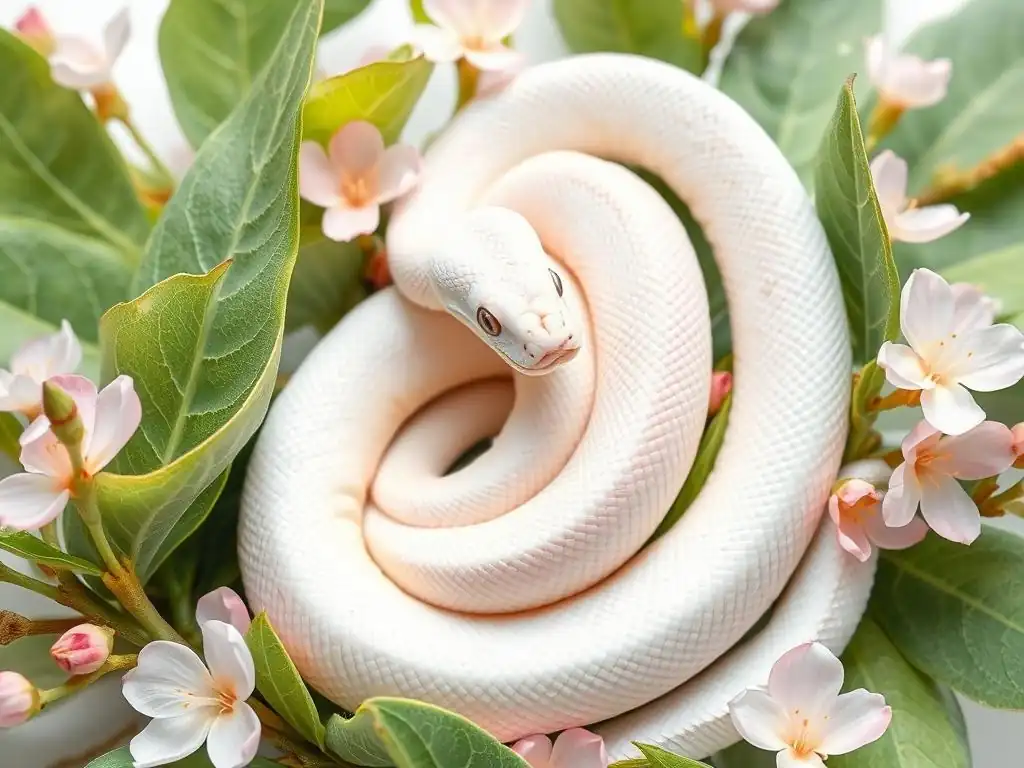
Albino corn snakes, characterized by their striking lack of melanin pigmentation, resulting in a creamy white or yellowish body and red or pink eyes, are a classic example of a recessive genetic trait. A single gene, specifically the tyrosinase gene, is responsible for this phenotype. Mutations in this gene disrupt the production of melanin, the pigment responsible for coloration.
The homozygous recessive genotype (aa) is required for the albino phenotype to manifest; snakes with a heterozygous genotype (Aa) will carry the albino gene but exhibit normal pigmentation, acting as carriers. This simple Mendelian inheritance pattern makes albino corn snakes relatively straightforward to breed, though responsible breeders still need to carefully manage pairings to maintain genetic diversity and avoid potential health issues associated with inbreeding. The popularity of albino corn snakes has led to extensive research on their genetics, contributing significantly to our understanding of pigmentation pathways in reptiles.
This understanding has practical applications beyond corn snakes, providing insights into similar genetic mechanisms in other species. The predictable inheritance of the albino trait makes it a valuable tool for genetic studies and educational purposes.
Deep Dive into the Genetics of Bloodred Corn Snakes
Bloodred corn snakes exhibit a captivating intense red coloration, a result of the interaction of multiple genes affecting both the production and distribution of red pigments. Unlike the simpler genetics of albino corn snakes, the bloodred morph presents a more complex scenario. While a specific gene or set of genes responsible for the bloodred phenotype has not been definitively isolated, the current understanding suggests a combination of genes impacting the production of pheomelanin (the red pigment) and potentially genes that influence the expression or suppression of other pigment types.
This interplay makes predicting the outcome of breeding bloodred corn snakes more challenging than with some other morphs. Breeders often rely on careful observation of the parents' phenotypes and genotypes (where known) to estimate the probability of producing offspring with the desired intense red coloration. The intensity of the red can also vary significantly, influenced by environmental factors such as temperature and humidity during development.
Ongoing research into the genetic basis of bloodred coloration is crucial for refining breeding strategies and ensuring the long-term health and genetic diversity of this striking morph. Further investigation using advanced genetic techniques may unveil the precise mechanisms behind this captivating phenotype.
Understanding the Genetics of Caramel Corn Snakes
Caramel corn snakes are a stunning example of how recessive genes can create striking visual variations. The caramel morph is characterized by its rich, warm brown coloration, often described as a deep caramel or chocolate hue. Unlike some morphs with distinct patterns, the caramel morph primarily affects the base color, resulting in a snake that may appear almost uniformly colored, although subtle pattern variations can still be present depending on the interaction with other genes. This consistent base color is a key identifier of the caramel morph.
The genetic basis of the caramel morph is understood to be a single recessive gene. This means that a corn snake needs to inherit two copies of the caramel gene – one from each parent – to exhibit the caramel coloration. A corn snake with only one copy of the gene will be a "carrier" and will not visually display the caramel trait, but can still pass the gene on to its offspring. This is a crucial concept for breeders aiming to produce caramel corn snakes.
Careful selection of breeding pairs, considering the genetic makeup of both parents, is essential to successfully produce offspring with the desired caramel coloration. Mating two caramel corn snakes will, of course, produce only caramel offspring. But mating a caramel snake with a non-caramel carrier will yield a mixture of caramel and non-caramel offspring, with a predictable ratio based on Mendelian inheritance patterns.
Understanding this recessive inheritance is vital for responsible breeding practices. It allows breeders to predict the probability of producing caramel offspring and avoid accidental inbreeding or the unintentional propagation of undesirable traits. The caramel morph, while visually appealing, is just one piece of the complex genetic puzzle that makes up corn snake diversity.
Furthermore, the expression of the caramel gene can be modified by the presence of other genes, leading to subtle variations in the intensity and shade of the caramel color. This complex interaction underscores the fascinating intricacies of corn snake genetics and the possibilities for creating a vast array of beautiful and unique morphs. Research continues to unravel the complexities of corn snake genetics, offering breeders and enthusiasts alike a deeper appreciation for these captivating creatures.
Corn Snake Morph Combinations and Their Genetic Implications
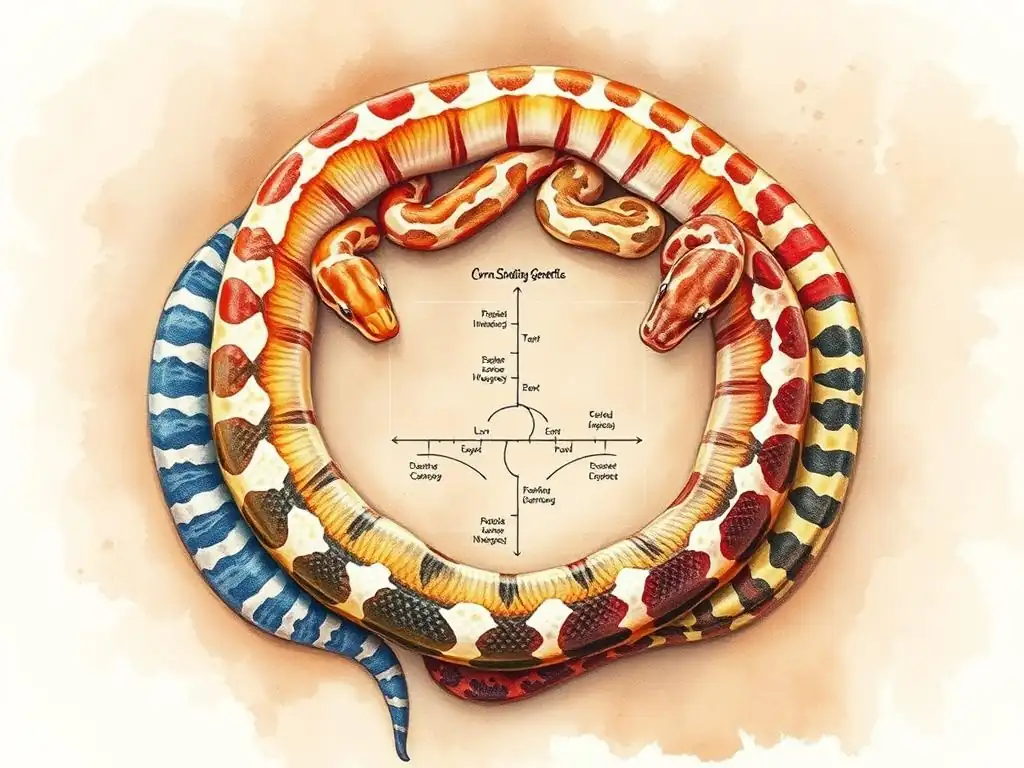
Understanding corn snake morph genetics is crucial for responsible breeding and predicting the outcome of pairings. Corn snake morphs are variations in their appearance caused by different genes. These genes interact in complex ways, leading to a vast array of possible combinations and resulting phenotypes (observable characteristics). Many morphs are controlled by single genes, exhibiting simple Mendelian inheritance patterns. Others, however, are polygenic, meaning multiple genes influence their expression, resulting in more intricate inheritance patterns and a wider range of variations.
For example, the amelanistic gene (responsible for the absence of melanin, resulting in an albino corn snake) is recessive. Two amelanistic parents will always produce amelanistic offspring. However, if you breed an amelanistic corn snake with a normal corn snake, the offspring might be carriers of the amelanistic gene, exhibiting a normal phenotype, but capable of passing the trait to their offspring. This highlights the importance of understanding the genetic background of your snakes.
Creating Unique Corn Snake Morphs Through Breeding
Responsible breeding programs are essential for preserving genetic diversity and creating unique corn snake morphs. Careful selection of breeding pairs, based on a thorough understanding of their genetics, is vital. This involves keeping detailed records of lineage, including the phenotypes and known genotypes of the parents and offspring. Experienced breeders utilize Punnett squares and other genetic tools to predict the probability of specific offspring phenotypes.
The process often involves combining existing morphs to create novel combinations. For instance, crossing an Anerythristic corn snake (lacking red pigment) with an Albino corn snake (lacking black and yellow pigment) might result in offspring exhibiting a unique combination of reduced red, black, and yellow pigmentation. However, predicting the precise outcome can be challenging due to the complexity of gene interactions. Some combinations might result in unexpected or even undesirable phenotypes, emphasizing the need for careful planning and consideration.
Predicting Corn Snake Offspring Phenotypes
Predicting the phenotype of corn snake offspring is a complex task, even with a detailed understanding of the parent's genotypes. The inheritance of many morphs follows predictable patterns, as previously mentioned. However, the interaction of multiple genes, incomplete dominance, and the influence of modifier genes can introduce significant variability. For instance, the expression of certain morphs can be influenced by other genes, affecting the intensity or distribution of the coloration.
To illustrate, let's consider the Lavender morph. The Lavender gene interacts with other genes, resulting in a wide range of expression. Two Lavender corn snakes might produce offspring with varying degrees of lavender coloration, ranging from a subtle lightening of the base color to a more intense, almost pastel effect. This highlights the inherent unpredictability of multi-gene interactions in corn snake genetics. Breeding programs should account for this variability and carefully document the resulting phenotypes to refine understanding of the genetic mechanisms involved.
The Role of Genetic Testing in Corn Snake Breeding
While visual inspection can provide initial insights into a corn snake's phenotype, genetic testing offers a more definitive determination of its genotype. Genetic testing can reveal the presence of specific genes, even if their expression is not outwardly visible. This is particularly useful for identifying carrier animals, which possess recessive genes that don't influence their phenotype but can be passed on to their offspring.
This information is invaluable for responsible breeding, as it allows breeders to make informed decisions about pairing snakes to achieve desired outcomes and avoid unexpected results. Genetic testing can also help identify the presence of certain genetic disorders, preventing the propagation of undesirable traits within the breeding lines.
While the cost of genetic testing can be a factor, the benefits of ensuring the health and genetic diversity of the corn snake population outweigh the expense for serious breeders committed to ethical practices. The availability and affordability of genetic testing are constantly evolving, making this technology increasingly accessible to corn snake enthusiasts.
Ethical Considerations in Corn Snake Breeding
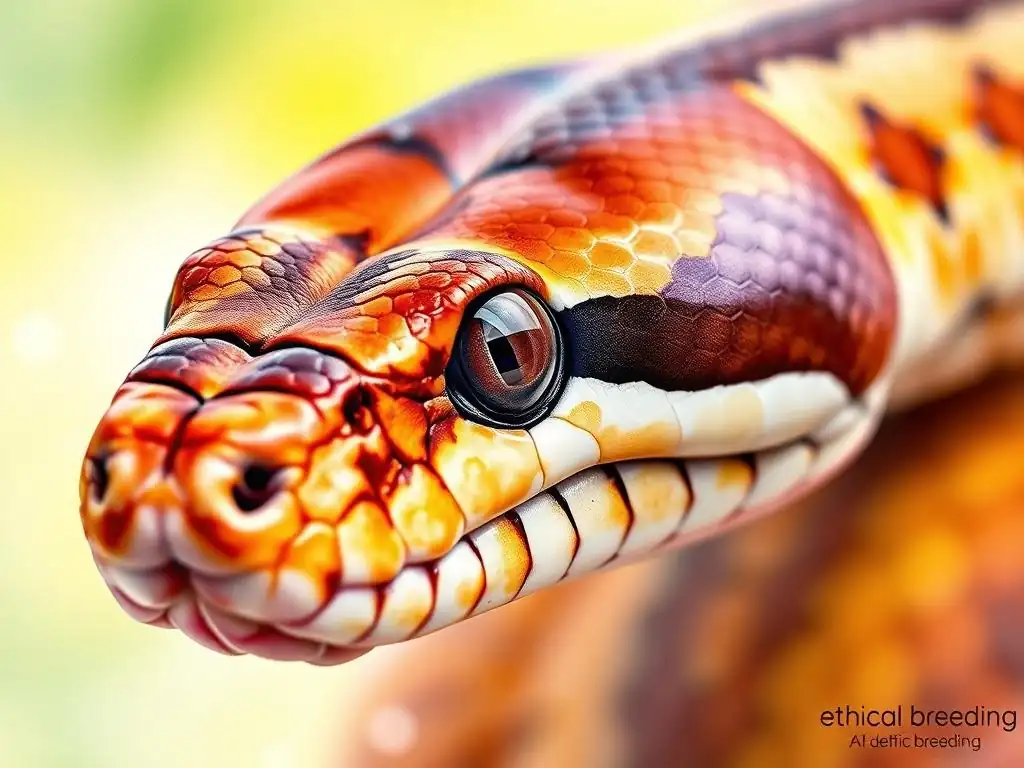
Breeding corn snakes, like any other animal, carries significant ethical responsibilities. Understanding and prioritizing these ethical considerations is crucial for ensuring the health and well-being of the animals involved, and for maintaining the integrity of the corn snake morph community. Ignoring these responsibilities can lead to suffering for the snakes and a decline in the overall quality of available morphs. Responsible breeding is not just about producing visually appealing snakes; it's about prioritizing their health and welfare. This section will delve into key aspects of ethical corn snake breeding, focusing on avoiding inbreeding and promoting responsible practices.
Avoiding Inbreeding and Genetic Defects
Inbreeding in corn snakes, as with any animal, significantly increases the risk of genetic defects. These defects can manifest in various ways, ranging from minor physical anomalies to severe health problems that can impact the snake's lifespan and quality of life. Common genetic defects seen in inbred corn snakes include skeletal deformities, reduced immune function, and organ malformations. The severity of these defects can vary greatly, but even minor issues can impact the snake's overall health and well-being.
To avoid inbreeding, breeders must meticulously track the lineage of their snakes. Maintaining accurate and detailed records of parentage is absolutely essential. This involves keeping detailed pedigree charts, often utilizing specialized software or databases specifically designed for animal breeding. These records should clearly show the relationship between individuals to prevent accidental pairings of closely related snakes.
Many reputable breeders go beyond simply avoiding immediate relatives; they employ sophisticated genetic analysis tools to assess the overall genetic diversity within their breeding lines. This proactive approach minimizes the risk of inadvertently introducing recessive genes that could lead to undesirable traits or health problems. The use of genetic diversity calculators and sophisticated lineage tracking tools helps to ensure the long-term health of the corn snake population.
The Importance of Responsible Corn Snake Breeding Practices
Responsible corn snake breeding extends far beyond avoiding inbreeding. It encompasses a holistic approach to the animals' welfare, encompassing their physical and mental health, as well as the ethical considerations surrounding their care and distribution. This requires a commitment to providing a suitable environment, appropriate nutrition, and careful monitoring of the breeding pairs.
Overcrowding, inadequate heating, or poor sanitation can all have detrimental effects on the health of the parent snakes and their offspring. Similarly, a lack of proper nutrition can lead to weakened immune systems and other health complications. A responsible breeder will invest in high-quality enclosures, maintain meticulous hygiene standards, and provide a balanced, species-appropriate diet.
Furthermore, responsible breeding involves careful consideration of the demand for specific morphs. Overproduction of certain morphs, driven purely by market trends, can lead to an oversaturation of the market and an increase in the number of corn snakes needing homes. Ethical breeders carefully consider the potential demand for their offspring and avoid contributing to an already saturated market. It's crucial to consider the long-term welfare of the snakes and avoid contributing to situations where unwanted or abandoned snakes may end up in unsuitable environments.
Responsible breeders are also proactive in finding suitable homes for their snakes, working with reputable reptile rescue organizations if necessary. This commitment to the entire lifespan of the corn snakes they breed is a defining characteristic of ethical breeding practices. The responsible breeder considers not only the initial production but also the long-term care and responsible placement of their animals.
Resources for Corn Snake Breeders and Enthusiasts
This section provides valuable resources for those interested in delving deeper into corn snake genetics and breeding. Whether you're a seasoned breeder or a curious enthusiast, these resources offer a wealth of information to enhance your understanding and practices. Understanding corn snake morph genetics is crucial for responsible breeding and maintaining the health and diversity of these captivating snakes.
Recommended Books and Websites on Corn Snake Genetics
Finding reliable information on corn snake morph genetics can sometimes feel like searching for a needle in a haystack. However, several excellent resources exist to guide you. While specific titles and websites change frequently, a focused search using keywords like "corn snake genetics," "corn snake morph guide," and "snake breeding guide" will yield fruitful results.
Look for books and websites that:
- Provide detailed explanations of Mendelian inheritance: Understanding dominant and recessive genes, homozygous and heterozygous pairings, is fundamental to predicting offspring phenotypes.
- Offer visual aids: Charts, diagrams, and even photos of different corn snake morphs are invaluable for visualizing genetic combinations and their resulting appearances.
- Include case studies: Real-world examples of breeding projects, including successes and challenges, can be incredibly instructive.
- Address ethical considerations: Responsible breeding practices should always be a priority. Look for resources that emphasize genetic diversity, health testing, and avoiding inbreeding.
Beyond specific titles, consider exploring university websites and online academic databases. These often contain research papers and studies on reptile genetics that can provide a deeper scientific understanding of corn snake morphs. Remember to critically evaluate any source you find, ensuring it's based on credible research and experience.
Corn Snake Breeders' Associations and Communities
Connecting with experienced corn snake breeders is invaluable for learning and sharing knowledge. These communities offer a unique opportunity to learn from others' successes and mistakes, gain practical advice, and potentially even find potential breeding partners.
- Online Forums: Many dedicated reptile forums and online communities exist where corn snake breeders actively participate. These forums often have dedicated threads for discussing genetics, sharing breeding results, and seeking advice from experienced members. Engage respectfully, ask thoughtful questions, and be prepared to learn from others' experiences. The collective knowledge within these communities is a powerful resource.
- Regional Reptile Clubs: Local reptile clubs and associations often provide opportunities for networking with other corn snake enthusiasts and breeders. These groups frequently organize meetings, workshops, and even breeding-focused events. Participating in such events allows for face-to-face interaction, which can facilitate learning and collaboration.
- Social Media Groups: Facebook groups and other social media platforms often host active communities of corn snake breeders. These platforms can provide access to a vast amount of information, including photos, videos, and discussions on various aspects of corn snake genetics and breeding. However, always exercise caution and critically evaluate information shared on social media.
Joining these associations and communities allows for access to a wealth of practical experience and insights that are often difficult to find in books or online articles. Remember that responsible breeding practices are crucial for the long-term health and preservation of corn snake morphs. Actively participate, ask questions, and contribute to the collective knowledge of the corn snake breeding community. This will contribute to the responsible growth of the hobby and the well-being of these beautiful snakes. 🐍
Frequently Asked Questions
What are corn snake morphs?
Corn snake morphs are variations in the snake's appearance, caused by genetic mutations. These mutations affect the snake's color, pattern, and scale characteristics, resulting in a wide array of visually stunning variations.
How are corn snake morphs inherited?
Corn snake morphs are inherited through Mendelian genetics, meaning they follow predictable patterns based on the parent snakes' genes. Understanding these patterns is crucial for predicting offspring phenotypes. Many online resources can help visualize these complex interactions.
What are some popular corn snake morphs?
Some popular morphs include Amel, Snow, Lavender, and Okeetee. Each morph has unique genetic traits resulting in distinct visual characteristics. There are many more morphs, and new ones are constantly being discovered.
Can I breed corn snakes with different morphs?
Yes, breeding corn snakes with different morphs is a common practice for creating new and unique combinations. However, it's vital to understand the genetics of each morph to predict the potential offspring and ensure the well-being of the snakes. Careful planning is essential.
Where can I learn more about corn snake morph genetics?
PetCareWorld offers a comprehensive Corn Snake Morph Genetics Guide with detailed information and resources. You can also find valuable information through reputable herpetological societies and breeders. Always verify sources for accuracy.
Final Reflection: Unraveling the Colorful Tapestry of Corn Snake Genetics
Understanding corn snake genetics is not merely a hobbyist pursuit; it's a window into the intricate mechanisms of evolution and biodiversity. The vibrant array of morphs we see today, from the classic amelanistic to the stunning lavender, is a testament to the power of selective breeding and a deeper understanding of inherited traits. This knowledge empowers responsible breeding practices and ensures the continued health and beauty of these captivating creatures.
The journey into corn snake genetics has been profoundly enriching, revealing the elegance and complexity hidden within seemingly simple patterns. It's a constant reminder of the interconnectedness of life, where subtle changes in genes can lead to dramatic shifts in phenotype. The beauty of a living thing is not the atoms that go into it, but the way those atoms are put together.
This quote, though not directly about corn snakes, perfectly captures the essence of appreciating the genetic artistry displayed in these snakes. The ongoing exploration of corn snake genetics continues to inspire awe and a deeper respect for the natural world.
Now, it's your turn to delve deeper. Consider the ethical implications of selective breeding, the importance of genetic diversity within captive populations, and the responsibility we bear as keepers and breeders. Embrace the wonder of corn snake genetics, and let it fuel your passion for responsible reptile husbandry and conservation. Let the vibrant colors and patterns be a constant reminder of the intricate beauty hidden within the genetic code of life itself.
Unlock the Secrets of Corn Snake Genetics!
Thank you for exploring the fascinating world of corn snake morphs with us! You've gained a valuable understanding of the genetic diversity in these captivating creatures. Ready to test your knowledge?
- Delve deeper into specific corn snake morphs: Explore online resources and connect with experienced breeders to learn more about your favorite variations. This will help you understand their unique characteristics and potential health concerns.
- Share your experiences: Join our PetCareWorld community forum and share your corn snake stories, photos, or questions with fellow enthusiasts. Let's build a vibrant network dedicated to responsible corn snake ownership.
- Support ethical breeding practices: Research reputable breeders in your area and only acquire snakes from sources that prioritize animal welfare. This is crucial for preserving the health and diversity of corn snake populations.
Ready to begin your corn snake genetic journey? Which morph are you most interested in learning about?