
Corn Snake Health: Recognizing Common Illnesses and Issues

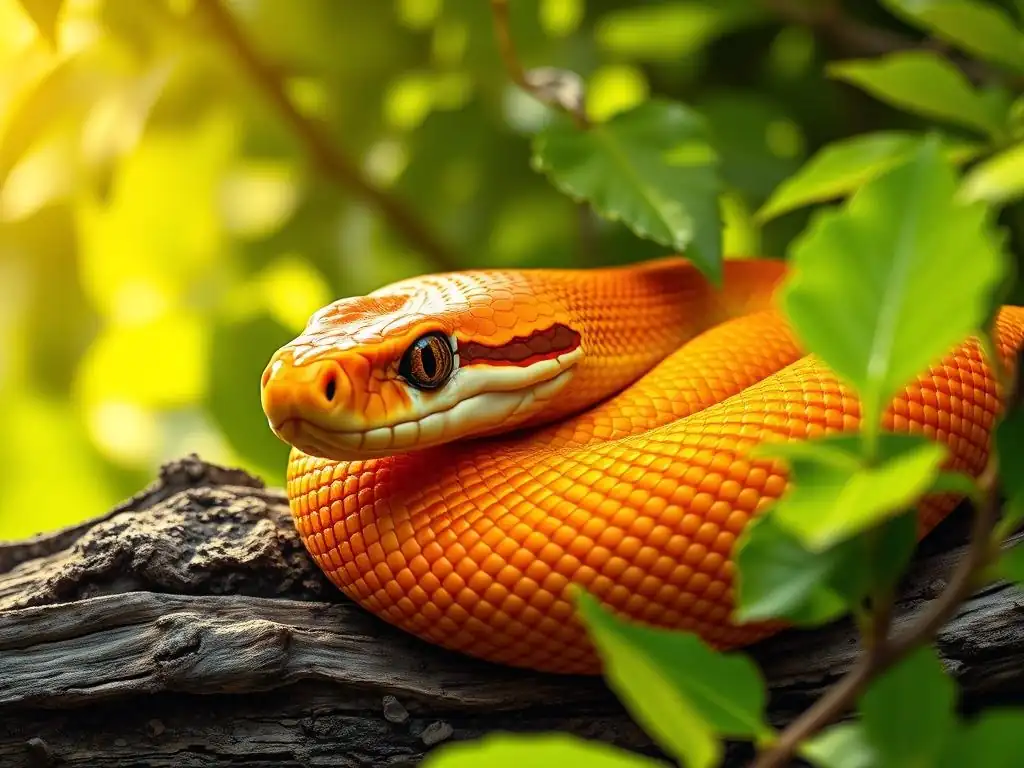
Welcome to PetCareWorld, your ultimate guide to a happier, healthier life for your beloved companions! Are you ready to delve into the fascinating world of reptile care? Then prepare to uncover the secrets to keeping your corn snake thriving. This comprehensive guide on Corn snake common health problems will equip you with the knowledge to identify and address potential issues, ensuring your scaly friend enjoys a long and vibrant life. Let's explore the essential information you need to become a confident and informed corn snake owner – read on to learn more!
- Understanding Common Corn Snake Health Problems
- Preventing Common Corn Snake Illnesses: Proactive Care
- Diagnosing and Treating Corn Snake Illnesses
- Specific Corn Snake Health Concerns
- Maintaining a Healthy Corn Snake: Long-Term Care
- Corn Snake Health: Resources and Further Information
-
Frequently Asked Questions
- What are some common health problems in corn snakes?
- How can I prevent metabolic bone disease (MBD) in my corn snake?
- What are the signs of a respiratory infection in a corn snake?
- My corn snake isn't shedding properly. What could be the cause?
- How often should I take my corn snake to the veterinarian for a checkup?
- Final Reflection: A Healthy Future for Our Corn Snake Companions
- Unlock Your Corn Snake's Healthiest Life!
Understanding Common Corn Snake Health Problems
Corn snakes, known for their docile nature and beautiful patterns, make popular pets. However, like any reptile, they are susceptible to various health issues. This comprehensive guide will equip you with the knowledge to recognize common corn snake health problems, understand their causes, and take appropriate action to ensure your corn snake thrives.
We'll delve into identifying subtle signs of illness, exploring a range of common diseases, and providing practical advice for preventative care. Understanding these potential health challenges is crucial for responsible corn snake ownership, allowing you to provide the best possible care and address any issues promptly, ultimately contributing to your snake's longevity and well-being. This guide focuses on the most prevalent health concerns for corn snakes, providing you with the tools to become a proactive and informed pet owner, effectively managing potential health risks and ensuring your corn snake remains healthy and happy.
Early detection and intervention are key to successful treatment, so paying close attention to your snake's behavior and physical condition is paramount. Let's explore the common health problems corn snakes face.
Identifying Signs of Illness in Your Corn Snake
Recognizing the early warning signs of illness in your corn snake is critical for timely intervention. Subtle changes in behavior or physical appearance can indicate underlying health problems. These signs often manifest gradually, making regular observation crucial. Here's a checklist of symptoms to watch out for:
- Lethargy: A significant decrease in activity levels, spending more time hiding and less exploring.
- Changes in Appetite: Refusal to eat, or conversely, increased or decreased appetite.
- Shedding Problems (Dysecdysis): Difficulty shedding skin, resulting in retained scales or stuck sheds.
- Respiratory Issues: Open-mouth breathing, wheezing, or clicking sounds.
- Unusual Discharges: Any discharge from the eyes, nose, or cloaca.
- Swollen Limbs or Body Parts: Any unusual swelling or deformities.
- Changes in Stool: Changes in frequency, consistency, or color of the stool.
- Dehydration: Sunken eyes, loss of skin elasticity.
Remember, even seemingly minor changes warrant observation and, if persistent, a visit to a reptile veterinarian. Early diagnosis significantly improves treatment outcomes. Don't hesitate to seek professional veterinary help if you notice any of these symptoms.
Common Corn Snake Diseases: A Comprehensive Guide
Corn snakes, while generally hardy, can be affected by a range of diseases. Understanding these common ailments and their symptoms is essential for proactive care.
Respiratory Infections in Corn Snakes
Respiratory infections are a common concern in corn snakes, often caused by bacteria, viruses, or fungi. Symptoms can include:
- Open-mouth breathing
- Wheezing
- Clicking sounds during respiration
- Nasal or ocular discharge
- Lethargy
Treatment typically involves antibiotics or antifungal medications, prescribed by a veterinarian following a proper diagnosis. Maintaining proper humidity and temperature within the enclosure is crucial for prevention.
Parasite Infestations: Mites, Worms, and More
Internal and external parasites can significantly impact a corn snake's health. Mites are a common external parasite, causing skin irritation and potential secondary infections. Internal parasites, such as worms, can lead to weight loss, lethargy, and digestive problems. Careful observation for symptoms such as:
- Visible mites on the skin
- Weight loss despite adequate feeding
- Diarrhea or changes in stool consistency
is crucial for early detection. Veterinary treatment is necessary for effective parasite removal.
Bacterial and Fungal Infections
Bacterial and fungal infections can affect various parts of a corn snake's body, often manifesting as skin lesions, abscesses, or systemic infections. Symptoms can vary depending on the location and severity of the infection. Prompt veterinary intervention is vital to prevent the spread of infection and ensure effective treatment. Accurate diagnosis and targeted treatment are crucial for successful outcomes.
Metabolic Bone Disease (MBD) in Corn Snakes
Metabolic bone disease (MBD) results from inadequate calcium and vitamin D3 levels in a corn snake's diet and insufficient ultraviolet B (UVB) light exposure. This leads to weakened bones, skeletal deformities, and potential paralysis. Prevention is key, ensuring proper diet and UVB lighting.
Dysecdysis (Shedding Problems) in Corn Snakes
Dysecdysis, or difficulty shedding, can be caused by low humidity, improper temperature, or underlying health issues. Stuck sheds can restrict movement, lead to infections, and cause significant discomfort. Maintaining appropriate humidity levels is crucial for preventing dysecdysis.
Regurgitation and Anorexia in Corn Snakes
Regurgitation (throwing up undigested food) and anorexia (loss of appetite) can indicate various problems, including parasites, infections, or stress. Determining the underlying cause through veterinary examination is crucial for effective treatment. Stress reduction and addressing any underlying health issues are key to resolving these problems. Careful monitoring of feeding habits and environmental factors is important.
Preventing Common Corn Snake Illnesses: Proactive Care
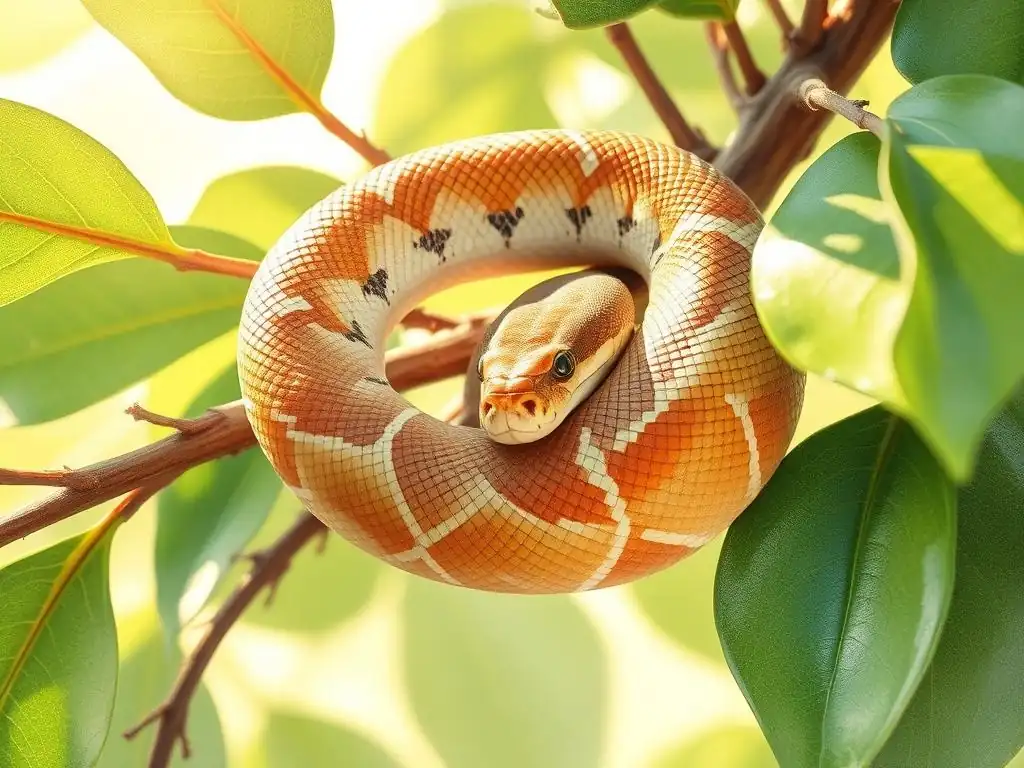
Preventing health problems is far more effective than treating them. Proactive care for your corn snake significantly reduces the risk of encountering many common health issues. This involves meticulous attention to several key areas: maintaining the correct environmental conditions, providing a balanced and appropriate diet, and ensuring a safe and stimulating habitat. Ignoring these fundamentals dramatically increases the likelihood of encountering problems like dysecdysis, respiratory infections, or metabolic bone disease. Let's delve into the specifics.
Maintaining Proper Temperature and Humidity
Temperature and humidity are paramount for corn snake health. Incorrect levels directly impact digestion, shedding, and overall immune function. A thermal gradient within the enclosure is crucial. This means providing a basking spot with a temperature of 88-92°F (31-33°C) and a cooler end around 75-80°F (24-27°C). This allows your snake to thermoregulate effectively, choosing the temperature best suited to its needs at any given time. Failure to provide this gradient can lead to difficulty digesting food, resulting in regurgitation and potential health complications.
The humidity should be maintained between 50-60%. Too low humidity can cause problems with shedding (dysecdysis), leading to stuck shed and potential skin infections. Conversely, excessively high humidity can promote bacterial and fungal growth, increasing the risk of respiratory infections. Using a hygrometer to monitor humidity levels is essential, and misting the enclosure or using a humid hide may be necessary to maintain optimal levels, especially during shedding periods. Regular monitoring and adjustments will help prevent many common corn snake health problems associated with improper environmental conditions.
Providing a Balanced Diet for Corn Snakes
Nutritional deficiencies are a significant contributor to corn snake health problems. Corn snakes are carnivores and require a diet consisting primarily of appropriately sized rodents. The size of the prey should be roughly the same diameter as the thickest part of the snake's body. Feeding too large a prey item can lead to regurgitation and digestive issues. Conversely, consistently feeding prey that is too small can lead to nutritional deficiencies.
A varied diet is also beneficial. While mice are a staple, occasionally offering rats (sized appropriately) can provide a wider range of nutrients. Avoid feeding wild-caught rodents due to the risk of parasites and diseases. Always ensure that the prey is appropriately thawed and not frozen, as feeding frozen prey can cause digestive problems and stress for the snake. A consistent feeding schedule, typically once or twice a week for adults, is important for maintaining a healthy weight and preventing metabolic bone disease. Monitor your snake's weight and body condition regularly to detect any potential nutritional issues promptly.
Ensuring Safe and Enriching Housing
The enclosure itself plays a vital role in preventing common corn snake health problems. The enclosure should be appropriately sized for your snake's adult size, allowing for adequate space to move and explore. Avoid overcrowding, particularly when keeping multiple snakes. The substrate should be easy to clean and maintain, and should not pose a risk of ingestion or impaction. Aspen shavings or paper towels are popular choices. Avoid cedar or pine shavings, as their aromatic oils can be harmful to reptiles.
Providing hiding places is crucial for reducing stress and promoting a sense of security. These hiding places should be of different sizes and provide a variety of temperatures and humidity levels within the enclosure. Regular cleaning of the enclosure is essential to prevent the build-up of bacteria and parasites, which can lead to various health problems. A clean and appropriately sized environment contributes significantly to the overall well-being and health of your corn snake, reducing the risk of many common health issues. Remember, a proactive approach to husbandry is the best defense against illness in your corn snake.
Regular Veterinary Checkups for Corn Snakes
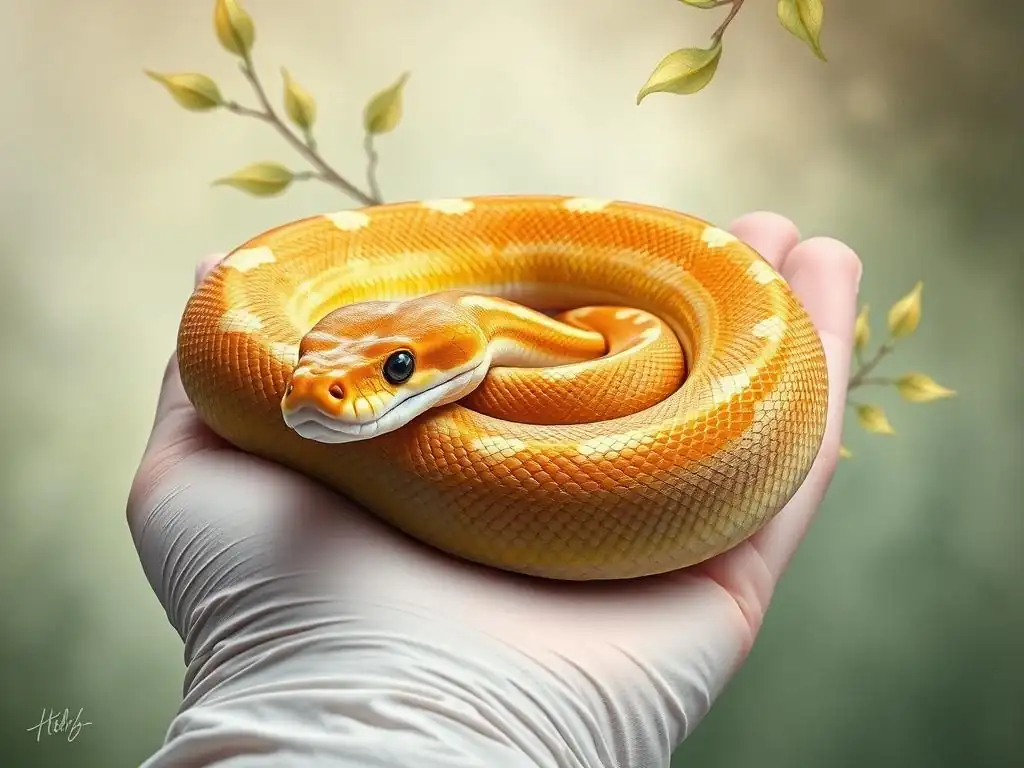
Regular veterinary checkups are crucial for maintaining the health of your corn snake and preventing serious illnesses. Many health problems, such as internal parasites or subtle metabolic bone disease, might not show obvious external symptoms in their early stages. A proactive approach, involving routine visits to a veterinarian specializing in reptiles, is the best way to catch these issues early, when treatment is most effective and the prognosis is best. These checkups aren't just about treating existing problems; they also provide an opportunity for preventative care. Your vet can assess your snake's overall condition, weight, and body condition score, offering advice on diet and husbandry to ensure optimal health.
They can also administer preventative medications if necessary, such as parasite preventatives, depending on your snake's individual risk factors and the prevalence of parasites in your geographic area. Remember to keep detailed records of your corn snake's weight, shed cycles, and any medications administered, making it easier for your vet to track their health over time. The frequency of these checkups will depend on your snake's age and health status; younger snakes and those with pre-existing conditions may require more frequent visits. A good rule of thumb is to schedule at least an annual checkup, but always follow your vet's recommendations.
Don't hesitate to contact your vet between scheduled appointments if you notice any changes in your snake's behavior, appetite, or physical condition. Early intervention is key to successful treatment of corn snake health problems. Proactive care through regular vet visits can significantly extend your corn snake's lifespan and improve its overall quality of life. Choosing a vet experienced with reptiles is paramount; they possess the specialized knowledge to accurately diagnose and treat conditions specific to snakes.
Maintaining a Clean and Safe Enclosure
A clean and properly maintained enclosure is fundamental to preventing many common corn snake illnesses. Bacteria, parasites, and other pathogens thrive in unsanitary environments, leading to infections and other health issues. Regularly cleaning your snake's enclosure involves removing and replacing soiled substrate, disinfecting the enclosure itself with a reptile-safe disinfectant, and thoroughly washing and disinfecting water dishes and other accessories. The frequency of cleaning depends on the substrate used and the amount of waste produced, but generally, a partial cleaning (spot cleaning of waste) should be done daily, with a full enclosure cleaning performed at least once a month. Using appropriate substrate is also critical; some substrates are more prone to harboring bacteria than others.
Avoid using substrates that are difficult to clean or that can be ingested by your snake, potentially causing impaction. Furthermore, maintaining appropriate temperature and humidity levels is crucial. Inconsistent or inappropriate temperatures and humidity can weaken your snake’s immune system, making it more susceptible to infections and other health problems. Proper ventilation is also vital to prevent the buildup of ammonia and other harmful gases. A well-ventilated enclosure helps maintain a healthy environment, reducing the risk of respiratory infections and other health issues.
Regularly inspecting the enclosure for any signs of damage or potential hazards is also important. Ensure that there are no sharp objects or escape routes that could injure your snake or allow it to escape. By diligently maintaining a clean and safe enclosure, you are actively contributing to your corn snake’s overall health and well-being, thereby reducing the likelihood of various health problems. This preventative measure is inexpensive, relatively simple, yet incredibly effective in minimizing health risks.
Providing a Balanced and Nutritious Diet
A balanced and nutritious diet is essential for a healthy corn snake. Nutritional deficiencies can lead to a weakened immune system, making your snake more vulnerable to diseases. Corn snakes are carnivores, and their diet should primarily consist of appropriately sized rodents, such as mice and rats. The size of the prey should be appropriate to the size of your snake, generally around the thickness of the snake's body at its widest point. Avoid feeding your snake anything other than rodents, as other foods lack the necessary nutrients and can lead to digestive problems.
The frequency of feeding depends on the age and size of your snake, with younger snakes requiring more frequent feeding than adults. Overfeeding can lead to obesity and other health issues, while underfeeding can result in nutritional deficiencies. Ensuring that the prey items are healthy and free from disease is also crucial. Avoid feeding your snake wild-caught rodents, as they may carry parasites or diseases. Frozen-thawed rodents are a safe and convenient option, providing a consistent and reliable source of nutrition.
Supplementation with calcium and vitamin D3 is also recommended, particularly for growing snakes. This can be accomplished by dusting the prey items with a reptile-specific calcium and vitamin D3 supplement before feeding. A well-planned and executed feeding schedule, combined with appropriate prey size and supplementation, will play a major role in preventing health problems stemming from nutritional deficiencies, contributing to a longer, healthier life for your corn snake. Remember to always consult with a veterinarian or experienced reptile keeper for guidance on appropriate feeding schedules and supplementation for your specific snake.
Diagnosing and Treating Corn Snake Illnesses
Corn snakes, while generally hardy, are susceptible to various health issues. Early detection and appropriate veterinary intervention are crucial for successful treatment and a positive prognosis. Understanding common corn snake health problems and recognizing early warning signs is paramount for responsible ownership. This section details the diagnostic process, the importance of veterinary care, and common treatment options for these fascinating reptiles. Effective management of corn snake common health problems hinges on proactive monitoring and swift action.
Recognizing Early Warning Signs: When to Seek Veterinary Help
Identifying early warning signs of illness in your corn snake is key to preventing minor issues from escalating into serious health problems. These subtle changes in behavior or physical appearance can signal underlying health concerns. Always err on the side of caution; if you notice anything unusual, consult a reptile veterinarian immediately. Procrastination can significantly impact the outcome.
Several indicators should prompt immediate veterinary attention:
- Lethargy and lack of appetite: A corn snake that consistently refuses food or displays unusual lethargy requires immediate assessment. This can be a symptom of various underlying conditions, including infections, parasites, or metabolic disorders. Note the duration of these symptoms – a day or two might be normal, but a persistent lack of appetite is cause for concern.
- Unusual shedding patterns: Difficulty shedding, retained shed (dysecdysis), or patches of retained shed are common indicators of underlying health problems. These problems often stem from dehydration or nutritional deficiencies. Proper humidity levels are critical to ensure successful shedding.
- Respiratory issues: Observe your corn snake for signs of labored breathing, gaping mouth, or excessive mucus production. These symptoms suggest potential respiratory infections, which require prompt veterinary intervention to prevent serious complications.
- Changes in defecation: Monitor the frequency and consistency of your corn snake's bowel movements. Changes in color, frequency, or the presence of blood or mucus necessitate veterinary consultation. Regular observation of fecal matter provides valuable insights into your snake's digestive health.
- Swelling or lesions: Any unusual swelling, sores, or lesions on the snake's body warrant immediate veterinary attention. These could indicate bacterial or fungal infections, injuries, or other serious conditions.
The Role of a Reptilian Veterinarian in Corn Snake Care
Finding an experienced reptile veterinarian is crucial for ensuring the health and well-being of your corn snake. Not all veterinarians are equally equipped to handle reptiles; specialized knowledge is essential for diagnosing and treating corn snake health problems effectively. A reptile veterinarian will possess in-depth knowledge of reptilian anatomy, physiology, and common diseases.
A reptilian veterinarian plays several key roles in corn snake care:
- Comprehensive physical examination: A thorough physical examination will assess the snake's overall health, including weight, hydration, and the presence of any abnormalities.
- Diagnostic testing: Depending on the suspected illness, the veterinarian might conduct various diagnostic tests, such as fecal examinations (to detect parasites), blood work (to assess organ function), and radiographs (X-rays) to identify internal problems. These tests are invaluable in pinpointing the cause of the illness.
- Customized treatment plans: Based on the diagnosis, the veterinarian will develop a customized treatment plan that addresses the specific needs of your corn snake. This may involve medication, dietary adjustments, or environmental modifications.
- Ongoing monitoring: Regular follow-up visits are essential to monitor the snake's progress and make any necessary adjustments to the treatment plan. Consistent monitoring ensures the effectiveness of the treatment and allows for early detection of any complications.
Treatment Options for Common Corn Snake Ailments
Treatment options for common corn snake ailments vary widely depending on the specific diagnosis. However, many treatments involve a combination of medication, supportive care, and dietary adjustments. The severity of the condition significantly influences the intensity and duration of treatment. Early intervention is crucial for optimal outcomes.
Medication and Supportive Care for Ill Corn Snakes
Medication may be necessary to treat various corn snake illnesses, including bacterial or fungal infections, parasitic infestations, and metabolic bone disease. The type and dosage of medication will be determined by the veterinarian based on the specific diagnosis and the snake's size and overall health. Supportive care plays a vital role in the recovery process. This includes:
- Maintaining proper temperature and humidity: Providing the correct environmental conditions is paramount for supporting the snake's immune system and aiding in recovery.
- Ensuring proper hydration: Dehydration can exacerbate many health problems. Methods to improve hydration may include soaking the snake in warm water or administering fluids subcutaneously (under the skin).
- Providing a quiet and stress-free environment: Stress can negatively impact a snake's immune response. A calm and quiet environment is essential for promoting healing.
Dietary Adjustments to Support Recovery
Dietary adjustments are often an integral part of treating corn snake illnesses. Depending on the diagnosis, modifications may include:
- Adjusting the frequency of feeding: Reducing the frequency of feeding can aid digestion in some cases.
- Supplementing the diet: Adding specific vitamins and minerals to the diet can help address deficiencies.
- Switching to a more digestible diet: In some cases, switching to a more easily digestible food source can improve the snake's ability to absorb nutrients.
Remember, consistent monitoring, prompt veterinary care, and attention to detail are key to maintaining the health and well-being of your corn snake. Early intervention is crucial in addressing corn snake common health problems and ensuring a long and healthy life for your reptile companion.
Specific Corn Snake Health Concerns
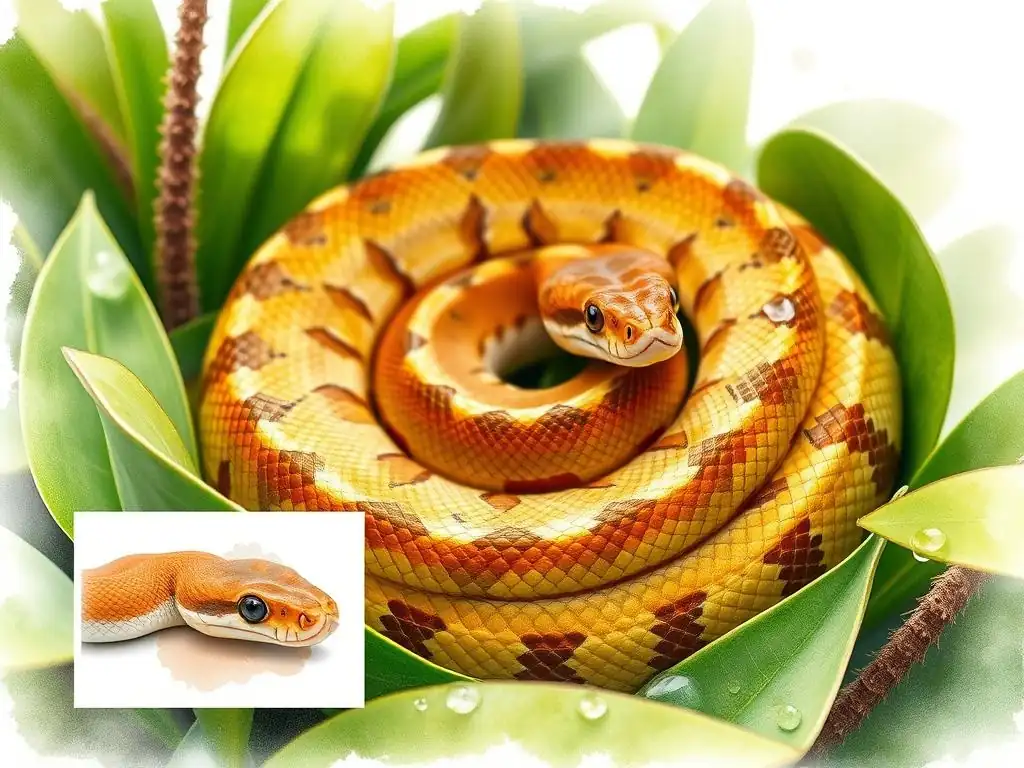
This section delves into specific health issues commonly encountered in corn snakes, providing detailed information to help owners recognize and address these problems effectively. Early detection and proper veterinary care are crucial for a positive outcome in treating these ailments, so understanding the symptoms is paramount. Remember, this information is for educational purposes; always consult a reptile veterinarian for diagnosis and treatment.
Mouth Rot in Corn Snakes
Mouth rot, or stomatitis, is a bacterial infection affecting the mouth and gums of corn snakes. It's often characterized by a foul odor emanating from the mouth, excessive salivation, and visible swelling or inflammation of the gums and tissues inside the mouth. Advanced cases can lead to significant tissue damage, difficulty eating, and ultimately, death.
Several factors contribute to the development of mouth rot. Poor hygiene in the enclosure, such as inadequate substrate cleaning and infrequent water changes, creates a breeding ground for bacteria. Injuries to the mouth, perhaps from biting on hard objects or fighting, can also provide entry points for infection. A weakened immune system, resulting from malnutrition or underlying health conditions, increases susceptibility.
Diagnosing mouth rot requires a visual examination by a veterinarian. Treatment typically involves administering antibiotics, often injectable or topical formulations, depending on the severity of the infection. Maintaining a clean and appropriately humid enclosure is vital for recovery, as is providing a balanced diet to support the immune system. Regular monitoring for recurrence is also essential. Early intervention significantly improves the chances of a full recovery. Ignoring symptoms can lead to severe complications.
Eye Infections in Corn Snakes
Eye infections in corn snakes can manifest in various ways, ranging from mild inflammation to severe corneal ulceration. Symptoms can include cloudy eyes, swelling around the eyes, excessive tearing (lacrimation), and reluctance to open the eyes. The underlying cause can be bacterial, fungal, or parasitic infections, or even an injury to the eye.
Hygiene is again a critical factor. Contaminated substrates or water sources can easily introduce pathogens to the eyes. Additionally, any trauma to the eye, however minor, can predispose the snake to infection. Stress, poor nutrition, and other underlying health problems can weaken the immune response, making the snake more vulnerable.
Treatment depends on the identified cause of the infection. Veterinary examination is necessary for proper diagnosis. Depending on the type of infection, treatment may involve topical or systemic antibiotics, antifungal medications, or antiparasitic agents. In severe cases, surgical intervention might be required. Maintaining a clean and stress-free environment is crucial for recovery. Regular monitoring is recommended, particularly if the infection recurs. Prompt treatment is essential to prevent permanent vision impairment or blindness.
Inclusion Body Disease (IBD) in Corn Snakes
Inclusion Body Disease (IBD) is a devastating and incurable viral disease affecting many reptile species, including corn snakes. It's characterized by progressive neurological symptoms, including tremors, paralysis, and loss of coordination (ataxia). Other symptoms can include anorexia, lethargy, and weight loss. Sadly, IBD is often fatal.
Unfortunately, there is no cure for IBD. Once a snake is infected, the virus remains in its system for life. The virus is highly contagious, transmitted through direct contact with infected snakes or contaminated materials. Therefore, proper quarantine procedures are crucial to prevent the spread of the disease.
Prevention focuses on maintaining strict hygiene practices, sourcing snakes from reputable breeders, and avoiding contact with potentially infected animals. Quarantine of new snakes is essential before introducing them to established collections. There's currently no effective treatment, and euthanasia is often considered to prevent suffering in advanced stages of the disease. Early detection can help manage symptoms, but a definitive diagnosis remains challenging. The prognosis for corn snakes with IBD is unfortunately poor.
Maintaining a Healthy Corn Snake: Long-Term Care
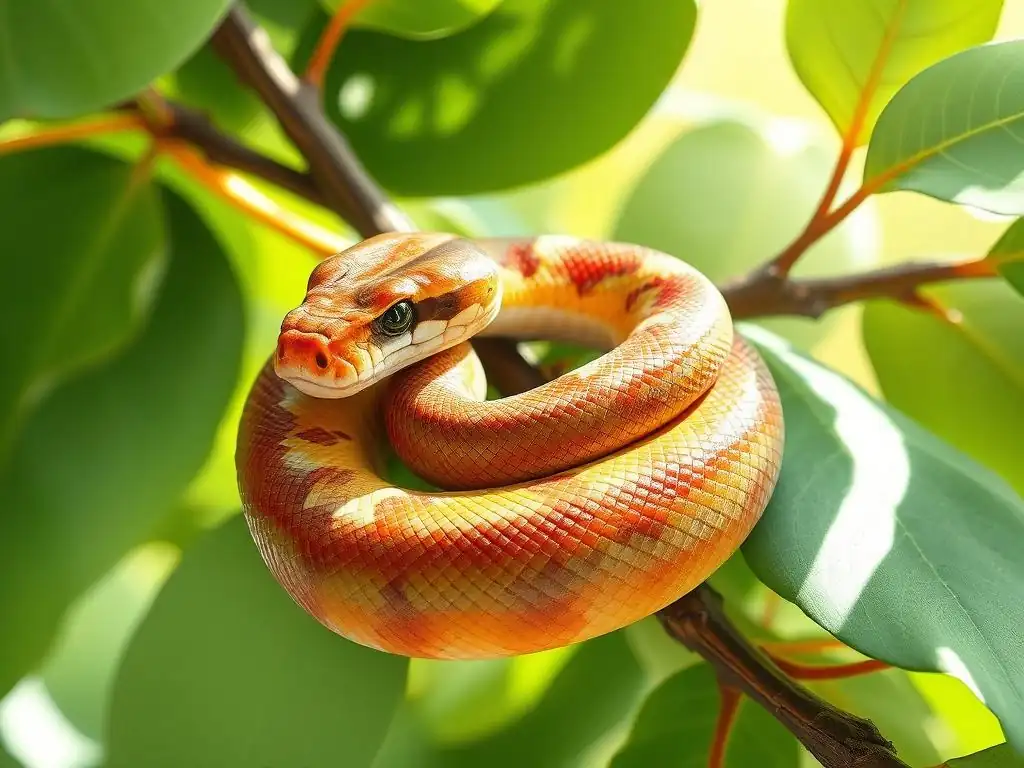
This section focuses on proactive measures to ensure your corn snake thrives. Preventing health issues is far easier than treating them, and a commitment to proper care significantly reduces the risk of common corn snake ailments. Regular observation and a proactive approach to hygiene and enrichment are key components of responsible corn snake ownership. Understanding these preventative measures is crucial for addressing the keyword "corn snake common health problems" effectively.
Regular Cleaning and Hygiene Practices
Maintaining a clean and sanitary environment is paramount in preventing bacterial and parasitic infections, common contributors to corn snake health problems. This involves more than just occasional spot cleaning; it's a consistent routine.
- Enclosure Cleaning: The entire enclosure should be thoroughly disinfected at least once a month. This includes removing all substrate, scrubbing the enclosure with a reptile-safe disinfectant (avoiding harsh chemicals), and replacing the substrate with fresh, clean material. Never use soaps or detergents designed for human use.
- Water Bowl Hygiene: The water bowl should be cleaned and refilled daily. Stagnant water is a breeding ground for bacteria and can quickly become a source of illness. Consider using a ceramic or glass bowl, as these are easier to clean than plastic.
- Feeding Area: If you feed your corn snake in a separate container, clean this container thoroughly after each feeding. Food remnants can attract pests and contribute to unsanitary conditions.
- Handling Hygiene: Always wash your hands thoroughly before and after handling your corn snake. This prevents the transfer of bacteria from your hands to the snake and vice versa. Avoid handling your snake immediately before or after feeding.
Failing to maintain proper hygiene can lead to a variety of issues, including respiratory infections, skin infections, and parasitic infestations – all significant contributors to the prevalence of corn snake common health problems. Consistent, thorough cleaning is not optional; it's fundamental to your corn snake's well-being.
Monitoring Your Corn Snake's Weight and Behavior
Regularly monitoring your corn snake's weight and behavior provides early warning signs of potential health problems. Subtle changes can indicate underlying issues before they become serious.
- Weight Monitoring: Weigh your corn snake once a month using a gram scale. This allows you to track weight changes over time and detect any unexpected weight loss or gain. A sudden drop in weight, for example, could signal an issue with appetite or digestion – a common sign of several corn snake common health problems.
- Behavioral Changes: Pay close attention to your corn snake's behavior. Changes in activity levels, appetite, shedding patterns, or defecation habits can all be indicative of an underlying health concern. Lethargy, refusal to eat, difficulty shedding, or unusual defecation should all prompt a veterinary examination.
- Record Keeping: Maintain a detailed record of your corn snake's weight and any observed behavioral changes. This record helps you identify patterns and trends, making it easier to spot potential problems early. This proactive approach is crucial in addressing corn snake common health problems before they escalate.
Enrichment and Stimulation to Prevent Boredom
A bored corn snake is a stressed corn snake, and stress weakens the immune system, making it more susceptible to illness. Providing appropriate enrichment and stimulation is therefore crucial to preventing many corn snake common health problems.
- Enclosure Design: A stimulating enclosure should provide hiding places, climbing opportunities, and thermal gradients. Branches, rocks, and artificial plants can all contribute to a more enriching environment.
- Handling (In Moderation): Gentle handling can be beneficial, but avoid over-handling, as this can stress the snake. Regular, gentle interaction can help build trust but should be balanced with periods of undisturbed rest.
- Variety in Feeding: While a consistent diet is important, offering a slight variety in prey items (within reason) can help prevent boredom and improve your snake's nutritional intake. Always consult with a reptile veterinarian before making significant changes to your corn snake's diet.
Providing a stimulating and engaging environment is a preventative measure against stress-related illnesses. A healthy, happy corn snake is less likely to succumb to the many corn snake common health problems that can impact their quality of life. Remember, a proactive approach to care is the best defense against illness.
Corn Snake Health: Resources and Further Information
This section provides crucial information beyond the common health problems already discussed, focusing on where to find expert help and reliable information for your corn snake's well-being. A healthy corn snake is a happy corn snake, and proactive care is key to preventing and addressing potential issues. Remember, early detection is crucial in treating any corn snake illness.
Finding a Reptilian Veterinarian Near You
Finding a veterinarian experienced with reptiles, specifically corn snakes, is paramount. Many general practitioners lack the specialized knowledge to effectively diagnose and treat reptilian ailments. A reptile-savvy vet will understand the unique physiological needs of corn snakes and can provide accurate diagnoses and appropriate treatment plans. Don't hesitate to call several veterinary clinics in your area to inquire about their experience with reptiles. Ask specific questions like:
- "Do you have experience treating corn snakes?"
- "What is your approach to diagnosing and treating common corn snake illnesses, such as [mention a specific illness from the main article, e.g., dysecdysis]?"
- "What diagnostic tools do you utilize for reptile patients?"
A good reptilian veterinarian will be happy to answer your questions thoroughly and put your mind at ease. They should also be able to provide information on preventative care, such as recommended feeding schedules and husbandry practices. Having a trusted veterinarian establishes a proactive approach to your corn snake's health, ensuring prompt attention to any emerging problems. Early intervention significantly improves the chances of a successful outcome in treating illnesses.
The investment in finding a specialist is invaluable for your corn snake's long-term health and happiness. Consider creating a list of potential vets and their contact information, keeping it readily available for emergencies. Remember, preventative care is just as important as reactive treatment.
Reliable Online Resources for Corn Snake Owners
While this article provides comprehensive information on common corn snake health problems, it's always beneficial to consult additional resources for further learning and support. However, it is crucial to be discerning when choosing online sources. Not all information available online is accurate or reliable.
Prioritize information from reputable organizations and experienced herpetologists. Look for websites and forums that cite scientific studies and veterinary recommendations. Be wary of anecdotal evidence or advice that lacks a scientific basis. Remember, misinformation can be harmful to your corn snake's health.
When searching for information online, use specific keywords like "corn snake husbandry," "corn snake diet," and "corn snake health guide." Focus on sites with clear authorship, preferably from recognized experts in the field of herpetology. Look for sites that maintain updated information and provide clear references to support their claims. Active forums moderated by experienced corn snake keepers can also be a valuable resource, but always critically evaluate the information provided.
Consider joining online communities specifically dedicated to corn snake care; however, remember to always verify information with reliable sources. A healthy dose of skepticism and critical thinking is essential when navigating the online world of reptile care. Your corn snake's well-being depends on it.
Remember, responsible corn snake ownership involves ongoing learning and a commitment to providing the best possible care. By utilizing the resources outlined above, you can ensure your corn snake thrives for many years to come. 🐍
Frequently Asked Questions
What are some common health problems in corn snakes?
Corn snakes, while generally hardy, can suffer from metabolic bone disease (MBD) due to improper calcium and vitamin D3 intake, infections (respiratory or bacterial), and parasite infestations. Regular vet checkups are crucial.
How can I prevent metabolic bone disease (MBD) in my corn snake?
Providing a balanced diet with adequate calcium and vitamin D3 supplementation, along with appropriate UVB lighting, is key to preventing MBD. Ensure your snake has access to a proper basking spot.
What are the signs of a respiratory infection in a corn snake?
Look for signs like wheezing, gaping mouth breathing, and nasal discharge. If you notice any of these symptoms, seek immediate veterinary attention for your corn snake.
My corn snake isn't shedding properly. What could be the cause?
Improper humidity levels are a common cause of shedding problems. Ensure your snake's enclosure maintains the correct humidity with a reliable hydration source. Dehydration can also contribute to this issue.
How often should I take my corn snake to the veterinarian for a checkup?
Annual checkups are recommended for adult corn snakes, allowing for early detection of any potential health issues. Young snakes may require more frequent visits, especially during their growth phase.
Final Reflection: A Healthy Future for Our Corn Snake Companions
Understanding corn snake health is not merely a hobbyist's concern; it's a crucial element of responsible pet ownership, directly impacting the well-being of these fascinating creatures and ensuring their longevity. Ignoring common health problems can lead to unnecessary suffering and ultimately, the premature loss of a beloved pet. This knowledge empowers us to be better caregivers.
The impact of readily available information on reptile health is undeniable. The ease of access to resources like this article has the potential to dramatically improve the lives of countless corn snakes. The best thing one can do for the health of a pet is to understand its needs.
This simple truth applies profoundly to corn snakes, and equipping ourselves with the knowledge to recognize and address common illnesses is a vital step in fulfilling our responsibility as keepers. The ongoing dialogue and sharing of information within the herpetological community is crucial for continuous improvement in corn snake care.
Now, consider your own corn snake, or perhaps a future companion. What steps can you take today to ensure their health and happiness? Are you regularly monitoring their behavior and appearance for subtle signs of illness? Do you have a trusted veterinarian specializing in reptiles readily available? Take a moment to reflect on your role in their well-being. By proactively addressing potential health issues, you are not just extending their lifespan, but enriching the quality of their lives, fostering a bond built on understanding and care. Let's work together to create a healthier future for our corn snake companions.
Unlock Your Corn Snake's Healthiest Life!
Thank you for learning about keeping your corn snake happy and healthy! We hope you found the information on recognizing common illnesses helpful. Now let's put that knowledge into practice to ensure your scaly friend thrives.
- Schedule a Veterinary Checkup: Even if your corn snake appears perfectly healthy, a wellness visit with a reptile veterinarian is crucial for preventative care and addressing any potential concerns early on. This proactive approach can prevent more serious problems later.
- Refine Your Corn Snake's Care: Review the information in this article and make any necessary adjustments to your snake's enclosure, diet, or handling techniques. Even small improvements can significantly benefit your pet's health and happiness.
- Share Your Successes! We'd love to hear about your corn snake's health journey – what challenges have you faced, and what strategies have worked best for you? Sharing your experiences can help other corn snake owners.
What steps will you take today to improve your corn snake's well-being?