
Choosing the Right Substrate for Your Corn Snake's Enclosure

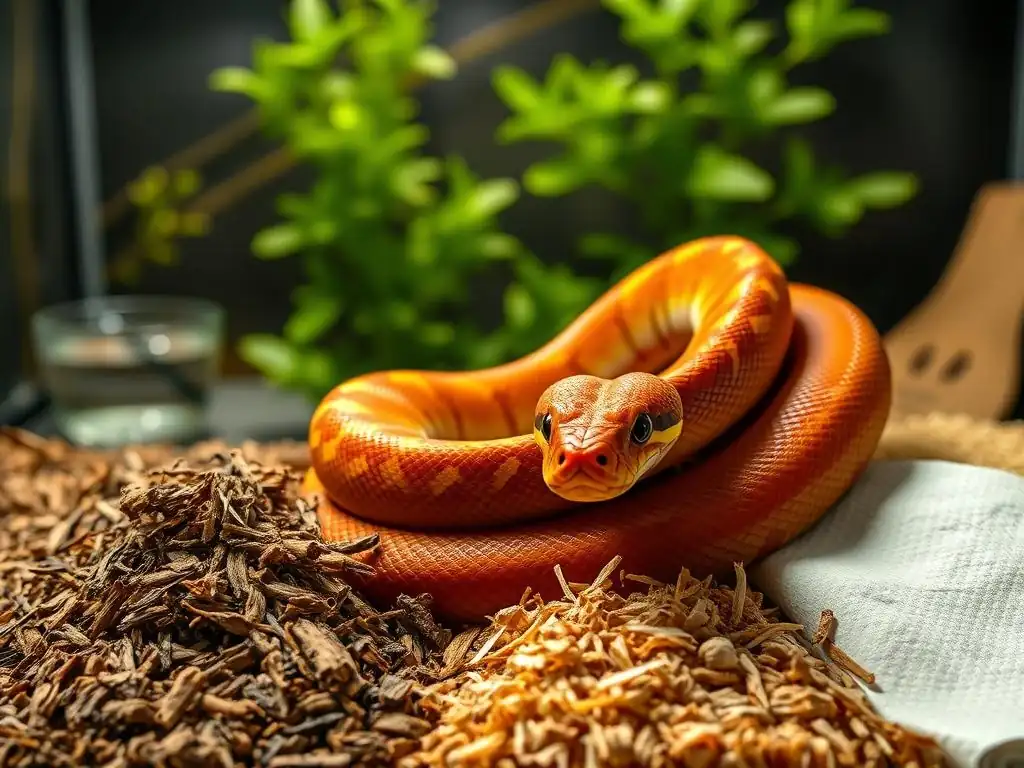
Welcome to PetCareWorld, your ultimate guide to a happier, healthier life for your beloved companions! Are you ready to create the perfect environment for your scaly friend? Then delve into our expert guide on choosing the Best Corn Snake Substrate, ensuring your corn snake thrives in a safe and stimulating habitat. Discover the secrets to a flourishing enclosure and unlock the key to your reptile's well-being – read on to learn more!
- Understanding Corn Snake Substrate Needs: The Basics
-
Best Corn Snake Substrate Options: A Detailed Comparison
- Aspen Shavings: Advantages, Disadvantages, and Best Practices
- Cypress Mulch: Advantages, Disadvantages, and Best Practices
- Paper Towels: Advantages, Disadvantages, and Best Practices for Corn Snakes
- Reptile Carpet: Advantages, Disadvantages, and Considerations for Corn Snake Habitats
- Coconut Fiber (Coco Coir): Advantages, Disadvantages, and Optimal Use for Corn Snakes
- Other Substrate Options: Suitable Alternatives and Their Properties
- Choosing the Right Substrate Based on Your Corn Snake's Age and Needs
- Maintaining a Clean and Healthy Corn Snake Enclosure
- Frequently Asked Questions about Corn Snake Substrate
- Frequently Asked Questions
- Final Reflection: The Foundation of a Flourishing Life: Choosing the Right Substrate
- Unlock Your Corn Snake's Happy Habitat!
Understanding Corn Snake Substrate Needs: The Basics
Choosing the right substrate for your corn snake's enclosure is crucial for their health and well-being. A suitable substrate provides a comfortable environment, helps maintain appropriate humidity levels, and allows for proper waste management. Selecting the best corn snake substrate isn't just about aesthetics; it's about creating a thriving habitat that mimics your snake's natural environment. This guide will delve into the key factors to consider when selecting a substrate, helping you make an informed decision that ensures your corn snake's long-term health and happiness.
We'll explore various options, debunk common myths, and ultimately empower you to create the perfect home for your reptile companion. Remember, a healthy environment is the cornerstone of a healthy pet! 🐍
Importance of Proper Substrate for Corn Snake Health
The substrate you choose significantly impacts your corn snake's health. Improper substrate can lead to a variety of problems, including:
- Respiratory Issues: Damp, unclean substrates can harbor bacteria and mold, leading to respiratory infections. Corn snakes, like other reptiles, are susceptible to these infections, which can be life-threatening.
- Scale Rot: Excessive moisture and poor substrate hygiene can cause scale rot, a bacterial or fungal infection that damages the snake's scales. This painful condition requires veterinary intervention.
- Parasite Infestation: Certain substrates can attract parasites that can infest your snake. Maintaining a clean and appropriate substrate is key to preventing infestations.
- Digestive Problems: Ingestion of substrate particles can lead to digestive problems. Some substrates are more prone to ingestion than others.
- Stress and Behavioral Issues: An uncomfortable or unsuitable substrate can cause stress, leading to behavioral changes such as lethargy or refusal to eat.
Choosing a substrate that is absorbent, easy to clean, and appropriate for maintaining optimal humidity levels is paramount to preventing these health issues. Regular substrate changes are also essential for maintaining a clean and healthy environment.
Factors Affecting Substrate Choice: Humidity and Ventilation Requirements
Corn snakes require specific humidity levels to thrive. The ideal humidity range is typically between 50% and 60%, although this can vary slightly depending on the snake's age and health. The substrate plays a vital role in maintaining this humidity. Highly absorbent substrates like cypress mulch can help retain moisture, while less absorbent substrates might require more frequent misting.
Ventilation is equally important. Poor ventilation can lead to the build-up of ammonia and other harmful gases, negatively affecting your snake's respiratory health. The substrate should allow for adequate airflow to prevent this. Choosing a substrate that doesn't compact easily ensures good air circulation within the enclosure.
Consider these factors when selecting a substrate:
| Substrate Type | Moisture Retention | Ventilation | Ease of Cleaning | Potential Drawbacks |
|---|---|---|---|---|
| Aspen Shavings | Low | Good | Easy | Can be dusty, less absorbent than other options |
| Cypress Mulch | Moderate to High | Good | Moderate | Can mold if excessively wet |
| Paper Towels | Low | Excellent | Easy | Not very aesthetically pleasing |
| Coconut Fiber (Coco Coir) | High | Moderate | Moderate | Can be dusty if not properly rinsed |
Choosing the best corn snake substrate involves carefully balancing humidity retention with adequate ventilation to create a healthy and comfortable environment.
Debunking Common Corn Snake Substrate Myths
Several myths surround corn snake substrates. Let's address some of the most common misconceptions:
- Myth: Newspaper is the only safe substrate. Reality: While newspaper is safe and easy to clean, it's not ideal for burrowing or creating a naturalistic environment. Many other substrates offer better enrichment and moisture retention.
- Myth: Sand is a good substrate for corn snakes. Reality: Sand can cause impaction if ingested, leading to serious health problems. It's generally not recommended for corn snakes.
- Myth: Any substrate will do as long as it's clean. Reality: Different substrates have different properties that impact humidity, ventilation, and overall suitability for corn snakes. Choosing the right substrate is crucial for their well-being.
Understanding these myths and focusing on the specific needs of your corn snake will help you select the best substrate to ensure a healthy and happy life for your pet. Remember to prioritize a substrate that is safe, easy to clean, and helps maintain the appropriate humidity and ventilation levels.
Best Corn Snake Substrate Options: A Detailed Comparison
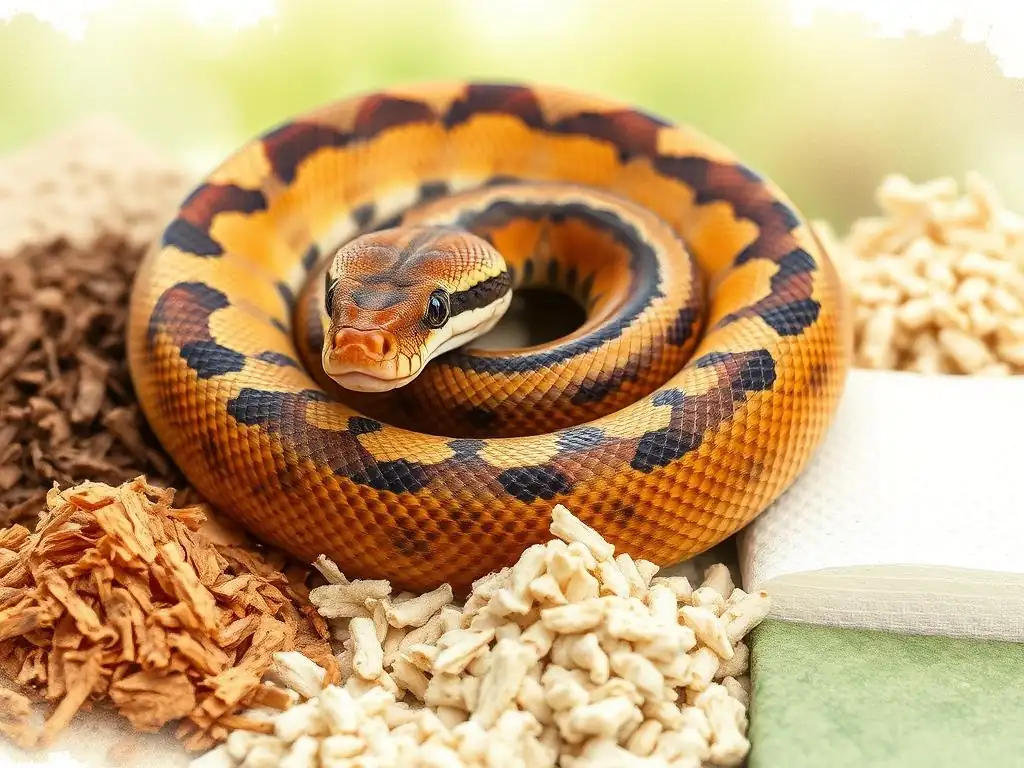
Choosing the right substrate for your corn snake is crucial for maintaining a healthy and comfortable environment. The "best" substrate depends on individual preferences and priorities, but several popular options offer distinct advantages and disadvantages. This section will delve into three common choices: aspen shavings, cypress mulch, and paper towels, providing a comprehensive comparison to help you make the informed decision that's best for your corn snake. Finding the best corn snake substrate is key to responsible reptile ownership.
Aspen Shavings: Advantages, Disadvantages, and Best Practices
Aspen shavings are a popular choice among corn snake keepers due to their readily available nature and relatively low cost. They provide a natural-looking bedding that many find aesthetically pleasing.
Advantages:
- Readily Available: Aspen shavings are widely available at pet stores and online retailers, making them easy to acquire.
- Affordable: Compared to other substrates, aspen shavings are generally inexpensive.
- Good Moisture Retention (to a degree): They retain some moisture, preventing the enclosure from becoming excessively dry. This is important for maintaining appropriate humidity levels, especially during shedding.
- Dust-Reduced Options Available: While some aspen shavings can be dusty, many brands now offer dust-extracted options minimizing respiratory irritation for your snake.
Disadvantages:
- Potential for Mold and Mildew: If not properly maintained and cleaned regularly, aspen shavings can become a breeding ground for mold and mildew, posing a health risk to your corn snake. Thorough cleaning and replacement are essential.
- Can Stick to Snakes: Some snakes may find aspen shavings sticking to their scales, potentially causing discomfort.
- Ingestion Risk: Though unlikely with careful monitoring, corn snakes might ingest small pieces of aspen shavings, potentially leading to digestive issues.
Best Practices:
- Choose Dust-Extracted Options: Opt for aspen shavings specifically labeled as "dust-extracted" to minimize respiratory problems.
- Regular Cleaning: Spot clean daily and completely change the substrate every 2-4 weeks, or more frequently as needed.
- Proper Ventilation: Ensure the enclosure has adequate ventilation to prevent moisture buildup.
- Monitor for Mold: Regularly inspect the substrate for any signs of mold or mildew. Replace immediately if any is found.
Cypress Mulch: Advantages, Disadvantages, and Best Practices
Cypress mulch is another frequently used substrate, offering a slightly different set of characteristics compared to aspen shavings. It's known for its moisture-retentive properties and natural scent.
Advantages:
- Excellent Moisture Retention: Cypress mulch retains moisture more effectively than aspen shavings, making it ideal for maintaining humidity levels. This is particularly beneficial during shedding.
- Naturally Antimicrobial: Cypress wood contains natural antimicrobial properties that can help inhibit the growth of bacteria and fungi.
- Durable and Long-Lasting: Cypress mulch tends to last longer than aspen shavings, requiring less frequent changes.
Disadvantages:
- Higher Cost: Cypress mulch is generally more expensive than aspen shavings.
- Can Be Dusty (Some Brands): Similar to aspen, some brands may contain dust, so choosing a dust-extracted variety is important.
- Strong Scent: The natural scent of cypress can be overpowering for some people. Ensure you are not sensitive to the aroma before using it.
Best Practices:
- Choose a Reputable Brand: Select a brand specifically designed for reptile enclosures to ensure quality and safety.
- Proper Cleaning: Even with its antimicrobial properties, regular spot cleaning and complete substrate changes are still necessary.
- Monitor Humidity: While it retains moisture well, it’s still essential to monitor humidity levels using a hygrometer.
Paper Towels: Advantages, Disadvantages, and Best Practices for Corn Snakes
Paper towels represent a simple and sterile substrate option, particularly useful for quarantine situations or during specific periods of your snake's life.
Advantages:
- Sterile and Easy to Clean: Paper towels are incredibly easy to clean; simply replace them when soiled. This is crucial for maintaining hygiene and preventing bacterial or fungal growth.
- Low Cost: Paper towels are inexpensive and readily accessible.
- Ideal for Quarantine: Paper towels are perfect for quarantining a newly acquired corn snake or one recovering from illness. This allows for easy monitoring of waste and hygiene.
- No Ingestion Risk: There's no risk of your snake ingesting the substrate.
Disadvantages:
- Not Visually Appealing: Paper towels lack the natural aesthetic appeal of other substrates.
- Poor Moisture Retention: They do not retain moisture well, requiring more frequent misting to maintain humidity.
- Not Environmentally Friendly (Long Term): Using copious amounts of paper towels isn't the most eco-friendly long-term solution.
Best Practices:
- Use High-Quality Paper Towels: Avoid using scented or colored paper towels, as these may contain chemicals harmful to your snake.
- Frequent Changes: Replace soiled paper towels immediately to prevent the buildup of waste.
- Supplement with Humidity: Regular misting is vital to compensate for the poor moisture retention of paper towels. A hygrometer is essential to monitor humidity levels. Consider a humid hide.
Reptile Carpet: Advantages, Disadvantages, and Considerations for Corn Snake Habitats
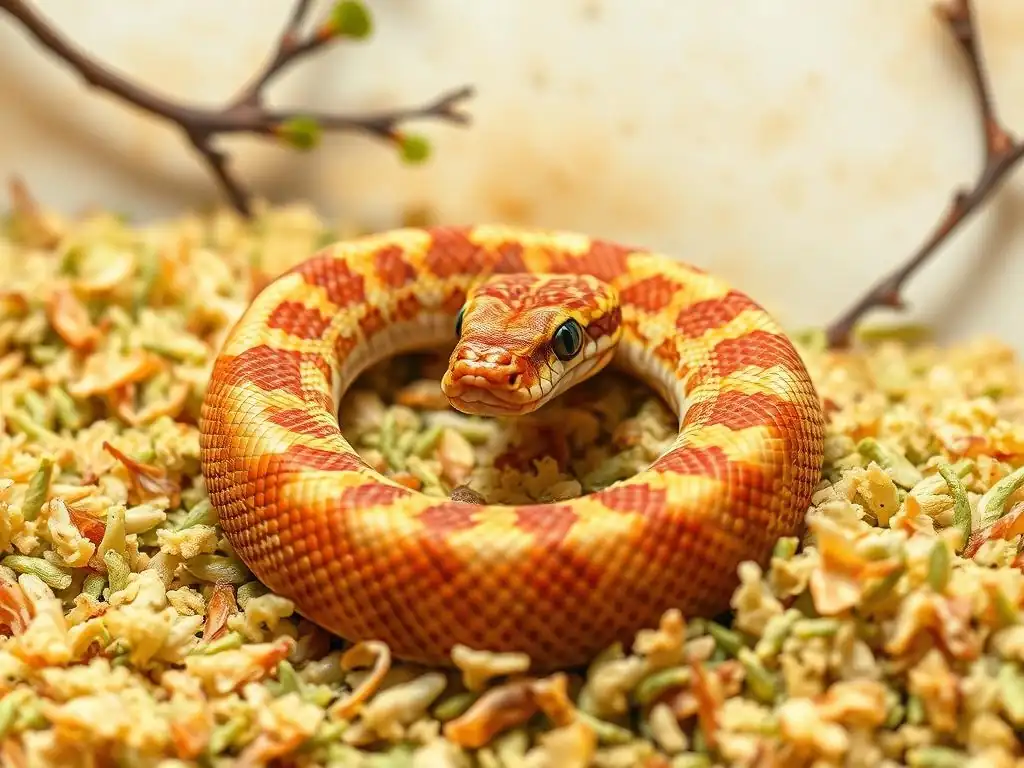
Reptile carpet, a popular choice among reptile keepers, offers several advantages as a substrate for corn snakes. Its primary benefit is its ease of cleaning. Spills and accidents are easily wiped away, minimizing the risk of bacterial growth and keeping the enclosure hygienic. This is particularly important for corn snakes, as maintaining a clean environment is crucial for their health and well-being. Furthermore, reptile carpet is readily available at most pet stores, making it a convenient option for many owners. It's also relatively inexpensive compared to some other substrates.
However, reptile carpet also has its drawbacks. While easy to clean, it can trap odors over time if not properly maintained. Regular deep cleaning and occasional replacement are necessary to prevent the build-up of unpleasant smells. Another significant disadvantage is its lack of natural enrichment. Corn snakes, like many other reptiles, benefit from burrowing and exploring their environment.
Reptile carpet provides a flat, unyielding surface, offering little opportunity for this natural behavior. This can lead to boredom and potentially contribute to stress in the snake. Consider supplementing reptile carpet with hides and other environmental enrichment to compensate for this lack of textural variety. Finally, while generally safe, certain types of low-quality reptile carpet may shed fibers that could potentially be ingested by the snake, posing a minor health risk. Always opt for high-quality, reputable brands to minimize this risk.
Coconut Fiber (Coco Coir): Advantages, Disadvantages, and Optimal Use for Corn Snakes
Coco coir, derived from coconut husks, is a natural and increasingly popular substrate for corn snakes. It offers a number of compelling advantages. Its excellent moisture retention properties help maintain a humid environment, which is crucial for corn snake shedding. This reduces the risk of difficult sheds, a common problem that can lead to serious health complications.
Furthermore, coco coir provides a more natural and enriching substrate than reptile carpet. Corn snakes can burrow and explore within the coco coir, satisfying their natural instincts and promoting a more stimulating environment. This can lead to a reduction in stress and improved overall well-being. The natural, earthy smell of coco coir is also generally preferred over the sometimes-artificial scent of other substrates.
However, coco coir is not without its drawbacks. It requires more frequent cleaning and monitoring than reptile carpet, as it can become moldy or harbor bacteria if not properly maintained. It’s crucial to ensure proper ventilation within the enclosure to prevent moisture build-up. Regular spot cleaning and complete substrate changes every few months are essential to maintain hygiene.
Another consideration is the potential for dust. When initially set up, coco coir can be quite dusty, requiring thorough rinsing and draining before use to minimize the risk of respiratory irritation for your corn snake. Finally, the cost of coco coir can be slightly higher than that of reptile carpet, although this is often offset by its longer lifespan if properly maintained.
Other Substrate Options: Suitable Alternatives and Their Properties
While reptile carpet and coco coir are popular choices, several other substrates are suitable for corn snakes, each with its own set of advantages and disadvantages. Aspen shavings, for instance, are a readily available and relatively inexpensive option. They provide good drainage and are easy to clean, but they lack the moisture retention properties of coco coir and offer less opportunity for burrowing.
Similarly, cypress mulch offers good drainage and moisture retention, but it can be more expensive and may require more frequent replacement. Paper towels, while simple and easy to clean, provide little enrichment and are not ideal for long-term use. Finally, some keepers use a mixture of substrates, combining the benefits of different materials.
For example, a mix of coco coir and cypress mulch can provide both moisture retention and good drainage. The best substrate choice ultimately depends on the individual keeper's preferences, the specific needs of their corn snake, and their willingness to maintain the enclosure's cleanliness and humidity levels. Careful consideration of these factors is crucial for ensuring the health and well-being of your corn snake.
Choosing the Right Substrate Based on Your Corn Snake's Age and Needs
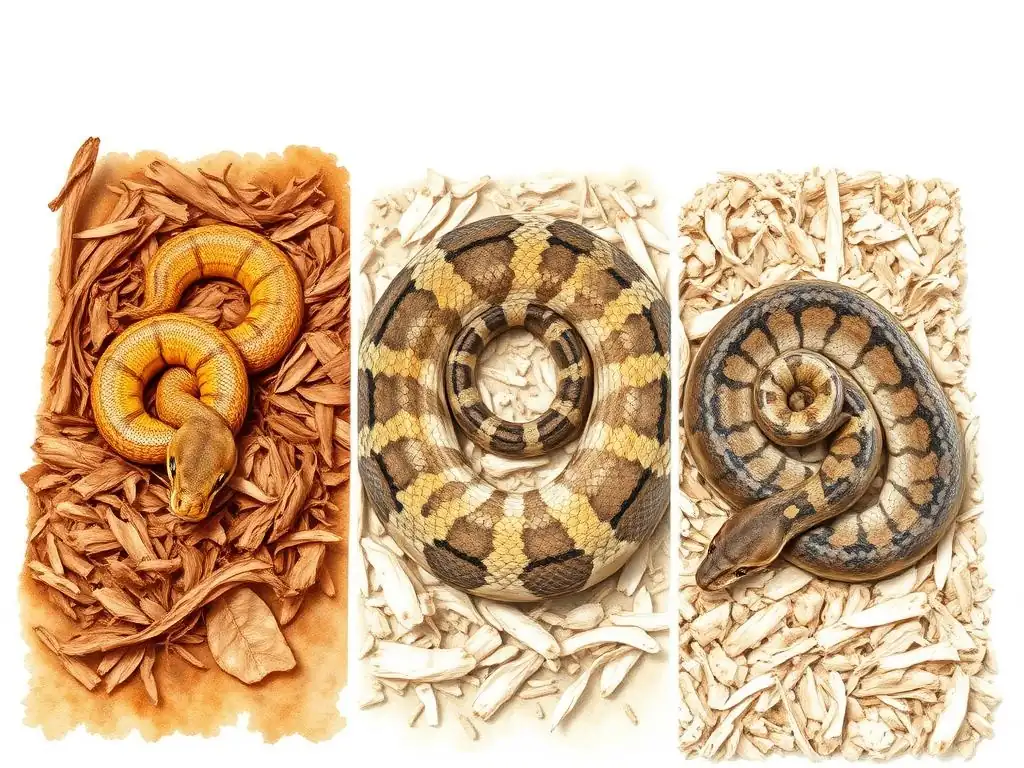
Selecting the best corn snake substrate is crucial for maintaining a healthy and thriving environment. The ideal substrate will depend heavily on your corn snake's age and specific needs. Different substrates offer varying levels of humidity retention, ease of cleaning, and overall suitability for different life stages. Ignoring these distinctions can lead to health problems for your reptile. Let's explore the best options based on your snake's age.
Substrate Selection for Juvenile Corn Snakes
Juvenile corn snakes, being smaller and more susceptible to dehydration and injury, require a substrate that offers a balance of moisture retention and softness. Avoid substrates that are too coarse or dusty, as these can irritate their sensitive skin and respiratory system. Excellent choices for juvenile corn snakes include:
- Paper towels: These are inexpensive, readily available, and easily cleaned. They provide a sterile environment, minimizing the risk of bacterial or fungal infections. They are also excellent for observing your snake's waste, allowing for easy monitoring of its health. The downside is the lack of natural enrichment.
- Aspen shavings: These provide a slightly more natural-looking environment compared to paper towels. They retain some moisture, but not excessively. Make sure to choose aspen shavings that are dust-extracted to prevent respiratory irritation. Regular spot cleaning is necessary to prevent the buildup of waste and bacteria.
- Reptile carpet: This offers a softer surface than aspen and can be easier to clean. However, it can trap moisture, potentially leading to bacterial growth if not cleaned regularly. It's crucial to ensure proper ventilation in the enclosure to mitigate this risk.
It's important to note that while cypress mulch is sometimes suggested, it's generally not recommended for juvenile corn snakes due to the potential for ingestion and impaction. The risk outweighs the benefits in this age group.
Substrate for Adult Corn Snakes
Adult corn snakes are more robust and can tolerate a wider variety of substrates. However, the focus should still be on providing a safe, comfortable, and easily maintainable environment. Suitable options for adult corn snakes include:
- Aspen shavings: Remain a good choice, offering a balance of moisture retention and ease of cleaning. The slightly textured surface provides some natural enrichment.
- Coconut fiber (coco coir): This substrate is highly absorbent, helping to maintain appropriate humidity levels. It's also relatively easy to clean and provides a more natural-looking environment. Be sure to use a well-rinsed and properly prepared coco coir to avoid any chemical residues.
- Reptile bark: Provides a more natural-looking substrate, but requires more frequent cleaning and monitoring for moisture levels. It can also be more difficult to spot clean.
Choosing the right substrate for an adult corn snake often comes down to personal preference and ease of maintenance. However, always ensure the substrate is appropriate for the humidity levels required within the enclosure.
Adjusting Substrate Based on Life Stage and Health
The ideal substrate isn't static; it should adapt to your corn snake's needs throughout its life. For example, during shedding, you might temporarily switch to a more humid substrate (like coco coir) to aid in the process. Conversely, if your snake develops a respiratory infection, you might temporarily switch to paper towels for easier cleaning and monitoring. Always prioritize your snake's health and well-being.
Regularly observe your snake for any signs of stress or illness, such as lethargy, changes in appetite, or abnormal shedding. Changes in the substrate might be necessary to address these issues. Remember that a clean and appropriate substrate is a crucial component of providing the best possible care for your corn snake. Consistent monitoring and proactive adjustments are key to preventing health problems and ensuring the longevity of your pet.
Remember, selecting the *best corn snake substrate* is an ongoing process requiring careful observation and adjustment based on your individual snake's needs. Prioritize safety, cleanliness, and ease of maintenance when making your choice.
Maintaining a Clean and Healthy Corn Snake Enclosure
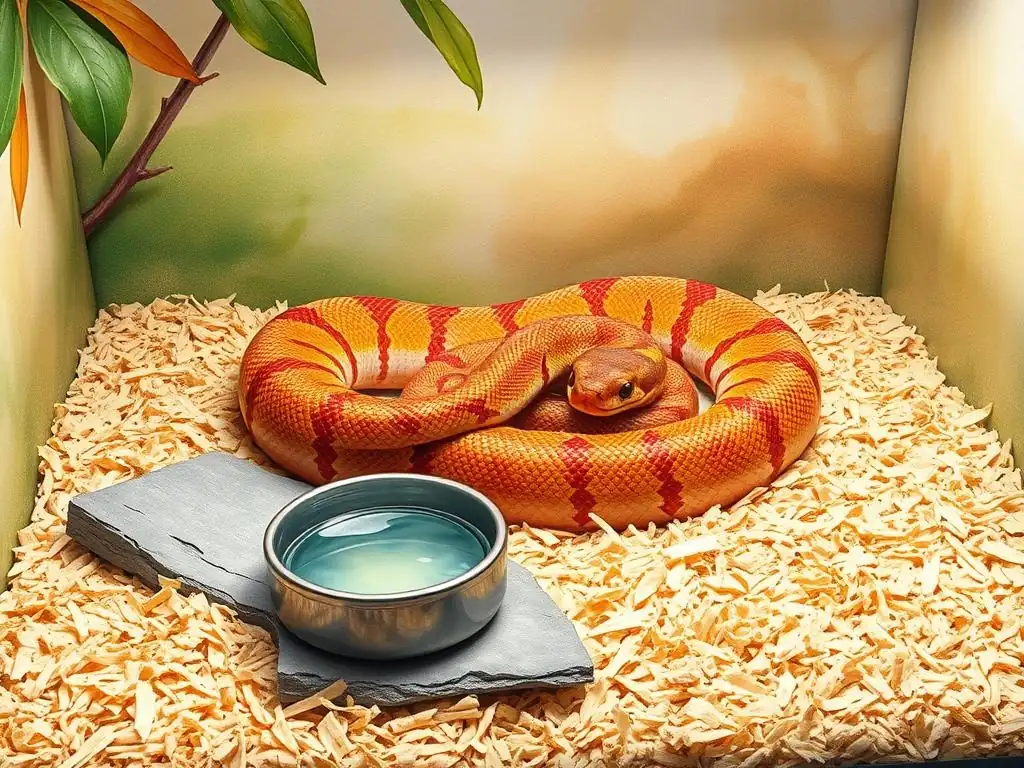
This section focuses on the practical aspects of maintaining a hygienic environment for your corn snake, crucial for its health and longevity. A clean enclosure directly impacts your corn snake's well-being, minimizing the risk of infections and promoting a thriving habitat. Choosing the best corn snake substrate is only the first step; consistent maintenance is key to reaping its benefits.
Regular Substrate Cleaning and Replacement Schedule
Maintaining a clean substrate is paramount for preventing the buildup of harmful bacteria and parasites. The frequency of cleaning depends on the type of substrate you've chosen and the size of your enclosure. For instance, paper towels require more frequent changes (weekly or bi-weekly) compared to aspen shavings, which might need replacing every 2-4 weeks. However, spot cleaning should be performed daily. This involves removing any fecal matter, urates (uric acid waste), and uneaten food immediately.
Here's a suggested cleaning schedule:
| Substrate Type | Spot Cleaning | Full Replacement | Notes |
|---|---|---|---|
| Paper Towels | Daily | Weekly or Bi-weekly | Easy to clean, but less aesthetically pleasing and requires more changes |
| Aspen Shavings | Daily | 2-4 Weeks | Absorbent, but can harbor bacteria if not cleaned properly |
| Cypress Mulch | Daily | 3-4 Weeks | Good moisture retention, but needs regular monitoring for mold |
| Coconut Fiber (Coco Coir) | Daily | 4-6 Weeks | Excellent moisture retention, but can be messy |
Remember to always use reptile-safe cleaning products. Avoid using harsh chemicals, disinfectants, or scented cleaners, as these can be toxic to your corn snake. A simple solution of warm water and a mild, non-toxic soap is usually sufficient. Thoroughly rinse and allow the substrate to dry completely before returning your snake to its enclosure. Always handle the substrate with clean gloves to prevent contamination. Regular substrate changes are a crucial part of providing the best corn snake substrate environment possible.
Several signs indicate problems with your corn snake's substrate. Recognizing these early is vital to prevent health issues. These problems can range from simple cleanliness issues to more serious health concerns.
- Fecal Matter Buildup: Persistent fecal matter indicates insufficient spot cleaning. This can lead to bacterial growth and parasitic infestations. The smell alone is a strong indicator that more frequent cleaning is needed.
- Mold or Mildew: The presence of mold or mildew, often appearing as fuzzy patches, is a serious concern. It indicates excessive moisture or poor ventilation. This requires immediate substrate replacement and a thorough cleaning of the enclosure. If mold is extensive, consider consulting a veterinarian.
- Unusual Snake Behavior: Changes in your corn snake's behavior, such as lethargy, loss of appetite, or excessive shedding, could be linked to substrate issues. If you observe such changes, carefully examine the substrate for potential problems.
- Skin Irritation: Skin irritation or lesions on your corn snake's belly might indicate an issue with the substrate. Certain substrates can be abrasive or irritating, leading to skin problems. Consider switching to a softer, smoother substrate if this occurs.
Regularly observing your corn snake and its environment is crucial for early detection of substrate-related problems. Proactive maintenance prevents more significant issues down the line.
Preventing Mold and Bacterial Growth in Corn Snake Enclosures
Preventing mold and bacterial growth requires a multi-pronged approach. Proper substrate selection is only one piece of the puzzle. Maintaining appropriate humidity and ventilation is equally important.
- Proper Ventilation: Ensure your enclosure has adequate ventilation to prevent excessive moisture buildup. Good airflow helps prevent the accumulation of moisture, a major contributor to mold and bacterial growth. This is especially important with substrates that retain moisture, like coco coir.
- Humidity Control: Maintain the correct humidity level for your corn snake. Using a hygrometer to monitor humidity is essential. Excessive humidity promotes mold growth, while insufficient humidity can lead to dehydration. The best corn snake substrate should complement your humidity control strategy.
- Substrate Depth: Avoid using excessively deep substrate layers. Deep substrates can retain too much moisture and hinder proper ventilation, creating ideal conditions for mold and bacteria.
- Regular Cleaning: As previously discussed, regular spot cleaning and complete substrate changes are crucial to prevent the accumulation of waste and the subsequent growth of harmful microorganisms.
- Enclosure Cleaning: Beyond substrate maintenance, the entire enclosure needs regular cleaning. Clean the walls, decorations, and water dish regularly to maintain a hygienic environment for your corn snake. Consider using a reptile-safe disinfectant for a thorough cleaning every few months.
By implementing these preventative measures, you significantly reduce the risk of mold and bacterial growth, ensuring a safe and healthy environment for your corn snake. Remember, a proactive approach is far more effective than reactive treatment.
Frequently Asked Questions about Corn Snake Substrate
This section addresses common queries regarding substrate selection for your corn snake. Choosing the right substrate is crucial for maintaining a healthy and comfortable environment for your reptile. The wrong substrate can lead to various health problems, including respiratory issues, impaction, and difficulty shedding. Understanding the nuances of substrate selection will significantly improve your corn snake's quality of life. Let's delve into some frequently asked questions.
Best Substrate for Corn Snakes to Prevent Shedding Problems
Shedding problems are a common concern among corn snake owners. A poorly chosen substrate can impede the shedding process, leading to retained scutes (stuck skin), which can be painful and even cause infection. The best corn snake substrate for preventing shedding issues is one that is absorbent enough to retain some humidity but not so moist as to encourage bacterial growth. This balance is key.
Several substrates fit this description. Aspen shavings, for instance, are a popular choice due to their excellent absorbency and relatively low cost. They provide a good balance of moisture retention and dryness, minimizing the risk of retained scutes. Paper towels offer a sterile and easily cleanable alternative, particularly beneficial during shedding cycles. However, they lack the natural texture that some snakes prefer for burrowing. Reptile carpet is another option, offering a softer surface, but it requires diligent cleaning to prevent bacterial buildup.
The key to preventing shedding problems is not just the substrate itself, but also proper humidity levels within the enclosure. Regular monitoring and adjustments are vital. High humidity is crucial for successful shedding, but excessive moisture can lead to fungal or bacterial infections. A hygrometer is essential equipment for monitoring humidity levels. Aim for a humidity range of 50-60% to optimize shedding.
Recommended Substrate Replacement Frequency for Corn Snakes
The frequency of substrate replacement for corn snakes depends largely on the type of substrate used and the cleanliness of the enclosure. Generally, a complete substrate change should occur every 2-4 weeks for aspen shavings and paper towels. This is to prevent the buildup of waste and bacteria. With reptile carpet, frequent spot cleaning is crucial, with a full replacement every 6-8 weeks or as needed depending on soiling.
Factors Affecting Substrate Replacement Frequency
Several factors influence how often you need to change your corn snake's substrate. These include:
- Substrate Type: Aspen shavings generally need more frequent changes than reptile carpet.
- Enclosure Size: Larger enclosures may require less frequent complete changes but more frequent spot cleaning.
- Snake's Age and Size: Younger or smaller snakes may produce less waste, requiring less frequent changes.
- Feeding Habits: Frequent feeding may lead to more frequent substrate cleaning.
- Hygiene Practices: Regular spot cleaning significantly extends the time between complete substrate changes.
Regular spot cleaning, removing waste daily, is essential regardless of the chosen substrate and replacement frequency. This practice significantly reduces the chance of bacterial growth and keeps the enclosure sanitary for your corn snake.
Suitability of [Specific Substrate] for Corn Snakes
Let's examine the suitability of cypress mulch as a substrate for corn snakes. While cypress mulch offers a natural and aesthetically pleasing look, its use is generally not recommended for corn snakes. This is primarily due to its potential to cause impaction. The fine particles of cypress mulch are easily ingested by corn snakes, particularly younger or more active individuals, leading to digestive problems. Furthermore, cypress mulch can retain excessive moisture, creating an environment conducive to bacterial and fungal growth.
While some owners might report success using cypress mulch, the risks generally outweigh the benefits. Safer and more suitable alternatives, such as aspen shavings, paper towels, or even specially designed reptile substrates, offer a better balance of safety, hygiene, and environmental enrichment for your corn snake. Prioritizing your snake's health and well-being should always guide your substrate selection. Remember, selecting the best corn snake substrate is a crucial aspect of responsible reptile ownership.
Diagnosing problems stemming from your corn snake's substrate requires a keen eye and understanding of their typical behavior. Many issues manifest subtly, so regular observation is crucial. A healthy corn snake will be active, alert, and have a clean, shed-free body. Deviations from this norm could indicate a problem with their environment, including the substrate.
One of the most common signs of a problematic substrate is impacted shedding. If your corn snake is struggling to shed its skin, particularly around the tail or toes, the substrate might be too abrasive or clinging. This can lead to retained scales, which can become infected and cause serious health problems. Look for areas where the shed skin is stuck, appearing dry and wrinkled rather than smooth and easily removed. A persistently impacted shed is a clear indication that a substrate change is necessary.
Another key indicator is digestive issues. Certain substrates, particularly those that are dusty or prone to ingestion, can cause gastrointestinal problems. Symptoms might include lethargy, loss of appetite, regurgitation, or diarrhea. If your corn snake exhibits any of these symptoms, carefully examine its fecal matter for signs of substrate ingestion. Finding small particles of substrate in the droppings is a strong indication that the current substrate is unsuitable.
Respiratory problems can also be linked to the substrate. Dusty substrates can irritate a corn snake's sensitive respiratory system, leading to sneezing, wheezing, or labored breathing. Observe your snake closely for any unusual respiratory sounds. If you notice such symptoms, immediately isolate the snake and consult a veterinarian specializing in reptiles. Switching to a less dusty substrate is a crucial step in mitigating these issues.
Remember, prevention is key; choosing a suitable substrate from the outset significantly reduces the risk of these complications. Regular cleaning and the selection of a high-quality, appropriate substrate are vital for your corn snake's overall health and well-being. Don't hesitate to seek veterinary advice if you are unsure about your snake's health or if symptoms persist despite substrate changes. Early intervention is essential in treating substrate-related health issues in corn snakes.
Frequently Asked Questions
What is the best substrate for a corn snake?
Several substrates work well, but Aspen shavings are a popular choice due to their absorbency, retention of humidity, and ease of cleaning. Cypress mulch is another good option. Avoid cedar and pine.
Why shouldn't I use cedar or pine shavings for my corn snake?
Cedar and pine shavings release phenols, which are aromatic organic compounds that can be toxic to reptiles and cause respiratory problems. Avoid these materials completely.
How often should I change my corn snake's substrate?
Spot clean daily, removing feces and urates. Completely change the substrate every 2-4 weeks, or more frequently if heavily soiled.
What are the benefits of using aspen shavings as substrate?
Aspen shavings are highly absorbent, helping to maintain appropriate humidity levels. They are also relatively inexpensive and readily available at most pet stores.
Can I use newspaper or paper towels as substrate?
While suitable for temporary use, such as during quarantine or cleaning, these are not ideal long-term substrates. They lack the moisture retention and natural feel of other options.
Final Reflection: The Foundation of a Flourishing Life: Choosing the Right Substrate
The seemingly simple choice of substrate for your corn snake's enclosure profoundly impacts their health and well-being, directly affecting their quality of life and longevity. A seemingly minor detail, the substrate forms the very foundation upon which your corn snake thrives or struggles. Getting it right is crucial for responsible reptile ownership.
The impact of proper substrate extends beyond simply preventing injury or infection; it contributes to a more enriching and natural environment for your pet. This resonates deeply with me, as witnessing a corn snake happily exploring a comfortable, appropriately textured substrate is incredibly rewarding. The details are not the details. They make the design.
– Charles Eames. This quote perfectly encapsulates how seemingly small choices, like substrate selection, cumulatively create a thriving environment. The right substrate isn't just about hygiene; it's about creating a habitat that fosters natural behaviors and reduces stress.
Now, consider your own corn snake, or even your own life. What "substrate" supports your own flourishing? What are the foundational elements that contribute to your happiness and well-being? Take a moment to reflect on this. Identify the elements that truly nurture you, and actively cultivate them. Just as the right substrate is essential for your corn snake, consciously choosing the right "substrate" for your own life will lead to a richer, more fulfilling existence. Make a conscious choice today to build a strong foundation for your own well-being, just as you would for your beloved reptile.
Unlock Your Corn Snake's Happy Habitat!
Thanks for exploring corn snake substrates with us! We hope you feel confident choosing the perfect bedding for your snake. Ready to put your new knowledge into practice?
- Prioritize your corn snake's comfort: Evaluate your current substrate and make any necessary changes based on what you've learned. A comfortable snake is a healthy snake!
- Share your substrate choice and any questions in the comments below – let's build a supportive community of corn snake keepers!
- Explore more resources on corn snake care at PetCareWorld.org to further enhance your understanding.
What's the best aspect of your chosen substrate for your corn snake?