Understanding the Role of Temperature in Aquatic Turtle Care
🤔 Maintaining the correct aquatic turtle temperature is crucial for their health and survival. This guide explores optimal water temperatures and the…
Read article
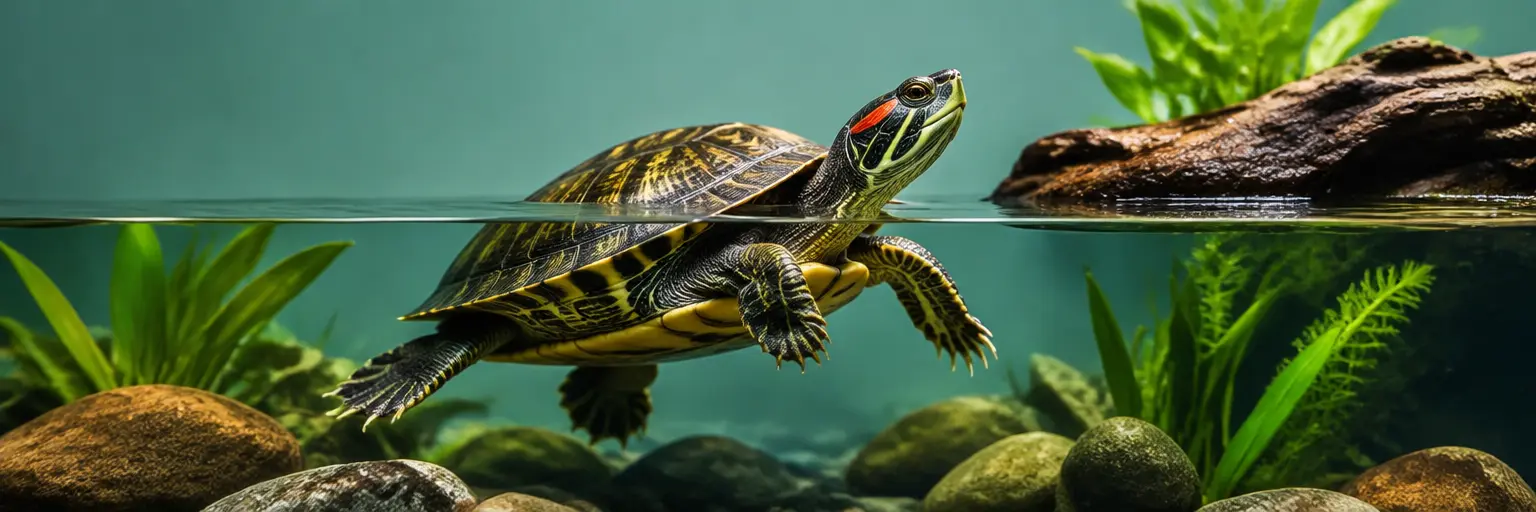
Dive into the rewarding world of aquatic turtle care with expert guidance from PetCareWorld. From setting up the perfect aquatic habitat with proper filtration, basking areas, and UVB lighting to mastering water quality, temperature gradients, and a balanced diet, we cover everything you need to keep your shelled companion thriving. Whether you’re a first-time owner or a seasoned herpetology enthusiast, our practical tips and species-specific insights help you avoid common pitfalls, promote healthy growth, and foster a happy, active turtle. Transform your aquarium into a vibrant underwater paradise and ensure your pet enjoys a long, flourishing life. 🐢💧
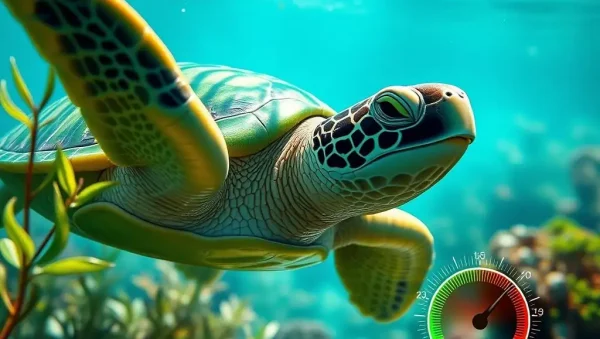
🤔 Maintaining the correct aquatic turtle temperature is crucial for their health and survival. This guide explores optimal water temperatures and the…
Read article
😊 Discover the diverse needs of your aquatic turtle! PetCareWorld's expert aquatic turtle species care guide provides essential information on diet, habitat,…
Read article
😊 Combat unsightly algae in your aquatic turtle tank! Learn effective prevention strategies, from proper filtration and UV sterilization to maintaining optimal…
Read articleWelcome to the definitive resource for caring for aquatic turtles here at PetCareWorld, part of our comprehensive Reptiles & Exotic Pets section. Whether you’re a first-time owner or a seasoned herpetologist, our focused content dives deep into the unique challenges of keeping water-dwelling chelonians like Red-Eared Sliders, Map Turtles, and Cooters. From mastering water filtration to crafting a balanced diet, we provide actionable, science-backed advice to ensure your shelled companion thrives. Expect detailed habitat setup guides, health warning signs, and enrichment tips that transform basic survival into a flourishing, happy life for your aquatic friend.
Setting up a proper enclosure is the cornerstone of aquatic turtle care. A common mistake is underestimating the tank size; adult sliders need a minimum of 75-120 gallons, not a small bowl. Your setup must include a robust canister filter rated for 2-3 times your tank volume, a basking platform fully above water, and dual lighting: a UVA/heat bulb for basking (90-95°F) and a UVB bulb for calcium synthesis. Water depth should be at least 1.5 times the shell length, with a temperature gradient of 72-78°F.
Expect our guides to walk you through step-by-step cycling of your filter, substrate choices (we recommend bare-bottom or large river rocks to prevent ingestion), and seasonal adjustments. We also cover how to create a land-to-water ratio of 40% land to 60% water, crucial for reducing stress and promoting natural basking. Proper hardscape—like driftwood and live plants—not only looks great but provides hiding spots that mimic their natural environment, encouraging confident, active behavior.
Aquatic turtles are omnivores, but their dietary needs change with age. Juveniles require high-protein foods (50-60%) daily, while adults shift to a more plant-based diet (70-80% vegetables) to prevent shell pyramiding and obesity. Commercial pellets should form the backbone, but you must supplement with fresh foods: leafy greens like romaine and dandelion, plus occasional protein treats like earthworms, feeder fish, or cooked shrimp. Avoid iceberg lettuce and excessive fruit, which cause digestive issues.
Our nutrition content explains how to create a reliable feeding schedule—juveniles eat once daily, adults every 2-3 days. We emphasize the “size of the head” rule for portion control and the vital importance of calcium dusting twice weekly. You’ll also learn about the dangers of vitamin A deficiency (causing swollen eyes) and how to offer vitamin-rich foods like carrots and squash. By following our research-based diet plans, you’ll ensure a glossy shell, clear skin, and long-term organ health for your aquatic companion.
Water quality is the primary driver of most aquatic turtle ailments. Shell rot, characterized by soft spots or foul odor, stems from poor water conditions and inadequate basking. Respiratory infections (wheezing, buoyancy problems) occur due to cold water and drafts. Keep an eye out for metabolic bone disease, signaled by a soft or deformed shell, which is due to insufficient UVB light. Early detection is key, and our sections guide you through regular health check-ups you can perform at home, like inspecting eyes, nostrils, and plastron.
Expect practical prevention strategies, including weekly 25% water changes, monthly deep cleans, and quarantine rules for new additions. We also detail when to seek a reptile veterinarian over home remedies—never self-medicate with human drugs. Our content breaks down how to safely administer topical treatments and how to adjust basking temperatures to boost your turtle’s immune system. By mastering these preventive routines, you can avoid costly veterinary bills and provide your pet a longer, thriving lifespan.
Contrary to myth, aquatic turtles are intelligent and curious. Without mental stimulation, they can become lethargic or aggressive. Our enrichment guides teach you to introduce floating toys, live plants (like Anubias), and regular safe handling to build trust. You can also train your turtle to hand-feed or follow a target stick using positive reinforcement. Provide visual barriers around the tank—like a backdrop—to reduce stress from outside movement. Expect to see more natural behaviors like sunning, head-bobbing, and exploratory swimming.
We delve into environmental complexity by redesigning tank layouts every few weeks, offering different textures, and scheduling “time out” pools for supervised exploration. Learn to read your turtle’s body language: frantic swimming signals stress, while peaceful gliding denotes contentment. Our content also addresses interspecies compatibility—never mix aquatic turtles with other reptiles due to disease and aggression risks. These enrichment practices are proven to reduce stress hormones and enhance immune function, making your pet more resilient and enjoyable.
Long-term aquatic turtle care requires planning for lifespan that often exceeds 30-50 years. Our guides cover seasonal adjustments: in summer, you can provide supervised outdoor pond time (always fenced and shaded) to boost natural UVB. In winter, maintain consistent indoor water temperatures; many species do not hibernate indoors unless you meticulously replicate brumation conditions, which we advise against for beginners. We also discuss the importance of a backup power supply for heaters and filters during outages, as turtles are extremely sensitive to temperature swings.
You’ll learn about retirement planning for your pet—what happens if you can no longer care for it due to relocation or health issues. We advocate for setting up a will or finding species-specific rescues, as many turtles become displaced. Our content also covers the moral responsibility of adopting vs. buying, plus the legal considerations for exotic pet ownership in your region. By thinking long-term, you position yourself as a responsible keeper who values the life and comfort of a fascinating, long-lived companion.
Perform a partial water change (25-30%) weekly to remove waste and debris. A deep clean—scrubbing the tank walls and decorations—should be done monthly, but never use soap, as it is toxic. Rinse everything thoroughly with water. A powerful canister filter can reduce frequency, but always test water quality weekly for ammonia and nitrites.
Yes, but only if the tank is large enough (at least 150 gallons for two adults) and you provide multiple basking spots and hiding caves. They are territorial, so monitor for bullying. If one shows signs of stress or injury, separate them immediately. Never mix different species or those with significant size differences.
Maintain a water temperature between 72°F and 78°F (22-25°C) for most common species like sliders and cooters. Juvenile turtles often prefer the upper range. Use a submersible aquarium heater with a thermometer to ensure consistency. If the water drops below 70°F, your turtle may become susceptible to respiratory infections.
This could signal a temperature issue—if the basking area is too cold (below 85°F), they may be trying to warm up but failing to digest. Check your UVB bulb; a burned-out bulb causes lethargy. Illness, such as an intestinal blockage from substrate, is another cause. If behavior persists beyond 3-4 days, consult a reptile veterinarian.
No, glass windows block most UVB rays, making direct sunlight ineffective. UVB bulbs are essential for calcium absorption and shell health. Replace your UVB bulb every 6-12 months, as output diminishes even if the bulb still glows. Position it 12-18 inches above the basking area, with no glass or plastic between the bulb and your turtle.