
How to Prevent Algae Growth in Your Aquatic Turtle Tank

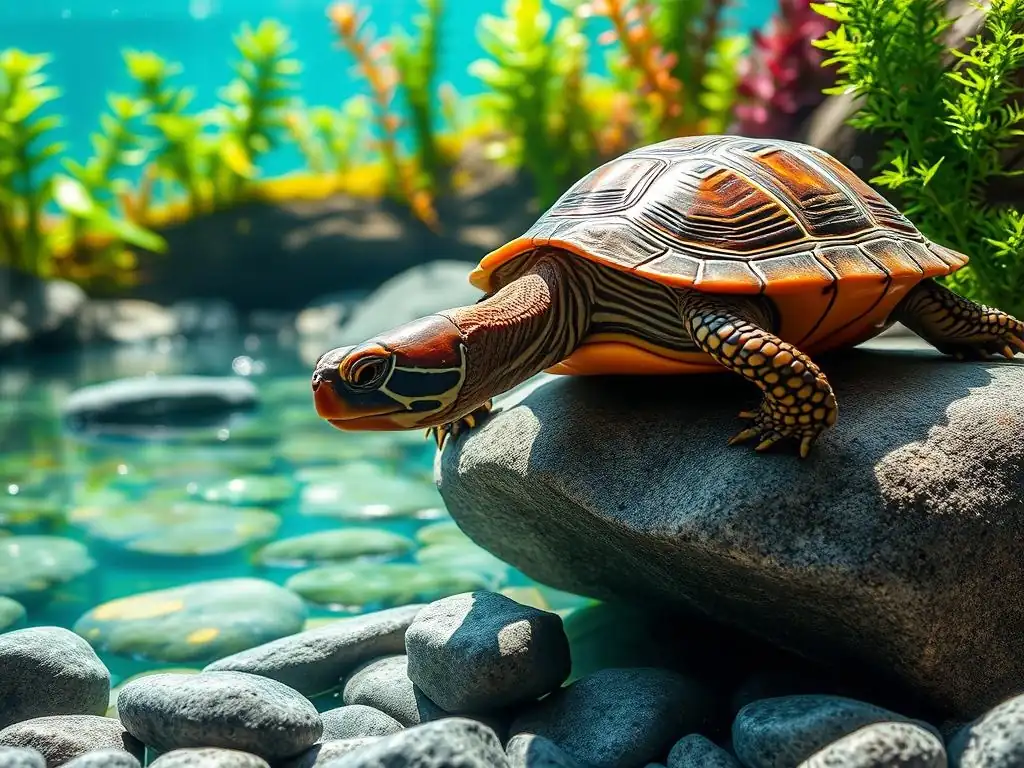
Welcome to PetCareWorld, your ultimate guide to a happier, healthier life for your beloved companions! Are you struggling with unsightly algae blooms in your aquatic turtle tank? Discover proven methods to prevent algae growth and maintain a pristine, thriving environment for your shelled friend. Dive into our expert guide on "How to Prevent Algae Growth in Your Aquatic Turtle Tank" and unlock the secrets to a crystal-clear habitat. Let's explore the world of reptile and exotic pet care together!
- Understanding Algae Growth in Turtle Tanks
- Effective Strategies to Prevent Algae in Your Turtle Tank
- Advanced Techniques for Algae Control in Turtle Tanks
- Preventing Algae Recurrence: Long-Term Strategies
- Frequently Asked Questions (FAQs) about Algae in Turtle Tanks
-
Frequently Asked Questions
- What causes algae growth in my aquatic turtle tank?
- How can I reduce the amount of light my turtle tank receives?
- What is the best way to clean my turtle tank to prevent algae?
- What kind of filter should I use to prevent algae in my turtle tank?
- My turtle tank still has algae after trying these methods. What else can I do?
- Final Reflection: Cultivating a Thriving, Algae-Free Habitat
- Unlock Crystal-Clear Water for Your Turtle: Take Action Now!
Understanding Algae Growth in Turtle Tanks
Algae in your aquatic turtle tank might seem like a minor nuisance, a green film on the glass. However, unchecked algae growth can quickly transform your turtle's pristine habitat into a murky, unhealthy environment. This article will guide you through the process of preventing algae blooms in your aquatic turtle tank, ensuring a clean and thriving environment for your shelled friend.
We'll explore the factors that contribute to algae growth, help you identify different types of algae, and explain the negative impacts algae can have on both your turtle's health and the overall tank ecosystem. Understanding these aspects is crucial for maintaining a healthy and aesthetically pleasing habitat for your aquatic turtle. Preventing algae proactively is far easier than battling a full-blown bloom, saving you time, effort, and potential stress for both you and your pet.
Factors Contributing to Algae Blooms in Aquatic Turtle Habitats
Several factors contribute to excessive algae growth in aquatic turtle tanks. Understanding these factors is the first step towards effective prevention. These factors often work synergistically, meaning that the presence of multiple factors significantly increases the likelihood of an algae bloom.
- Excessive Light: Too much light, whether natural sunlight or from artificial sources, fuels algae growth. Direct sunlight should be avoided, and the duration of artificial lighting should be carefully managed. [Specific recommended lighting durations pending]
- Nutrient Overload: Uneaten food, decaying plant matter, and excess turtle waste contribute to high levels of nitrates and phosphates in the water – the perfect nutrients for algae to thrive. Regular water changes and efficient filtration are vital.
- Insufficient Water Movement: Stagnant water allows algae to settle and establish themselves, making it difficult to remove. Adequate filtration and water circulation are essential to prevent this.
- Improper Filtration: A poorly maintained or undersized filter will not effectively remove waste and excess nutrients, creating a breeding ground for algae. Regular filter maintenance and cleaning are crucial.
- Overstocking: Too many turtles in a tank will overload the filtration system and increase nutrient levels, leading to algae blooms. Ensure your tank size is appropriate for the number of turtles you have.
Identifying Common Types of Algae in Turtle Tanks
Identifying the type of algae present in your tank can help you tailor your treatment strategy. Common types include:
- Green Water Algae: This type of algae clouds the entire water column, making it appear murky green. It's often caused by excessive light and nutrients.
- Hair Algae: This appears as long, thin strands that attach to surfaces within the tank. It's usually a sign of nutrient imbalances.
- Green Spot Algae (or Filamentous Algae): This appears as small, round spots of green algae on surfaces like rocks and glass.
- Brown Diatoms: These are typically among the first algae to colonize a new tank. They appear as a brown film on surfaces.
The Impact of Algae on Turtle Health and Tank Environment
Algae overgrowth can negatively impact both your turtle's health and the overall tank environment in several ways:
- Reduced Water Quality: Algae consume oxygen and release toxins, leading to poor water quality that can stress or even harm your turtle.
- Disease Transmission: Algae can harbor harmful bacteria and parasites that can infect your turtle.
- Blocked Filtration: Excessive algae can clog filters, reducing their efficiency and further worsening water quality.
- Reduced Visibility: A heavily algae-covered tank reduces visibility, making it difficult to monitor your turtle's health and behavior.
- Aesthetic Issues: An algae-ridden tank is simply unpleasant to look at, diminishing the enjoyment of owning an aquatic turtle. 🐢
The presence of algae, therefore, necessitates proactive preventative measures and regular tank maintenance to ensure a healthy and happy environment for your aquatic turtle. The next section will delve into practical strategies to prevent and control algae growth.
Effective Strategies to Prevent Algae in Your Turtle Tank
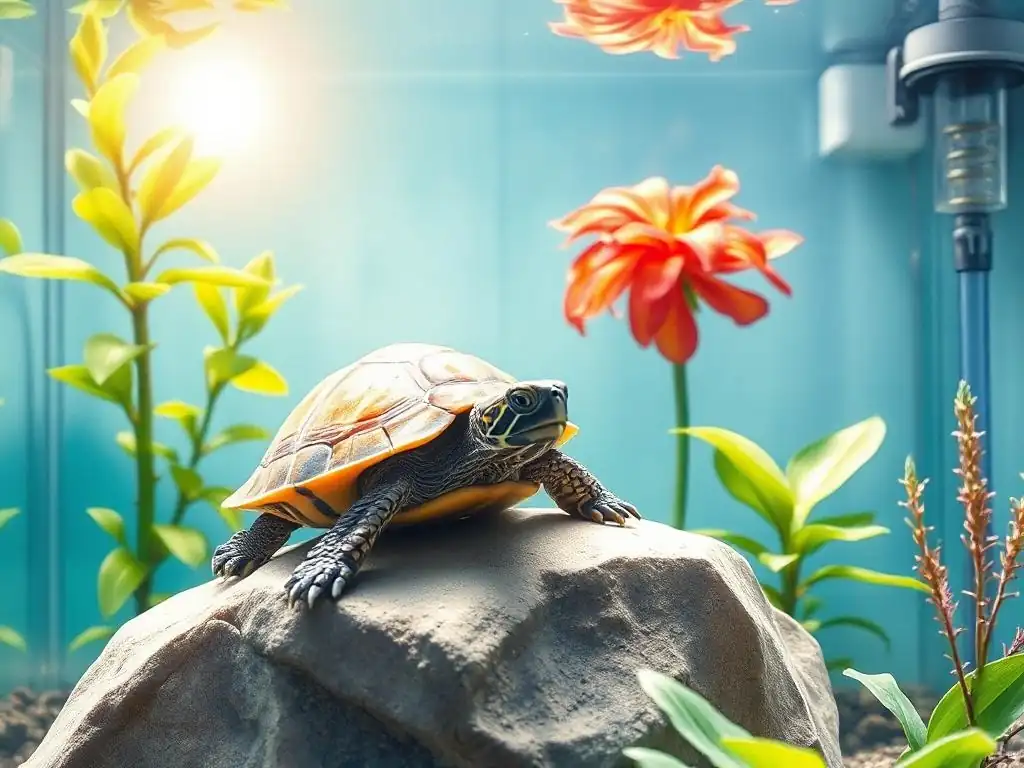
This section delves into practical, effective methods to prevent algae blooms in your aquatic turtle tank, ensuring a healthy and aesthetically pleasing environment for your shelled companion. We'll explore key strategies focusing on water quality, lighting, and other crucial factors to keep algae at bay and maintain a thriving aquatic ecosystem. Preventing algae growth is crucial for the well-being of your turtle, as unchecked algae can lead to poor water quality and potential health problems. This guide will equip you with the knowledge to proactively manage algae and provide your turtle with the best possible habitat.
Maintaining Optimal Water Parameters for Algae Prevention
Maintaining the correct water parameters is paramount in preventing algae growth in your turtle tank. Unbalanced water chemistry provides the perfect breeding ground for algae, quickly turning your pristine tank into a green swamp. Let's explore the critical aspects of water chemistry.
Water Temperature and its Role in Algae Control
Water temperature plays a significant role in algae growth. Most aquatic turtle species thrive in a specific temperature range. Maintaining this temperature not only benefits your turtle's health but also influences algae proliferation. Temperatures that are too high or too low can encourage excessive algae growth.
For example, consistently high temperatures can accelerate algae reproduction, while extremely low temperatures can slow down but not necessarily prevent it. Invest in a reliable submersible heater and thermometer to maintain the optimal temperature range recommended for your specific turtle species. Regular monitoring is crucial; consider using a digital thermometer for precise readings. Remember to consult reputable sources for the ideal temperature range for your turtle breed.
Understanding and Maintaining Proper pH Levels
The pH level of your turtle's tank water significantly impacts algae growth. Algae thrive in a specific pH range, and maintaining a balanced pH outside of this range can inhibit their growth. Regularly testing your water's pH using a reliable test kit is essential. The ideal pH range varies depending on the species of turtle, so research your specific turtle's needs.
If the pH is too high or too low, you can adjust it using commercially available pH adjusters, following the instructions carefully. Frequent testing and careful adjustments will help prevent algae growth by creating an unfavorable environment for them. Remember to always make gradual adjustments to avoid shocking your turtle.
The Importance of Water Filtration and Regular Water Changes
Effective filtration is the cornerstone of algae prevention. A robust filtration system removes excess nutrients and organic waste that fuel algae growth. Choose a filter appropriate for the size of your tank; undersized filters are ineffective and contribute to algae problems. Regular maintenance of your filter, including cleaning or replacing filter media as needed, is crucial.
This prevents the filter from becoming clogged and inefficient. In addition to filtration, regular partial water changes (approximately 25-50% weekly) are essential to remove accumulated waste and excess nutrients, further hindering algae growth. This simple act significantly improves water quality and reduces the chances of algae blooms. Cleanliness is key in maintaining a healthy environment for your turtle and preventing algae.
Utilizing Effective Lighting Strategies to Minimize Algae Growth
Lighting plays a crucial role in algae growth. While your turtle needs adequate lighting for proper development and behavior, excessive or inappropriate lighting can fuel algae blooms. Careful consideration of lighting duration and type is essential for algae control.
Appropriate Lighting Duration and Intensity for Turtle Tanks
The duration and intensity of lighting in your turtle tank directly impact algae growth. Excessive lighting provides algae with ample energy for rapid growth. Limit the daily lighting duration to a period that suits your turtle's needs and avoids overstimulating algae growth. Research the specific lighting requirements for your turtle species, as different species have different needs.
Using a timer to control lighting duration is helpful in maintaining consistency and preventing accidental overexposure. Monitor the algae growth closely and adjust the lighting duration as needed. Remember, less is often more when it comes to preventing algae in your turtle tank.
Choosing the Right Type of Lighting for Algae Control
The type of lighting you choose can also influence algae growth. Some types of lighting are more conducive to algae growth than others. Consider using full-spectrum lighting, which mimics natural sunlight and promotes healthy turtle growth without excessively stimulating algae. Avoid using lights that emit excessive amounts of green or red wavelengths of light, as these wavelengths are particularly beneficial to algae growth.
Always research the best lighting options for your specific turtle species. Proper lighting is vital for your turtle's health, but the right type of lighting can also be a valuable tool in algae prevention. Choosing appropriate lighting is an often overlooked but crucial aspect of turtle tank maintenance.
Implementing Proper Cleaning and Maintenance Routines
Maintaining a clean aquatic turtle tank is paramount in preventing algae growth. Algae thrive in environments rich in nutrients, and leftover food, decaying plant matter, and turtle waste all contribute to this. A consistent cleaning schedule is crucial to minimizing these nutrient sources and preventing algae blooms. This involves more than just occasional spot cleaning; it requires a dedicated approach encompassing both regular partial water changes and thorough cleaning of tank components.
Neglecting even one aspect of this routine can lead to a rapid increase in algae, creating an unsightly and potentially unhealthy environment for your turtle. Remember, a clean tank is a healthy tank, both for your turtle and for preventing algae. The frequency of these cleaning tasks will depend on the size of your tank, the number of turtles, and the type of filter you are using. Larger tanks and multiple turtles will require more frequent cleaning.
Regular Cleaning of Tank Decorations and Substrate
Tank decorations and substrate, such as gravel or sand, are prime locations for algae to accumulate. These surfaces provide ample area for algae spores to attach and grow. Regular cleaning is essential to disrupt this process.
For decorations, remove them from the tank periodically – ideally once a month, or more often if algae growth is excessive – and scrub them thoroughly with a tank-safe brush and dechlorinated water. Avoid using harsh chemicals, as these can be harmful to your turtle. For the substrate, you can use a gravel vacuum to siphon out excess waste and algae, helping to remove organic matter that fuels algae growth.
Remember to always remove your turtle before cleaning the tank to prevent accidental injury or stress. Depending on the type of substrate used, you might need to replace it partially or completely every few months, especially if it’s heavily impacted by algae. This ensures that you are eliminating the algae's foothold and creating a cleaner environment.
Effective Methods for Removing Existing Algae
Even with regular maintenance, algae may still appear in your turtle tank. Fortunately, several effective methods exist for removing existing algae. For smaller algae patches, a simple algae scraper can be used to physically remove the algae from the tank walls and decorations. For larger infestations, a combination of manual removal and water changes is often the most effective approach.
Begin by removing as much algae as possible manually, using the scraper or even a soft sponge. Then, perform a significant partial water change (up to 50% or more depending on the severity) to remove algae spores and excess nutrients in the water column. Consider using an algae vacuum to remove algae from the substrate as well. In severe cases, you might need to consider a more thorough tank cleaning, including potentially scrubbing the tank itself with a non-toxic solution and allowing it to dry completely before refilling.
Remember, patience and consistency are key to effectively combatting algae growth and maintaining a healthy, algae-free environment for your aquatic turtle. The method you choose will depend on the type and severity of the algae infestation. Always prioritize the well-being of your turtle during the cleaning process.
Advanced Techniques for Algae Control in Turtle Tanks
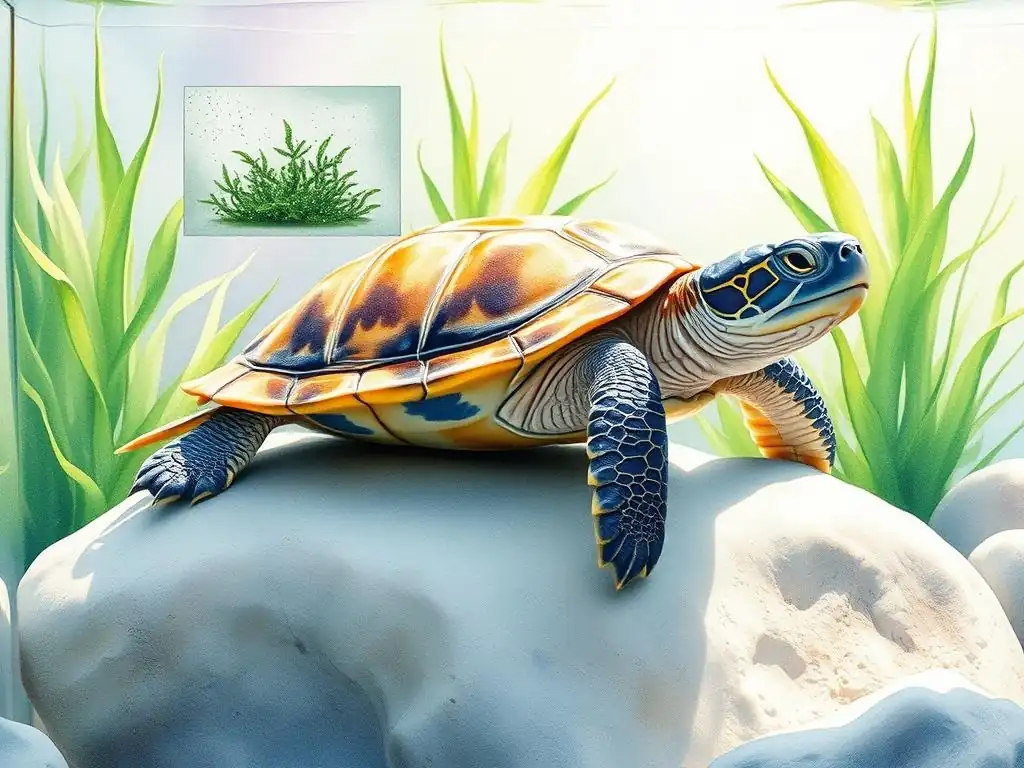
This section delves into more sophisticated methods for preventing and controlling algae in your aquatic turtle tank, going beyond basic maintenance. These techniques require a more proactive and often more involved approach, but can yield excellent long-term results in maintaining a pristine and healthy environment for your turtle. Remember, the key to preventing algae is maintaining a balanced ecosystem.
Employing Natural Algae Control Methods
Natural methods offer a gentler approach to algae control, minimizing the risk of harming your turtle or disrupting the delicate aquatic ecosystem. These methods focus on promoting a balanced environment where algae growth is naturally suppressed.
Introducing Algae-Eating Fish to the Turtle Tank
Certain fish species are voracious algae eaters and can significantly reduce algae buildup. However, careful consideration is crucial. The chosen fish must be compatible with your turtle's size and temperament; some turtles may view smaller fish as a food source! Suitable candidates often include certain types of plecostomus (plecos), Siamese algae eaters, and certain types of snails.
Research thoroughly to ensure compatibility before introducing any new inhabitants. Overstocking the tank can also lead to new problems, so careful planning is essential. Consider the tank size and the bioload capacity before adding any algae-eating fish. For example, a larger pleco requires a significantly larger tank than a smaller Siamese algae eater.
Utilizing Beneficial Bacteria for Algae Suppression
Beneficial bacteria play a vital role in maintaining a healthy aquatic environment. These bacteria break down waste products, reducing nutrient levels that fuel algae growth. A robust bacterial colony helps keep the water cleaner and less nutrient-rich, naturally inhibiting algae proliferation. Maintaining appropriate filtration and regular water changes are key to fostering a thriving bacterial population.
Consider adding beneficial bacteria supplements to bolster their numbers, especially after a significant water change or tank cleaning. These supplements can significantly speed up the nitrogen cycle and help establish a healthy bacterial balance, thus indirectly preventing algae growth. Regular monitoring of water parameters (ammonia, nitrite, nitrate) is crucial to ensure a balanced ecosystem.
Utilizing Chemical Algae Control Methods (Use with Caution)
Chemical algaecides can effectively eliminate algae, but their use should be approached with extreme caution. These products can be harmful to your turtle if not used correctly, and can also disrupt the delicate balance of your tank's ecosystem. Always follow the manufacturer's instructions precisely and consider the potential risks before using any chemical treatments.
Understanding the Risks and Benefits of Chemical Treatments
The primary benefit of chemical algaecides is their speed and efficiency in eliminating algae. However, the risks are substantial. Some algaecides are toxic to turtles and other aquatic life. Improper usage can lead to severe health problems or even death for your turtle. Furthermore, some algaecides can disrupt the beneficial bacteria crucial for maintaining water quality, leading to a vicious cycle of algae growth. The chemicals can also harm beneficial invertebrates like snails and shrimp which might be present in your tank. Always thoroughly research any algaecide before using it, and consider the potential impact on the entire ecosystem.
Choosing the Right Algaecide for Your Turtle Tank
If you decide to use a chemical algaecide, careful selection is paramount. Look for products specifically designed for use in aquariums and explicitly state their safety for turtles and other aquatic life. Always choose a product with a clear and concise list of ingredients and instructions. Avoid products containing harsh chemicals or those with unclear labeling.
Before applying any algaecide, perform a partial water change to reduce the concentration of potential toxins. After treatment, monitor your turtle closely for any signs of distress, and consider performing another water change after a suitable period to further reduce the chemical concentration in the tank. Remember to always prioritize the health and well-being of your turtle. Prevention through proper maintenance is always the best approach.
Preventing Algae Recurrence: Long-Term Strategies

Preventing algae in your aquatic turtle tank isn't a one-time fix; it requires a proactive, ongoing approach. Consistent maintenance and vigilant monitoring are key to keeping your turtle's environment clean and healthy, minimizing the chances of algae blooms returning. Simply removing visible algae isn't enough; you need to address the underlying causes to truly prevent recurrence. Think of it as preventative medicine for your turtle's tank – better to prevent the problem than to constantly treat it. This section details long-term strategies to keep your aquatic turtle tank algae-free.
Establishing a Regular Maintenance Schedule for Algae Prevention
A consistent maintenance schedule is the cornerstone of algae prevention. This isn't about scrubbing the tank daily, but rather implementing a routine that addresses potential algae growth before it becomes a significant problem. A well-structured schedule incorporates several key tasks performed at specific intervals.
Consider this sample schedule:
| Task | Frequency | Notes |
|---|---|---|
| Partial Water Change | Weekly | Remove 25-50% of water, depending on tank size and turtle waste levels. |
| Substrate Cleaning | Bi-weekly or Monthly | Gently siphon out debris and uneaten food from the gravel or substrate. |
| Filter Cleaning | Monthly (or as needed) | Rinse filter media in old tank water, never tap water. |
| Full Tank Cleaning | Quarterly | Thorough cleaning of all tank components; a good time for a deep clean. |
| UV Sterilizer Check | Weekly | Ensure your UV sterilizer is functioning correctly and replace bulbs as needed. |
Remember to adjust this schedule based on your turtle's size, the number of turtles in the tank, and the size of your tank. A larger tank with fewer turtles will require less frequent cleaning than a smaller tank with multiple turtles. Overfeeding is a major contributor to algae growth, so diligent monitoring of food intake is crucial. Regular maintenance prevents nutrient buildup, a primary driver of algae proliferation.
Monitoring Water Quality and Adjusting Parameters as Needed
Consistent monitoring of water parameters is crucial for preventing algae growth. Algae thrive in specific water conditions, so maintaining optimal levels of key parameters will significantly reduce the likelihood of algae blooms. Invest in a reliable test kit to regularly check:
- Ammonia (NH₃): Should be 0 ppm. High ammonia levels indicate a buildup of waste and are a breeding ground for algae.
- Nitrite (NO₂): Should be 0 ppm. Nitrites are toxic to turtles and contribute to algae growth.
- Nitrate (NO₃): Should be below 20 ppm. While less toxic than ammonia and nitrite, high nitrate levels still fuel algae growth.
- pH: Aim for a slightly acidic to neutral pH (6.5-7.5), depending on your turtle species. Extreme pH levels can foster algae growth.
- Temperature: Maintain the appropriate temperature range for your turtle species. Temperature fluctuations can stress turtles and create conditions favorable for algae.
Regular testing allows you to identify and address imbalances promptly. If you detect elevated levels of ammonia, nitrite, or nitrate, perform a partial water change immediately. Adjusting filtration, reducing feeding frequency, or cleaning the substrate may also be necessary. Maintaining stable water parameters is a key component of a proactive algae prevention strategy. Remember, consistent monitoring is far better than reacting to a full-blown algae bloom.
Recognizing Early Signs of Algae Growth and Taking Prompt Action
Early detection is key to preventing small algae problems from escalating into major issues. Learn to recognize the early warning signs:
- Slight discoloration of the tank walls or substrate: A thin film or spots of green, brown, or black algae are early indicators.
- Cloudy water: This can be a sign of excessive algae growth, especially if accompanied by other symptoms.
- Increased turbidity: The water appears less clear than usual.
- Unpleasant odor: A musty or foul smell often accompanies algae blooms.
If you notice any of these early signs, take immediate action. Don't wait until the algae is visibly overwhelming. Prompt intervention, even with simple methods like manual removal with a scraper or algae brush, is far more effective than dealing with a large infestation. Addressing the underlying causes, such as excessive feeding or infrequent water changes, is crucial for preventing recurrence. Early detection and swift action are vital components of a successful, long-term algae prevention plan in your aquatic turtle tank. Remember, prevention is always better than cure when it comes to maintaining a healthy environment for your pet.
Frequently Asked Questions (FAQs) about Algae in Turtle Tanks
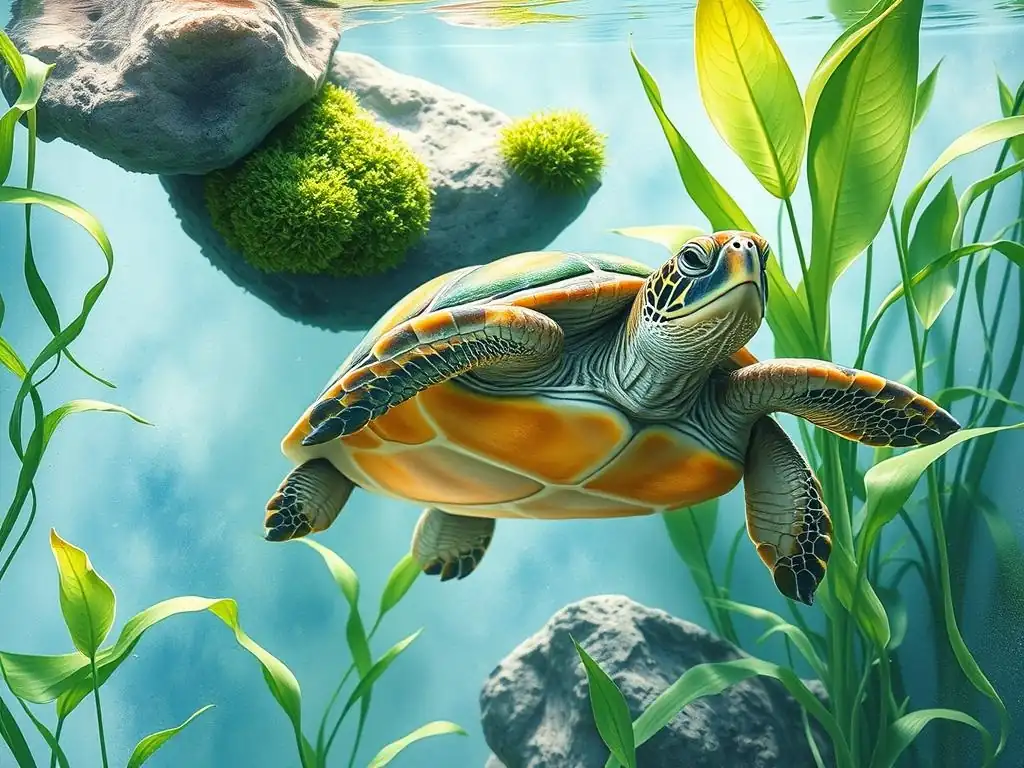
This section addresses common concerns about algae prevention in your aquatic turtle tank, offering practical solutions to maintain a healthy and visually appealing environment for your shelled friend. Remember, proactive maintenance is key to preventing algae blooms and ensuring your turtle thrives.
What are the signs of an algae problem in my turtle tank?
Identifying an algae problem early is crucial for effective prevention and treatment. Several visual cues indicate an algae overgrowth in your turtle tank. The most common signs include:
- Green, brown, or black discoloration: Algae manifests in various colors depending on the type. A slimy, coating on the tank's walls, substrate, and decorations is a clear indicator. This can range from a light film to a thick, unsightly layer.
- Cloudy water: Excessive algae can cloud the water, reducing visibility and impacting water quality. This cloudiness is often accompanied by a noticeable decrease in water clarity.
- Reduced oxygen levels: Algae consumes oxygen during the night, potentially leading to dangerously low oxygen levels for your turtle. This can manifest in lethargic behavior or difficulty breathing in your turtle.
- Unpleasant odor: As algae decomposes, it releases unpleasant odors, often described as musty or stagnant. A change in the usual smell of your turtle's tank should raise immediate concern.
- Algal mats: In severe cases, you might observe thick, floating mats of algae on the water's surface. These mats obstruct light penetration and further contribute to poor water quality.
Regular visual inspections of your turtle tank are essential. Early detection allows for less intensive intervention, preventing a full-blown algae infestation. Pay close attention to any changes in water clarity, color, or odor, and address them promptly.
How often should I clean my turtle tank to prevent algae?
The frequency of cleaning your turtle tank depends on several factors, including tank size, the number of turtles, and their feeding habits. However, a consistent cleaning schedule is vital for algae prevention.
A good rule of thumb is to perform partial water changes (25-50%) weekly. This involves siphoning out a portion of the water and replacing it with fresh, dechlorinated water. During this process, carefully remove any visible algae from the tank walls, decorations, and substrate using a dedicated cleaning tool. Avoid using harsh chemicals, as these can harm your turtle.
Additionally, a more thorough cleaning, including a complete water change and a scrub of the entire tank, should be performed every 2-4 weeks, or more frequently if needed. The frequency will depend on the level of waste produced by your turtle and the observable algae growth.
| Cleaning Task | Frequency Recommendation | Notes |
|---|---|---|
| Partial Water Change | Weekly | 25-50% water change, siphon out debris |
| Thorough Tank Cleaning | Every 2-4 weeks | Complete water change, scrub tank, replace filter media (if applicable) |
Remember to always use dechlorinated water for your turtle tank. Chlorine and chloramine, commonly found in tap water, are harmful to aquatic turtles.
Are there any natural ways to prevent algae growth?
Several natural methods can help prevent algae growth in your turtle tank, minimizing the need for chemical treatments. These methods focus on addressing the root causes of algae growth, such as excessive nutrients and light.
- UV Sterilizer: A UV sterilizer effectively kills algae spores and bacteria, preventing future growth. It's a proactive measure that maintains water clarity and prevents blooms.
- Regular Water Changes: As mentioned, regular partial water changes are crucial in removing excess nutrients that fuel algae growth.
- Proper Filtration: A high-quality filter removes waste and excess nutrients from the water, reducing the chances of an algae outbreak. Ensure your filter is appropriately sized for your tank.
- Controlled Lighting: Algae thrives in bright light. Limit the daily exposure of your turtle tank to sunlight or artificial light to prevent excessive algae growth.
- Live Plants: Certain aquatic plants can compete with algae for nutrients, naturally reducing its growth. Research plant species suitable for your turtle tank environment.
By implementing these natural methods alongside a consistent cleaning routine, you can significantly reduce the risk of algae problems in your aquatic turtle tank and create a healthier environment for your pet. Remember that a balanced ecosystem within the tank is key to long-term algae control and a thriving turtle.
What should I do if I have a severe algae problem?
A severe algae bloom in your aquatic turtle tank isn't just unsightly; it can also negatively impact your turtle's health. Excessive algae can deplete oxygen levels, leading to stress and even illness in your reptile. If you're facing a significant algae problem, a multi-pronged approach is necessary. First, you'll need to physically remove as much algae as possible.
Use a siphon to carefully vacuum the algae from the substrate and the tank walls. Be gentle to avoid disturbing your turtle excessively. A specialized algae scraper can be helpful for stubborn growths on the glass. Remember to dispose of the algae properly outside the house to prevent accidental reintroduction.
After the physical removal, address the underlying causes. Overfeeding is a common culprit. Reduce the amount of food you're giving your turtle and only feed what it can consume within a few minutes. Uneaten food rapidly decays, contributing to algae growth. Next, inspect your filtration system.
Is it powerful enough for the tank size and bioload (the number of animals and plants in the tank)? A weak filter will allow excess nutrients to accumulate, fueling algae growth. A thorough cleaning of the filter media might also be necessary. Finally, consider adjusting your lighting schedule.
Excessive light can stimulate algae growth, so reducing the daily light exposure might help. Remember to monitor water parameters like ammonia, nitrite, and nitrate levels regularly. High levels of these indicate a problem with your filtration or water changes and contribute to algae growth. If the problem persists despite these measures, consider a partial water change (25-50%) using dechlorinated water.
Regular maintenance is key to preventing future severe algae blooms. Performing partial water changes weekly, cleaning the tank regularly, and monitoring water parameters are crucial for maintaining a healthy and algae-free environment for your aquatic turtle. Remember, patience and consistent effort are key to winning the battle against algae. 🐢
How can I choose the right filter for my turtle tank to combat algae?
Choosing the right filter is crucial in preventing and controlling algae in your aquatic turtle tank. The filter's effectiveness directly impacts water quality, which is a major factor in algae growth. Several factors need consideration when selecting a filter. First, tank size is paramount.
You need a filter with a sufficiently high flow rate to effectively circulate the water and remove waste. A filter rated for a smaller tank than yours will be overwhelmed, leaving behind excess nutrients that fuel algae. Consider filters with a flow rate exceeding the recommended minimum for your tank size. For example, a 20-gallon tank might benefit from a filter rated for 30-40 gallons to allow for a bit of extra filtration power.
Next, consider the type of filter. There are canister filters, hang-on-back (HOB) filters, and internal filters. Canister filters are generally more powerful and efficient, ideal for larger tanks or heavily stocked tanks. HOB filters are a good compromise between power and price, suitable for many setups. Internal filters are usually less powerful but can be a good option for smaller tanks. Furthermore, examine the filter media.
Look for filters that include multiple types of media, such as mechanical, biological, and chemical filtration. Mechanical filtration removes larger particles, biological filtration processes waste using beneficial bacteria, and chemical filtration removes impurities and helps maintain water clarity. A combination of these elements is essential for optimal water quality. Finally, consider the ease of maintenance. Regular cleaning is essential for a filter's effectiveness. Choose a filter that's easy to disassemble and clean without a lot of hassle.
Remember, the best filter is one that is appropriately sized for your tank, uses effective media, and is easy to maintain. A well-chosen and properly maintained filter is a powerful tool in your arsenal against algae, promoting a healthy environment for your aquatic turtle. Regular maintenance of your filter is just as crucial as choosing the right one; make sure to follow the manufacturer's instructions for cleaning and replacing filter media. This proactive approach will help prevent algae from taking hold in your turtle's habitat.
Frequently Asked Questions
What causes algae growth in my aquatic turtle tank?
Algae thrives in tanks with excess nutrients, like uneaten food and turtle waste. Insufficient filtration and too much light also contribute significantly to algae blooms. Regular cleaning and maintenance are key.
How can I reduce the amount of light my turtle tank receives?
Reduce direct sunlight exposure by moving the tank or using curtains or blinds. Consider using a timer to limit the duration of artificial lighting to only a few hours per day.
What is the best way to clean my turtle tank to prevent algae?
Regular partial water changes (25-50% weekly) are crucial. Use a gravel vacuum to remove debris and algae from the substrate. Scrub the glass sides with an algae scraper.
What kind of filter should I use to prevent algae in my turtle tank?
A powerful filter is essential for removing waste that fuels algae growth. Choose a filter with a high flow rate appropriate for your tank's size. Consider adding filter media such as activated carbon or ceramic rings to enhance filtration.
My turtle tank still has algae after trying these methods. What else can I do?
Introduce algae-eating animals, such as snails or shrimps. Consider using algae control products, but always follow the instructions carefully and research their safety for your turtle. Regular maintenance remains the most effective long-term solution.
Final Reflection: Cultivating a Thriving, Algae-Free Habitat
Maintaining a clean and healthy aquatic turtle tank isn't just about aesthetics; it's crucial for the well-being of your shelled companion. A thriving environment free from excessive algae directly impacts your turtle's health, preventing potential illnesses and ensuring a longer, happier life. Ignoring algae growth isn't an option; it's a commitment to responsible pet ownership.
The battle against algae in a turtle tank is a microcosm of the larger challenge we face in maintaining balance within our ecosystems. The delicate interplay of light, nutrients, and filtration mirrors the complexities of environmental conservation. The earth provides enough to satisfy every man's needs but not every man's greed.
– Mahatma Gandhi. This quote resonates deeply, reminding us that responsible management, even on a small scale like a turtle tank, reflects a larger responsibility towards the environment and the creatures we share it with. Understanding the principles of algae prevention allows us to appreciate the interconnectedness of all living things and the importance of mindful stewardship.
So, as you embark on your journey to create the perfect aquatic haven for your turtle, remember the lessons learned. Don't just clean your tank; understand why you're cleaning it. Apply the principles of balanced filtration, appropriate lighting, and regular maintenance to not only prevent algae but to cultivate a thriving ecosystem that mirrors the natural world. Your turtle will thank you for it, and you'll gain a deeper appreciation for the intricate beauty and delicate balance of nature, right in your own home.
Unlock Crystal-Clear Water for Your Turtle: Take Action Now!
Thank you for exploring our guide on preventing algae in your turtle's tank! You've gained valuable knowledge to keep your shelled friend's home sparkling clean. Ready to put your new skills to the test?
- Regular water changes are key: This is the most effective way to combat algae. Aim for a 25% water change each week to maintain optimal water quality for your turtle.
- Invest in a UV sterilizer: This often overlooked device significantly reduces algae growth and improves overall water health. It's a worthwhile investment for any turtle owner.
- Share your algae-fighting triumphs (or challenges!) in the comments below—let's create a supportive community of turtle enthusiasts!
What's your most effective algae-control tip? We'd love to hear it!