
How to Cycle a Bioactive Terrarium: Ensuring a Healthy Start

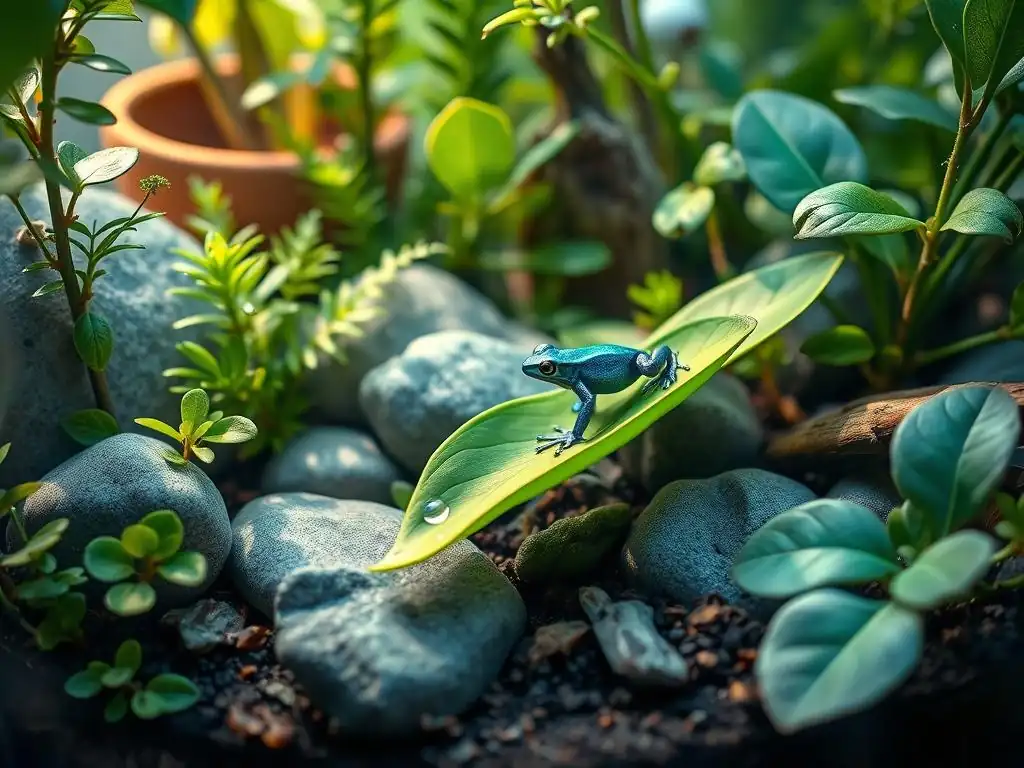
Welcome to PetCareWorld, your ultimate guide to a happier, healthier life for your beloved companions! Are you ready to create a thriving ecosystem for your reptile friend? Our comprehensive Bioactive Terrarium Cycling Guide reveals the secrets to establishing a balanced and self-sustaining environment, ensuring a safe and stimulating habitat for your pet. Discover the essential steps to a successful setup and unlock the key to a truly flourishing bioactive terrarium. Let's dive in!
- Understanding Bioactive Terrarium Cycling: A Crucial First Step
- Setting Up Your Bioactive Terrarium for Cycling
- The Cycling Process: Step-by-Step Guide
- Maintaining Your Cycled Bioactive Terrarium
- Troubleshooting Common Bioactive Terrarium Cycling Problems
- When is Your Bioactive Terrarium Fully Cycled? Signs of a Healthy Ecosystem
- Advanced Bioactive Terrarium Cycling Techniques
- Frequently Asked Questions
- Final Reflection: Cultivating Thriving Ecosystems, One Terrarium at a Time
- Unleash Your Inner Terrarium Gardener!
Understanding Bioactive Terrarium Cycling: A Crucial First Step
Creating a thriving bioactive terrarium isn't just about aesthetics; it's about building a self-sustaining ecosystem that mimics the natural habitat of your reptile or amphibian companion. This comprehensive guide will walk you through the crucial process of cycling a bioactive terrarium, ensuring a healthy and balanced environment for your pet. We'll cover the "why," the "how," and the importance of patience in establishing this vital microcosm.
Understanding bioactive terrarium cycling is paramount to preventing health issues and maintaining a long-term, low-maintenance setup that benefits both your pet and the environment. This guide will serve as your ultimate "Bioactive terrarium cycling guide," equipping you with the knowledge to successfully launch your bioactive terrarium journey. We'll delve into the specifics of establishing beneficial bacteria, a cornerstone of a healthy bioactive system, and highlight the importance of patient observation throughout the process.
What is Bioactive Terrarium Cycling?
Bioactive terrarium cycling is the process of establishing a balanced ecosystem within your terrarium. This involves introducing beneficial bacteria and other microorganisms that break down waste products (like uneaten food and reptile droppings) into less harmful substances. This natural process prevents ammonia build-up, a highly toxic compound that can be lethal to your pet. Think of it as creating a miniature, self-cleaning ecosystem.
Unlike traditional terrariums requiring frequent manual cleaning, a properly cycled bioactive terrarium handles waste naturally, significantly reducing the workload for the owner. The process involves several stages, starting with the initial setup and culminating in a stable, thriving environment teeming with beneficial organisms. The key is patience and careful monitoring to ensure a successful outcome. Cycling a bioactive terrarium is not a quick process; it takes time and attention to detail.
Why is Cycling Essential for a Healthy Bioactive Terrarium?
Cycling is absolutely essential for maintaining a healthy bioactive terrarium for several crucial reasons. Firstly, it prevents the build-up of ammonia, nitrite, and nitrate – all toxic compounds produced by waste breakdown. Ammonia, in particular, is extremely dangerous to reptiles and amphibians, even in small concentrations. A properly cycled terrarium transforms these harmful substances into less toxic nitrates, which are then absorbed by the plants within the ecosystem. Secondly, a cycled terrarium mimics the natural environment, providing a more enriching and stimulating habitat for your pet.
This reduces stress and promotes a healthier, more natural lifestyle. Finally, a well-cycled terrarium significantly reduces maintenance. Instead of frequent manual cleaning, the natural processes within the terrarium handle waste breakdown, making it a more sustainable and convenient option in the long run. Ignoring this crucial step can lead to serious health problems for your pet, requiring costly veterinary intervention.
The Importance of Establishing Beneficial Bacteria
The cornerstone of a successful bioactive terrarium is the establishment of a thriving colony of beneficial bacteria. These bacteria are responsible for the crucial process of nitrification, converting toxic ammonia into less harmful nitrites, and then nitrites into nitrates. This process is a multi-step procedure involving different types of bacteria. The first step, ammonification, is carried out by various bacteria that convert organic waste into ammonia.
Then, nitrification occurs in two steps: nitrosomonas bacteria convert ammonia into nitrite, and nitrobacter bacteria further convert nitrite into nitrate. Plants within the terrarium then absorb these nitrates, completing the cycle. Introducing a sufficient amount of these beneficial bacteria during the initial setup is crucial.
This can be achieved through the use of established filter media or commercially available bacterial cultures. Regular monitoring of water parameters is essential to track the progress of the cycling process and ensure that the beneficial bacteria are thriving. Without these beneficial bacteria, your bioactive terrarium will quickly become a toxic environment for your pet.
Setting Up Your Bioactive Terrarium for Cycling
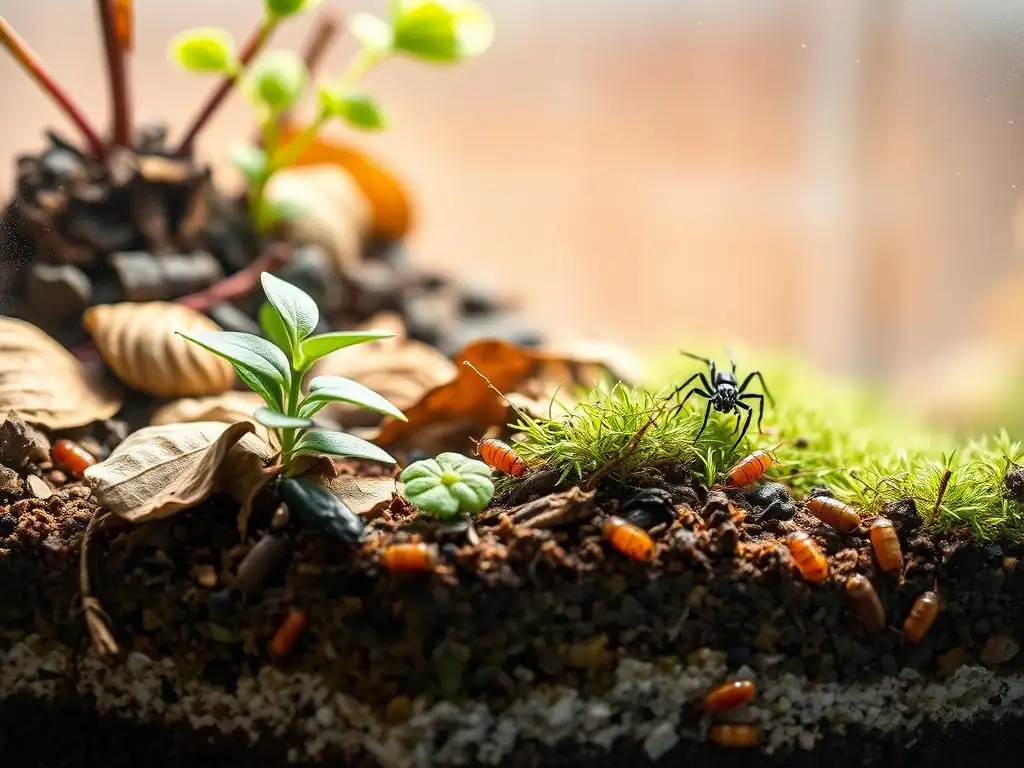
Before you begin the crucial process of cycling your bioactive terrarium, ensuring a thriving environment for your reptile, you must establish a solid foundation. This involves careful selection of materials and components that will support the delicate ecosystem you're creating. A successful bioactive setup relies on mimicking the natural environment of your reptile as closely as possible, fostering a self-sustaining mini-ecosystem that minimizes maintenance and maximizes the well-being of your pet. This "Bioactive terrarium cycling guide" will help you achieve this.
Choosing the Right Substrate for Your Bioactive Setup
The substrate forms the base of your bioactive terrarium and plays a vital role in nutrient cycling. Selecting the appropriate substrate is critical for the success of your bioactive setup. Avoid commercially available reptile carpets or other non-porous materials, as these hinder the growth of beneficial bacteria and prevent proper drainage.
Instead, opt for a well-draining substrate mix that supports the growth of beneficial microorganisms. A popular choice is a blend of topsoil, coco coir, and orchid bark. The proportions can be adjusted depending on the specific needs of your reptile and the plants you choose. For example, a more sandy mix might be suitable for desert-dwelling reptiles, while a more organic mix might be better for rainforest species.
Remember, proper drainage is crucial to prevent waterlogging, which can harm plants and create an unhealthy environment. A layer of drainage material, such as lava rocks or hydroton, should always be placed at the bottom of the terrarium before adding the substrate mix. Consider the humidity requirements of your chosen reptile and plants when deciding on the substrate composition. Proper substrate selection is a fundamental step in your "Bioactive terrarium cycling guide".
Selecting Appropriate Plants for Your Bioactive Environment
Plant selection is another key aspect of creating a thriving bioactive terrarium. Choose plants that are hardy, low-maintenance, and suited to the humidity and temperature levels of your reptile's natural habitat. Consider the size and growth habits of the plants, ensuring they won't overcrowd the terrarium or obstruct your reptile's access to food, water, and basking areas. The plants will not only provide aesthetic appeal but also contribute to the overall health of the ecosystem by absorbing excess nutrients and releasing oxygen.
Here are a few examples of suitable plants for bioactive terrariums:
- Pothos: A very adaptable and easy-to-care-for vine.
- Spider plants: Another resilient option that tolerates a wide range of conditions.
- Fittonias: These low-growing plants add a splash of color and thrive in humid environments.
- Bromeliads: These epiphytic plants are perfect for mounting on branches or rocks.
Remember to research the specific needs of each plant you select and ensure they are compatible with your reptile's requirements and the overall environment of the terrarium. Proper plant selection significantly contributes to the success outlined in this "Bioactive terrarium cycling guide".
Introducing Cleanup Crew: Isopods, Springtails, and other beneficial invertebrates
The cleanup crew is the heart of a bioactive terrarium. These tiny but mighty invertebrates are responsible for breaking down waste products, preventing the buildup of harmful bacteria, and aerating the substrate. A diverse cleanup crew is essential for a healthy and self-sustaining ecosystem. The most common and effective members of the cleanup crew include:
- Isopods (Pillbugs & Sowbugs): These crustaceans are highly efficient decomposers, consuming decaying plant matter and animal waste. Different species have varying preferences, so selecting a mix can ensure a broader range of organic matter is processed.
- Springtails (Collembola): These tiny arthropods are excellent at consuming mold and fungi, preventing their spread and maintaining a clean substrate.
The number of cleanup crew members you introduce will depend on the size of your terrarium and the amount of waste produced. Start with a moderate number and observe their population growth. You may need to add more individuals over time as the ecosystem matures. Introducing the cleanup crew marks a significant step in your "Bioactive terrarium cycling guide," initiating the self-sustaining cycle vital for a healthy environment.
Overpopulation is rarely a problem, as the population will naturally regulate itself based on available food sources. However, monitoring their numbers is still a good practice to ensure a balanced ecosystem. Avoid introducing species not suitable for your terrarium or your reptile. Research thoroughly before making any additions.
The Cycling Process: Step-by-Step Guide
This section details the crucial steps involved in cycling a bioactive terrarium, a process essential for establishing a thriving and healthy environment for your reptile or amphibian. Successfully cycling your bioactive terrarium ensures the proper breakdown of waste products, preventing the buildup of harmful toxins and creating a self-sustaining ecosystem. This bioactive terrarium cycling guide will walk you through each phase.
Step 1: Initial Setup and Substrate Preparation
Before introducing any living organisms, meticulous substrate preparation is paramount. The success of your bioactive terrarium hinges on this foundational step. Begin by selecting a suitable substrate blend. A typical blend might include a mix of topsoil, coco coir, and leaf litter, offering a variety of textures and nutrients for the beneficial bacteria crucial to the nitrogen cycle. The precise ratio will depend on the specific needs of your chosen species and the overall humidity requirements of the terrarium. Remember to avoid using any pre-treated or sterilized substrates, as these lack the essential microbes needed for colonization.
After thoroughly mixing your substrate, carefully layer it within the terrarium. Ensure a consistent depth, generally between 4-6 inches, allowing sufficient space for the cleanup crew to burrow and thrive. Proper drainage is crucial; a layer of gravel or lava rocks at the bottom can help prevent waterlogging and improve aeration. This initial setup provides the foundation upon which your bioactive ecosystem will flourish.
Maintaining appropriate moisture levels during this phase is also critical; too much moisture can lead to anaerobic conditions, hindering bacterial growth. Regular misting, but avoiding waterlogging, is key. Observe the substrate’s moisture retention capabilities and adjust your misting schedule accordingly. Remember, patience is key during this foundational phase.
Step 2: Introducing the Cleanup Crew
Once the substrate is prepared and the terrarium is properly humidified, it's time to introduce the cleanup crew. This vital component of a bioactive terrarium comprises various invertebrates, such as springtails, isopods, and millipedes, whose role is to break down waste products and prevent the buildup of harmful ammonia. The specific species and quantities will vary depending on the size of your terrarium and the anticipated waste production. Researching the ideal cleanup crew for your specific reptile or amphibian is essential.
A balanced cleanup crew is crucial. Too few, and waste accumulation will become a problem. Too many, and they may outcompete the beneficial bacteria. A good starting point is to introduce a diverse population, allowing the ecosystem to naturally regulate itself. Monitor their activity closely.
Signs of a thriving cleanup crew include visible movement throughout the substrate and a reduction in visible waste matter. Observe their feeding habits and adjust their numbers if necessary. Consider adding supplemental food sources, such as decaying leaves or small pieces of fruits and vegetables, to further support their population. This step is crucial to transforming your terrarium into a self-cleaning ecosystem.
Step 3: Monitoring Ammonia, Nitrite, and Nitrate Levels
Regularly monitoring the levels of ammonia, nitrite, and nitrate is vital throughout the cycling process. This monitoring provides invaluable insights into the progress of the nitrogen cycle and helps identify potential problems early on. Use a reliable liquid test kit to measure these parameters. The test kit should measure ammonia (NH3), nitrite (NO2), and nitrate (NO3). These tests provide quantitative data, allowing for precise adjustments to the system.
The nitrogen cycle is a complex biological process involving several stages. Initially, ammonia, a toxic byproduct of waste decomposition, will be present. Beneficial bacteria then convert ammonia into nitrite, which is also toxic. A second group of bacteria further converts nitrite into nitrate, a much less toxic compound that plants can utilize. The ideal goal is to establish a stable cycle where ammonia and nitrite levels are near zero, and nitrate levels remain at manageable levels.
If ammonia or nitrite levels remain elevated for an extended period, it indicates that the beneficial bacteria haven't established themselves properly. You may need to adjust the moisture levels, add more cleanup crew, or even restart the cycling process. Consistent monitoring and data recording are essential for successful cycling and long-term terrarium health. This ongoing monitoring ensures a healthy and sustainable bioactive environment.
Step 4: Gradual Introduction of Plants
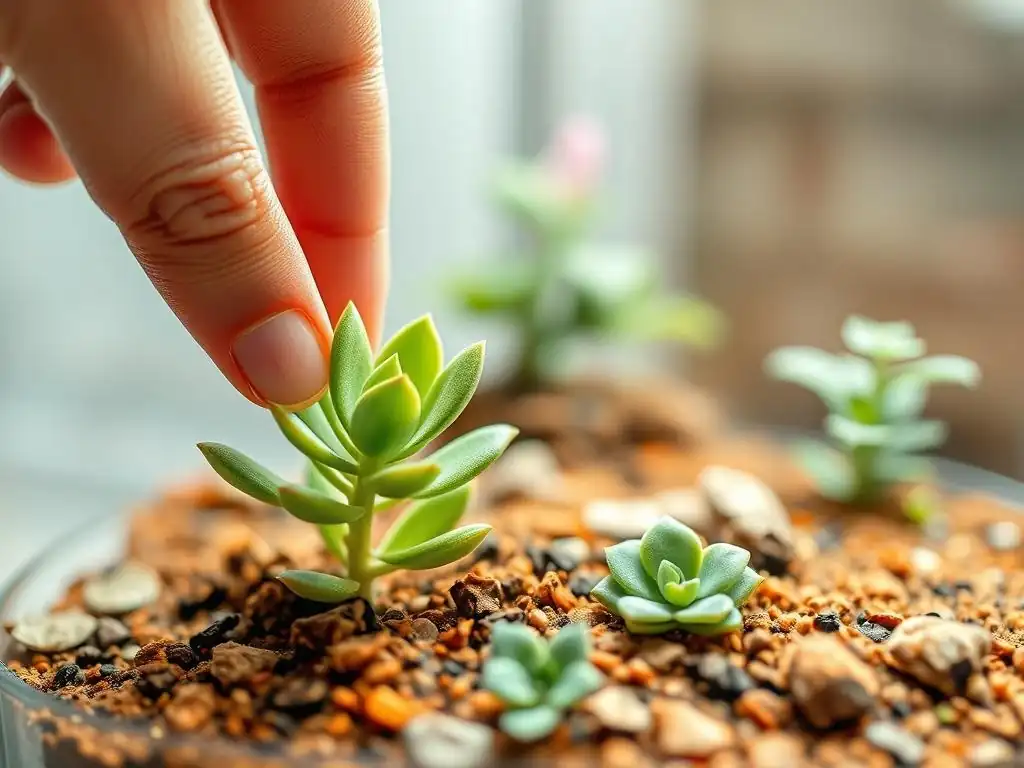
Once your substrate is established and the beneficial bacteria are thriving, you can begin introducing plants. This is a crucial step in the bioactive terrarium cycling process, as plants play a vital role in maintaining the ecosystem's balance. They help regulate humidity, provide hiding places for your reptiles, and contribute to the overall aesthetic appeal of the terrarium. However, rushing this process can disrupt the delicate balance you’ve worked so hard to create.
The key here is gradual introduction. Don't plant everything at once. Start with a few hardy, low-maintenance species known for their resilience. Consider plants like Fittonia (nerve plant), Peperomia, or certain types of bromeliads, all known for their tolerance to fluctuating conditions. These plants are less likely to succumb to the still-developing microbial community. Observe them closely for any signs of stress, such as wilting or yellowing leaves. If you notice any problems, it's a sign to slow down the process or address potential issues with your substrate's moisture levels or nutrient content.
It's also important to choose plants appropriate for your terrarium's specific environmental conditions—temperature, humidity, and lighting. Researching the specific needs of each plant species is essential before incorporating them into your bioactive setup. Remember, a thriving plant life is a key indicator of a successful bioactive cycling process.
Over time, as the ecosystem stabilizes, you can gradually introduce more plants, increasing the biodiversity and complexity of your terrarium. Always prioritize the health of your plants and the overall balance of your terrarium's ecosystem. A slow and steady approach minimizes the risk of setbacks and ensures a healthy, thriving environment for your reptile.
Step 5: Patience and Observation During the Cycling Period
Cycling a bioactive terrarium isn't a quick process; it requires patience and diligent observation. Think of it as nurturing a delicate ecosystem. The establishment of a healthy microbial community takes time, and rushing the process can lead to imbalances and potential problems. Regular monitoring is key to ensuring a successful cycle.
During this period, you should monitor several key parameters:
- Substrate Moisture: Maintain consistent moisture levels within the substrate, avoiding both overly dry and waterlogged conditions. Regularly check the moisture content and adjust watering accordingly. Too much moisture can lead to anaerobic conditions, hindering beneficial bacterial growth, while too little moisture can stress the plants and the microbial community.
- Ammonia, Nitrite, and Nitrate Levels: Regularly test the water for ammonia, nitrite, and nitrate levels using a reliable test kit. These tests will help you monitor the progress of the nitrogen cycle. You should see ammonia levels rise initially, followed by a rise in nitrites, and finally, a rise in nitrates as the beneficial bacteria establish themselves. The goal is to achieve a stable level of nitrates, indicating a fully functioning nitrogen cycle.
- Plant Health: Keep a close eye on the health of your plants. Look for signs of stress, such as wilting, yellowing leaves, or stunted growth. Address any issues promptly, adjusting environmental conditions or providing supplemental nutrients as needed.
- Visual Inspection of the Substrate: Regularly inspect the substrate for any signs of mold, unpleasant odors, or other irregularities. These could indicate imbalances in the ecosystem and require intervention.
Remember, a bioactive terrarium is a living ecosystem. It will evolve and adjust over time. Patience, careful observation, and timely adjustments are crucial for creating a stable and thriving environment for your reptile. This process can take several weeks, or even months, depending on the size of the terrarium and the complexity of the setup. The payoff, however, is a self-regulating, low-maintenance environment that benefits both your reptile and the environment. Enjoy the journey of creating and maintaining your thriving bioactive terrarium!
Maintaining Your Cycled Bioactive Terrarium
Once your bioactive terrarium has successfully cycled, maintaining its delicate ecosystem is crucial for the long-term health of your reptile and the thriving clean-up crew. This involves consistent monitoring, proactive adjustments, and a keen eye for potential problems. A properly maintained bioactive terrarium will reward you with a visually stunning and biologically stable environment, minimizing the need for frequent cleaning and maximizing your pet's well-being. This section focuses on the ongoing maintenance required to keep your bioactive terrarium thriving, acting as a crucial part of your comprehensive bioactive terrarium cycling guide.
Regular Monitoring of Water Parameters
Regular monitoring of water parameters is paramount for a healthy bioactive terrarium. This is not just about the water in your watering dish; it's about the overall moisture content and the potential build-up of harmful substances within the substrate. Neglecting this aspect can lead to ammonia spikes, harming your clean-up crew and ultimately, your reptile.
Several parameters need consistent checking:
- Ammonia (NH₃): Ideally, ammonia levels should be undetectable (0 ppm). High ammonia indicates a breakdown in the nitrogen cycle. Regular testing, especially in the initial months post-cycling, is vital. A high ammonia reading may require intervention, such as partial substrate changes or the addition of beneficial bacteria.
- Nitrite (NO₂⁻): Similar to ammonia, nitrite levels should also be undetectable (0 ppm). Elevated nitrite levels signal a problem in the nitrification process. Consistent monitoring allows for early detection and correction before it affects your terrarium's inhabitants.
- Nitrate (NO₃⁻): While nitrates are a less immediate threat than ammonia and nitrite, high nitrate levels (above 20 ppm) can still stress your clean-up crew and your reptile. Regular water changes are necessary to keep nitrate levels within a healthy range. The frequency of water changes will depend on the size of your terrarium and the density of your clean-up crew.
- pH: The pH of your terrarium's water should be within the optimal range for your chosen species. Testing the pH regularly helps to ensure the water's acidity or alkalinity is suitable for the health of your plants and animals. Significant deviations may indicate a need for adjustments to your substrate or watering regime.
Testing should be performed at least weekly, and more frequently during the initial stages after cycling. Using a reliable liquid test kit provides more accurate readings compared to test strips. Remember to always follow the manufacturer's instructions for accurate results. Maintaining optimal water parameters is a key component of your bioactive terrarium cycling guide and essential for long-term success.
Replenishing Moisture and Maintaining Humidity
Maintaining appropriate moisture levels is crucial for a thriving bioactive terrarium. The specific humidity requirements will vary depending on the species of reptile you house and the plants within your terrarium. However, the general principle remains the same: you need to strike a balance between keeping the substrate sufficiently moist to support microbial activity and prevent it from becoming waterlogged.
Several methods can help maintain optimal humidity:
- Misting: Regular misting of the substrate and foliage helps to increase humidity and provide your plants with necessary moisture. The frequency of misting will depend on your environment and the terrarium's ventilation.
- Watering: Providing your plants with sufficient water at the base of the plants is essential. Avoid overwatering, which can lead to substrate waterlogging and anaerobic conditions.
- Water Features: Small water features, such as a shallow water dish or a small waterfall, can significantly contribute to humidity levels and provide a water source for your clean-up crew.
- Humidity Gauge: A reliable humidity gauge is essential for monitoring moisture levels. This allows for timely adjustments to your watering and misting schedule to maintain the desired humidity range.
Regular monitoring and adjustments are crucial. Observe your substrate for signs of dryness or waterlogging. Adjust your misting and watering schedule accordingly. Maintaining the appropriate humidity is another vital aspect of any successful bioactive terrarium cycling guide. Ignoring this can lead to plant death, stress on your clean-up crew, and ultimately, negatively impact your pet's health.
Addressing Potential Issues During the Cycling Process
Even with careful planning and execution, issues can arise during the cycling process of a bioactive terrarium. Early detection and swift action are critical to preventing a complete breakdown of the ecosystem. This requires proactive monitoring and a willingness to adapt your approach based on observations.
Some common problems and their solutions:
| Problem | Potential Cause | Solution |
|---|---|---|
| High Ammonia | Insufficient beneficial bacteria, overfeeding | Add more beneficial bacteria, reduce feeding frequency, partial substrate change |
| High Nitrite | Insufficient nitrifying bacteria | Add more beneficial bacteria, patience (nitrification takes time) |
| High Nitrate | Overfeeding, infrequent water changes | Reduce feeding frequency, perform regular water changes |
| Mold Growth | Overwatering, poor ventilation | Improve ventilation, reduce watering, remove affected substrate |
| Plant Death | Inadequate light, improper watering, nutrient deficiency | Adjust lighting, improve watering techniques, add fertilizers |
| Clean-up Crew Mortality | Ammonia/Nitrite spikes, unsuitable substrate conditions | Address water parameter issues, ensure suitable substrate and humidity levels |
Remember, proactive monitoring and a thorough understanding of your terrarium’s ecosystem are crucial for success. A well-maintained bioactive terrarium is a self-regulating system; however, it requires your attention and care to flourish. This detailed approach to problem-solving is a key element of any comprehensive bioactive terrarium cycling guide. Consistent observation, combined with timely intervention, ensures the long-term health and beauty of your bioactive terrarium.
Long-Term Care of Your Bioactive Terrarium Ecosystem
Maintaining a thriving bioactive terrarium is a long-term commitment, demanding consistent monitoring and occasional adjustments. Think of it as cultivating a miniature ecosystem – a delicate balance requiring careful stewardship. Neglect can quickly lead to imbalances, impacting the health of your reptile and the overall terrarium environment. Regular observation is key to early detection of potential problems.
One crucial aspect of long-term care is monitoring the humidity levels. Consistent humidity is vital for the well-being of many reptiles and amphibians, as well as the flourishing of the cleanup crew. Regularly check humidity using a reliable hygrometer, adjusting ventilation or misting as needed to maintain the optimal range for your specific species. Remember that humidity levels can fluctuate based on factors such as temperature and substrate moisture. Consider using a timer for automated misting systems to ensure consistent moisture delivery, especially if you are away from home for extended periods.
Substrate maintenance is another critical element. Over time, the substrate can become compacted, reducing its ability to support beneficial bacteria and aeration. Gently turning the top layer of substrate every few months helps maintain its porosity and prevents compaction. Avoid disturbing the deeper layers, as this could disrupt the established bacterial colonies. Regularly examine the substrate for signs of mold or excessive moisture, which could indicate a problem requiring intervention. A slightly damp, not soggy, substrate is the goal.
Regularly inspect your cleanup crew. Observe their activity levels, feeding habits, and overall health. A healthy cleanup crew is essential for waste breakdown and maintaining a clean environment. If you notice any signs of illness or mortality, promptly address the issue to prevent the spread of disease. This might involve introducing new individuals or adjusting the terrarium's parameters. Remember to supplement their diet with appropriate food sources like decaying leaves and vegetables. A thriving cleanup crew is a testament to a healthy bioactive terrarium.
Finally, consider periodic partial substrate changes. While complete substrate changes are generally avoided in established terrariums, periodically removing and replacing a small portion of the top layer can help refresh the substrate and remove accumulated waste. This should be done carefully to minimize disruption to the established bacterial colonies. The frequency of these partial changes will depend on the size of the terrarium, the number of inhabitants, and the type of substrate used.
A gradual, phased approach is recommended to avoid shocking the ecosystem. Remember, consistency and patience are key to long-term success in maintaining a thriving bioactive terrarium. By diligently implementing these practices, you can ensure a healthy and sustainable environment for your reptile and its symbiotic inhabitants for years to come.
Troubleshooting Common Bioactive Terrarium Cycling Problems
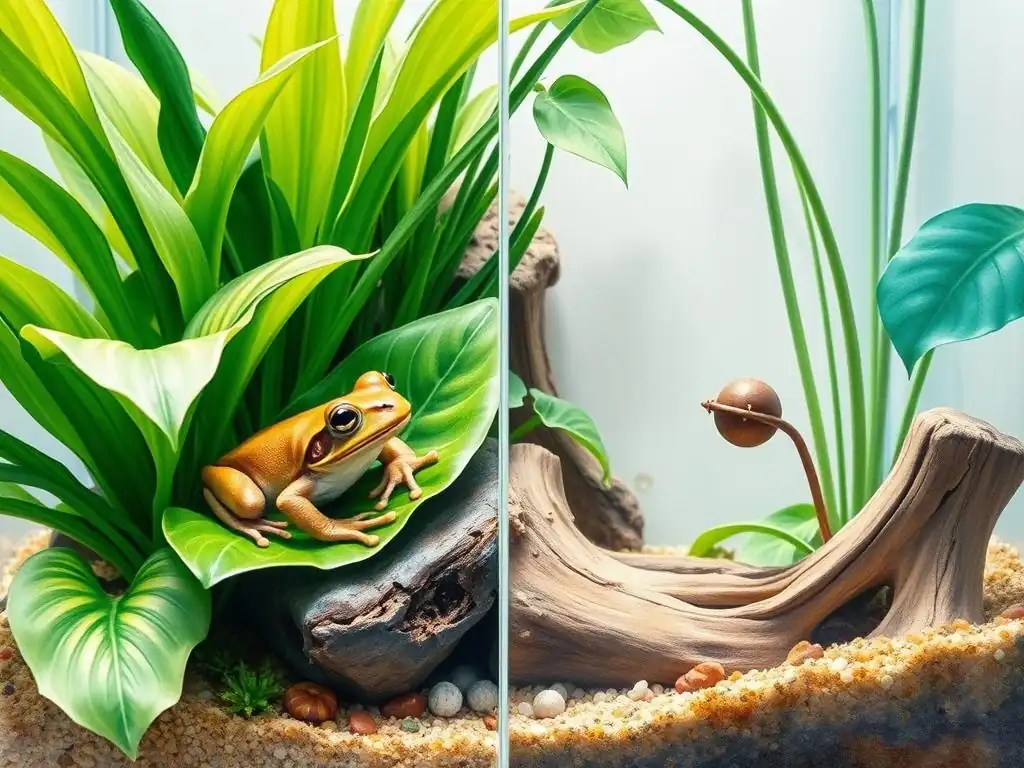
This section addresses common issues encountered during the crucial bioactive terrarium cycling process. A successful cycle is paramount for a thriving bioactive ecosystem, mimicking the natural environment for your reptile and ensuring a healthy, low-maintenance setup. Remember, patience is key; the process takes time, and addressing problems promptly is essential for success. This guide will help you navigate common setbacks and maintain a balanced bioactive terrarium.
Dealing with High Ammonia Levels
High ammonia (NH₃) levels are a common early sign of an incomplete cycle. Ammonia is produced by the breakdown of organic waste (uneaten food, feces, decaying plant matter) by bacteria. Elevated ammonia is toxic to your future terrarium inhabitants. Several factors can contribute to high ammonia:
- Overfeeding: Excessive food introduces more waste than the cleaning crew and bacteria can handle immediately.
- Insufficient substrate depth: A shallow substrate layer limits the beneficial bacteria's colonization area, hindering the nitrogen cycle.
- Poor ventilation: Inadequate ventilation can trap ammonia, preventing its dissipation.
- Insufficient bacterial colonization: The beneficial bacteria responsible for ammonia processing may not have established themselves fully yet.
Solutions:
- Reduce feeding: Temporarily reduce the amount of food you provide to minimize waste production.
- Test regularly: Use a reliable liquid test kit to monitor ammonia, nitrite, and nitrate levels frequently (at least twice a week). Regular testing is the cornerstone of successful cycling.
- Improve ventilation: Ensure adequate air circulation within the terrarium.
- Partial water changes: Carefully remove and replace a small portion (10-20%) of the water in the substrate, ensuring not to disturb the beneficial bacteria too much. This helps dilute the ammonia concentration.
- Introduce beneficial bacteria: Consider adding a commercially available beneficial bacteria product to jumpstart the process. However, this should be used in conjunction with the other solutions, not as a standalone solution.
- Patience: Allow sufficient time for the bacteria to establish themselves. The cycling process can take several weeks, even months, depending on various factors.
Addressing Persistent Nitrite Buildup
Nitrite (NO₂) is an intermediate product of the nitrogen cycle. While less toxic than ammonia, persistent high nitrite levels still indicate an incomplete cycle and pose a risk to your pet. High nitrites often follow high ammonia levels, as the bacteria responsible for converting nitrite to nitrate may not have fully established yet.
Solutions:
- Continue regular testing: Continue monitoring nitrite levels diligently.
- Water changes (cautious): Small, regular water changes can help lower nitrite levels. However, be cautious not to disrupt the beneficial bacteria colonies excessively.
- Increase surface area: Ensure your substrate provides sufficient surface area for bacterial colonization. A deeper substrate layer, with a diverse range of materials, is beneficial.
- Introduce more plants: Live plants can absorb some nitrites, contributing to a healthier environment. However, don't rely solely on plants; they are supplementary, not a primary solution.
- Patience and persistence: The bacterial colonies responsible for nitrite conversion need time to grow and become fully established. This is a crucial step in the bioactive terrarium cycling guide.
Managing Unwanted Organisms or Pests
During the cycling process, and even after, you may encounter unwanted organisms like fungus gnats, springtails (if not intentionally introduced), or other pests. While some springtails are beneficial, an overpopulation of any organism can disrupt the balance.
Solutions:
- Identify the organism: Accurate identification is crucial to determine the best course of action.
- Prevention is key: Maintain a clean and well-ventilated terrarium to minimize the risk of infestation. Avoid overwatering.
- Natural predators: Introduce beneficial organisms like predatory mites or nematodes to control pest populations (research thoroughly before introducing any new organisms).
- Targeted treatments: For severe infestations, you may need to use targeted treatments, but always prioritize methods that minimize harm to your beneficial bacteria and other inhabitants. Consider using a diluted insecticidal soap or neem oil, carefully following instructions and researching its effects on the bioactive ecosystem. This requires careful consideration and research, as some treatments can negatively affect the beneficial bacteria crucial for the nitrogen cycle.
- Substrate replacement (last resort): In extreme cases, a partial or full substrate replacement might be necessary, though this should be a last resort due to the disruption it causes to the established bacterial colonies.
Remember, a successful bioactive terrarium cycle is a journey, not a race. Regular monitoring, patience, and proactive problem-solving are essential for creating a thriving and healthy environment for your reptile. 🎂
Preventing Mold and Algae Growth
Mold and algae are common issues in bioactive terrariums, especially during the initial cycling phase. Their presence isn't always detrimental, as some microorganisms contribute to a healthy ecosystem. However, excessive growth can indicate imbalances and potentially harm your terrarium inhabitants. Preventing excessive mold and algae requires proactive measures and careful monitoring.
One crucial step is ensuring proper ventilation. Insufficient airflow creates humid, stagnant conditions—ideal breeding grounds for mold and algae. Adequate ventilation helps regulate humidity levels and prevents the build-up of moisture on surfaces.
This can be achieved through strategically placed vents in the terrarium enclosure itself or by using external fans that gently circulate air within the enclosure, but avoid creating strong drafts which can dry out the substrate too quickly. The size and number of vents should be adjusted based on the terrarium's size and the species housed within. Larger terrariums will generally require more ventilation than smaller ones.
Another key factor is maintaining a balanced substrate. A substrate that is too wet encourages mold and algae growth. The type of substrate used plays a significant role. While some substrates, like coco coir, retain moisture well, they also require careful monitoring to prevent waterlogging.
Proper drainage layers are essential to prevent water from accumulating at the bottom of the terrarium. This layer typically consists of gravel or lava rock, allowing excess water to drain away, thereby reducing the risk of fungal or algal blooms. The depth of this layer should be sufficient to manage the water needs of the substrate above. For instance, a larger terrarium might require a thicker drainage layer than a smaller one.
Lighting also plays a pivotal role. Excessive light intensity can stimulate algae growth, while insufficient light can impede the growth of beneficial bacteria and plants. It's crucial to find a balance that supports a thriving ecosystem without promoting unwanted algae.
Using full-spectrum lighting that mimics natural sunlight can help maintain a healthy balance and discourage algae growth. Alternatively, you can use a timer to regulate the duration and intensity of the light cycle, mimicking natural daylight hours to ensure the substrate doesn't become too moist. The specific lighting requirements will vary depending on the species housed in the terrarium and the types of plants that are present.
Finally, regular observation and maintenance are crucial. Regularly inspect your terrarium for signs of excessive mold or algae growth. If you notice any significant growth, gently remove it using appropriate tools – for example, using tweezers to remove small patches of mold or gently scrubbing algae from the glass using a soft brush. Avoid using harsh chemicals, as these can disrupt the delicate balance of the bioactive ecosystem. Early intervention is key to preventing minor issues from escalating into larger problems. Remember to always wear gloves when handling the substrate to avoid any potential skin irritation or contamination.
When is Your Bioactive Terrarium Fully Cycled? Signs of a Healthy Ecosystem
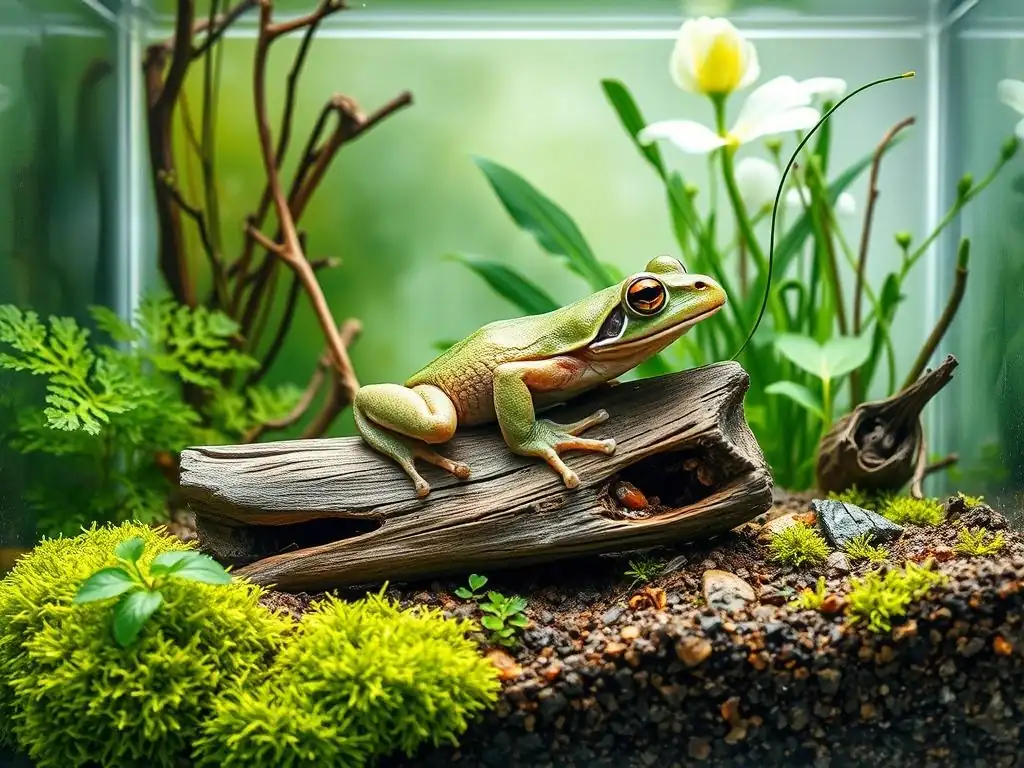
Cycling a bioactive terrarium is a crucial step in creating a thriving and self-sustaining environment for your reptile or amphibian. It's not a quick process, and knowing when your terrarium is fully cycled requires careful observation and understanding of the key indicators. A properly cycled bioactive terrarium mimics a natural ecosystem, minimizing the need for frequent manual cleaning and promoting the overall health and well-being of your pet.
This section will detail the key signs indicating a successful cycling process, using a bioactive terrarium cycling guide as a reference. This guide focuses on identifying the crucial signs of a healthy, balanced environment.
Stable Water Parameters: The Key Indicator
Stable water parameters are arguably the most important indicator of a fully cycled bioactive terrarium. This refers to consistent readings of ammonia (NH₃), nitrite (NO₂⁻), and nitrate (NO₃⁻) levels. During the cycling process, beneficial bacteria (Nitrosomonas and Nitrobacter) colonize the substrate, converting toxic ammonia, produced by waste and decaying organic matter, into less harmful nitrite, and then finally into nitrate. Nitrate, while less toxic than ammonia and nitrite, should still be monitored and kept within acceptable ranges.
The cycling process is complete when ammonia and nitrite levels consistently remain at or near zero (0 ppm), while nitrate levels remain relatively stable and within the acceptable range for your specific species (typically below 40 ppm, but this can vary). Regular testing using a reliable liquid test kit is essential. Test strips are less accurate and should be avoided for precise measurements.
Regular testing – at least twice a week during the cycling phase – ensures you are accurately monitoring the progress and making any necessary adjustments. Consistent, low levels of ammonia and nitrite, coupled with moderate nitrate levels, are a strong indication of a balanced nitrogen cycle. Remember, fluctuations are normal, but consistent stability is the goal.
Thriving Cleanup Crew: A Sign of a Balanced Environment
A flourishing cleanup crew (CC) is another vital sign of a healthy bioactive terrarium. The CC, composed of isopods, springtails, and other beneficial invertebrates, plays a crucial role in breaking down waste and decaying organic matter. Their presence and healthy reproduction indicate a stable environment with sufficient food sources and suitable humidity levels.
Observe the CC population closely. A thriving CC will exhibit active movement, consistent reproduction (you should see young isopods and springtails), and a noticeable reduction in visible waste. A lack of CC activity, or a decline in their population, can signal problems such as improper humidity, unsuitable substrate, or the presence of harmful chemicals.
Maintaining a diverse and healthy CC is critical for a self-sustaining ecosystem. A strong and vibrant CC is a clear sign that your bioactive terrarium is functioning as intended, breaking down waste and preventing the build-up of harmful substances. Remember to introduce your CC gradually, in stages, allowing the environment to acclimate to the new inhabitants.
Healthy Plant Growth: Evidence of a Stable Ecosystem
The health and growth of your terrarium plants are a direct reflection of the overall ecosystem's stability. Healthy plants indicate a balanced environment with appropriate humidity, temperature, and nutrient levels. Wilting, yellowing, or dying plants often signify underlying problems, such as nutrient deficiencies, improper watering, or unfavorable environmental conditions.
Observe the growth rate and overall appearance of your plants. Lush, vibrant foliage, with new growth and flowering (where applicable), is a positive indicator. Pay close attention to the substrate – it should retain adequate moisture but not be waterlogged. The plants should demonstrate consistent growth, indicating the symbiotic relationship between the plants, the cleanup crew, and the overall terrarium environment is thriving.
Remember to choose plants appropriate for your terrarium's specific environmental conditions, as unsuitable plants can hinder the cycling process and overall ecosystem health. Healthy plant life is a visual confirmation that your bioactive terrarium is functioning as a self-regulating ecosystem. This is a key indicator that the cycling process is complete and your environment is suitable for your reptile or amphibian.
Advanced Bioactive Terrarium Cycling Techniques
This section delves into more advanced techniques for cycling your bioactive terrarium, going beyond the basics to achieve a robust and efficient ecosystem. Proper cycling is crucial for maintaining a healthy environment for your reptile, minimizing the need for frequent manual cleaning, and ensuring a thriving substrate ecosystem. This guide will help you optimize your cycling process for a long-lasting, self-sustaining bioactive terrarium. Remember, patience and careful observation are key to success when creating a balanced bioactive environment.
Utilizing Specialized Bacteria Cultures
Introducing commercially available beneficial bacteria cultures can significantly accelerate the nitrogen cycle in your bioactive terrarium. These cultures contain concentrated populations of nitrifying bacteria ( Nitrosomonas and Nitrobacter) essential for converting ammonia (toxic to reptiles) into nitrite and then nitrate (less toxic). While a naturally occurring cycle will eventually establish itself, using a culture provides a head start, reducing the time your terrarium spends in a potentially hazardous state.
Several factors influence the effectiveness of these cultures:
- Substrate Compatibility: Ensure the chosen culture is compatible with your substrate type. Some cultures thrive in specific pH ranges or moisture levels.
- Culture Viability: Check the expiration date and storage instructions carefully. A dead or weakened culture will be ineffective.
- Application Method: Follow the manufacturer's instructions precisely. This usually involves mixing the culture with water and incorporating it into the substrate.
- Monitoring: Regularly test water parameters (ammonia, nitrite, nitrate) to monitor the cycling progress even with a bacterial culture. Don't assume the cycle is complete just because you added a culture.
Optimizing Substrate Composition for Efficient Cycling
Substrate selection is paramount for a successful bioactive terrarium cycling guide. The right mix promotes beneficial bacteria growth and provides a suitable environment for the cleanup crew. Avoid substrates that are too fine, which can compact and hinder oxygen flow, or too coarse, which might leave gaps where bacteria cannot colonize effectively.
A well-balanced substrate typically includes:
- Top Layer: A layer of bioactive topsoil, providing a suitable environment for plants and some cleanup crew members. This layer should be loose and well-draining.
- Middle Layer: A mix of coco coir, leaf litter, and potentially activated charcoal. This layer enhances water retention and provides additional surface area for bacterial colonization.
- Bottom Layer: A layer of drainage material such as lava rock or clay pebbles. This prevents waterlogging and ensures proper drainage.
The ideal ratios of these components depend on the specific species of reptile and the plants used. Experimentation and observation are key to determining the optimal substrate composition for your specific setup. Consider the humidity requirements of your reptile and adjust the substrate's water retention accordingly. A too-dry substrate will hinder bacterial growth, while a too-wet substrate can lead to anaerobic conditions, which are detrimental to the cycle.
Creating a Diverse Cleanup Crew for Enhanced Waste Processing
A diverse cleanup crew is crucial for efficient waste processing and maintaining a clean terrarium. Different species excel at different tasks, creating a synergistic effect. The "cleanup crew" consists of various invertebrates that consume waste products, preventing ammonia buildup and promoting a balanced ecosystem. Selecting the right mix of species is key to a successful bioactive setup.
Consider incorporating these invertebrates into your terrarium:
| Species | Role | Considerations |
|---|---|---|
| Springtails | Consume decaying organic matter | Thrive in humid environments, require a moist substrate |
| Isopods | Consume decaying organic matter, feces | Variety in size and species offers broader waste breakdown |
| Dwarf White Isopods | Consume decaying organic matter, feces | Smaller size, ideal for smaller terrariums. |
| Millipedes | Consume decaying organic matter | Contribute to soil aeration and nutrient cycling |
Remember to introduce your cleanup crew after the nitrogen cycle is established to avoid exposing them to high levels of ammonia. Start with a small population and monitor their growth. Overpopulation can lead to problems, so carefully manage their numbers. Observe your terrarium regularly, paying close attention to the health and activity levels of your cleanup crew. This will provide valuable insights into the overall health of your bioactive ecosystem.
Frequently Asked Questions
What is a bioactive terrarium?
A bioactive terrarium is a self-sustaining ecosystem designed for reptiles or amphibians. It includes a living substrate of beneficial bacteria, plants, and invertebrates that naturally break down waste, mimicking the animal's natural habitat. This minimizes maintenance compared to traditional terrariums.
Why is cycling a bioactive terrarium important?
Cycling is crucial to establish a healthy bacterial colony capable of processing waste. This prevents the buildup of ammonia and nitrites, which are toxic to animals. A properly cycled terrarium provides a safe and clean environment.
How long does it take to cycle a bioactive terrarium?
The cycling process typically takes 4-8 weeks, but this can vary depending on factors like substrate type, temperature, and humidity. Regular testing of water parameters is essential to monitor progress.
What are the signs of a successfully cycled bioactive terrarium?
A successful cycle is indicated by stable ammonia, nitrite, and nitrate levels. You should also see thriving plants and beneficial invertebrates actively breaking down waste. The absence of foul odors is another good sign.
What should I do if my bioactive terrarium isn't cycling properly?
If cycling is slow or not progressing, check water parameters frequently, ensure adequate ventilation, and consider adding more beneficial bacteria. Review your substrate choice and ensure it's appropriate for the chosen animals. Consult PetCareWorld's comprehensive guides for further assistance.
Final Reflection: Cultivating Thriving Ecosystems, One Terrarium at a Time
The meticulous process of cycling a bioactive terrarium isn't merely a hobby; it's a microcosm of the delicate balance found in nature itself, a balance increasingly crucial to understand in our rapidly changing world. Successfully establishing a thriving bioactive ecosystem requires patience, observation, and a deep respect for the interconnectedness of life. This understanding extends far beyond the confines of a glass enclosure, offering valuable lessons applicable to broader environmental stewardship.
The journey of creating a self-sustaining terrarium has profoundly impacted my own understanding of ecological principles. Witnessing the slow, deliberate development of a miniature ecosystem, from the initial bacterial colonization to the flourishing of plants and invertebrates, has been a humbling experience. The earth provides enough to satisfy every man's needs but not every man's greed.
- Mahatma Gandhi. This quote resonates deeply, highlighting the importance of mindful resource management, a principle directly mirrored in the careful planning and execution required for a successful bioactive terrarium.
Now, consider your own role in fostering balance. Think about how the principles of patience, observation, and interconnectedness, so vital in creating a thriving bioactive terrarium, can be applied to your own life and your interactions with the environment. Will you embrace the challenge of creating a miniature ecosystem, or perhaps apply these principles to a larger scale, contributing to a healthier planet?
The journey begins with a single step, a single seed, a single carefully considered decision. Let the lessons learned from cycling a bioactive terrarium inspire you to cultivate a more sustainable and harmonious relationship with the natural world.
Unleash Your Inner Terrarium Gardener!
Thanks for exploring the world of bioactive terrariums! You now have the knowledge to create a thriving habitat for your pet. Let's put that knowledge into practice.
- Start building your bioactive terrarium today! Gather your supplies and follow the steps in this article. Don't strive for perfection—just begin!
- Share your progress! Show off your creation and ask questions on our PetCareWorld forum (mentioning this article will ensure extra support).
- Consider the diverse plant life suitable for your terrarium—thorough research will significantly enhance its biodiversity.
Ready to witness the magic of a self-sustaining terrarium? What special plant or animal will you choose to make your creation truly unique?