







Setting Up a Reptile Heat Gradient: Creating a Natural and Healthy Environment
😊 Mastering the art of reptile heat gradient setup is crucial for your pet's health. This guide from PetCareWorld provides essential steps…
Read article
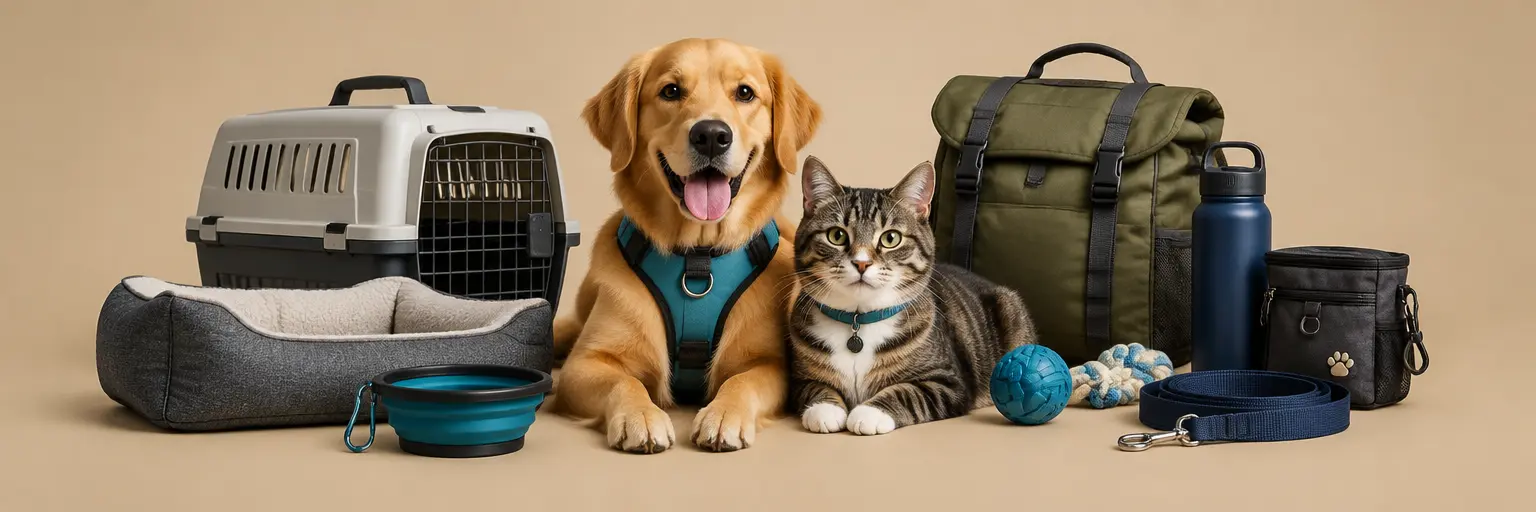
Discover the ultimate collection of pet gear and essentials at PetCareWorld, where every product is chosen to enhance your furry, feathered, or scaly friend’s life. From durable dog collars and plush beds to interactive cat trees and secure carriers, we cover the must-haves for daily comfort and fun. Our expert-approved guides help you select the perfect reptile heating and lighting, bird cage accessories, and terrarium décor to create a thriving habitat. Prioritize safety, happiness, and well-being with top-rated supplies that blend style with function. Whether you’re a new pet parent or a seasoned enthusiast, find trusted recommendations for every breed, size, and species—all in one place.

😊 Mastering the art of reptile heat gradient setup is crucial for your pet's health. This guide from PetCareWorld provides essential steps…
Read article
😊 Find the perfect hydration solution for your feathered friend! Our "Best bird water dispenser guide" helps you select the ideal dispenser,…
Read article
🐦 Unleash your bird's inner explorer with creative bird cage perch ideas! PetCareWorld offers innovative designs to enrich your feathered friend's environment,…
Read article
🐦 Discover the ideal number of perches for your feathered friend! Our "Bird cage perch number guide" ensures a balanced, enriching environment,…
Read article
😊 Elevate your reptile's environment with the best reptile climbing structures! PetCareWorld shows you how enriching climbing options improve your reptile's health…
Read article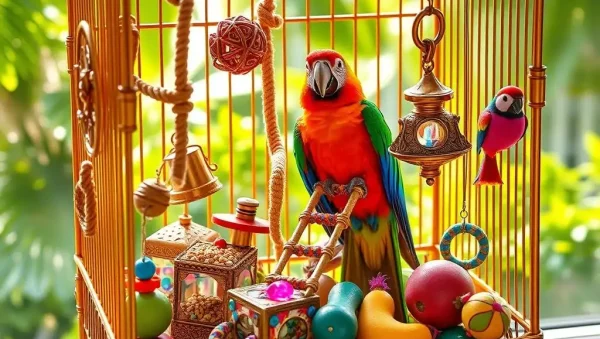
🐦 Discover the best bird cage toys for enrichment at PetCareWorld! We guide you to select stimulating toys that enhance your feathered…
Read article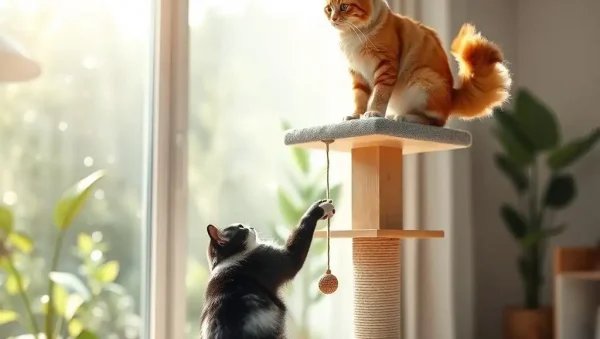
🤔 Maximize your indoor cat's happiness and well-being with a cat tree! Discover the crucial indoor cat tree benefits: enriched environment, exercise,…
Read article
😊 As weather changes, adapt your reptile's heating to maintain its ideal temperature range. PetCareWorld guides you through seasonal adjustments for optimal…
Read article
🤔 Choosing the right cat carrier is crucial for your feline friend's comfort and safety. Our Best cat carrier size guide helps…
Read article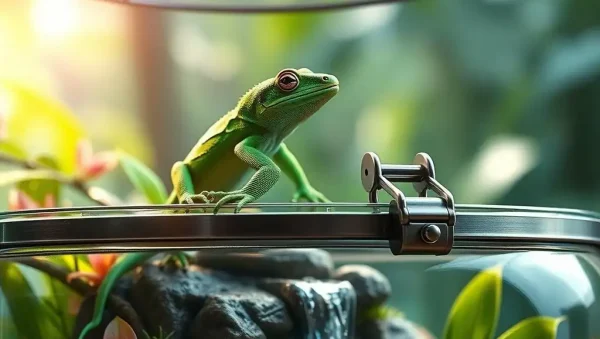
🤔 A secure terrarium lid is crucial for reptile and amphibian safety. Prevent escapes and ensure your pet's well-being with proper enclosure…
Read article
🤔 Choosing the best reptile heat source? PetCareWorld's guide compares basking bulbs and ceramic heaters, helping you select the ideal heating solution…
Read article
🐦 Discover the best innovative bird feeders to enhance your feathered friends' well-being! PetCareWorld showcases five top designs promoting happy, healthy birds…
Read articleWelcome to PetCareWorld’s ultimate resource for Pet Gear & Essentials. Whether you’re welcoming a new puppy, setting up a reptile vivarium, or upgrading your cat’s enrichment, choosing the right equipment directly impacts your pet’s health, comfort, and happiness. Our curated guides break down materials, safety standards, sizing, and durability so you can make informed purchases. From thermoregulation for reptiles to stress-free cat carriers, every product recommendation here is tested for real-world reliability.
Reptiles are ectothermic, meaning they depend entirely on external heat sources for digestion, immunity, and activity. Our guides cover ceramic heat emitters, basking bulbs, UVB tubes, and thermostat controllers. You’ll learn how to create a thermal gradient (warm side vs. cool side) and why proper UVB lighting prevents metabolic bone disease. We also compare mercury vapor bulbs vs. T5 HO fixtures, plus safety tips for wattage and enclosure placement.
Birds require constant access to clean, fresh water and species-appropriate seed or pellet blends. Our deep-dive reviews analyze no-drip bottle systems versus open bowls, highlighting which designs minimize bacterial growth. We also discuss weighted bowls that resist tipping, anti-perch covers to keep droppings out, and dispensers that prevent waste from husks. Find the right capacity for finches, parrots, or cockatiels to reduce daily refills.
A bare cage is a bored bird. This section covers natural wood perches of varying diameters to exercise feet, plus shreddable toys for foraging and beak health. We recommend stainless steel dishes over plastic for hygiene, and show how to rotate enrichment to prevent feather plucking. Learn which toys are unsafe (e.g., loose strings, toxic paints) and how to arrange perches to avoid food or water contamination.
Cat trees satisfy instinctual scratching, climbing, and perching needs while saving your sofa. Our buying guidance focuses on stability—a wobbly tree is useless—and materials like sisal rope versus carpet (sisal is superior for claw health). We break down size guidelines for multiple cats, covered condos for shy felines, and wall-mounted options for small spaces. Also learn to measure your cat’s stretched length for platform spacing.
From flat nylon collars for daily walks to martingale collars for escape artists, we explain the pros and cons of each style. We cover materials—leather durability, biothane waterproofing, and reflective stitching for night safety. Critical advice includes two-finger rule for fit, avoiding choke chains unless professionally trained, and when a harness is safer than any collar (e.g., brachycephalic breeds). Also, we discuss breakaway collars for cats and quick-release buckles.
Beyond heating, a thriving terrarium needs substrate, humidity control, hides, and climbing decor. We compare coconut fiber, reptile bark, and bioactive soil mixes for proper moisture retention. Guides cover foggers, misting systems, and hygrometers to maintain species-specific humidity (e.g., 80% for crested geckos vs. 30% for bearded dragons). Also, learn how to arrange rocks and branches to prevent injuries and promote natural basking.
Orthopedic support matters for seniors, while puppies need chew-resistant fabrics. Our reviews examine memory foam thickness, bolster height for burrowing dogs, and cooling gel inserts for hot sleepers. We provide measurement charts for weight-based sizing—from Chihuahua to Great Dane—and discuss washable covers, waterproof liners, and non-skid bases. Also, explore cave beds for anxious dogs and elevated cots for airflow in warm climates.
Vet visits and travel are stressful; the right carrier reduces anxiety. Compare hard-sided plastic carriers (secure, easy to clean), soft-sided options (lightweight, airline-approved), and rolling carriers for heavy cats. We emphasize top-loading designs for easy access, proper ventilation, and room to stand and turn. Also learn to acclimate your cat with positive reinforcement, secure the carrier with seatbelts, and avoid carriers that collapse under pressure.
Start with the enclosure’s volume (length × width × height in gallons). A common rule is 2-3 watts per gallon, but always monitor the basking surface temperature with an infrared thermometer. Adjust wattage to maintain the species’ specific basking zone—typically 95-100°F for bearded dragons, 85-90°F for leopard geckos. Always pair with a thermostat to prevent overheating.
Yes. Stainless steel is non-porous, so it doesn’t harbor bacteria, and it is chewer-proof—plastic can shatter into dangerous shards. It also withstands high-temperature sterilization. Over time, plastic becomes scratched, where bacteria thrive, and can release BPA. Choose deep bowls to reduce seed scattering and clean them daily with hot soapy water.
Consider your cat’s age and agility. Kittens and seniors need lower, step-like platforms (under 3 feet), while active adults enjoy 5-foot towers. Ensure the base is at least as wide as the tree’s height divided by three to prevent tipping. Measure your ceiling clearance, and for multi-cat homes, look for multiple top perches and wide platforms to allow coexistence.
A flat, quick-release nylon or leather collar with a buckle is safest for most dogs. Avoid choke chains, prong collars, and slip leads unless under professional trainer guidance—they can damage the trachea. For dogs that pull, pair a flat collar with a front-clip harness. Always ensure the collar fits snugly but allows two fingers under it, and remove it when crated to prevent snagging.
Heating pads (under-tank heaters) are excellent for ground-dwelling species like leopard geckos, but they must be regulated by a thermostat to avoid burns. They do not, however, provide the basking light or ambient heat that lamps offer, nor do they emit UVB. Many reptiles need both: a pad for belly heat and a lamp for daytime temperature gradient. Always measure surface temperature, not just air.