
Basking Bulbs vs. Ceramic Heaters: A Reptile Owner's Guide to Heat

Welcome to PetCareWorld, your ultimate guide to a happier, healthier life for your beloved companions! Are you ready to unlock the secrets to creating the perfect environment for your scaly friend? Our expert guide on Best reptile heat source guide dives deep into the crucial debate of basking bulbs versus ceramic heaters, helping you make the informed decision that ensures your reptile thrives. Discover which heat source best suits your pet's needs and unlock the key to their optimal well-being – explore the "Basking Bulbs vs. Ceramic Heaters: A Reptile Owner's Guide to Heat" now!
- Understanding Reptile Heating Needs: A Comprehensive Guide to Choosing the Best Reptile Heat Source
-
Basking Bulbs: Pros, Cons, and Best Options for Reptile Heating
- Types of Basking Bulbs: Incandescent, Halogen, and Deep Heat Projector Comparisons
- Benefits of Basking Bulbs: UVB Provision and Natural Basking Behavior Stimulation
- Drawbacks of Basking Bulbs: Heat Output Limitations and Potential for Burns
- Top Basking Bulb Recommendations for Different Reptile Species
-
Ceramic Heat Emitters (CHE): A Detailed Look at Their Advantages and Disadvantages
- How Ceramic Heat Emitters Work: Efficient Heat Production Without Light Emission
- Benefits of CHEs: Consistent Heat Output, No Light Interference with Nocturnal Species
- Drawbacks of CHEs: Potential for Dry Air and the Need for a Separate UVB Source
- Choosing the Right Wattage CHE: Matching the Heat Output to Your Enclosure Size
- Top Ceramic Heat Emitter Recommendations
- Basking Bulbs vs. Ceramic Heat Emitters: A Head-to-Head Comparison
- Creating the Ideal Thermal Gradient: Combining Basking Bulbs and Ceramic Heat Emitters
- Maintaining Optimal Reptile Enclosure Temperature: Safety and Monitoring Tips
- Choosing the Best Reptile Heat Source: A Summary and Recommendations
- Frequently Asked Questions
- Final Reflection: Choosing the Right Heat: A Journey Towards Responsible Reptile Care
- Ignite Your Reptile's Perfect Habitat!
Understanding Reptile Heating Needs: A Comprehensive Guide to Choosing the Best Reptile Heat Source
Maintaining the proper temperature gradient within a reptile enclosure is paramount to your pet's health and well-being. This comprehensive guide will help you navigate the often-confusing world of reptile heating, specifically comparing basking bulbs and ceramic heat emitters to help you choose the best reptile heat source for your specific needs. We'll delve into the essential factors to consider when selecting a heat source, ensuring your reptile thrives in a comfortable and appropriately heated environment.
Choosing the right heating method is crucial for preventing health problems, promoting natural behaviors, and ultimately, ensuring a long and happy life for your scaly companion. This guide aims to be your ultimate resource in understanding and selecting the best reptile heat source, solidifying its position as your go-to guide for all things reptile heating.
We'll address common questions and dispel some myths surrounding reptile heating, empowering you to make informed decisions for your pet. Let's explore the vital aspects of providing optimal heat for your reptile.
Essential Considerations for Selecting the Right Heat Source for Your Reptile
Selecting the appropriate heat source for your reptile requires careful consideration of several key factors. The health and happiness of your reptile directly depend on maintaining a consistent and appropriate temperature range within its enclosure. Ignoring these factors can lead to serious health issues, including metabolic bone disease (MBD), respiratory infections, and even death. Let's explore some crucial elements:
- Species-Specific Temperature Requirements: Different reptile species have vastly different temperature needs. For example, a desert tortoise requires significantly higher basking temperatures than a leopard gecko. Researching the specific thermal requirements of your reptile species is the very first step. You need to know the ideal basking spot temperature, the cool-side temperature, and the overall temperature gradient needed. Failure to meet these requirements can lead to serious health issues.
- Enclosure Size and Type: The size and material of your reptile enclosure significantly influence the type and wattage of heat source required. Larger enclosures require more powerful heating elements, while smaller ones may be adequately heated with lower wattage options. The material of the enclosure also plays a role; glass enclosures lose heat faster than those made from wood or other insulating materials.
- Thermostat Use: A thermostat is not optional; it is absolutely essential. Manually controlling the temperature is risky and can lead to dangerous fluctuations that harm your reptile. A thermostat allows you to precisely regulate the temperature, preventing overheating or dangerously low temperatures. Consider this a critical investment in your reptile's health.
- Safety: Always prioritize safety. Choose heat sources and enclosures that minimize the risk of fire hazards. Never leave heat lamps unattended, and regularly check cords and connections for damage. Ensure that the heat source is securely mounted and out of your reptile's reach to prevent burns or injuries.
Factors Influencing Heat Source Choice: Species, Enclosure Size, and Budget
The choice between a basking bulb and a ceramic heat emitter often comes down to several interacting factors. Let’s break down the influence of species-specific needs, enclosure size, and budgetary considerations:
- Species-Specific Needs: Some reptiles require UVB light for proper calcium metabolism and vitamin D synthesis. Basking bulbs often provide both heat and UVB, simplifying the setup. However, if your reptile doesn't require UVB, a ceramic heat emitter is a more efficient and safer option for providing heat alone. Certain species are more sensitive to light cycles and may benefit more from a ceramic heat emitter, which produces only heat and no light.
- Enclosure Size: For larger enclosures, multiple heat sources might be necessary to maintain a proper temperature gradient. Multiple basking bulbs can be expensive and energy-intensive. Ceramic heat emitters, being more efficient, might be a more cost-effective choice for larger enclosures. Conversely, smaller enclosures may only require one basking bulb or a low-wattage ceramic heater.
- Budget: Basking bulbs are generally less expensive upfront than ceramic heat emitters, but they have a shorter lifespan and consume more energy. Ceramic heat emitters are a more long-term investment, offering greater energy efficiency and a longer lifespan, potentially offsetting the higher initial cost. However, the cost of a thermostat must be factored into the overall budget for both options, as it is an indispensable component for responsible reptile heating. Remember, prioritizing your reptile's health over initial cost is crucial.
Choosing between basking bulbs and ceramic heat emitters involves careful consideration of these factors, ensuring the optimal thermal environment for your reptile’s well-being. The next section will delve into a more detailed comparison of these two popular heating methods.
Basking Bulbs: Pros, Cons, and Best Options for Reptile Heating
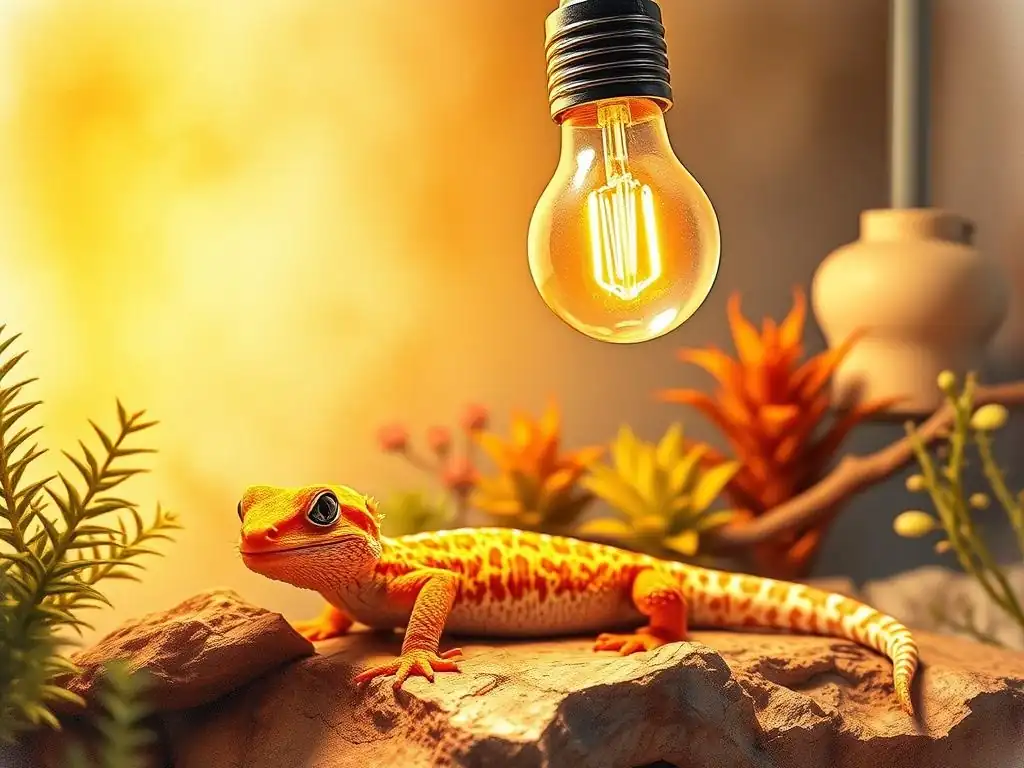
This section delves into the specifics of basking bulbs, a popular choice among reptile keepers for providing supplemental heat and crucial UVB radiation. We'll explore the various types available, their advantages, and their limitations to help you make an informed decision about whether basking bulbs are the right heat source for your reptile. Choosing the best reptile heat source is crucial for your pet's health and well-being, and understanding the nuances of each option is key. This guide aims to provide that understanding.
Types of Basking Bulbs: Incandescent, Halogen, and Deep Heat Projector Comparisons
Reptile keepers have several basking bulb options to choose from, each with its own characteristics. Let's compare three common types: incandescent, halogen, and deep heat projectors.
| Type of Basking Bulb | Description | Heat Output | UVB Output | Lifespan (Hours) | Cost | Pros | Cons |
|---|---|---|---|---|---|---|---|
| Incandescent | Traditional light bulb; produces heat and some light. | Moderate | Low | 1000-2000 | Low | Inexpensive, readily available, good for general warmth. | Inefficient energy use, short lifespan, produces significant heat only close up. |
| Halogen | More efficient than incandescent; produces brighter light and more heat. | High | Low | 2000-4000 | Medium | Brighter light, more efficient heat production, longer lifespan. | Higher initial cost, can be hotter than incandescent bulbs, potential for burns. |
| Deep Heat Projector | Emits infrared heat; produces minimal visible light. | High | None | 5000-10000 | High | Excellent heat source, ideal for nocturnal reptiles, minimal light disturbance. | Higher initial cost, requires specialized fixtures, no UVB output. |
Choosing the right type depends on your reptile's specific needs and your budget. For example, diurnal (day-active) reptiles might benefit from a combination of an incandescent or halogen bulb for basking and a separate UVB bulb, while nocturnal species might only need a deep heat projector. Always research the specific heating requirements of your reptile species before making a purchase.
Benefits of Basking Bulbs: UVB Provision and Natural Basking Behavior Stimulation
One major advantage of basking bulbs, particularly incandescent and halogen, is their ability to provide UVB radiation, vital for many reptiles' calcium metabolism and overall health. UVB is crucial for vitamin D3 synthesis, preventing metabolic bone disease (MBD). Furthermore, the warmth emitted by these bulbs encourages natural basking behavior, a crucial aspect of a reptile's well-being.
Providing a thermal gradient – a range of temperatures within the enclosure – allows the reptile to thermoregulate effectively, moving between warmer and cooler areas as needed. This natural behavior contributes to a healthier and happier reptile. This is often overlooked when considering the "best reptile heat source guide".
Drawbacks of Basking Bulbs: Heat Output Limitations and Potential for Burns
Despite their benefits, basking bulbs have limitations. Their heat output can be localized, meaning the area directly beneath the bulb will be significantly hotter than other parts of the enclosure. This can lead to uneven heating and potential burns if the reptile gets too close. Moreover, incandescent and halogen bulbs are relatively inefficient, converting a significant portion of their energy into heat rather than light.
This inefficiency can increase electricity costs over time. Regular monitoring of the temperature gradient and the placement of the basking bulb are crucial to prevent overheating and burns. Always use a thermometer to monitor temperatures accurately and adjust the bulb's position as needed. Remember, safety and the well-being of your reptile should always be the top priority when selecting and using a basking bulb.
Top Basking Bulb Recommendations for Different Reptile Species
Choosing the right basking bulb for your reptile depends heavily on its species and specific needs. Different reptiles require different temperatures and UVB output. A bulb suitable for a bearded dragon might be far too intense or insufficient for a leopard gecko. It's crucial to research your specific reptile's needs before making a purchase. Failing to do so could lead to serious health problems, including metabolic bone disease (MBD) and thermal burns.
Let's examine some examples:
- Bearded Dragons: Bearded dragons, known for their basking habits, typically require a basking spot temperature of 95-105°F (35-40°C). A higher wattage bulb, perhaps a 100-watt incandescent bulb or a specialized basking bulb designed for higher heat output, might be necessary. The specific wattage will depend on the size of the enclosure and its overall insulation. Remember to always monitor temperatures with an accurate thermometer to ensure optimal conditions. Furthermore, providing a proper UVB bulb is also crucial for their calcium metabolism.
- Leopard Geckos: Unlike bearded dragons, leopard geckos are nocturnal and don't require the same intense basking light. They need a much lower temperature gradient, typically around 80-90°F (27-32°C) in their basking spot. A lower wattage incandescent bulb, or even a ceramic heat emitter (discussed later in the article) might be a more suitable choice than a powerful basking bulb. Overheating can be detrimental to their health. UVB requirements for leopard geckos are also significantly lower than for diurnal species.
- Corn Snakes: Corn snakes, being relatively low-maintenance reptiles, generally thrive in a temperature range of 75-85°F (24-29°C). A low-wattage incandescent bulb or a heat mat placed under a portion of the enclosure can effectively provide the necessary warmth. A basking bulb might not be essential, and in some cases, it could even lead to overheating. Proper temperature control is paramount for their overall well-being.
- Crested Geckos: Similar to leopard geckos, crested geckos are nocturnal and prefer lower temperatures. They don't require a dedicated basking spot and generally do well with a consistent temperature gradient of 72-80°F (22-27°C) throughout the enclosure. A low-wattage heat source, such as a heat mat or a low-wattage ceramic heat emitter, is usually sufficient. An overly warm basking spot could be extremely stressful for these animals.
Remember, this is just a general guideline. Always consult reputable reptile care guides and veterinary professionals for specific recommendations tailored to your reptile's species, age, and individual needs. Regular monitoring of temperatures using accurate thermometers is critical to ensure the health and well-being of your reptile. The "best" basking bulb is the one that precisely meets your reptile's specific thermal requirements. Don't hesitate to seek expert advice if you're unsure about the appropriate heat source for your pet. Investing in a quality thermometer is just as important as investing in the right bulb.
Ceramic Heat Emitters (CHE): A Detailed Look at Their Advantages and Disadvantages
This section delves into the specifics of ceramic heat emitters (CHEs), a popular choice among reptile keepers seeking reliable heat sources. We'll explore how they function, their benefits, and their limitations, helping you determine if a CHE is the best reptile heat source for your specific needs. Understanding the nuances of CHEs is crucial for creating a healthy and thriving environment for your reptile. This detailed guide will equip you with the knowledge to make an informed decision.
How Ceramic Heat Emitters Work: Efficient Heat Production Without Light Emission
Ceramic heat emitters generate heat through infrared radiation. Unlike basking bulbs, CHEs produce almost no visible light. This makes them ideal for nocturnal reptiles or species that require a period of darkness for proper sleep and behavior. The heat is produced by passing an electrical current through a ceramic element, causing it to heat up.
This heat is then radiated into the enclosure, warming the substrate, air, and your reptile. The absence of light emission is a key differentiator and a significant advantage for many reptile species. The efficiency of heat transfer is also noteworthy; the majority of the energy is converted into heat, minimizing wasted energy compared to some other heating solutions.
This efficient heat production translates to lower energy bills in the long run, a beneficial factor for responsible reptile ownership. The heat output of a CHE is also easily adjustable through the use of a thermostat, allowing for precise temperature control within the enclosure. This precision is vital for maintaining the optimal thermal gradient crucial for your reptile's health and well-being.
Benefits of CHEs: Consistent Heat Output, No Light Interference with Nocturnal Species
One of the primary advantages of CHEs is their consistent heat output. Unlike incandescent bulbs, which gradually dim and lose heat as they age, CHEs maintain a stable temperature for longer periods, provided they are used with a properly functioning thermostat. This consistency is vital for maintaining a stable thermal gradient within the enclosure, mimicking the natural temperature fluctuations found in a reptile's natural habitat.
This consistent heat also reduces stress on your reptile, contributing to better overall health. Furthermore, the absence of light emission is particularly beneficial for nocturnal species. Many nocturnal reptiles are sensitive to light, and prolonged exposure can disrupt their natural sleep cycles, leading to stress and health issues.
Using a CHE eliminates this light interference, promoting healthier sleep patterns and more natural behaviors. For example, many species of gecko thrive under the consistent, light-free warmth of a CHE, displaying more natural foraging and basking behaviors. This makes CHEs a top contender when considering the best reptile heat source guide.
Drawbacks of CHEs: Potential for Dry Air and the Need for a Separate UVB Source
While CHEs offer many benefits, it's essential to acknowledge their limitations. One significant drawback is their potential to dry out the air within the enclosure. Since CHEs don't produce moisture, you might need to implement additional measures to maintain appropriate humidity levels, such as misting, a water bowl, or a humidifier. Failure to do so can lead to dehydration and respiratory problems for your reptile.
Another important consideration is that CHEs do not provide UVB radiation. UVB is crucial for many reptile species to synthesize vitamin D3, essential for calcium absorption and overall bone health. Therefore, when using a CHE, you must supplement with a separate UVB source, such as a UVB bulb or tube, to ensure your reptile's well-being.
Careful monitoring of both temperature and humidity is vital when using a CHE to avoid potential health issues. Failing to address these issues can negate many of the benefits of using a CHE, potentially making it less effective as a best reptile heat source. Careful planning and monitoring are crucial for successful CHE implementation.
Choosing the Right Wattage CHE: Matching the Heat Output to Your Enclosure Size
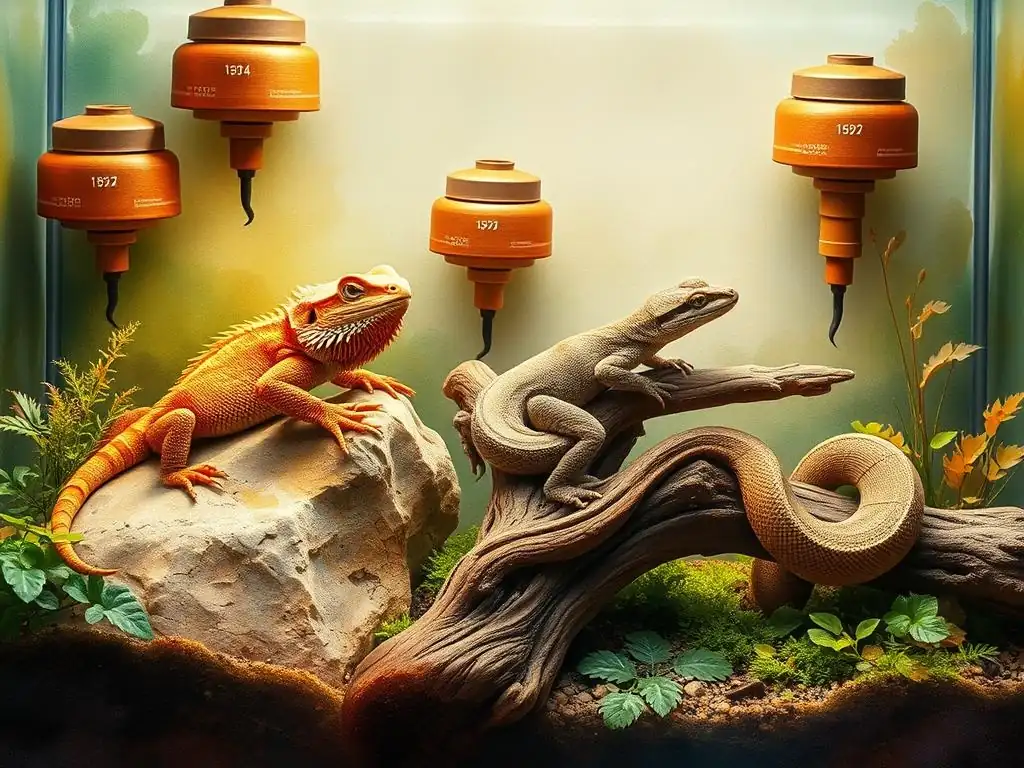
Selecting the appropriate wattage for your ceramic heat emitter (CHE) is crucial for maintaining the correct temperature gradient within your reptile's enclosure. Too little wattage, and your reptile won't be able to thermoregulate effectively, potentially leading to health problems. Too much wattage, and you risk overheating the enclosure, creating a dangerous environment for your pet. The ideal wattage depends on several factors, including the size of the enclosure, the ambient temperature of the room, the type of enclosure material (glass retains heat better than wood), and the species of reptile.
For example, a small enclosure housing a juvenile leopard gecko might only require a 50-watt CHE, while a large enclosure for an adult bearded dragon might need a 100-watt or even a 150-watt CHE. Consider the surface area of your enclosure; a larger surface area requires a higher wattage to heat the space effectively. Remember that the CHE's wattage rating indicates its heat output, not the temperature it will produce. The actual temperature will be influenced by the distance between the CHE and the basking spot, as well as the environmental factors mentioned earlier.
Always use a reliable thermometer to monitor the basking spot temperature and adjust the wattage or distance accordingly. Don't rely solely on the wattage rating to determine the ideal temperature. Regular monitoring is essential for ensuring your reptile's safety and well-being.
Accurate temperature readings are paramount for responsible reptile keeping and can prevent serious health issues. It is advisable to consult reptile-specific care guides for your particular species to gain a better understanding of their specific heating needs. Remember, safety and the health of your reptile are the top priorities.
Top Ceramic Heat Emitter Recommendations
Choosing the best ceramic heat emitter involves considering factors beyond just wattage. Reputable brands often offer superior quality and longevity, ensuring consistent heat output and minimizing the risk of premature failure. Look for CHEs made from durable ceramic materials that can withstand high temperatures without cracking or breaking. A sturdy design is essential to prevent accidental damage, especially in enclosures with active reptiles.
While a comprehensive ranking requires extensive testing and comparative analysis (data pending), several brands are consistently praised by reptile keepers for their reliability and performance. However, it's important to remember that even the highest-quality CHEs need occasional replacement. The lifespan of a CHE can vary depending on usage and environmental factors, but typically ranges from several months to a couple of years. Regular inspection for cracks or discoloration is crucial to ensure the continued safety and effectiveness of your CHE.
Always prioritize safety and the well-being of your reptile when selecting and maintaining heating equipment. Remember to research and choose a CHE that is appropriately sized and wattaged for your specific reptile enclosure and species. This diligent approach is crucial for maintaining a healthy and thriving environment for your pet.
Basking Bulbs vs. Ceramic Heat Emitters: A Head-to-Head Comparison
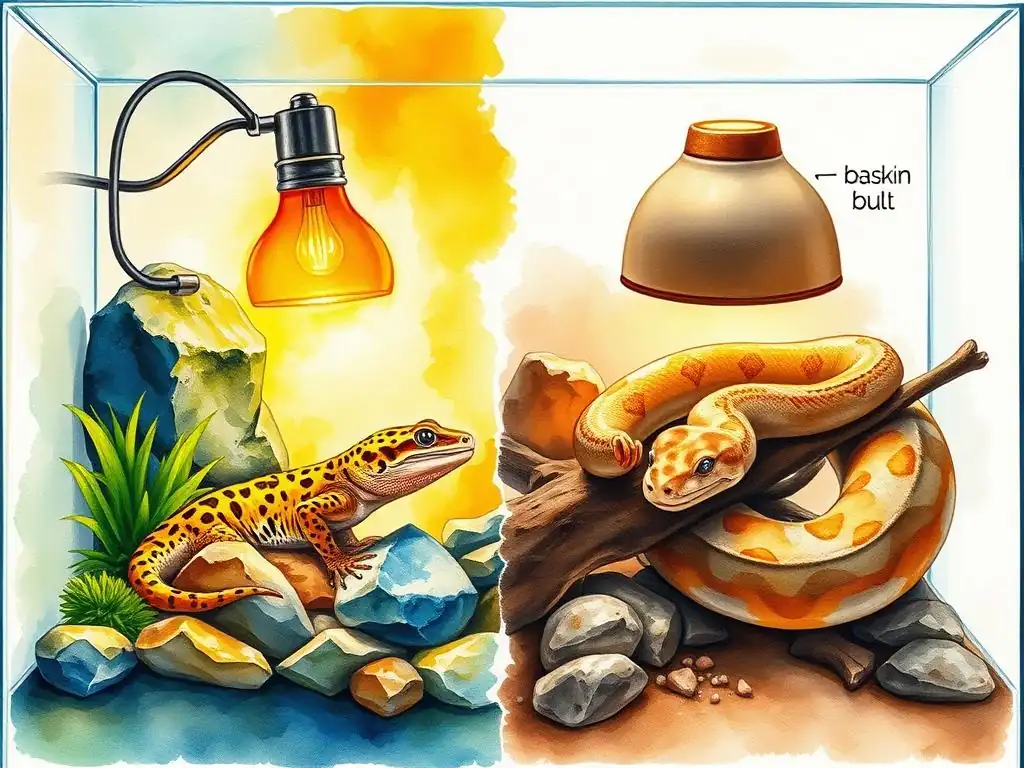
This section delves into the key differences between basking bulbs and ceramic heat emitters (CHEs), two popular reptile heating methods. Choosing the best reptile heat source depends heavily on your specific reptile species and its needs. Understanding the nuances of each system is crucial for providing optimal thermal gradients within your reptile enclosure. We'll examine heat output, cost, and safety to help you make an informed decision.
Heat Output and Efficiency: A Detailed Comparison of Both Methods
Basking bulbs, often incandescent or halogen, provide both heat and light. The heat is produced through radiant energy – the bulb itself glows and emits infrared radiation. This radiant heat warms the basking spot directly, creating a localized area of high temperature. However, a significant portion of the energy is released as visible light, making them less efficient than CHEs in terms of pure heat production. Incandescent bulbs, for example, waste much of their energy as light rather than heat. They also have a relatively short lifespan, requiring frequent replacements.
Conversely, ceramic heat emitters produce heat through infrared radiation without emitting visible light. This makes them ideal for nocturnal reptiles or species that don't require visible light for basking. CHEs are far more energy-efficient, converting a larger percentage of their energy into heat. Their longer lifespan also translates into lower long-term replacement costs. The heat output is also more consistent, offering a more stable thermal gradient. This consistency is vital for maintaining a healthy environment for your reptile.
Here's a table summarizing the key differences in heat output and efficiency:
| Feature | Basking Bulb (Incandescent/Halogen) | Ceramic Heat Emitter (CHE) |
|---|---|---|
| Heat Type | Radiant (with visible light) | Radiant (no visible light) |
| Efficiency | Lower | Higher |
| Lifespan | Shorter | Longer |
| Light Output | High | None |
| Suitable for | Diurnal reptiles requiring light | Nocturnal or diurnal reptiles |
Cost Comparison: Analyzing the Long-Term Expenses of Each Heating System
While the initial purchase price of a basking bulb might be lower than a CHE, the long-term costs differ significantly. Basking bulbs need replacing much more frequently due to their shorter lifespan. This frequent replacement adds up over time, potentially offsetting the initial cost savings. Furthermore, the higher energy consumption of basking bulbs contributes to higher electricity bills compared to CHEs.
Consider this example: A typical incandescent basking bulb might cost $5 and last for 6 months. A CHE, on the other hand, might cost $20 but last for 2 years or more. Over a 2-year period, you'd need four incandescent bulbs, costing $20. In this scenario, the long-term cost is comparable. However, the energy consumption difference could still lead to higher electricity costs for the basking bulb over the same period. Accurate cost comparisons require considering individual bulb and CHE prices, their lifespans, and local electricity rates.
Safety Considerations: Minimizing Risks Associated with Each Heating Method
Both basking bulbs and CHEs pose potential safety risks if not used correctly. Basking bulbs, being incandescent, generate significant heat and can pose a fire hazard if placed too close to flammable materials. Improperly secured bulbs can also shatter, causing injury to your reptile or yourself. Always use a suitable lamp fixture designed for the wattage of the bulb and ensure adequate ventilation to prevent overheating.
CHEs, while generally safer than basking bulbs in terms of fire risk, can still reach very high temperatures. It's crucial to maintain a safe distance between the CHE and any enclosure materials to prevent burns or fires. Similarly, appropriate fixtures are essential to prevent accidental contact and ensure safe operation. Regularly inspect both the CHE and its fixture for any signs of damage or wear. Never leave a CHE unattended for extended periods.
🔥 Remember, responsible reptile ownership involves understanding and mitigating potential risks associated with heating equipment. Prioritize safety to ensure the well-being of your reptile and yourself.
Suitability for Different Reptile Species: Which System Works Best for Your Pet?
Choosing between a basking bulb and a ceramic heat emitter (CHE) often depends heavily on the specific needs of your reptile. Different species have vastly different temperature requirements and basking preferences. For example, desert-dwelling reptiles like bearded dragons often thrive under basking bulbs, which provide both heat and UVB radiation crucial for vitamin D3 synthesis and overall health.
The visible light emitted by the bulb also contributes to their natural diurnal cycle. A CHE, while providing heat, lacks this UVB component, making it unsuitable as a sole heat source for these species. Supplementing a CHE with a separate UVB bulb would be necessary.
Conversely, nocturnal reptiles, such as many species of snakes, benefit more from the consistent, even heat provided by a CHE. These reptiles don't require UVB radiation in the same way as diurnal species and often prefer a subdued, less brightly lit environment. A basking bulb's intense light could be stressful or disruptive to their natural sleep patterns. For nocturnal species, a CHE coupled with a low-level red or infrared bulb (for nighttime visibility if needed) could provide optimal thermal conditions without disturbing their nighttime routines.
Furthermore, the size and enclosure of your reptile will play a role. Larger enclosures might require more powerful heating systems. A single basking bulb might suffice for a smaller terrarium, but a larger enclosure might benefit from a combination of a CHE for ambient heat and a basking bulb to create a localized basking spot. Smaller enclosures, however, might overheat quickly under a powerful basking bulb, necessitating a more controlled heat source like a CHE.
Always research your specific reptile species’ requirements and choose a heating system that accurately reflects their natural habitat and behavioral patterns. Improper heating can lead to serious health issues, including metabolic bone disease (MBD) and thermal burns. Careful consideration of your reptile's needs is crucial for creating a safe and thriving environment.
Creating the Ideal Thermal Gradient: Combining Basking Bulbs and Ceramic Heat Emitters
This section delves into the synergistic benefits of combining basking bulbs and ceramic heat emitters (CHEs) to create a truly optimal thermal gradient within your reptile enclosure. A properly established thermal gradient is crucial for your reptile's health and well-being, allowing them to thermoregulate effectively. Simply put, it allows your reptile to choose its preferred temperature at any given time. This is a key aspect of responsible reptile ownership, often overlooked by beginners.
This guide will help you master this important aspect of reptile care, contributing to your reptile's overall health and longevity. We'll explore how each heat source complements the other, maximizing both comfort and safety for your scaly friend. This is vital for the best reptile heat source, ensuring a comfortable and healthy environment.
Understanding Thermal Gradients and Their Importance for Reptile Health
Reptiles are ectothermic, meaning they rely on external sources of heat to regulate their body temperature. A thermal gradient, therefore, isn't just a desirable feature; it's a necessity. It provides a range of temperatures within the enclosure, allowing your reptile to move between warmer and cooler zones to maintain its optimal body temperature. This ability to thermoregulate is directly linked to their digestion, immune function, and overall health.
Think of it this way: a consistently uniform temperature can be just as detrimental as a consistently cold enclosure. A lack of temperature variation can lead to digestive problems, weakened immune systems, and even death. A properly established thermal gradient, however, allows your reptile to bask under a warm basking bulb to raise its body temperature for digestion and activity, then retreat to a cooler area to regulate when necessary. This is a critical component of providing the best reptile heat source.
The ideal temperature range varies significantly depending on the species of reptile. For example, a bearded dragon requires a basking spot temperature of 100-110°F (38-43°C), while a leopard gecko needs a much lower basking temperature of around 88-92°F (31-33°C). Researching your specific reptile's needs is paramount before setting up your heating system. Failing to do so can severely impact their health and well-being.
How to Safely Integrate Both Systems in Your Reptile Enclosure
Integrating basking bulbs and CHEs requires careful planning and execution to ensure safety and effectiveness. The basking bulb provides a localized heat source for basking, while the CHE provides a more ambient, background heat. The best reptile heat source often involves a combination of both.
Here’s a step-by-step guide:
- Choose the right bulbs: Select a basking bulb appropriate for the size of your enclosure and your reptile's needs. For CHEs, consider wattage based on enclosure size and ambient temperature.
- Secure placement: Use appropriate fixtures designed for high-temperature bulbs and ensure they are securely mounted and cannot be knocked over. Place the basking bulb at one end of the enclosure to create the warm side.
- Position the CHE: Position the CHE on the opposite side or a different area to create a cooler gradient. This ensures a temperature range that your reptile can utilize comfortably.
- Use a thermostat: This is crucial for safety and maintaining consistent temperatures. A thermostat will prevent overheating and ensure the bulbs turn off when temperatures reach a pre-set limit. This is essential when choosing the best reptile heat source.
- Monitor regularly: Always monitor temperatures with accurate thermometers placed at various points within the enclosure. Adjust the bulbs or CHE as needed to maintain the desired thermal gradient.
Monitoring Temperature and Humidity: Essential Tools and Techniques
Consistent monitoring is vital for maintaining the ideal environment. Fluctuations in temperature and humidity can significantly impact your reptile's health. Therefore, investing in accurate and reliable monitoring equipment is essential.
Here's what you'll need:
- Digital thermometers with probes: These allow for precise temperature readings at multiple locations within the enclosure. Place one on the basking spot and another on the cool side.
- Hygrometer: This measures humidity levels. Maintaining appropriate humidity is as critical as temperature control.
- Thermostat: As mentioned earlier, a thermostat is crucial for automatically regulating the temperature and preventing overheating. This is paramount for safety and maintaining a consistent environment.
Remember, providing the best reptile heat source is an ongoing process. Regular monitoring and adjustments are essential to ensure your reptile thrives in its environment. Don't rely solely on visual cues; use accurate measuring tools to ensure optimal conditions for your pet. Regular checks, even daily, will allow you to proactively address any issues and prevent potential health problems. This is a key step in providing excellent care for your reptile.
Maintaining Optimal Reptile Enclosure Temperature: Safety and Monitoring Tips
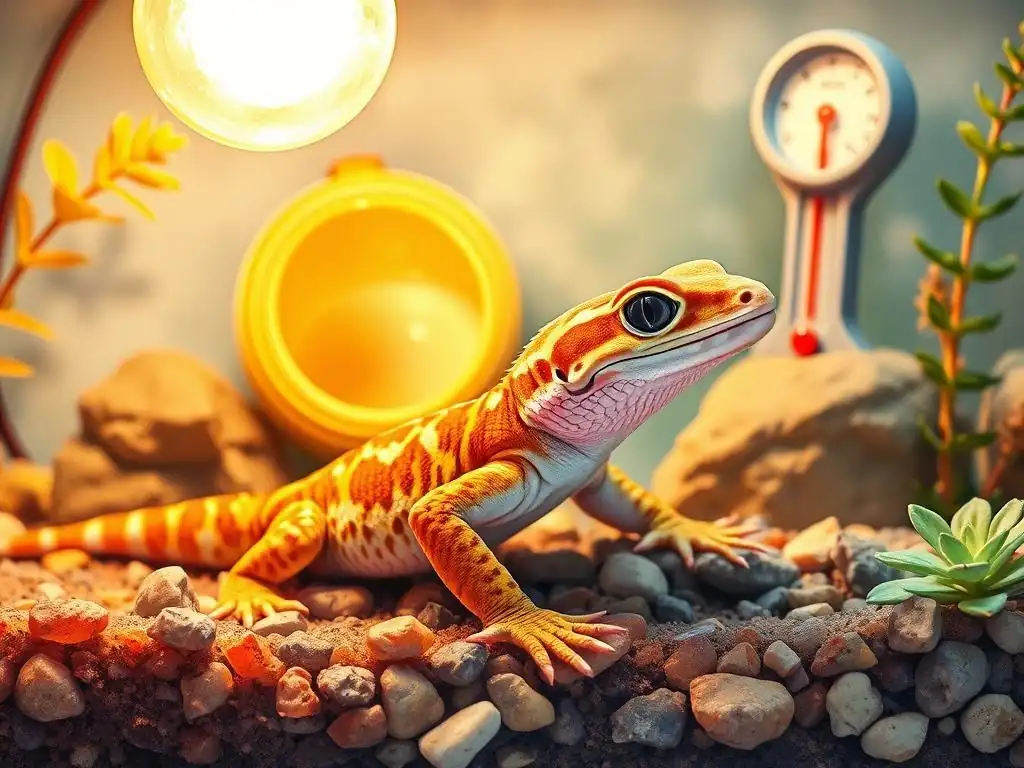
Maintaining the correct temperature within your reptile's enclosure is crucial for its health and well-being. A reptile's metabolism is directly influenced by its environment; therefore, consistently providing the appropriate thermal gradient is paramount. This section focuses on practical strategies for achieving and monitoring optimal temperatures, ensuring your reptile thrives. Finding the best reptile heat source is only the first step; consistent monitoring is key.
Using Thermometers and Thermostats for Accurate Temperature Control
Accurate temperature monitoring is non-negotiable. Relying solely on your senses is insufficient; reptile enclosures require precise temperature control to mimic their natural habitat. Invest in multiple, reliable thermometers – at least two – to ensure accuracy and consistency. Place one thermometer at the basking spot, where the reptile will choose to warm itself, and another at the cooler end of the enclosure to monitor the temperature gradient. Digital thermometers are preferred for their ease of reading and accuracy. Analog thermometers can be used as a secondary measure, offering a visual confirmation.
Using a thermostat alongside your heat source (whether it's a basking bulb or ceramic heat emitter) is highly recommended. A thermostat automatically regulates the power to the heat source, preventing overheating and ensuring a consistent temperature range. This is particularly vital for maintaining a safe thermal gradient and avoiding dangerous temperature fluctuations. Look for thermostats specifically designed for reptile enclosures, as they often have features like adjustable temperature settings and safety shut-offs.
Regularly check the calibration of both your thermometers and thermostat to ensure they remain accurate. This simple step can prevent many potential problems associated with incorrect temperature readings. Choosing the best reptile heat source is only half the battle; precise temperature control is equally crucial.
Preventing Overheating and Burns: Essential Safety Precautions
Overheating is a significant risk for reptiles kept in captivity. While providing adequate heat is essential, preventing burns is equally important. The placement of heat sources is critical. Never place the heat source directly against the enclosure's walls or substrate, as this can create localized hot spots and burn your reptile.
Maintain a safe distance between the heat source and any surfaces your reptile might contact. Regularly check the temperature gradient, ensuring the basking spot is not excessively hot. A good rule of thumb is to ensure the basking spot isn't hotter than 10-15°F above the ambient temperature of the cooler end of the enclosure.
Furthermore, regularly inspect the heat source and its wiring for any signs of damage. Frayed wires or a malfunctioning heat source can lead to fires or burns. Replace any damaged components immediately. Use heat-resistant materials for your enclosure and its components.
Ensure the bulb or emitter is properly secured to prevent it from falling and causing harm to your reptile. Finally, never leave young reptiles unsupervised near a heat source, as they are particularly vulnerable to overheating and burns. Prioritizing safety ensures the long-term well-being of your reptile, making your choice of the best reptile heat source a truly responsible one.
Troubleshooting Common Reptile Heating Problems
Even with careful planning, you might encounter some issues with your reptile's heating setup. This section addresses common problems and their solutions.
- Inconsistent Temperatures: This often points to a faulty thermostat or an inadequate heat source for the enclosure size. Check the thermostat's settings, replace it if necessary, and consider upgrading to a more powerful heat source if the enclosure is too large for the current one.
- Overheating: This indicates a problem with the thermostat or the heat source being too close to the reptile. Adjust the thermostat settings, move the heat source further away, or use a lower wattage bulb or emitter.
- Cold Spots: Cold spots can indicate inadequate heating or poor heat distribution. Consider adding supplemental heating, such as a heat mat or under-tank heater, to ensure even temperature distribution across the enclosure. Alternatively, consider improving insulation to reduce heat loss.
- Heat Source Malfunction: A flickering or non-functional heat source is a safety hazard. Immediately replace the faulty component.
Addressing these issues promptly will ensure your reptile's health and safety. Remember, consistent monitoring and preventative maintenance are key to maintaining the optimal thermal environment for your reptile. Selecting the best reptile heat source is just the beginning of a commitment to providing exceptional care.
Choosing the Best Reptile Heat Source: A Summary and Recommendations
Selecting the optimal reptile heat source hinges on understanding your reptile's specific needs. While both basking bulbs and ceramic heat emitters provide heat, they offer distinct advantages and disadvantages. This section summarizes key considerations to help you make an informed decision, contributing to your reptile's overall health and well-being. The "best" reptile heat source isn't a one-size-fits-all answer; it's a personalized choice based on species, enclosure size, and individual preferences.
Final Verdict: Choosing the Right Heat Source for Your Reptile's Specific Needs
The "best" reptile heat source depends entirely on your reptile's species and its specific needs. For example:
- Diurnal species (active during the day): These reptiles often benefit from basking bulbs, providing both heat and UVB radiation crucial for vitamin D3 synthesis and overall health. Consider the wattage carefully based on the size of the enclosure to avoid overheating. A dimmer switch is highly recommended for precise temperature control.
- Nocturnal species (active at night): Ceramic heat emitters (CHEs) are generally preferred for nocturnal reptiles. They emit infrared heat without emitting light, maintaining a suitable nighttime temperature without disrupting their natural sleep cycle. CHEs are also safer in terms of fire hazards compared to basking bulbs.
- Species requiring high humidity: Both basking bulbs and CHEs can be used, but careful monitoring of humidity levels is crucial. The heat source shouldn't excessively dry out the enclosure. Consider adding a humidifier or misting system if necessary.
Choosing between a basking bulb and a ceramic heat emitter requires a careful assessment of your reptile's needs. Here's a table summarizing the key differences:
| Feature | Basking Bulb | Ceramic Heat Emitter (CHE) |
|---|---|---|
| Heat Type | Radiant heat & light | Infrared heat (no light) |
| Day/Night Use | Primarily daytime (unless a low-wattage bulb) | Primarily nighttime, but can be used 24/7 |
| UVB Production | Often produces UVB (essential for some species) | No UVB production |
| Fire Risk | Higher risk (potential for overheating) | Lower risk |
| Energy Efficiency | Can be less efficient than CHEs | Generally more energy-efficient |
| Cost | Relatively inexpensive | Slightly more expensive |
Remember, proper temperature gradients are essential. Your reptile should have access to both warmer and cooler areas within the enclosure to thermoregulate effectively. Always use a reliable thermometer to monitor temperatures accurately.
Resources for Further Learning: Reliable Websites and Expert Advice on Reptile Care
Beyond this guide, several resources can provide comprehensive information on reptile care. Seeking advice from experienced reptile keepers or consulting reputable veterinary professionals is highly recommended. Thorough research is key to ensuring the health and happiness of your reptile companion. Remember, responsible reptile ownership involves continuous learning and adaptation to your pet's specific needs. This includes staying updated on the latest research and best practices in reptile care. Consider joining online reptile keeping communities for further support and guidance from experienced keepers.
PetCareWorld's Commitment to Reptile Well-being: Our Mission and Resources
PetCareWorld is dedicated to providing accurate and up-to-date information to empower responsible pet ownership. Our commitment extends to all species, including reptiles. We strive to offer comprehensive guides, addressing various aspects of reptile care, from habitat setup to nutrition and health. We believe that informed pet owners are better equipped to provide the best possible care for their companions.
We are continuously updating our resources to reflect the latest advancements in reptile husbandry. Our aim is to be a trusted source of information, assisting pet owners in making informed decisions that contribute to the well-being of their scaly friends 🦎. We believe that responsible reptile ownership starts with knowledge and a deep understanding of their unique needs.
Frequently Asked Questions
What is the best heat source for my reptile?
The "best" heat source depends on your reptile's specific needs and species. Basking bulbs provide both heat and UVB light, while ceramic heaters offer only heat. Consider your reptile's natural habitat and consult a veterinarian or reptile specialist.
What are the benefits of using a basking bulb?
Basking bulbs provide heat and UVB light, crucial for many reptiles' digestion and bone health. They mimic natural sunlight, creating a thermal gradient within the enclosure. However, they are not suitable for all species and can pose a fire risk if not used safely.
What are the advantages of a ceramic heat emitter?
Ceramic heat emitters provide consistent heat without producing light, which is beneficial for nocturnal reptiles or those sensitive to light. They are also generally safer than basking bulbs, reducing the risk of burns and fire. However, they don't provide UVB light.
How do I choose the correct wattage for my reptile heat lamp?
The wattage depends on the size of your enclosure, ambient temperature, and your reptile's species. It's crucial to use a thermometer to monitor the temperature gradient and adjust the wattage accordingly. Too much heat can be harmful; too little is equally problematic.
Are there any safety precautions I should take when using reptile heat sources?
Always use a thermostat to control the temperature and prevent overheating. Ensure the heat source is securely mounted to prevent falls or burns. Never leave heat lamps unattended for extended periods and regularly inspect for any damage to the bulb or fixture.
Final Reflection: Choosing the Right Heat: A Journey Towards Responsible Reptile Care
The quest for the perfect reptile heat source is far more than a simple product comparison; it's a commitment to the well-being of a vulnerable creature. Choosing between basking bulbs and ceramic heaters involves understanding nuanced needs, and this guide aims to equip every reptile owner with the knowledge to make informed decisions that prioritize their pet's health and happiness. The impact of this choice extends far beyond the terrarium, shaping the entire life of your scaled companion.
The ongoing debate between basking bulbs and ceramic heaters highlights the evolving understanding of reptile care within the herpetological community. The shift towards more naturalistic and scientifically-informed approaches underscores the importance of continuous learning and adaptation. The best way to find out if you can trust somebody is to trust them.
– Ernest Hemingway. This quote, while not directly about reptiles, speaks to the trust we place in our research and the responsibility we bear in providing the best possible care. This article is a step towards building that trust, providing a foundation for responsible reptile ownership.
Now, consider your own reptile. What are their specific needs? Have you carefully assessed their basking requirements, their thermal gradient preferences, and their overall health in relation to their current heat source? Take this opportunity to re-evaluate your setup.
Perhaps a switch to a different heating method is in order, or maybe a simple adjustment will make all the difference. Remember, the journey towards responsible reptile ownership is a continuous one, filled with learning, adaptation, and a deep commitment to the well-being of your scaly friend. Let this guide be your compass, guiding you towards a warmer, healthier, and happier life for your reptile companion.
Ignite Your Reptile's Perfect Habitat!
Thanks for exploring the world of reptile heating with us! You now have the knowledge to create a thriving environment for your scaly friend. Ready to put your new expertise into action?
- Prioritize your reptile's needs: Carefully assess your current setup and select the appropriate heat source based on your reptile's species and enclosure size. Regularly monitor your reptile's behavior and adjust the heating as needed to ensure its comfort and well-being.
- Share your heating setup successes (and challenges!) in the comments below. Let's build a supportive community for reptile keepers!
- Explore our other resources on reptile care – you might discover even more tips and tricks to create the ultimate reptile paradise!
What temperature are you targeting for your reptile's enclosure, and what method will you employ to maintain it?