
Setting Up a Reptile Heat Gradient: Creating a Natural and Healthy Environment

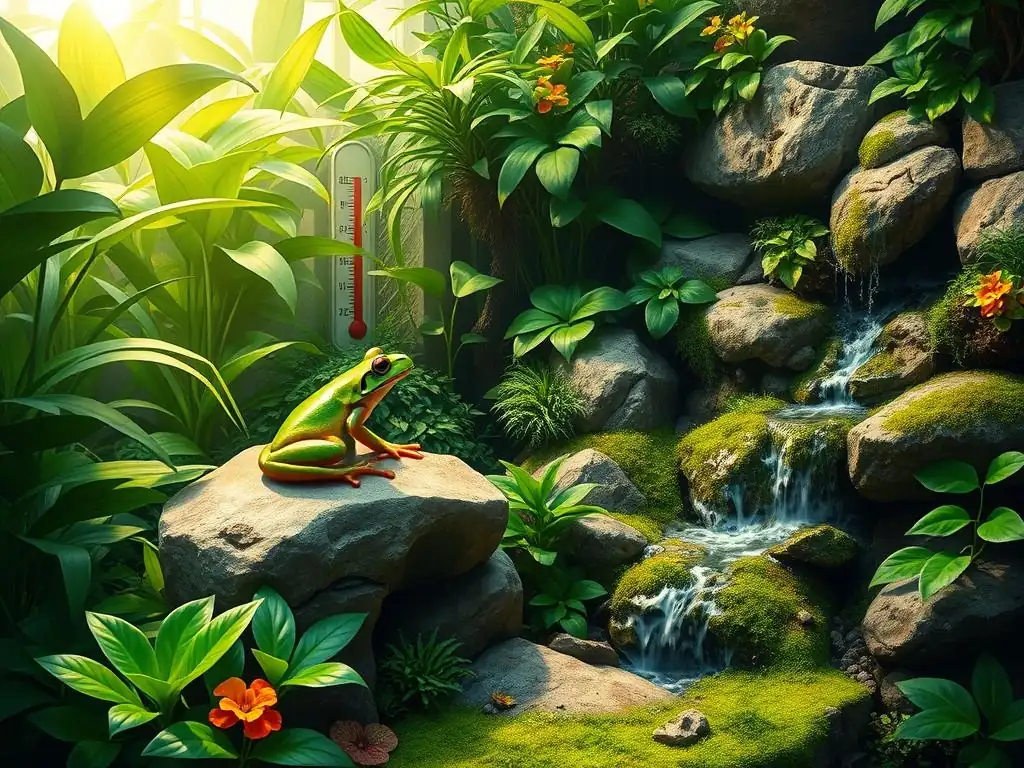
Welcome to PetCareWorld, your ultimate guide to a happier, healthier life for your beloved companions! Are you ready to unlock the secrets to creating the perfect environment for your scaly friend? Our comprehensive reptile heat gradient setup guide will walk you through everything you need to know to establish a thriving habitat, ensuring your reptile thrives in a natural and stimulating space. Dive in and discover the key elements for a successful setup – your reptile's well-being starts here!
- Understanding the Importance of a Reptile Heat Gradient
- Essential Equipment for Creating a Reptile Heat Gradient
- Creating the Ideal Heat Gradient: A Step-by-Step Guide
- Maintaining the Heat Gradient: Ongoing Care and Monitoring
- Advanced Techniques for Reptile Heat Gradient Enhancement
- Recommended Products for Reptile Heat Gradient Setup
- Conclusion: Ensuring Your Reptile's Thrive with a Perfect Heat Gradient
-
Frequently Asked Questions
- What is a heat gradient, and why is it important for my reptile?
- How do I create a heat gradient in my reptile's enclosure?
- What temperature range should I aim for in my reptile's heat gradient?
- What are some common mistakes to avoid when setting up a heat gradient?
- What kind of thermometer should I use to monitor my reptile's heat gradient?
- Final Reflection: The Enduring Importance of a Natural Habitat
- Unleash Your Reptile's Inner Explorer: Create the Perfect Habitat!
Understanding the Importance of a Reptile Heat Gradient
Maintaining the proper temperature is paramount for the health and well-being of your reptile. Unlike mammals and birds, reptiles are ectothermic, meaning they rely on external sources of heat to regulate their body temperature. This regulation is not simply about achieving a single ideal temperature, but rather about creating a thermal gradient – a range of temperatures within their enclosure.
This article, your comprehensive guide to reptile heat gradient setup, will explore the crucial role of thermal gradients, common setup mistakes to avoid, and the significant impact of incorrect temperatures on your reptile's behavior and overall health. Understanding and implementing a correctly functioning heat gradient is essential for responsible reptile ownership and contributes significantly to your pet's longevity and quality of life.
We'll delve into the specifics of creating a natural and healthy environment for your scaly companion, ensuring they thrive under your care. This guide will equip you with the knowledge to set up a safe and stimulating thermal environment for your reptile, addressing the needs of various species and enclosure types.
Why Temperature Gradients are Crucial for Reptile Health
Reptiles require a temperature gradient to perform crucial bodily functions. A properly established gradient allows your reptile to thermoregulate effectively. This means they can move within their enclosure to select the temperature best suited to their current needs. For instance, a basking spot provides a higher temperature ideal for digestion and other metabolic processes. Cooler areas allow them to regulate their body temperature after prolonged exposure to higher temperatures, preventing overheating. Failure to provide this temperature variation can lead to various health problems, including:
- Poor Digestion: Inconsistent temperatures can significantly impair digestion, leading to constipation, impacted fecal matter, and other digestive issues.
- Weakened Immune System: Constant exposure to suboptimal temperatures can suppress the immune system, making your reptile more susceptible to infections and diseases.
- Metabolic Bone Disease (MBD): Insufficient basking temperatures can hinder calcium absorption, resulting in MBD, a severe and often fatal condition.
- Dehydration: Improper temperature regulation can lead to dehydration, particularly if the reptile is unable to find a suitable spot to warm up and become active enough to drink.
The ideal temperature gradient varies depending on the species. For example, a desert tortoise will require a much higher basking temperature than a rainforest dwelling gecko. Researching the specific needs of your reptile is crucial before setting up the heat gradient. Accurate thermometers are essential for monitoring and maintaining the correct temperature range. Remember, consistency is key; sudden temperature fluctuations can be highly stressful for your reptile.
Avoiding Common Mistakes in Reptile Heat Gradient Setup
Setting up a correct heat gradient requires careful planning and execution. Many common mistakes can compromise your reptile's health and well-being. Here are some pitfalls to avoid:
- Insufficient Basking Spot Temperature: Failing to provide a sufficiently warm basking spot is a common error. This is often due to using an underpowered heat source or poor placement of the heat source. 🌡️
- Uneven Heat Distribution: An unevenly distributed heat source creates "hot spots" and cold areas, limiting the reptile's ability to effectively thermoregulate.
- Incorrect Thermometer Placement: Thermometers should be placed at the basking spot and in the coolest area of the enclosure to accurately monitor the temperature gradient. Incorrect placement can lead to misleading readings.
- Overheating: While a warm basking spot is essential, overheating can be just as detrimental as insufficient heat. Monitor temperatures carefully and adjust the heat source as needed. 🔥
- Neglecting Humidity: Humidity plays a crucial role in reptile health and should be carefully managed in conjunction with temperature. High humidity can lead to fungal infections, while low humidity can cause dehydration. 💧
Careful attention to these details will greatly increase the chances of creating a successful and healthy environment for your reptile. Regular monitoring and adjustments are crucial to maintain the ideal temperature gradient.
The Impact of Incorrect Temperatures on Reptile Behavior and Wellbeing
Incorrect temperatures significantly impact reptile behavior and overall well-being. Reptiles exhibiting signs of illness often show behavioral changes as a result of inadequate thermoregulation. These changes can include:
- Lethargy and Inactivity: Reptiles unable to maintain their optimal body temperature may become lethargic and inactive, spending most of their time hiding in the coolest parts of their enclosure. 😴
- Anorexia: Poor digestion due to incorrect temperatures often manifests as a loss of appetite. This can lead to weight loss and further health complications.
- Abnormal Shedding: Difficulty shedding skin is often a sign of underlying health problems, including those related to temperature regulation. Incomplete or retained shed can lead to infections.
- Aggression or Unusual Behavior: Stress caused by thermal discomfort can manifest as increased aggression or unusual behavioral patterns.
Observing your reptile's behavior is crucial for identifying potential problems with the heat gradient. Any deviation from normal behavior warrants careful investigation and adjustment of the enclosure's temperature. A healthy, happy reptile is an active and alert reptile, able to move freely between different temperature zones within its enclosure. Remember, providing the correct heat gradient is not just about survival; it's about ensuring your reptile thrives and enjoys a long, healthy life.
Essential Equipment for Creating a Reptile Heat Gradient
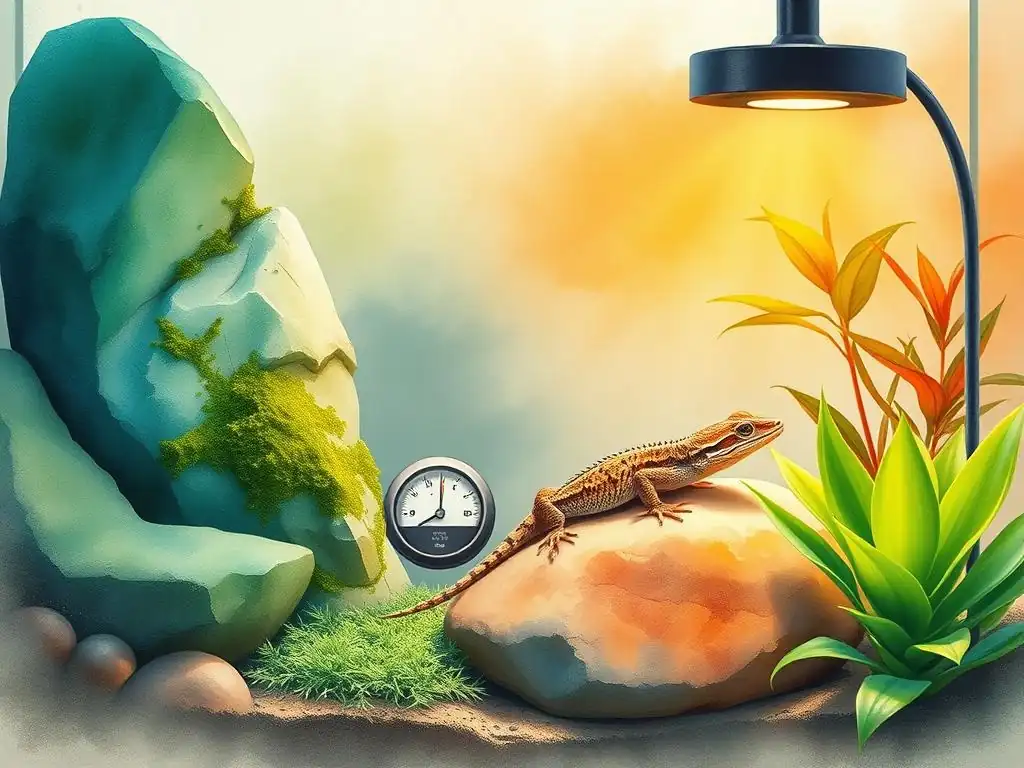
This section delves into the crucial equipment needed to establish and maintain a successful reptile heat gradient. A properly functioning heat gradient is paramount for your reptile's health and well-being, allowing them to thermoregulate effectively. Choosing the right equipment, and understanding how to use it safely, is key to providing optimal care.
Incorrect setup can lead to overheating, burns, or even death, so careful consideration and planning are vital. This guide focuses on providing you with the knowledge to create a safe and natural environment for your scaled companion. We'll explore the essential components and highlight safety precautions to ensure your reptile thrives.
Choosing the Right Heat Lamps for Your Reptile Species: Ceramic Heat Emitters vs. Basking Bulbs
Selecting the appropriate heat lamp is crucial for achieving the desired heat gradient. Two primary types dominate the market: ceramic heat emitters (CHEs) and basking bulbs. The best choice depends heavily on your reptile's specific needs and your setup.
CHEs produce heat without emitting visible light, making them ideal for nocturnal species or situations where you want to maintain warmth without disturbing the reptile's natural sleep cycle. They are also generally considered longer-lasting than basking bulbs. However, CHEs can be more expensive initially.
Basking bulbs, on the other hand, emit both heat and light, mimicking the natural basking spots found in a reptile's natural habitat. They're often preferred for diurnal species that require both warmth and UVB light for proper vitamin D3 synthesis. The downside is that they have a shorter lifespan and can be more energy-intensive.
Zoo Med ReptiSun 5.0 UVB Lamp Review
While not strictly a heat lamp, the Zoo Med ReptiSun 5.0 UVB lamp is essential for many reptile species. UVB radiation is vital for calcium absorption and overall health. This particular lamp is praised for its consistent UVB output and relatively long lifespan. However, remember that even with a high-quality UVB lamp, regular replacement is crucial, as UVB output diminishes over time. Always check the manufacturer's recommendations for replacement frequency. Consider the lamp's placement to ensure even UVB distribution across the enclosure. Proper UVB is crucial for a healthy reptile heat gradient setup.
Exo Terra Night Heat Lamp Analysis
The Exo Terra Night Heat Lamp is a popular choice for providing supplemental heat during nighttime hours for nocturnal or crepuscular species. It emits infrared heat, which is invisible to the reptile, allowing for undisturbed rest. However, it's crucial to monitor the temperature carefully to prevent overheating, as even a seemingly small increase in ambient temperature can have significant consequences for some species. Always use a reliable thermometer to monitor temperature gradients regularly.
Utilizing Heat Rocks and Under-Tank Heaters Safely and Effectively
Heat rocks and under-tank heaters (UTHs) offer alternative methods for providing heat, but require careful consideration due to potential burn risks. Heat rocks, in particular, carry a high risk of burns if not used correctly. Many reptile experts advise against their use altogether. They tend to create localized hotspots that the reptile may not be able to avoid, leading to severe burns.
UTHs, while safer than heat rocks when used properly, still require careful monitoring. They should be placed under the substrate, never directly in contact with it, to prevent overheating and burns. Furthermore, the correct wattage UTH for your enclosure size is crucial. Too high a wattage can lead to overheating, while too low a wattage will be insufficient to maintain the desired temperature gradient. Always use a thermostat with your UTH to regulate temperature and prevent overheating.
Under Tank Heater Safety Precautions
- Never use a UTH without a thermostat: This is the single most important safety precaution. A thermostat prevents the UTH from overheating and causing a fire or burning your reptile.
- Ensure proper substrate depth: The substrate needs to be sufficiently deep to distribute heat evenly and prevent localized hotspots.
- Monitor temperature regularly: Use multiple thermometers placed at various points in the enclosure to ensure the correct temperature gradient is maintained.
- Choose the correct wattage: Select a UTH with wattage appropriate for your enclosure size and the desired temperature.
- Inspect the UTH regularly: Check for any signs of damage or wear and replace it immediately if necessary. A faulty UTH can pose a serious fire hazard.
Remember, creating a proper reptile heat gradient is a continuous process requiring careful monitoring and adjustment. The information provided here serves as a guide, and specific requirements will vary depending on your reptile species and individual needs. Always consult with a veterinarian or experienced reptile keeper for species-specific advice. A well-maintained heat gradient is key to a happy and healthy reptile. 🦎
Selecting the Appropriate Thermostat for Precise Temperature Control
Maintaining the correct temperature gradient in your reptile enclosure is crucial for your reptile's health and well-being. A thermostat is not merely a luxury; it's an essential piece of equipment for responsible reptile keeping. Without precise temperature control, you risk overheating or underheating your reptile, leading to stress, illness, and even death. The type of thermostat you choose will depend on several factors, including the size of your enclosure, the type of heating element you're using (e.g., ceramic heat emitter, heat lamp, under-tank heater), and the specific needs of your reptile species.
Consider the following when selecting a thermostat:
- Digital vs. Analog: Digital thermostats offer greater precision and accuracy, displaying the current temperature and allowing for precise setting adjustments. Analog thermostats are simpler and often less expensive, but may not be as reliable for maintaining consistent temperatures. For a reptile heat gradient setup guide, a digital thermostat is highly recommended for its superior accuracy in controlling the temperature zones within the enclosure.
- Temperature Range: Ensure the thermostat's temperature range accommodates the needs of your reptile species. Different reptiles have vastly different temperature requirements. A thermostat that only goes up to 90°F might be inadequate for a desert species, while one with a maximum temperature of 120°F may be excessive for a tropical species. Always research your reptile's specific thermal preferences.
- Probe Type: The probe is the sensor that measures the enclosure's temperature. Consider the type of probe and its placement within the enclosure. Some thermostats use surface probes, which are placed on the enclosure's surface, while others use air probes that measure the ambient air temperature. The best choice often depends on the heating element and the desired location of the temperature gradient's hot and cool zones.
- Heating Element Compatibility: Different thermostats are compatible with different heating elements. Ensure the thermostat you choose is compatible with the specific type of heating element you plan to use. Check the manufacturer's specifications to avoid incompatibility issues. Improper pairings can lead to malfunction or even fire hazards.
Choosing the right thermostat is an investment in your reptile's health. Don't skimp on quality; a reliable thermostat is a crucial component of a successful reptile heat gradient setup. Remember, slight temperature fluctuations are natural within a gradient, but a reliable thermostat will minimize extreme temperature swings.
Thermostat Review and Setup Guide
Selecting the right thermostat is only half the battle; proper setup and regular maintenance are equally important for maintaining a consistent and safe heat gradient. Let's delve into a step-by-step guide for setting up your chosen thermostat. The specific steps may vary slightly depending on the brand and model of your thermostat, so always refer to the manufacturer's instructions. However, the general principles remain consistent.
Step 1: Understanding Your Thermostat's Components: Before you begin, familiarize yourself with all the components of your thermostat, including the display, control buttons, probe, and power cord. Locate the temperature setting dials or buttons, and understand how to adjust the high and low temperature set points.
Step 2: Placing the Probe: The placement of the probe is critical. For creating a heat gradient, you might use multiple probes and thermostats, each controlling a different heating element in a different zone of the enclosure. Typically, the probe should be placed in the hot zone of the enclosure (where the reptile will bask) to monitor and maintain the maximum temperature. However, some species require multiple temperature zones, and each zone will need its own thermostat and probe.
Step 3: Connecting the Heating Element: Connect the heating element to the thermostat according to the manufacturer's instructions. Ensure all connections are secure to prevent overheating or malfunctions.
Step 4: Setting the Temperature: Set the desired temperature for the hot zone based on your reptile's species-specific requirements. Remember, a heat gradient requires a range of temperatures, so you'll need to establish a cooler zone as well, often naturally occurring through ambient temperature or strategic placement of cool hides.
Step 5: Testing and Calibration: After setup, carefully monitor the temperature in the enclosure using a separate thermometer to ensure the thermostat is functioning correctly. Many thermostats allow for calibration to adjust for minor discrepancies between the thermostat's reading and the actual temperature.
Step 6: Regular Maintenance: Regularly inspect the thermostat and probe for any signs of damage or malfunction. Clean the probe regularly to ensure accurate readings. Replacing the thermostat and probe every few years is a good preventative measure.
Remember that maintaining a proper reptile heat gradient is a continuous process. Regular monitoring and adjustments are crucial to ensure your reptile's safety and well-being. This detailed guide, combined with careful observation of your reptile, will help you create a thriving and healthy environment.
Creating the Ideal Heat Gradient: A Step-by-Step Guide
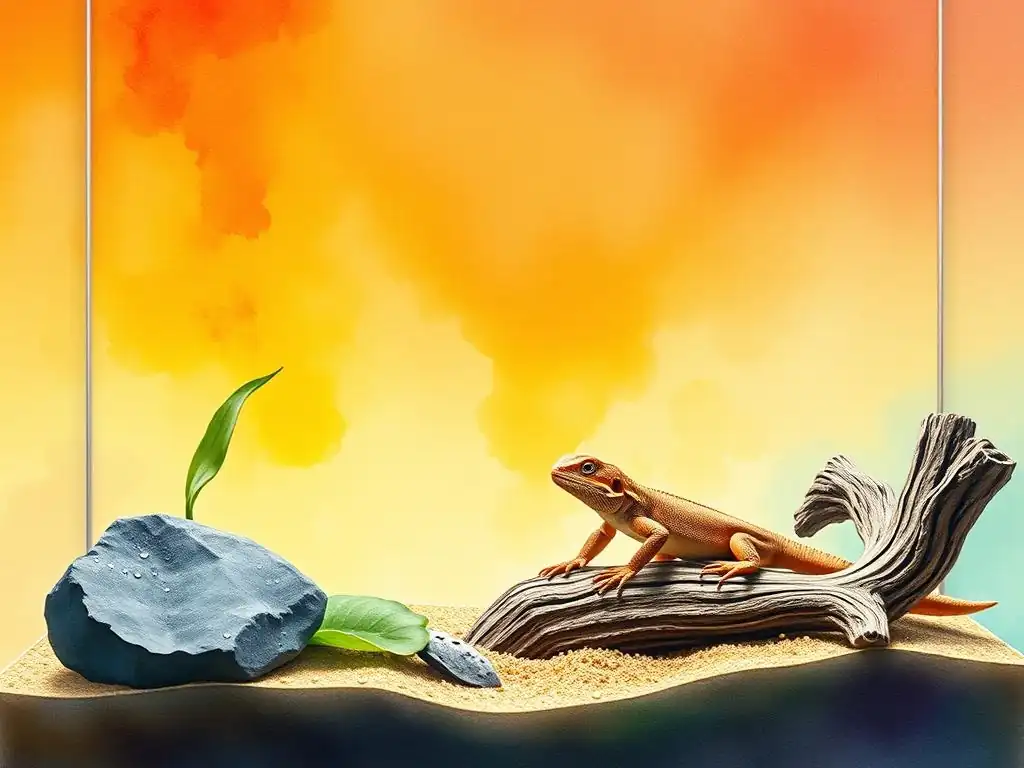
This section provides a detailed, step-by-step guide to setting up a reptile heat gradient, crucial for the health and well-being of your scaly companion. A correctly implemented heat gradient mimics the natural environment of reptiles, allowing them to thermoregulate effectively – a critical aspect of their health. Understanding how to achieve this is paramount for responsible reptile ownership. This guide focuses on practical applications and considerations, building upon fundamental knowledge of reptile thermoregulation. We'll explore different methods, species-specific needs, and troubleshooting common issues. Remember, always prioritize your reptile's safety and comfort.
Measuring and Monitoring Temperatures in Your Reptile Enclosure
Accurate temperature measurement is the cornerstone of a successful heat gradient. Using multiple thermometers is essential to ensure you're capturing the full range of temperatures within the enclosure. We recommend at least three thermometers: one at the coolest end, one in the center, and one at the warmest basking spot. Digital thermometers with probes are ideal, as they provide precise readings and can be placed directly on the substrate or affixed to the enclosure walls. Consider using infrared thermometers for spot checks to verify the accuracy of your probes.
It's crucial to monitor temperatures throughout the day and night, as fluctuations can significantly impact your reptile's health. Record your readings regularly to track trends and identify any inconsistencies. Consider using a data logger to automatically record temperatures over time. This provides a comprehensive record of temperature patterns, invaluable for pinpointing issues and ensuring consistent conditions. Remember that the desired temperature range varies greatly depending on the species of reptile.
For example, a desert tortoise will require significantly higher temperatures than a leopard gecko. Always research the specific needs of your reptile species. Failure to maintain appropriate temperatures can lead to various health problems, including metabolic bone disease, respiratory infections, and even death. Therefore, precise and consistent monitoring is non-negotiable.
The type of thermometer you choose is also important. While inexpensive mercury thermometers might seem sufficient at first glance, they can be easily broken and pose a safety risk. Digital thermometers, on the other hand, are safer, more accurate, and often come with features like minimum/maximum temperature recording and alarms to alert you to extreme temperature fluctuations. Investing in high-quality thermometers is a small price to pay for the health and well-being of your reptile. Don't forget to regularly calibrate your thermometers to ensure accuracy.
Positioning Heat Sources for Optimal Heat Distribution
The placement of heat sources is vital in creating a smooth, effective heat gradient within the enclosure. Avoid placing heat sources directly on the substrate as this can create localized hot spots and burn your reptile. Instead, utilize heat lamps, heat mats, or under-tank heaters strategically positioned to create the desired temperature differential between the warm and cool sides.
The choice of heat source depends on the species and the type of enclosure. For example, arboreal species might benefit more from overhead heat lamps, while terrestrial species may thrive with under-tank heaters. Remember to always maintain a safe distance between the heat source and your reptile to prevent burns.
The ideal gradient should be gradual, not abrupt. A sudden temperature change can be stressful for your reptile and hinder its ability to thermoregulate effectively. Experiment with the positioning of your heat sources, monitoring temperatures carefully, until you achieve a gradual temperature decline from the basking spot to the cool end. This might involve adjusting the distance of the heat lamp, the wattage of the bulb, or the placement of the heat mat.
Regular monitoring and adjustments are key to maintaining the optimal heat gradient. Consider using a thermostat to regulate the temperature of your heat source automatically, ensuring consistent temperatures throughout the day and night. This minimizes the risk of overheating or chilling.
Placement Strategies for Different Reptile Species
Different reptile species have different thermal requirements. Consequently, the optimal heat gradient setup varies significantly between species. For instance, desert-dwelling reptiles like bearded dragons need a much steeper gradient with significantly higher basking spot temperatures compared to rainforest-dwelling species like dart frogs, which prefer a more moderate gradient.
- Desert Species (e.g., Bearded Dragons, Leopard Geckos): These reptiles require a significant temperature gradient with a very warm basking spot (often 100-110°F or higher) and a cooler side (75-85°F). Heat lamps are often the primary heat source, positioned above one end of the enclosure.
- Tropical/Rainforest Species (e.g., Green Tree Boas, Crested Geckos): These species require a more moderate temperature gradient with a warmer side (80-90°F) and a cooler side (70-80°F). A combination of under-tank heaters and overhead heat lamps might be used to achieve the desired temperature range.
- Semi-Arboreal Species (e.g., Corn Snakes, Ball Pythons): These species often benefit from a combination of under-tank heating and overhead heat lamps, creating a gradient that allows them to choose their preferred temperature zone.
Remember to always consult reliable sources that provide species-specific information. Incorrect temperature gradients can lead to serious health problems, including metabolic bone disease, reduced immunity, and stress. Providing a proper heat gradient is a crucial aspect of responsible reptile keeping. Careful planning, monitoring, and adjustments are essential to ensure your reptile thrives in its environment. Consider consulting with a reptile veterinarian for species-specific advice.
Using Multiple Heat Sources to Achieve a Consistent Gradient
Achieving a stable and effective reptile heat gradient requires more than a single heat source. A single heat source, even a powerful one, often results in localized hot spots and significant temperature discrepancies across the enclosure. To create a truly natural and beneficial gradient, you should employ multiple heat sources strategically placed within the terrarium. This approach provides your reptile with a wider range of temperature choices, allowing for optimal thermoregulation.
For example, a combination of an under-tank heater (UTH) and a ceramic heat emitter (CHE) is often recommended. The UTH provides a gentle, radiant heat from below, warming the substrate and creating a basal heat source. The CHE, positioned above one end of the enclosure, provides a localized area of higher temperatures. The interplay of these two sources creates a gradual temperature decline from the warmer end to the cooler end.
The specific placement and wattage of each heat source will depend on the size of the enclosure, the species of reptile, and the ambient room temperature. Careful monitoring with multiple thermometers is crucial to ensure the gradient is correctly established and maintained. Remember, the goal is a smooth transition, not abrupt temperature changes.
Experimentation and observation are key to perfecting this setup for your specific reptile and enclosure. Overly abrupt changes can be stressful and even harmful to your reptile. Always prioritize a gradual, even transition between temperature zones.
Utilizing Hiding Places to Allow for Thermoregulation
Providing ample hiding places within your reptile's enclosure is just as crucial as establishing the heat gradient itself. These hides offer your reptile the opportunity to actively thermoregulate, moving between warmer and cooler areas as needed to maintain their optimal body temperature. The availability of appropriate hides significantly enhances their well-being and reduces stress.
Consider offering a variety of hides with differing levels of warmth. For instance, a hide placed directly above the UTH will provide a warmer basking spot, while a hide situated on the cooler side of the enclosure will allow for cooling down. The materials used for the hides also play a role.
Natural materials like cork bark, wood, or slate offer additional benefits, providing a textured surface for scratching and climbing, enriching the overall environment. Remember, the size and number of hides should be appropriate for the size and species of your reptile; a larger reptile will need larger hides. Overcrowding hides can lead to competition and stress, negating the positive effects.
Observe your reptile's behavior to ensure they are using the hides effectively and adjusting their location within the enclosure to maintain their preferred temperature. This observation will help you fine-tune the gradient and hiding place arrangement for optimal thermoregulation and overall health. Offering diverse choices empowers your reptile to regulate its body temperature naturally.
Maintaining the Heat Gradient: Ongoing Care and Monitoring
Creating the initial reptile heat gradient is only the first step. Maintaining it consistently over time requires vigilance and regular adjustments. This section focuses on the ongoing care and monitoring needed to ensure your reptile thrives in its environment. Consistent monitoring is crucial for the long-term health and well-being of your reptile, contributing to a successful reptile heat gradient setup.
Regular Temperature Checks and Adjustments
Regular temperature checks are paramount for maintaining a safe and effective reptile heat gradient. Neglecting this can lead to thermal stress, impacting your reptile's health and potentially causing serious illness or death. Aim to check the temperature at least twice daily, once in the morning and once in the evening, using accurate digital thermometers. Place thermometers in multiple locations within the enclosure, including the basking spot, the cool side, and the mid-range area. Record your readings in a logbook or digital spreadsheet to track temperature fluctuations and identify potential issues.
This consistent monitoring allows you to promptly address any deviations from the ideal temperature range for your specific reptile species. For example, a bearded dragon might require a basking spot temperature between 95-105°F (35-40°C), while the cool side should remain around 75-85°F (24-29°C). If you notice the temperature drifting outside of these ranges, you need to adjust your heat sources accordingly.
This might involve increasing or decreasing the wattage of your heat lamp, adjusting the distance of the lamp from the basking spot, or modifying the thermostat settings. Remember, even slight variations can significantly impact your reptile’s comfort and health.
Monitoring Your Reptile's Behavior for Signs of Thermal Stress
While accurate temperature readings are essential, observing your reptile's behavior is equally important for detecting thermal stress. Reptiles cannot regulate their body temperature as efficiently as mammals; therefore, behavioral cues often indicate thermal discomfort before significant physiological changes occur. Regular observation allows for early intervention, preventing potentially serious health problems.
Signs of overheating include:
- Lethargy and inactivity
- Panting or gaping mouth
- Seeking refuge in the coolest part of the enclosure
- Reddened skin
- Loss of appetite
Conversely, signs of being too cold include:
- Clustering near the heat source
- Difficulty moving or sluggishness
- Lack of appetite or decreased feeding
- Pale or dull skin
If you observe any of these behaviors, immediately check your temperature readings and adjust the heat sources as needed. Consider consulting a reptile veterinarian if symptoms persist or worsen. Your reptile's behavior provides valuable insight into the effectiveness of your reptile heat gradient setup and helps you fine-tune the environment for optimal well-being. Proactive monitoring is a key component of responsible reptile care.
Adjusting Heat Sources Based on Seasonal Changes and Reptile Growth
Maintaining a consistent heat gradient isn't just about daily adjustments; it also requires adapting to seasonal changes and the growth stages of your reptile. As ambient temperatures fluctuate throughout the year, you'll need to modify your heating system to compensate. During colder months, you might need to increase the wattage of your heat lamps or add supplementary heat sources. Conversely, during warmer months, you might need to reduce heating output to prevent overheating.
Furthermore, as your reptile grows, its thermal requirements may change. Younger reptiles often require slightly higher temperatures than adults. This is because their smaller size means they lose heat more quickly. Monitor your reptile's growth and adjust the heat gradient accordingly, ensuring the basking spot remains within the appropriate temperature range for its age and size.
Remember, maintaining the correct temperature gradient is a dynamic process that requires ongoing attention and adjustments throughout your reptile's life. This ensures your reptile's comfort and promotes optimal health and longevity. Regularly reassessing your reptile heat gradient setup guide will improve the overall health of your pet.
Troubleshooting Common Heat Gradient Problems: Hot Spots and Cold Spots
Maintaining a consistent and safe heat gradient requires vigilance. Even with careful initial setup, hot spots and cold spots can develop over time due to various factors. Identifying and addressing these issues promptly is crucial for your reptile's health and well-being. A reptile kept consistently in a hot spot may experience dehydration, lethargy, and even organ damage. Conversely, a reptile consistently in a cold spot might become lethargic, refuse food, and be prone to respiratory infections.
One common cause of hot spots is malfunctioning heating devices. A faulty thermostat, for instance, might overheat a basking area, creating a dangerously high temperature zone. Regularly check your thermostat's accuracy using a separate thermometer to ensure it's maintaining the desired temperature range. Similarly, damaged heating elements, such as cracked heat lamps or malfunctioning heat mats, can lead to localized overheating. Regularly inspect your heating equipment for any signs of wear and tear and replace them immediately if necessary. Remember to always follow the manufacturer's instructions for safe and proper use.
Cold spots, on the other hand, often arise from inadequate insulation or poor heat distribution. Insufficient substrate depth can lead to heat loss, especially in terrariums with glass or other poor insulating materials. Consider adding more substrate to ensure proper heat retention. Similarly, air currents from vents or open windows can drastically cool down specific areas of the enclosure. Strategically positioning the enclosure away from drafts is vital. Adding additional layers of insulation to the enclosure walls can help maintain a more consistent temperature.
Another factor contributing to both hot and cold spots is the size and type of heating equipment. An underpowered heat lamp, for example, might not adequately heat the entire enclosure, leading to cold spots. Conversely, an overly powerful heat lamp might create excessively hot localized areas. Choosing the right size and type of heating equipment for your reptile's species and enclosure size is paramount. Consult reptile-specific care guides or experienced reptile keepers to ensure appropriate heating solutions.
Finally, remember that substrate type can also influence heat distribution. Some substrates retain heat better than others. If you notice inconsistencies in your heat gradient despite having appropriate heating equipment, consider switching to a substrate that better retains heat. For example, reptile carpet generally retains heat better than loose substrates like sand or coconut fiber.
Careful observation and adjustment are key to maintaining a safe and healthy heat gradient for your reptile companion. Regular temperature monitoring with multiple thermometers placed throughout the enclosure is essential for detecting and correcting any issues before they become serious problems. This proactive approach is crucial for ensuring your reptile's long-term health and happiness.
Advanced Techniques for Reptile Heat Gradient Enhancement
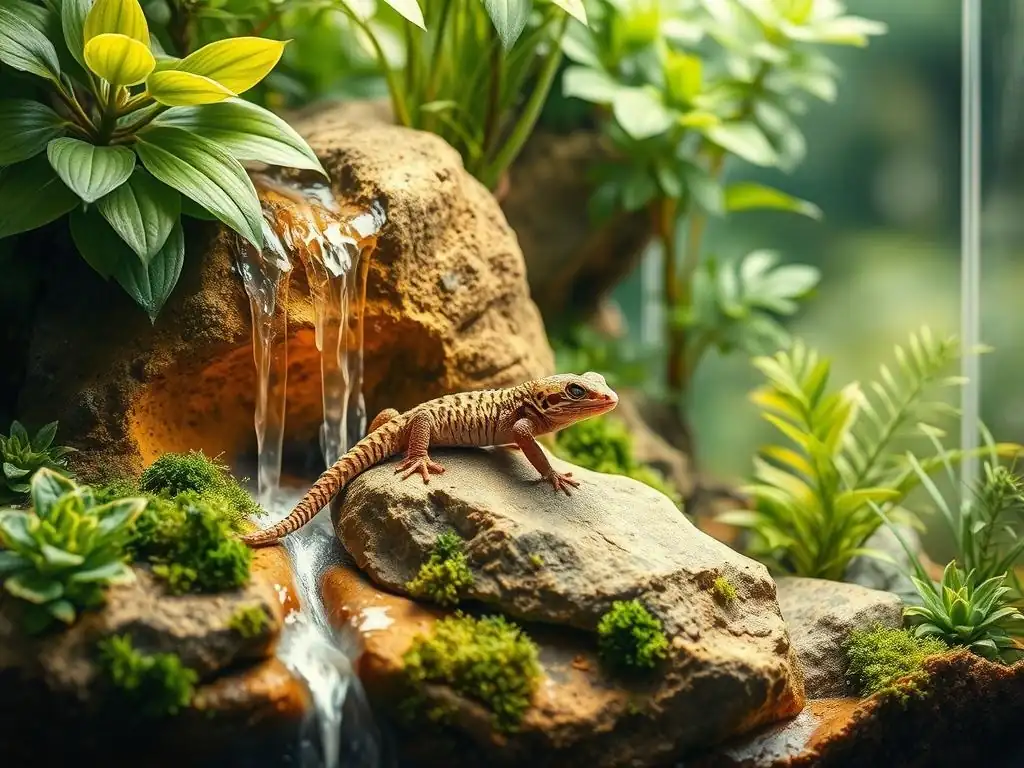
This section delves into more sophisticated methods for refining your reptile's heat gradient, moving beyond the basics to achieve optimal thermal control and environmental stability. Precise temperature and humidity regulation is crucial for the health and well-being of your reptile, ensuring they can thermoregulate effectively and thrive in their enclosure. Mastering these techniques will significantly improve your reptile's quality of life and minimize the risk of health problems associated with improper temperature regulation. This guide focuses on enhancing your reptile heat gradient setup, offering a more advanced understanding of the process.
Utilizing Digital Thermometers and Hygrometers for Accurate Readings
Accurate monitoring is paramount when establishing and maintaining a successful reptile heat gradient. While simple analog thermometers can provide a general indication, digital thermometers and hygrometers offer far greater precision and reliability. These devices provide real-time readings of both temperature and humidity at multiple points within the enclosure, allowing for fine-tuning of heat sources and ventilation.
Consider placing digital thermometers at the hottest, coolest, and intermediate points within the enclosure. This provides a comprehensive picture of the temperature gradient. Similarly, strategically placed hygrometers ensure that humidity levels remain within the appropriate range for your specific reptile species. Data loggers can be incredibly beneficial; these devices record temperature and humidity over extended periods, providing valuable data for long-term monitoring and analysis.
This detailed record helps to identify any trends or fluctuations that might indicate a need for adjustments to your heating and ventilation systems. Investing in high-quality digital monitoring equipment is a worthwhile investment for ensuring your reptile's health and well-being. Accurate readings allow for proactive adjustments, preventing issues before they become serious health concerns for your scaled companion. Remember to regularly calibrate your equipment to guarantee accuracy.
The Importance of Proper Ventilation in Maintaining a Stable Heat Gradient
Proper ventilation is often overlooked but plays a crucial role in maintaining a stable and healthy heat gradient. Without adequate airflow, heat can become trapped in pockets, creating localized hot spots that are dangerous to your reptile. Conversely, insufficient ventilation can lead to excessively high humidity, promoting the growth of harmful bacteria and mold. The goal is to create a gentle air circulation that prevents stagnation while still maintaining the desired temperature and humidity levels.
Several strategies can enhance ventilation. Firstly, ensure your enclosure has sufficient ventilation openings, strategically placed to promote even airflow. Avoid placing heat sources directly beneath ventilation openings, as this can create strong drafts that disrupt the gradient. Secondly, consider using fans to gently circulate air within the enclosure. However, avoid creating strong, direct airflow onto your reptile.
Thirdly, regular cleaning of the enclosure is essential to remove accumulated debris that can impede airflow and reduce ventilation efficiency. Finally, the type of enclosure material can also influence ventilation; enclosures made from materials with better air permeability generally offer better ventilation than those made from solid materials. Always research the specific ventilation requirements for your reptile species to ensure that you are providing the optimal environment. Remember, a properly ventilated enclosure is essential for preventing health problems and maintaining a consistent heat gradient.
Substrate Selection and its Impact on Heat Distribution
The substrate you choose for your reptile's enclosure can significantly impact heat distribution and overall thermal regulation. Different substrates have varying thermal properties; some retain heat more effectively than others. The choice of substrate is therefore crucial in influencing the overall heat gradient within the enclosure.
For instance, substrates like sand or soil tend to retain heat more effectively than paper towels or reptile carpet. This can be beneficial for creating a warmer basking spot, but it's crucial to monitor temperatures closely to prevent overheating. Conversely, substrates that retain less heat might require more frequent adjustments to your heat source to maintain the desired gradient.
Furthermore, the depth of the substrate can also influence heat distribution; a deeper substrate will generally retain more heat. Consider the thermal properties and heat retention of your chosen substrate when setting up your heat gradient. Always research the ideal substrate for your specific reptile species, considering factors like humidity requirements and burrowing behavior.
The right substrate contributes to a more natural and thermally stable environment for your reptile, improving their overall well-being. Remember to choose a substrate that is safe, clean, and appropriate for your reptile's specific needs. Always monitor temperatures carefully, regardless of the substrate you choose.
Creating a Natural Habitat with Realistic Temperature Variations
Creating a truly thriving environment for your reptile goes beyond simply providing a heat source. It's about mimicking the natural temperature fluctuations your reptile would experience in its native habitat. Wild reptiles don't experience a perfectly uniform temperature; instead, they bask in warm areas to regulate their body temperature and retreat to cooler spots when they need to cool down. This natural variation is crucial for their health, digestion, and overall well-being.
A properly established heat gradient allows your reptile to thermoregulate effectively, preventing overheating or chilling, both of which can lead to serious health problems. Think of it as offering your reptile a "temperature buffet"—a range of options to choose from based on its individual needs at any given time. This is far superior to maintaining a single, static temperature throughout the enclosure.
For example, a desert tortoise might require a basking area reaching 100-105°F (38-41°C), while the cool side of the enclosure stays around 75-80°F (24-27°C). This significant difference allows the tortoise to actively manage its body temperature throughout the day. Similarly, a leopard gecko might need a basking spot of 90-95°F (32-35°C) with a cool side in the low 70s (°F). Remember to research the specific needs of your reptile species, as temperature requirements vary greatly.
Incorrect temperature ranges can lead to metabolic bone disease (MBD) in some species, impacting bone development and overall health. Providing this natural temperature variation is a fundamental aspect of responsible reptile care and contributes significantly to a longer, healthier life for your pet. The careful creation of this gradient is key to successful reptile keeping.
Consider the substrate you use, as it can also influence temperature distribution. Some substrates retain heat better than others. This aspect is particularly important if you're using under-tank heaters (UTHs), as the heat distribution will be affected by the substrate's thermal conductivity. Experimenting with different substrate types and placement might be necessary to achieve the desired temperature gradient.
For instance, using a combination of sand and rocks can create pockets of warmth and cooler areas, enriching the gradient further. Remember, the goal is to create a natural and varied thermal landscape, not just a simple warm and cool zone. The more nuanced the gradient, the better the overall environment for your reptile. Regular monitoring with multiple thermometers placed strategically throughout the enclosure is essential to ensure the gradient is maintained correctly and adjusted as needed.
Recommended Products for Reptile Heat Gradient Setup
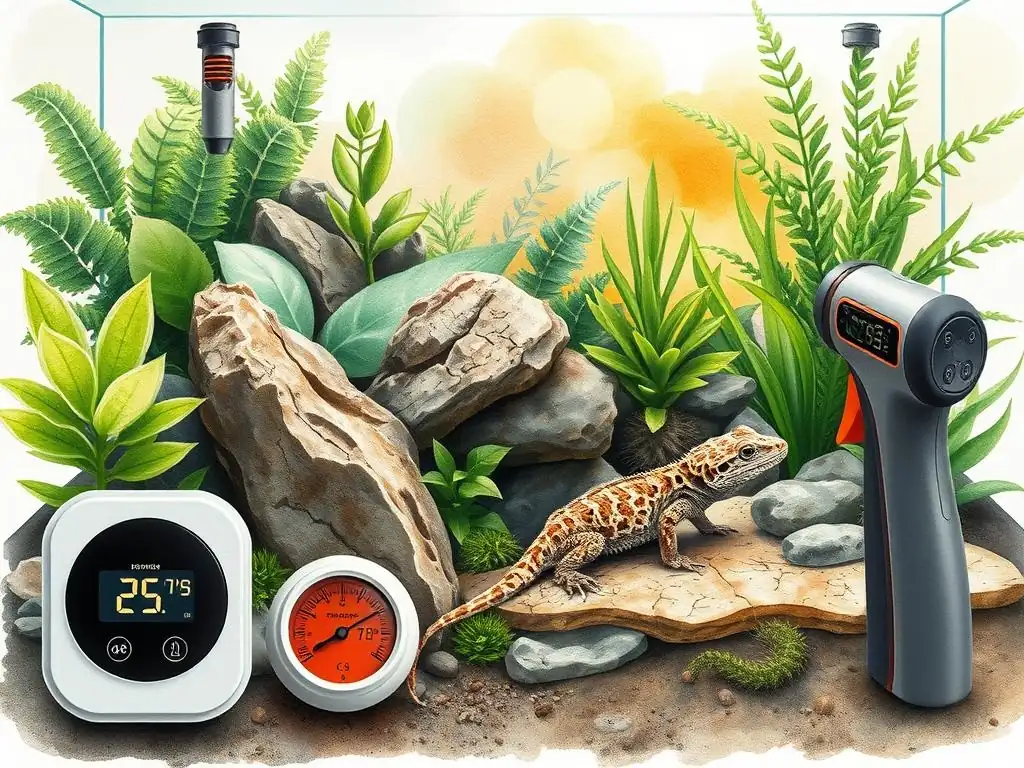
This section provides a curated list of recommended products to help you achieve the perfect reptile heat gradient setup. Remember, choosing the right equipment is crucial for your reptile's health and well-being. A well-maintained heat gradient minimizes stress and allows your reptile to thermoregulate effectively, a vital aspect of their overall health. This guide focuses on quality and reliability, offering a range of options to suit different budgets and reptile species. Always research the specific heating needs of your reptile species before making a purchase.
Top 5 Heat Lamps for Reptiles in 2024
Selecting the right heat lamp is paramount for creating a successful heat gradient. The best lamp will depend on your reptile's size, enclosure size, and species-specific needs. Here are five top contenders for 2024, categorized for clarity:
| Rank | Product Name (Example) | Type | Wattage Range | Pros | Cons | Suitable for |
|---|---|---|---|---|---|---|
| 1 | Ceramic Heat Emitter | Ceramic Heat Emitter | 50-150W | No visible light, efficient heat output. | Can be expensive. | Nocturnal reptiles, species sensitive to light |
| 2 | Deep Heat Projector | Deep Heat Projector | 50-100W | Provides focused heat, good for basking. | Requires careful placement. | Most reptiles requiring a basking spot |
| 3 | Halogen Flood Lamp | Halogen Flood Lamp | 50-100W | Bright, efficient, good for basking. | Can be expensive, produces significant heat | Diurnal reptiles requiring bright basking spots |
| 4 | Incandescent Bulb (Example) | Incandescent Bulb | 40-75W | Affordable, readily available. | Inefficient, short lifespan. | Smaller enclosures, temporary solutions |
| 5 | UVB and Heat Combo Lamp (Example) | UVB and Heat Combo Lamp | Varies by model | Combines heating and UVB lighting. | Can be more expensive, requires careful selection | Reptiles requiring both heat and UVB radiation |
Remember to always use a proper lamp fixture designed for the wattage of your chosen bulb to prevent fire hazards. Never leave heat lamps unattended for extended periods.
Best Thermostats for Maintaining Consistent Temperatures
Maintaining a consistent temperature within your reptile's enclosure is crucial. Fluctuations can be detrimental to their health. A quality thermostat ensures the heat source is controlled accurately, preventing overheating or dangerously low temperatures. Here's what to look for:
- Digital Thermostats: Offer precise temperature control and often include features like alarms and automatic shutoff. These are generally considered the best option for maintaining a stable heat gradient. They allow for precise setting and monitoring of temperature, crucial for avoiding overheating or underheating.
- Analog Thermostats: Simpler and often less expensive, analog thermostats offer basic temperature regulation. However, they lack the precision of digital models.
Consider these factors when choosing a thermostat:
- Accuracy: Look for a thermostat with a high degree of accuracy (within ±1°F or ±0.5°C).
- Range: Ensure the thermostat's temperature range suits your reptile's needs.
- Reliability: Choose a thermostat from a reputable manufacturer known for its durable and reliable products.
- Ease of Use: Select a thermostat that is easy to understand and operate.
Choosing the right thermostat is an investment in your reptile's health; selecting a reliable and accurate model is essential for maintaining the correct heat gradient.
Essential Accessories for Monitoring and Maintaining Heat Gradients
Beyond heat lamps and thermostats, several accessories can significantly improve the accuracy and safety of your reptile heat gradient setup. These tools help you monitor temperatures effectively and ensure your reptile's environment remains consistently suitable:
- Digital Thermometers with Probes: These allow for precise temperature readings at multiple points within the enclosure, helping you verify the heat gradient is correctly established. Place probes at the hottest and coolest points to monitor the temperature range.
- Temperature Gun: A non-contact thermometer is useful for quickly checking surface temperatures of basking spots and other areas.
- Under-Tank Heaters (UTH): These are beneficial for providing consistent background heat, especially for species that prefer lower temperatures or burrow frequently. However, UTHs should always be used in conjunction with a thermostat to prevent overheating.
- Heat-resistant substrate: Certain substrates retain heat better than others. Consider this when selecting a substrate, ensuring it does not pose a fire risk when used with heat sources.
Regular monitoring and adjustments are key to maintaining an optimal heat gradient. Don't hesitate to adjust your equipment and settings as needed to ensure your reptile's comfort and health. Remember, a correctly implemented heat gradient is a cornerstone of responsible reptile keeping. 🦎🌡️
Conclusion: Ensuring Your Reptile's Thrive with a Perfect Heat Gradient
Successfully establishing a proper reptile heat gradient is crucial for your reptile's health and well-being. A correctly implemented gradient allows your reptile to thermoregulate effectively, impacting digestion, immune function, and overall vitality. Remember, a reptile's ability to self-regulate its temperature is paramount to its survival and happiness. Failing to provide this essential environmental element can lead to serious health problems, including metabolic bone disease (MBD), respiratory infections, and even death.
By carefully considering the species-specific needs of your reptile and following the guidelines outlined in this guide, you can create a thriving habitat that mimics its natural environment. Regular monitoring of temperatures and adjustments to your setup are key to long-term success. Always prioritize the health and comfort of your scaly companion. Think of the heat gradient as a fundamental building block of responsible reptile ownership, ensuring your pet enjoys a long and healthy life.
Recap of Key Considerations for Reptile Heat Gradient Setup
Let's summarize the essential elements for a successful reptile heat gradient setup. This isn't just about placing a heat lamp; it's about creating a precisely controlled environment. Here's a checklist to ensure you've covered all the bases:
- Species-Specific Requirements: The ideal temperature gradient varies significantly across reptile species. Research the specific needs of your reptile. A bearded dragon will have different needs than a leopard gecko. Failure to research this crucial aspect is the most common mistake new reptile owners make. Consider the ambient temperature, basking spot temperature, and cool side temperature.
- Accurate Temperature Measurement: Invest in reliable thermometers – both digital and infrared – to monitor temperatures accurately. Place thermometers in multiple locations within the enclosure to ensure an accurate reading of the entire gradient. Regularly check and adjust as needed. Don't rely on guesswork; precise temperature control is non-negotiable.
- Appropriate Heating Devices: Select heat sources appropriate for your reptile's size and enclosure. Consider under-tank heaters (UTHs) for consistent base heat, and heat lamps for basking spots. Ceramic heat emitters (CHEs) are a good option for nighttime heat without producing light. Always check the wattage and ensure the heat source is appropriately sized for your enclosure.
- Substrate and Enclosure Size: The type of substrate can influence temperature distribution. Consider using a substrate that retains heat effectively but also allows for proper ventilation. Ensure your enclosure is large enough to accommodate the entire temperature gradient, providing ample space for your reptile to move between hot and cool zones.
- Regular Monitoring and Adjustment: Temperature fluctuations are common. Daily monitoring is essential to identify and correct any issues. Seasonal changes can also affect your reptile's thermoregulatory needs; adjust your heating accordingly. The monitoring process is ongoing and vital.
- Safety First: Always prioritize safety when setting up your heat gradient. Ensure heating devices are securely placed and out of reach of your reptile to prevent burns or fires. Regularly check for any signs of malfunction and replace worn-out equipment promptly.
Resources for Further Learning and Reptile Care Information
Creating a perfect reptile heat gradient is an ongoing learning process. While this guide provides a solid foundation, further research is always beneficial. To enhance your understanding and ensure your reptile thrives, consider exploring additional resources such as:
- Reptile-Specific Care Guides: Numerous books and online resources provide in-depth information on specific reptile species. Focus on guides written by herpetologists or experienced reptile keepers.
- Reputable Online Forums and Communities: Engage with experienced reptile keepers online. These communities offer valuable insights, practical tips, and support.
- Veterinary Professionals: Consult a veterinarian specializing in exotic animals. They can provide personalized advice tailored to your reptile's specific needs and health status. Regular checkups are essential for early detection of health problems.
Remember, responsible reptile ownership involves continuous learning and adaptation. Staying informed and proactively addressing any challenges will ensure your reptile's well-being and contribute to a long and fulfilling relationship with your scaly companion. 🦎
Frequently Asked Questions
What is a heat gradient, and why is it important for my reptile?
A heat gradient is a temperature range within your reptile's enclosure. It allows your reptile to thermoregulate by moving to different zones to maintain its ideal body temperature. This is crucial for digestion, immunity, and overall health.
How do I create a heat gradient in my reptile's enclosure?
Use a combination of heat lamps and under-tank heaters (UTHs). Position them strategically to create warmer and cooler zones within the enclosure. Substrate type and enclosure size also influence heat distribution.
What temperature range should I aim for in my reptile's heat gradient?
The ideal temperature range varies greatly depending on the specific reptile species. Research your reptile's specific needs to determine the correct basking spot temperature and the cool side temperature. Use a thermometer to monitor temperatures accurately.
What are some common mistakes to avoid when setting up a heat gradient?
Avoid using only one heat source, as this prevents the creation of a gradient. Incorrectly placed thermometers can lead to inaccurate readings and potentially harm your reptile. Never overheat any part of the enclosure.
What kind of thermometer should I use to monitor my reptile's heat gradient?
Digital thermometers with probes are recommended for accurate temperature readings. Place probes in both the basking zone and the cool zone to monitor the entire temperature range. Accurate temperature monitoring is essential for your reptile's well-being.
Final Reflection: The Enduring Importance of a Natural Habitat
Creating the perfect reptile heat gradient isn't just about providing warmth; it's about fostering life itself. A properly established thermal gradient is the cornerstone of a thriving reptile enclosure, mirroring the natural environments these fascinating creatures evolved in. This understanding is more crucial than ever as reptile ownership continues to grow, demanding responsible and informed care.
The impact of responsible reptile keeping extends far beyond the individual animal. It influences the conservation efforts surrounding threatened species and shapes the ethical considerations of the pet trade. A well-maintained habitat, reflecting the natural complexities of a reptile's environment, is a testament to our commitment to their well-being. The greatness of a nation and its moral progress can be judged by the way its animals are treated.
- Mahatma Gandhi. This quote, while broad, speaks to the deeper responsibility we hold when caring for any living creature, especially those dependent on our understanding of their needs.
Now, consider your own approach to reptile care. Do you strive to replicate the natural complexity of a heat gradient? Are you willing to learn and adapt your methods to ensure the health and happiness of your scaled companions? Take the knowledge gained from this guide and apply it to your own setup. Embrace the challenge of creating a truly enriching environment, and in doing so, contribute to a future where reptile welfare is paramount. The journey towards responsible reptile keeping is ongoing, and your commitment makes a difference.
Unleash Your Reptile's Inner Explorer: Create the Perfect Habitat!
Thanks for joining us on this reptile care journey! You've already learned the importance of creating the perfect thermal gradient for your reptile. Now let's put that knowledge into practice.
- Fine-tune the temperature gradient: Take some time today to adjust your reptile's basking spot and cool area, using what you've learned to ensure accurate temperature ranges. Carefully observe your reptile's behavior to make further adjustments.
- Share your success: Show off your creative reptile habitat on PetCareWorld's community forum – let's inspire each other!
- Learn more: Explore our website's comprehensive guides on reptile-specific heating and lighting to further optimize your pet's environment.
Ready to transform your reptile's home into a thriving paradise? What small improvement will you make today to enhance your reptile's comfort and well-being?