Dog Collar Materials: Choosing the Right One for Your Dog's Comfort
🐶 Discover the best dog collar material for ultimate comfort! PetCareWorld guides you through various options, ensuring your canine companion enjoys optimal…
Read article
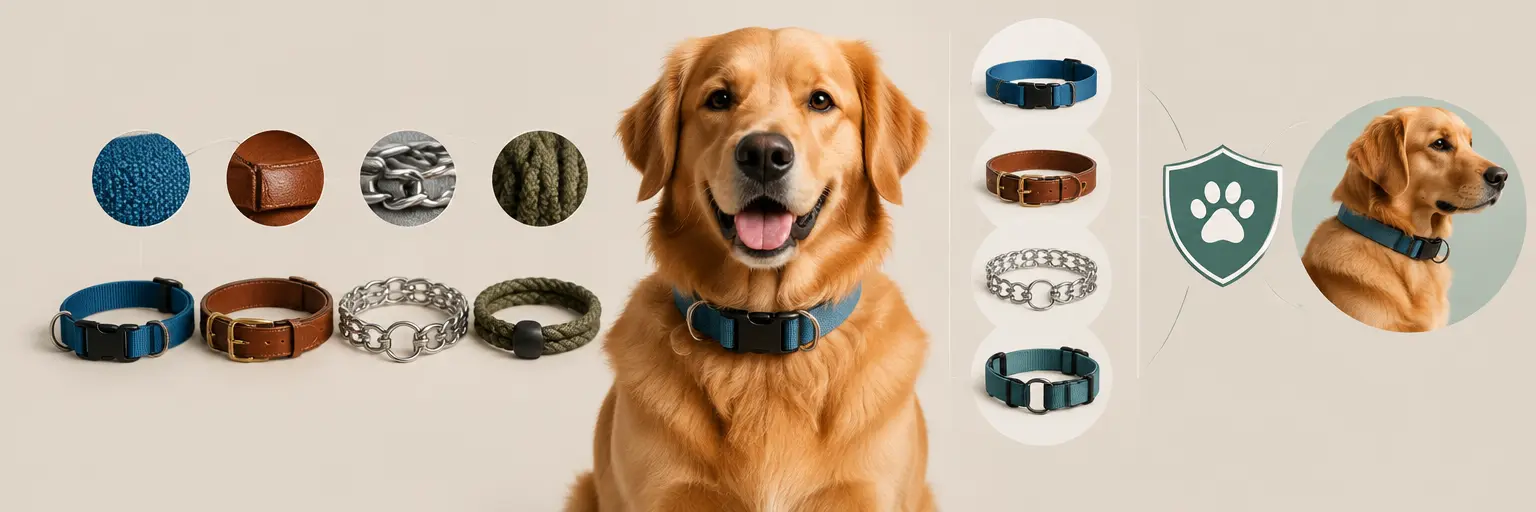
Choosing the right dog collar is more than a style statement—it’s a critical safety and comfort decision for your furry friend. From durable nylon, classic leather, and eco-friendly hemp to high-tech reflective and martingale options, each material and type serves a unique purpose. Whether you need a sturdy everyday harness for a strong puller, a gentle rolled collar for sensitive skin, or a quick-release safety buckle for active pups, understanding the pros and cons of each design ensures a secure fit, prevents neck strain, and boosts visibility during night walks. This guide breaks down materials, sizing, closures, and safety features—helping you match the perfect collar to your dog’s breed, behavior, and lifestyle, so every outing is comfortable, controlled, and worry-free. 🐾✨
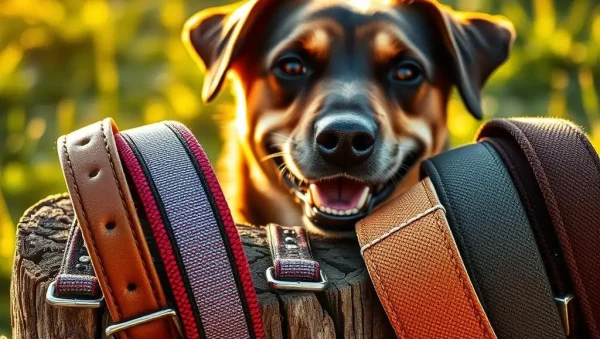
🐶 Discover the best dog collar material for ultimate comfort! PetCareWorld guides you through various options, ensuring your canine companion enjoys optimal…
Read article
🐶 Ensure safe and comfortable walks with our expert Safe Dog Walking Collar Guide. Learn how to choose the right collar and…
Read article
🤔 Discover the best dog collar types for your canine companion! PetCareWorld's guide explores popular options, helping you choose the perfect collar…
Read articleWelcome to PetCareWorld’s dedicated guide on dog collars, the essential gear that balances style, comfort, and control for your canine companion. Selecting the perfect collar involves more than picking a color; it requires understanding your dog’s size, behavior, and daily activities. Our in-depth resources help you navigate the overwhelming variety of options, from durable nylon webbing to luxurious leather, and from classic flat collars to specialized training tools. We focus on safety first, ensuring your dog is comfortable and secure during walks, adventures, and everyday life. Let’s explore how to match the right collar to your dog’s unique needs.
When choosing a collar, the material determines its lifespan, weather resistance, and feeling against your dog’s skin. Nylon collars are lightweight, quick-drying, and available in countless colors, making them a top choice for everyday use. However, they can fray over time and may irritate dogs with sensitive skin. Leather collars offer classic elegance, strength, and soften with age, conforming to your dog’s neck, but they require regular conditioning and are not ideal for swimming. Chain or metal collars are reserved for training and are heavy, so they are unsuitable for long-term wear. For dogs who love water, biothane (a rubberized webbing) is durable, odor-resistant, and easy to clean. Always inspect material edges for smoothness to prevent chafing.
The weight and thickness of the material should correlate with your dog’s size—a heavy-duty leather collar on a Chihuahua is unnecessarily bulky, while a thin nylon strap on a Great Dane may break under pressure. Consider your local climate: if you live in a humid area, avoid absorbent materials that trap moisture and cause skin infections. For active dogs who pull or roll in dirt, choose machine-washable fabrics like nylon or polyester blends. We recommend holding the collar in your hand and flexing it to check for stiffness; a pliable material ensures better comfort. Remember that quality stitching and solid hardware (brass, stainless steel, or zinc alloy) are as important as the material itself, as these components face the most stress during walks.
Flat collars are the most common type, featuring a simple buckle or quick-release clip. They are perfect for well-trained dogs who walk calmly on a loose leash, but they can put pressure on the trachea if your dog pulls. Martingale collars have a limited-slip design that tightens gently when your dog pulls, preventing escape without choking; they are excellent for sighthounds or dogs with narrow heads. For training, prong collars and choke chains are controversial and should only be used under professional guidance due to injury risk. Head collars (like the Gentle Leader) fit around the muzzle and neck, giving you steering control for strong pullers, but they require gradual acclimation. If your dog has respiratory issues or a delicate neck, consider a body harness as an attachment point, though you may still need a collar for ID tags.
Each type serves a specific purpose, and many owners keep multiple collars for different activities. A flat collar with a breakaway feature is ideal for indoor safety, preventing accidental snagging on furniture. For off-leash adventures, a GPS collar integrates tracking technology, though it is heavier and may need recharging. Reflective or LED collars are essential for night walks, enhancing visibility to vehicles. Avoid using a training collar as an everyday collar, as constant pressure desensitizes your dog to corrections. Always supervise your dog when wearing any collar that can tighten, and never leave a martingale on while your dog is unsupervised. When switching types, introduce the new collar gradually with positive reinforcement, pairing it with treats and short wear sessions.
Correct fit is key to both safety and effectiveness. To measure your dog’s neck, use a soft tape measure at the base of the neck, where the collar will rest; this area is usually the widest part and sits right above the shoulders. Add two finger widths (about 1–2 inches) to this measurement to ensure snugness without pressure. A collar that is too tight can cause chafing, hair loss, or even restrict breathing, while a loose collar can slip over the head and become a dangerous escape hazard. You should be able to slide two fingers between the collar and your dog’s neck. Most manufacturers provide size charts based on length and weight, but individual breeds vary, so always measure your specific dog. Puppies grow quickly, so check the fit weekly and expect to size up every few months.
Consider the hardware: buckles should be easy to unfasten but not so loose that they release accidentally during play. For dogs with heavy pulling, choose a wide collar (1.5–2 inches) to distribute pressure over a larger surface. Conversely, tiny dogs benefit from narrow, lightweight collars. If your dog has a thick double coat, add extra space but note that the collar may loosen after the undercoat sheds. Watch for signs of discomfort, such as excessive scratching, neck rubbing, or reluctance to walk. Always perform a quick-release test by buckling and unbuckling the collar several times to ensure durability. Remember that the collar should not rotate freely around the neck; it should stay in place without spinning, which can tangle the leash or injure the skin.
Safety should never be compromised when selecting a collar. The most critical feature is a breakaway buckle for dogs that are left unattended with collars, as it snaps open under pressure, preventing strangulation if the collar catches on a fence or tree branch. However, breakaway collars are not suitable for leash walking, as they can release during a sudden tug. For visibility, reflective stitching or full reflective strips are vital for dawn, dusk, or night walks, making your dog visible to motorists from a distance. LED collars offer an even brighter option with rechargeable batteries and multiple light modes. Another key safety aspect is the D-ring placement—a sturdy, welded metal ring ensures the leash attaches securely. Inspect the ring regularly for rust or deformation, which can weaken over time.
Prevent skin and neck injuries by avoiding collars with rough edges, sharp hardware, or decorative spikes that can catch on clothing. Heavy tags can cause wear on the collar’s material; use a separate tag holder that wraps around the collar. For active dogs, consider a collar with a quick-release clip that disengages if the collar is caught, but ensure it is strong enough for walks. Never leave a training collar, such as a prong or choke, on your dog when not actively training, as they pose a high risk of injury. Additionally, be mindful of the collar’s width and material in extreme weather—metal collars become freezing in winter and hot in summer, while leather can crack. Always have a spare collar ready for when the primary one wears out or gets dirty, and schedule monthly checks for stitches, fading, or cracking.
Your dog’s daily routine determines the best collar type. For indoor-only dogs, a lightweight, no-snag flat collar with a breakaway buckle is ideal, primarily for holding ID tags. For casual walks in safe neighborhoods, a comfortable nylon or leather flat collar with a durable buckle works well. If you walk in urban areas with traffic, opt for a reflective or LED collar that enhances visibility. For training sessions, a martingale or head collar can provide gentle control without harming your dog’s neck. High-energy dogs who hike or swim need a waterproof, quick-drying collar made from biothane or coated nylon that resists dirt and odor. For off-leash hunting or fieldwork, a GPS tracking collar is a worthwhile investment, though it should not be worn daily due to weight.
Consider your own handling ability: if your dog is a powerful puller, a front-clip harness paired with a flat collar for ID tags is safer than a collar alone. If you have a senior dog with arthritis, a soft, padded collar reduces pressure on a fragile neck. For dogs with sensitive skin, look for hypoallergenic materials like natural hemp or organic cotton, and avoid synthetic fabrics that cause static. Puppies benefit from an adjustable collar that grows with them, but never leave them unsupervised while adjusting. Hot climates may require a breathable mesh collar, while cold environments need a waterproof, insulated material. Finally, ensure that any collar you choose is compatible with your leash’s clip size—a 1-inch D-ring accepts most standard clips, but heavier chains have different diameters. Matching gear to lifestyle ensures both comfort and practicality.
Nylon and biothane are generally safest due to their flexibility, resistance to weather, and easy maintenance. Leather is also safe but requires conditioning to avoid cracks. Avoid metal or chain collars for everyday use, as they can cause injury. Always check that the material is smooth and free of rough edges to prevent chafing.
The collar should be snug but allow you to insert two fingers between the collar and your dog’s neck. It should not spin around or cause indentations. A fit that is too tight restricts breathing, while too loose risks slipping off. Recheck the fit monthly, especially for growing puppies.
A martingale collar offers more control for dogs that tend to slip out of flat collars, such as sighthounds. It tightens gently but does not choke, distributing pressure evenly. However, it should not be left on unattended because it can catch on objects. For calm dogs on loose walks, a flat collar is perfectly safe.
Use a breakaway collar exclusively for unsupervised indoor wear or when your dog is crate-bound, as it releases under pressure to prevent strangulation if caught on fences or furniture. Do not use it for leash walks, as it can accidentally open during a tug. Always switch back to a regular collar for outdoor activities.
Yes, but only if it is a flat, well-fitted collar with a breakaway buckle and no tags that can catch. However, it is healthier to remove the collar at night to let the fur and skin breathe, and to inspect for irritation. Training or GPS collars should not be worn 24/7 due to weight and pressure.