
Dog Collar Types: A Detailed Look at the Most Popular Options

Welcome to PetCareWorld, your ultimate guide to a happier, healthier life for your beloved companion! Are you ready to unravel the secrets to choosing the perfect dog collar? Our comprehensive Best dog collar types guide dives deep into the world of collars, helping you navigate the options and find the ideal fit for your furry friend's needs and personality. Discover the differences between various types, ensuring your dog's safety and comfort. Let's embark on this exciting journey together!
- Understanding Your Dog's Needs: Choosing the Right Dog Collar
- Best Dog Collar Types Guide: A Comprehensive Overview
- Choosing the Best Dog Collar for Specific Activities:
- Beyond the Basics: Adding Functionality to Your Dog Collar
- Frequently Asked Questions (FAQs) about Choosing Dog Collars
- Frequently Asked Questions
- Final Reflection: Choosing the Right Collar: A Bond Beyond the Basics
- Unlock Your Dog's Comfort: Find the Perfect Collar Today!
Understanding Your Dog's Needs: Choosing the Right Dog Collar
Selecting the right dog collar is crucial for your canine companion's comfort, safety, and overall well-being. This comprehensive guide will explore the diverse world of dog collars, helping you navigate the options and choose the best fit for your furry friend. We'll delve into various factors to consider, from your dog's size and breed to their lifestyle and activity level. Understanding these aspects will empower you to make an informed decision, ensuring your dog enjoys a comfortable and secure collar that meets their specific needs. This guide aims to be your ultimate resource for finding the best dog collar, helping you confidently navigate the market and select the perfect option for your beloved pet. We'll cover everything from the most popular materials to the various collar types available, providing you with the knowledge needed to become a more informed pet owner. Consider this your definitive "Best dog collar types guide".
Factors to Consider Before Buying a Dog Collar: Size, Breed, and Lifestyle
Before diving into the different types of dog collars, it's essential to assess your dog's individual needs. Several key factors influence the ideal collar choice:
- Size and Breed: A small chihuahua will require a much smaller and lighter collar than a Great Dane. Consider your dog's neck circumference and choose a collar that fits comfortably without being too tight or too loose. Certain breeds, with their unique physical characteristics, might benefit from specific collar types. For example, breeds prone to neck injuries might benefit from a padded collar.
- Lifestyle and Activity Level: An energetic dog who spends hours playing fetch in the park will have different needs than a more sedentary companion. A durable, robust collar is ideal for active dogs, while a more delicate collar might suffice for a less active pet. Think about the activities your dog engages in and choose a collar that can withstand the wear and tear.
- Training Needs: If you're planning to use the collar for training, consider the type of training you'll be doing. For example, a martingale collar might be suitable for dogs prone to slipping out of their collars, while a head halter can be more effective for dogs who pull excessively on the leash.
Material Matters: Leather, Nylon, and Other Dog Collar Materials
The material of your dog's collar significantly impacts its durability, comfort, and overall lifespan. Let's explore some popular options:
Leather Dog Collars: Durability and Classic Style
Leather dog collars offer a classic look and are known for their durability. High-quality leather collars can last for years with proper care. However, they require regular cleaning and conditioning to maintain their flexibility and prevent cracking. They are generally more expensive than nylon or other synthetic materials. Leather collars are also less durable than Biothane or Nylon options.
Nylon Dog Collars: Budget-Friendly and Durable Options
Nylon collars are a popular choice due to their affordability and durability. They are lightweight, easy to clean, and come in a wide variety of colors and styles. Nylon is also resistant to water and many other elements. However, they might not be as aesthetically pleasing as leather collars to some owners. The durability can vary significantly based on the quality of the nylon used.
Biothane Dog Collars: Waterproof and Easy-to-Clean Choices
Biothane collars are made from a synthetic material that is waterproof, easy to clean, and very durable. They are resistant to fading and mildew, making them an excellent choice for dogs who frequently swim or play in wet conditions. Biothane collars are often more expensive than nylon collars but offer superior durability and easy maintenance. They are also a good option for dogs that have allergies to certain materials.
Best Dog Collar Types Guide: A Comprehensive Overview
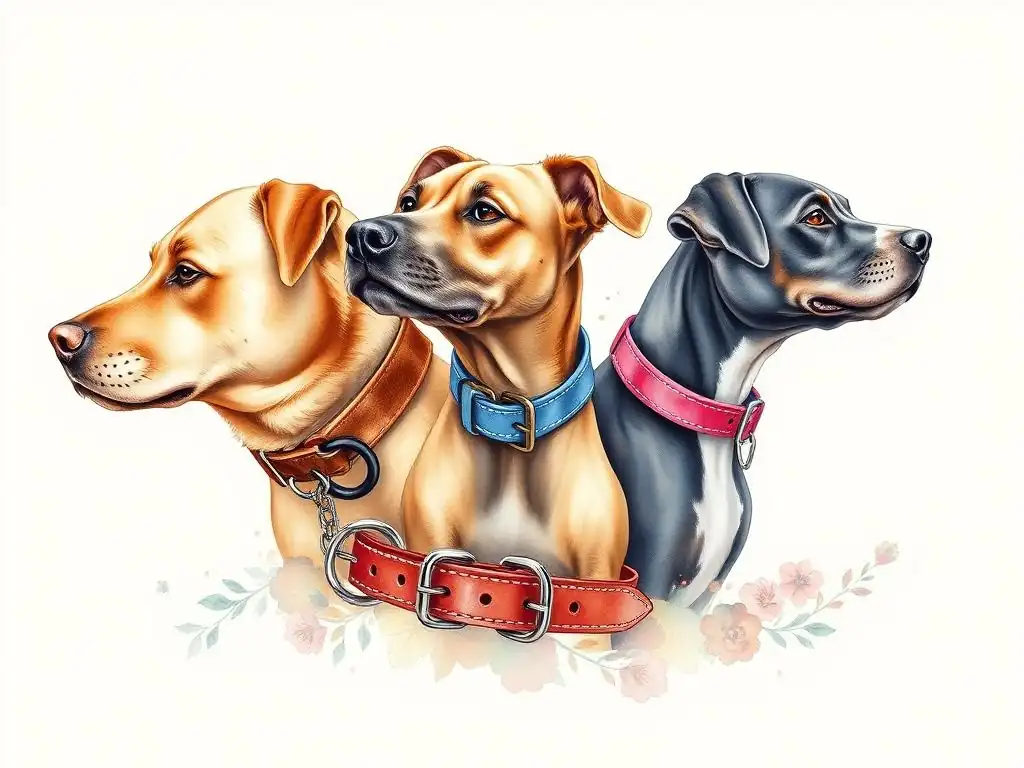
This section delves into the specifics of popular dog collar types, providing detailed information to help you choose the best option for your canine companion. Understanding the nuances of each collar type is crucial for ensuring your dog's safety and comfort. This guide will equip you with the knowledge to make an informed decision, ultimately contributing to a happier and healthier life for your furry friend. We'll explore the advantages and disadvantages of each type, focusing on practical application and considerations for various dog breeds and temperaments.
Flat Collars: The Everyday Essential for Dogs
Flat collars are the most common type of dog collar, and for good reason. Their simple design and wide availability make them a versatile choice for everyday use. However, choosing the right flat collar requires careful consideration of size, material, and your dog's specific needs.
Choosing the Right Size and Fit for Flat Collars
A properly fitted flat collar is crucial for both comfort and safety. Too tight, and it can restrict breathing and circulation; too loose, and it can easily slip off. The ideal fit allows you to comfortably fit two fingers between the collar and your dog's neck. Measure your dog's neck circumference using a flexible measuring tape, ensuring it's snug but not constricting.
Remember to account for the added width of the buckle when selecting a collar size. Many manufacturers provide size charts; however, it's always best to measure your dog directly to guarantee a perfect fit. Consider purchasing a collar with adjustable sizing to accommodate your dog's growth, especially if you have a puppy.
Flat Collar Materials: Nylon, Leather, and Biothane Compared
The material of your dog's collar significantly impacts its durability, comfort, and longevity. Let's compare three popular options:
| Material | Advantages | Disadvantages | Best Suited For |
|---|---|---|---|
| Nylon | Durable, lightweight, easy to clean, affordable | Can fray over time, less stylish than leather | Everyday use, active dogs, puppies |
| Leather | Durable, classic look, develops patina over time | Requires regular conditioning, can be expensive | Dogs that don't chew their collars excessively |
| Biothane | Waterproof, durable, easy to clean, hygienic | Can be slightly stiff initially, more expensive | Active dogs, dogs prone to allergies, wet climates |
Choosing the right material depends on your dog's lifestyle and your preferences. Nylon is a great all-around choice, while leather offers a more sophisticated look and feel. Biothane provides superior durability and hygiene, making it ideal for active dogs or those prone to allergies.
Martingale Collars: Gentle Control for Escape Artists
Martingale collars are a humane and effective alternative to choke chains, offering gentle control without the risk of strangulation. Their unique design makes them particularly suitable for dogs prone to slipping out of their collars or those who pull excessively on the leash.
How Martingale Collars Work and Their Benefits
A martingale collar consists of a loop with a second, narrower loop that tightens when pressure is applied. This tightening action provides a gentle correction, discouraging pulling without causing harm. Unlike choke chains, the pressure is controlled and doesn't constrict the dog's airway. The collar loosens as soon as the pressure is released, making it a more humane training tool. Key benefits include:
- Gentle correction: Discourages pulling without causing pain or injury.
- Prevents escape: The tightening mechanism prevents the collar from slipping off.
- Humane alternative: Safer than choke chains and other harsh training collars.
- Suitable for various breeds: Adaptable for dogs of different sizes and temperaments.
Choosing the Right Martingale Collar for Your Dog's Breed and Temperament
Selecting the appropriate martingale collar requires considering your dog's breed, size, and temperament. Smaller dogs may require a thinner collar, while larger, stronger dogs may need a more robust one. The material also plays a role—nylon is a popular choice for its durability and affordability, while leather offers a more refined look and feel.
Consider your dog's pulling habits; a more substantial collar might be necessary for a strong puller. Always prioritize a comfortable and properly fitted collar to ensure your dog's safety and well-being. Remember, a well-fitting and properly used martingale collar is a valuable tool for training and control, promoting a positive and safe experience for both you and your dog.
Head Halters: Training and Control for Pulling Dogs
Head halters, also known as gentle leaders, are a popular choice for dog owners struggling with leash pulling. Unlike traditional collars that apply pressure to the neck, head halters gently redirect a dog's attention by applying pressure to the muzzle and head. This pressure is not painful, but it's effective in discouraging pulling behavior. Many dog trainers recommend head halters for dogs of all sizes and breeds, particularly those prone to strong pulling tendencies.
The design is such that when the dog pulls, the halter gently turns their head, creating a natural aversion to pulling. This method is generally considered more humane than using choke chains or prong collars, which can cause discomfort or injury. The effectiveness of head halters relies on proper fitting and consistent training. Improper use can lead to discomfort or even injury, so it's crucial to learn how to use them correctly.
Understanding How Head Halters Work
Head halters work by using a system of straps that loop around the dog's muzzle and head. When the dog pulls, the pressure on the muzzle causes them to turn their head towards you. This redirection breaks their focus on pulling forward and encourages them to walk beside you. The pressure isn't meant to be harsh; rather, it's a gentle corrective measure. It's important to note that the effectiveness depends on proper adjustment.
A too-tight fit can be uncomfortable and counterproductive, while a too-loose fit will be ineffective. Many head halters have adjustable straps to accommodate different dog breeds and sizes. The gentle pressure on the muzzle works on a dog's natural instinct to avoid having their head turned. Think of it like a subtle redirection, rather than a forceful restraint. This subtle, yet effective, method is why they are often preferred by dog owners and trainers alike.
Head Halter Safety and Proper Usage
Safety is paramount when using a head halter. Before using a head halter, it is crucial to ensure a proper fit. The halter should be snug but not restrictive, allowing for comfortable breathing and movement. Never leave a head halter on a dog unsupervised, especially puppies or small breeds, as they may get tangled or injured.
Introduce the head halter gradually, allowing your dog to get used to the feeling before attaching the leash. Positive reinforcement training is essential. Reward your dog for walking calmly beside you without pulling. Never use a head halter as punishment.
If your dog shows signs of discomfort or distress, remove the halter immediately. Consult a veterinarian or professional dog trainer if you have any concerns about the suitability of a head halter for your dog. They can help you determine if it's appropriate for your specific dog's needs and temperament. Regularly check the halter for any signs of wear and tear and replace it if necessary.
Harness Collars: Comfort and Support for Everyday Walks
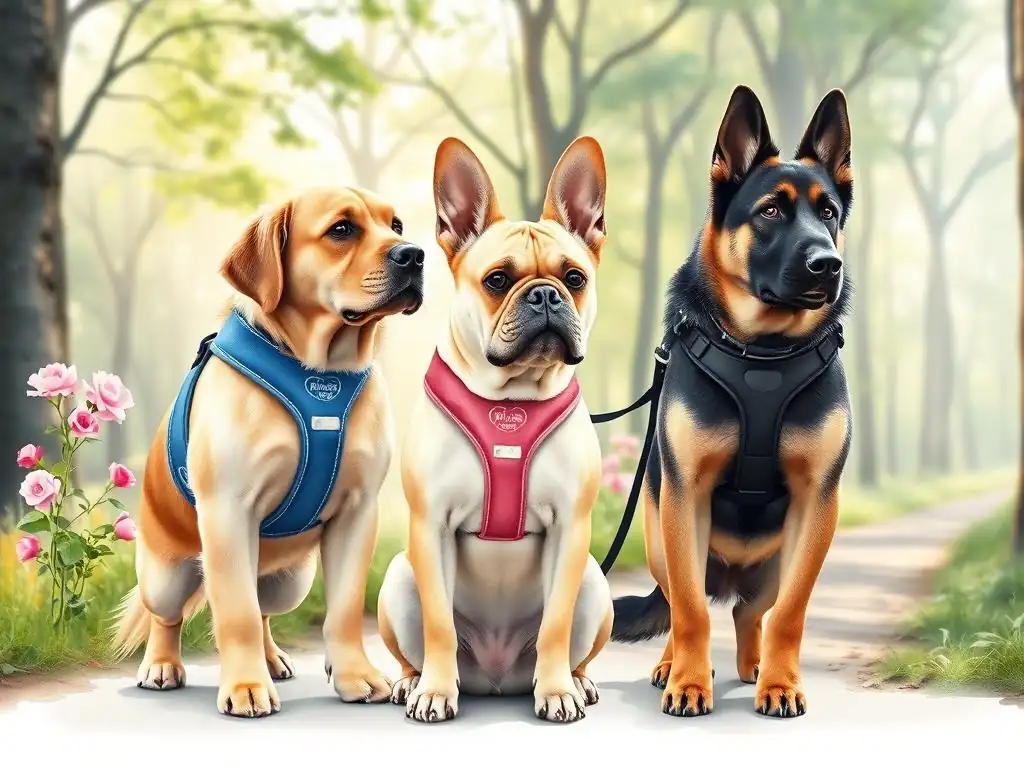
Harness collars offer a more comfortable alternative to traditional collars, particularly for dogs who pull or have sensitive necks. Unlike traditional collars that apply pressure to the neck, harnesses distribute pressure across the chest and shoulders, reducing the risk of choking or injury. This feature makes them a popular choice for many dog owners, as they prioritize both comfort and control. Harnesses come in various styles, each designed with different features and benefits.
Some harnesses offer more control over pulling, while others prioritize comfort and freedom of movement. The diverse range of styles and materials caters to different dog breeds, sizes, and activity levels. Choosing the right harness is key to ensuring both your dog's comfort and your effectiveness in managing their walks.
Harness Collars vs. Traditional Collars: Key Differences
The primary difference between harness collars and traditional collars lies in how they distribute pressure. Traditional collars apply pressure directly to the neck, which can be uncomfortable and even harmful for some dogs, especially those who pull significantly. Harness collars, on the other hand, distribute the pressure across the chest and shoulders, making them a gentler and more comfortable option. This difference is especially important for dogs with neck or respiratory problems. Another key difference is in their effectiveness at preventing pulling.
Some harness designs incorporate features that make it more difficult for dogs to pull effectively, while others are primarily focused on comfort. The best choice depends on your dog's personality and your training goals. Consider your dog's pulling habits and choose a harness accordingly. If your dog is a strong puller, you might opt for a harness with more control features.
Choosing the Right Harness Collar for Your Dog's Size and Breed
Selecting the appropriate harness collar involves considering several factors, including your dog's size and breed. Measure your dog's chest girth and refer to the size chart provided by the manufacturer. A properly fitted harness should be snug but not constricting, allowing for comfortable movement. Different breeds have different body shapes, so selecting a harness designed for their specific body type can ensure a better fit and prevent chafing or discomfort.
For example, a greyhound will require a different harness type than a bulldog due to their drastically different body structures. Consider the activity level of your dog. A harness designed for running or hiking will likely differ from one designed for casual walks.
Look for durable materials that can withstand daily wear and tear. The material should also be comfortable against your dog's skin, avoiding any potential irritation. Choosing the right harness is an investment in your dog's comfort and safety.
Choke Chains: Controversial but Sometimes Necessary
Choke chains, also known as choke collars, are a type of dog collar that tightens around the dog's neck when pulled. Their use is highly controversial due to the potential for injury and negative impact on a dog's behavior and well-being. However, in certain specific situations and under the guidance of a professional dog trainer, they can be a useful tool for managing strong or unruly dogs.
It's crucial to understand that responsible use is paramount, and misuse can lead to serious harm. The ethical implications of using choke chains are widely debated, with many advocating for positive reinforcement training methods as a superior alternative. The decision to use a choke chain should never be taken lightly and should be carefully weighed against the potential risks.
Alternatives, such as harnesses and head halters, should always be explored first. The focus should always remain on safe and humane training techniques that prioritize the dog's welfare. Remember, a well-trained dog is a happy dog, and positive reinforcement methods are generally considered the most effective and humane way to achieve this.
The Pros and Cons of Choke Chains: A Balanced Perspective
Let's examine the arguments for and against the use of choke chains. On one hand, proponents argue that in situations where a dog exhibits extreme pulling or aggression, a choke chain can provide immediate correction, potentially preventing dangerous situations. The quick tightening action can deter unwanted behaviors more effectively than other collar types in some cases. However, this is a highly debated point, and many trainers argue that the negative impact on a dog's trust and relationship with its owner far outweighs any perceived benefits.
On the other hand, the cons are substantial. Improper use can lead to injuries such as tracheal damage, nerve damage, or even broken blood vessels in the neck. Furthermore, the use of a choke chain can create fear and anxiety in the dog, leading to behavioral problems and damaging the owner-dog bond. The aversive nature of the correction can cause stress and undermine trust, hindering the development of positive training relationships.
The potential for long-term psychological harm is a serious concern. Many experts advocate for positive reinforcement training methods that build trust and cooperation, resulting in better long-term behavior modification. The use of a choke chain often masks the underlying behavioral issues instead of addressing them directly.
When and How to Use Choke Chains Responsibly
It is crucial to emphasize that choke chains should only be used under the strict guidance of a qualified and experienced professional dog trainer. Even then, their use should be considered a last resort after exploring all other training methods. The trainer should assess the dog's specific needs and temperament to determine if a choke chain is appropriate and, if so, how to use it safely and effectively. Improper use can easily lead to injury and behavioral problems.
Responsible use necessitates a deep understanding of canine behavior and training techniques. The trainer should teach the owner the correct way to apply pressure and release it immediately when the desired behavior is achieved. The emphasis should be on clear communication and positive reinforcement, rather than solely relying on the aversive effect of the choke chain. Regular monitoring of the dog's response is essential.
Any signs of distress, fear, or injury should lead to an immediate cessation of choke chain use. Remember, the goal is to achieve positive behavior modification, not to inflict pain or punishment. The safety and well-being of the dog should always be the top priority. A responsible owner will always prioritize humane and ethical training methods.
Choosing the Best Dog Collar for Specific Activities:
This section delves into the nuances of selecting the right dog collar based on your dog's activities and needs. Choosing the wrong collar can lead to discomfort, injury, or even escape, so careful consideration is crucial. This guide helps you navigate the complexities of finding the perfect collar for your canine companion, focusing on the best dog collar types for various situations. This is key to ensuring your dog's safety and well-being.
Dog Collars for Training: Harness, Martingale, or Flat?
Selecting the appropriate collar for training is paramount for both your dog's safety and the effectiveness of your training sessions. Different collars serve different purposes, and choosing the wrong one can hinder progress and even cause harm. Let's examine three popular options:
- Flat Collars: These are the most basic type, typically made of nylon or leather. They're suitable for well-behaved dogs who don't pull excessively on the leash. However, for dogs prone to pulling, a flat collar can put strain on their neck, potentially causing injury.
- Martingale Collars: Designed for dogs that pull, these collars gently tighten when pressure is applied, preventing escape but avoiding the choking hazard of a choke chain. The loop tightens only to the point of preventing slippage, then loosens, making it a humane option for training. They are particularly effective for dogs with sensitive necks.
- Harnesses: Harnesses distribute pressure across the dog's chest and shoulders, reducing strain on the neck. They're ideal for powerful breeds or dogs that pull significantly. Different harness types exist (front-clip, back-clip, etc. ), each offering unique advantages depending on your training methods and your dog's behavior. For example, front-clip harnesses can help discourage pulling by gently turning the dog's body when they lunge.
Choosing between these depends heavily on your dog's temperament and pulling habits. A gentle dog with good leash manners might do fine with a flat collar, while a strong puller might benefit from a harness or a martingale collar. Consider your dog's breed, size, and personality when making your decision. Remember, proper training techniques are always more effective than relying solely on a restrictive collar.
Dog Collars for Small Dogs: Finding the Perfect Fit
Small dogs, with their delicate necks and frames, require special consideration when choosing a collar. A collar that's too tight can restrict breathing and cause discomfort, while one that's too loose can easily slip off. The best dog collar types for small dogs prioritize comfort and a secure, snug fit.
Several factors are crucial:
- Material: Opt for soft, lightweight materials like nylon or padded leather to avoid chafing or irritation. Avoid stiff or bulky materials that might be cumbersome for a small dog.
- Buckle Type: Choose a secure, easy-to-use buckle that won't easily come undone. Small dogs are more prone to slipping out of collars, so a reliable closure is essential.
- Width: The collar's width should be proportionate to the dog's neck size. A wide collar on a tiny dog can look disproportionate and uncomfortable.
- Adjustability: Look for collars with multiple adjustment points to ensure a perfect fit. This allows you to fine-tune the collar as your dog grows.
Remember to measure your dog's neck accurately before purchasing a collar. Always allow for a little extra room for comfort and movement. Regularly check the fit to ensure it remains comfortable and secure. Choosing the right collar ensures both comfort and safety.
Dog Collars for Large Dogs: Strength, Durability, and Comfort
Large dogs require collars that are strong, durable, and comfortable. Their size and strength necessitate a collar that can withstand significant pulling without breaking or causing discomfort. The best dog collar types for large dogs balance these needs effectively.
Key considerations for large dog collars include:
- Material: Durable materials like heavy-duty nylon, strong leather, or even chain (for specific training purposes) are often preferred. These materials can withstand the considerable force exerted by a large dog.
- Hardware: Sturdy buckles, D-rings, and other hardware are essential to prevent breakage. Cheap, flimsy hardware can fail under pressure, potentially leading to the dog escaping or the collar breaking.
- Width: A wider collar distributes pressure more evenly across the neck, reducing the risk of injury. However, it's important not to make it excessively wide, as this can again become uncomfortable.
- Comfort: Even with strong materials, comfort is crucial. Some collars offer padding to reduce chafing and provide extra comfort for long walks or training sessions.
Choosing a collar that's both strong and comfortable is critical for large breeds. Regularly inspect the collar for signs of wear and tear, and replace it if necessary. A well-chosen collar ensures the safety and comfort of your large dog.
Dog Collars for Puppies: Gentle Introduction to Collar Training
Introducing a collar to a puppy requires patience and a gentle approach. The goal is to create a positive association with the collar, avoiding any negative experiences that could lead to fear or aversion. Start by letting your puppy sniff and explore the collar. Reward them with treats and praise for showing interest. Once they seem comfortable, gently place the collar around their neck, ensuring it's snug but not tight.
Allow them to wear it for short periods initially, gradually increasing the duration as they become accustomed to it. Never force the collar on, and always supervise your puppy while they are wearing it to prevent them from getting it caught on anything. Choose a lightweight, comfortable collar made from soft, durable material. Avoid collars with buckles or clasps that could potentially pinch or injure their delicate skin.
Consider using a puppy-specific collar designed with adjustable straps and a breakaway feature for added safety. This process of habituation is crucial for successful collar training and lays the foundation for future training sessions, such as leash training. Remember, positive reinforcement is key throughout this process. A happy puppy is a well-adjusted puppy.
This early introduction to a collar is not just about getting them used to the feeling; it also helps them begin to understand that the collar is part of their identity, a positive identifier for walks, playtime, and bonding with you. This positive association will be invaluable when you start leash training. Many puppies, especially those adopted from shelters or rescues, may need extra time and patience to acclimate to a collar. Observe their body language closely; any signs of stress or discomfort should signal a pause in the training, with a return to the process later, perhaps with shorter intervals of collar time.
Consistency is paramount. If you introduce the collar sporadically, the puppy may not understand the routine and may develop negative feelings toward it. Regular, short, positive sessions will build confidence and acceptance. Remember to always prioritize your puppy's well-being and comfort.
Beyond the Basics: Adding Functionality to Your Dog Collar
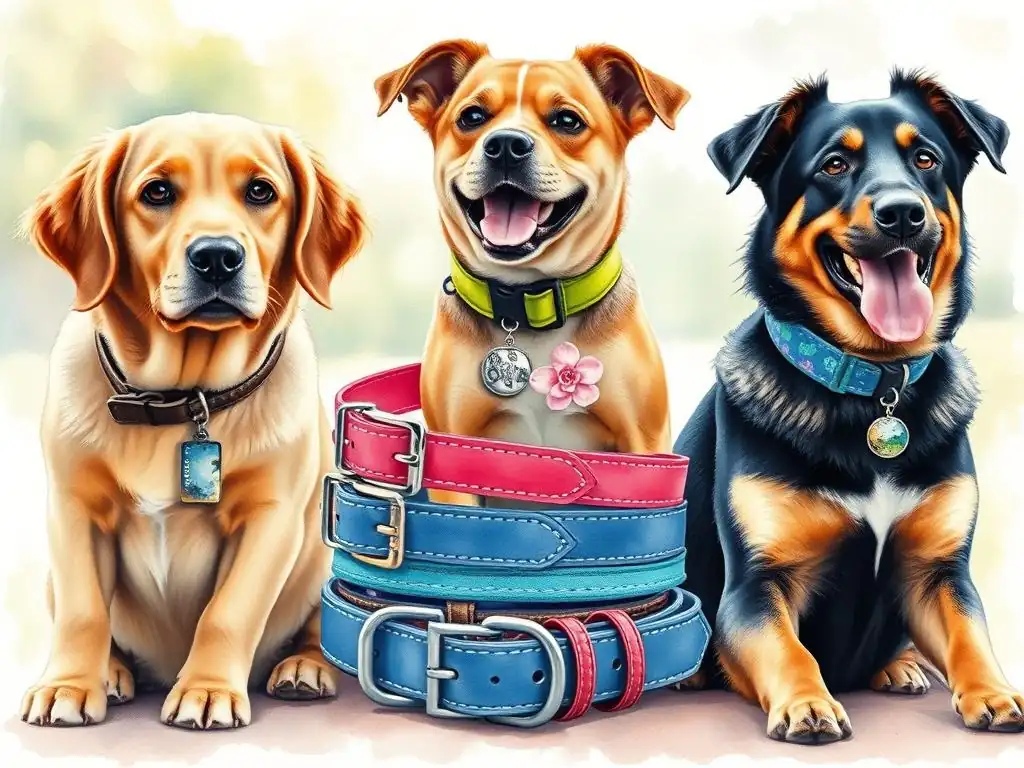
This section delves into enhancing your dog's collar beyond its basic function of restraint. We'll explore ways to add practical features and personalized touches that improve safety and convenience. Choosing the right additions can significantly impact your dog's comfort and your ability to manage them effectively. This guide focuses on practical applications and smart choices for maximizing your dog collar's utility. Remember, always prioritize safety and your dog's well-being when selecting accessories.
A properly fitted and functional dog collar is crucial for identification and safety. Beyond the basic collar, adding an ID tag is paramount. This tag should include your dog's name, your phone number, and ideally, your address. Consider engraving the information directly onto a metal tag for durability, as opposed to relying on a paper insert which can easily become damaged or lost.
For added security, consider microchipping your dog. While not directly attached to the collar, a microchip provides a permanent form of identification should your dog become lost.
Beyond ID tags, many accessories can enhance your dog's collar's functionality. These include:
- Lights: Essential for nighttime walks to increase visibility and safety. LED lights are readily available and come in various styles, from clip-on options to those that integrate directly into the collar.
- GPS trackers: These devices help locate your dog if they ever get lost. They offer real-time tracking capabilities and can provide peace of mind for owners. Consider the battery life and subscription fees when choosing a GPS tracker.
- Harness attachments: Some collars feature D-rings or loops that allow you to attach a harness for added control, especially useful for strong or easily excitable dogs.
- Bowls and water bottles: For longer walks or hikes, attaching a small portable water bowl or bottle can be extremely beneficial.
Choosing the Right Dog Collar for Your Dog's Personality
The ideal dog collar isn't just about material or type; it's about finding the perfect fit for your dog's unique temperament and lifestyle. A collar should be comfortable and functional, but also reflect your dog’s personality. For example:
- Active dogs: Require durable, sturdy collars that can withstand rigorous activity. Consider nylon or leather collars with reinforced stitching. Avoid delicate materials that could easily break or tear. A well-fitting harness might be a better option for exceptionally active dogs.
- Anxious dogs: Might benefit from a lighter, more comfortable collar to avoid causing unnecessary stress or discomfort. Avoid overly tight collars that can exacerbate anxiety. Consider a martingale collar for gentle control without constriction.
- Chewers: Need extremely durable collars, possibly made from strong nylon or leather. Avoid collars with easily chewed buckles or decorations. A tough, well-made collar will help prevent your dog from swallowing potentially hazardous materials.
- Dogs prone to pulling: Might benefit from a front-clip harness or a head halter to discourage pulling and prevent neck strain. A martingale collar offers a gentle corrective action that discourages pulling without causing pain.
Maintaining and Cleaning Your Dog Collar: Tips for Longevity
Regular maintenance is key to extending the lifespan of your dog's collar and ensuring its continued safety and effectiveness. Cleaning frequency depends on your dog's activity level and the collar's material.
- Leather Collars: Leather collars require occasional conditioning to maintain their suppleness and prevent cracking. Use a leather conditioner specifically designed for pet products. Wipe clean with a damp cloth as needed. Avoid submerging in water.
- Nylon Collars: Nylon collars are generally easy to clean. They can be hand-washed with mild soap and water or machine washed on a gentle cycle in a laundry bag. Allow to air dry completely.
- Metal Collars: Metal collars are durable but can tarnish. Clean with a mild detergent and water, then dry thoroughly to prevent rust. Check for any sharp edges or points that could injure your dog.
Regularly inspect your dog's collar for wear and tear. Replace it if you notice any fraying, cracking, or damage to the buckles or rings. A damaged collar could break, posing a risk to your dog's safety. Remember, a well-maintained collar is a safer collar. 🐕
Frequently Asked Questions (FAQs) about Choosing Dog Collars
This section addresses frequently asked questions regarding dog collar selection, helping you navigate the choices and make an informed decision for your canine companion. Choosing the right collar is crucial for your dog's safety and comfort.
Addressing Common Myths About Dog Collars
Many misconceptions surround dog collars. Let's debunk some of the most prevalent myths:
- Myth 1: All collars are created equal.: This is false. Different collar types serve different purposes. A collar suitable for a small, well-behaved dog might be entirely inappropriate for a large, powerful breed. Consider your dog's size, breed, temperament, and training needs when selecting a collar. For instance, a delicate chihuahua will not need the same robust collar as a strong German Shepherd.
- Myth 2: A choke chain is always the best training tool.: This is dangerous and inaccurate. While choke chains can be used for training (under strict supervision by a professional trainer), improper use can lead to serious injuries to your dog's trachea and neck. Positive reinforcement methods are generally preferred and far safer. A flat collar or harness is usually a better choice for most training situations.
- Myth 3: A martingale collar is cruel.: This is a misunderstanding. Martingale collars are designed to prevent dogs from slipping out of their collars, unlike standard buckle collars. The gentle tightening mechanism is intended to provide control without causing pain, provided it's used correctly and sized appropriately. However, improper use or incorrect sizing can lead to discomfort.
- Myth 4: My dog needs a studded collar to look tough.: While studded collars are aesthetically pleasing to some, they serve no practical purpose and can even be dangerous. The studs can snag on objects, causing injury to your dog or damage to the collar. Prioritize safety and comfort over aesthetics.
Recommended Resources for Further Learning about Dog Collars and Dog Training
To further enhance your understanding of dog collars and responsible dog ownership, consider exploring these supplemental learning options:
- Online Courses: Many reputable online platforms offer comprehensive courses on dog training and behavior, often including sections dedicated to proper collar usage and selection. These courses provide in-depth knowledge and often include video demonstrations.
- Books: Numerous books delve into dog training techniques and equipment, offering detailed explanations and practical advice. Look for titles authored by certified professional dog trainers for reliable information.
- Local Dog Training Classes: Hands-on training from certified professionals provides invaluable experience and allows for personalized guidance based on your dog's specific needs and temperament. This is particularly helpful for addressing behavioral issues and learning proper collar usage.
- Veterinary Advice: Your veterinarian is a valuable resource for questions regarding your dog's health and well-being, including advice on appropriate collar types based on your dog’s physical characteristics and any pre-existing conditions.
This information should help you make a well-informed decision. Remember, the best dog collar is the one that prioritizes your dog's safety and comfort while meeting your specific needs. Always prioritize responsible pet ownership. 🐶
Frequently Asked Questions
What are the different types of dog collars available?
PetCareWorld covers many collar types, including flat collars, martingale collars, head halters, harness collars, and prong collars. The best choice depends on your dog's breed, size, and temperament.
How do I choose the right size dog collar?
Measure your dog's neck circumference and add 2-3 inches for comfort. Always ensure you can fit two fingers comfortably between the collar and your dog's neck. Refer to the manufacturer's size guide for specifics.
What is the best type of dog collar for a puppy?
For puppies, a lightweight flat collar or a adjustable collar is generally recommended. Avoid collars that are too tight or could pose a choking hazard. Prioritize comfort and gentle materials.
Are prong collars cruel?
Prong collars are controversial. While some trainers use them for specific behavioral issues, they can be harmful if used incorrectly. Consider gentler training methods and alternatives such as head halters or harness collars.
How often should I check my dog's collar?
Check your dog's collar daily for wear and tear, ensuring it's securely fastened and not too tight or loose. Replace a damaged collar immediately to prevent injury or escape.
Final Reflection: Choosing the Right Collar: A Bond Beyond the Basics
The right dog collar is more than just a piece of equipment; it's a crucial link in the bond between human and canine companion. Finding the perfect collar, tailored to your dog's breed, temperament, and lifestyle, significantly impacts their safety, comfort, and overall well-being. This understanding is paramount in today's world, where responsible pet ownership is increasingly emphasized.
The journey through various collar types – from the classic buckle collar to the innovative martingale – highlights the evolution of our understanding of canine needs. This evolution reflects a growing awareness of animal welfare and a shift towards more humane and effective training methods. A dog is the only thing on earth that loves you more than he loves himself.
– Josh Billings. This simple quote underscores the profound responsibility we have to ensure our canine companions are comfortable and safe, a responsibility that starts with the seemingly simple choice of a collar.
Consider the impact of your choice. Will you opt for the durability of a leather collar, the practicality of a nylon one, or the specialized control offered by a head halter? The decision is yours, but remember the weight of that choice. Take the time to research, to understand your dog's unique needs, and to choose a collar that reflects your commitment to their well-being. This isn't just about finding the "best" collar; it's about forging a stronger, safer, and more loving connection with your furry friend.
Unlock Your Dog's Comfort: Find the Perfect Collar Today!
Thank you for exploring the world of dog collars with us! We hope you feel confident in choosing the right collar to ensure your furry friend's comfort and safety. Ready to find the perfect fit?
- Find the ideal collar: Consider your dog's breed, size, and lifestyle when selecting a collar. Think about the material, features, and overall fit—the right collar can significantly improve your dog's comfort and safety.
- Share your choice: Tell the PetCareWorld community which collar you chose and why! Share a photo of your happy dog wearing their new collar in the comments below.
- Enhance your dog's collar: Add ID tags, a matching leash, or decorative charms to personalize your dog's collar.
What feature are you most excited to find in your dog's next collar?