
Dog Collar Materials: Choosing the Right One for Your Dog's Comfort

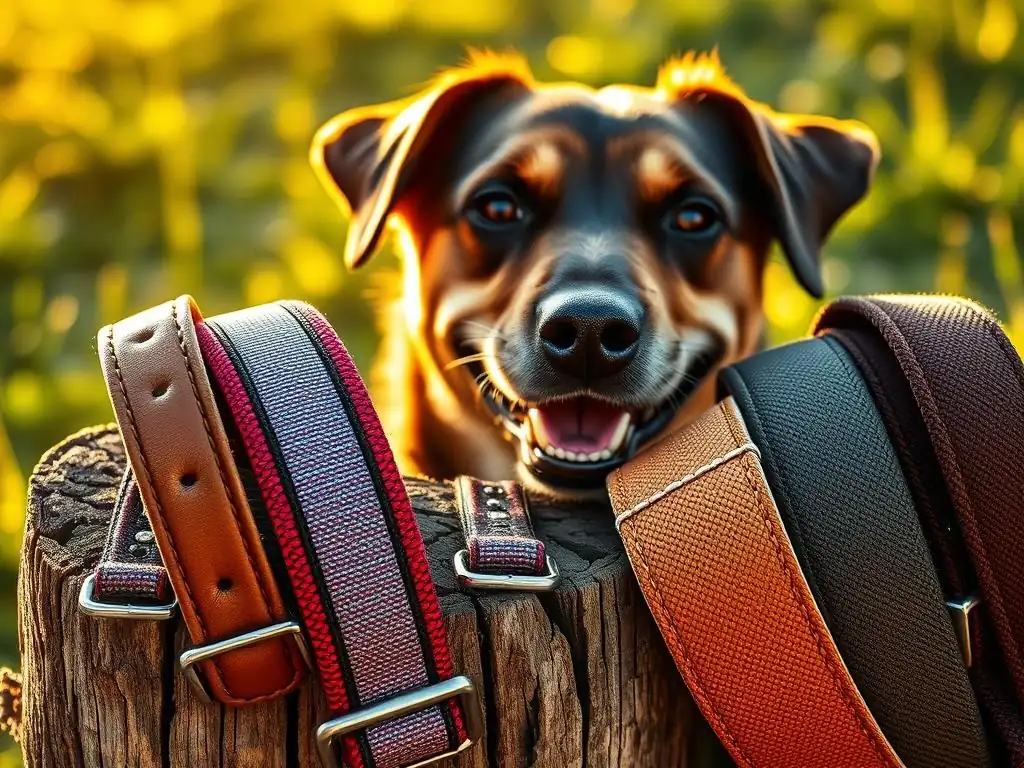
Welcome to PetCareWorld, your ultimate guide to a happier, healthier life for your beloved pets! Are you searching for the perfect balance of durability and comfort in a dog collar? Then you've come to the right place. Discover the secrets to choosing the best dog collar material for comfort in our comprehensive guide – learn what materials to prioritize, which to avoid, and how to ensure your furry friend enjoys a comfortable and safe experience. Dive in and unlock the knowledge you need to make an informed decision!
- Understanding Dog Collar Materials: A Guide to Comfort and Safety
- Nylon Dog Collars: Durability, Affordability, and Comfort
- Leather Dog Collars: Classic Style and Enhanced Comfort
- Biothane Dog Collars: Strength, Waterproofing, and Easy Cleaning
- Choosing the Best Dog Collar Material for Sensitive Skin
- Matching Dog Collar Material to Your Dog's Lifestyle and Activity Level
- Maintaining Your Dog's Collar: Cleaning and Care Tips for Different Materials
- Frequently Asked Questions (FAQ) about Dog Collar Materials
- Conclusion: Finding the Perfect Dog Collar for Your Furry Friend
- Frequently Asked Questions
- Final Reflection: The Unseen Comfort: Choosing the Right Dog Collar
- Unleash Your Dog's Comfort: Find the Perfect Collar!
Understanding Dog Collar Materials: A Guide to Comfort and Safety
Choosing the right dog collar is crucial for your canine companion's well-being. A poorly chosen collar can lead to discomfort, skin irritation, and even injury. This comprehensive guide delves into the world of dog collar materials, helping you select the best option for your dog's comfort and safety. We'll explore various materials, discuss factors influencing your choice, and ultimately empower you to make an informed decision that prioritizes your furry friend's happiness and health.
Finding the perfect collar means considering not just aesthetics, but also durability, comfort, and suitability for your dog's specific needs and lifestyle. This guide will equip you with the knowledge to navigate the market and select the "best dog collar material comfort" for your beloved pet. Let's dive in!
The Importance of Choosing the Right Dog Collar Material for Your Canine Companion
Selecting the appropriate dog collar material is paramount for your dog's comfort and safety. The material directly impacts your dog's skin, impacting its overall well-being. An ill-fitting or poorly made collar can cause chafing, irritation, and even hair loss. Furthermore, the material's durability affects the collar's lifespan and its ability to withstand daily wear and tear. Consider these points:
- Skin Sensitivity: Some dogs have sensitive skin prone to allergies or reactions. Certain materials, like cheap nylon or poorly tanned leather, can trigger these reactions. Choosing a hypoallergenic material is vital in such cases.
- Durability and Strength: The collar must withstand the rigors of daily use, including pulling, tugging, and general wear and tear. A durable material ensures the collar lasts longer and remains effective in preventing escapes.
- Comfort and Fit: A comfortable collar is essential for preventing discomfort and promoting your dog's overall well-being. The material's softness and flexibility play a significant role in achieving a comfortable fit.
- Cleaning and Maintenance: Different materials require different cleaning methods. Select a material that is easy to clean and maintain, ensuring hygiene and preventing the buildup of dirt and bacteria.
Common Dog Collar Materials: Nylon, Leather, Biothane, and More
The market offers a variety of dog collar materials, each with its own advantages and disadvantages. Let's explore some of the most common options:
| Material | Advantages | Disadvantages | Best Suited For |
|---|---|---|---|
| Nylon | Durable, lightweight, easy to clean, affordable | Can be harsh on sensitive skin, prone to fraying | Active dogs, everyday use, budget-conscious owners |
| Leather | Durable, classic look, develops a patina over time | Requires regular conditioning, can be expensive, | Dogs with less active lifestyles, show dogs |
| Biothane | Waterproof, durable, easy to clean, hygienic | Can be stiff initially, relatively expensive | Dogs who swim frequently, active dogs |
| Cotton Webbing | Breathable, soft, comfortable | Less durable than other materials, may not be suitable for strong pullers | Smaller dogs, dogs with sensitive skin |
| Rope | Durable, good grip for training | Can be rough on the skin, needs careful maintenance | Training, certain breeds |
Choosing the right material often involves weighing these pros and cons against your dog's individual needs and your personal preferences.
Factors Affecting Dog Collar Material Selection: Breed, Lifestyle, and Size
The ideal dog collar material isn't a one-size-fits-all solution. Several factors should guide your decision:
- Breed: Certain breeds, like those with short coats or sensitive skin, may require collars made from softer, more breathable materials. Larger breeds might benefit from stronger, more durable materials.
- Lifestyle: Active dogs who spend a lot of time outdoors might need a waterproof and durable collar, while indoor dogs may require a more comfortable and less rugged option. Consider the dog's activities like swimming, hiking, or simply lounging around the house.
- Size: The size of your dog will influence the thickness and strength of the collar needed. Smaller dogs may need a lighter, more flexible collar, while larger dogs might require a sturdier one.
- Personality: A dog prone to pulling will require a more robust collar than a dog with a gentle temperament.
By carefully considering these factors, you can ensure you choose a dog collar material that provides optimal comfort and safety for your furry friend. Remember, a well-chosen collar is an investment in your dog's well-being. 🐶
Nylon Dog Collars: Durability, Affordability, and Comfort
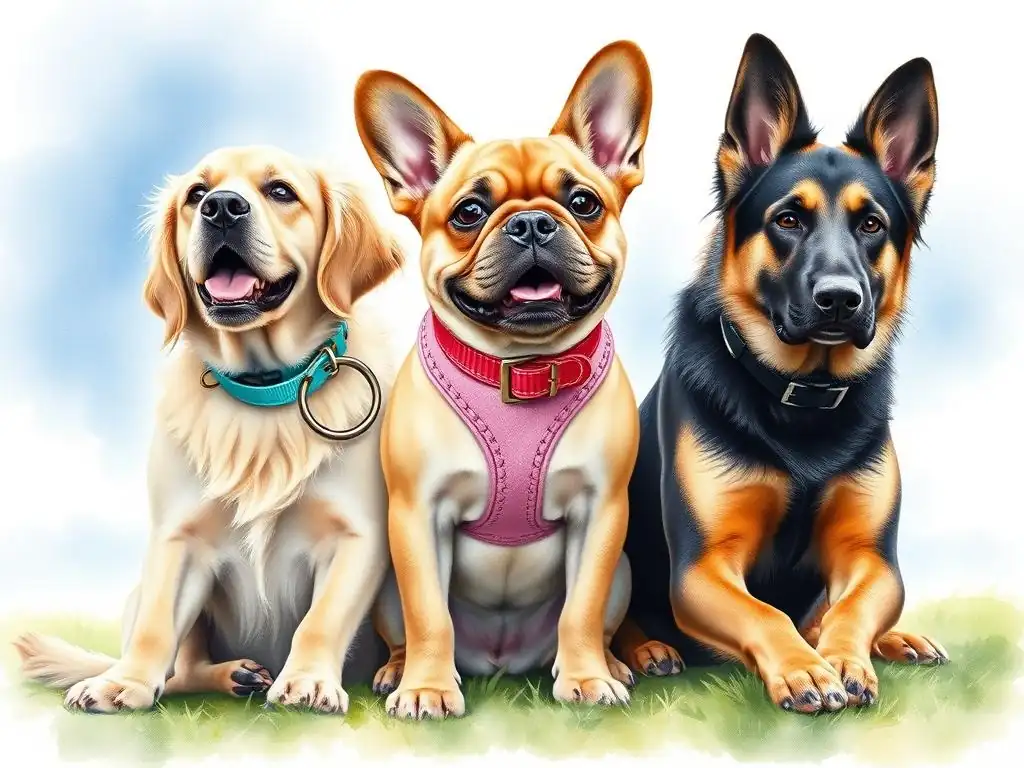
Nylon is a popular choice for dog collars due to its blend of durability, affordability, and relative comfort. Its synthetic nature makes it resistant to tearing and stretching, offering a longer lifespan than some natural materials like leather. This inherent strength is particularly beneficial for energetic dogs who might pull on their leashes frequently. Furthermore, nylon collars are generally inexpensive, making them an accessible option for pet owners on a budget.
The comfort level, however, can vary depending on the specific weave, thickness, and overall design of the collar. A well-padded nylon collar can provide adequate cushioning, preventing chafing and irritation, while a poorly designed one might feel stiff and uncomfortable against the dog's skin. Choosing a nylon collar with appropriate padding and a smooth finish is crucial for ensuring your dog's comfort.
The material's ease of cleaning is another key advantage; most nylon collars can be easily wiped down or even machine-washed (check care instructions! ), making them practical for everyday use, especially for muddy or messy pups. The wide variety of colors and patterns available also caters to diverse aesthetic preferences.
Pros and Cons of Nylon Dog Collars: A Detailed Analysis
Let's delve into a detailed comparison of the advantages and disadvantages of nylon dog collars to help you make an informed decision.
| Feature | Pros | Cons |
|---|---|---|
| Durability | Highly resistant to tearing and stretching; long-lasting, especially for active dogs. | Can be prone to fraying or damage with prolonged exposure to sharp objects or rough surfaces. |
| Affordability | Generally inexpensive, making them a budget-friendly option. | Lower-quality nylon collars may not be as durable or comfortable. |
| Comfort | Can be comfortable if well-padded and made with a smooth finish. | Can feel stiff or uncomfortable if poorly designed or lacking padding. |
| Cleanability | Easy to clean; most are wipeable or machine washable. | Some dyes might fade with repeated washing. |
| Variety | Wide range of colors, patterns, and designs available. | May not be as aesthetically pleasing to all owners as leather or other materials. |
Choosing a high-quality nylon collar is key to maximizing its benefits. Look for collars with reinforced stitching, smooth edges, and adequate padding. Always check the manufacturer's recommendations for cleaning and care.
Best Nylon Dog Collars for Everyday Use
Selecting the "best" nylon collar depends heavily on your individual dog's size, temperament, and lifestyle. However, several features consistently contribute to a comfortable and practical everyday collar. Look for collars with:
- Adjustable sizing: Allows for a perfect fit as your dog grows or gains weight.
- Durable buckle or clip: Ensures the collar remains securely fastened.
- Soft padding: Minimizes chafing and irritation.
- Reflective elements: Enhances visibility during nighttime walks, improving safety.
- D-ring placement: Allows for easy leash attachment without discomfort for the dog.
Consider the size and weight of your dog when choosing a collar. A collar that's too tight can restrict breathing and circulation, while one that's too loose can easily slip off. Always prioritize a comfortable and secure fit. For everyday use, a simple, well-made nylon collar in a neutral color is often a versatile and practical choice.
Nylon Collars for Active Dogs: Water Resistance and Durability
For active dogs who enjoy swimming, hiking, or playing in wet conditions, water resistance is a crucial factor. While nylon itself is generally water-resistant, not all nylon collars are created equal. Some are specifically designed for wet environments and offer enhanced durability and quick-drying properties. These collars often feature:
- Waterproof coating: Protects the collar from moisture damage.
- Reinforced stitching: Ensures the collar can withstand rigorous activity.
- Durable hardware: Prevents rust and corrosion in wet conditions.
Choosing a collar with these features ensures that your active dog's collar remains comfortable and functional, even after exposure to water and mud. Remember to rinse and dry your dog's collar thoroughly after exposure to water to prevent mold or mildew growth. Regular inspection for wear and tear is also important to ensure continued safety and comfort for your canine companion. Investing in a high-quality, water-resistant nylon collar is a smart choice for the adventurous dog. 🐶
Leather Dog Collars: Classic Style and Enhanced Comfort
Leather dog collars represent a timeless choice, appreciated for their classic aesthetic and often superior comfort. The inherent flexibility and softness of well-made leather collars can provide a gentler feel against your dog's neck, minimizing potential chafing, particularly for dogs with sensitive skin. This makes leather a popular choice for many breeds and activity levels, offering a balance between durability and comfort.
However, the "best dog collar material comfort" is subjective and depends heavily on the quality of the leather and the specific needs of your canine companion. Choosing the right leather collar involves careful consideration of several factors, which we'll explore below.
Pros and Cons of Leather Dog Collars: Longevity and Maintenance
Leather dog collars offer several advantages, contributing to their enduring popularity. One key benefit is their longevity. A high-quality leather collar, properly cared for, can last for years, even with regular use. This makes them a potentially cost-effective option in the long run, despite a typically higher initial price point. However, leather does require maintenance. Regular cleaning and conditioning are essential to preserve the leather's suppleness and prevent cracking or drying out. Neglecting this maintenance can significantly shorten the collar's lifespan and compromise its comfort.
| Pros | Cons |
|---|---|
| Durable and long-lasting | Requires regular cleaning and conditioning |
| Comfortable and soft against skin | Can be expensive |
| Classic and stylish appearance | May not be suitable for all weather conditions |
| Naturally breathable | Can be damaged by water or harsh chemicals |
Leather collars also present some drawbacks. They are not inherently waterproof, and prolonged exposure to water can damage the leather, leading to warping or cracking. Furthermore, leather collars are more susceptible to damage from sharp objects or rough play compared to some synthetic materials. Therefore, careful consideration of your dog's activity level and environment is crucial before opting for a leather collar. For dogs who frequently swim or play in muddy conditions, a more water-resistant material might be a better choice.
Choosing the Right Leather for Your Dog Collar: Full-Grain vs. Top-Grain Leather
The type of leather used significantly impacts both the collar's durability and comfort. Two primary types are commonly used: full-grain and top-grain leather. Full-grain leather is the highest quality, retaining the leather's natural grain and imperfections. This makes it incredibly strong and durable, offering superior resistance to wear and tear. Full-grain leather also tends to develop a beautiful patina over time, adding to its character and charm. However, it's typically more expensive.
Top-grain leather is a more economical option. It's made from the top layer of the hide, but the imperfections are often sanded away, resulting in a smoother, more uniform surface. While it's still durable, it's generally less resistant to scratches and wear than full-grain leather. Additionally, the sanding process can slightly reduce the breathability of the material. The choice between full-grain and top-grain leather often boils down to a balance between budget and desired longevity.
High-Quality Leather Dog Collars: A Comparison
Several factors contribute to the quality of a leather dog collar, influencing its comfort and longevity. The thickness of the leather is crucial; thicker leather is generally more durable but might feel stiffer initially. Stitching quality is another important aspect. Strong, even stitching is essential to prevent the collar from tearing or coming apart.
Finally, the hardware, such as buckles and D-rings, should be made of high-quality, rust-resistant materials to ensure long-lasting performance. A well-made collar will showcase meticulous craftsmanship, using premium materials and robust construction techniques. Consider researching reputable brands known for their commitment to quality, ensuring your investment in a leather dog collar provides both comfort and lasting value for you and your canine companion. Remember, a comfortable collar is key to a happy and well-behaved dog 🐶.
Biothane Dog Collars: Strength, Waterproofing, and Easy Cleaning
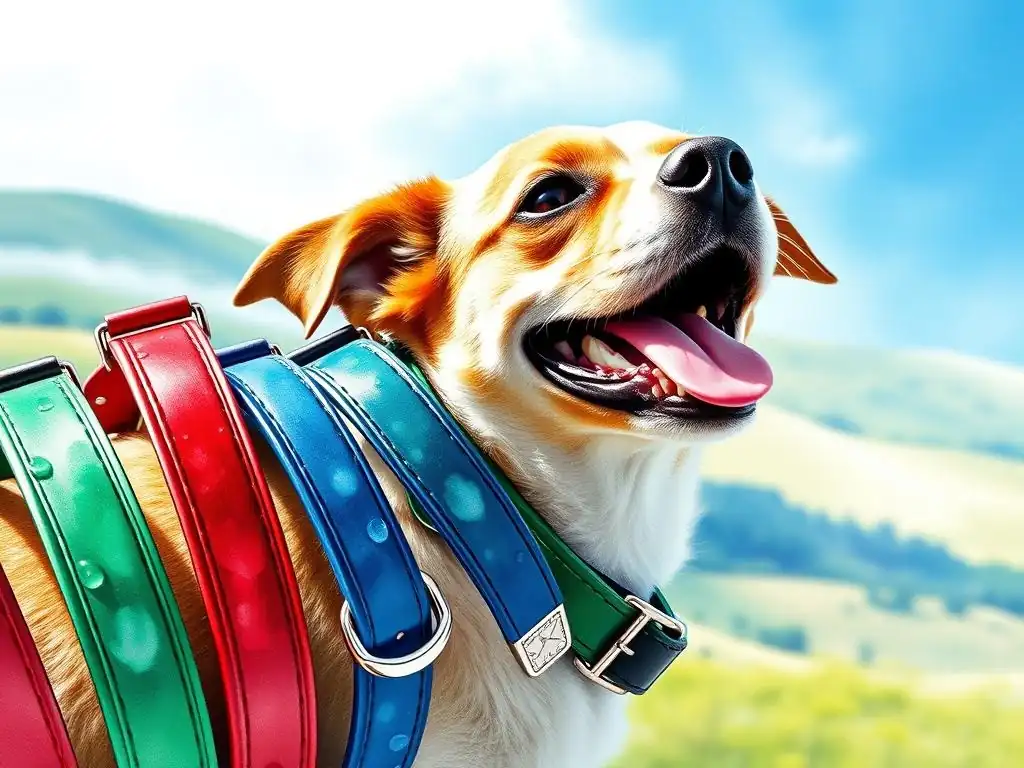
Biothane, a popular choice for dog collars, offers a compelling blend of durability, practicality, and comfort, making it a strong contender for the title of "best dog collar material comfort" for many dog owners. Its unique properties address several key concerns for pet owners seeking a long-lasting and easy-to-maintain collar. This material's inherent strength and resistance to the elements make it particularly suitable for active dogs and those who frequently encounter water. Let's delve into the specific advantages Biothane offers.
What is Biothane? Understanding its Benefits for Dog Collars
Biothane is a synthetic material, a polyurethane coated nylon, that combines the flexibility of nylon with the waterproof qualities of polyurethane. This unique construction results in a collar that is both incredibly strong and remarkably easy to clean. Unlike leather, which can absorb moisture and become damaged by water, or nylon, which can be prone to fraying and wear, Biothane resists dirt, grime, and water damage.
Its smooth surface minimizes friction against your dog's fur, contributing to enhanced comfort, especially during prolonged wear. Furthermore, Biothane is incredibly durable; it resists tearing and stretching, ensuring the collar maintains its shape and functionality even after repeated use and exposure to harsh conditions. This longevity translates into a cost-effective solution in the long run, reducing the frequency of collar replacements.
The material's resistance to stretching also means that the collar will maintain its fit over time, unlike some materials that may stretch and loosen. This consistency in fit is crucial for maintaining collar effectiveness and preventing slippage.
Biothane Dog Collars: Ideal for Active and Water-Loving Dogs
The exceptional properties of Biothane truly shine when considering active dogs and those who enjoy swimming or other water activities. Its waterproof nature prevents the collar from absorbing water, reducing the weight and preventing the unpleasant smell often associated with damp, traditional materials.
For dogs who love to play in puddles, swim in lakes, or even just get caught in the rain, a Biothane collar remains comfortable and functional, without the risk of damage or deterioration. This makes it a superior choice compared to leather or canvas collars which can become heavy, stiff, and even moldy when wet.
The material's durability also withstands the rigors of active play and prevents fraying or tearing, even when subjected to significant pulling or abrasion. Many owners of working dogs, hunting dogs, and even simply highly energetic breeds find Biothane collars to be the perfect solution for their needs, guaranteeing reliable performance and sustained comfort, a key factor in the quest for the "best dog collar material comfort."
Top-Rated Biothane Dog Collars: A Review
While specific brand recommendations are beyond the scope of this section, several characteristics contribute to a top-rated Biothane dog collar. Look for collars featuring:
- Reinforced stitching: This ensures exceptional durability and prevents the collar from tearing or coming apart under stress.
- High-quality hardware: Durable, rust-resistant hardware (like solid brass or stainless steel) is essential for a long-lasting collar. Avoid cheap, plastic buckles that can easily break.
- Comfortable padding (optional): While Biothane itself is smooth, some collars incorporate padding for added comfort, particularly beneficial for dogs with sensitive skin or those who wear the collar for extended periods.
- Proper sizing: Accurate sizing is crucial for both comfort and safety. A collar that is too tight can restrict breathing and circulation, while one that is too loose can easily slip off. Always measure your dog's neck carefully before purchasing.
Choosing a Biothane dog collar means choosing a durable, comfortable, and easy-to-maintain option. Its resistance to water and dirt, combined with its inherent strength, makes it a practical and reliable choice for dogs of all activity levels, contributing significantly to a dog's overall well-being and comfort. For those seeking the "best dog collar material comfort," Biothane frequently emerges as a top contender.
Choosing the Best Dog Collar Material for Sensitive Skin
Finding the best dog collar material for comfort, especially for dogs with sensitive skin, requires careful consideration. A poorly chosen collar can lead to discomfort, irritation, and even injury. This section focuses on selecting materials that prioritize your dog's well-being and minimize the risk of skin problems. We'll explore various materials, highlighting their pros and cons regarding skin sensitivity and overall comfort. The goal is to equip you with the knowledge to make an informed decision, ensuring your canine companion enjoys a comfortable and irritation-free experience.
Identifying Signs of Skin Irritation in Dogs
Recognizing signs of skin irritation is crucial for preventing further discomfort. Early identification allows for prompt intervention, preventing minor issues from escalating into more serious problems. Common symptoms include:
- Redness: Noticeable redness around the neck area, particularly where the collar rests.
- Itching: Excessive scratching, licking, or biting at the neck.
- Hair Loss: Patches of missing fur around the collar's contact points.
- Hot Spots: Moist, inflamed areas that may be crusty or oozing.
- Bumps or Swelling: Raised areas or swelling around the neck.
- Odor: An unusual or unpleasant smell emanating from the affected area.
If you observe any of these signs, consider removing the collar immediately and consulting your veterinarian. They can diagnose the cause of the irritation and recommend appropriate treatment. Remember, prevention is key, and selecting the right collar material is a significant step in protecting your dog's delicate skin. Properly fitting the collar is also crucial to avoid rubbing and irritation.
Hypoallergenic Dog Collar Materials: Reducing Allergy Risks
Many dogs suffer from allergies, making material selection even more critical. Opting for hypoallergenic materials minimizes the risk of allergic reactions. Some excellent choices include:
- Nylon: Often considered a good hypoallergenic option, provided it's high-quality and free from harsh chemicals. Look for nylon collars that are breathable and soft to the touch.
- Leather (carefully sourced): Genuine leather, especially vegetable-tanned leather, can be a comfortable and hypoallergenic option. However, ensure the leather is free from harsh chemicals used in tanning. Avoid cheap, poorly treated leathers.
- Biothane: This durable, waterproof material is a synthetic option that's often hypoallergenic and very easy to clean. It resists odors and doesn't absorb moisture, making it ideal for active dogs or those prone to skin conditions.
It's important to note that even hypoallergenic materials can cause reactions in some dogs. Always monitor your dog for any signs of irritation after introducing a new collar. Regular cleaning of the collar is also essential to prevent the buildup of dirt, oils, and allergens.
Best Dog Collars for Dogs with Sensitive Skin
For dogs with sensitive skin, comfort should be the top priority. Several collar types and materials offer superior comfort:
| Material | Pros | Cons | Ideal For |
|---|---|---|---|
| Soft Nylon | Breathable, lightweight, affordable | Can be less durable than other options | Everyday use, puppies, dogs with mild sensitivities |
| Biothane | Durable, waterproof, easy to clean, hypoallergenic | Can be slightly stiffer than other materials | Active dogs, dogs prone to skin conditions |
| Vegetable-Tanned Leather | Durable, comfortable, naturally hypoallergenic | Requires more care, can be more expensive | Dogs who appreciate a more classic look |
| Cotton Webbing | Soft, breathable, absorbent | Not as durable as other options; may not be suitable for strong pullers | Dogs who need a lightweight and comfortable collar |
Remember to always prioritize a proper fit. A collar that's too tight can cause chafing and irritation, while one that's too loose poses a safety risk. Regularly check the collar for any signs of wear and tear, and replace it as needed. Choosing the right collar material is a crucial step in ensuring your dog's comfort and well-being. Prioritizing comfort helps maintain a healthy and happy dog.
Matching Dog Collar Material to Your Dog's Lifestyle and Activity Level
Choosing the best dog collar material for comfort depends heavily on your dog's lifestyle and activity level. A delicate, lightweight collar might be perfect for a pampered indoor pup, while a robust, durable collar is essential for an adventurous canine who loves hiking and playing outdoors. Understanding your dog's needs will help you select the optimal material for both their comfort and safety. Let's explore some scenarios:
Dog Collars for Everyday Walks and Casual Use
For everyday walks and casual use, comfort and ease of cleaning are paramount. Materials like nylon and soft leather are excellent choices. Nylon offers a balance of durability and lightweight comfort, and is easily cleaned with a damp cloth. Many nylon collars also come in a wide array of colors and patterns, allowing for personalization. Soft leather, particularly vegetable-tanned leather, provides a luxurious feel and ages beautifully, developing a unique patina over time. However, leather requires more maintenance, needing occasional conditioning to prevent drying and cracking. Consider the following factors when choosing a collar for everyday use:
- Lightweight: Avoid overly heavy collars that could strain your dog's neck.
- Breathability: Opt for materials that allow for airflow, preventing overheating, especially in warmer climates.
- Easy Cleaning: Choose materials that are easy to wipe down or machine wash (check care instructions).
Durable Dog Collars for Hiking and Outdoor Adventures
When engaging in strenuous activities like hiking, running, or playing fetch in rugged terrain, durability is key. For these situations, consider heavy-duty nylon, biothane, or strong leather. Heavy-duty nylon offers exceptional strength and resistance to wear and tear. Biothane, a synthetic material, is incredibly durable, waterproof, and easy to clean – perfect for muddy adventures. While strong, thick leather can also withstand the rigors of outdoor activities, it requires careful maintenance to retain its durability and prevent damage from moisture. Here's a table summarizing the pros and cons:
| Material | Pros | Cons | Best Suited For |
|---|---|---|---|
| Heavy-Duty Nylon | Durable, lightweight, easy to clean | Can show wear over time, may not be as soft | Hiking, running, general outdoor use |
| Biothane | Durable, waterproof, easy to clean | Can be slightly stiff, less breathable than nylon | Hiking, water activities |
| Strong Leather | Durable, classic look, can be very soft | Requires maintenance, can be expensive, absorbs moisture | Hiking (with proper care) |
Choosing the right collar for these activities also involves considering features like sturdy hardware (buckles and D-rings) capable of withstanding significant stress. Remember to always check the collar for wear and tear after each outdoor adventure. 🐕🦺
Dog Collars for Training and Obedience Work
For training and obedience work, a collar that provides a secure and comfortable fit is crucial. The best dog collar material for comfort in this context often depends on the specific training method. While many trainers use nylon or leather collars, the focus should be on a properly fitted collar that doesn't restrict movement or cause discomfort. A poorly fitting collar, regardless of material, can negatively impact training progress. Consider these points:
- Proper Fit: The collar should be snug but not tight. You should be able to fit two fingers comfortably between the collar and your dog's neck.
- Durability: The collar should withstand the potential stresses of tugging and pulling during training sessions.
- Avoid Distractions: Choose a collar that is simple and doesn't have excessive embellishments that could distract your dog.
Remember, the most comfortable collar is one that is properly fitted and made from a material suitable for your dog's lifestyle and the demands placed upon it. Prioritizing comfort and safety will contribute to a positive training experience for both you and your canine companion. 🐶
Maintaining Your Dog's Collar: Cleaning and Care Tips for Different Materials
Choosing the best dog collar material for comfort is only half the battle. Proper cleaning and maintenance are crucial for extending the life of your dog's collar and ensuring its continued comfort and hygiene. Different materials require different care, so understanding these nuances is key to responsible pet ownership. Neglecting proper care can lead to premature wear, unpleasant odors, and even potential skin irritation for your furry friend. This section will guide you through the specific cleaning and care instructions for various popular dog collar materials.
Cleaning Nylon Dog Collars: Simple and Effective Methods
Nylon dog collars are popular due to their durability, affordability, and lightweight nature. However, they can accumulate dirt, grime, and even bacteria from daily walks and playtime. Fortunately, cleaning a nylon collar is relatively straightforward.
Here's a step-by-step guide:
- Pre-treatment (Optional): For heavily soiled collars, pre-treat stubborn stains with a gentle pet-safe stain remover. Allow it to sit for a few minutes before proceeding.
- Hand Washing: The best method is hand washing. Fill a bowl with lukewarm water and add a small amount of mild pet-friendly detergent. Avoid harsh chemicals and bleaches, as these can damage the nylon and irritate your dog's skin. Submerge the collar and gently agitate it in the soapy water.
- Rinsing: Thoroughly rinse the collar under cool running water until all traces of soap are gone. Ensure no detergent residue remains.
- Drying: Air dry the collar completely. Avoid using a machine dryer, as the high heat can damage the material. Hang it up in a well-ventilated area or lay it flat on a clean towel.
Pro Tip: For a deeper clean, or to eliminate persistent odors, you can soak the nylon collar in a solution of equal parts white vinegar and water for about 30 minutes before washing. Vinegar is a natural deodorizer and disinfectant.
Caring for Leather Dog Collars: Proper Cleaning and Conditioning
Leather dog collars offer a classic, sophisticated look and can last for years with proper care. However, leather is a natural material that requires more attention than nylon. Regular cleaning and conditioning are essential to maintain its suppleness, prevent cracking, and ensure its longevity.
Here's how to care for your leather dog collar:
- Spot Cleaning: For minor dirt or stains, use a damp cloth to gently wipe the collar. Avoid soaking the leather.
- Deep Cleaning: For more significant cleaning, use a specialized leather cleaner. Always test the cleaner on a small, inconspicuous area first to ensure it doesn't damage the leather. Apply the cleaner sparingly and gently wipe it off with a clean, damp cloth.
- Conditioning: After cleaning, apply a leather conditioner to keep the leather supple and prevent cracking. This is crucial for maintaining the collar's flexibility and extending its lifespan. Follow the conditioner's instructions carefully.
- Storage: When not in use, store your leather dog collar in a cool, dry place away from direct sunlight and heat.
Maintaining Biothane Dog Collars: Easy Cleaning and Long-Term Durability
Biothane dog collars are known for their durability, water resistance, and ease of cleaning. Made from a polyurethane-coated nylon, they are exceptionally easy to maintain and are a great option for active dogs.
Maintaining a Biothane collar is simple:
- Cleaning: Simply wipe the collar down with a damp cloth after each use to remove dirt and debris. For stubborn stains, use a mild soap and water solution, then rinse thoroughly and air dry.
- Disinfection: Biothane's waterproof nature makes it easy to disinfect. You can wipe it down with a solution of diluted bleach (always test in an inconspicuous area first) to kill bacteria and germs. Rinse thoroughly afterward.
- Durability: Biothane is highly resistant to wear and tear, making it a long-lasting and low-maintenance option. It won't absorb water or odors, making it ideal for even the muddiest adventures.
Remember, regular cleaning and proper care will significantly extend the life of your dog's collar, keeping it comfortable and safe for your beloved pet. Choosing the right material and then following these simple steps ensures your dog enjoys their collar for years to come. 🐶
Frequently Asked Questions (FAQ) about Dog Collar Materials
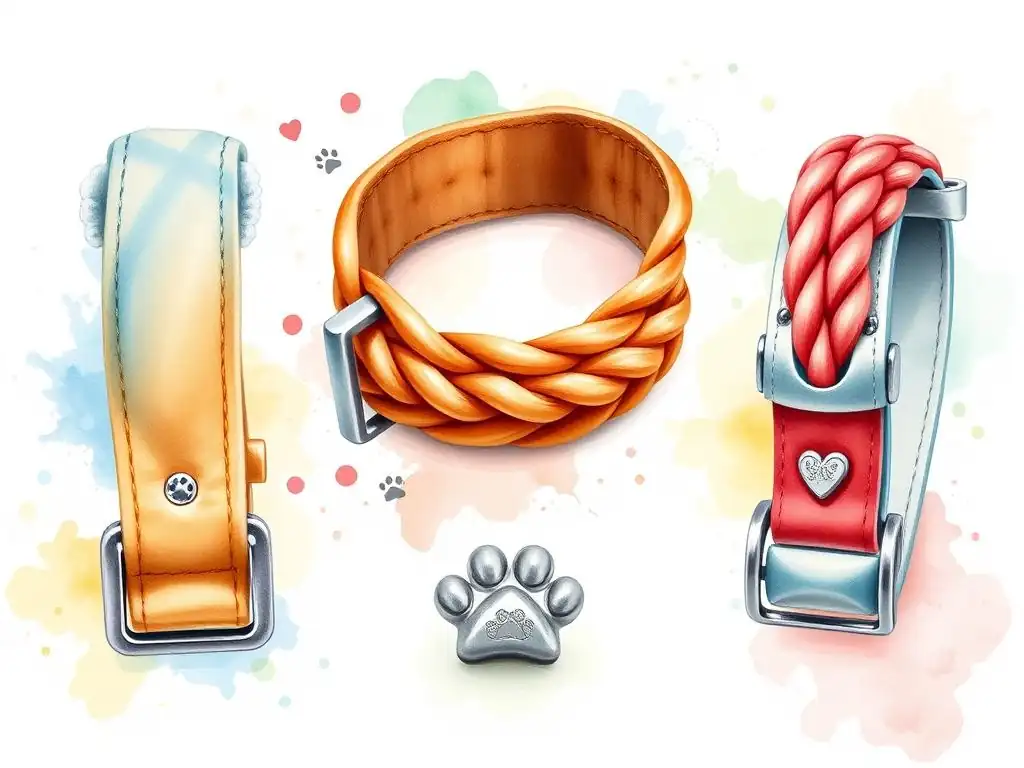
This section addresses common queries regarding dog collar materials and their suitability for your canine companion. Choosing the right material is crucial for your dog's comfort and safety, impacting everything from preventing skin irritation to ensuring the collar's durability. We'll delve into the specifics to help you make an informed decision.
What is the most comfortable dog collar material?
Determining the most comfortable dog collar material is tricky, as comfort is subjective and depends heavily on your individual dog's sensitivities and preferences. However, some materials are generally considered more comfortable than others for the majority of dogs.
Soft, breathable fabrics often rank highly. For example, nylon webbing is a popular choice because it's lightweight, durable, and comes in various widths and colors. High-quality nylon is often padded, further enhancing comfort. Similarly, padded leather collars can provide exceptional comfort, especially for dogs with sensitive skin, although proper care is essential. The padding acts as a cushion, preventing chafing and pressure points.
Conversely, materials like stiff leather (unpadded) or certain types of rope can be less comfortable, especially for prolonged wear. These materials might be suitable for specific activities or breeds but should be used with caution and monitored for any signs of skin irritation. Always check your dog's neck regularly for redness, sores, or hair loss. A well-fitting collar is paramount, regardless of the material.
Consider your dog's breed and activity level when selecting a material. A small, delicate dog might be more comfortable in a lightweight nylon collar, while a larger, more active dog might benefit from a stronger, more durable material like padded leather or a robust biothane option.
Are leather dog collars better than nylon?
Leather and nylon dog collars each offer unique advantages and disadvantages regarding comfort and durability. The "better" option depends entirely on your specific needs and your dog's characteristics.
Leather collars, particularly those with good padding, offer a classic look and can be very durable if properly cared for. They tend to soften with age and use, becoming more comfortable over time. However, leather requires regular cleaning and conditioning to prevent cracking and drying out. Exposure to moisture can also damage leather collars, making them less suitable for dogs who love swimming or playing in the rain. Additionally, high-quality leather collars can be more expensive than comparable nylon options.
Nylon collars are generally more affordable, lightweight, and easy to clean. They are also highly durable and resistant to water damage. Many nylon collars are available with padded interiors for enhanced comfort. However, some dogs might find the texture of nylon less comfortable than leather, especially in hot and humid weather. Also, cheaper nylon collars might not be as robust and could fray or break more easily.
| Material | Pros | Cons | Best Suited For |
|---|---|---|---|
| Padded Leather | Durable, classic look, softens with age | Requires maintenance, expensive, water sensitive | Dogs who appreciate a softer, more traditional feel |
| Nylon Webbing | Lightweight, durable, easy to clean, affordable | Can be less comfortable for some dogs, may fray | Most dogs, especially active breeds |
| Biothane | Durable, waterproof, easy to clean | Can be stiff initially, more expensive | Active dogs, dogs prone to allergies |
Which dog collar material is best for small dogs?
For small dogs, lightweight and comfortable materials are crucial to avoid discomfort and potential injury. The delicate nature of smaller breeds necessitates careful consideration of collar weight and material.
Lightweight nylon webbing is often the best choice for small dogs. Its softness and breathability minimize the risk of chafing or skin irritation. Look for collars with minimal hardware and avoid overly stiff or bulky materials. Ensure the collar fits snugly but not too tightly to prevent choking or injury.
Soft leather can also be a good option, provided it's lightweight and well-padded. However, ensure it's properly conditioned to maintain its suppleness and prevent dryness. Avoid thick or stiff leather, as it can be too heavy and uncomfortable for a small dog.
Avoid collars made from heavy materials like rope or chain, as these can be too harsh and potentially harmful for delicate necks. Prioritize comfort and safety when selecting a collar for your small dog. Remember regular checks for any signs of discomfort are key. 🐶
How do I clean a dog collar made of [Specific Material]?
The cleaning method for your dog's collar depends entirely on the material it's made from. Let's explore some common materials and their cleaning requirements. Remember, always check the manufacturer's instructions before cleaning, as some materials may require special care.
Nylon Collars: Nylon is a popular choice due to its durability and water resistance. To clean a nylon collar, you can usually just wipe it down with a damp cloth and mild soap. For tougher stains, you can soak it in a solution of mild detergent and lukewarm water for about 30 minutes, then gently scrub with a soft brush. Rinse thoroughly and allow it to air dry completely before putting it back on your dog. Avoid using harsh chemicals or putting it in the washing machine or dryer, as this can damage the material and weaken the stitching.
Leather Collars: Leather collars add a touch of elegance but require more delicate care. Avoid getting them excessively wet, as this can cause them to crack or become stiff. For light cleaning, use a leather cleaner and conditioner specifically designed for pet products. Apply it sparingly with a soft cloth, rubbing gently in the direction of the grain.
For stubborn dirt, you can use a slightly damp cloth with a mild soap, but be sure to dry it thoroughly afterward. Regular conditioning will help maintain the leather's suppleness and extend its lifespan. Never put a leather collar in the washing machine or dryer.
Biothane Collars: Biothane is a synthetic material that's incredibly durable, waterproof, and easy to clean. Its non-porous nature prevents the absorption of odors and bacteria, making it a hygienic option. To clean a Biothane collar, simply wipe it down with a damp cloth and mild soap. You can also use a disinfectant wipe for added hygiene. Biothane is very resilient and can withstand a bit more scrubbing than other materials if needed. Allow it to air dry completely.
Cotton Webbing Collars: Cotton webbing collars are generally comfortable and absorbent, but they can also be prone to staining and odor absorption. Machine washing is often possible, but always check the care label. Generally, a gentle cycle with cold water and mild detergent is recommended. Air dry completely and avoid using high heat or harsh chemicals.
Remember: Always check the collar's tag for specific cleaning instructions. Regardless of the material, ensure the collar is completely dry before placing it back on your dog to prevent skin irritation. Regular cleaning helps maintain hygiene and prolongs the life of your dog's collar, contributing to their overall comfort and well-being. A clean collar is a happy dog! 🐶
Conclusion: Finding the Perfect Dog Collar for Your Furry Friend
Choosing the right dog collar is crucial for your canine companion's comfort and safety. The "best dog collar material comfort" isn't a one-size-fits-all answer; it depends heavily on your individual dog's needs and your lifestyle. This section summarizes key considerations and provides final recommendations to help you make an informed decision. Remember, a comfortable collar contributes significantly to a happy and well-adjusted dog. Prioritizing comfort ensures your dog enjoys wearing their collar without irritation or discomfort.
Recap of Key Factors to Consider When Choosing a Dog Collar Material
Before making your final decision, let's recap the essential factors influencing your choice of dog collar material. These factors interact to determine the optimal material for your dog:
- Your Dog's Breed and Size: Larger breeds with thicker coats might benefit from durable, breathable materials like nylon or canvas. Smaller breeds with delicate skin might require softer options like leather or biothane. Consider the potential for rubbing or chafing based on your dog's build.
- Your Dog's Lifestyle: An active dog participating in vigorous activities needs a robust and durable collar material that can withstand pulling and wear. A less active dog might be perfectly content with a softer, more comfortable material.
- Your Dog's Sensitivity: Some dogs have sensitive skin prone to allergies or irritation. For these dogs, hypoallergenic materials like nylon or leather (properly treated) are preferable. Avoid materials that might trap moisture, which can exacerbate skin problems. Regularly inspect your dog's neck for any signs of irritation, regardless of the material used.
- Your Budget: Dog collar materials range significantly in price. While premium materials offer enhanced durability and comfort, budget-friendly options are also available and can provide adequate performance. Balance cost with your dog's specific needs and your own financial resources.
- Durability and Longevity: Consider how long you expect the collar to last. Some materials, like leather, require more maintenance but offer a longer lifespan. Others, like nylon, might be more affordable but may need replacing more frequently. The longevity of the collar plays a role in the overall cost-effectiveness.
Final Recommendations Based on Dog Breed, Lifestyle, and Budget
To aid your decision-making process, here are some final recommendations based on different dog profiles:
| Dog Profile | Recommended Material(s) | Considerations |
|---|---|---|
| Large, Active Breed | Nylon, Canvas, Biothane | Durability, breathability, easy cleaning. |
| Small, Delicate Breed | Leather (properly treated), Biothane | Softness, hypoallergenic properties, reduced risk of irritation. |
| Sensitive Skin | Nylon, Biothane, Soft Leather | Hypoallergenic properties, breathability, avoidance of rough textures. |
| Budget-Conscious Owner | Nylon, Durable Polyester | Affordable, readily available, generally durable enough for moderate activity levels. |
| Luxury/Show Dog | High-Quality Leather, Biothane | Superior comfort, durability, and aesthetics. May require more specialized care. |
Remember to always prioritize your dog's comfort and safety when choosing a collar. Regularly check the collar for wear and tear, and replace it if necessary. A well-fitting, comfortable collar is essential for a happy and well-adjusted dog. The best dog collar material comfort is the one that suits your unique furry friend perfectly! 🐶
Frequently Asked Questions
What is the most comfortable dog collar material?
The most comfortable materials are generally considered to be soft leather, nylon webbing, or biothane. These materials are durable yet gentle on your dog's skin. Avoid anything too stiff or abrasive.
How do I know if my dog's collar is causing discomfort?
Look for signs like redness, irritation, or excessive scratching at the collar area. If your dog seems to be constantly trying to remove the collar, it's likely uncomfortable. Consider a different material or a better fitting collar.
Are there any materials I should avoid for my dog's collar?
Avoid collars made from rough materials like stiff rope or chain, especially if your dog has sensitive skin. Also, be wary of collars with excessive hardware that could chafe.
What is Biothane, and is it a good choice?
Biothane is a synthetic material that's durable, waterproof, and easy to clean. It's a great option for active dogs or those who spend time outdoors in all weather conditions. It's generally considered comfortable, though some dogs may prefer softer materials.
How often should I check my dog's collar for wear and tear?
You should check your dog's collar daily for signs of wear and tear, such as fraying, cracking, or broken hardware. A damaged collar can be uncomfortable and potentially dangerous for your dog. Replace it immediately if necessary.
Final Reflection: The Unseen Comfort: Choosing the Right Dog Collar
The seemingly simple act of choosing a dog collar is far more impactful than many realize; the right material can mean the difference between a happy, comfortable companion and a pet experiencing unnecessary discomfort. This article has explored the diverse world of dog collar materials, highlighting the unique benefits and drawbacks of each. From the breathable softness of nylon to the durability of leather, the choice significantly impacts your dog's daily experience.
The ongoing influence of this seemingly small detail on our canine companions' well-being is profound. We often overlook the subtle ways our choices affect those we love, and the simple act of selecting a comfortable collar speaks volumes about our commitment to their happiness. The best mirror is an old friend.
This holds true for our pets; their reactions to our choices, however small, reflect the quality of our care. Understanding the nuances of collar materials allows us to make more informed decisions, fostering a deeper bond based on mutual respect and comfort.
Now, consider your own dog. What material currently adorns their neck? Does it truly reflect their needs and your commitment to their well-being? Take a moment to reflect on this, and if necessary, make a change. Choose a collar that prioritizes comfort, durability, and a harmonious relationship with your beloved companion. The small act of selecting the right collar can be a powerful symbol of your love and care, enriching the lives of both you and your furry friend.
Unleash Your Dog's Comfort: Find the Perfect Collar!
Thank you for learning about choosing the right dog collar! We hope you feel confident selecting a collar that prioritizes your pup's comfort and well-being. Ready to put this knowledge into practice?
- Prioritize comfort: Visit your local pet store or browse online retailers and carefully examine different collar materials, considering texture and durability. Your dog's breed and lifestyle should guide your decision.
- Share your experiences: What materials have worked best for your dog? Share your insights with other PetCareWorld readers in the comments below! Helping other pet parents make informed decisions is invaluable.
- Try something new: Curious about a material you haven't tried? Give it a try – you might discover the key to your dog's ultimate collar comfort!
What material feature do you value most in a dog collar – durability, softness, or something else?