
Dog Collar Safety: How to Keep Your Dog Safe on Every Walk

Welcome to PetCareWorld, your ultimate guide to a happier, healthier life for your beloved pets! Are you ready to ensure your canine companion's safety on every adventure? Our expert Safe Dog Walking Collar Guide, found within our Pet Gear & Essentials section, unveils the secrets to choosing the perfect collar and harness, minimizing risks, and maximizing your dog's comfort and security. Discover how to navigate the world of dog walking gear with confidence – and keep your furry friend safe and sound. Let's get started!
- Understanding the Risks: Why Choosing the Right Dog Collar Matters
- Choosing the Best Dog Collar for Safe Walking: A Comprehensive Guide
- Materials and Durability: Finding a Safe and Long-Lasting Dog Collar
- Additional Safety Features for Enhanced Dog Walking Safety
- Recommended Safe Dog Walking Collars & Harnesses
- Maintaining Your Dog's Collar: Ensuring Continued Safety
- Frequently Asked Questions
- Final Reflection: The Unbreakable Bond: Ensuring Your Dog's Safety
- Unlock Your Dog's Walking Freedom: Safe Steps to Every Adventure
Understanding the Risks: Why Choosing the Right Dog Collar Matters
Walking your dog should be a joyful experience, a time for bonding and exercise. However, without the proper equipment, even a seemingly simple stroll can turn dangerous. This comprehensive guide focuses on safe dog walking collar selection, a crucial aspect often overlooked by pet owners.
We'll explore the potential hazards associated with ill-fitting or inappropriate collars, emphasizing the importance of selecting a collar that prioritizes both your dog's safety and comfort. Learning how to choose the right collar is a fundamental step towards ensuring safe and enjoyable walks for both you and your furry friend. This guide will equip you with the knowledge to make informed decisions, contributing to a safer and more positive experience for your canine companion.
We'll delve into various collar types, materials, and fitting techniques, ultimately empowering you to become a more responsible and informed dog owner. This is your ultimate guide to selecting a dog collar that minimizes risks and promotes safe dog walking.
Common Dog Walking Accidents and Their Prevention
Many dog walking accidents are preventable with the right equipment and awareness. A poorly fitting or unsuitable collar can contribute significantly to these incidents. Let's examine some common scenarios:
- Sudden escapes: A collar that slips or breaks easily can lead to your dog running into traffic or getting lost. A properly fitted collar with a secure buckle is crucial to prevent this.
- Choking hazards: Collars that are too tight or that constrict the neck during sudden movements can cause choking, leading to serious injury or even death. Proper fit and collar type are paramount here.
- Neck injuries: Pulling on a leash with an improperly fitted collar can strain or injure your dog's neck, particularly in smaller breeds or those with delicate necks.
- Collar damage: Chewing or excessive wear on a low-quality collar can lead to breakage during walks, creating the same escape and choking hazards.
Implementing preventative measures is key. These include:
- Regular collar inspections: Check your dog's collar daily for wear and tear. Replace it immediately if you notice any damage.
- Proper fitting: Ensure the collar fits snugly but not too tightly. You should be able to fit two fingers comfortably between the collar and your dog's neck.
- Appropriate collar type: Choose a collar designed for your dog's size, breed, and activity level. Avoid collars known for being easily broken or slipping off.
- Leash training: Proper leash training teaches your dog to walk calmly beside you, reducing the strain on the collar.
The Importance of a Secure and Comfortable Dog Collar for Safe Walks
A safe dog walking experience hinges on the right collar. Security and comfort are not mutually exclusive; in fact, they are intrinsically linked. A secure collar prevents escapes and choking hazards, while a comfortable collar minimizes discomfort and prevents skin irritation. Consider these factors:
- Secure Fasteners: The buckle or closure mechanism must be strong and reliable, resisting accidental opening. Double-locking mechanisms offer superior security.
- Proper Fit: A collar that's too loose poses escape risks, while one that's too tight causes discomfort and potential injury. The “two-finger” rule is a good guideline.
- Material Comfort: The collar material should be soft and breathable, avoiding harsh materials that can chafe or irritate your dog's skin.
- Durability: A durable collar withstands daily wear and tear, reducing the risk of breakage during walks.
Choosing the Right Collar Material for Your Dog's Safety: Nylon, Leather, Biothane
The material of your dog's collar significantly impacts its safety and longevity. Each material offers unique properties:
| Material | Pros | Cons | Best Suited For |
|---|---|---|---|
| Nylon | Durable, lightweight, easy to clean, affordable | Can fade or weaken with prolonged sun exposure | Most dogs, especially active breeds |
| Leather | Classic look, durable, comfortable | Requires regular conditioning, can be expensive | Dogs that don't excessively chew on their collars |
| Biothane | Durable, waterproof, easy to clean, strong | Can be less comfortable than leather, more expensive | Dogs who swim frequently or live in wet climates |
Choosing the right collar material depends on your dog's lifestyle and habits. For example, a nylon collar might be ideal for an active dog, while a leather collar might be better suited for a dog that spends more time indoors. If your dog swims frequently or lives in a wet climate, a Biothane collar would be a great choice. Remember to always prioritize safety and comfort when making your selection. Ultimately, the best collar is one that is properly fitted, durable, and comfortable for your individual dog. 🐶
Choosing the Best Dog Collar for Safe Walking: A Comprehensive Guide
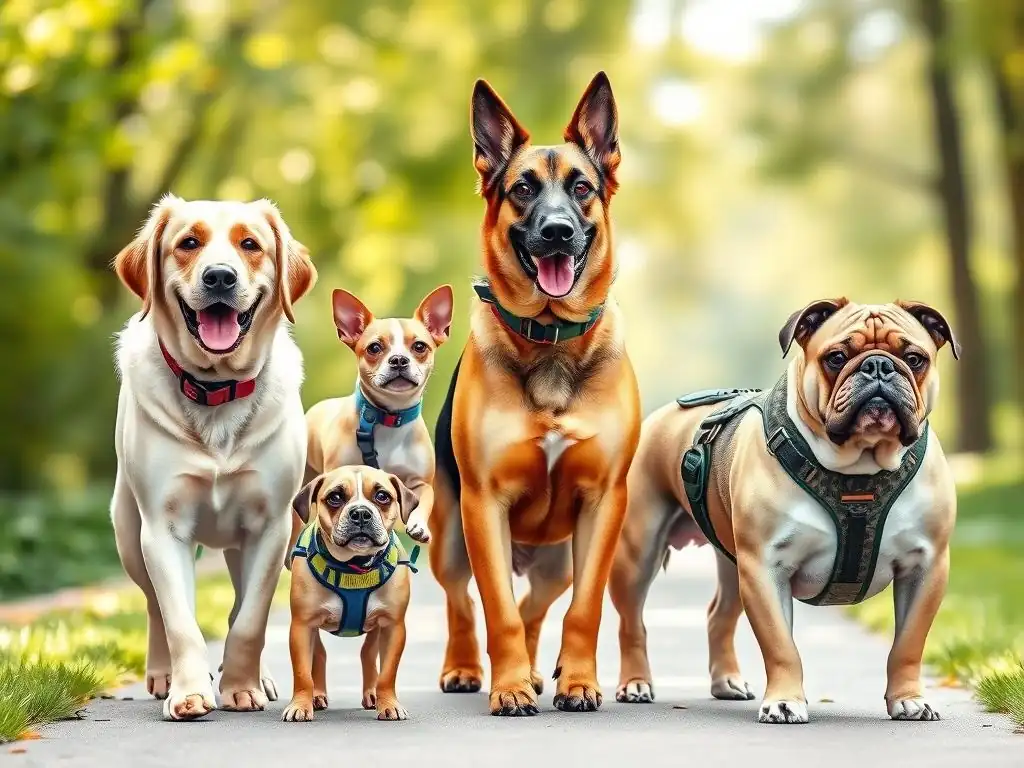
This section delves into the specifics of selecting a dog collar that prioritizes safety during walks. We'll explore various collar types, their suitability for different breeds and sizes, and crucial fitting considerations to prevent injuries. Understanding these factors is paramount for ensuring your dog's well-being and a positive walking experience for both of you. This guide aims to provide you with the knowledge to make an informed decision, contributing to a safer and more enjoyable time with your canine companion. Remember, a properly fitted and appropriate collar is a critical component of safe dog walking.
Safe Dog Walking Collar Guide: Breaking Down Collar Types
Choosing the right collar is the first step towards safe dog walking. Different collar types offer varying levels of control and safety, making the selection process crucial. Let's explore some popular options:
Harness vs. Collar: Which is Safer for Your Dog?
The age-old debate: harness or collar? While collars are convenient, harnesses often provide superior safety, especially for strong pullers. A harness distributes pressure across the chest, reducing the strain on the neck. Collars, on the other hand, put direct pressure on the neck, which can be dangerous if your dog pulls forcefully. For small breeds or dogs prone to tracheal collapse, a harness is strongly recommended.
Larger breeds may benefit from a harness as well to minimize the risk of neck injuries during sudden stops or pulls. Consider your dog's size, strength, and pulling habits when making your decision. The best choice often depends on individual dog characteristics and owner preferences. A well-fitted harness minimizes the risk of injury from pulling.
Martingale Collars: Benefits and Safety Considerations for Different Breeds
Martingale collars are designed with a loop that tightens slightly when the dog pulls, but loosens when the pressure is released. This prevents the collar from slipping off while avoiding the choking hazard associated with traditional choke chains. They're often recommended for breeds with slender necks that might slip out of standard collars. However, even with Martingale collars, proper fitting is essential.
Too tight, and it can still restrict breathing; too loose, and it offers no control. Always supervise your dog while using a Martingale collar. They are generally considered safer than choke chains but still require careful monitoring. Consider your dog's breed and neck circumference before selecting this type of collar.
Head Halters: When and How to Use Them Safely
Head halters, sometimes called gentle leaders, work by applying pressure to the muzzle and sides of the head when the dog pulls. They redirect the dog's attention, discouraging pulling behavior. While effective, they require proper training and introduction to prevent fear or discomfort. Incorrect usage can lead to injuries if not introduced gradually and patiently. Always ensure the halter fits correctly and never leave it on unsupervised. Head halters are not recommended for all dogs, and professional guidance may be beneficial before introducing this type of control. The aim is gentle redirection, not forceful restraint.
Slip Collars: Understanding the Risks and Alternatives
Slip collars, also known as choke chains, are generally considered unsafe due to the potential for neck injuries. The tightening mechanism around the neck poses a significant risk of choking or tracheal damage, especially with sudden pulls. While some trainers advocate their use, the potential harm outweighs the benefits in most situations. Modern alternatives like harnesses and Martingale collars provide effective control without the same level of risk. Avoid using slip collars unless under the strict guidance of a qualified and experienced dog trainer. Prioritize your dog's safety and well-being over quick fixes.
Choosing a Dog Collar Based on Your Dog's Breed and Size
The ideal collar varies greatly depending on your dog's breed and size. Small breeds often require thinner, lighter collars, while larger breeds may need sturdier options. Consider the breed's temperament and tendency to pull. A strong puller might benefit from a harness or a well-fitted Martingale collar. A gentle dog might only need a simple buckle collar. Research your dog's breed characteristics to ensure you choose a collar appropriate for its physical build and behavioral traits. Always prioritize comfort and safety.
Selecting the Right Fit: Preventing Choking and Injury
Proper fitting is crucial for a safe and comfortable walking experience. An ill-fitting collar can lead to choking, injury, or the collar slipping off completely.
Measuring Your Dog for a Properly Fitting Collar
Accurately measuring your dog's neck circumference is the first step. Use a flexible measuring tape to measure the widest part of your dog's neck, ensuring the tape is snug but not tight. Add about 1-2 inches to the measurement to allow for comfortable movement and prevent choking. Consult sizing charts provided by the collar manufacturer for accurate fitting. Remember, a collar that is too tight can restrict breathing and cause discomfort, while one that is too loose can easily come off. Careful measurement is key.
Adjusting Your Dog's Collar for Optimal Safety
Once you've chosen the right collar, ensure it's adjusted correctly. There should be enough space to comfortably fit two fingers between the collar and your dog's neck. Avoid over-tightening, as this can restrict blood flow and cause discomfort. Regularly check the fit as your dog grows or loses weight. A properly adjusted collar will lie comfortably against your dog's neck without being too loose or too tight. This simple check can prevent many potential problems.
Materials and Durability: Finding a Safe and Long-Lasting Dog Collar
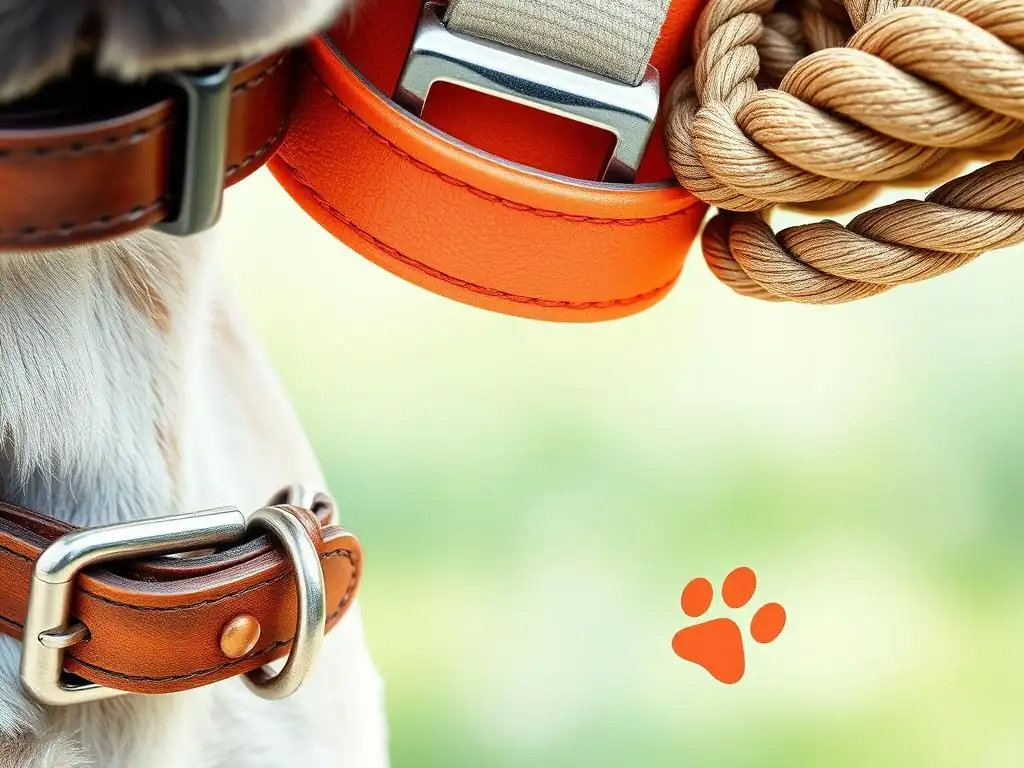
Choosing the right dog collar is crucial for your dog's safety and comfort. The material you select directly impacts the collar's durability, strength, and overall suitability for your canine companion. A poorly constructed or inappropriate material can lead to breakage, discomfort, or even injury during walks.
This section delves into the specifics of popular dog collar materials, highlighting their advantages and disadvantages from a safety perspective. Understanding these nuances will empower you to make an informed decision and ensure your dog's well-being during every walk. This guide focuses on providing a safe dog walking collar guide to help you navigate the various options available.
The Durability Factor: Choosing a Collar That Can Withstand Daily Wear and Tear
A durable dog collar is more than just a fashion accessory; it's a vital piece of safety equipment. Consider the daily stresses your dog's collar will endure: pulling on the leash, rubbing against fences, and general wear and tear from outdoor adventures. A flimsy collar is not only prone to breaking, potentially leading to your dog escaping, but it can also cause discomfort or even injury if the broken parts snag on your dog's fur or skin.
Look for collars made from robust materials with reinforced stitching, especially if you have a powerful or enthusiastic puller. Regular inspection is key; check your dog's collar daily for any signs of wear, fraying, or damage. Replace it immediately if you notice any issues to maintain optimal safety.
Investing in a high-quality, durable collar is a crucial step in ensuring your dog's safety on every walk. Think of it as an investment in peace of mind. 🐶
Nylon Dog Collars: Pros, Cons, and Safety Considerations
Nylon dog collars are incredibly popular due to their affordability, lightweight nature, and availability in a vast array of colors and designs. However, their safety profile requires careful consideration.
| Feature | Pros | Cons | Safety Considerations |
|---|---|---|---|
| Material | Lightweight, durable (when high-quality), easy to clean | Can fray or break under significant stress, can be less comfortable than other options | Opt for heavy-duty nylon with reinforced stitching. Regularly inspect for wear and tear. |
| Cost | Generally inexpensive | Lower-quality nylon can degrade quickly. | Prioritize quality over price. A cheap collar can fail when you need it most. |
| Cleaning | Easily washable | Can absorb odors | Regular cleaning is essential to prevent bacterial buildup and maintain hygiene. |
While nylon can be a perfectly safe and practical option, always prioritize quality. Avoid flimsy, cheaply made nylon collars. Look for collars with sturdy hardware (buckles and D-rings) that won't easily break or bend. The strength of the stitching is also vital; poorly stitched nylon collars are more prone to failure.
Leather Dog Collars: Luxury, Durability, and Safety
Leather dog collars offer a classic and sophisticated look, but their safety features extend beyond aesthetics. High-quality leather is remarkably durable and can withstand significant wear and tear. A well-made leather collar can last for years with proper care.
However, leather collars do have some drawbacks. They are generally more expensive than nylon collars and require more maintenance. Leather can absorb water and become stiff or brittle if not properly cared for. Additionally, the weight of a leather collar might be a consideration for smaller breeds. The hardness of the leather can also be a factor – very stiff leather can be uncomfortable or even chafe your dog's neck.
Always ensure the leather is soft and supple to the touch before purchasing. Regular conditioning will help maintain the leather's suppleness and extend its lifespan. A well-maintained leather collar can provide years of safe and reliable service. Consider this a worthwhile investment in your dog's comfort and safety.
Biothane Dog Collars: A Waterproof and Durable Option
Biothane dog collars are rapidly gaining popularity among dog owners seeking a durable and waterproof option. Made from a polyurethane-coated polyester webbing, Biothane offers several advantages over traditional leather or nylon collars. Its waterproof nature makes it ideal for dogs who love swimming or playing in wet conditions.
Unlike leather, which can absorb water, become stiff, and even rot, Biothane retains its flexibility and strength even when soaked. This makes it a practical choice for active dogs and owners who live in areas with frequent rain or snow. Regular cleaning is simple; just wipe it down with a damp cloth.
The durability of Biothane is another key selling point. It's highly resistant to tearing, scratching, and general wear and tear, far surpassing the lifespan of many nylon collars. This longevity translates to cost savings in the long run, as you won't need to replace the collar as frequently. Furthermore, Biothane doesn't absorb odors as readily as some other materials, keeping the collar cleaner and fresher for longer periods.
This is particularly beneficial for dogs who tend to roll around in mud or other unpleasant substances. While the initial cost of a Biothane collar might be slightly higher than some alternatives, its superior durability and longevity make it a worthwhile investment for many pet owners. The strength and resilience of Biothane make it an excellent choice for powerful breeds or dogs with a tendency to pull on the leash.
The smooth surface of Biothane is also gentle on a dog's coat, reducing the risk of chafing or irritation. This is particularly important for dogs with sensitive skin or long hair. However, it's important to note that while Biothane is extremely durable, it's not indestructible. Sharp objects or prolonged exposure to extreme temperatures could potentially damage the material.
Therefore, regular inspection of the collar for any signs of wear and tear is recommended to ensure its continued safety and functionality. Choosing the right size is also crucial for preventing injury; a collar that is too tight can cause discomfort, while one that is too loose could pose a safety hazard. Overall, Biothane offers a compelling combination of durability, waterproofness, and ease of care, making it a strong contender for a safe and long-lasting dog walking collar.
Additional Safety Features for Enhanced Dog Walking Safety
This section delves into supplementary safety measures beyond choosing the right collar, focusing on features that significantly improve your dog's safety during walks. Implementing these additional precautions, alongside selecting a secure collar, contributes to a safer and more enjoyable experience for both you and your canine companion. Remember, a proactive approach to safety is key to preventing accidents and ensuring your dog's well-being.
Reflective Collars and Harnesses: Enhancing Visibility at Night
Nighttime walks present unique safety challenges. Reduced visibility increases the risk of accidents involving vehicles or other unforeseen hazards. To mitigate this, reflective collars and harnesses are invaluable. These accessories incorporate reflective materials that significantly enhance your dog's visibility in low-light conditions. The increased reflectivity allows drivers and other pedestrians to see your dog from a greater distance, reducing the likelihood of collisions.
Several factors influence the effectiveness of reflective gear. The intensity and spread of the reflection are crucial. Some products utilize high-intensity retroreflective materials, which bounce light directly back to its source, making them far more visible than standard reflective materials. Consider the size and placement of the reflective elements; larger, strategically placed strips offer better visibility. For maximum safety, opt for collars and harnesses with multiple wide reflective strips, ideally encompassing the entire circumference of the collar or harness.
Furthermore, consider adding a reflective leash to further enhance visibility. Data suggests that dogs wearing reflective gear are significantly less likely to be involved in nighttime accidents. [Specific data on accident reduction pending]. Choosing high-quality, durable reflective gear is paramount to ensure its continued effectiveness over time.
Even with the utmost care, accidents can happen. Should your dog become lost or separated from you, proper identification is crucial for a safe return. ID tags are a simple yet effective way to ensure your contact information is readily available. Ensure your dog's collar always includes a tag with your name, phone number, and address. Consider including your dog's name as well. Some tags also offer space for additional information, such as allergies or medical conditions.
Microchipping offers an additional layer of protection. A microchip, implanted under your dog's skin, contains a unique identification number linked to your contact information in a central database. If your dog is found, a vet or animal shelter can scan the microchip and quickly reunite you with your pet.
While ID tags can be lost or removed, a microchip provides permanent identification, significantly increasing the chances of a successful reunion. Microchipping is a relatively painless procedure and is highly recommended for all dogs, regardless of their breed or temperament. The combination of ID tags and microchipping provides a robust identification system, maximizing the likelihood of your dog's safe return if lost.
Using a Leash Properly: Preventing Accidents During Walks
Proper leash handling is paramount for safe dog walking. A loose leash allows your dog to wander unpredictably, increasing the risk of accidents. Conversely, a tight leash can cause discomfort and even injury to your dog. Maintaining a balanced, controlled leash is essential for both your dog's safety and your own.
Several techniques contribute to safe leash handling. Maintain a gentle but firm grip, avoiding jerking or pulling. Learn to anticipate your dog's movements, adjusting your pace and direction accordingly. Practice positive reinforcement techniques to encourage your dog to walk calmly beside you. Avoid using retractable leashes in crowded areas or near traffic, as these can unexpectedly extend, causing your dog to dart into hazardous situations.
Using a shorter, sturdy leash, such as a standard 6-foot leash, provides better control and reduces the risk of accidents. Regularly inspect your leash for wear and tear, replacing it when necessary to prevent breakage. Proper leash handling, combined with a well-fitting and secure collar, ensures a safe and enjoyable walking experience for both you and your furry friend. Remember, a proactive and responsible approach to leash handling is a crucial aspect of safe dog walking.
Training Your Dog to Walk Safely on a Leash
Training your dog to walk safely on a leash is crucial for both their safety and yours. A well-trained dog is less likely to bolt into traffic or get tangled in obstacles. The process involves patience, consistency, and positive reinforcement. Start with short training sessions in a quiet, distraction-free environment, such as your backyard.
One effective method is the "loose-leash walking" technique. The goal is to teach your dog to walk beside you without pulling. When your dog pulls, immediately stop walking. This creates a pause in their forward momentum, which they'll quickly learn to associate with the pulling behavior. Once the leash goes slack, praise your dog enthusiastically and continue walking. Repeat this process consistently. You can also use treats as positive reinforcement – rewarding your dog for walking calmly beside you.
Another helpful technique involves teaching your dog to "check in" with you regularly. Periodically, stop and give a verbal cue like "look" or "watch me." When your dog makes eye contact, reward them with praise and a treat. This helps to maintain their focus on you and reduces their tendency to wander or pull ahead. Remember to keep training sessions short and fun to maintain your dog's engagement and prevent frustration. Consistency is key; short, frequent training sessions are more effective than long, infrequent ones. Be patient and celebrate even small successes.
Consider using a harness, especially for stronger breeds or dogs prone to pulling. Harnesses distribute pressure more evenly across the dog's body, reducing the strain on their neck. However, even with a harness, consistent training remains essential for safe and pleasant walks. Remember, a well-trained dog is a happy dog, and a happy dog is a safe dog.
The investment of time in training pays off handsomely in the form of a more secure and enjoyable walking experience for both you and your canine companion. This positive reinforcement approach fosters a strong bond between you and your dog while ensuring safer walks. Remember to always prioritize your dog's comfort and well-being throughout the training process. If you encounter significant challenges, consulting a professional dog trainer can provide valuable guidance and support.
Recommended Safe Dog Walking Collars & Harnesses
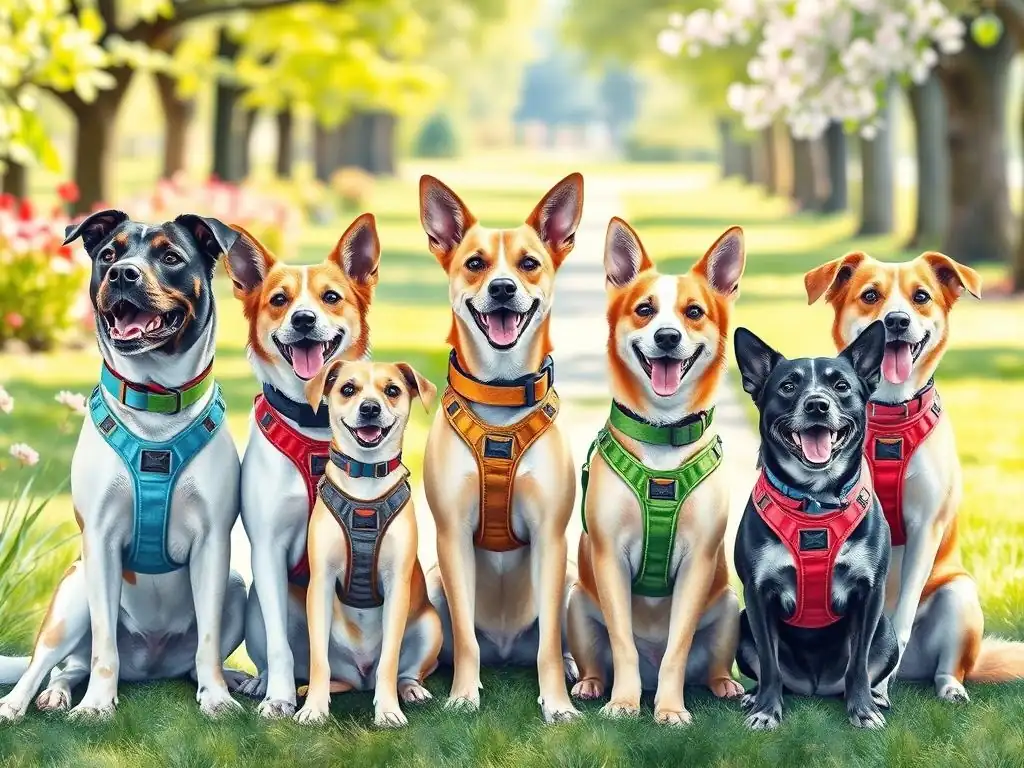
This section delves into specific collar and harness recommendations categorized by dog breed size, focusing on safety and suitability for everyday walks. Remember, the "best" collar is always the one that fits your dog properly and prevents them from slipping out or causing injury. Always prioritize comfort and a secure fit over style. This guide aims to help you navigate the options and choose the safest dog walking collar for your canine companion. Finding the right fit is paramount for a safe and enjoyable walking experience.
Top Picks for Small Breeds
Small breeds often require specialized collars and harnesses due to their size and delicate necks. Avoid overly tight collars that could restrict breathing or cause damage to their trachea. Consider these factors when choosing a collar for your small dog:
- Lightweight Materials: Opt for lightweight nylon or soft leather to avoid burdening your small friend. Avoid heavy materials that could be uncomfortable or even dangerous during sudden movements.
- Adjustable Fit: Adjustable straps are crucial for ensuring a comfortable and secure fit. Regularly check the fit to make sure it's not too loose or too tight.
- Breakaway Buckles: For added safety, consider a collar with a breakaway buckle. This allows the collar to release if your dog gets caught on something, preventing potential injury.
- Reflective Features: Especially important for evening walks, reflective strips or materials enhance visibility and improve safety.
Here are some examples of suitable collar types for small breeds:
| Collar Type | Material | Pros | Cons |
|---|---|---|---|
| Martingale Collar | Nylon, Leather | Prevents slipping, gentler on the neck | Requires proper adjustment |
| Step-in Harness | Nylon | Easy to put on and take off, comfortable | May not be suitable for all small breeds |
| Standard Buckle Collar | Nylon, Leather | Simple, affordable, widely available | Potential for slipping if not properly fitted |
Remember to always supervise your small dog during walks and avoid using retractable leashes, which can increase the risk of injury.
Best Options for Medium Breeds
Medium-sized dogs offer a wider range of collar and harness choices. However, safety remains paramount. Choose materials that are durable yet comfortable, and ensure a secure fit that prevents escape.
For medium breeds, consider these features:
- Durable Materials: Nylon and leather are popular choices, offering a balance of strength and comfort. Consider the potential for wear and tear during active walks.
- Robust Hardware: The buckles, rings, and other hardware should be strong and reliable to withstand the pulling forces of a medium-sized dog.
- Proper Sizing: Accurate measurement is crucial. A collar that's too loose can allow your dog to slip out, while one that's too tight can cause discomfort and injury.
- Comfort Padding: Some collars and harnesses include padding for added comfort, especially beneficial during longer walks.
Examples of suitable collars for medium breeds include:
- Flat Collars: A classic choice, offering a simple yet effective solution for everyday walks.
- Front-Clip Harnesses: These harnesses discourage pulling by applying gentle pressure to the chest.
- Back-Clip Harnesses: Provide more control and are suitable for dogs who don't pull excessively.
Regularly inspect your dog's collar for any signs of wear and tear and replace it if necessary.
Strongest and Safest Collars for Large Breeds
Large breeds require robust and durable collars and harnesses designed to withstand their significant pulling power. Safety is even more critical with larger dogs, as a poorly fitted collar could lead to serious injury.
Key considerations for large breeds:
- Heavy-Duty Materials: Choose strong, durable materials like heavy-duty nylon or reinforced leather. Avoid flimsy or lightweight options that could easily break.
- Reinforced Stitching: Look for collars with reinforced stitching to ensure longevity and prevent breakage.
- Secure Fasteners: Strong, reliable buckles and clips are essential to prevent accidental release.
- Proper Sizing and Fit: Precise measurement is critical to avoid a collar that's too loose or too tight. A properly fitted collar should allow for two fingers to fit comfortably between the collar and your dog's neck.
- Consider a Harness: For particularly strong pullers, a well-fitted harness can provide better control and distribute pressure more evenly, reducing strain on the neck.
Choosing the right collar for your large breed is crucial for both their safety and your control during walks. Prioritize quality and durability to ensure a safe and enjoyable experience for both of you. Remember, a well-fitted harness can often be a safer alternative for large, strong breeds prone to pulling. 🐶
High-Visibility Collars for Night Walks
Ensuring your dog's safety during nighttime walks is paramount. Poor visibility is a major contributor to accidents involving dogs, especially in areas with limited street lighting. A high-visibility collar is an essential piece of equipment to mitigate this risk. These collars are designed with reflective materials or bright, luminous colors to make your dog easily visible to drivers and other pedestrians.
The effectiveness of a high-visibility collar depends on several factors. The reflectivity of the material is crucial; look for collars with highly reflective strips or coatings that effectively bounce back light from headlights or street lamps. The color is also important. Bright colors like neon orange, yellow, or pink are more easily seen in low-light conditions than darker colors. Consider the size of the reflective elements as well; larger, more prominent reflective areas will provide better visibility.
Beyond the collar itself, consider adding additional safety measures. A flashing LED light attached to the collar can significantly enhance visibility, especially in very dark areas. Some collars even incorporate integrated LED lights for added safety. Remember that even with a high-visibility collar, it's crucial to stay vigilant during nighttime walks and keep your dog under close control. Avoid poorly lit areas if possible, and always use a leash appropriate for your dog's size and strength. A well-fitting harness, paired with a high-visibility collar, provides an extra layer of safety and control.
Choosing a high-visibility collar should not compromise comfort. Ensure the collar is made from soft, durable material that won't irritate your dog's skin. Adjustability is key; the collar should fit snugly but not so tight that it restricts breathing or causes discomfort. Regularly check the collar for any signs of wear and tear and replace it if necessary to maintain its effectiveness.
A damaged collar could compromise your dog's safety, negating the benefits of its high visibility features. Prioritize safety and comfort when selecting a high-visibility collar for your nighttime walks, ensuring peace of mind for both you and your canine companion. Investing in a quality, well-fitting high-visibility collar is a simple yet effective way to significantly improve your dog's safety on nighttime walks.
Maintaining Your Dog's Collar: Ensuring Continued Safety
A safe dog walking experience relies not only on choosing the right collar initially but also on consistent maintenance. Neglecting regular checks and cleaning can compromise your dog's safety and comfort, potentially leading to injuries or skin irritations. This section details crucial steps to ensure your dog's collar remains a reliable and safe accessory throughout its lifespan.
Remember, proactive maintenance is key to a secure and happy dog walking routine. A well-maintained collar contributes significantly to your dog's overall well-being and helps you avoid potential hazards during walks. This guide will help you understand the importance of regular maintenance as a vital component of a safe dog walking experience, adding to your overall understanding of a "safe dog walking collar guide".
Regular Collar Inspections: Identifying and Replacing Damaged Collars
Regularly inspecting your dog's collar is paramount for preventing accidents. Aim to check it at least once a week, paying close attention to the following:
- Buckle Integrity: Ensure the buckle is securely fastened and shows no signs of wear, cracking, or breakage. A faulty buckle can easily lead to your dog escaping unexpectedly, putting them at risk in busy environments.
- Stitching: Carefully examine all stitching. Loose threads or broken stitching are major red flags. These weaken the collar's structure, potentially causing it to break under strain.
- Material Degradation: Different collar materials age differently. Leather collars can crack or become brittle; nylon collars might fray or weaken. Look for any signs of significant wear and tear.
- Hardware: Check for rust, damage, or looseness in any metal parts like D-rings or decorative accents. These could snag on objects or cause injury to your dog.
Example of Collar Damage Requiring Immediate Replacement:
Imagine a nylon collar with several frayed strands near the buckle. This is a serious safety concern. The buckle could easily detach under tension, allowing your dog to escape. Immediate replacement is necessary to prevent such an incident. A small tear might seem insignificant, but it can easily worsen, especially with a strong, pulling dog. Regular checks allow you to catch minor issues before they become major problems.
Remember, a damaged collar is not just inconvenient; it's a significant safety hazard. Replace any collar exhibiting signs of significant wear and tear immediately. Prioritizing your dog's safety is essential. Don't wait until an accident occurs; be proactive in your maintenance routine.
Cleaning Your Dog's Collar: Maintaining Hygiene and Preventing Irritation
Maintaining a clean collar is crucial for both hygiene and your dog's comfort. Dirty collars can harbor bacteria and parasites, leading to skin irritations, infections, and unpleasant odors. The frequency of cleaning depends on your dog's activity level and the collar material.
- Leather Collars: These should be cleaned less frequently to avoid drying them out. Use a damp cloth and mild leather cleaner, then allow them to air dry completely. Avoid submerging them in water.
- Nylon and other Synthetic Collars: These are generally more durable and can be cleaned more frequently. Hand-wash them with mild soap and water, rinsing thoroughly before allowing them to air dry completely. Avoid using harsh detergents or bleach, which can damage the material.
- Metal Hardware: Wipe down metal buckles and D-rings with a damp cloth to remove dirt and debris. You can use a mild metal cleaner if necessary.
| Collar Material | Cleaning Frequency | Cleaning Method |
|---|---|---|
| Leather | Every 2-4 weeks | Damp cloth and mild leather cleaner |
| Nylon/Synthetic | Weekly or as needed | Hand-wash with mild soap and water |
| Metal Hardware | As needed | Damp cloth; mild metal cleaner (if necessary) |
Regular cleaning not only extends the life of your dog's collar but also helps prevent skin problems. A clean collar contributes to a happier and healthier dog. This simple step is an integral part of responsible pet ownership and is a key aspect of maintaining a “safe dog walking collar guide”. Don't underestimate the importance of hygiene in ensuring your dog's safety and well-being.
Frequently Asked Questions
What type of dog collar is safest for walking?
A flat buckle collar is generally considered the safest for everyday walks, provided it fits correctly and isn't too tight. Avoid collars that can easily slip off or tighten unexpectedly. Proper fit is crucial.
How do I know if my dog's collar is the right size?
You should be able to fit two fingers comfortably between the collar and your dog's neck. The collar should be snug but not constricting. A collar that's too loose can slip off, while one that's too tight can be harmful.
Are choke chains or prong collars safe for dog walking?
Choke chains and prong collars are generally discouraged for everyday walking. They can cause pain and injury if used improperly and are considered inhumane by many. Focus on positive reinforcement training techniques instead.
What should I consider when choosing a dog walking harness?
Consider your dog's breed, size, and strength when choosing a harness. Look for a well-made harness with strong, durable straps and secure closures. Proper fit is just as important as with a collar.
My dog pulls on the leash; what type of collar/harness is best?
For dogs that pull excessively, a front-clip harness or a head halter can be helpful. These redirect your dog's pull, discouraging them from pulling ahead. Proper training is still essential.
Final Reflection: The Unbreakable Bond: Ensuring Your Dog's Safety
The simple act of walking your dog shouldn't be a gamble; it should be a joyful experience shared between two best friends. Yet, countless dogs suffer preventable injuries every year due to inadequate or unsafe walking equipment. This underscores the critical importance of understanding and prioritizing collar safety.
The responsibility we bear for our canine companions extends far beyond providing food and shelter; it encompasses ensuring their physical well-being and safety at every turn. The impact of a poorly fitted or improperly designed collar can be devastating, leading to injuries ranging from minor discomfort to severe choking or even escape. This responsibility resonates deeply with me, as I've witnessed firsthand the unwavering loyalty and unconditional love dogs offer. A dog is the only thing on earth that loves you more than he loves himself.
- Josh Billings. This quote perfectly encapsulates the profound connection we share, and it highlights the duty we have to protect them.
Now, consider the information presented in this guide. Reflect on your own dog walking practices. Is your current collar truly safe and appropriate for your dog's breed, size, and temperament? Take action today. Review the recommendations outlined, and make the necessary adjustments to ensure your beloved companion enjoys safe and happy walks for years to come. The bond you share is precious; let's work together to protect it.
Unlock Your Dog's Walking Freedom: Safe Steps to Every Adventure
Thank you for joining us on this journey to safer walks with your beloved canine companion! You've learned valuable tips to ensure their safety, and now it's time to put that knowledge into practice.
Here's how you can keep your pup safe and happy on every adventure:
- Ensure a properly fitting collar: Check your dog's collar today – is it snug but not too tight? If not, adjust it immediately. A properly fitting collar is crucial for safety.
- Share your knowledge: Spread the word to other dog owners! Discuss this article with your friends and family, helping them keep their furry friends safe. Safe walking practices benefit everyone.
- Explore additional safety gear: Consider researching harnesses, leashes, and other safety equipment to further enhance your dog’s walking experience. A well-fitted harness, for example, can provide greater control and comfort.
What's one small step you can take today to improve your dog's walking safety? Let's discuss in the comments!