The Importance of Carrier Size: Finding the Perfect Fit for Your Cat
🤔 Choosing the right cat carrier is crucial for your feline friend's comfort and safety. Our Best cat carrier size guide helps…
Read article
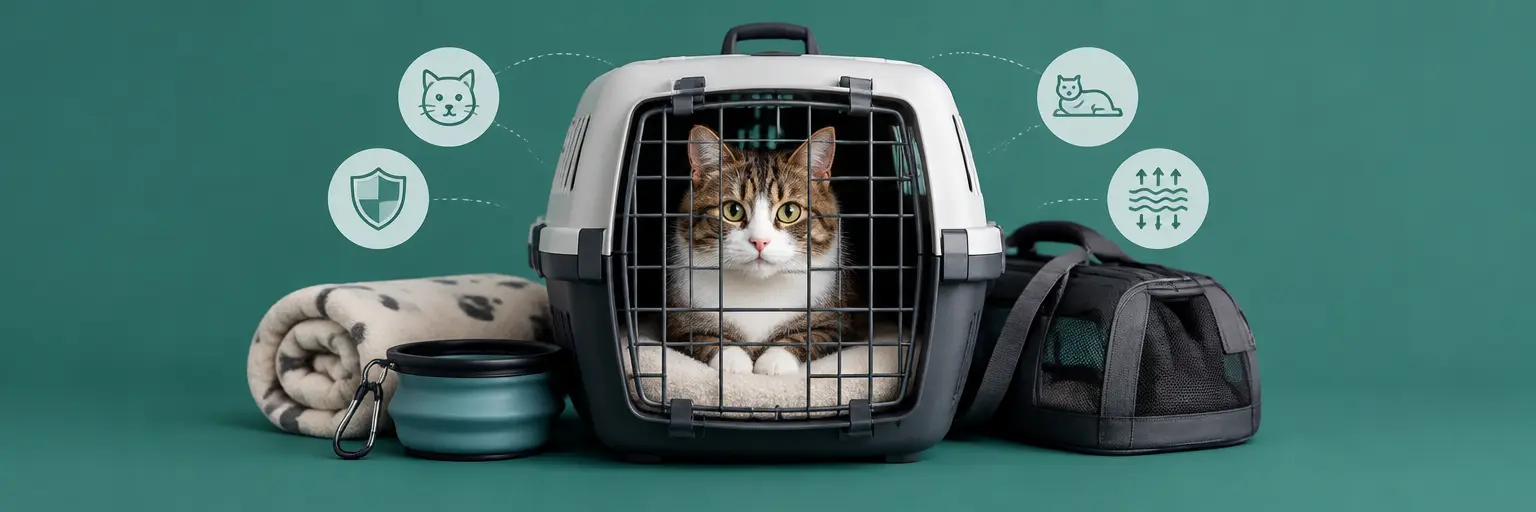
Discover the ultimate solution for stress-free travel with your feline friend through this comprehensive guide to cat carriers, designed to blend comfort and security seamlessly. Whether you’re heading to the vet, embarking on a road trip, or introducing your cat to a new environment, choosing the right carrier is essential for their well-being and your peace of mind. From understanding key features like ventilation, durability, and easy cleaning, to expert tips on acclimating your cat and ensuring a calm journey, this resource equips you with practical, expert-backed advice. Uncover the ideal carrier for every need—be it soft-sided, hard-shell, or backpack styles—and learn how to measure your cat correctly for a perfect fit. Prioritize their safety with crash-tested options and harness-ready designs, while enriching travel with familiar scents and cozy bedding. With PetCareWorld’s guidance, transform carrier time from a struggle into a positive experience, enhancing your cat’s confidence and your bond. Dive in to master the art of comfortable, secure, and stress-free cat travel today.

🤔 Choosing the right cat carrier is crucial for your feline friend's comfort and safety. Our Best cat carrier size guide helps…
Read article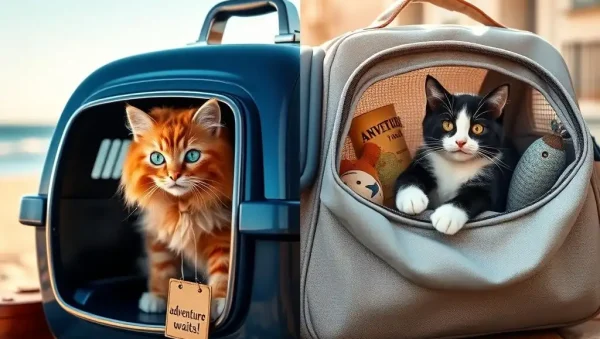
🤔 Choosing the right cat carrier is crucial for safe and stress-free travel. This guide compares hard- and soft-sided carriers, helping you…
Read article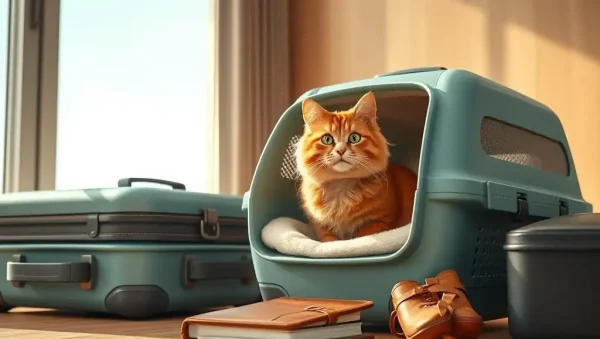
😊 Stress-free air travel for your feline friend starts here! PetCareWorld guides you to the best airline-approved cat carriers, ensuring safe and…
Read articleWelcome to PetCareWorld’s ultimate guide to cat carriers, a dedicated subcategory focused on merging comfort and security for your feline friend. Whether you are heading to the vet, embarking on a cross-country move, or simply ensuring a safe car ride, the right carrier can transform a stressful experience into a manageable one. Here, we break down every material, design, safety feature, and acclimation technique to help you make an informed choice. From soft-sided backpacks to hard-shell kennels, we cover the essential gear that keeps your cat calm and protected. Explore our expert insights to ensure every journey, short or long, is a positive experience for both you and your beloved pet.
Choosing between a hard-sided and soft-sided carrier is the first critical decision. Hard carriers provide maximum structural support, are easier to clean, and offer superior ventilation, making them ideal for anxious cats who need a secure, den-like space. They are also recommended for airline travel, as they meet most cargo and cabin regulations. However, they can be heavy and bulky to carry, especially on longer trips.
Soft carriers are lightweight, foldable for convenient storage, and often feature additional pockets for essentials. They are perfect for car rides and short trips, offering a cozy, flexible environment that feels less institutional. However, they offer less protection in case of impact and are not durable against determined claws. Consider your cat’s temperament, travel frequency, and mode of transport to determine which structure best aligns with their comfort and your practical needs.
A major source of feline stress is the unfamiliarity of a carrier. To build positive associations, start by leaving the carrier open in your home a few weeks before travel. Place a soft blanket, a favorite toy, and some treats inside to encourage exploration. This turns the carrier into a safe resting spot rather than a harbinger of car rides. For anxious cats, consider using a calming pheromone spray designed for cats, applied inside the carrier 30 minutes before departure.
Never force your cat inside. Instead, gently guide them or use a treat trail. Once inside, close the door briefly while offering praise, then open it again. Gradually increase the duration they stay inside while you remain home. Practice short trips around the block, then longer drives, to desensitize them to motion and noise. This gradual approach significantly reduces panic, makes future travels smoother, and ensures that security is established from the inside out.
Safety is non-negotiable, and not all carriers are created equal. Look for models with locking zippers or buckles that prevent accidental escapes, especially for clever escape artists. A leak-proof bottom is essential for hygiene, while anti-slip base pads prevent sliding during car turns. Always ensure the carrier is certified for airline use if you fly, often denoted by specific crash-test standards. Additionally, check for secure top-opening or front-opening doors that allow easy access without forcing the cat out.
Ventilation is a critical safety feature; mesh windows on multiple sides ensure adequate airflow, preventing overheating and reducing motion sickness. For long journeys, a carrier with a removable, washable inner pad or absorbent lining helps manage accidents. Finally, attach a breakaway collar with an ID tag inside the carrier as a backup, and keep a harness and leash attached to the outside for emergencies during pit stops. These thoughtful details can be lifesavers in unpredictable situations.
An ill-fitting carrier causes discomfort and insecurity. The rule of thumb is that your cat should be able to stand up, turn around, and lie down comfortably without their head touching the top. Measure your cat from the tip of the nose to the base of the tail, then add 2-3 inches. For height, measure from the floor to the top of their head while standing. Compare these numbers against the carrier’s interior dimensions, not exterior, as padding reduces space.
For larger breeds like Maine Coons, opt for extra-large sizes that accommodate their length. A carrier that is too small can exacerbate breathing issues, while one that is too large reduces security and may cause the cat to slide during turns. Weight capacity is equally important; check the manufacturer’s limit to support your cat’s weight safely. When testing, place the carrier on a flat surface and observe if your cat appears relaxed or cramped. A proper fit enhances the sense of security, turning the carrier into a portable haven.
Each travel mode presents unique challenges. For car travel, a carrier should sit flat on the back seat, secured with a seatbelt through the top handle. Avoid placing it in the front seat due to airbag risks. For airline travel, verify your pet’s carrier meets IATA standards—typically hard-sided with secure locks—and book early to reserve space in the cabin. Long-distance trips require periodic food, water, and bathroom breaks, so choose a carrier with easy-to-open doors for quick access.
To maintain comfort, cover the carrier with a breathable cloth to reduce visual stimuli if your cat is easily overwhelmed. Use absorbent disposable pads inside in case of nausea. Keep a small travel fan for hot weather or a warm water bottle covered in a towel for cold climates. Remember, your behavior influences your cat’s; staying calm and speaking softly reassures them. By matching the carrier to the specific journey, you optimize both security and peace of mind for miles ahead.
For hard carriers, remove padding and wash with warm soapy water, then disinfect with a pet-safe spray. For soft carriers, check the label—most are machine washable on a gentle cycle, but air dry to prevent shrinking. Always rinse thoroughly to remove any soap residue that may irritate your cat’s nose.
Yes, if the carrier is comfortable and left open, many cats will choose to sleep there voluntarily. It provides a safe den-like space. Ensure it is placed in a quiet, warm area away from drafts, and leave the door open to allow free movement. Change the padding regularly for hygiene.
Hard carriers often feel more secure and block visual stimuli, reducing anxiety. They are also more stable during movement. However, soft carriers can be more comforting if they have a familiar scent. Test both—observe which one your cat enters willingly. Combine with pheromone sprays for best results.
Start with short practice drives to build tolerance. Keep the carrier on a flat surface, not the floor. Play calming music at a low volume, and avoid feeding for three hours before travel to prevent nausea. Make frequent stops to check on them, but never open the carrier inside a moving car.
Consider a clip-on water bowl that hangs on the door, a non-slip mat, and a mesh security strap that wraps around the carrier to prevent accidental opening. A lightweight tracker attached to the carrier can also help locate it if misplaced. Always use a buckle that requires two hands to open for escape prevention.