Reptile Terrarium Must-Haves: Creating a Perfect Habitat
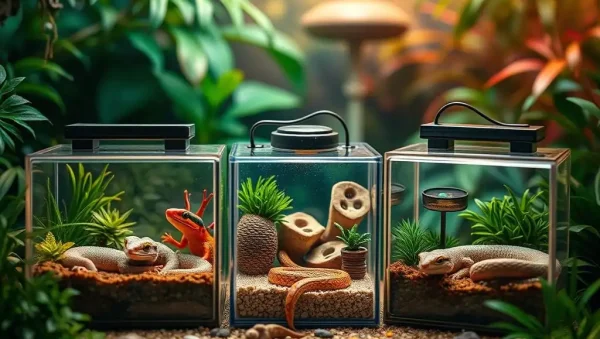
Building a thriving reptile terrarium is more than just picking a glass tank; it’s about replicating a miniature ecosystem that supports your scaly friend’s health, behavior, and longevity. At PetCareWorld, we understand that the difference between a surviving pet and a flourishing one lies in the details of its environment. This guide dives deep into the essential gear, from heating and lighting to substrate and décor, ensuring you create a safe, stimulating, and biologically correct home for your reptile. Whether you’re a first-time leopard gecko owner or a seasoned chameleon keeper, mastering these must-haves is the foundation of responsible reptile husbandry.
🦎 Optimal Heating & Temperature Gradients
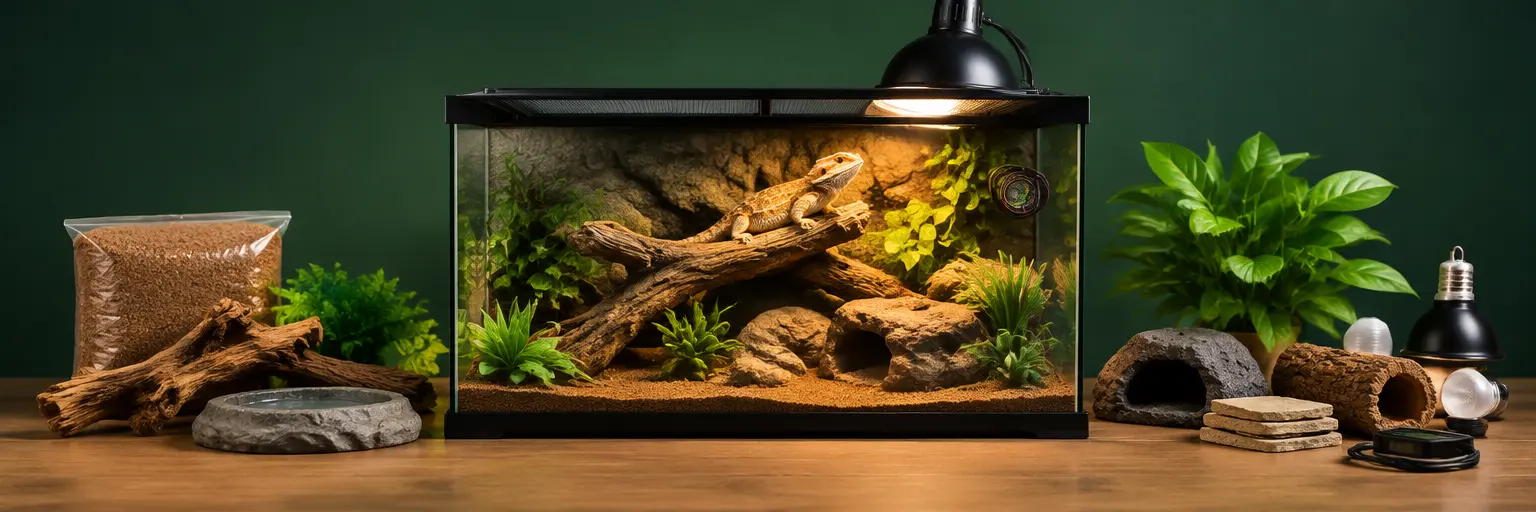
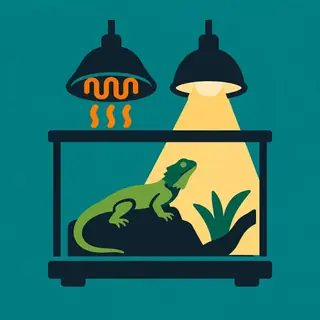
Reptiles are ectothermic, meaning they rely on external heat sources to regulate their body temperature. A proper terrarium must provide a thermal gradient, with a warm basking spot on one side and a cooler zone on the other. This gradient allows your pet to move freely between temperatures to aid digestion, metabolism, and immune function. Without it, reptiles can suffer from lethargy, respiratory infections, and poor shedding.
Your setup should include a primary heat source like a ceramic heat emitter or basking bulb, paired with a thermostat to prevent overheating. Use digital thermometers at both ends of the enclosure to monitor daily fluctuations. For nocturnal reptiles, consider a low-wattage heat mat placed under the tank, but always safeguard against thermal burns by using a protective cover. Remember, the correct basking temperature varies by species—desert dwellers need higher heat than tropical forest species, so research your pet’s specific requirements.
💡 UVB & Full-Spectrum Lighting Essentials
UVB lighting is non-negotiable for most diurnal reptiles, as it enables them to synthesize vitamin D3, which is critical for calcium absorption and bone health. Without UVB, reptiles like bearded dragons and iguanas can develop metabolic bone disease, a painful and often fatal condition. Full-spectrum bulbs should also provide UVA to promote natural behaviors like feeding, mating, and activity cycles.
When selecting lighting, choose a linear fluorescent tube rather than compact bulbs for better coverage and intensity. Position the light so your reptile can bask within 6–12 inches, but ensure there is a shaded retreat to avoid overexposure. Replace UVB bulbs every 6–12 months, even if they still emit visible light, as UV output diminishes over time. Pair this with a day/night cycle timer to mimic natural photoperiods, which is essential for regulating your pet’s biological clock and reducing stress.
🌿 Substrate Selection & Humidity Control
The substrate—the flooring material inside the terrarium—affects humidity, hygiene, and your reptile’s natural digging behaviors. Paper towels or reptile carpet are simple, safe options for juveniles or quarantine setups, while coconut fiber, cypress mulch, or orchid bark help retain moisture for tropical species. Avoid loose sands or fine gravels for species prone to impaction, as accidental ingestion can be fatal.
Humidity is equally critical; rainforest reptiles need 60–80% humidity, while desert species thrive at 30–40%. Use a digital hygrometer to measure levels and adjust with a misting system, hand sprayer, or humid hide box. A shallow water dish also contributes to ambient humidity, but ensure it’s stable and easy to clean. For burrowing species, provide a digging substrate mix that holds tunnels without collapsing—this mimics their natural habitat and encourages exercise.
🏠 Hides, Climbing Structures & Décor
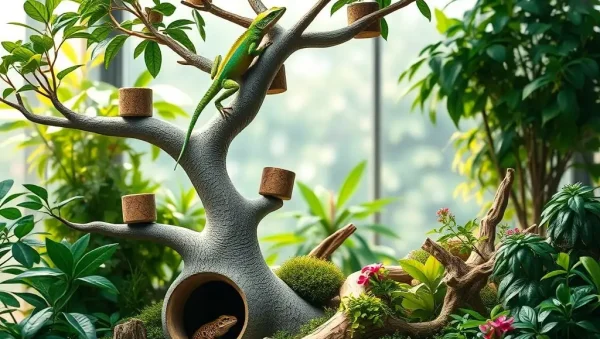
Hides are more than decorations—they offer security and stress reduction, which is vital for a healthy reptile. Provide at least two hides: one on the warm side and one on the cool side, so your pet can thermoregulate without feeling exposed. For arboreal species like crested geckos, include tall branches, cork bark, and vines to encourage climbing and vertical exploration.
Naturalistic décor, such as safe rocks, driftwood, and live or artificial plants, enriches the environment and supports shedding. Live plants (e.g., pothos, ferns) also help maintain humidity and provide cover, but ensure they are non-toxic and free from pesticides. Avoid sharp edges or unstable arrangements that could injure your pet. Remember to clean all décor regularly, using reptile-safe disinfectants, to prevent bacterial and fungal growth.
🛠️ Thermostats, Timers & Safety Accessories
Safety equipment is the unsung hero of a successful terrarium. A proportional thermostat is a must-have for regulating heat sources, preventing dangerous spikes that can burn or kill your reptile. Digital timers automate lighting schedules, ensuring consistency even when you’re away. Additionally, use surge protectors to shield sensitive equipment from power fluctuations.
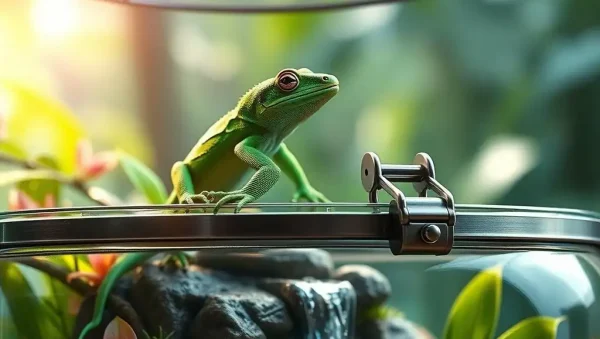
Always secure heat bulbs with cage guards to prevent direct contact, and place water dishes away from heat lamps to avoid accidental boiling. For escape-prone species, ensure the terrarium lid is locked and screened. Consider adding a backup thermometer and low-power alarm to alert you to equipment failures. Investing in quality safety gear not only protects your pet but also gives you peace of mind, making your terrarium a reliable sanctuary.
🧼 Cleaning, Maintenance & Water Quality
Regular cleaning is essential to prevent illness and foul odors. Perform spot cleaning daily, removing feces and uneaten food. Deep clean the terrarium monthly, using a reptile-safe disinfection solution and rinsing thoroughly. Replace substrate partially or fully, depending on the species’ bioactivity and odor buildup. A clean habitat also reduces the risk of parasite infestations.
Water quality is often overlooked but crucial. Offer fresh, dechlorinated water daily in a shallow dish large enough for soaking, as some reptiles absorb water through their skin. For species requiring higher humidity, consider a drip system or misting nozzle. Clean the dish and any water features weekly to avoid algae and bacteria. Establishing a maintenance schedule—daily, weekly, monthly—keeps your terrarium pristine and your reptile thriving.
Frequently Asked Questions
What is the most important terrarium must-have for a beginner reptile owner?
The most critical item is a reliable thermostat and digital thermometer. Without accurate temperature control, your reptile can overheat or become too cold, leading to metabolic issues or death. Start with a simple habitat that includes a heat source, UVB light, and proper substrate, but always prioritize temperature monitoring as the first line of defense.
How often should I replace UVB bulbs in my reptile terrarium?
Replace UVB bulbs every 6–12 months, even if they still appear to work. The UV output declines gradually and becomes insufficient for vitamin D3 synthesis. Mark the replacement date on your calendar and choose high-quality bulbs from reputable brands. For species requiring strict UVB levels, some owners use a UVB meter to test output monthly.
Can I use common household sand as substrate for my bearded dragon?
No, avoid loose sand, especially calcium or play sand, as it poses a high impaction risk if ingested. Young bearded dragons are particularly vulnerable. Instead, use reptile carpet, paper towels, or a non-adhesive shelf liner for easy cleaning. If you prefer a natural look, opt for large, smooth stones that cannot be swallowed.
How do I maintain proper humidity levels in a tropical terrarium?
Use a digital hygrometer to monitor humidity and adjust with daily misting, a fogger, or a humid hide filled with moist sphagnum moss. Include live plants and a large water dish to increase ambient humidity. Cover part of the screen lid to reduce evaporation, but ensure ventilation prevents mold growth. Mist more heavily in the morning and evening to mimic natural cycles.
Are live plants safe for all reptiles inside a terrarium?
Not all plants are safe. Ensure any live plant is non-toxic to your specific species—for example, pothos is safe for many geckos but toxic to some herbivores. Avoid fertilizers or pesticides by using organic soil. Also, some reptiles may dig up or destroy plants; in that case, provide sturdy artificial plants as alternatives.