
Climbing Structures for Reptiles: Enhancing Enrichment in Your Terrarium

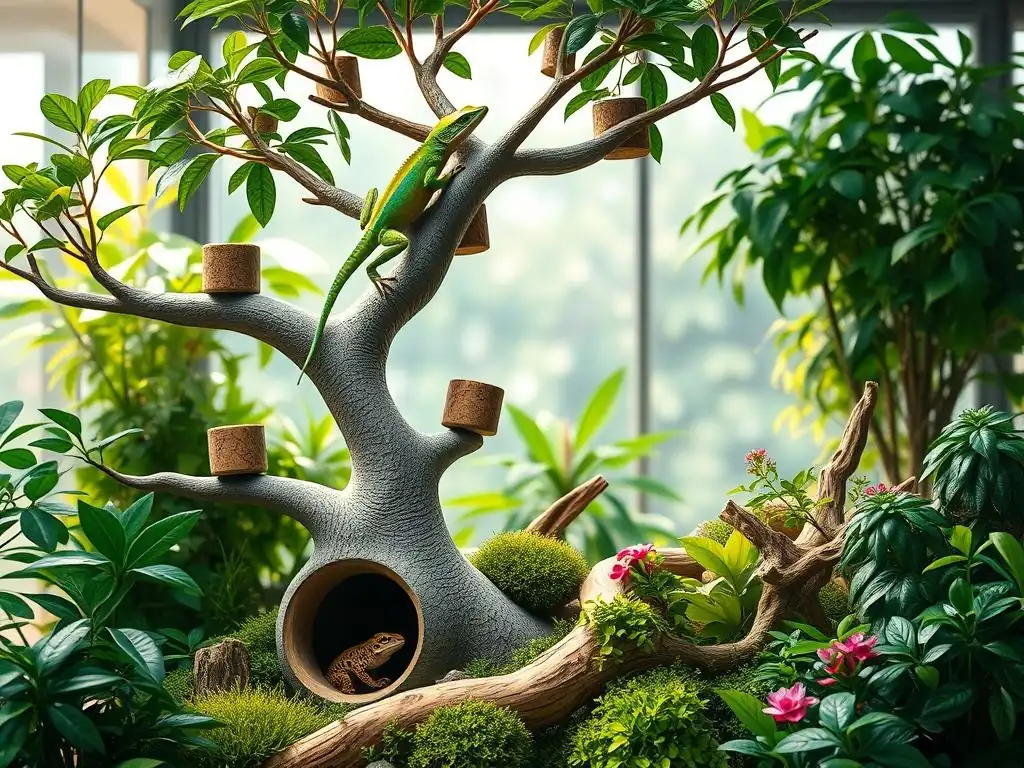
Welcome to PetCareWorld, your ultimate guide to a happier, healthier life for your beloved companion! Are you ready to transform your reptile's terrarium into a vibrant, stimulating environment? Discover the secrets to creating the perfect habitat with our expert guide on the best reptile climbing structures. Explore a world of innovative designs and learn how the right climbing structure can unlock your reptile's natural instincts and enhance their overall well-being. Let's embark on this enriching journey together!
- Understanding the Importance of Reptile Climbing Structures
- Choosing the Best Reptile Climbing Structures for Your Pet
- Top 5 Best Reptile Climbing Structures in 2024
- Creating a Multi-Level Habitat with Climbing Structures
- Maintaining and Cleaning Reptile Climbing Structures
- Troubleshooting Common Issues with Reptile Climbing Structures
- Frequently Asked Questions about Reptile Climbing Structures
-
Frequently Asked Questions
- What are the benefits of providing climbing structures for my reptile?
- What types of climbing structures are best for reptiles?
- How do I choose the right size climbing structure for my reptile?
- Are there any safety concerns I should consider when selecting climbing structures?
- Where can I find the best reptile climbing structures?
- Final Reflection: Scaling New Heights in Reptile Enrichment
- Unleash Your Reptile's Inner Explorer!
Understanding the Importance of Reptile Climbing Structures
Creating a thriving and enriching environment for your reptile companion goes beyond simply providing food and water. A crucial aspect often overlooked is the provision of appropriate climbing structures within their terrarium. This article delves into the significant benefits of incorporating climbing structures specifically designed for reptiles, ultimately contributing to their physical and mental well-being.
We'll explore how these structures mimic natural habitats, encourage essential behaviors, and even help prevent common health issues like obesity. Choosing the best reptile climbing structures is vital for responsible reptile ownership, and this guide will help you make informed decisions to create a truly optimal environment for your scaly friend.
We'll examine various types of structures, materials, and considerations to ensure you select the perfect climbing options for your specific reptile species and terrarium setup. This will empower you to build a stimulating and enriching habitat that promotes the health and happiness of your pet reptile.
Benefits of Vertical Space for Reptile Wellbeing
Reptiles, unlike many mammals, are naturally adapted to utilize vertical space. In their natural habitats, they spend a significant amount of time climbing, basking, and exploring different levels of their environment. Providing this vertical space within a terrarium is not just beneficial; it's essential for their overall well-being. The ability to climb offers several key advantages:
- Stress Reduction: Climbing provides a sense of security and control, reducing stress levels and promoting a more relaxed reptile. Many reptiles will instinctively seek higher perches to feel safe and observe their surroundings.
- Improved Thermoregulation: Different levels within the terrarium allow reptiles to move between warmer and cooler areas, enabling them to regulate their body temperature effectively. This is crucial for their metabolic processes and overall health. Think of it as providing them with a built-in thermostat!
- Enhanced Digestive Health: Climbing and movement aid digestion. The activity helps to stimulate the digestive system, preventing constipation and other related issues often seen in reptiles kept in overly simplistic enclosures.
Enhancing Natural Behaviors with Climbing Structures
Climbing structures aren't just about physical activity; they play a vital role in fostering natural behaviors. By providing branches, rocks, and other climbing features, you're enriching your reptile's environment and stimulating instinctive actions. This enrichment contributes significantly to their mental stimulation and overall happiness. For instance:
- Basking Behavior: Many reptiles bask in the sun to regulate their body temperature and synthesize vitamin D. Climbing structures provide ideal basking spots at various heights, allowing them to choose their preferred temperature and light exposure.
- Predator Avoidance: In the wild, reptiles use vertical space to escape predators or to ambush prey. Climbing structures mimic this natural behavior, providing a sense of security and control within their enclosed environment.
- Exploration and Foraging: Climbing encourages exploration and foraging behaviors. Reptiles will often explore different levels of their enclosure, searching for food, water, or simply investigating their surroundings.
Stimulating Physical Activity and Preventing Obesity in Reptiles
One often overlooked benefit of climbing structures is their contribution to preventing obesity in reptiles. A sedentary lifestyle can lead to various health problems, including metabolic bone disease and liver issues. Climbing structures actively encourage physical activity, helping to maintain a healthy weight and prevent these complications. Consider these points:
- Increased Metabolism: Climbing burns calories and increases the reptile's metabolism, contributing to a healthy weight. This is particularly important for species prone to obesity.
- Muscle Development: Climbing strengthens muscles, improving overall physical fitness and coordination. This is especially valuable for reptiles that are less active in smaller enclosures.
- Reduced Boredom: A stimulating environment with climbing structures helps to reduce boredom and prevent stereotypical behaviors, which can often be linked to obesity. Providing a variety of climbing options keeps your reptile mentally and physically engaged. Think of it as providing a fun and effective exercise program for your reptile!
Choosing the Best Reptile Climbing Structures for Your Pet
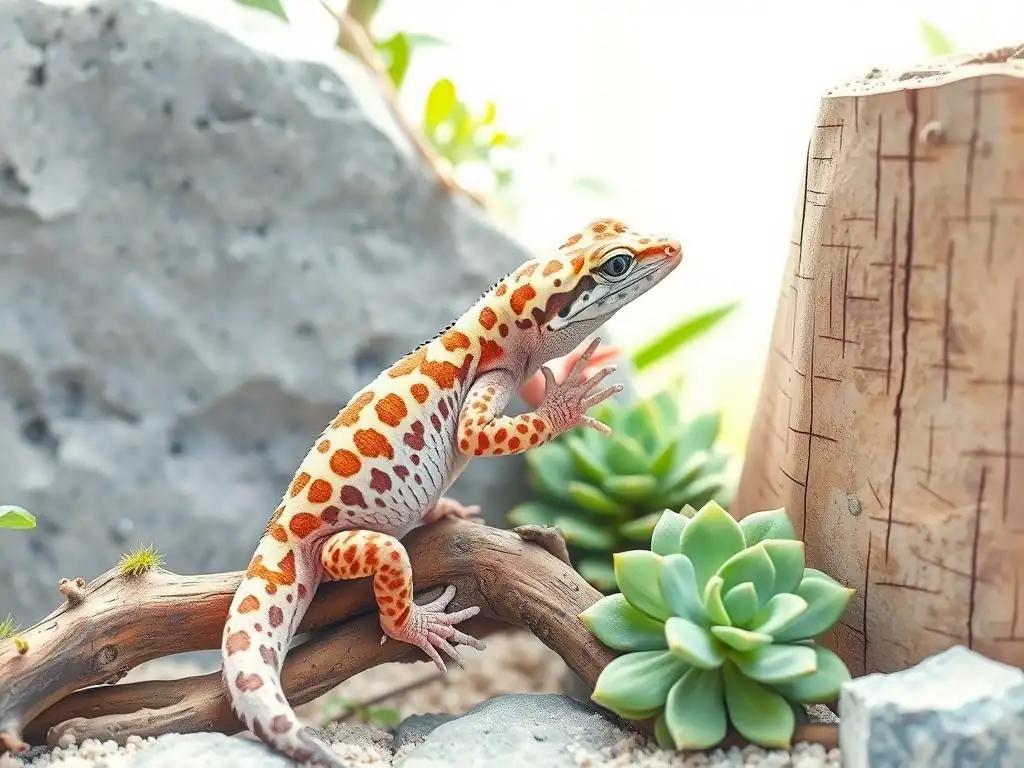
Selecting the best reptile climbing structures is crucial for providing a stimulating and enriching environment for your scaly companion. A well-chosen climbing structure offers more than just a place to perch; it contributes significantly to your reptile's physical and mental well-being. Ignoring this aspect of reptile care can lead to boredom, stress, and even health problems.
This section will guide you through the key considerations to ensure you select the perfect climbing structure for your specific reptile species and terrarium setup. Remember, the ideal climbing structure is not a one-size-fits-all solution; it needs to be tailored to the individual needs of your pet.
Wood vs. Resin Climbing Structures for Reptiles
The choice between wood and resin climbing structures often comes down to personal preference and the specific needs of your reptile. Both materials offer advantages and disadvantages:
Wood:
- Pros: Natural, aesthetically pleasing, often provides a more secure grip for reptiles with claws, can be easily customized or modified. Many reptiles, particularly arboreal species, find the texture and feel of natural wood more stimulating.
- Cons: Requires regular cleaning and maintenance to prevent mold and bacterial growth. Some woods may leach tannins or other substances into the water, potentially harming your reptile. Can be more susceptible to damage from chewing or scratching, depending on the wood type and your reptile's habits. Certain types of wood may splinter, posing a safety hazard.
Resin:
- Pros: Durable, easy to clean, resistant to mold and bacterial growth, often comes in a variety of colors and shapes, providing visual interest. Typically less expensive than high-quality wood options.
- Cons: Can be less aesthetically pleasing to some owners. May not provide the same level of grip as wood, potentially making it less secure for certain species. Some low-quality resins can release harmful chemicals. Always choose reputable brands that use non-toxic materials.
Ultimately, the best material depends on your reptile's species and your own preferences. For example, a bearded dragon might thrive on a sturdy resin branch, while a tree boa might prefer a thick, natural wood branch that allows it to wrap securely. Consider factors such as your reptile's size, climbing habits, and potential for chewing or damaging the structure.
Size and Species Considerations for Climbing Structure Selection
The size and type of climbing structure you choose are paramount to your reptile's safety and well-being. A structure that's too small can be cramped and stressful, while one that's too large might be unstable or present a falling hazard.
| Reptile Species | Ideal Climbing Structure Characteristics |
|---|---|
| Leopard Gecko | Small, flat rocks or branches; low to the ground. |
| Bearded Dragon | Sturdy branches, varying heights and thicknesses; basking platforms. |
| Crested Gecko | Vertical branches, vines, and textured surfaces; high perches. |
| Green Iguana | Large, sturdy branches and platforms; ample space for climbing. |
| Corn Snake | Branches of varying diameters; hiding places integrated into branches. |
Remember to always prioritize safety. Ensure the climbing structure is securely fastened to prevent it from toppling over. Avoid structures with sharp edges or points that could injure your reptile. The structure should also be appropriately sized for your reptile to comfortably climb and maneuver without feeling overcrowded or stressed. Observe your reptile's behavior to assess if the climbing structure is meeting its needs. If it avoids the structure or seems stressed, you may need to adjust its size, placement, or even material.
Safe Materials for Reptile Climbing Structures: Avoiding Toxic Substances
When selecting a climbing structure, safety is paramount. Avoid materials that could release harmful chemicals or toxins. Certain woods, paints, and resins can be toxic to reptiles. Always research the specific materials used in any climbing structure before introducing it to your reptile's enclosure. Here are some materials to avoid:
- Untreated wood: Some woods contain harmful chemicals or tannins that can leach into the environment and harm your reptile.
- Pressure-treated wood: This type of wood is treated with chemicals that are highly toxic to animals.
- Painted or varnished wood: Paints and varnishes can contain lead or other harmful substances.
- Plastic: Certain plastics can release harmful chemicals. Only use plastics specifically designed for reptile enclosures.
- Metals: Metal can get extremely hot under heat lamps, potentially burning your reptile.
Prioritize natural, non-toxic materials whenever possible. If using wood, ensure it’s thoroughly cleaned and properly cured before placement in the enclosure. Opt for reputable brands that provide information on the materials used in their products. Regularly inspect your climbing structures for signs of wear and tear and replace them if necessary. A proactive approach to safety will ensure your reptile enjoys a healthy and enriching environment. 🦎
Secure Mounting Techniques for Reptile Climbing Structures
Securely mounting climbing structures is paramount for both your reptile's safety and the integrity of your terrarium. A poorly affixed branch or climbing structure could collapse under your reptile's weight, leading to injury or even escape. The best mounting technique depends heavily on the type of structure and the material of your terrarium.
For glass terrariums, suction cups are often touted as a solution, but these can be unreliable and prone to failure, especially with heavier structures or larger reptiles. Suction cups may be suitable for very lightweight decorations in smaller enclosures, but should never be the sole means of support for a climbing structure a reptile is likely to use frequently.
For heavier structures or more robust reptiles, consider using strong adhesives specifically designed for use in terrariums. These adhesives must be non-toxic to reptiles and should be applied generously to ensure a secure bond. Always follow the manufacturer's instructions carefully, allowing adequate drying time before introducing your reptile to the new structure. It's crucial to choose an adhesive that is resistant to moisture and temperature fluctuations within the terrarium, as these factors can significantly weaken the bond over time. Regular inspection of the adhesive bond is recommended to ensure it remains secure.
Another reliable method, particularly for wooden structures and terrariums with suitable frames or mesh tops, involves using strong screws or bolts. This approach offers exceptional stability but requires careful planning and execution to avoid damaging the terrarium. Pre-drill holes to prevent cracking, and use appropriately sized screws or bolts that are long enough to provide sufficient grip.
Ensure the screws or bolts are secured tightly, and consider using washers to distribute the pressure and prevent damage to the terrarium. This method works exceptionally well for creating sturdy, permanent climbing structures within the terrarium environment. Always prioritize safety and ensure the mounting hardware is completely inaccessible to your reptile.
Finally, consider the weight and size of your reptile when choosing mounting techniques. A small gecko will require a less robust mounting system than a large iguana. Over-engineering is always preferable to under-engineering when it comes to reptile safety. Regularly inspect all climbing structures and their mounting hardware for signs of wear and tear, and replace or repair them immediately if necessary. Remember, proactive maintenance is key to preventing accidents and ensuring the long-term safety of your beloved reptile.
Top 5 Best Reptile Climbing Structures in 2024
Choosing the right climbing structures is crucial for creating a stimulating and enriching environment for your reptile. Vertical space is essential for many species, allowing them to exhibit natural behaviors like basking, exploring, and escaping potential predators (even in a captive setting!). The best reptile climbing structures offer a combination of safety, durability, and aesthetic appeal, seamlessly integrating into your terrarium's design.
This section will explore some of the top choices available in 2024, considering factors like material, size, and suitability for different reptile species. Remember to always prioritize the specific needs of your reptile when selecting climbing structures; size and species compatibility are paramount.
Exo Terra Natural Rainforest Branches Review
Exo Terra's Rainforest Branches are consistently ranked among the best reptile climbing structures. These branches are known for their realistic appearance, mimicking natural branches found in a rainforest environment. This provides a visually appealing and enriching addition to your terrarium. They are made from durable, non-toxic materials, ensuring your reptile's safety.
The branches are available in various sizes and shapes, catering to a wide range of reptile species and terrarium setups. However, consideration should be given to the weight capacity of the branches, particularly for larger reptiles. Cleaning is relatively straightforward, typically involving a gentle wipe-down with a reptile-safe disinfectant. One potential drawback is the price point; these branches are often positioned at the higher end of the price spectrum compared to other options.
| Feature | Description |
|---|---|
| Material | Natural wood (species vary; check product details for specifics) |
| Size | Multiple sizes available; check product details for specifics |
| Weight Capacity | Varies depending on size and branch type; check product details for specifics |
| Cleaning | Easy to clean with reptile-safe disinfectant |
| Price | Higher end of the price range |
| Pros | Realistic appearance, durable, various sizes, safe for reptiles |
| Cons | Price point may be high |
Zoo Med Repti Rock Climbing Structure: Pros and Cons
The Zoo Med Repti Rock Climbing Structure offers a different aesthetic compared to the natural branches. Made from a durable resin material, these structures are designed to mimic rock formations, providing a sturdy and textured climbing surface. A key advantage is their durability; they're resistant to scratching and chipping, significantly outlasting some wood-based options. The Repti Rock structures are generally easy to clean, though crevices can sometimes require a bit more attention.
While they are heavier than wood branches, their stability makes them ideal for larger, heavier reptiles. The lack of natural variation in appearance is a potential disadvantage for some keepers who prefer a more naturalistic look. The limited color options might also not complement all terrarium themes.
- Pros: Durable, easy to clean, stable, suitable for heavier reptiles.
- Cons: Less natural appearance, limited color options.
Lucky Reptile Wood Branches: A Budget-Friendly Option
For those seeking a more affordable option, Lucky Reptile wood branches present a solid choice. While not as visually striking as some higher-end options, they provide a functional climbing surface for your reptile. The branches are typically made from various types of wood, offering a range of sizes and shapes. However, it's crucial to research the specific wood type used, ensuring it's safe and non-toxic for your reptile.
Regular inspection for splintering or decay is essential, as wood can degrade over time. Cleaning is similar to other wood branches, requiring a gentle wipe-down with a reptile-safe disinfectant. Their affordability makes them a great entry-level option, especially for beginners or those with multiple reptiles needing climbing structures.
Remember: Always supervise your reptile when introducing new climbing structures to ensure safe interaction and prevent potential injuries. Regularly inspect all climbing structures for signs of damage or decay. Replace any damaged or deteriorated structures immediately. Providing a variety of climbing structures can enhance the enrichment and overall well-being of your reptile. 🦎
Zoo Med Vines: Ideal for Smaller Species
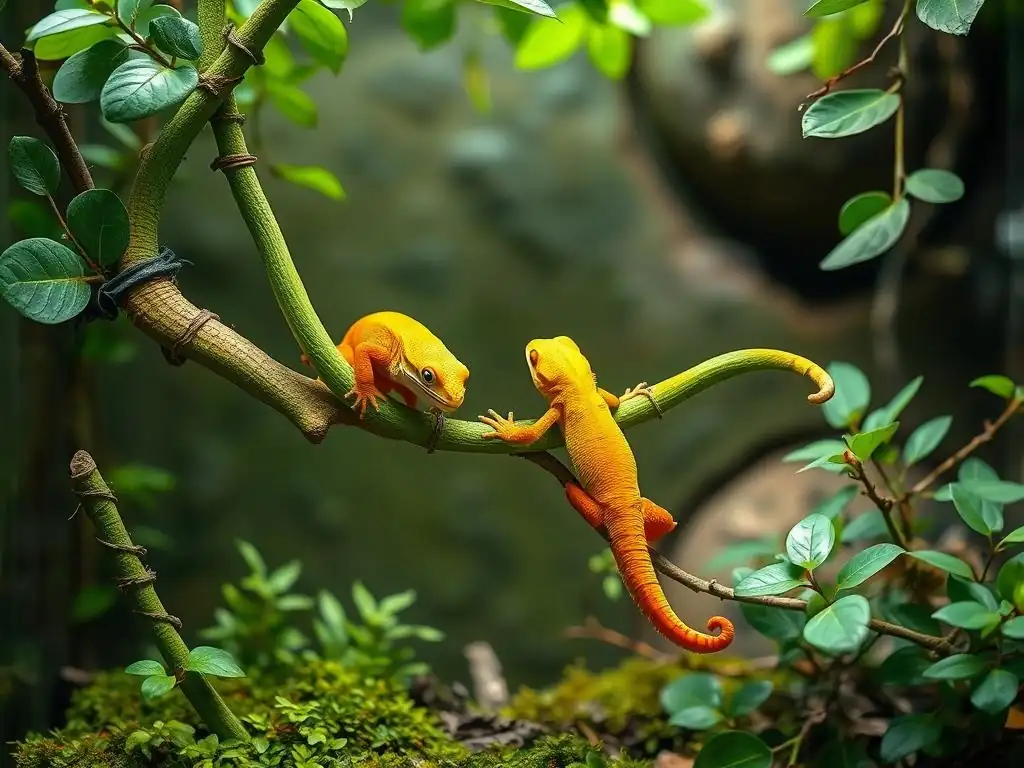
Zoo Med vines offer a fantastic, readily available option for smaller reptile species. These vines are typically made from durable, non-toxic materials, making them safe for your scaly friend. Their flexibility allows for easy shaping and placement within the terrarium, adapting to the specific needs and preferences of your reptile. You can create intricate climbing pathways by weaving multiple vines together, adding complexity and exploration opportunities to their environment.
The natural look and feel of these vines also contribute to a more aesthetically pleasing and enriching habitat. Smaller species like geckos, tree frogs, and smaller snakes particularly benefit from these thinner, more manageable vines. Consider the size and weight of your reptile when selecting a vine; ensure it’s sturdy enough to support their weight without bending or breaking. Regular cleaning is crucial to maintain hygiene and prevent the buildup of bacteria or parasites.
Simply wipe them down with a reptile-safe disinfectant regularly. The Zoo Med brand is widely recognized for its quality and commitment to reptile welfare, making their vines a reliable choice for many pet owners seeking the best reptile climbing structures. Their affordability also makes them a popular choice amongst reptile keepers on a budget.
DIY Reptile Climbing Structures: Cost-Effective Ideas
Creating your own climbing structures can be a rewarding and cost-effective way to enrich your reptile's habitat. This approach allows for maximum customization, tailoring the structure precisely to your reptile's size, species, and preferences. The possibilities are endless! You can use readily available materials such as sturdy branches from non-toxic trees (ensure they're properly cleaned and cured to prevent mold and parasites), cork bark, or even carefully arranged rocks. For example, a simple yet effective structure can be created by securely attaching several pieces of cork bark to the terrarium walls at varying heights, creating ledges and climbing opportunities.
Remember to prioritize safety; all materials should be securely fastened to prevent collapse and injury. Before introducing any DIY structure, always thoroughly inspect it for sharp edges or splinters. Sanding down any rough surfaces can prevent accidental injuries. Remember, safety is paramount when creating a DIY climbing structure for your reptile.
This approach not only saves money but also allows you to personalize the environment, reflecting your reptile's unique needs and your creative flair. Online forums and reptile communities are great resources for finding inspiration and sharing ideas for DIY reptile climbing structures. The ability to adapt and modify your creations as your reptile grows is another significant advantage of the DIY approach, ensuring their climbing structures remain suitable throughout their life. Moreover, constructing your own structures can be a fun and educational experience, enhancing your bond with your pet.
Creating a Multi-Level Habitat with Climbing Structures
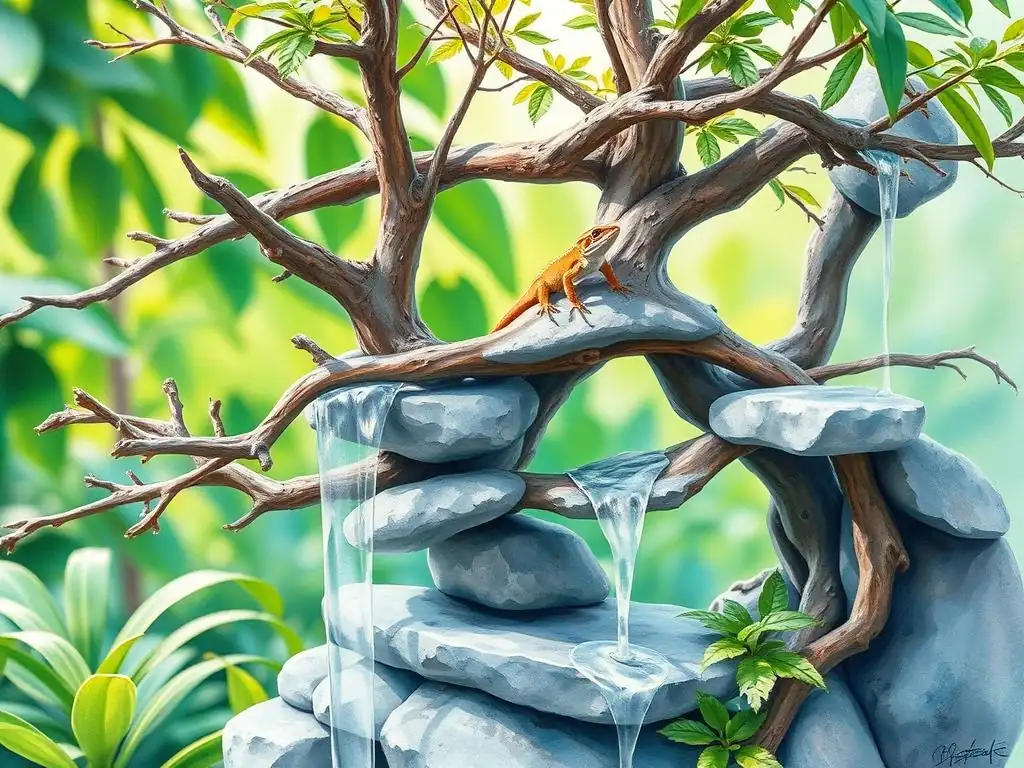
Providing vertical space in your reptile terrarium is crucial for mimicking their natural environment and promoting their physical and mental well-being. Reptiles, unlike many mammals, often utilize three-dimensional space extensively. Climbing structures are not merely decorative; they're essential components of a thriving reptile habitat. The best reptile climbing structures allow for exploration, exercise, and a sense of security.
By strategically incorporating different heights and textures, you create a more engaging and stimulating environment. This is especially important for arboreal species like chameleons, geckos, and tree boas, but even terrestrial species benefit from the added complexity. A multi-level habitat reduces stress and encourages natural behaviors such as basking, hunting, and escaping perceived threats. The key is to design a structure that is both safe and stimulating, considering the size and specific needs of your reptile.
Layering Branches and Rocks for Optimal Enrichment
Creating a layered effect within your terrarium is key to maximizing the benefits of climbing structures. This involves strategically placing branches of varying thicknesses and lengths at different heights. Think of it like building a miniature, reptile-friendly forest. Thicker branches provide sturdy platforms for basking and resting, while thinner branches encourage more acrobatic climbing and exploration. Remember to secure all branches firmly to prevent collapses, which could injure your reptile. Use non-toxic, reptile-safe materials, avoiding treated wood or anything that might leach harmful chemicals.
Incorporating rocks alongside branches adds another layer of textural complexity. Larger, flat rocks can serve as basking platforms, while smaller, irregularly shaped rocks provide crevices for hiding and exploration. The combination of branches and rocks allows for a diverse range of climbing opportunities, preventing boredom and encouraging natural behaviors.
For example, a bearded dragon might enjoy basking on a large, flat rock while a leopard gecko might prefer exploring the nooks and crannies formed by stacked rocks and branches. The best reptile climbing structures offer this variety, catering to the specific needs of your pet. Remember to always prioritize safety and stability when arranging these elements.
Providing Hiding Spots and Basking Areas with Climbing Structures
The best reptile climbing structures aren't just about climbing; they also offer crucial hiding places and basking opportunities. A secure hiding spot is essential for a reptile's sense of security and stress reduction. This can be achieved by strategically placing hollow logs, cork bark, or even carefully arranged rocks and branches to create shaded areas. These hiding places should be appropriately sized for your reptile, allowing them to fully conceal themselves if needed.
Simultaneously, basking areas are equally important for thermoregulation. Reptiles are ectothermic, meaning they rely on external sources of heat to regulate their body temperature. By placing basking platforms at varying heights within the terrarium – perhaps on top of a sturdy branch or a large rock – you provide your reptile with a choice of basking spots with different temperature gradients.
This allows them to maintain their optimal body temperature throughout the day. The placement of these basking spots should be considered carefully, taking into account the heat source's location and the overall temperature distribution within the terrarium. Remember to monitor temperatures regularly to ensure they are within the safe range for your specific reptile species.
Integrating Live Plants with Reptile Climbing Structures
Adding live plants to your reptile terrarium offers several benefits, including aesthetic appeal, improved air quality, and additional climbing opportunities. Certain plant species are particularly well-suited for reptile enclosures, providing both visual interest and functional enrichment. However, it's crucial to select non-toxic plants that are safe for your reptile to interact with. Some popular choices include pothos, spider plants, and certain bromeliads.
Integrating live plants with your climbing structures creates a more natural and engaging habitat. Vines can be trained to climb along branches, creating additional pathways for your reptile to explore. Plants can also provide additional cover and hiding spots, further enhancing the overall enrichment of the terrarium. However, ensure the plants are securely rooted and won't easily be uprooted or ingested by your reptile.
Regularly inspect the plants for any signs of damage or disease and replace them as needed. The combination of live plants and carefully chosen climbing structures provides a visually appealing and functionally rich environment that promotes the well-being of your reptile. This holistic approach to habitat design is crucial for providing the "best reptile climbing structures" experience for your pet.
Maintaining and Cleaning Reptile Climbing Structures
Maintaining the cleanliness of your reptile's climbing structures is crucial for their health and well-being. Neglecting hygiene can lead to bacterial growth, fungal infections, and other health problems for your scaled companion. Regular cleaning prevents the buildup of harmful bacteria and parasites, ensuring a safe and stimulating environment. The frequency of cleaning depends on the material of the climbing structure and the type of reptile housed. For instance, porous materials like wood may require more frequent cleaning than smooth, non-porous materials like certain plastics or resins. Remember, a clean climbing structure is a happy reptile!
Regular Cleaning to Prevent Bacterial Growth
Regular cleaning is paramount to preventing bacterial growth on reptile climbing structures. This involves a multi-step process. First, remove your reptile from the terrarium. Then, gently remove the climbing structure and thoroughly rinse it with warm water. For stubborn dirt or debris, a soft-bristled brush can be used.
Avoid harsh scrubbing, which could damage the structure. After rinsing, allow the structure to air dry completely before returning it to the terrarium. The frequency of this process will vary depending on the material and the amount of waste accumulated. As a general guideline, aim for at least a weekly cleaning for most structures, but more frequent cleaning may be necessary for particularly messy reptiles or those with a tendency to defecate near their climbing areas. Remember to always disinfect the structure after cleaning to eliminate any remaining bacteria or pathogens.
This process isn't just about aesthetics; it's about the health of your reptile. Bacteria like Salmonella can thrive in unclean environments, posing a significant risk to your pet’s health. Proactive cleaning minimizes this risk, contributing to a healthier, happier reptile. Consider keeping a separate cleaning kit specifically for your reptile's habitat to avoid cross-contamination.
Safe Cleaning Products for Reptile Habitats
Choosing the right cleaning products is crucial for maintaining a safe and healthy environment for your reptile. Avoid harsh chemicals, such as bleach or ammonia, which can be toxic to reptiles and damage climbing structures. Opt for reptile-safe disinfectants specifically designed for use in terrariums. These products are formulated to eliminate harmful bacteria and parasites without harming your pet or their environment.
Always follow the product's instructions carefully, ensuring adequate ventilation during and after application. A simple solution of diluted white vinegar can often be sufficient for routine cleaning, offering a natural and effective alternative to harsher chemicals. Remember to thoroughly rinse the climbing structures with clean water after using any cleaning solution. Regularly inspect your reptile's climbing structures for signs of damage or wear, which can create breeding grounds for bacteria.
Replacing Damaged or Worn-Out Climbing Structures
Over time, even with regular cleaning, reptile climbing structures can become damaged or worn out. This is particularly true for wooden structures which can splinter or become waterlogged. Damaged structures can harbor bacteria and become unsafe for your reptile. Signs that a climbing structure needs replacing include visible cracks, splintering wood, significant discoloration, or a persistent unpleasant odor. Regular inspection is key to identifying these issues early.
Replacing damaged structures is essential to maintaining a safe and enriching environment for your pet. When choosing a replacement, consider materials that are durable, easy to clean, and appropriate for your reptile’s size and species. Always prioritize safety and hygiene when selecting new climbing structures for your reptile's terrarium. Remember, a proactive approach to maintenance ensures a long and healthy life for your reptile, making your investment in the best reptile climbing structures worthwhile.
Troubleshooting Common Issues with Reptile Climbing Structures
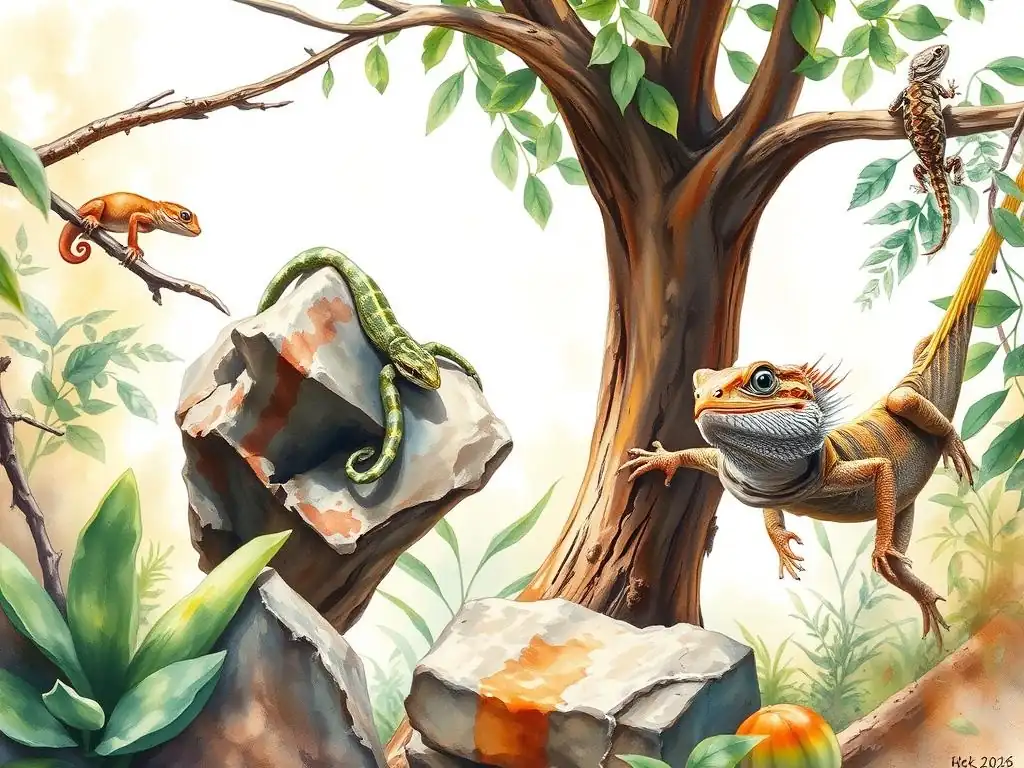
This section addresses common problems encountered when incorporating climbing structures into your reptile terrarium, helping you create a safe and enriching environment for your scaly friend. Finding the best reptile climbing structures involves not only selection but also ongoing maintenance and adaptation.
Addressing Instability and Safety Concerns
Ensuring the stability of your reptile's climbing structures is paramount to prevent injuries. A wobbly branch or a collapsing platform can lead to falls, stress, and potential harm to your pet. Several factors contribute to instability:
- Inadequate substrate: Loose or insufficient substrate can fail to provide a secure base for heavier climbing structures. Consider using a deeper layer of substrate appropriate for your reptile's species, or employing a sturdy base plate beneath the structure. For example, a heavy ceramic tile can provide excellent stability for a wooden branch.
- Improper anchoring: Poorly anchored climbing structures are a significant hazard. Avoid simply placing structures on the terrarium floor. Secure them using appropriate methods. For example, you can use strong, non-toxic glue specifically designed for terrariums, heavy rocks or ceramic weights to secure bases, or even carefully drilled holes and zip ties for wooden structures (ensure the zip ties are appropriately covered to prevent your reptile from chewing on them).
- Overcrowding: Too many climbing structures crammed into a small terrarium can create instability. Ensure there's enough space between structures to allow for safe movement and prevent accidental knocking over. Remember, the goal is enrichment, not a cluttered jungle gym.
- Material selection: The material of the climbing structure itself impacts stability. Lightweight materials may be insufficient for larger or more active reptiles. Opt for heavier, more robust materials like sturdy branches (ensure they are properly cleaned and free of pesticides) or high-quality artificial climbing structures made from durable materials.
Remember to regularly inspect your climbing structures for any signs of instability or damage. Promptly address any issues to prevent accidents.
Dealing with Chewing and Damage to Climbing Structures
Many reptiles, particularly younger ones, exhibit natural chewing behaviors. This can lead to damage to climbing structures, creating safety hazards and reducing the lifespan of your enrichment items. Here's how to mitigate this:
- Material selection: Choose materials less susceptible to chewing. While natural wood is appealing, some reptiles may chew through it. Consider using durable artificial materials designed for reptile terrariums. These often mimic the look and feel of natural branches but are more resistant to damage.
- Supervision and observation: Regularly monitor your reptile's interactions with its climbing structures. If you notice excessive chewing, consider replacing the structure with a less appealing material or providing alternative chewing options, such as safe, reptile-approved chew toys.
- Regular cleaning and replacement: Chewed structures should be removed and replaced to prevent ingestion of splinters or harmful materials. Regular cleaning can also help prevent the spread of bacteria and parasites.
- Species-specific considerations: Some reptiles are more prone to chewing than others. Research your specific reptile species to understand their chewing tendencies and choose appropriately durable materials.
| Material | Chewing Resistance | Notes |
|---|---|---|
| Natural Wood | Low | May splinter; requires frequent inspection and replacement |
| Artificial Vines | Medium | Durable but may lose their appearance over time due to scratching |
| Ceramic Branches | High | Very durable but can be more expensive |
| Resin Structures | High | Durable, often realistic-looking, but may be less natural to the touch |
Choosing Appropriate Climbing Structures for Different Reptile Species
Selecting the best reptile climbing structures depends heavily on your reptile's species and size. Consider these factors:
- Size and weight: Larger reptiles require sturdier and more substantial structures. Smaller reptiles can utilize smaller, more delicate climbing features.
- Species-specific needs: Different reptiles have different climbing preferences and abilities. For example, arboreal species (like chameleons) need vertical climbing options, while terrestrial species (like bearded dragons) might benefit from more horizontal basking platforms.
- Footpad type: The type of footpads your reptile possesses influences the type of climbing surface it can effectively use. Some reptiles require rough, textured surfaces for grip, while others can manage smoother surfaces.
- Natural habitat: Consider mimicking your reptile's natural habitat when selecting climbing structures. This contributes to a more enriching and less stressful environment. Researching your reptile's natural environment will provide invaluable insights into their preferred climbing structures and overall habitat requirements.
Remember, providing a variety of climbing structures in your terrarium promotes natural behaviors, reduces stress, and enhances the overall well-being of your reptile. By carefully considering these factors and addressing potential issues proactively, you can create a safe and stimulating environment for your pet.
Frequently Asked Questions about Reptile Climbing Structures
This section addresses common queries regarding the use of climbing structures to enhance your reptile's environment and well-being. Choosing the right climbing structures is crucial for providing optimal enrichment and preventing injuries. Understanding the specific needs of your reptile species and maintaining hygiene are key aspects of responsible reptile ownership.
Suitability of Climbing Structures for Different Reptile Species
Not all reptiles are created equal, and their climbing needs vary significantly. Providing appropriate climbing structures is essential for mimicking their natural habitat and promoting healthy behaviors. Here's a breakdown of suitability based on species:
- ** arboreal species (e.g., chameleons, tree boas, some geckos):** These reptiles require extensive vertical space and a variety of climbing options. Think branches of varying diameters, thick vines, and textured surfaces to provide grip and stimulation. Lack of vertical space can lead to stress, muscle atrophy, and difficulty shedding. Providing a diverse range of climbing opportunities is crucial for these species. For instance, a chameleon might appreciate a mix of smooth and rough branches, while a tree boa might prefer thicker, sturdier branches for coiling.
- terrestrial species (e.g., many snakes, tortoises, some lizards): While these reptiles don't necessarily need tall climbing structures, incorporating some low-level rocks, logs, or platforms can still provide environmental enrichment and opportunities for exploration. These additions offer basking spots, hiding places, and varied textures to stimulate their natural behaviors. Avoid overly high structures for these species to prevent accidental falls and injuries.
- semi-arboreal species (e.g., some lizards, certain snakes): These reptiles benefit from a combination of horizontal and vertical space. Providing both ground-level hiding spots and some climbing structures allows them to choose their preferred environment and engage in natural behaviors. A balanced approach is key, offering a mix of low-lying basking spots and some strategically placed branches or ledges.
Choosing appropriate climbing structures depends heavily on the size and weight of your reptile. A heavy reptile will need sturdier branches than a smaller, lighter one. Always prioritize safety and ensure the structures are securely fastened to prevent accidents. Remember to research your specific reptile species’ natural habitat to best understand their climbing preferences.
Cleaning Frequency for Reptile Climbing Structures
Maintaining a clean and hygienic terrarium is paramount to your reptile's health. Climbing structures, in particular, can accumulate debris and bacteria, so regular cleaning is essential. The frequency depends on several factors:
- Species: Reptiles that shed frequently will require more frequent cleaning to remove shed skin from the structures.
- Substrate: The type of substrate used in the terrarium impacts the rate at which debris accumulates on climbing structures.
- Feeding habits: Reptiles with messy eating habits might require more frequent cleaning to prevent bacterial growth.
A good rule of thumb is to thoroughly clean and disinfect climbing structures at least once a month, or more often if necessary. This involves removing the structures from the terrarium, scrubbing them with a reptile-safe disinfectant (avoid harsh chemicals! ), and allowing them to dry completely before replacing them. For particularly porous materials, more frequent cleaning might be needed.
Always handle the cleaning process carefully to avoid damaging the structures or harming the reptile. A simple weekly visual inspection can help identify any potential issues early on. Regular cleaning prevents the build-up of harmful bacteria and parasites, contributing to a healthier environment for your reptile.
Signs a Reptile Needs More Vertical Space
Observing your reptile's behavior can indicate whether it needs more vertical space in its enclosure. Several behavioral signs might suggest this:
- Restlessness and pacing: If your reptile spends a lot of time pacing or exhibiting restless behavior, it might indicate a lack of environmental enrichment, including insufficient vertical space.
- Aggression or stress: A reptile feeling cramped or confined might become more aggressive or display signs of stress, such as loss of appetite or lethargy.
- Difficulty shedding: Insufficient climbing opportunities can make it difficult for some reptiles to shed their skin properly. If you notice problems with shedding, it might be a sign that they need more vertical space to stretch and maneuver their bodies.
- Poor posture or muscle atrophy: Over time, a lack of climbing opportunities can lead to poor posture and muscle atrophy. Observe your reptile's posture and body condition for any signs of deterioration.
If you notice any of these signs, consider adding more climbing structures to your reptile's terrarium. Remember to gradually introduce new structures to avoid stressing your reptile. Careful observation and providing a stimulating environment are key components of responsible reptile care. Providing adequate vertical space directly contributes to a happier, healthier reptile. Remember to consider your reptile's specific species and size when determining the best climbing structures and the amount of vertical space needed.
Using Natural Branches as Climbing Structures: Safety Considerations
Using natural branches in your reptile enclosure offers a fantastic, aesthetically pleasing, and cost-effective way to enhance climbing opportunities. However, safety must be the paramount concern. Improperly prepared branches can harbor parasites, bacteria, or even sharp splinters that could harm your reptile. Thorough preparation is key to ensuring a safe and enriching environment.
Before introducing any branch into your terrarium, meticulously clean it. This involves a multi-step process. First, scrub the branch thoroughly with a stiff brush and hot, soapy water. Pay close attention to crevices and bark, as these areas can harbor unseen contaminants.
Following the initial scrubbing, it's crucial to disinfect the branch. A solution of diluted bleach (follow product instructions carefully) is effective, but ensure you rinse the branch extremely well afterward to remove all traces of bleach, which can be toxic to your reptile. Allow the branch to completely air dry in direct sunlight for several days to further reduce the risk of harmful organisms. This sunlight exposure also helps to sterilize the wood naturally.
Even after thorough cleaning and drying, carefully inspect the branch for any sharp edges, splinters, or loose bark. These potential hazards should be addressed by carefully sanding down any rough areas and removing any loose bark. Remember, your reptile's safety is paramount. Any potential for injury needs to be eliminated. A slightly imperfect branch is preferable to one that presents a risk of injury to your scaled companion.
Consider the type of wood you're using. Avoid treated lumber, as the chemicals used in treatment can be lethal to reptiles. Similarly, certain types of wood might be toxic, so research the specific species of wood before introducing it to your terrarium. Hardwoods generally prove more durable and less prone to splintering than softer woods.
Look for branches that are sturdy and can support the weight of your reptile without bending or breaking. Regularly inspect the branches for signs of wear and tear, replacing them as needed to maintain a safe environment. Remember, prevention is always better than cure when it comes to your pet's well-being. A proactive approach to safety ensures a happy and healthy reptile.
Frequently Asked Questions
What are the benefits of providing climbing structures for my reptile?
Providing climbing structures offers significant enrichment for your reptile. It allows for natural behaviors like basking, exploring, and exercising, improving their physical and mental well-being. This reduces stress and promotes a healthier life.
What types of climbing structures are best for reptiles?
The best climbing structures depend on your reptile's species and size. Natural materials like wood and cork bark are generally preferred, but you can also use safe artificial materials. Ensure the structure is secure and appropriate for your pet's climbing abilities.
How do I choose the right size climbing structure for my reptile?
The structure should be proportionate to your reptile's size. It should provide ample space for climbing and exploring without being overwhelming. Consider the size of your terrarium to ensure there is enough room for both the reptile and the structure.
Are there any safety concerns I should consider when selecting climbing structures?
Yes, safety is paramount. Avoid materials that can splinter, leach harmful chemicals, or be easily chewed and ingested. Securely attach the structure to prevent falls, and regularly inspect it for damage. Choose non-toxic materials.
Where can I find the best reptile climbing structures?
PetCareWorld recommends researching reputable pet supply stores, both online and brick-and-mortar. Look for reviews and ratings to ensure quality and safety. Consider the specific needs of your reptile when making your selection.
Final Reflection: Scaling New Heights in Reptile Enrichment
The quest for the best reptile climbing structures isn't merely about providing a perch; it's about fostering a thriving, stimulating environment that mirrors the natural complexity reptiles crave. Providing these crucial elements directly impacts their physical and mental well-being, significantly enhancing their quality of life in captivity. This isn't just a trend; it's a fundamental shift in responsible reptile keeping.
The impact of enriched environments on reptile health and behavior is undeniable. Observing a reptile confidently navigate its habitat, exploring branches and basking spots, is a testament to the success of thoughtful enrichment. The best way to observe a reptile is to provide it with an environment that allows it to express its natural behaviors.
This simple truth underscores the importance of providing varied and engaging climbing structures, transforming a simple terrarium into a dynamic and stimulating ecosystem. It's a responsibility we, as keepers, must embrace.
Now, consider your own reptile's environment. Do you see the potential for improvement? Take a moment to assess your terrarium. Are the climbing structures varied in size, texture, and placement? Do they allow for exploration and natural behaviors? By thoughtfully incorporating the principles discussed in this article, you can create a haven where your reptile can thrive, not just survive. Embrace the challenge of crafting the perfect climbing paradise for your scaly companion – their well-being depends on it.
Unleash Your Reptile's Inner Explorer!
Thank you for exploring the world of reptile enrichment! We hope you've gained valuable insights into creating a stimulating and engaging environment for your scaly companion. Ready to put your new knowledge into practice?
- Design and build a custom climbing structure: Use the article's ideas as inspiration to create a unique and challenging habitat feature tailored to your pet's species and personality. Consider adding interesting elements like cork bark or driftwood for added texture and exploration!
- Share your creation! Show off your handiwork and inspire other reptile keepers by posting pictures of your finished climbing structure on PetCareWorld's community forum.
- Continue learning! Research different climbing materials and learn about the unique climbing behaviors of various reptile species.
What exciting climbing structure will you design to transform your reptile's terrarium into an adventurous playground?