
How Many Perches Do Birds Need? Creating a Balanced Cage

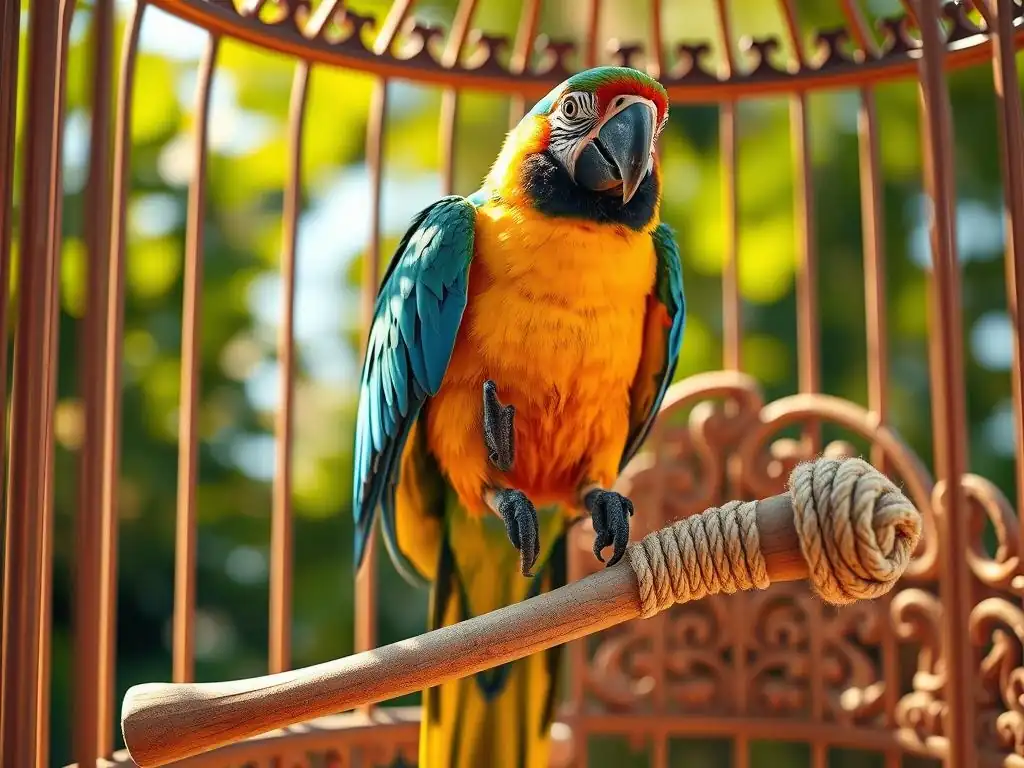
Welcome to PetCareWorld, your ultimate guide to a happier, healthier life for your beloved companion! Are you wondering how to create the perfect avian sanctuary? Our expert guide on "Bird cage perch number guide" reveals the surprising science behind perch placement and the ideal number for your feathered friend's well-being. Discover how the right perch arrangement can significantly impact your bird's happiness, health, and overall quality of life – and unlock the secrets to a truly thriving flock! Dive in and learn more!
- Understanding Your Bird's Perch Needs: A Comprehensive Guide
- Types of Bird Perches: Materials and Benefits
- Strategic Perch Placement for Optimal Bird Health
- Additional Enrichment: Beyond the Basics
- Signs Your Bird Needs More Perches or Cage Space
- Recommended Perch Combinations for Different Bird Sizes and Species
- Frequently Asked Questions (FAQs) about Bird Perches
- Frequently Asked Questions
- Final Reflection: Finding Harmony in Confinement
- Unleash Your Bird's Inner Aviator: Create the Perfect Perch Paradise!
Understanding Your Bird's Perch Needs: A Comprehensive Guide
Providing your feathered friend with a stimulating and comfortable environment is crucial for their overall health and happiness. A significant aspect of this is ensuring they have the right number and variety of perches within their cage. This comprehensive guide, designed to help you become an expert in avian habitat design, will delve into the specifics of determining the appropriate number of perches for your bird, considering factors such as species, cage size, and individual activity levels. We'll explore how the number of perches directly impacts your bird's physical well-being, preventing foot and leg problems and promoting natural behaviors.
This guide serves as your ultimate "Bird cage perch number guide," offering practical advice to create a balanced and enriching cage for your beloved companion. Understanding these needs is key to responsible bird ownership and contributes significantly to your bird's longevity and quality of life. Let's dive in!
Determining the Right Number of Perches Based on Bird Species
The ideal number of perches in a birdcage is not a one-size-fits-all answer. It heavily depends on the size and activity level of your bird. Different species have different needs, and providing the incorrect number of perches can lead to health problems such as foot deformities and joint issues. Let's explore the perch requirements for various bird sizes:
Small Bird Perches: Finches, Canaries, and Budgies
Small birds like finches, canaries, and budgies generally require at least two to three perches of varying diameters. This allows them to spread their weight and avoid pressure on the same area for extended periods. Providing a variety of perch materials (e.g., wood, natural branches) also helps stimulate their feet and prevent boredom. Remember to ensure the perches are securely fastened to avoid accidents. A good rule of thumb is to space the perches strategically to allow for easy movement and access to food and water. Neglecting this can lead to increased stress and potential health issues.
Medium Bird Perches: Cockatiels, Conures, and Lovebirds
Medium-sized birds, such as cockatiels, conures, and lovebirds, need a minimum of three to four perches. These birds are more active than smaller species and require more space to move around and exercise. The perches should be of varying diameters and materials to provide foot stimulation and prevent repetitive strain injuries. Consider adding a wider perch for resting and sleeping. Remember to regularly inspect the perches for wear and tear and replace them as needed. This prevents splintering which could injure your bird's feet.
Large Bird Perches: Macaws, Amazons, and African Greys
Larger birds like macaws, amazons, and African greys require significantly more space and a greater number of perches. These birds need at least four to six perches, with a variety of sizes and textures. Their larger size and increased activity levels demand ample space to move around comfortably. Providing a combination of thick and thin perches allows for varied grip strength exercise and helps to prevent foot problems.
Consider adding perches of different shapes and heights to create a more enriching and engaging environment. Ignoring these needs can result in significant health problems in these larger, more active birds. 🐦
Considering Cage Size and Bird Activity Levels
Beyond the species-specific recommendations, cage size and your bird's activity level play a vital role in determining the appropriate number of perches. A larger cage naturally accommodates more perches, allowing for greater freedom of movement and a more stimulating environment. Highly active birds will also benefit from more perches to encourage climbing and exercise. Conversely, less active birds might do well with fewer, well-placed perches. Always prioritize providing enough space between perches to prevent crowding and allow your bird to comfortably move between them.
Consider the overall layout of the cage – ensure perches are placed strategically to allow access to food, water, and toys without difficulty. A thoughtfully designed cage helps promote your bird's physical and mental well-being, contributing to a longer, healthier life. Remember, a happy bird is an active bird! 🎉
Types of Bird Perches: Materials and Benefits

This section delves into the diverse world of bird perches, examining the materials used and their respective advantages and disadvantages. Choosing the right perch is crucial for your bird's foot health, behavioral well-being, and overall happiness. A balanced cage setup incorporates a variety of perch types and materials to cater to your feathered friend's needs. This guide will help you navigate the options and make informed decisions when selecting perches for your bird's habitat. Remember, the "Bird cage perch number guide" is only part of the equation; the type of perch is equally important.
Natural Wood Perches: Safety and Enrichment
Natural wood perches are widely considered the best option for birds. They offer a variety of textures, promote natural behaviors, and help prevent foot problems. However, careful selection is crucial.
Choosing the Right Wood Type for Your Bird:
Not all wood is created equal. Some woods are toxic to birds, while others are too soft and prone to splintering. Safe options include:
- Applewood: A popular and readily available choice, known for its hardness and pleasant scent.
- Willow: Offers a slightly softer texture, providing a good grip.
- Manzanita: Very hard and durable, ideal for larger birds.
- Grapevine: Provides a variety of textures and diameters.
Avoid: Untreated pine, cedar, and redwood, as these can contain harmful oils and chemicals. Always ensure the wood is untreated and sourced from a reputable supplier. Avoid perches with knots or sharp edges.
Benefits of Natural Wood Perches: Preventing Foot Problems and Promoting Natural Behaviors
Natural wood perches offer several key benefits:
- Foot Health: The varied diameters and textures of natural wood perches encourage birds to use their feet in a natural way, strengthening muscles and preventing foot problems like bumblefoot. This is a critical aspect of the "Bird cage perch number guide" – quantity isn't everything; quality and variety are key.
- Behavioral Enrichment: Birds naturally prefer to perch on branches of varying diameters and textures. Providing these options promotes natural foraging and climbing behaviors, reducing boredom and stress.
- Safety: When sourced responsibly, natural wood perches are safe and durable. They provide a secure and comfortable resting place for your bird.
Man-Made Perches: Pros and Cons
While natural wood perches are ideal, man-made perches can offer additional benefits and variety within your bird's cage. However, it's crucial to carefully consider the pros and cons of each type.
Plastic Perches: Ease of Cleaning vs. Lack of Texture
Plastic perches are easy to clean and disinfect, making them a convenient option. However, they lack the texture and grip of natural wood, which can lead to foot problems over time. They are generally not recommended as a bird's primary perching option. Consider them only as a supplemental perch, and always prioritize natural wood options.
Rope Perches: Stimulating Texture and Grip
Rope perches offer a stimulating texture and grip, making them a good addition to a bird's cage. However, they should not be the only perch type. Their texture can help keep the bird's feet healthy, but they should be monitored regularly for wear and tear, and replaced when necessary. They can also be a source of enrichment, providing opportunities for chewing and climbing.
Mineral Perches: Nutritional Benefits and Considerations
Mineral perches are designed to provide birds with essential minerals. While they can offer nutritional benefits, they should be used sparingly and not as the primary perch. They can be abrasive and may damage a bird's feet if used excessively. Always provide a variety of perches to ensure your bird's foot health and overall well-being. The "Bird cage perch number guide" should include a variety of perches to ensure a balanced environment. Don't rely solely on mineral perches for nutritional needs; a balanced diet is paramount.
Strategic Perch Placement for Optimal Bird Health
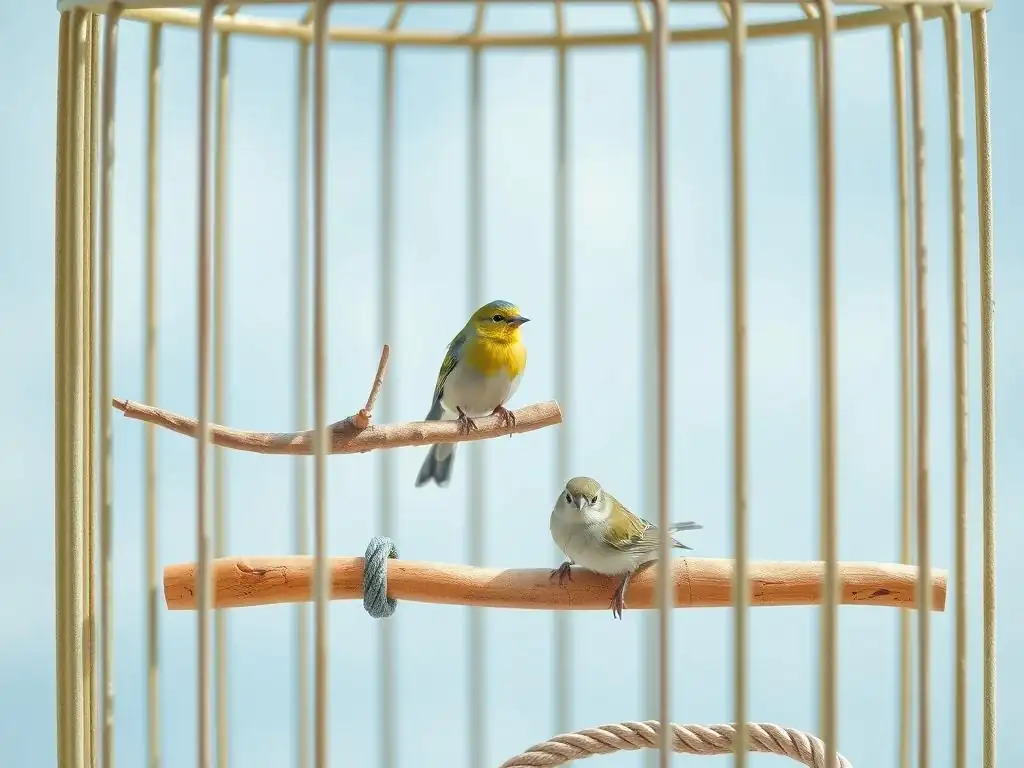
This section delves into the art of strategically placing perches within your bird's cage to maximize their physical and mental well-being. Proper perch placement isn't just about the number of perches; it's about creating an environment that encourages natural behaviors, prevents injury, and promotes overall health. Think of it as designing a bird-sized fitness center and playground all in one! A well-designed cage, guided by this Bird cage perch number guide, is crucial for a happy and healthy feathered friend.
Avoiding Overcrowding: Space and Comfort for Your Bird
Overcrowding a bird cage, even with the "correct" number of perches, can lead to stress, feather plucking, and other behavioral issues. Birds need space to maneuver, preen, and simply be. The general rule of thumb is to ensure enough space between perches for your bird to comfortably move between them without feeling cramped. Consider the size of your bird: a large macaw will require significantly more space than a small finch.
For example, a large parrot like an African Grey needs a cage with ample room to spread its wings fully without hitting the bars or perches. Cramped conditions can lead to increased stress levels, potentially manifesting as feather plucking or aggression. Think about it: you wouldn't want to live in a tiny room with constantly bumping into things, would you? Your bird feels the same!
A good indicator of overcrowding is observing your bird's behavior. If your bird appears constantly anxious, avoids certain areas of the cage, or exhibits repetitive behaviors, it might be a sign that the cage is too crowded. Consider measuring the space between perches and comparing it to your bird's wingspan. A safe distance should allow for comfortable movement and prevents accidental collisions.
Varying Perch Heights and Diameters: Encouraging Exercise and Natural Movement
Providing a variety of perch heights and diameters is essential for stimulating natural behaviors and preventing joint problems. Birds in the wild spend a significant portion of their day moving between different branches and heights. Mimicking this natural environment in your bird's cage is vital for their physical and mental health.
Think of it like this: a single, flat perch is like asking your bird to sit in a chair all day. It's not very stimulating, nor is it good for their joints. Instead, aim for a diverse selection. This includes:
- Different heights: This encourages climbing and stretching, promoting muscle strength and cardiovascular health.
- Varying diameters: Different diameters force your bird to grip differently, exercising their feet and legs. This helps prevent foot problems and strengthens their muscles. Consider using perches of natural wood, rope, and even mineral perches to offer variety in texture and grip.
| Perch Type | Diameter (approximate) | Benefits |
|---|---|---|
| Natural Wood | 1-3 inches | Comfortable grip, good for most bird sizes |
| Rope Perch | Variable | Strengthens feet, provides varied texture |
| Mineral Perch | Variable | Provides essential minerals, good for beak health |
Creating a Multi-Level Perch System:
A multi-level perch system is the cornerstone of a well-designed bird cage. It encourages natural climbing and exploration, mimicking your bird's natural habitat. By strategically placing perches at different levels, you create opportunities for exercise, play, and observation.
Consider these points when creating your multi-level system:
- Vertical Space: Utilize the vertical space within the cage to the fullest extent. Don't just place perches on the same level.
- Variety of Angles: Avoid placing perches directly opposite each other. Instead, create angles and curves to encourage more movement.
- Accessibility: Ensure that all perches are easily accessible from other perches and from food and water dishes. Think about the natural flow of your bird's movements.
A well-designed multi-level perch system transforms your bird's cage from a static enclosure into a dynamic and engaging environment. It's a key step in providing your feathered friend with a happy and healthy life. Remember, a happy bird is a healthy bird! 🐦
Positioning Perches Near Food and Water Dishes: Ease of Access and Convenience
Placing perches strategically near food and water dishes significantly enhances your bird's quality of life. This seemingly small detail dramatically impacts their comfort and well-being. Birds, especially smaller species, shouldn't have to exert excessive energy to reach essential resources. Think of it like this: would you want to walk a mile for a glass of water every time you were thirsty? The answer is likely no, and the same principle applies to your feathered friend.
Convenient access prevents unnecessary stress and strain, especially for older birds or those with mobility issues. Imagine an elderly cockatiel struggling to hop across a large expanse of cage floor to reach its water dish – this could lead to falls, injuries, and overall discomfort. Positioning a perch directly adjacent to the food and water containers minimizes these risks.
Furthermore, proximity to food and water encourages regular consumption. Some birds, particularly those prone to selective eating, may overlook their food or water if it's too far away. By placing perches nearby, you subtly encourage them to regularly check and replenish their hydration and nutritional needs. This is especially crucial for maintaining a healthy weight and preventing dehydration.
A happy, hydrated bird is a healthy bird! This simple act of strategic perch placement contributes significantly to the bird's overall health and happiness. Consider the size and species of your bird when determining the ideal distance – a large macaw will require more space than a small finch.
The type of perch also influences ease of access. A flat perch may be more suitable for birds eating from a bowl, providing a stable platform for feeding. Conversely, a more rounded perch might be better positioned near a water bottle to allow for easy access without spilling. The key is thoughtful consideration of your bird's specific needs and preferences, combined with the placement of food and water sources. Remember, a well-designed cage is a happy bird's paradise!
Additional Enrichment: Beyond the Basics
This section delves into enhancing your bird's cage environment beyond the crucial aspect of perch placement and number. A stimulating and hygienic cage is key to a happy and healthy bird. We'll explore adding toys and maintaining cleanliness to create a truly balanced and enriching habitat. Remember, a bird cage is more than just a place to sleep; it's their entire world. Providing adequate enrichment directly impacts their physical and mental well-being, contributing to a longer, healthier life. This is vital for a bird’s overall health and happiness, contributing significantly to their quality of life.
Adding Toys and Accessories to the Cage: Maintaining Bird Engagement
A diverse range of toys is crucial for keeping your feathered friend engaged and preventing boredom. Boredom can lead to destructive behaviors, feather plucking, and other health issues. A stimulating environment keeps your bird mentally sharp and physically active. Consider rotating toys regularly to prevent your bird from becoming accustomed to them and losing interest. A good rule of thumb is to have a variety of toys available, rotating them every few weeks to maintain novelty and excitement.
Think about incorporating different types of toys to cater to your bird's natural instincts. Foraging toys, for example, mimic the natural search for food and provide mental stimulation. These toys often involve hiding treats within puzzle-like structures, requiring your bird to work for their reward. This mimics their natural foraging behavior in the wild and prevents obesity.
Another important aspect is the placement of toys. Avoid overcrowding the cage; ensure there's still ample space for your bird to move freely and comfortably. Strategically place toys at different heights to encourage climbing and exploration. This contributes to their physical activity and prevents them from spending too much time in one spot. The aim is to create a dynamic and engaging environment, mimicking their natural habitat as much as possible. Remember to always supervise your bird with new toys to ensure their safety.
Maintaining Hygiene: Cleaning Perches Regularly to Prevent Disease
Regular cleaning of perches is paramount to preventing the spread of bacteria and disease. Bird droppings, food scraps, and feather dust accumulate on perches, creating a breeding ground for harmful microorganisms. This can lead to various health problems for your bird, including respiratory infections and digestive issues. A clean perch is a happy perch!
A thorough cleaning schedule should be implemented to maintain hygiene. Ideally, perches should be cleaned at least once a week, but more frequently if your bird is messy or prone to accidents. The cleaning process should involve removing the perches from the cage and scrubbing them thoroughly with a bird-safe disinfectant. Avoid harsh chemicals, opting instead for diluted white vinegar or a commercial bird-safe cleaner. Always rinse thoroughly with clean water before returning the perches to the cage.
Types of Bird-Safe Disinfectants
While diluted white vinegar is a safe and effective option, several commercial bird-safe disinfectants are available on the market. Always check the product label to ensure it's specifically formulated for use with birds and is free of harmful chemicals.
Remember to replace worn or damaged perches immediately. This prevents potential injuries to your bird's feet and ensures a comfortable grip. Regularly inspecting perches for signs of wear and tear is crucial for their safety and well-being. A proactive approach to hygiene significantly contributes to your bird's overall health and longevity. This simple task can make a considerable difference in your bird’s health.
Interactive Toys: Mental Stimulation and Behavioral Enrichment
Interactive toys are essential for preventing boredom and stimulating your bird's natural instincts. These toys challenge your bird mentally and physically, reducing the likelihood of behavioral problems. Examples include puzzle feeders that require your bird to work for their food, or toys that encourage climbing and exploration. Consider rotating these toys frequently to maintain interest and prevent your bird from becoming bored.
Swinging Perches: Adding a Playful Element to the Cage
Swinging perches add a playful dimension to your bird's cage, providing both physical and mental stimulation. These perches encourage movement and can be particularly beneficial for birds who spend a lot of time perched in one spot. The gentle swaying motion can be soothing and relaxing for some birds, while others enjoy the playful challenge of maintaining their balance. Choose swinging perches made from safe materials, and ensure they are securely attached to the cage to prevent accidents. Remember to supervise your bird with any new toy to ensure its safety and suitability.
Signs Your Bird Needs More Perches or Cage Space
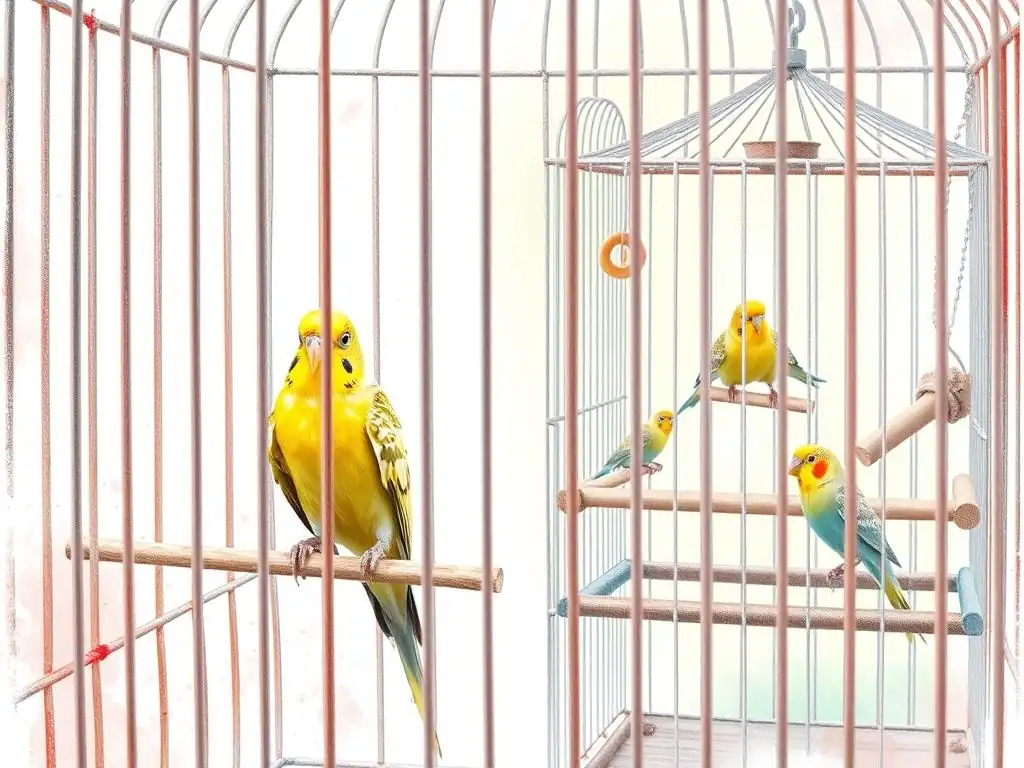
This section will help you identify if your feathered friend's cage setup needs improvement, focusing on key indicators that suggest insufficient perches or overall cage space. A well-equipped cage is crucial for your bird's physical and mental well-being, contributing significantly to their overall health and happiness. Remember, a bird cage isn't just a home; it's their entire world. Providing ample space and varied perching options is paramount for preventing behavioral and health problems.
This guide will equip you with the knowledge to assess your bird's environment and make informed decisions to enhance their quality of life. We'll examine behavioral and physical cues to determine if your bird's current setup meets their needs. This is a critical step in responsible bird ownership, ensuring your companion thrives. Let's delve into the specifics.
Foot Problems and Injuries: Identifying Potential Issues
One of the most telling signs that your bird needs more perches or a larger cage is the development of foot problems. Birds spend a significant amount of time perched, and inadequate perching options can lead to several issues. These problems frequently stem from a lack of variety in perch sizes, shapes, and textures. Consider these potential indicators:
- Swollen feet: Persistent swelling in your bird's feet could be a sign of poor circulation, often caused by prolonged pressure on a single perch.
- Blisters or sores: These are clear indicators of irritation from rough or improperly sized perches.
- Foot deformities: Over time, consistently using unsuitable perches can lead to deformities like bumblefoot (a bacterial infection of the footpad) or other structural problems.
- Difficulty perching: If your bird seems to struggle to find a comfortable perch or frequently falls, it's a strong signal that adjustments are needed.
Regularly inspecting your bird's feet is vital. Look for any redness, swelling, or unusual growths. Early detection is key to preventing more serious issues. A diverse range of perches, including those of varying diameters and materials, helps distribute pressure and prevents repetitive strain injuries. Remember, the goal is to mimic the natural perching environment of your bird species.
Lethargy and Lack of Activity: Signs of Boredom or Discomfort
A lack of activity and increased lethargy can be subtle yet significant indicators that your bird's environment isn't meeting its needs. While some lethargy can be normal, especially after a long period of activity, persistent inactivity can suggest underlying problems. This can be directly linked to insufficient space for movement and exploration within the cage. A cramped cage restricts natural behaviors, leading to boredom and depression. Consider these points:
- Reduced play: If your bird shows less interest in its toys or engaging in typical playful activities, this might indicate a lack of stimulation caused by a monotonous and limited environment.
- Spending prolonged periods in one spot: Birds need to move around, stretch their wings, and explore. If your bird consistently stays in the same spot for extended periods, it could indicate discomfort or a lack of suitable perches.
- Plucking feathers: While feather plucking can have multiple causes, insufficient space and enrichment are often contributing factors. A bird lacking stimulation might resort to self-destructive behaviors.
- Changes in appetite: A sudden decrease or increase in appetite can be a sign of stress or discomfort, potentially linked to environmental factors within the cage.
A larger cage with more perches allows your bird to engage in natural behaviors, such as climbing, stretching, and exploring. Adding varied toys and enrichment items can also significantly improve their mood and activity levels. Observe your bird's daily routine, noting any changes in its behavior that might indicate underlying problems.
Aggressive Behaviors: Stress and Frustration from Overcrowding
Aggressive behavior, such as biting, feather plucking directed at others, or excessive vocalization, can stem from various causes. However, a lack of space and insufficient perches can significantly contribute to stress and frustration, leading to increased aggression. Overcrowding in a bird's cage limits its ability to escape perceived threats or uncomfortable situations, resulting in heightened anxiety and aggressive responses.
- Increased biting: If your bird is biting more frequently or aggressively than usual, it could be a sign of stress caused by overcrowding or a lack of comfortable perching spaces.
- Feather plucking (self or others): In some cases, aggression manifests as feather plucking, directed either at oneself or cage mates.
- Excessive vocalization: Constant loud squawking or screaming can be a sign of stress and frustration, potentially caused by an inadequate living space.
- Territorial behavior: Birds need personal space. If your bird exhibits territorial behaviors, even in a relatively spacious cage, it could be due to insufficient perches or a lack of vertical space.
Providing ample space and a variety of perches allows your bird to establish its own territory and reduce feelings of being trapped or confined. This can significantly decrease stress and aggressive behaviors. Remember, a bird's cage should be a sanctuary, not a source of anxiety and frustration. Careful observation and a proactive approach to cage enrichment can greatly improve your bird's well-being and reduce aggressive tendencies.
Recommended Perch Combinations for Different Bird Sizes and Species
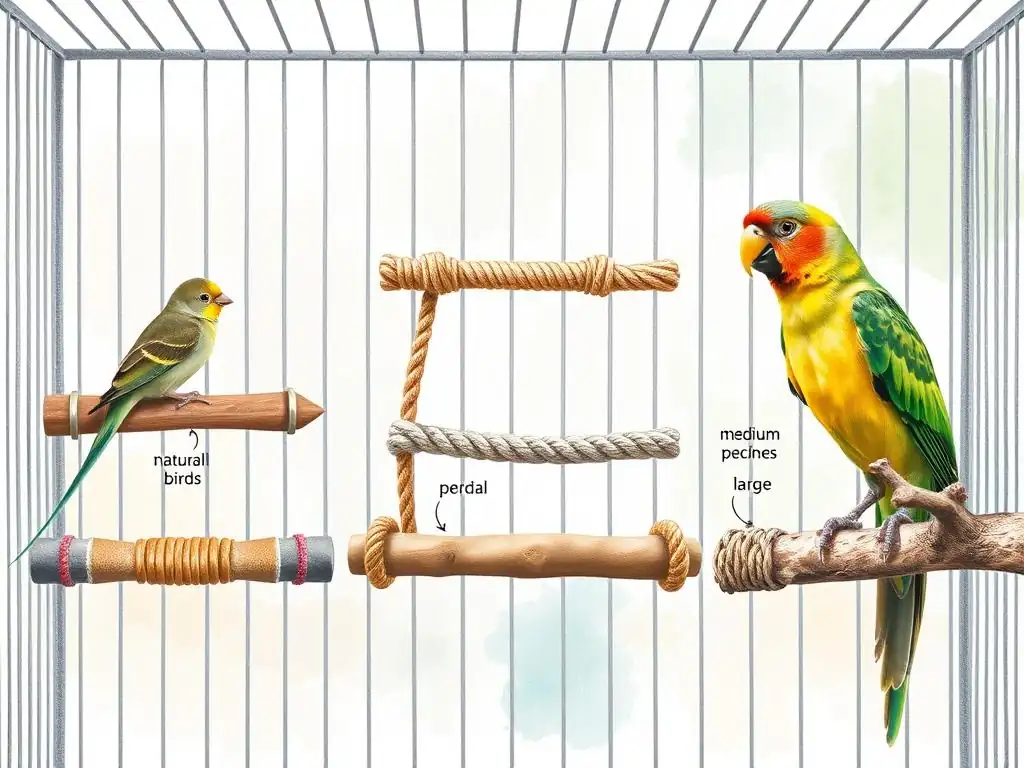
This section provides a "bird cage perch number guide" based on bird size and species, offering recommendations for creating a balanced and enriching cage environment. Remember, the ideal number of perches isn't a fixed number but depends heavily on your bird's size, activity level, and the cage dimensions. A cramped cage, regardless of perch number, is unsuitable. Providing variety in perch types and materials is crucial for foot health and overall well-being.
Starter Perch Set for Small Birds:
Small birds like budgies, finches, and canaries have smaller feet and require appropriately sized perches. Overly large perches can make it difficult for them to grip securely. A starter set for these smaller avian companions should include at least three perches.
- Perch 1: A small-diameter natural wood perch (e.g., approximately 0.5 inches in diameter). This provides a secure grip for their smaller feet and encourages natural foot exercises. Natural wood offers a slightly rough texture, beneficial for nail trimming.
- Perch 2: A slightly larger diameter natural wood perch (e.g., approximately 0.75 inches in diameter). This offers variety and allows for different foot positions, preventing strain.
- Perch 3: A small rope perch. Rope perches provide a different texture and grip, offering a change from wood. Ensure the rope is securely knotted and free from loose strands that could pose a choking hazard. Avoid overly thick ropes.
Providing more than three perches for small birds isn't necessarily detrimental, but the cage size must accommodate them without overcrowding. Observe your bird's behavior; if it consistently prefers specific perches, you might consider adding another similar type. Regularly inspect and replace worn or damaged perches.
Comprehensive Perch System for Medium Birds:
Medium-sized birds such as cockatiels, lovebirds, and conures benefit from a more diverse selection of perches. A comprehensive system for these active birds typically includes five to seven perches, providing varied textures, diameters, and placements.
| Perch Type | Diameter (inches) | Material | Benefits |
|---|---|---|---|
| Natural Wood Perch | 0.75 - 1.25 | Wood (various types) | Secure grip, natural texture, encourages foot exercises. |
| Natural Wood Perch | 1.5 - 2 | Wood (various types) | Larger diameter for variety and different foot positions. |
| Rope Perch | Variable | Natural fibers | Different texture and grip, promotes foot health. |
| Mineral Perch | Variable | Cuttlebone, mineral | Provides essential minerals, helps keep beaks trimmed. |
| Wooden Perch with Knots | 1-1.5 | Wood | Provides more challenging grip and stimulates foot muscles. Avoid sharp knots |
Remember to consider the spacing between perches. They shouldn't be so close that your bird cannot comfortably move between them, nor so far apart that it needs to make strenuous jumps. Observe your bird's behavior to determine the optimal spacing.
Luxury Perch Collection for Large Birds:
Large birds, such as macaws, African greys, and amazons, need a wide variety of perches to accommodate their larger size and greater activity levels. A luxury collection should include at least six to eight perches, incorporating different sizes, shapes, and materials to prevent foot problems and provide enriching stimulation.
Providing a diverse range of perches is essential for mimicking the natural environment and ensuring the health and well-being of your large bird.
Consider adding:
- Larger diameter natural wood perches (2-3 inches or more)
- Multiple rope perches of varying thicknesses
- Branches from safe, untreated trees (ensure they are properly cleaned and free of pesticides)
- Specialty perches designed to encourage climbing and foraging
This setup will provide your bird with ample options for different positions, promoting healthy feet and preventing boredom. Regularly rotate perches to maintain their condition and prevent over-reliance on specific spots. Remember to always supervise your bird, especially when introducing new perches, to ensure safe usage. A carefully curated selection of perches significantly contributes to your large bird's physical and mental health, enhancing its overall quality of life. This comprehensive approach ensures your bird enjoys a stimulating and comfortable environment.
Frequently Asked Questions (FAQs) about Bird Perches
This section addresses common queries regarding the number and type of perches suitable for your feathered friend. Understanding these aspects is crucial for providing a stimulating and healthy environment for your bird. This guide will help you create the perfect perch arrangement, contributing to your bird's overall well-being and enriching its life. Remember, a happy bird is a healthy bird! 🦜
How often should I clean my bird's perches?
Maintaining a hygienic bird cage is paramount to preventing disease. Perches, being frequently used, require regular cleaning. The frequency depends on several factors, including the type of perch material and your bird's habits. As a general rule, you should aim to thoroughly clean and disinfect all perches at least once a week. This involves removing droppings and debris with a damp cloth and mild, bird-safe disinfectant. For wooden perches, avoid excessive moisture, as this can lead to mold growth.
For birds who are particularly messy eaters or prone to dropping food onto their perches, daily spot cleaning might be necessary. You can use paper towels to quickly wipe away any immediate messes. Consider rotating perches – having multiple sets allows you to thoroughly clean one set while the other is in use. This minimizes downtime for your bird and ensures consistent hygiene. Always ensure the perches are completely dry before returning them to the cage. Neglecting perch hygiene can lead to bacterial and fungal infections, impacting your bird's health significantly.
What are the best materials for bird perches?
The material of your bird's perches significantly impacts its foot health and overall well-being. Avoid plastic perches, as they offer little to no foot stimulation and can be slippery, making it difficult for your bird to grip securely. Natural wood perches, however, are generally the best option. Different wood types offer varying degrees of texture and hardness, providing varied foot exercise.
Here's a comparison of popular materials:
| Material | Pros | Cons | Considerations |
|---|---|---|---|
| Natural Wood | Promotes foot health, good grip, varied textures | Can be chewed and splintered, requires regular cleaning | Choose untreated, non-toxic woods like Manzanita, applewood, or grapevine. Avoid pressure-treated lumber. |
| Mineral Perches | Durable, long-lasting, easy to clean | Can be abrasive if not properly smoothed, may not provide sufficient grip for all birds | Inspect regularly for any sharp edges or cracks. |
| Rope Perches | Provide varied textures, can be woven into interesting shapes | Can become frayed and harbor bacteria, require frequent cleaning | Ensure the rope is made from a bird-safe material. |
Remember that variety is key! Providing a mix of perch materials and diameters encourages your bird to exercise its feet and legs properly, preventing foot problems like bumblefoot.
How do I know if my bird has enough perches?
The number of perches isn't the sole determinant of sufficiency; their placement and variety are equally crucial. However, a general guideline is to provide at least two to three perches of varying diameters and textures for even small birds. Larger birds naturally require more perches and more space for movement. The goal is to offer your bird a range of perching options that cater to different activities: resting, playing, preening, and eating.
Consider these factors when determining the adequate number of perches:
- Cage Size: Larger cages require more perches to provide ample space for movement and exploration.
- Bird Size and Species: Larger birds need more substantial and numerous perches. Different species have different preferences.
- Perch Placement: Perches should be strategically placed to allow your bird to move freely throughout the cage without feeling cramped. Avoid placing perches directly above food or water dishes.
- Behavioral Observation: Observe your bird's behavior. If it frequently spends time on the cage floor or seems cramped, it might require additional perches.
Providing a stimulating environment with sufficient perches ensures your bird's physical and mental well-being. Remember, a well-equipped cage significantly contributes to a happy and healthy bird. A well-placed and varied selection of perches is a crucial element in creating a truly bird-friendly home.
Frequently Asked Questions
How many perches should I have in my bird's cage?
The number of perches depends on your bird's size and the cage size. A good rule of thumb is to have at least one perch per bird, plus a few extras for variety. Consider different sizes and textures.
What types of perches are best for birds?
Offer a variety of perch materials like natural wood, rope, and even mineral perches. Avoid smooth plastic perches, which don't provide enough grip or foot stimulation. Different perches promote foot health.
How do I arrange perches in my bird's cage?
Arrange perches at different heights and angles to encourage climbing and exercise. Avoid placing perches directly above food and water dishes to prevent droppings. Spatial variety is key.
Why is perch variety important for my bird's health?
Different perches provide foot and leg exercise, preventing foot problems. Variety also stimulates natural behaviors and reduces boredom. Enrichment is crucial for bird health.
What should I do if my bird only uses one perch?
Try adding new perches of different types and textures, and reposition existing perches. Consider adding toys and enrichment items to encourage exploration of the entire cage. Observe your bird's behavior for clues.
Final Reflection: Finding Harmony in Confinement
The quest for the perfect bird cage isn't just about aesthetics; it's about providing a life of comfort and well-being for our feathered friends. A seemingly simple question – how many perches? – reveals a deeper truth about responsible pet ownership and the ethical considerations of keeping birds in captivity. Getting this right isn't just about following a guide; it's about understanding the nuanced needs of these intelligent and sensitive creatures.
The impact of providing adequate perching options extends far beyond physical health. It directly influences a bird's mental and emotional state, impacting everything from their ability to exercise and maintain healthy muscles to their overall mood and social interaction. A bird's cage is its entire world. We must strive to make that world as enriching and stimulating as possible.
This quote underscores the profound responsibility we bear when we choose to share our lives with these magnificent animals. The number of perches is just one piece of a larger puzzle that involves providing appropriate toys, enrichment activities, and a safe, clean environment.
Consider the implications of this article's findings. Are you providing your bird with the variety and number of perches it needs to thrive? Take a moment to observe your bird's behavior. Does it seem content and active, or restless and confined?
Use this newfound knowledge to create a more enriching environment for your feathered companion. Make the necessary adjustments to ensure your bird's well-being, and remember that continuous learning and adaptation are key to responsible bird ownership. The journey towards creating a truly balanced cage is an ongoing process, one that requires empathy, understanding, and a commitment to providing the best possible life for your beloved bird.
Unleash Your Bird's Inner Aviator: Create the Perfect Perch Paradise!
Thank you for learning how to create a balanced and enriching cage environment for your feathered friend! You now have the knowledge to ensure your bird thrives. Let's put that knowledge into practice:
- Design your perfect perch arrangement today! Consider the different types of perches and their placement based on your bird's species and size. Variety is key – using natural branches of varying diameters will keep your bird's feet happy and healthy.
- Share your perch-perfecting progress! Tell us about your bird's favorite perch in the comments below. Let's inspire each other!
- Add a new enrichment item—a toy, a foraging puzzle, or a different type of perch—to your bird's habitat today to continue creating an exciting and stimulating environment.
What creative perch arrangement will you create for your beloved bird to explore and enjoy?