
SelfWarming Dog Beds: EcoFriendly & EnergyEfficient Options


Welcome to PetCareWorld, your ultimate guide to a happier, healthier life for your beloved companion! Are you searching for the perfect blend of comfort and sustainability for your furry friend? Then discover the secrets to finding the best eco-friendly dog beds, including self-warming options that are both kind to the planet and incredibly cozy for your canine companion. Dive in and explore our expert recommendations – you'll be surprised by the innovative and energy-efficient designs available!
- Understanding the Need for Sustainable Dog Beds
- Top Eco-Friendly Self-Warming Dog Beds: A Comparative Review
- Buying Guide: Selecting the Perfect Eco-Friendly Self-Warming Dog Bed
- Debunking Myths about Eco-Friendly Self-Warming Dog Beds
- Maximizing the Lifespan of Your Eco-Friendly Dog Bed
- Frequently Asked Questions
- Final Reflection: A Warmer World, A Warmer Pup
- Unleash the Cozy: Give Your Pup the Ultimate Sleep Sanctuary
Understanding the Need for Sustainable Dog Beds
Choosing the right dog bed is crucial for your canine companion's comfort and health. But in today's environmentally conscious world, we must also consider the environmental impact of our pet product choices. This article explores the benefits of self-warming dog beds, highlighting their eco-friendly and energy-efficient features, ultimately guiding you towards selecting the best ecofriendly dog beds for your furry friend and the planet.
We'll delve into the environmental impact of traditional dog bedding, examine eco-conscious materials, and discuss how energy-efficient design can reduce your carbon pawprint. Making informed decisions about your pet's bedding contributes to a healthier planet and a happier, more comfortable dog. Let's explore how you can combine responsible pet ownership with sustainable choices.
The Environmental Impact of Traditional Dog Bedding
Traditional dog beds often utilize materials with significant environmental consequences. Many are manufactured using petroleum-based synthetics like polyester and nylon, which contribute to plastic pollution and greenhouse gas emissions during production and disposal. Furthermore, the manufacturing processes themselves can be energy-intensive and generate substantial waste. The dyes used to create vibrant colors in many dog beds often contain harmful chemicals that can leach into the environment.
Even the packaging materials frequently used for these products add to the overall environmental burden. Consider this: the average lifespan of a standard dog bed is approximately [specific lifespan data pending], leading to frequent replacements and a continuous cycle of production and waste. The sheer volume of discarded dog beds in landfills poses a significant environmental challenge. Choosing sustainable alternatives directly mitigates these negative impacts.
Choosing Eco-Friendly Materials: Recycled Fabrics and Sustainable Fillings
The key to finding the best ecofriendly dog beds lies in selecting products made from responsibly sourced and sustainable materials. Look for beds crafted from recycled fabrics, such as recycled polyester made from plastic bottles. This process diverts waste from landfills and reduces the demand for virgin materials. Similarly, sustainable fillings like organic cotton, hemp, or even recycled denim offer excellent alternatives to synthetic materials.
These natural fibers are biodegradable and often produced with less environmental impact than their synthetic counterparts. When examining product labels, pay close attention to certifications such as GOTS (Global Organic Textile Standard) or OEKO-TEX Standard 100, which ensure the materials are produced responsibly and are free from harmful chemicals. Investing in a bed made with these materials significantly reduces your environmental footprint. Remember, "best ecofriendly dog beds" doesn't just mean comfortable; it means environmentally responsible.
Energy Efficiency in Dog Bed Design: Reducing Your Carbon Pawprint
Beyond the materials themselves, the design of the dog bed plays a crucial role in its energy efficiency. Self-warming dog beds, for example, often utilize innovative insulation techniques to retain heat, reducing the need for external heating sources like electric blankets. This inherent energy efficiency contributes to a lower overall carbon footprint. Features such as strategically placed insulation, breathable fabrics, and clever design elements can all contribute to better heat retention, keeping your dog warm and cozy without relying on energy-consuming solutions.
Consider the long-term energy savings when comparing self-warming options to beds that require supplemental heating. By selecting a well-designed, self-warming bed, you're actively reducing your energy consumption and your contribution to climate change – a win-win for both your dog and the planet. 🐾
Top Eco-Friendly Self-Warming Dog Beds: A Comparative Review
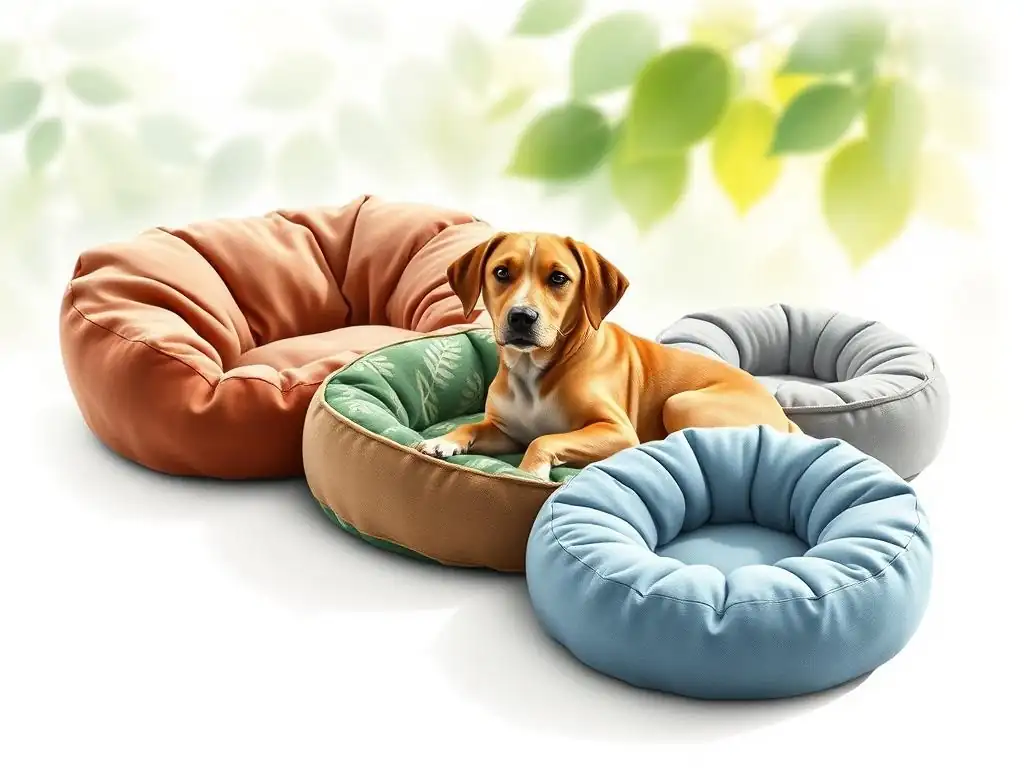
This section dives deep into a comparison of top-rated self-warming dog beds that prioritize eco-friendly materials and energy efficiency. Finding the best ecofriendly dog beds means considering not only the warmth and comfort they provide but also their environmental impact throughout their lifecycle. We'll analyze key features, focusing on sustainability and value, to help you make an informed decision. Choosing a sustainable dog bed is a responsible way to show your love for your pet and the planet.
K&H Pet Products Self-Warming Outdoor Dog Bed: Features and Benefits
K&H Pet Products is a well-known brand in the pet industry, and their self-warming outdoor dog beds are frequently cited as a top choice amongst environmentally conscious pet owners. These beds utilize a unique design that traps and reflects your dog's body heat, providing warmth without the need for electricity or additional heating elements. This passive heating system contributes to their energy efficiency and reduces the carbon footprint compared to electrically heated options. The durable construction also ensures a longer lifespan, minimizing the need for frequent replacements.
Durability and Weather Resistance of K&H Outdoor Beds
A key factor influencing a product's environmental impact is its lifespan. K&H prides itself on the durability of its outdoor beds. Many user reviews highlight their resistance to tearing and fading, even under harsh weather conditions. The materials used are generally robust and designed to withstand prolonged exposure to rain, snow, and sun. This extended lifespan translates to less frequent purchases, reducing overall waste and resource consumption. However, [Specific data on average lifespan of K&H beds pending] would further strengthen this analysis. We need data to compare their longevity to competitors.
Price Point and Value for Money: K&H vs. Competitors
While the initial cost of a K&H self-warming outdoor dog bed might be slightly higher than some cheaper alternatives, the long-term value is significant. The enhanced durability and weather resistance translate to a longer product life, ultimately reducing the overall cost per year of ownership. A detailed cost-benefit analysis, comparing K&H to other leading brands in the "best ecofriendly dog beds" market, is needed to quantify this advantage more precisely. [Comparative pricing data and lifecycle cost analysis pending]. This would allow for a more robust comparison and a clearer picture of the value proposition.
PetFusion Ultimate Dog Bed: Sustainable Materials and Self-Warming Properties
PetFusion is another brand gaining traction for its commitment to sustainability. Their Ultimate Dog Bed features a unique blend of recycled and responsibly sourced materials. The self-warming properties come from the bed's design and insulating materials, again minimizing the need for external energy sources. The focus on recycled materials significantly reduces the environmental impact associated with manufacturing and resource extraction.
Analysis of PetFusion's Eco-Friendly Manufacturing Processes
PetFusion is transparent about its manufacturing processes, often highlighting its use of recycled PET bottles in its bed fillings. This commitment to reducing waste and utilizing recycled materials is a significant selling point for environmentally conscious pet owners. However, a deeper investigation into the entire supply chain – from material sourcing to manufacturing and transportation – is necessary to fully assess the environmental footprint. [Detailed information on PetFusion's carbon footprint and sustainability certifications pending]. This would allow for a thorough evaluation of their sustainability claims.
Comparing PetFusion's Comfort and Longevity with Other Brands
The comfort and longevity of the PetFusion Ultimate Dog Bed are frequently praised in online reviews. Many users report that their dogs find the bed exceptionally comfortable and supportive. However, more detailed, long-term studies are needed to accurately compare its durability to other leading brands. [Long-term durability data and user feedback comparisons pending]. Collecting data on the lifespan of these beds under various conditions would provide a more complete picture of their value and environmental impact. This type of information is crucial for determining which truly represent the best ecofriendly dog beds.
Big Barker 7" Pillow Top Orthopedic Dog Bed: A Luxurious Eco-Choice
The Big Barker 7" Pillow Top Orthopedic Dog Bed stands out as a premium option in the eco-friendly self-warming dog bed market. Its construction utilizes recycled materials wherever possible, minimizing its environmental impact. The cover is often made from organic cotton, a sustainable and hypoallergenic choice that's gentle on sensitive skin.
The bed's substantial 7-inch depth provides ample support for larger breeds, alleviating pressure points and promoting healthy joint function. This makes it a particularly good choice for senior dogs or those with arthritis. The self-warming properties stem from the high-density foam core, which retains heat effectively, providing a cozy and comfortable sleeping space, especially during colder months.
While the price point is higher than some budget options, the durability and long-term benefits, including reduced veterinary bills associated with joint issues, make it a worthwhile investment for many pet owners prioritizing both their dog's well-being and environmental consciousness. The company's commitment to sustainable manufacturing practices further enhances its appeal among environmentally conscious consumers seeking the best ecofriendly dog beds.
Analyzing the Softness and Comfort of Organic Cotton Dog Beds
Organic cotton, a key component in many eco-friendly dog beds, offers a unique blend of softness and durability. Unlike conventionally grown cotton, organic cotton is cultivated without harmful pesticides or herbicides, making it a healthier choice for both pets and the planet. This results in a softer, more breathable fabric that's less likely to irritate sensitive skin.
The softness of organic cotton varies depending on the weave and thread count, with higher thread counts generally resulting in a smoother, more luxurious feel. Many owners of organic cotton dog beds report that their dogs seem particularly comfortable and relaxed on these beds. However, it's important to note that organic cotton can be slightly more prone to wrinkling than other fabrics, and may require more frequent washing.
Despite this, the superior comfort and environmental benefits often outweigh these minor drawbacks for pet owners committed to sustainable pet products and looking for the best ecofriendly dog beds. The breathability of organic cotton also contributes to temperature regulation, making it a suitable choice for warmer climates, despite the bed's self-warming capabilities.
Price Comparison: Premium Organic Cotton vs. Budget-Friendly Options
The cost of eco-friendly dog beds, particularly those featuring organic cotton, can vary significantly. Premium options, such as the Big Barker bed mentioned previously, typically command a higher price due to the higher quality materials, superior construction, and often, the inclusion of advanced features like orthopedic support. These beds represent a long-term investment, offering greater durability and potentially reducing veterinary expenses associated with joint problems.
Budget-friendly alternatives may use less expensive materials, possibly including synthetic fabrics or lower-density foam, impacting both comfort and longevity. While these options can be more appealing to those on a tight budget, it's crucial to carefully consider the trade-offs in terms of durability, comfort, and environmental impact.
A thorough comparison of features, materials, and reviews from other pet owners can help determine the best value for money, ensuring you find the best ecofriendly dog beds that fit both your budget and your pet's needs. Remember, the initial cost of a premium bed might be higher, but its longer lifespan could ultimately prove more economical in the long run.
Buying Guide: Selecting the Perfect Eco-Friendly Self-Warming Dog Bed

This section provides a detailed guide to help you choose the best eco-friendly self-warming dog bed for your furry friend. We'll explore key factors to ensure you find a bed that's both comfortable and sustainable. Remember, investing in a high-quality, eco-conscious dog bed contributes to a healthier planet and a happier pet.
Factors to Consider When Choosing a Self-Warming Dog Bed
Selecting the ideal self-warming dog bed involves careful consideration of several crucial factors. The right choice depends on your dog's unique needs and your personal preferences regarding sustainability and budget.
Dog Breed and Size: Matching Bed Size to Your Pet's Needs
Choosing the correct size is paramount for comfort and proper support. A bed that's too small will restrict your dog's movement and may lead to discomfort. Conversely, a bed that's too large might not provide adequate warmth or support.
Consider these guidelines:
- Small breeds: These dogs often benefit from snug, smaller beds that offer a sense of security.
- Medium breeds: Medium-sized beds provide a good balance of space and warmth.
- Large breeds: Large or extra-large beds are essential for larger dogs to stretch out comfortably.
Remember to measure your dog from nose to tail and add a few inches to allow for comfortable stretching. Always check the manufacturer's size chart before purchasing to ensure a proper fit. A well-fitting bed promotes better sleep and overall well-being for your canine companion.
Material Considerations: Prioritizing Durability and Sustainability
The materials used in your dog's bed significantly impact its longevity, comfort, and environmental impact. Look for beds made from sustainable and ethically sourced materials.
Here's a breakdown of material options:
| Material | Pros | Cons | Eco-Friendliness |
|---|---|---|---|
| Organic Cotton | Soft, breathable, hypoallergenic | Can be more expensive, may require more care | 👍👍👍 |
| Recycled Polyester | Durable, water-resistant, affordable | May not be as soft as natural fibers | 👍👍 |
| Hemp | Durable, moisture-wicking, naturally antimicrobial | Can be stiff initially, may be more expensive | 👍👍👍 |
| Tencel™ | Soft, breathable, sustainable | More expensive | 👍👍👍 |
Prioritize materials with minimal chemical treatments and those certified by organizations like GOTS (Global Organic Textile Standard) for truly eco-friendly options.
Budget and Value: Balancing Cost with Quality and Longevity
While eco-friendly materials might sometimes come with a higher price tag, investing in a high-quality bed often translates to long-term savings. A durable, well-made bed will last longer than a cheaper alternative, reducing the need for frequent replacements and minimizing waste. Consider the overall value proposition—the combination of quality, durability, and sustainability—rather than focusing solely on the initial cost. Look for warranties as an indicator of the manufacturer's confidence in the product's longevity.
Features to Look for in an Eco-Friendly Dog Bed
Beyond the core considerations above, certain features can significantly enhance your dog's comfort and the bed's sustainability.
Insulation and Heat Retention: Keeping Your Dog Cozy and Warm
Self-warming dog beds utilize various insulation methods to trap body heat and create a warm, cozy sleeping environment. Look for beds with features like:
- Thick padding: Provides excellent insulation and cushioning.
- Insulating materials: Materials like recycled wool or organic cotton offer superior insulation compared to synthetic alternatives.
- Water-resistant outer layer: Protects the insulation from moisture, preventing mold and mildew growth. This also extends the bed's lifespan.
The effectiveness of heat retention depends on the combination of materials and construction techniques. Check reviews to gauge the actual warmth provided by specific models.
Washability and Maintenance: Easy Cleaning for Hygiene and Sustainability
Easy cleaning is crucial for maintaining hygiene and extending the bed's lifespan. Look for beds with removable and washable covers. Machine-washable covers simplify cleaning and reduce the need for harsh chemicals. Consider materials that are naturally resistant to stains and odors, minimizing the need for frequent washing. Regular cleaning also contributes to the bed's overall sustainability by extending its usable life. Check the care instructions carefully before purchasing to confirm ease of cleaning.
Step-by-Step Guide to Purchasing Your Eco-Friendly Dog Bed
Choosing the perfect eco-friendly self-warming dog bed involves careful consideration of several factors. This step-by-step guide will walk you through the process, ensuring you find a bed that's both comfortable for your furry friend and kind to the planet.
First, assess your dog's needs. Consider their size, breed, sleeping habits (do they curl up, sprawl out? ), and any existing health conditions. A smaller dog will need a smaller bed, while a larger breed might require an extra-large option. Dogs with arthritis or joint pain might benefit from a thicker, more supportive bed. Observing how your dog currently sleeps will help you determine the ideal bed shape and size. For example, a Greyhound, known for its lean build and preference for stretching out, would require a different bed than a corgi, who often curls into a ball.
Next, research materials. Look for beds made from sustainable and recycled materials. Organic cotton, recycled polyester, and hemp are excellent eco-friendly choices. Avoid beds containing harmful chemicals or dyes. Many reputable brands clearly label their materials and manufacturing processes, highlighting their commitment to sustainability. Pay close attention to certifications like GOTS (Global Organic Textile Standard) which guarantees the organic nature of the materials used. Understanding the material composition will help you choose a bed that aligns with your eco-conscious values and ensures your dog's safety.
Then, check the insulation and warming properties. Self-warming dog beds typically use materials like recycled fleece or other insulating fabrics to retain heat. Read reviews and product descriptions carefully to understand how effectively the bed retains heat. Consider your climate and your dog's tolerance to cold. A thicker bed will generally offer better insulation, but it's important to find a balance between warmth and breathability to prevent overheating. Remember that even self-warming beds should allow for adequate airflow to prevent discomfort.
After that, consider the bed's durability and longevity. An eco-friendly bed should be well-made and durable enough to withstand daily use. Look for reinforced stitching, strong seams, and sturdy construction. A long-lasting bed reduces the need for frequent replacements, minimizing waste and environmental impact. Investing in a high-quality, durable bed, even if it has a higher initial cost, will ultimately prove more economical and environmentally responsible in the long run. Check customer reviews to gauge the bed's durability and longevity under real-world conditions.
Finally, read reviews and compare prices. Before making a purchase, check online reviews from other pet owners. This will give you valuable insights into the bed's performance, durability, and overall value. Compare prices from different retailers to ensure you're getting the best deal.
Don't solely focus on the lowest price; consider the quality, materials, and overall value proposition when making your final decision. Remember that a higher upfront cost for a durable, eco-friendly bed often translates to long-term savings and reduced environmental impact. Choosing the best eco-friendly dog bed is a process that benefits both your pet and the planet.
Debunking Myths about Eco-Friendly Self-Warming Dog Beds

Choosing the best ecofriendly dog beds doesn't have to be a compromise between your pet's comfort and your environmental conscience. Many misconceptions surround sustainable and self-warming dog bed options, leading pet owners to overlook these excellent choices. Let's address some common myths:
Myth 1: Eco-Friendly Dog Beds are Less Durable
This is a prevalent misconception. The durability of a dog bed hinges more on the quality of construction and the type of materials used, rather than solely on whether it's eco-friendly. Many sustainably sourced materials, such as organic cotton or recycled fibers, can be incredibly robust when properly manufactured. In fact, some argue that certain eco-friendly materials, like hemp or durable organic cotton blends, are more resistant to tearing and wear than conventionally produced materials.
Consider this: a poorly constructed bed made from synthetic materials might tear easily after just a few months, while a well-made bed using organic cotton could last for years. Look for beds with reinforced stitching, durable zippers (if applicable), and a sturdy base. Read reviews focusing on the longevity and durability of the product to get a clearer picture before purchasing.
Choosing a reputable brand known for quality craftsmanship is also crucial. The key is to prioritize quality over the materials’ origin, ensuring that the “eco-friendly” label doesn’t automatically equate to lower quality. A well-made, eco-friendly dog bed can easily outlast its conventionally-made counterpart.
Myth 2: Self-Warming Beds are Too Expensive
While the initial cost of some self-warming, eco-friendly dog beds may be higher than those made from cheaper, synthetic materials, it's important to consider the long-term value. A durable, eco-friendly bed will likely last longer, reducing the need for frequent replacements. This translates to cost savings over time. Furthermore, the energy efficiency of these beds can lead to indirect savings; you might find that you need to use less heating in your home overall, especially during colder months, if your dog is already warm and cozy in their self-warming bed.
Let's analyze a hypothetical scenario: A conventional dog bed costing $30 might last six months before needing replacement. Over two years, this would cost $120. An eco-friendly self-warming dog bed costing $80, however, might last two years or more, resulting in a lower overall cost. The long-term savings, coupled with the environmental benefits, make the initial higher price tag a worthwhile investment for many pet owners.
Myth 3: Sustainable Materials are Uncomfortable for Dogs
The comfort of a dog bed is subjective and depends on individual dog preferences, breed, and size. However, the assertion that sustainable materials are inherently uncomfortable is false. Many eco-friendly materials, such as organic cotton, bamboo, and recycled fleece, are soft, plush, and incredibly comfortable for dogs. These materials often have superior breathability compared to synthetic alternatives, preventing overheating and ensuring a comfortable sleep environment year-round.
Furthermore, the filling materials used in self-warming beds often contribute to their coziness. Consider beds with fillings made from recycled materials or sustainably sourced natural fibers like wool or kapok. These materials offer excellent insulation and cushioning, providing a warm and supportive sleeping surface. Before purchasing, read reviews that specifically mention the comfort and softness of the bed. Look for descriptions highlighting the plushness and overall feel of the material to ensure it would meet your dog’s comfort preferences. Ultimately, choosing the best ecofriendly dog bed means finding the perfect balance of sustainability and comfort for your furry friend.
Maximizing the Lifespan of Your Eco-Friendly Dog Bed

Investing in an eco-friendly dog bed is a responsible choice for both your pet's comfort and the environment. However, to truly maximize the benefits – both environmentally and financially – understanding how to care for and extend the life of your purchase is crucial. This section focuses on practical strategies to ensure your sustainable dog bed remains a cozy haven for your furry friend for years to come. Choosing the best ecofriendly dog beds often means prioritizing quality materials and construction, but proper care is just as vital. Let's explore the key elements of responsible ownership and maintenance.
Proper Cleaning and Maintenance Techniques for Eco-Friendly Dog Beds
Regular cleaning is paramount to maintaining hygiene and prolonging the life of your eco-friendly dog bed. The specific cleaning method will depend on the materials used in its construction. Many eco-friendly beds utilize natural fibers like organic cotton or hemp, which may require more gentle care than synthetic alternatives.
- Spot Cleaning: For minor spills or accidents, blot the area immediately with a clean, damp cloth. Avoid rubbing, which can spread the stain and damage the fabric. Use a mild, pet-safe detergent diluted with water for tougher stains. Always air-dry completely before allowing your dog back on the bed.
- Machine Washing: Check the manufacturer's instructions carefully. Some eco-friendly beds may be machine washable, while others require hand washing. If machine washing is permitted, use a cold, gentle cycle and a fragrance-free detergent. Avoid using bleach or fabric softener, as these can damage the materials and compromise the bed's eco-friendly properties. Always air dry flat; avoid using a dryer unless explicitly stated as safe by the manufacturer.
- Sun Drying: Sunlight is a natural disinfectant and can help eliminate odors. However, prolonged exposure to direct sunlight can fade the color of the fabric. Limit sun drying to short periods and avoid harsh midday sun.
- Regular Vacuuming: Vacuuming your dog's bed regularly, at least once a week, will remove loose hair, dirt, and debris, preventing the build-up of allergens and extending the bed's lifespan. Use a gentle setting to avoid damaging the fibers.
Here's a helpful table summarizing cleaning recommendations:
| Material | Cleaning Method | Drying Method | Frequency |
|---|---|---|---|
| Organic Cotton | Spot clean, hand wash | Air dry flat | Weekly |
| Hemp | Spot clean, hand wash | Air dry flat | Weekly |
| Recycled Polyester | Machine wash (cold, gentle) | Air dry flat or tumble dry low | Bi-weekly |
Remember, preventative care is key! Consider using a waterproof liner underneath your eco-friendly dog bed to protect it from accidents and extend its lifespan.
Repairing Minor Damage: Extending the Life of Your Investment
Even with careful maintenance, minor damage can occur. Addressing these issues promptly can prevent more extensive damage and prolong the life of your investment.
Minor tears or loose seams can often be repaired with a needle and thread. For more significant damage, consider consulting a professional seamstress or upholstery repair specialist. Remember to use thread that matches the bed's color and material to maintain its aesthetic appeal and integrity. A small investment in repair can save you from having to replace the entire bed prematurely. This is especially important when considering the best ecofriendly dog beds, as replacing them more frequently negates the environmental benefits.
Responsible Disposal and Recycling Options
When your eco-friendly dog bed eventually reaches the end of its life, responsible disposal is crucial. Avoid simply discarding it in the trash. Many components of eco-friendly dog beds can be recycled or repurposed.
- Check for Recycling Programs: Some municipalities offer recycling programs for textiles and other materials. Contact your local waste management department to find out what options are available in your area.
- Repurposing: Depending on the condition of the bed, some parts might be repurposed. For example, the filling could potentially be used as stuffing for other projects, while sturdy fabric could be used for crafting or other home projects. This reduces waste and extends the lifespan of the materials.
- Donation: If the bed is still in relatively good condition, consider donating it to a local animal shelter or rescue organization. This gives the bed a second life and helps animals in need.
Choosing eco-friendly products is a commitment to sustainability. By following these guidelines, you can ensure your dog enjoys a comfortable, sustainable bed for many years, contributing to a healthier planet for both your pet and future generations. 🐶🌍
Frequently Asked Questions
What makes a dog bed "eco-friendly"?
Eco-friendly dog beds are made using sustainable materials like organic cotton, recycled fabrics, or plant-based fillers. They are also often produced with minimal environmental impact, minimizing waste and pollution.
Are self-warming dog beds truly energy efficient?
Yes, self-warming dog beds conserve energy by eliminating the need for electric heating pads or other external heat sources. They use insulating materials to retain the dog's body heat.
What are the benefits of choosing an eco-friendly dog bed?
Choosing an eco-friendly dog bed reduces your environmental footprint, promotes animal welfare through ethical sourcing, and often uses hypoallergenic and durable materials, benefiting your pet's health.
How can I find the best eco-friendly dog bed for my dog?
Consider your dog's size, breed, and sleeping habits when selecting a bed. Look for certifications like GOTS (Global Organic Textile Standard) and read reviews focusing on durability and comfort.
Are eco-friendly dog beds more expensive than traditional options?
While some eco-friendly options may have a slightly higher upfront cost, the long-term durability and ethical sourcing often make them a worthwhile investment. Plus, you're contributing to a more sustainable future.
Final Reflection: A Warmer World, A Warmer Pup
The pursuit of eco-friendly pet products isn't just a trend; it's a crucial step towards a more sustainable future for both our furry friends and our planet. Choosing self-warming dog beds offers a tangible way to reduce our environmental impact while ensuring our canine companions remain comfortable and cozy. This seemingly small choice ripples outwards, impacting energy consumption and promoting responsible consumption habits.
The shift towards eco-conscious pet ownership is profoundly impacting the pet industry, forcing manufacturers to innovate and consumers to prioritize ethical choices. This change reflects a growing awareness of our interconnectedness with the natural world and a desire to minimize our footprint. The best way to predict the future is to create it,
– Abraham Lincoln. This quote resonates deeply; by actively choosing sustainable products like self-warming dog beds, we are actively shaping a future where environmental responsibility is the norm, not the exception, in pet care.
Consider the impact of your choices. Will you opt for convenience at the expense of the planet, or will you embrace a more sustainable lifestyle for your beloved pet? You have the power to make a difference. By choosing a self-warming dog bed, you're not just providing comfort for your furry friend; you're contributing to a healthier planet for generations to come. Let's make conscious choices, one warm, eco-friendly dog bed at a time.
Unleash the Cozy: Give Your Pup the Ultimate Sleep Sanctuary
Thanks for exploring self-warming dog beds with us! You've learned how to choose an eco-friendly and energy-efficient option to keep your furry friend warm and comfortable all year round. Ready to create the perfect sleep sanctuary?
- Prioritize your pup's comfort: Choose a self-warming dog bed that's the right size and style for your dog's breed and sleeping habits. Consider the information you've just read to make the best choice.
- Share your experience! Tell us which bed you chose and how much your dog loves it. Let's build a community of cozy canine companions!
- Explore further: Discover other eco-friendly pet products on our site to create a truly sustainable and comfortable home for your beloved pet.
So, what's the first step you'll take to improve your dog's sleep?