Beyond the Basics: Creative Perch Ideas for Bird Cage Variety
🐦 Unleash your bird's inner explorer with creative bird cage perch ideas! PetCareWorld offers innovative designs to enrich your feathered friend's environment,…
Read article
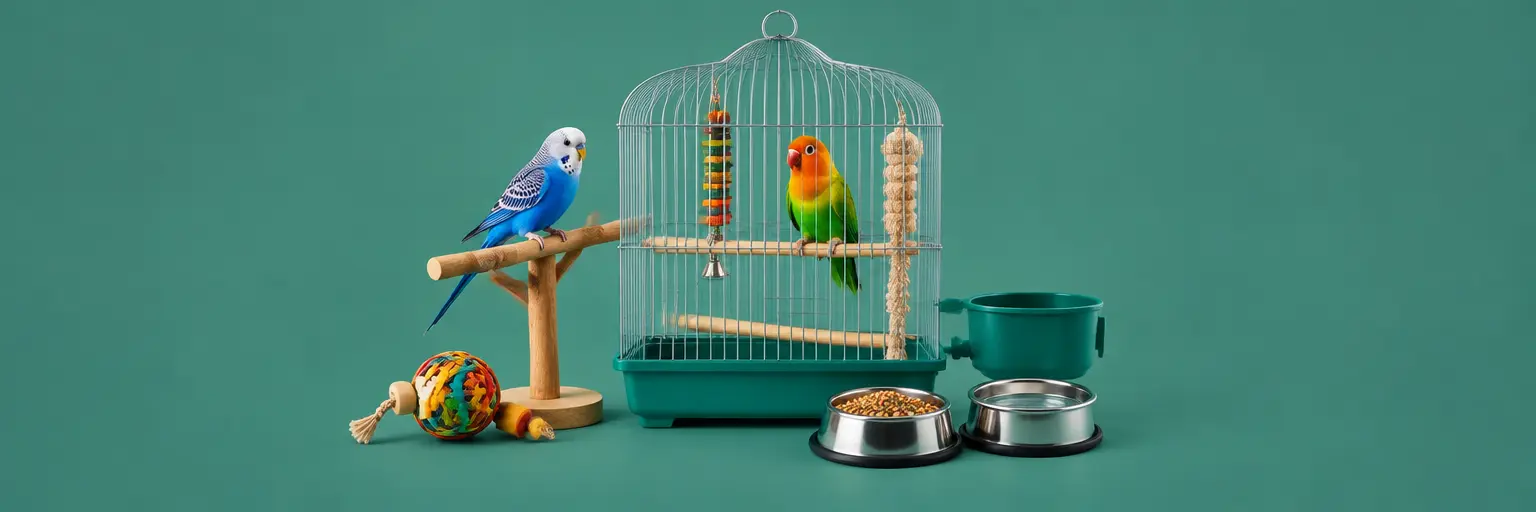
Discover the ultimate guide to bird cage essentials—from cozy perches and stimulating toys to durable, easy-to-clean dishes—designed to keep your feathered friend happy, healthy, and active. At PetCareWorld, we know that a well-equipped cage isn’t just a home; it’s a sanctuary that supports natural behaviors, physical fitness, and mental sharpness. Whether you’re a new bird parent or a seasoned avian enthusiast, our expert tips help you choose the right perch size for foot health, pick enriching toys that prevent boredom, and select stainless steel or ceramic dishes for hygiene and safety. Elevate your pet’s daily life with practical solutions that blend comfort, fun, and functionality—ensuring every chirp is a happy one. Explore tailored advice that turns a simple cage into a thriving environment for your beloved companion.

🐦 Unleash your bird's inner explorer with creative bird cage perch ideas! PetCareWorld offers innovative designs to enrich your feathered friend's environment,…
Read article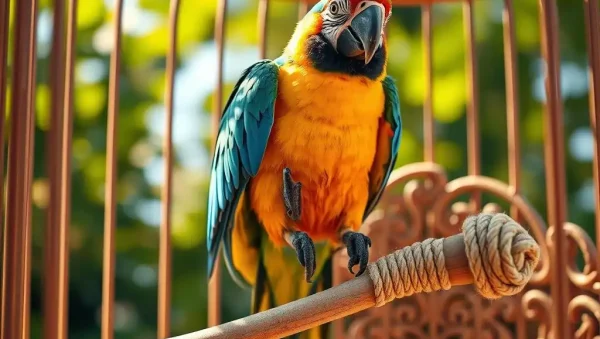
🐦 Discover the ideal number of perches for your feathered friend! Our "Bird cage perch number guide" ensures a balanced, enriching environment,…
Read article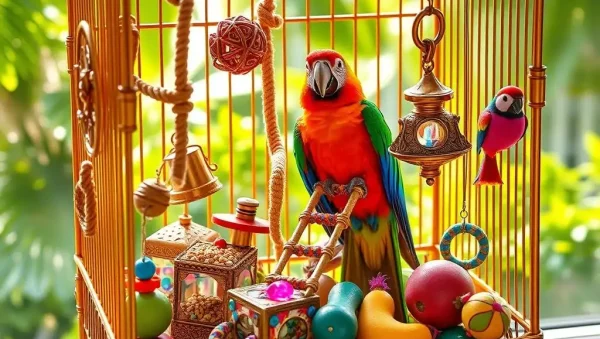
🐦 Discover the best bird cage toys for enrichment at PetCareWorld! We guide you to select stimulating toys that enhance your feathered…
Read articleWelcome to PetCareWorld’s dedicated resource on bird cage essentials. Whether you are a first-time budgie parent or a seasoned macaw enthusiast, outfitting your feathered friend’s home with the right perches, toys, and dishes is critical for their physical health, mental stimulation, and overall happiness. In this guide, we break down the must-have components that transform a plain cage into a thriving avian sanctuary, ensuring your bird stays active, engaged, and well-nourished.
Perches are more than just a place to rest—they are your bird’s natural exercise equipment and foot-care tools. A single, uniform dowel perch can lead to pressure sores, arthritis, and boredom. Instead, provide a mix of diameters, textures, and shapes to mimic the diverse branches your bird would encounter in the wild. Natural wood perches, such as manzanita, dragonwood, or java wood, offer irregular surfaces that promote healthy gripping and nail wear.
Additionally, rope perches and cement perches serve distinct purposes. Rope perches are flexible, easy on delicate feet, and great for birds that enjoy climbing. Cement or mineral perches help naturally file down overgrown beaks and nails but should be placed strategically so they are not the only resting spot. Always avoid sandpaper covers, which can cause painful abrasions. Rotate perches regularly to keep the cage layout interesting and encourage exploration.
Toys are not luxuries—they are essential for preventing destructive behaviors like feather plucking and excessive screaming. A bored bird is an unhappy bird, and providing a rich environment full of chewable, shreddable, and puzzle-based toys is non-negotiable. Birds are natural foragers; toys that hide treats inside or require manipulation mimic their instinctive food-searching behavior, offering hours of rewarding challenge.
Consider rotating toys every week to maintain novelty. Include a variety of materials: soft woods like balsa or pine for chewing, leather strips for preening, stainless steel bells for auditory stimulation, and acrylic puzzle toys for problem-solving. Always ensure toys are bird-safe, free from toxic dyes, small parts that could be swallowed, or loose strings that could trap toes. For parrots, prioritize toys sized for their beak strength—a small finch will be overwhelmed by a large macaw toy, and vice versa.
Proper dish selection directly impacts your bird’s nutrition and hygiene. Stainless steel is the gold standard because it is durable, non-porous, and easy to sanitize, unlike plastic which can harbor bacteria in scratches. You’ll need at least three separate dishes: one for dry food (pellets or seeds), one for fresh water, and one for moist foods like fruits, vegetables, or sprouts. Never mix water and food containers to prevent contamination.
Consider dish placement to avoid droppings from contaminating food. Mount dishes at a height your bird can comfortably reach, but not directly beneath perches where they are often soiled. For larger birds, use heavy ceramic crocks that are tip-resistant; for smaller birds, lightweight clip-on cups work well. Clean and refill water dishes daily, and wash all dishes with hot, soapy water every day or at least every other day. A clean dish system is your first line of defense against avian illnesses.
Even the best perches, toys, and dishes fail if not arranged thoughtfully. The goal is to create distinct zones within the cage: a feeding station, a sleep/elevated perch area, and a play zone. Place perches at different heights to give your bird choices—most birds prefer a high perch for sleeping, as it mimics treetop safety. Avoid placing perches directly over food or water dishes to keep them clean.
Leave a clear flight path in the middle of the cage, especially for smaller birds that enjoy short hops. For toys, hang them near the side or top, but not so many that they block access to dishes or create clutter. A few well-spaced toys are better than a packed cage. Also, keep the cage away from direct sunlight, drafts, and kitchen fumes, while ensuring your bird can see and interact with the household—birds are social creatures that thrive on visual contact.
Routine inspection of perches, toys, and dishes is vital for preventing injuries and silent health issues. Check perches weekly for cracks, splinters, or wear that could hurt your bird’s feet. Replace wooden toys when they become worn or excessively soiled with droppings. Inspect rope perches for fraying or loose loops, which can catch a bird’s toe or beak—trim or replace as needed.
Disinfect all cage accessories using a bird-safe cleaner (like diluted white vinegar) and rinse thoroughly. Listen for unusual noises like grinding that could indicate a toy’s bell is loose or a part is jammed. Schedule a monthly deep-clean session to scrub dishes, steam-clean perches, and swap out any items showing signs of rust or mold. Keeping a spare set of perches and dishes ensures you can swap them out quickly without leaving your bird without necessities.
You don’t need to spend a fortune to outfit a great cage. Many birds love simple household items like cardboard boxes, untreated paper towels for shredding, and clean pine cones. Make your own foraging toys by wrapping treats in paper cups or threading wooden beads onto a leather cord—always supervise to ensure no choking hazards. For perches, collect natural branches from safe, pesticide-free trees (apple, willow, or maple) and bake them at 200°F for 1 hour to sterilize.
However, exercise caution with DIY: avoid toxic woods like cherry, cedar, or oak, and never use galvanized metal or painted items. When buying toys, look for multi-packs or subscription boxes that rotate monthly. Dishes are an area where quality matters—spend a little extra on stainless steel and it will last for years, saving money in the long run. A smart mix of DIY and purchased items keeps your bird engaged without breaking your wallet.
Provide at least two to three perches positioned at varying heights and diameters. One high perch for sleeping, one mid-level for eating, and one low but accessible for play. Avoid overcrowding—your bird should be able to stretch its wings fully without hitting any perch. Ideally, no more than one perch per 12 inches of cage width.
Stainless steel is the best choice because it is non-porous, scratch-resistant, and can be boiled without damage. Ceramic is also safe if glazed and heavy enough to stay put. Avoid plastic, which traps bacteria, and never use aluminum or copper, which can be toxic. For birds that chew, metal dishes are far more durable.
Rotate toys every week to prevent boredom, but replace a toy as soon as it becomes damaged, frayed, or small enough to be swallowed. Chew toys made of wood should be replaced every two to four weeks depending on usage. Check all metal hardware monthly for rust or sharp edges.
Yes, but only from safe, pesticide-free trees like apple, willow, or maple. Never use branches from cherry, cedar, oak, or any tree with sap that is sticky or toxic. Always bake branches at 200°F for an hour to kill parasites, then scrub off bark if it is peeling. Let them cool and dry fully before installing.
This behavior often signals boredom, dish placement issues, or a desire for attention. Ensure dishes are securely attached and not in high-traffic areas where droppings land. Increase toy rotation and add foraging activities. If the dish is lightweight, switch to a heavy ceramic or a locking metal holder, and always provide a second water source.