The Ultimate Guide to Choosing the Right Water Dispenser for Your Bird
😊 Find the perfect hydration solution for your feathered friend! Our "Best bird water dispenser guide" helps you select the ideal dispenser,…
Read article
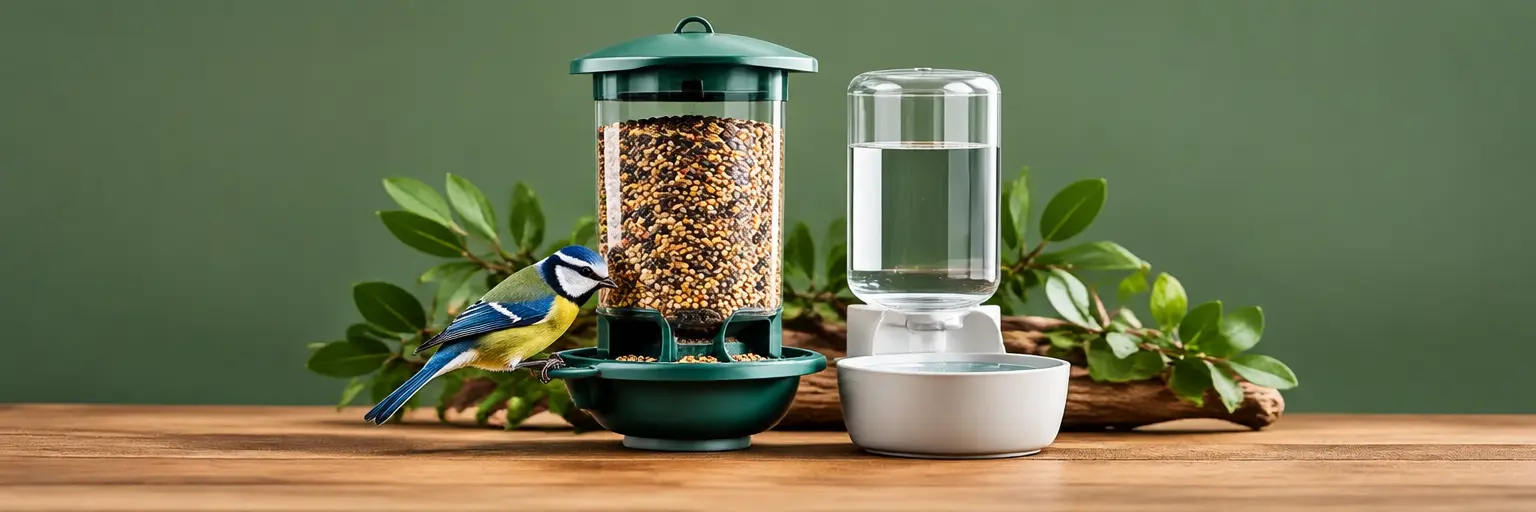
Elevate your feathered friend’s daily routine with high-quality bird food and water dispensers designed for hygiene, durability, and effortless feeding. 🐦 From stainless steel and ceramic options that resist bacteria to no-mess seed tubes and gravity-fed water systems, these essential accessories ensure your bird stays hydrated and nourished while minimizing waste and cleaning time. Whether you have a playful parakeet, a majestic macaw, or a curious canary, the right dispenser prevents contamination, reduces spillage, and promotes natural foraging behavior. 🥣✨ Explore our curated selection of chew-proof, easy-to-mount feeders and drinkers that fit any cage size, combining safety with smart design. Give your avian companion the best in pet gear essentials—because a well-fed bird is a happy, healthy bird. Shop now for superior quality and make mealtime a breeze! 🕊️💧
😊 Find the perfect hydration solution for your feathered friend! Our "Best bird water dispenser guide" helps you select the ideal dispenser,…
Read article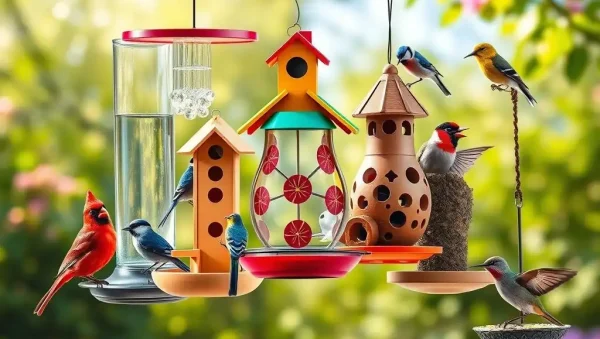
🐦 Discover the best innovative bird feeders to enhance your feathered friends' well-being! PetCareWorld showcases five top designs promoting happy, healthy birds…
Read articleWelcome to our dedicated section on High-Quality Bird Food and Water Dispensers, where we help you transform your feathered companion’s daily routine into a safe, hygienic, and enjoyable experience. Whether you have a small parakeet, a majestic cockatoo, or a garden full of wild finches, the right feeder and waterer can significantly impact their health, hydration, and overall happiness. Dive into our expert-curated guides to discover durable, easy-to-clean, and bird-safe solutions that minimize waste, prevent contamination, and encourage natural foraging behaviors.
Choosing the right material is the cornerstone of a high-quality bird feeding system. Stainless steel, ceramic, and BPA-free, food-grade plastic are top choices because they resist rust, chipping, and harmful bacteria buildup. Unlike cheap plastic trays that crack and harbor mold, premium dispensers are designed to withstand daily beak action, frequent washing, and exposure to sunlight without degrading. This durability not only saves you money long-term but also reduces the risk of your bird ingesting microplastics or sharp fragments. Always look for non-toxic, lead-free finishes that comply with avian safety standards, ensuring your pet’s meals and drinks remain uncontaminated.
Moreover, the design of the dispenser’s interior matters. High-quality models feature smooth edges, rounded corners, and removable parts for thorough cleaning. Many premium feeders include weighted bases or anti-tip features, which are essential for larger birds that love to perch on the rim. By investing in robust materials, you also prevent frequent replacements, and your bird enjoys a stable, predictable feeding station—critical for reducing stress, especially in multi-bird households. We recommend checking for dishwasher-safe components, as that simplifies your cleaning routine and maintains optimal hygiene effortlessly.
Not all bird food is created equal, and neither are feeders. A high-quality seed feeder should have adjustable ports to control seed flow and prevent waste, with clear reservoirs so you can monitor levels at a glance. For pellet-based diets, choose feeders with shallow, wide trays that allow easy access for birds with different beak shapes. Nectar feeders, ideal for hummingbirds and lorikeets, require specialized designs with leak-proof seals and bee guards to keep insects away. Each type is engineered to preserve food freshness by minimizing exposure to moisture and air, which is crucial for preventing spoilage and bacterial growth.
Beyond functionality, consider the behavioral enrichment that specific feeders offer. Puzzle feeders or those with foraging inserts encourage natural pecking and problem-solving, keeping your bird mentally stimulated. High-quality brands often integrate perches that are comfortable for your bird’s foot size, reducing strain on their toes. Wild bird enthusiasts should select squirrel-proof and weather-resistant models, which maintain seed quality even in rain or snow. By matching the feeder to your bird’s specific dietary needs and feeding style, you ensure that every meal is stress-free and nutritionally sound, whether your pet is a tiny budgie or a large macaw.
Water is just as vital as food, yet it’s often overlooked. High-quality water dispensers now feature drip-proof valves, vacuum-sealed reservoirs, and narrow tubes that prevent droppings and debris from entering the water source. Open bowls, while simple, are easily soiled with seed husks, feathers, and feces, leading to rapid bacterial growth. Advanced dispensers, such as lixit-style bottles or no-drip cups, provide a constant, clean supply that reduces daily refills and minimizes spillage. For multiple birds, consider larger models with multiple drinking points to avoid crowding and aggression.
Temperature control is another facet of premium waterers. Insulated models help keep water cool in summer and prevent freezing in winter for outdoor aviaries. Some dispensers feature anti-algae coatings or UV-resistant materials that inhibit microorganism growth, especially when placed in sunny spots. Easy disassembly is key—look for models that can be washed without special tools, ensuring every nook is scrubbed. Remember, standing water is a breeding ground for pathogens, so a dispenser that encourages frequent water changes and is simple to clean will significantly boost your bird’s immune system and kidney health.
Even the best dispenser will fail if not properly maintained. Cleanliness directly correlates with bird health, as leftover moisture and food residue attract pests and mold. Establish a routine: wash seed and water dispensers daily with hot, soapy water, and perform a deeper cleaning weekly using a diluted vinegar solution or a bird-safe disinfectant. Avoid harsh chemicals like bleach, which can leave toxic residues. For narrow-necked water bottles, use a dedicated brush to scrub the interior walls thoroughly. Always rinse completely and air-dry before refilling to prevent bacterial regrowth.
High-quality dispensers simplify this task with detachable parts that fit in your dishwasher’s top rack. Some have non-porous surfaces that repel bacteria, making wiping easier. Inspect your dispensers regularly for cracks, worn-out gaskets, or clogged seals—these are common failure points that compromise hygiene. Replace any part that shows damage, as small crevices can become impossible to sanitize. By committing to a consistent cleaning schedule, you extend your equipment’s lifespan and protect your bird from common ailments like crop infections, diarrhea, and respiratory issues, ensuring a happy, thriving pet.
Proper placement of feeders and waterers is a science in itself. Position them away from perches where your bird typically sleeps to prevent overnight soiling. In multi-level cages, place food and water on opposite ends to encourage exercise and exploration, which boosts cardiovascular health. For wild birds, hang feeders at least five feet off the ground, near shrubbery for quick escape routes from predators. Safety also means avoiding reflective surfaces that might spook birds, and ensuring that dispensers are stable enough not to sway or fall during energetic feedings.
Behaviorally, high-quality dispensers that dispense food gradually encourage slower, more mindful eating, which reduces the risk of obesity and digestive upset. They also allow shy birds to feed without exposing themselves to perceived threats, as covered feeders offer a sense of security. Interactive elements like perches and textured surfaces stimulate foot health and natural grip. By thoughtfully placing your equipment and observing your bird’s preferences, you can reduce stress behaviors such as feather plucking and excessive vocalization. This holistic approach transforms mealtime into an enriching ritual that strengthens the bond between you and your feathered friend.
Size matters more than most owners realize. A feeder that is too small may cause your bird to knock seeds out in frustration, while an oversized one encourages hoarding and spoilage. Match the dispenser capacity to your bird’s daily intake. For small birds like canaries, a 2-4 ounce reservoir might suffice, while larger parrots may need 8-12 ounces to avoid multiple daily refills. For water, a general rule is at least 10% of your bird’s body weight per day, but ambient temperature and diet alter this. Wild bird feeders should be sized to attract birds without overcrowding, with multiple feeding ports to reduce competition.
Consider the number of birds in your household. A single bird rarely needs a giant dispenser, but multiple birds benefit from larger, multi-station units that prevent dominant individuals from monopolizing access. For outdoor use, check that the dispenser can hold enough food to withstand several days if you travel. Quality dispensers often come with clear measurement markings, making it easy to monitor consumption and spot changes in appetite—an early indicator of illness. Ultimately, the right size ensures that food and water are always fresh, never stale, and accessible without causing excessive mess, giving you peace of mind and your bird optimal nutrition.
Generally, water should be changed daily, but the dispenser itself should be replaced every 6-12 months depending on material wear. Check for cracks, discolorations, or persistent odors; if any appear, replace immediately. Stainless steel and ceramic last longer than plastic. Always inspect valves after cleaning, as worn rubber parts can leak or harbor bacteria.
While a bowl works, it easily becomes contaminated with droppings and food debris. Specialized dispensers reduce spillage, prevent perching on the rim, and limit bacterial growth via enclosed designs. If using a bowl, choose a heavy ceramic bowl and clean it twice daily, but know that a quality dispenser is far superior for long-term hygiene.
Yes, but only if they are labeled BPA-free and food-grade. Many birds chew on plastic, which could pose a microplastic risk. Safer alternatives are glass, ceramic, or stainless steel. If you choose plastic, inspect for scratches frequently, as these can harbor bacteria. Avoid clear acrylic that might shatter if your bird is a heavy chewer.
Position feeders away from favorite perch spots, especially those above the feeder. Use covered or tube-style dispensers that prevent perching directly above the food opening. Some models have built-in grates that catch droppings before they reach the water. Regularly check for “poop bridges” and relocate perches if needed.
Flush it daily with hot water, then soak for 15 minutes in a vinegar solution (1:3 vinegar to water). Use a small brush to scrub ports and the feeding tube, then rinse thoroughly. Never use soap that leaves residue. For stubborn mold, use a bottle brush designed for baby bottles. Discard any feeder with cracked plastic.