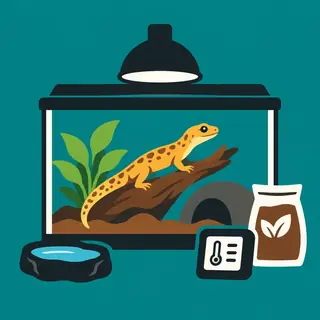
Setting Up a Reptile Heat Gradient: Creating a Natural and Healthy Environment
😊 Mastering the art of reptile heat gradient setup is crucial for your pet's health. This guide from PetCareWorld provides essential steps…
Read article
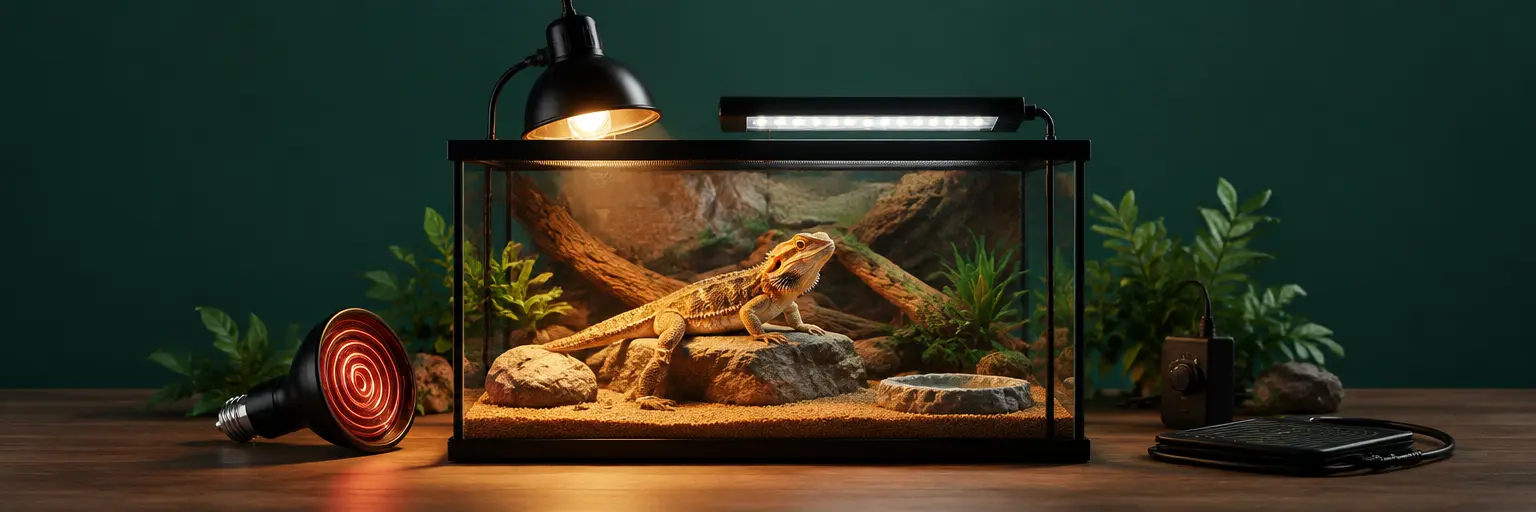
Discover the perfect balance of warmth and light to keep your scaly companions thriving with our essential reptile heating and lighting solutions. From basking bulbs that mimic the sun’s natural rays to under-tank heaters and UVB lamps that support bone health and metabolism, we’ve curated everything your reptile needs for a safe, comfortable habitat. Proper temperature gradients are vital for digestion, shedding, and immune function, while correct lighting cycles regulate sleep, appetite, and behavior. Whether you care for a bearded dragon, leopard gecko, or a tropical snake, our energy-efficient options and thermostats ensure precise control, reducing stress and boosting vitality. Explore our range to create a desert, rainforest, or nocturnal environment that mirrors the wild, and give your pet the lifelong wellness they deserve—because a happy reptile starts with the right heat and light setup.
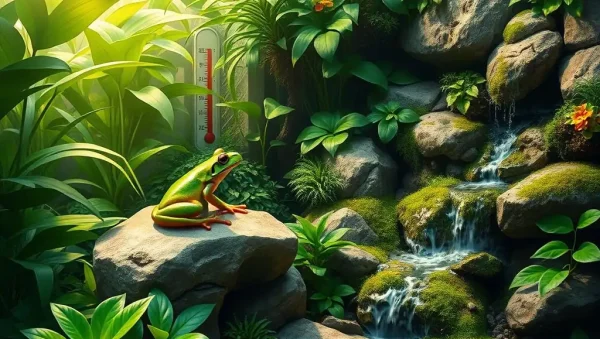
😊 Mastering the art of reptile heat gradient setup is crucial for your pet's health. This guide from PetCareWorld provides essential steps…
Read article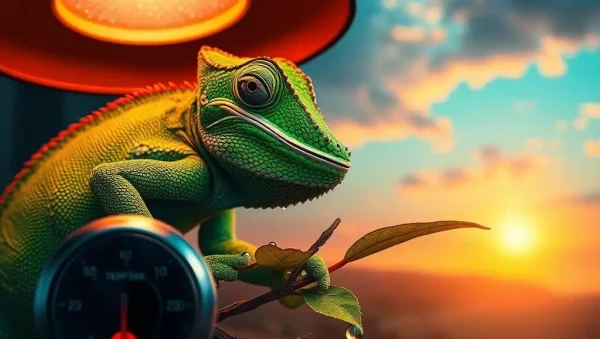
😊 As weather changes, adapt your reptile's heating to maintain its ideal temperature range. PetCareWorld guides you through seasonal adjustments for optimal…
Read article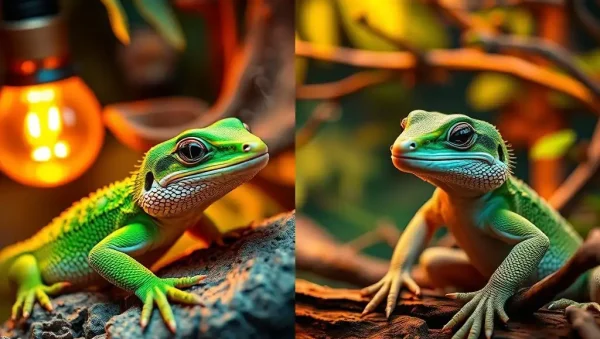
🤔 Choosing the best reptile heat source? PetCareWorld's guide compares basking bulbs and ceramic heaters, helping you select the ideal heating solution…
Read articleWelcome to PetCareWorld’s dedicated guide on Essential Reptile Heating and Lighting Solutions. Getting the thermal and photoperiod environment right is the single most important factor in keeping your scaly friend healthy, active, and thriving. In this subcategory, we break down every component of reptile habitat climate control, from heat mats to UVB bulbs. Whether you’re a first-time leopard gecko owner or a seasoned chameleon keeper, you’ll find actionable insights on wattage, thermostat placement, basking spots, and day/night cycles. Let’s dive into the essentials that mimic nature’s sun and warmth, ensuring your reptile’s metabolic and behavioral needs are met perfectly.
Selecting the correct primary heat source depends on your reptile’s species, natural habitat, and enclosure type. Heat mats are excellent for ground-dwellers like leopard geckos, providing belly heat that aids digestion. Basking bulbs emit focused infrared light, ideal for desert species like bearded dragons that require a bright hotspot. Ceramic heat emitters produce heat without light, perfect for nocturnal reptiles or nighttime temperature drops.
Always pair any heat source with a reliable thermostat to prevent overheating. For daytime, aim for a temperature gradient—typically 75-85°F cool side and 90-105°F basking zone depending on species. Use a digital thermometer with probes at both ends of the tank. Remember that wattage must match enclosure size and ambient room temperature. Avoid heat rocks, as they cause severe burns. Your goal is a naturalistic thermal gradient that lets your pet self-regulate its body temperature.
UVB radiation is not a luxury—it’s a biological necessity for most diurnal reptiles. UVB bulbs enable synthesis of vitamin D3, which is critical for calcium absorption and prevents metabolic bone disease. Choose a bulb with the right percentage output: 5% for tropical species like crested geckos, 10% for desert inhabitants like uromastyx, and 14% for sun-basking reptiles like green iguanas. Replace UVB tubes every 6-12 months even if they still glow, as output diminishes over time.
Placement is crucial: the lamp should be mounted within 12-18 inches of the basking spot, but always check manufacturer guidelines. Use a reflector to maximize output. Never place UVB behind glass or plastic, as these materials block the rays. For a natural day/night cycle, run UVB for 10-12 hours, then switch to a nighttime heat source if needed. Some keepers use mercury vapor bulbs that combine heat and UVB—excellent for large enclosures but require careful thermostatic control. Regular vet checks and calcium supplementation remain essential even with perfect lighting.
A thermostat is your reptile’s life-saver, preventing dangerous temperature spikes. Proportional thermostats adjust heat output smoothly, ideal for sensitive species. On/off thermostats are simpler, turning the heat source fully on or off, but can cause temperature swings. For lighting, use a timer or smart plug to automate photoperiods. Always use a redundant thermometer—a probe and an infrared gun—to verify readings across the enclosure.
Place the thermostat’s temperature probe directly under the basking spot for accuracy, and secure it to avoid displacement by your pet. Calibrate your thermostat annually. For multi-zone setups, consider a dimming thermostat for the basking lamp and a pulse-proportional thermostat for a ceramic emitter. This dual approach ensures stable thermal gradients even during cold nights. Never rely on the ambient temperature of the room; always use active control. Waterproof probes are essential for high-humidity setups like tropical vivariums. Remember, a reptile cannot sweat or shiver—its health depends entirely on your equipment’s precision.
Many reptiles require a slight nighttime temperature drop, but not below their safe minimum. Ceramic heat emitters and deep heat projectors produce heat without visible light, preserving your pet’s circadian rhythm. Avoid red or blue “night bulbs,” as they can disrupt sleep and cause stress. For tropical species needing stable temps, use a low-wattage ceramic emitter with a thermostat set to 75-80°F at night.
For diurnal reptiles that sleep in darkness, complete darkness is vital. Observe your species’ natural habitat: desert species tolerate cooler nights (60-75°F), while tropical rainforest species need warmer conditions (75-80°F). Use a digital thermometer to monitor overnight lows. If your home gets cold, consider a thermal blanket for the tank’s exterior or a heat cable wrapped externally—never inside the habitat. Always ensure your nighttime heat source has no light output, as even a faint glow can stress nocturnal species like leopard geckos. Intumescent heat sources with guards prevent burns if your pet climbs near them.
Planning is key to a successful setup. Start with a species-specific care sheet—research your reptile’s optimal daytime basking temperature, cool side range, and UVB index. Place the heat source on one side of the enclosure to create a thermal gradient, with hiding spots on both ends. Use a dimmable bulb and thermostat to fine-tune. For lighting, combine a basking bulb with a separate UVB fluorescent tube to avoid overlap hotspots.
Use a timer to mimic natural sunrise/sunset—set lights on at 7 AM and off at 7 PM, but adjust seasonally. To prevent energy waste, use reflective hoods and position bulbs for maximum efficiency. Always use heat-resistant fixtures rated for your bulb wattage. For arboreal species, mount heat sources at the top of the enclosure; for burrowers, use undertank heat pad. Ensure ventilation to avoid excess humidity. After setup, monitor temperatures for 48 hours before introducing your reptile. Calibrate any new thermometer and thermostat. Keep spare bulbs and a backup heat source (like a portable battery-powered heat pack) for emergencies.
Reptile heating and lighting needs change with the seasons. In winter, ambient room temperatures drop, so you may need to increase wattage or add a supplementary heat source. In summer, reduce heating and monitor for overheating near windows. Always keep consistent photoperiods to mimic your species’ natural habitat—some reptiles need a slight reduction of daylight hours in winter to simulate their natural brumation triggers.
Regular maintenance prevents equipment failure. Clean bulbs monthly to remove dust that blocks up to 30% of UVB output. Check wiring and sockets for corrosion, especially in high-humidity setups. Replace UVB tubes every 6-12 months, and periodically test your thermostat with a separate thermometer. Keep a log of temperatures and bulb replacement dates. Inspect ceramic emitters for cracks. During power outages, use heavy blankets to insulate the tank and rotate warm water bottles wrapped in cloth. Always have a backup battery thermostat for critical species. After any seasonal change, re-test your gradient to ensure your reptile’s health remains optimum.
Run heat and UVB for 10-12 hours daily to mimic tropical or desert photoperiods. This supports natural circadian rhythms. Use a timer for consistency. At night, turn off all visible lights and switch to a ceramic emitter or deep heat projector if additional warmth is needed. Never leave a basking bulb on 24/7.
Yes, in some cases. A standard incandescent or halogen bulb can provide heat and light, but check wattage and spectrum. You still need a separate UVB bulb, as normal bulbs emit no UVB. However, purpose-made basking bulbs have better durability and heat distribution, making them safer and more efficient.
UVB output fades before visible light does. Even a glowing tube may emit zero UVB after 6-12 months. Replace UVB bulbs on schedule, not merely when they stop working. Also verify bulb distance and whether glass or mesh is filtering out UVB. Consider using a UV index meter for accuracy.
A heat mat sits beneath or inside the enclosure, heating the substrate from below—ideal for burrowing species. A heat projector emits infrared heat from above, warming surfaces directly, without producing light. Both require thermostats. Choose a heat mat for belly heat and a projector for ambient overhead warmth.
Signs include overheating, under-temperature habitats, or lights flickering. Cross-check readings with an independent digital thermometer. If your thermostat consistently shows a different temperature than your thermometer, it’s faulty. Immediately replace it to prevent burns or hypothermia. Always have a backup thermostat as insurance.