The Benefits of Vertical Space: Why Cat Trees Are Essential for Indoor Cats
🤔 Maximize your indoor cat's happiness and well-being with a cat tree! Discover the crucial indoor cat tree benefits: enriched environment, exercise,…
Read article
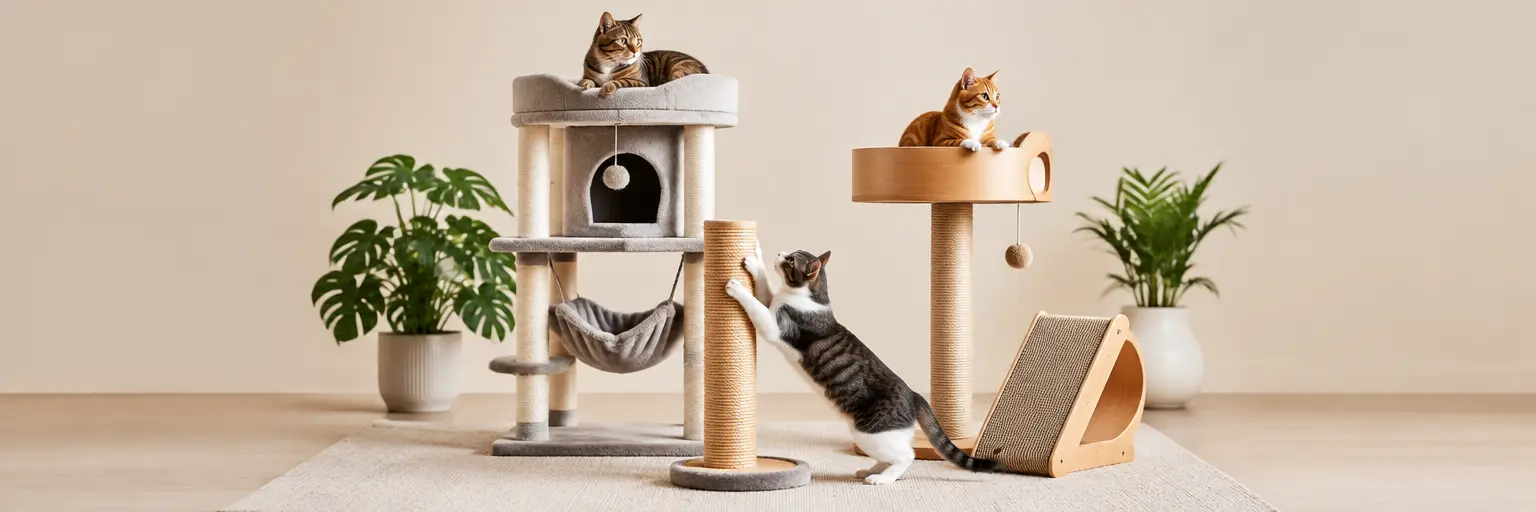
Discover the ultimate guide to best cat trees and scratching posts designed to keep your feline friend active, entertained, and blissfully content. At PetCareWorld, we understand that a happy cat needs the perfect balance of play, rest, and natural scratching instincts. Our expert-curated selection highlights durable, safe, and stylish options that save your furniture while promoting healthy claws and muscles. Whether you have a rambunctious kitten or a senior lounger, we break down the key features—from sturdy bases and cozy perches to interactive toys and sisal-wrapped posts. Learn how to choose the right height, material, and configuration to match your cat’s personality and your home’s decor. Boost your cat’s well-being with top-rated picks that encourage exercise, reduce stress, and provide a personal sanctuary. Dive into our practical tips and turn scratch time into joyful bonding time—your cat will thank you with purrs and playful leaps!
🤔 Maximize your indoor cat's happiness and well-being with a cat tree! Discover the crucial indoor cat tree benefits: enriched environment, exercise,…
Read article
😊 Maximize your cat's enjoyment of their new cat tree! PetCareWorld offers expert advice on the best cat tree placement ideas, ensuring…
Read article
😊 Elevate your home's aesthetic with stylish cat trees! PetCareWorld shows you how to seamlessly blend feline function and chic home décor,…
Read articleWelcome to the ultimate guide for feline enrichment! At PetCareWorld, we know a happy cat is a cat that can climb, scratch, and perch. This subcategory is dedicated to helping you find the purrfect cat tree or scratching post for your furry friend. Whether you have a playful kitten or a senior lap cat, we’ve got expert insights on materials, sizes, and designs that will save your sofa and keep your cat’s claws healthy.
The foundation of any great cat tree lies in its construction. Look for sturdy materials like solid wood or heavy-duty particleboard, as these can withstand vigorous jumping and scratching without toppling over. The scratching surfaces—typically sisal rope or sisal fabric—are crucial. High-quality sisal is rough enough to appeal to your cat’s natural instinct but durable enough to resist fraying. For the upholstered platforms, opt for dense, easy-to-clean fabrics like microsuede or woven polyester that can handle repeated clawing.
Safety is paramount, especially for multi-cat households. Check that all screws and connectors are flush and hidden to prevent injury. Also, consider the base width; a wider base offers better stability for taller structures. If you have a heavy or energetic cat, look for trees that advertise “stability guarantee” or have the ability to anchor to the wall. Investing in a premium quality tree not only lasts longer but also reduces the risk of accidents, ensuring your cat’s playtime is always safe and secure.
Size matters when it comes to cat furniture. For small apartments, a compact scratching post or a corner-mounted tree is space-efficient, yet still provides vertical territory. In larger homes, you can explore floor-to-ceiling cat trees that offer multiple levels and perches. For kittens, choose a tree with lower platforms and gentle ramps for easy climbing. Senior cats or those with mobility issues benefit from shorter trees with wider steps and a cozy, accessible top bed.
When measuring your space, don’t forget about the ceiling height. A tree that’s too tall for your room could be a hazard. Also, consider your cat’s play style. Active climbers need tall towers with high perches to survey their kingdom, while shy cats prefer enclosed condos that offer hiding spots. By aligning the tree’s dimensions with your living area and your cat’s life stage, you ensure the furniture is used—and loved—not avoided.
Scratching is a non-negotiable feline behavior. It marks territory, removes dead nail sheaths, and stretches muscles. A simple, sturdy scratching post is often the most affordable solution, but it must be tall enough for your cat to fully stretch. Horizontal cardboard scratchers are great for cats that prefer to scratch on the floor, while vertical sisal posts cater to those that love to rear up. The choice depends entirely on your cat’s preference.
Cat trees offer a combined solution. They include scratching surfaces, but also provide climbing, sleeping, and playing zones. If your cat is happy with just a post, a simple one may suffice. However, if you notice your cat trying to climb curtains or hide in high places, a tree is the better investment. Many owners find that providing both a post and a tree yields the best results. Observe where your cat naturally scratches—furniture corners, carpets, or wood—and choose surfaces that mimic those textures to redirect the behavior effectively.
You don’t need to spend a fortune for a good cat tree. Budget-friendly posts made with solid cardboard or basic sisal can work wonderfully for single-cat homes. However, bear in mind that cheaper materials may wear out quickly, leading to more replacements. A mid-range cat tree often offers the best value, with solid construction and decent upholstery. These usually cost between $50 and $150 and are perfect for most households.
Luxury cat trees can go above $300 and offer premium features. They may include real wood frames, plush orthopedic bedding, and modular components. Some even come with built-in toys or heated pads. To maximize your budget, consider whether you need a full tree or just a replacement scratching pad. Always read reviews for firsthand experience on durability. A rule of thumb: spend more on the structure and scratching material, and less on frills you may not need. Your cat’s happiness is priceless, but smart shopping helps you get more for your money.
Keep your cat tree fresh and inviting. Regularly vacuum the platforms to remove fur, dander, and loose litter. For fabric parts, use a fabric-safe deodorizer or a steam cleaner (on a low setting) to kill bacteria. Scratching posts made of sisal can be brushed with a stiff brush to remove debris. If any part becomes heavily soiled, check if it’s removable and machine-washable. Many modern trees have zip-off covers for easy cleaning.
Proactive maintenance extends the life of your investment. Tighten screws and bolts every month to prevent wobbling. Trim any frayed sisal threads, and if the rope becomes too worn, many brands sell replacement sisal rope or sleeves. For stubborn odors, baking soda works wonders—sprinkle, let sit for 15 minutes, and vacuum. Also, remember to redirect your cat’s scratching if they start avoiding the tree. Rub catnip on the post or use a pheromone spray to re-attract them. A clean, well-maintained tree is a tree your cat will love to use daily.
Place the post near the furniture your cat is scratching. Encourage use with catnip or treats. When your cat uses it, reward immediately with praise. Avoid punishment; instead, make the couch less appealing using double-sided tape temporarily. Consistency and positive reinforcement will teach your cat the right place to scratch.
Yes, when chosen appropriately. Select a low-height tree with ramps or gentle steps to prevent falls. Ensure the platforms are wide and have a lipped edge. Supvise young kittens until they become confident climbers. Check for any small parts that could be a choking hazard and assemble the tree securely.
The lifespan depends on materials and heavy use. A high-quality sisal and wood tree can last 5+ years if maintained. Look for wear signs: the tree wobbles, uholstery is torn, or the sisal loses texture and becomes smooth. When it becomes unsafe or unattractive, consider a replacement for your cat’s comfort and your home’s aesthetic.
Most cats prefer sisal rope because it provides a rougher texture that effectively sheds nail layers. Carpet can encourage bad habits, as cats may associate the texture with your floor coverings. However, some cats have individual preferences. Try both, but sisal is the most biomechanically beneficial for nail health.
Absolutely, but be careful. Use sturdy wood, heavy-grade sisal, and secure fasteners. Any loose parts can be hazardous. DIY projects save money, but they may lack the stability and safety of commercial products. If you build one, ensure the base is wide and heavy, and anchor it to the wall for extra safety, especially for tall designs.