
The Importance of a Secure Terrarium Lid: Preventing Escapes

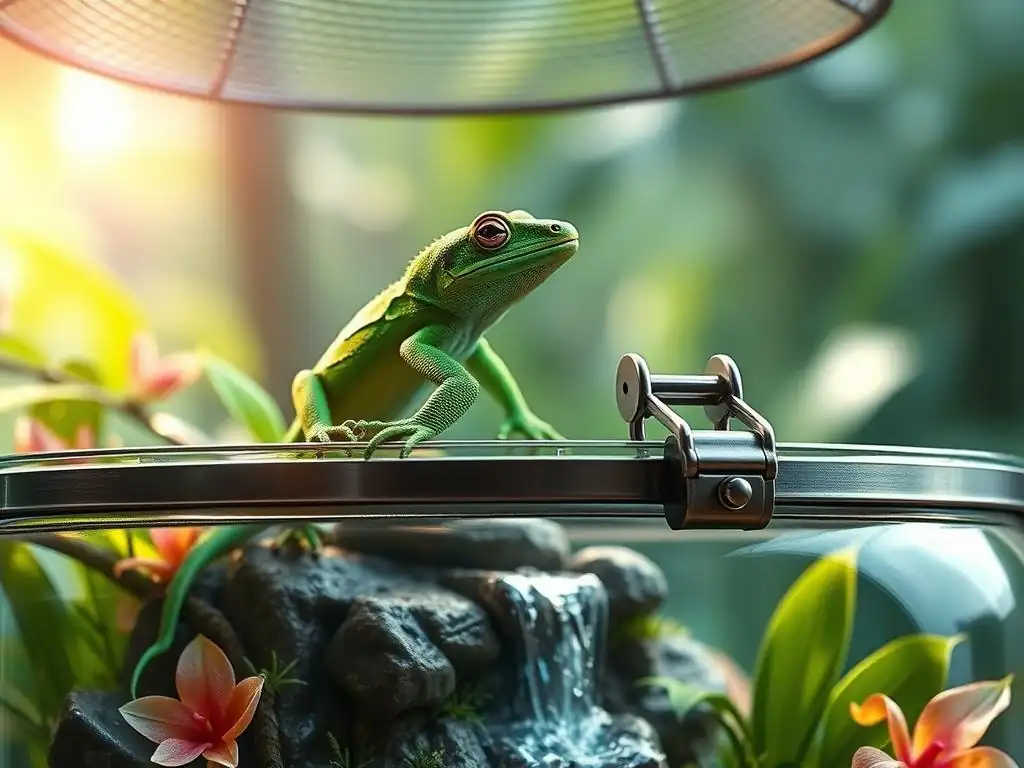
Welcome to PetCareWorld, your ultimate guide to a happier, healthier life for your beloved companions! Are you ready to unlock the secrets to responsible pet ownership? We delve into every aspect of animal care, from playful puppies to fascinating reptiles. But first, let's address a crucial safety concern for reptile owners: secure terrarium lid safety. Discover how a properly secured lid can prevent escapes and ensure the well-being of your scaly friend. Dive in and learn more about protecting your pet with our expert advice!
- Understanding Secure Terrarium Lid Safety: Why It Matters
- Choosing the Right Terrarium Lid for Your Reptile
- Common Causes of Terrarium Lid Failures and Escape
- Securing Your Terrarium Lid: Practical Tips and Techniques
- Advanced Terrarium Security Measures: Beyond the Lid
- Frequently Asked Questions about Secure Terrarium Lids
- Frequently Asked Questions
- Final Reflection: Securing the Future of Our Tiny Ecosystems
- Secure Your Terrarium: Prioritize Your Pet's Safety!
Understanding Secure Terrarium Lid Safety: Why It Matters
Owning a reptile can be a rewarding experience, bringing unique companionship and fascinating insights into the natural world. However, responsible reptile ownership hinges on providing a safe and secure environment. A crucial aspect of this responsibility lies in ensuring your terrarium's lid is secure.
This article delves into the critical importance of a secure terrarium lid, focusing on preventing escapes, safeguarding your pet, and fulfilling your ethical and legal obligations as a reptile owner. Neglecting terrarium lid security can lead to a range of problems, from the stressful ordeal of a reptile escape to potential legal repercussions. We will explore the various risks associated with insecure enclosures and highlight the best practices for maintaining a secure and enriching habitat for your scaly companion.
Understanding secure terrarium lid safety is not just about convenience; it's a fundamental component of responsible and ethical reptile keeping, ensuring both the well-being of your pet and the safety of your home. This guide will provide you with the knowledge and strategies to prioritize secure terrarium lid safety and create a thriving environment for your reptile.
Preventing Reptile Escapes: The Risks and Consequences
Reptile escapes are a significant concern for pet owners. The consequences can be severe, impacting both the reptile's well-being and the owner's responsibilities. A loose or improperly fitted lid can easily allow a determined reptile to escape, leading to several potential problems:
- Injury or death of the reptile: Escaped reptiles face numerous dangers, including predation from other animals (domestic pets or wildlife), starvation, dehydration, and exposure to the elements. Urban environments present additional hazards like traffic and harsh weather conditions. Smaller reptiles are particularly vulnerable.
- Damage to your home: Some reptiles, especially larger species, can cause damage to property during an escape. They might chew on electrical wiring, damage furniture, or contaminate areas of your home.
- Stress and anxiety for the owner: The process of searching for a lost reptile is incredibly stressful. The emotional toll, coupled with the potential financial costs of searching and potential damages, can be significant.
- Legal repercussions: Depending on the species and local regulations, allowing a reptile to escape can lead to fines or other legal consequences. Certain species are considered invasive and their release into the wild is strictly prohibited.
The table below illustrates the potential risks associated with different escape scenarios:
| Escape Scenario | Reptile Size | Risk Level | Potential Consequences |
|---|---|---|---|
| Small lizard escapes through gap | Small | High | Dehydration, predation, starvation, difficulty locating |
| Large snake escapes open terrarium | Large | High | Property damage, potential harm to others, legal issues |
| Tortoise escapes through unsecured gate | Medium-Large | Medium | Damage to garden, difficulty locating |
Therefore, investing in and maintaining a secure terrarium lid is paramount for preventing these negative outcomes. The peace of mind knowing your reptile is safely contained is invaluable.
Protecting Your Reptile and Your Home: The Importance of a Secure Enclosure
A secure terrarium isn't just about preventing escapes; it's about creating a safe and enriching environment for your reptile. A secure enclosure protects your reptile from external threats, including other pets, children, and environmental hazards. Conversely, it also protects your home and family from potential harm or disruption caused by your reptile.
Consider these aspects of a secure enclosure:
- Lid type: Choose a lid designed specifically for your reptile's size and species. Screen lids offer ventilation but need to be secured appropriately. Solid lids might be necessary for certain species.
- Locking mechanisms: Ensure the lid has a secure and reliable locking mechanism that cannot be easily opened by your reptile. Multiple locking points provide extra security.
- Regular inspection: Regularly inspect the terrarium and its lid for any signs of wear and tear or potential weaknesses. Replace or repair damaged components immediately.
- Appropriate substrate: The type of substrate in the terrarium should be appropriate for your reptile's needs and shouldn’t provide escape routes.
A properly secured enclosure is a cornerstone of responsible reptile ownership, providing a safe haven for your pet and peace of mind for you. Prioritizing enclosure security demonstrates your commitment to the well-being of your reptile and responsible pet ownership.
Legal and Ethical Responsibilities of Responsible Reptile Ownership
Responsible reptile ownership extends beyond simply providing food and water. It encompasses a moral and legal obligation to ensure the safety and well-being of your reptile and the protection of the surrounding environment. Escapes can have significant legal and ethical consequences.
- Legal implications: Many jurisdictions have regulations regarding the ownership and handling of reptiles. Failing to maintain a secure enclosure that prevents escapes can result in fines or other penalties. The specific regulations vary depending on the species of reptile and the location.
- Ethical considerations: Allowing a reptile to escape is ethically irresponsible. It exposes the animal to potential harm and distress and can disrupt local ecosystems if the reptile is an invasive species. Responsible owners prioritize the safety and well-being of their pets above all else.
Responsible reptile ownership, therefore, necessitates a commitment to secure terrarium lid safety. This commitment is not merely a matter of convenience but a fundamental aspect of ethical and legal compliance, ensuring the well-being of your reptile and the safety of your community. By prioritizing secure terrarium lid safety, you demonstrate your commitment to responsible reptile ownership and contribute to the overall well-being of both your pet and the environment.
Choosing the Right Terrarium Lid for Your Reptile
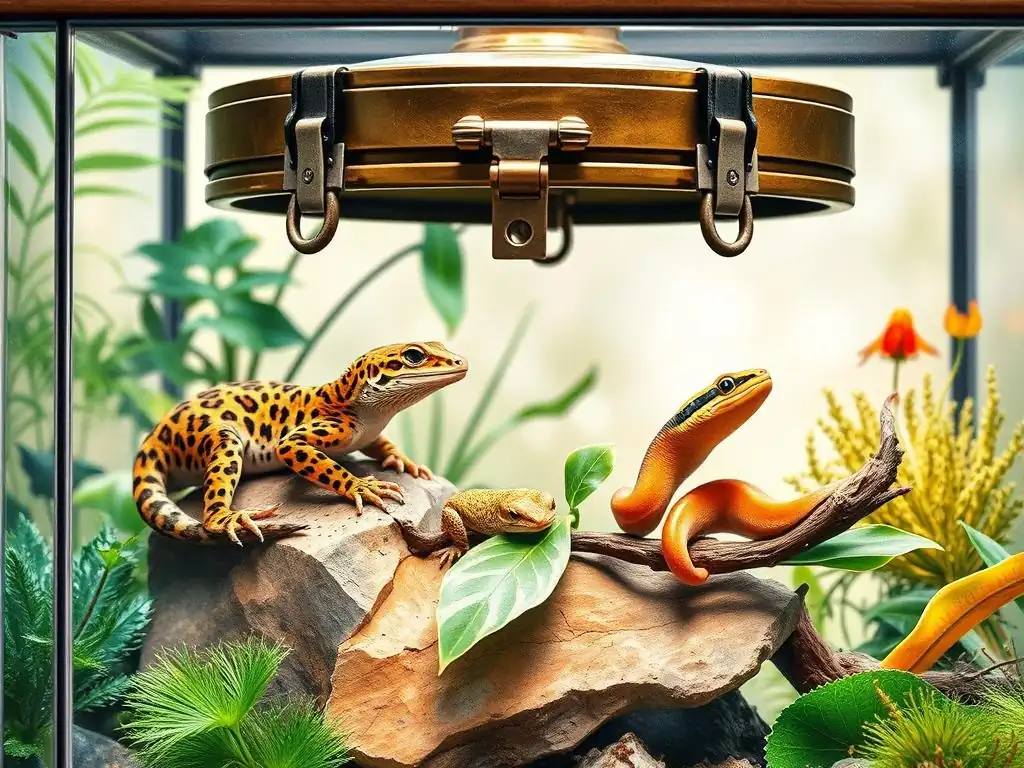
Selecting the correct terrarium lid is paramount for secure terrarium lid safety and the overall well-being of your reptile. A poorly chosen or improperly secured lid can lead to escapes, injuries, and even the death of your pet. This section will guide you through the crucial considerations when selecting a lid, ensuring your reptile's safety and a thriving habitat. We'll explore the different types of lids available, how to match them to your specific reptile and terrarium, and the importance of secure fastening mechanisms. Remember, a secure enclosure is the cornerstone of responsible reptile ownership.
Types of Terrarium Lids: Mesh, Glass, and Screen Options
Reptile terrarium lids come in various materials, each offering different advantages and disadvantages concerning ventilation, security, and ease of access. Let's examine the most common options:
- Mesh Lids: These lids provide excellent ventilation, crucial for maintaining proper humidity and temperature levels within the terrarium. However, the open mesh design presents a higher escape risk for smaller, agile reptiles. Mesh lids are generally more affordable but require careful consideration of your reptile's climbing and escaping abilities. For example, a gecko species known for its climbing prowess would require a mesh lid with exceptionally small openings or a supplemental barrier.
- Glass Lids: Glass lids offer superior security, significantly reducing the risk of escape. They are also ideal for maintaining humidity, especially in terrariums housing species requiring higher humidity levels. However, glass lids generally offer less ventilation than mesh lids, necessitating careful monitoring of temperature and humidity levels to avoid overheating or excessive moisture. Cleaning can also be slightly more challenging compared to mesh lids.
- Screen Lids: Screen lids offer a balance between ventilation and security. They provide better airflow than glass lids, reducing the risk of overheating, while still offering more protection than mesh lids. The screen material's strength varies, so selecting a robust screen lid is crucial for secure terrarium lid safety, particularly for larger or stronger reptiles. Consider the mesh size; smaller openings minimize escape risks.
Choosing the right lid type is crucial for secure terrarium lid safety. The best option depends on your reptile's species, size, and specific needs.
Selecting the Appropriate Lid Based on Reptile Species and Size
The choice of terrarium lid shouldn't be arbitrary; it must be tailored to your reptile's specific characteristics. Consider these factors:
- Species-Specific Behavior: Some reptiles are notorious escape artists. For example, arboreal species (those that live in trees) are more likely to climb and escape than terrestrial species. Similarly, certain species are known for their strength and ability to force open weaker lids. Research your reptile's species thoroughly to understand its behavior and escape potential.
- Size and Weight: The lid must be appropriately sized to fit your terrarium securely. A lid that's too small will leave gaps, compromising security. A lid that's too large may not fit properly, again compromising security and potentially hindering access for cleaning and maintenance. The weight of the lid is also important; it needs to be sufficiently heavy to prevent accidental dislodging.
- Escape Artist Prowess: Certain species, like certain snakes and geckos, are known for their exceptional climbing and escaping abilities. For these species, a secure lid with a secure locking mechanism is absolutely essential. Consider supplemental barriers such as silicone sealant around the edges of the lid to further enhance security. For particularly adept escape artists, multiple layers of security might be necessary.
Matching the Lid to Your Terrarium: Size and Compatibility Considerations
Ensuring the lid fits your terrarium perfectly is crucial for secure terrarium lid safety. An ill-fitting lid, regardless of material, creates vulnerabilities that your reptile could exploit.
- Precise Measurements: Before purchasing a lid, carefully measure the dimensions of your terrarium’s opening. Accurate measurements are paramount. Consider the depth of the frame around the opening as well.
- Compatibility: Not all lids are compatible with all terrariums. Some terrariums have unique designs or features that necessitate specific types of lids. Ensure the lid you choose is specifically designed for your terrarium's type and dimensions.
- Secure Fastening Mechanisms: A secure locking mechanism is crucial for secure terrarium lid safety. Consider lids with multiple latches or clips to prevent accidental opening. Regularly inspect the latches and clips to ensure they remain secure and functional. Loose or broken latches should be addressed immediately.
Remember, a secure terrarium lid is more than just a cover; it's a vital component of responsible reptile care, ensuring the safety and well-being of your pet. Prioritize security when making your selection; a small investment in a high-quality, well-fitting lid can prevent significant problems down the line.
Features to Look For in a Secure Terrarium Lid: Ventilation, Security, and Ease of Access
Choosing the right terrarium lid is crucial for maintaining a healthy and safe environment for your reptile. A secure terrarium lid is more than just a cover; it's a vital component of your reptile's habitat, impacting ventilation, security, and ease of access for both you and your pet. Let's delve into the key features to look for when selecting a lid that prioritizes both security and the well-being of your scaly friend.
Ventilation: Proper ventilation is paramount for maintaining appropriate humidity and temperature levels within the terrarium. Insufficient ventilation can lead to a build-up of harmful gases like ammonia and carbon dioxide, negatively impacting your reptile's respiratory health and overall well-being. Look for lids with adequate ventilation holes or screens. These should be strategically placed to ensure proper airflow without compromising security.
The size and number of ventilation openings should be appropriate for the size of the terrarium and the specific needs of your reptile species. For example, a desert species might require more ventilation than a tropical rainforest dweller. Consider lids with adjustable ventilation features, allowing you to fine-tune airflow based on environmental conditions and your reptile's needs. Poor ventilation can lead to respiratory infections, stress, and even death in reptiles, so this is a critical consideration for any responsible reptile keeper.
Security: The primary function of a terrarium lid is to prevent escapes. A secure lid is non-negotiable for the safety of your reptile and the peace of mind of the owner. Look for lids with secure locking mechanisms, such as clips, latches, or screws.
Avoid lids that rely solely on friction or weight to stay closed, as these can easily be dislodged by a determined reptile, especially larger or more active species. Examine the material of the lid; strong, durable materials such as glass or heavy-duty plastic are preferable to flimsy or easily breakable options. Consider the overall design of the lid; some designs are inherently more secure than others.
For example, a lid that completely covers the top of the enclosure is generally more secure than one with large openings. Remember, a secure terrarium lid is a critical aspect of responsible reptile ownership, preventing potential harm to your pet and yourself.
Ease of Access: While security is paramount, you also need a lid that allows for easy access to your reptile's enclosure for cleaning, feeding, and maintenance. A lid that's difficult to open and close can be frustrating and may even lead to accidental escapes. Look for lids with smooth, easy-to-operate mechanisms that allow for quick and safe access.
Consider the weight and size of the lid; a heavy, cumbersome lid can make routine tasks more challenging. A well-designed lid strikes a balance between security and convenience, ensuring that you can easily access your reptile's habitat without compromising its safety. A lid that is too difficult to manage may tempt you to leave it open longer than necessary, increasing the risk of escape.
Therefore, an easy-to-use but secure lid is essential for responsible and practical reptile keeping. Think about the frequency of your cleaning and maintenance routines; a user-friendly lid will save time and effort in the long run.
Common Causes of Terrarium Lid Failures and Escape
Ensuring a secure terrarium lid is paramount for both the safety of your reptile and the peace of mind of the owner. Lid failures leading to escapes are often preventable with proper planning, maintenance, and understanding of your reptile's capabilities. This section delves into the common reasons why terrarium lids fail, providing you with practical knowledge to bolster your reptile's enclosure security and prevent potentially dangerous escapes. Neglecting terrarium lid safety can lead to significant stress for both you and your pet. Understanding the common causes empowers you to take proactive steps to create a truly secure environment.
Improper Lid Installation and Common Mistakes
Improper installation is a leading cause of terrarium lid failures. Many commercially available terrarium lids rely on simple locking mechanisms, which, if not properly engaged, can easily be dislodged by a determined reptile or even accidental bumps and movements. Common mistakes include:
- Not fully engaging latches: Many terrarium lids utilize clips or latches. Failure to firmly secure these mechanisms leaves the lid vulnerable. Always double-check that all latches are securely fastened before leaving your reptile unattended.
- Using the wrong type of lid: Not all lids are created equal. Some lids may be ill-suited for certain terrarium types or reptile species. For instance, a lightweight mesh lid might be inadequate for a powerful species like a large iguana. Choosing a lid appropriate for your reptile's size and strength is crucial.
- Ignoring warping or damage: Using a terrarium lid that is warped or damaged will compromise its security. Even minor cracks or distortions can weaken the lid and increase the chances of escape.
- Incorrect placement of the lid: If the lid isn't properly aligned with the terrarium frame, it will not seal properly, creating weak points.
Damaged or Worn-Out Lids: Signs of Weakness and Replacement Needs
Over time, even the most secure terrarium lids can show signs of wear and tear. Regular inspection is essential to identify potential problems before they lead to an escape. Key indicators of a compromised lid include:
- Cracks or fractures: Any cracks, no matter how small, significantly weaken the structural integrity of the lid. These can be caused by accidental drops, impacts, or simply the natural degradation of plastic over time.
- Loose hinges or latches: Hinges and latches are critical components of most terrarium lids. If they become loose or damaged, the lid’s ability to stay securely closed is compromised. Regularly check for tightness and replace any worn-out parts immediately.
- Warping or bending: Exposure to extreme temperatures or humidity can cause terrarium lids to warp or bend, creating gaps that allow escapes. This is especially common with plastic lids.
- Deterioration of materials: The materials used in terrarium lids can degrade over time, becoming brittle and more prone to breakage. Signs of significant deterioration warrant immediate replacement.
Replacing a damaged or worn-out lid is crucial for maintaining a secure environment. It's a small investment that can prevent significant problems. Prioritize securing your reptile's habitat above all else.
Reptile Strength and Ingenuity: Species-Specific Escape Tactics
Reptiles, particularly larger and more agile species, possess surprising strength and ingenuity. Understanding species-specific escape tactics is key to choosing and maintaining an appropriate, secure terrarium lid. For example:
| Reptile Species | Escape Tactics | Secure Lid Recommendations |
|---|---|---|
| Leopard Gecko | Pushing against weak points, squeezing through gaps | Heavy-duty, well-fitting lid with multiple secure latches |
| Bearded Dragon | Climbing and pushing against the lid | Lid with internal or external bracing, secure locking mechanisms |
| Green Iguana | Powerful pushing and climbing | Extremely strong lid with reinforced locking mechanisms, possibly a weighted lid |
| Corn Snake | Squeezing through small openings | Tight-fitting lid with no gaps or crevices |
| Crested Gecko | Climbing and jumping | Lid with smooth, non-climbable surfaces, secure latches |
Remember, even seemingly minor gaps or weaknesses can be exploited by a determined reptile. Choose a lid appropriate for the species and its size, and regularly inspect it for any signs of damage or wear. Prioritizing secure terrarium lid safety is not just about preventing escapes; it's about ensuring the well-being and safety of your beloved reptile. This proactive approach minimizes stress for both you and your pet, fostering a safe and enriching environment.
Case Study: Examining Real-Life Reptile Escapes and Their Causes
Several documented cases highlight the dangers of insecure terrarium lids. One particularly illustrative example involved a leopard gecko named Leo, who escaped his enclosure due to a poorly secured screen lid. The owner, unaware of the potential risks associated with flimsy latches, had simply rested the screen on top of the terrarium without any additional securing mechanisms.
Leo, a surprisingly agile gecko, managed to pry the screen open and explore his newfound freedom, leading to a frantic search that lasted several hours. This incident underscores the importance of selecting a terrarium lid with robust, secure locking mechanisms and ensuring they are properly engaged. The stress experienced by both Leo and his owner could have been easily avoided with a more secure enclosure.
Another case study involved a young bearded dragon named Sparky. Sparky's enclosure featured a glass sliding lid, but the track system was worn and poorly maintained. Over time, the friction in the track had decreased, allowing Sparky to push the glass lid open with his snout.
His escape was discovered only when his owner noticed a gap in the terrarium. Fortunately, Sparky was found unharmed, but the incident prompted his owner to replace the entire lid system with a more secure and durable model, emphasizing the need for regular inspection and maintenance of terrarium components to prevent escapes. This highlights that even seemingly secure lids can fail due to negligence or wear and tear.
A third, more tragic case involved a venomous snake that escaped its enclosure because of a faulty latch on its terrarium lid. The latch, while initially appearing secure, had become weakened over time due to repeated opening and closing. The snake, a highly agile and potentially dangerous species, exploited this weakness and escaped.
This resulted in a significant safety risk for the owner and their family, as well as the potential for harm to the snake itself if it were to be exposed to the elements or other dangers. This incident underlines the critical need for secure terrarium lids, especially when keeping venomous or potentially dangerous reptiles, and emphasizes the importance of selecting high-quality materials and durable locking mechanisms.
Regular checks of the latch and its integrity are also crucial for preventing such incidents. The consequences of a secure terrarium lid failure can range from inconvenience to serious harm, emphasizing the importance of proactive preventative measures.
Securing Your Terrarium Lid: Practical Tips and Techniques

Securing your terrarium lid is paramount for the safety and well-being of your reptile and the security of your home. A poorly secured lid can lead to escapes, potentially resulting in injury or loss of your pet. This section explores practical techniques and considerations to ensure a secure terrarium lid, enhancing the overall safety of your reptile's habitat and minimizing the risk of escape. Remember, a secure terrarium lid is a cornerstone of responsible reptile ownership and contributes significantly to secure terrarium lid safety.
Reinforcing Your Lid: Adding Extra Security Measures
Beyond the standard lid mechanisms, several additional measures can significantly enhance the security of your terrarium. Consider these supplementary steps to create an almost escape-proof environment:
- Adding weight: Placing heavy objects, such as large, flat rocks or appropriately sized ceramic tiles, on top of the lid can deter even the strongest escape artists. The added weight makes it significantly harder for your reptile to lift or dislodge the lid. Ensure the weight is evenly distributed to avoid damage to the terrarium.
- Silicone sealant: A bead of high-quality silicone sealant around the edges of the lid where it meets the terrarium can create an effective barrier against escapes. This is particularly useful for terrariums with gaps or slightly loose-fitting lids. Make sure the sealant is reptile-safe and non-toxic.
- Mesh screens: For ventilation purposes, you might have mesh screens incorporated into your terrarium lid. Reinforce these screens with additional layers of secure mesh or even fine-gauge metal hardware cloth to prevent your reptile from pushing through or chewing through the existing mesh.
- Internal barriers: For particularly agile reptiles, consider placing internal barriers or obstacles within the terrarium to make escaping more difficult, even if they manage to briefly lift the lid. These could include branches, rocks, or other appropriately sized and secure decorations.
Remember, the best approach often involves combining several of these methods for optimal security. The specific techniques you choose will depend on the species of reptile, the size and type of terrarium, and the animal's escape capabilities. Prioritize secure terrarium lid safety by implementing a multi-layered approach.
Regular Inspection and Maintenance of Your Terrarium Lid
Regular inspections are crucial for maintaining the integrity and security of your terrarium lid. A seemingly secure lid can weaken over time due to wear and tear, environmental factors, or accidental damage. This preventative maintenance is a key component of secure terrarium lid safety.
- Frequency of inspection: Ideally, inspect your terrarium lid at least once a week. Look for any signs of damage, such as cracks, warping, or loose screws or latches. Pay close attention to the areas where the lid meets the terrarium, checking for gaps or areas where your reptile might be able to squeeze through.
- Cleaning and maintenance: Regularly clean the lid and the terrarium itself to remove any debris or build-up that could compromise its structural integrity or provide your reptile with purchase points for an escape attempt. Avoid harsh chemicals that could damage the terrarium materials.
- Addressing issues promptly: If you identify any damage or potential weaknesses, address them immediately. Repair or replace any broken parts and consider implementing additional security measures as described in the previous section. Ignoring even minor issues can lead to a significant security breach.
Using Secure Fasteners and Latches: An In-Depth Guide
The type of fasteners and latches used on your terrarium lid is a major factor in determining its overall security. Different mechanisms offer varying levels of security, and choosing the right ones is vital for secure terrarium lid safety.
| Fastener Type | Security Level | Pros | Cons | Reptile Suitability |
|---|---|---|---|---|
| Standard Hinges | Low | Easy to open and close | Easily manipulated by strong reptiles | Suitable for docile, smaller reptiles only |
| Spring-loaded latches | Medium | Relatively secure, provides a good initial barrier | Can be bypassed with sufficient force | Suitable for many reptile species |
| Locking latches | High | Highly secure, difficult for reptiles to open | More complex to use, potentially more expensive | Suitable for all reptile species |
| Combination locks | Very High | Extremely secure, virtually escape-proof | Requires a key, can be inconvenient to access | Suitable for all reptile species |
Choosing the right latch depends on your reptile's size, strength, and escape artistry. Larger and stronger reptiles require more robust and secure systems. Always prioritize safety and choose a latch that significantly exceeds your reptile's capabilities to ensure secure terrarium lid safety. Regularly check the functionality of your chosen fasteners and latches to ensure they remain in good working order. A well-maintained latch is a vital component of a secure terrarium.
Recommended Secure Terrarium Lid Brands and Models
Choosing a terrarium lid is crucial for secure terrarium lid safety. While many brands offer lids, some stand out for their robust designs and secure locking mechanisms. It's important to remember that the "best" brand will depend on the size and type of your terrarium, as well as the specific needs of your reptile or amphibian. For example, a small leopard gecko will require a different lid than a large iguana. Always measure your terrarium carefully before purchasing a lid.
Several brands consistently receive positive feedback for their secure and reliable terrarium lids. These often incorporate features like strong clips, secure latches, and mesh ventilation that prevents escapes while allowing for adequate airflow. Some popular brands to consider include [Brand Name 1 pending], known for their durable plastic lids with multiple locking points, and [Brand Name 2 pending], which often feature glass lids with specialized locking mechanisms.
[Brand Name 3 pending] is another reputable brand, often praised for its innovative designs and focus on safety features. However, it's crucial to check customer reviews before making a purchase, as even reputable brands can have occasional quality control issues.
When considering specific models, look for features like:
- Multiple locking points: More latches mean a more secure closure, reducing the risk of accidental opening.
- Heavy-duty construction: A sturdy lid made of high-quality materials will be more resistant to damage and attempts to force it open.
- Secure latches: The latches should be easy to operate but difficult for your pet to manipulate.
- Proper ventilation: The lid should allow for adequate airflow to prevent the buildup of moisture and maintain a healthy environment. Look for mesh panels or strategically placed vents.
Remember that a secure terrarium lid is a critical component of responsible reptile keeping. Don't compromise on safety; investing in a high-quality lid is an investment in your pet's well-being and your peace of mind. Always prioritize safety features over aesthetics when choosing a terrarium lid. A slightly less visually appealing lid that offers superior security is far better than a stylish lid that could lead to a dangerous escape. Regularly inspect your terrarium lid for any signs of wear and tear and replace it if necessary. Proactive maintenance is key to secure terrarium lid safety.
Advanced Terrarium Security Measures: Beyond the Lid
Securing a reptile's terrarium goes beyond simply having a secure terrarium lid safety mechanism in place. A truly escape-proof environment requires a multi-layered approach, considering every potential weakness in the setup. This section delves into advanced security measures to minimize the risk of escape, focusing on preventative strategies and proactive monitoring. Effective "secure terrarium lid safety" is only one piece of the puzzle.
Escape-Proofing Your Terrarium: Additional Barriers and Prevention Strategies
Preventing escapes requires careful consideration of all terrarium components. Simply having a secure lid isn't enough; reptiles are surprisingly adept at finding and exploiting weaknesses. Here are some additional barriers and preventative strategies to consider:
- Secure Cords and Wires: Any cords or wires entering the terrarium, such as for heating lamps or humidity controls, should be securely fastened and protected to prevent your reptile from chewing or climbing them. Use cable ties, protective sleeves, or strategically placed obstacles to prevent access. Consider routing wires outside the terrarium entirely, if feasible.
- Substrate Management: The type of substrate used can influence escape attempts. Loose substrates, like sand or loose soil, can be easily burrowed through. Consider using a more compact substrate, such as reptile carpet or a tightly packed mix of soil and coco coir, reducing the risk of tunneling escapes. Observe your reptile's burrowing behavior to assess substrate suitability.
- Regular Inspections: Regularly inspect the entire terrarium for any potential weaknesses. Look for cracks in the glass or plastic, gaps in the seals around the lid or other components, and any areas where your reptile might be able to squeeze through. This proactive approach is key to identifying and addressing potential escape routes before they are exploited. A weekly inspection is recommended, increasing the frequency for particularly active or escape-prone species.
- Weight and Pressure: Ensure your terrarium is heavy and stable enough to resist being tipped over, especially by larger reptiles. Consider securing the terrarium to a wall or other sturdy surface if necessary. A heavier base, such as a solid piece of furniture, can also improve stability.
Creating a Secure Habitat: Substrate, Plants, and Hiding Places
The internal environment of the terrarium plays a crucial role in preventing escapes. A well-designed habitat provides ample enrichment, reducing the reptile's motivation to escape.
- Appropriate Substrate: The choice of substrate significantly impacts escape risk. As mentioned previously, loose substrates allow for burrowing, while solid substrates minimize this possibility. The ideal substrate will also meet your reptile’s specific humidity and temperature needs.
- Strategic Plant Placement: Live or artificial plants can provide visual barriers and climbing opportunities, but they should be strategically placed to avoid creating accidental escape routes or hiding spots near the edges of the enclosure. Dense foliage close to the top of the terrarium should be avoided.
- Secure Hiding Places: Provide adequate hiding places that are securely positioned within the terrarium. These should not be easily moved or dislodged, and should not be placed near the edges or access points. Reptiles often feel more secure and less inclined to escape when provided with safe, comfortable spaces.
- Branch and Rock Placement: Branches and rocks should be securely positioned to prevent them from toppling and creating escape routes. Ensure the chosen materials are appropriately sized and weighted for your reptile's size and strength.
Monitoring Your Reptile's Behavior: Early Signs of Escape Attempts
Proactive monitoring of your reptile's behavior is crucial in identifying potential escape attempts early. Early detection can prevent a successful escape and allow you to address any weaknesses in the terrarium setup.
| Behavior | Potential Indication | Action to Take |
|---|---|---|
| Repeated attempts to climb walls | Seeking an escape route; enclosure may not be tall enough | Consider a taller enclosure or add more vertical climbing structures within it. |
| Excessive digging | Attempting to burrow out; substrate may be too loose | Switch to a more compacted substrate or add a barrier layer at the bottom. |
| Restlessness and pacing | Stress or discomfort; something in the environment is wrong | Evaluate temperature, humidity, lighting, and overall habitat suitability. |
| Frequent probing at the lid | Testing the security of the lid; lid may be insecure | Reinforce the lid's security and check for any gaps or weaknesses. |
Regular observation, combined with a secure terrarium lid safety system and other preventative measures, significantly reduces the risk of your reptile escaping and ensures their safety and well-being. Remember, a proactive approach is key to maintaining a secure and enriching environment for your pet. 🦎
Frequently Asked Questions about Secure Terrarium Lids
This section addresses common concerns regarding secure terrarium lids and their role in maintaining a safe environment for your reptile. Understanding these points is crucial for ensuring the well-being and security of your pet. Secure terrarium lid safety is paramount to responsible reptile ownership.
How often should I check my terrarium lid?
Checking your terrarium lid shouldn't be a once-a-week chore; it should be a regular part of your reptile care routine. The frequency depends on several factors: the age and temperament of your reptile, the type of lid you have, and the overall security of the enclosure. A young, energetic reptile, for instance, might require more frequent checks than an older, more docile one. Similarly, a lid with a simple latch might need more frequent inspection than a more robust, multi-locking system.
A good rule of thumb is to check your terrarium lid at least twice daily: once in the morning and once in the evening. This allows you to catch any potential problems early on. Look for any signs of tampering, such as loose latches, cracks in the lid, or any evidence of your reptile attempting to escape. Pay close attention to the edges and seals, ensuring a complete and airtight fit. Remember, even a small gap can be enough for a determined reptile to exploit.
Consider incorporating lid checks into your established feeding and cleaning routine. This helps to create a consistent habit and makes it less likely that you'll forget. Regular inspection is a vital component of secure terrarium lid safety, preventing escapes and ensuring your reptile's safety. Proactive monitoring is far better than reactive problem-solving.
What should I do if my reptile escapes?
An escaped reptile can be a stressful situation, requiring immediate action. The first step is to remain calm and systematically search your home. Start in the immediate vicinity of the terrarium, checking under furniture, behind appliances, and in any dark, secluded areas. Reptiles often seek refuge in confined spaces.
Next, consider using a reptile-specific lure. Some reptiles are attracted to specific scents or foods. You can try placing a small bowl of their favorite food near potential hiding spots. However, remember that some reptiles, especially those that are stressed, may be hesitant to approach food.
If your search proves fruitless, contact your local reptile rescue or veterinary clinic. They may have experience in retrieving escaped reptiles and can offer valuable advice. It's also crucial to inform your neighbors, particularly if you have a venomous or potentially dangerous reptile. Preventing escapes is far easier than dealing with the consequences, highlighting the importance of secure terrarium lid safety.
Remember to carefully document the type of reptile, its size, and any unique markings to assist in its recovery. A clear and concise description will significantly aid in the search efforts. Prepare a photo to show to anyone assisting in the search. The faster you act, the greater the chance of a successful recovery.
Are there any DIY solutions for improving terrarium lid security?
While commercially available secure terrarium lids offer the best protection, some DIY methods can enhance security. However, it's crucial to prioritize safety and avoid modifications that could compromise the terrarium's structural integrity or harm your reptile. Never compromise your reptile's safety for DIY convenience.
One relatively simple method is using additional latches or clips to supplement the existing locking mechanism. You can find these at most hardware stores. Ensure that these additions are securely attached and don't create sharp edges that could injure your reptile.
Another option is to reinforce the existing lid with heavy-duty silicone sealant around its edges. This can help to create a tighter seal, preventing any gaps that your reptile might exploit. However, remember to use a reptile-safe sealant that won't release harmful fumes.
Always inspect any modifications thoroughly before returning your reptile to the terrarium. Ensure all added components are securely fastened and won't pose a hazard. While DIY options can provide extra security, they should be considered supplementary to, not a replacement for, a properly functioning secure terrarium lid. The emphasis remains on secure terrarium lid safety. Remember that a poorly executed DIY solution could be more dangerous than no solution at all.
Where can I find replacement parts for my terrarium lid?
Locating replacement parts for your terrarium lid depends heavily on the brand and model of your terrarium. Many major pet supply retailers carry common replacement parts for popular terrarium brands. Start by checking the retailer where you originally purchased the terrarium. They may have replacement parts in stock or be able to order them for you. Their customer service department will be your best resource in this initial search.
If the original retailer doesn't have the part, consider searching online. Websites specializing in reptile supplies often carry a wide variety of terrarium parts and accessories. Use the manufacturer's name and the model number of your terrarium in your search to narrow down your results. Be sure to carefully compare the dimensions and specifications of the replacement part to ensure a proper fit. Reading customer reviews can also help you determine the quality and reliability of the replacement part before purchasing.
Don't overlook contacting the terrarium manufacturer directly. They may have a parts department or be able to direct you to an authorized retailer who carries replacement parts. Their website might also have a contact form or phone number for customer service.
Finally, consider checking local reptile hobbyist groups or forums. Experienced keepers often have access to sources for replacement parts, or may even have used parts they're willing to sell. This route can be particularly helpful for older or less common terrarium models. Remember to always prioritize safety and ensure any replacement part is securely fitted to prevent escapes and maintain a safe environment for your reptile. A poorly fitted lid can compromise the security of your terrarium, potentially leading to a dangerous escape.
Frequently Asked Questions
What are the dangers of an insecure terrarium lid?
An insecure terrarium lid poses several risks. Your pet could easily escape, potentially leading to injury or even death. It also increases the risk of predation by other animals or environmental hazards.
How can I tell if my terrarium lid is secure?
Ensure your lid fits snugly and there are no gaps or openings. Test it by gently trying to lift or push it open. Consider using locking mechanisms for added security, especially with escape-prone species.
What types of terrarium lids offer the best security?
Several options provide excellent security, including screen lids with secure latches, glass lids with strong clips, or custom-made lids designed to fit your specific terrarium. Choose a lid appropriate for your pet's size and escape capabilities.
My reptile keeps pushing against the lid. What should I do?
If your reptile is persistently pushing against the lid, it may indicate a problem with its environment. Check for sufficient space, appropriate temperature and humidity, and enrichment to reduce stress and the urge to escape. Consider adding vertical climbing structures.
Are there any DIY solutions to improve terrarium lid security?
While DIY solutions can be cost-effective, ensure they don't compromise your pet's safety or the integrity of the terrarium. Simple additions like extra latches or silicone sealant can improve security, but always prioritize your pet's well-being.
Final Reflection: Securing the Future of Our Tiny Ecosystems
The seemingly simple act of securing a terrarium lid is far more significant than it initially appears; it's the cornerstone of responsible reptile and amphibian keeping, and a vital step in preserving biodiversity. A seemingly small oversight can have devastating consequences for both the delicate creatures within and the wider environment. The escape of a non-native species, for instance, can have a profoundly negative impact on local ecosystems.
The responsibility we bear in creating and maintaining these miniature worlds extends far beyond mere aesthetics. It's a commitment to the well-being of these animals, a testament to our understanding of their needs, and a reflection of our ethical responsibility towards the natural world. The greatness of a nation and its moral progress can be judged by the way its animals are treated.
- Mahatma Gandhi. This quote, while broad in scope, perfectly encapsulates the ethical considerations inherent in even the smallest act of animal care, such as ensuring a secure terrarium lid.
Consider the implications of your actions. Do you understand the potential consequences of a terrarium lid left unsecured? Take a moment to examine your own practices, and ensure that the safety and well-being of your terrarium inhabitants are paramount. By committing to secure lids and responsible husbandry, you are not only protecting your own animals but also contributing to a broader understanding of ethical animal care and environmental stewardship. Let's work together to ensure the safety and prosperity of these miniature ecosystems, one secure lid at a time.
Secure Your Terrarium: Prioritize Your Pet's Safety!
Thank you for learning about terrarium safety! We hope you feel confident in creating a secure and enriching home for your reptile. Ready to apply what you've learned?
- Invest in a secure lid: Examine your current lid for weaknesses. If necessary, upgrade to a sturdy, escape-proof model. Your pet's safety is paramount!
- Share this article: Help fellow reptile keepers ensure their pets' safety by sharing this information. Let's foster a community dedicated to responsible pet ownership!
- Enhance your terrarium setup: Consider upgrading to a larger enclosure or adding extra security features, such as specialized locks or improved ventilation systems.
What will you do today to improve your terrarium's security?