
AirlineApproved Cat Carriers: Navigating Travel Regulations with Ease

Welcome to PetCareWorld, your ultimate destination for everything pet-related! Are you planning a trip with your feline friend? Then you've come to the right place. Discover our expert guide on finding the Best Airline Approved Cat Carrier, ensuring a safe and comfortable journey for your beloved companion. Navigate travel regulations with ease and learn how to choose the perfect carrier for your cat's needs – read on to unlock the secrets to stress-free pet travel!
- Understanding Airline Regulations for Cat Travel: A Comprehensive Guide
-
Top 5 Best Airline-Approved Cat Carriers in 2024: Reviews and Comparisons
- Sherpa Original Deluxe Pet Carrier: Features, Pros, and Cons
- Petmate Sky Kennel: A Durable and Spacious Option – Review and Pricing
- Travel Tote Pet Carrier: Compact and Convenient for Smaller Cats - Analysis and User Feedback
- Sleepypod Air: Luxury and Safety Combined – Detailed Feature Breakdown and Cost
- SturdiBag Pet Carrier: Comfort and Ventilation – Review and Comparison
- Choosing the Best Airline-Approved Cat Carrier for Your Feline Friend
- Preparing Your Cat for Air Travel: Tips and Tricks for a Smooth Journey
- Frequently Asked Questions (FAQs) about Airline Approved Cat Carriers
- Frequently Asked Questions
- Final Reflection: The Purrfect Journey: Ensuring Safe and Stress-Free Travel for Your Feline Friend
- Ready to Take Off? Plan Your Pet's Perfect Flight!
Understanding Airline Regulations for Cat Travel: A Comprehensive Guide
Traveling with your feline companion can be a rewarding experience, but navigating the complexities of airline regulations for pet transport requires careful planning and preparation. This comprehensive guide will equip you with the knowledge needed to ensure a safe and stress-free journey for both you and your cat.
We'll delve into the specifics of International Air Transport Association (IATA) regulations, explore the variations in airline-specific policies, and guide you through selecting the best airline-approved cat carrier to meet your needs. Choosing the right carrier is paramount for your cat's comfort and safety, and understanding the regulations will help you avoid potential delays or complications at the airport.
This guide will help you find the best airline approved cat carrier for your needs, ensuring a smooth and stress-free travel experience for your beloved pet. Finding the best airline approved cat carrier isn't just about convenience; it's about your cat's well-being and safety.
IATA Regulations and Airline-Specific Policies: Key Differences
The International Air Transport Association (IATA) provides a framework of regulations for live animal transport, but it's crucial to understand that individual airlines often have their own, more stringent, requirements. While IATA sets standards for carrier size, ventilation, and animal health documentation, airlines can impose additional restrictions based on aircraft type, destination, and their internal safety protocols. This means that simply finding a carrier that meets IATA guidelines isn't enough; you must also check the specific requirements of the airline you'll be flying with.
Failing to comply with these airline-specific rules can lead to your cat being refused transport, resulting in significant inconvenience and potential stress for both you and your pet. It is therefore essential to contact your chosen airline well in advance of your travel date to confirm their exact requirements for cat carriers and any additional documentation needed.
This proactive approach will minimize potential problems and ensure a smoother travel experience. Remember, airline regulations can change, so always double-check before your trip.
Size Restrictions for Cat Carriers: Choosing the Right Dimensions
Choosing the right size cat carrier is crucial for your cat's comfort and safety during the flight. Carriers that are too small can restrict your cat's movement and lead to stress and discomfort. Conversely, carriers that are too large can be unsafe, as your cat may be tossed around during turbulence. Airline regulations usually specify maximum dimensions for carry-on and checked baggage, including pet carriers.
These dimensions often differ depending on whether the carrier is placed under the seat in front of you or checked as cargo. It's essential to carefully measure your chosen carrier and compare its dimensions to the airline's specifications to avoid any last-minute surprises. Consider your cat's size and breed when choosing a carrier. A larger breed cat will naturally require a more spacious carrier than a smaller breed.
Ensure your cat has enough room to stand, turn around comfortably, and lie down in a natural sleeping position. Remember to always prioritize your cat's well-being when selecting the size of its carrier. Airlines often provide a list of approved carrier sizes on their websites; consulting this list before purchasing is highly recommended.
Airline-Approved Cat Carrier Materials: Safety and Durability Considerations
The material of your cat carrier is another critical factor influencing your cat's safety and comfort during air travel. Durable, airline-approved materials are essential to withstand the rigors of air travel, including potential bumps and changes in cabin pressure. Hard-sided carriers generally offer superior protection compared to soft-sided ones. However, even hard-sided carriers should be made of robust, impact-resistant materials.
Look for carriers made from high-quality plastic or other strong, lightweight materials. Proper ventilation is also crucial; ensure your chosen carrier has ample ventilation holes to prevent overheating and ensure adequate air circulation. Avoid carriers with mesh that could easily tear or become damaged during transport.
The carrier should be securely fastened and have reliable latches to prevent accidental opening. Remember, a secure and well-ventilated carrier is crucial for your cat's safety and well-being throughout the journey. Choosing a carrier made from durable, high-quality materials will help ensure that your cat is safe and comfortable during the flight.
Top 5 Best Airline-Approved Cat Carriers in 2024: Reviews and Comparisons
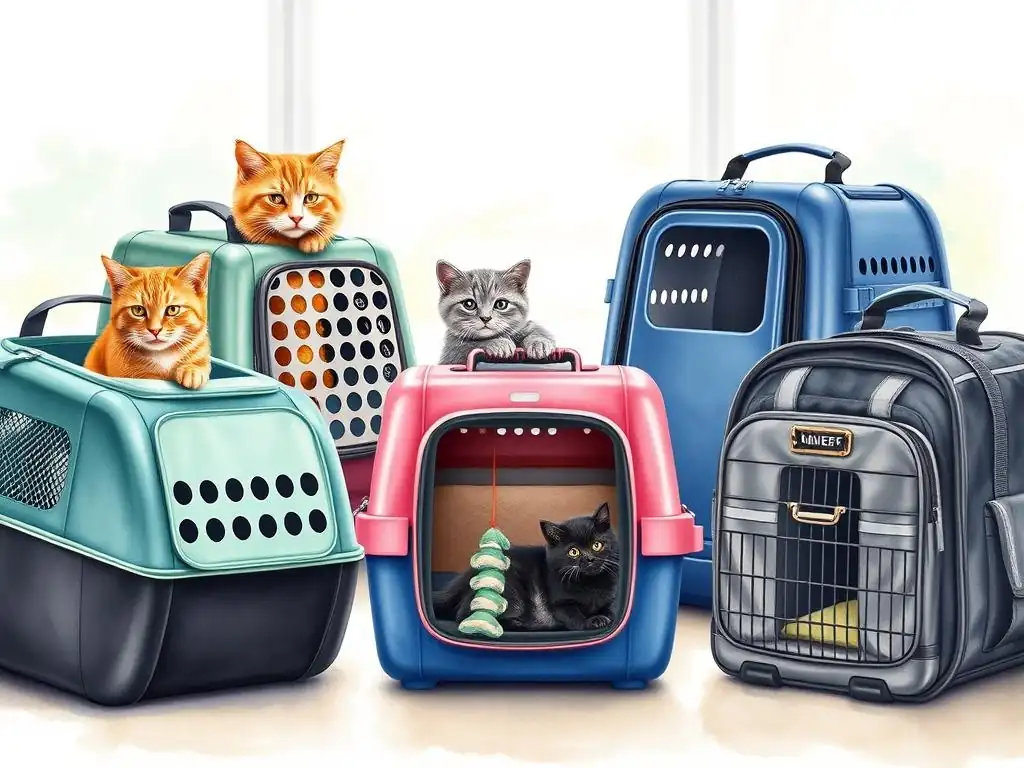
This section dives into the top contenders for the title of "Best airline approved cat carrier" in 2024. We'll examine key features, weigh pros and cons, and provide comparative analysis to help you choose the perfect carrier for your feline friend's next air adventure. Remember, airline regulations vary, so always check with your specific airline before your travel date to confirm their exact requirements regarding pet carriers. Choosing the right carrier is crucial for your cat's safety and comfort during air travel. The best carrier will depend on your cat's size, your budget, and the specific features you prioritize.
Sherpa Original Deluxe Pet Carrier: Features, Pros, and Cons
The Sherpa Original Deluxe is a perennial favorite among frequent flyers and their furry companions. Its popularity stems from a blend of durability, comfort features, and compliance with most major airline size restrictions.
This carrier boasts a sturdy, yet lightweight frame. The construction utilizes durable materials designed to withstand the rigors of air travel. Key features include a plush, removable fleece liner for added comfort, multiple ventilation points to ensure adequate airflow, and a secure zipper closure. Many owners praise its comfortable carrying handles and the inclusion of a convenient ID tag holder.
Pros:
- Lightweight yet durable construction.
- Soft, removable liner for easy cleaning.
- Excellent ventilation.
- Meets most airline size restrictions.
- Multiple carrying options (handles and shoulder strap).
Cons:
- May not be suitable for very large cats.
- Price point may be higher than some alternatives.
- Some users report the zipper can be slightly fiddly.
Petmate Sky Kennel: A Durable and Spacious Option – Review and Pricing
For larger cats or those who prioritize maximum space and robust protection, the Petmate Sky Kennel stands out. This hard-sided carrier offers superior protection against accidental damage during transit. Its rigid structure provides a secure and stable environment for your cat, minimizing stress and anxiety.
The Petmate Sky Kennel is designed to meet International Air Transport Association (IATA) standards, making it a suitable choice for many international flights. It features secure latches, ample ventilation, and a durable plastic construction that can withstand rough handling. While heavier than soft-sided options, this added weight translates to enhanced security and protection.
Pros:
- Exceptional durability and protection.
- Spacious interior for larger cats.
- Meets IATA standards for international travel.
- Secure latches and ample ventilation.
- Easy to clean.
Cons:
- Heavier than soft-sided carriers.
- Can be more expensive than soft-sided alternatives.
- Less portable than soft-sided options.
Travel Tote Pet Carrier: Compact and Convenient for Smaller Cats - Analysis and User Feedback
The Travel Tote Pet Carrier is a great option for smaller cats and shorter trips. Its compact design makes it easy to maneuver through airports and onto planes. This soft-sided carrier prioritizes portability and convenience without sacrificing your cat's comfort.
The Travel Tote often includes features like comfortable padding, mesh ventilation panels, and a secure zipper closure. Many owners appreciate its lightweight design, which is particularly beneficial for those who need to carry the carrier for extended periods. User feedback suggests it's a good choice for cats who don't mind confined spaces and for owners who value ease of transport.
Pros:
- Lightweight and portable.
- Compact design suitable for smaller cats and short trips.
- Often includes comfortable padding and mesh ventilation.
- Relatively affordable.
Cons:
- Not as durable as hard-sided carriers.
- May not be suitable for larger cats or long flights.
- Less protection against accidental damage.
Choosing the best airline-approved cat carrier is a crucial step in ensuring a safe and comfortable journey for your pet. Consider your cat's size, your budget, and the specific features that are most important to you. Remember to always check with your airline for their specific requirements before you travel! ✈️🐱
Sleepypod Air: Luxury and Safety Combined – Detailed Feature Breakdown and Cost
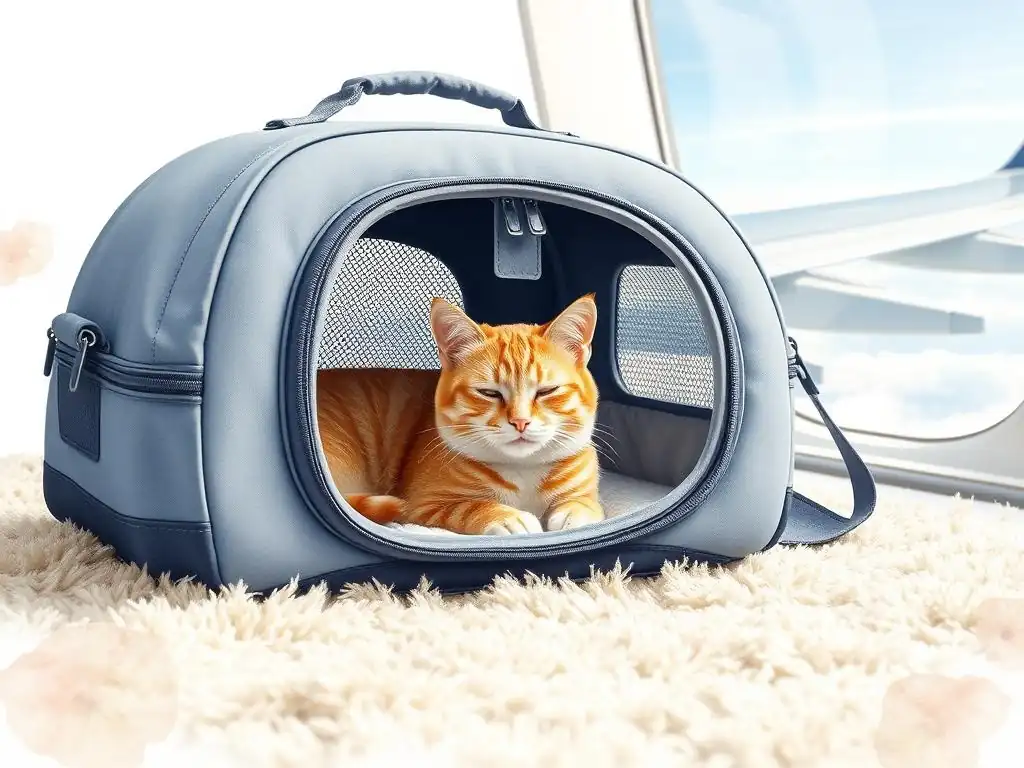
The Sleepypod Air consistently ranks among the best airline-approved cat carriers, lauded for its blend of luxury and robust safety features. Its design prioritizes both your cat's comfort and your peace of mind during travel. The carrier boasts a unique, plush interior crafted from breathable, high-quality materials. This soft lining provides a comforting space for your feline companion, minimizing stress during the journey. The Sleepypod Air is more than just a soft carrier; it's designed to absorb impact, offering superior protection in case of unexpected turbulence or baggage handling mishaps.
A key feature differentiating the Sleepypod Air is its versatility. It functions as both a soft-sided carrier for airline travel and a comfortable pet bed for home use. This dual functionality makes it a worthwhile investment, eliminating the need for separate carriers for travel and everyday use.
The carrier's clever design incorporates multiple ventilation points, ensuring adequate airflow to prevent overheating. This is crucial for maintaining your cat's comfort, especially during longer flights. Furthermore, the Sleepypod Air is designed to meet most airline size restrictions, although it’s essential to always check with your specific airline before travel to confirm compliance.
However, this superior quality and versatility come at a cost. The Sleepypod Air is a premium product, significantly more expensive than many other soft-sided carriers on the market. The price reflects the use of high-quality materials, the innovative design, and the carrier's dual functionality.
While the higher price point might be a deterrent for some, many pet owners consider the investment worthwhile for the added comfort, safety, and convenience it provides. The long-term value and peace of mind make it a strong contender for the title of "best airline approved cat carrier" for those prioritizing premium features. Consider carefully if the increased cost aligns with your budget and priorities.
SturdiBag Pet Carrier: Comfort and Ventilation – Review and Comparison
The SturdiBag Pet Carrier offers a compelling alternative to more expensive options, presenting a balance between affordability and functionality. It's designed with comfort and ventilation in mind, crucial factors for a stress-free travel experience for your cat. The carrier features a rigid frame providing structural support and protection, unlike purely soft-sided carriers. This added structure helps maintain the carrier's shape, even when subjected to the rigors of airline baggage handling. The durable construction also enhances the overall longevity of the product.
One of the SturdiBag's standout features is its excellent ventilation system. Multiple mesh panels on all sides promote airflow, preventing your cat from overheating during travel. This is especially important during warmer months or longer flights. The mesh is also designed to be durable and tear-resistant, ensuring the ventilation system remains effective throughout the carrier's lifespan. The interior of the SturdiBag is typically lined with soft, comfortable material, further enhancing your cat's travel experience. The carrier also usually includes features such as secure zippers and a padded shoulder strap for ease of carrying.
Compared to the Sleepypod Air, the SturdiBag generally sits at a lower price point. This makes it an attractive option for pet owners seeking a reliable and well-ventilated carrier without breaking the bank. However, it's crucial to note that while the SturdiBag offers good value for money, it may not match the luxury and impact-absorbing capabilities of higher-end carriers.
The choice between the SturdiBag and a more expensive option ultimately depends on your budget and the level of luxury and protection you prioritize for your cat. For budget-conscious pet owners who still want a safe and comfortable carrier, the SturdiBag is a strong contender for a "best airline approved cat carrier" title within its price range.
Choosing the Best Airline-Approved Cat Carrier for Your Feline Friend
This section focuses on selecting the ideal airline-approved cat carrier, ensuring both your feline friend's safety and comfort during air travel. Finding the best airline approved cat carrier requires careful consideration of several key factors. The right carrier can transform a stressful journey into a smoother experience for both you and your cat. Let's delve into the specifics.
Factors to Consider: Cat Size, Breed, and Temperament
The first step in choosing the perfect carrier is assessing your cat's individual needs. A carrier that's too small will be cramped and uncomfortable, potentially causing stress and anxiety during the flight. Conversely, a carrier that's too large can allow your cat to move around excessively, increasing the risk of injury.
Consider these factors:
- Cat Size and Weight: Measure your cat from nose to tail and weigh them to determine the appropriate carrier size. Airlines have specific size restrictions, so check their guidelines before purchasing. Always choose a carrier with enough space for your cat to stand up, turn around, and lie down comfortably.
- Breed: Certain cat breeds have unique needs. For example, larger breeds like Maine Coons will require a significantly larger carrier than smaller breeds like Siamese cats. Consider the breed's natural temperament and tendency towards anxiety when selecting a carrier type and size.
- Temperament: Is your cat generally calm and relaxed, or is it prone to anxiety? An anxious cat might benefit from a smaller, more secure carrier, while a calm cat might tolerate a slightly larger one. Observe your cat's behavior in different environments to gauge their comfort level in confined spaces. A trial run with the carrier before the trip is highly recommended.
Hard-Sided vs. Soft-Sided Carriers: Advantages and Disadvantages
The choice between a hard-sided and a soft-sided carrier significantly impacts your cat's safety and comfort during travel. Both options have their own set of advantages and disadvantages:
| Feature | Hard-Sided Carrier | Soft-Sided Carrier |
|---|---|---|
| Protection | Superior protection against impacts and crushing. | Less protection against impacts; prone to collapsing. |
| Stability | More stable and less likely to tip over. | Less stable; can easily be knocked over. |
| Ventilation | Usually better ventilation. | Ventilation can be less effective, depending on design. |
| Portability | Less portable; can be bulky and heavy. | More portable; lightweight and folds for easy storage. |
| Cost | Generally more expensive. | Generally less expensive. |
Choosing the right type depends on your cat's personality and the length of the flight. A hard-sided carrier offers superior protection, especially on longer flights, while a soft-sided carrier is more convenient for shorter trips. Consider your cat's anxiety levels; a hard-sided carrier might feel more secure to a nervous cat.
Essential Features: Ventilation, Security, and Comfort
Beyond size and type, certain features are crucial for a safe and comfortable journey. These features are essential for maintaining your cat's well-being throughout the flight:
- Ventilation: Adequate ventilation is paramount to prevent overheating and ensure fresh air circulation. Look for carriers with multiple mesh windows or vents, ideally on all sides. Poor ventilation can lead to stress and even health problems for your feline companion.
- Security: A secure latching system is vital to prevent escapes. Ensure the carrier's latches are strong, durable, and easy to use but difficult for your cat to open. Consider carriers with multiple locking mechanisms for added security.
- Comfort: Padding and cushioning are key to comfort. A comfortable carrier will reduce stress and anxiety. Look for carriers with soft bedding or the option to add your cat's favorite blanket for familiarity and comfort. Consider a carrier with a removable washable liner for easy cleaning. This is particularly important for longer trips.
Remember, selecting the best airline approved cat carrier is a crucial step in ensuring a safe and stress-free travel experience for your beloved feline friend. Prioritize your cat's individual needs and comfort to make the journey as pleasant as possible.
Budget Considerations: Balancing Quality and Affordability
Finding the best airline-approved cat carrier doesn't necessarily mean breaking the bank. While premium carriers offer advanced features and superior durability, several excellent options exist within a reasonable budget. The key is to prioritize essential features without sacrificing your feline friend's safety and comfort. Consider what aspects are non-negotiable for you and your cat. Is a hard-sided carrier crucial for maximum protection, or would a sturdy soft-sided option suffice? Do you need multiple compartments or extra ventilation? Answering these questions will help you determine where to allocate your budget.
Many reputable brands offer affordable yet reliable carriers. Look for sales and discounts, especially during off-peak travel seasons. Reading customer reviews can also be invaluable in identifying budget-friendly carriers that deliver on quality and performance. Don't be afraid to compare prices from different retailers; the same carrier can often be found at varying price points.
Remember that investing in a quality carrier, even a budget-friendly one, is a worthwhile investment in your cat's safety and well-being during travel. A damaged or inadequate carrier could lead to injury or escape, creating a stressful and potentially dangerous situation for both you and your pet. Therefore, carefully weighing your budget against essential features will help you find the perfect balance.
Prioritizing features like secure latches and adequate ventilation is more important than flashy aesthetics when selecting a budget-friendly option. Ultimately, the best airline-approved cat carrier for your budget will depend on your specific needs and priorities. Thorough research and comparison shopping will lead you to a safe, comfortable, and affordable choice for your feline companion.
Preparing Your Cat for Air Travel: Tips and Tricks for a Smooth Journey
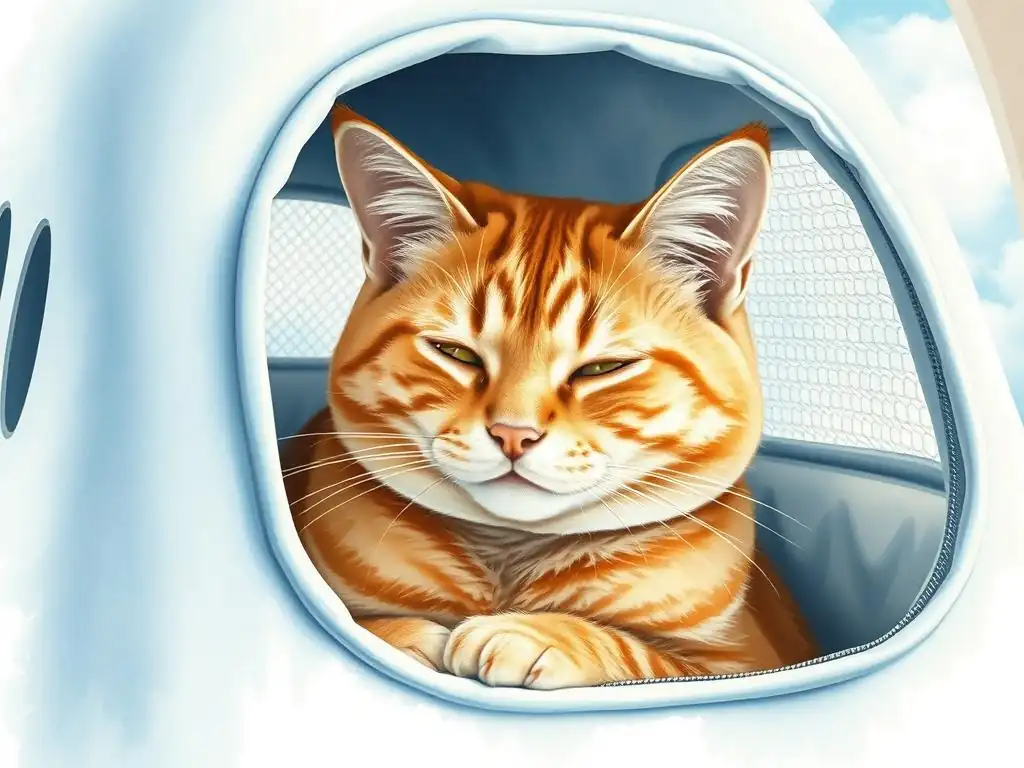
Preparing your feline friend for air travel requires careful planning and a gentle approach. The goal is to minimize stress for both you and your cat, ensuring a safe and comfortable journey. Finding the best airline approved cat carrier is only half the battle; acclimating your cat to the carrier and taking the right preventative measures are crucial for a successful trip. Remember, a stressed cat is more prone to illness and behavioral issues during travel.
Acclimating Your Cat to the Carrier: A Step-by-Step Guide
Introducing your cat to their travel carrier well in advance of the flight is paramount. Don't just pull it out the day before! A gradual introduction minimizes anxiety. Here's a step-by-step guide:
- Positive Associations: Place the carrier in a familiar area of your home, leaving the door open. Make it inviting by adding comfortable bedding, familiar toys, and perhaps a few treats. Let your cat explore it at their own pace.
- Mealtimes in the Carrier: After a few days, start feeding your cat meals inside the carrier. This creates a positive association with the space. Gradually increase the duration of mealtimes inside.
- Short Periods Inside: Once your cat is comfortable eating inside, start leaving them in the carrier for short periods, gradually increasing the time. Always ensure they have access to fresh water.
- Carrier as a Safe Space: The carrier should become a safe, comfortable haven. This is especially important if your cat is naturally anxious. Avoid forcing your cat into the carrier; let them enter willingly.
- Practice Runs: Before the actual travel day, practice putting your cat in the carrier and closing the door for short periods. Reward calm behavior with treats and praise. This will help them get used to the confinement.
Packing Essentials: Food, Water, Litter, and Medication
Packing the right essentials is crucial for your cat's well-being during the flight. Overlooking even a small detail can lead to significant discomfort. Here’s a checklist of what to pack:
- Food: Pack enough food for the entire journey, plus a little extra. Choose familiar, easily digestible food to avoid upset stomachs. Consider wet food for hydration.
- Water: Bring plenty of fresh water in a spill-proof container. Dehydration is a serious concern during air travel.
- Litter: Pack enough litter for the journey, along with a disposable litter tray or a travel-friendly litter box. Line the bottom of the carrier with absorbent material.
- Medication: If your cat takes any medication, pack enough for the duration of the trip, plus a few extra doses. Keep it in its original container with clear labeling.
- Other Essentials: Don't forget a small, soft towel for cleaning up spills and a familiar toy or blanket to provide comfort and security.
Travel Documents and Identification: What You Need to Know
Ensuring your cat has the necessary travel documents is non-negotiable. Different airlines and countries have varying requirements, so thorough research is essential. Failure to comply can result in delays or even prevent your cat from traveling. Here's what you should prepare:
- Health Certificate: Most airlines require an up-to-date health certificate from your veterinarian, issued within a specific timeframe before the flight. This certificate verifies your cat's health status and suitability for travel.
- Identification: Your cat should have clear identification, ideally a microchip and a collar with an identification tag containing your contact information.
- Airline-Specific Requirements: Carefully review the specific requirements of your chosen airline. These may include specific carrier dimensions, vaccination requirements, and other regulations. Confirming these details well in advance is crucial to avoid any last-minute surprises.
- Import/Export Permits: If traveling internationally, you may require import or export permits for your cat, depending on the destination country. These permits are often obtained well in advance of travel. This process can be complex, so start early!
Remember, thorough preparation is key to a stress-free journey for both you and your beloved feline companion. By following these steps, you'll significantly increase the chances of a smooth and enjoyable travel experience for your cat. Choosing the best airline approved cat carrier is an important step, but it’s only one piece of the puzzle. Prioritizing your cat’s comfort and well-being is paramount.
In-Flight Care: Keeping Your Cat Calm and Comfortable
Air travel can be stressful for cats, even with the best airline-approved carrier. To minimize your feline friend's anxiety and ensure a smoother journey, careful planning and preparation are key. Consider these crucial aspects of in-flight care to help your cat remain calm and comfortable throughout the flight.
One of the most effective strategies is familiarization. Before the flight, spend time with your cat in the carrier, making it a positive experience. Place familiar blankets or toys inside to create a sense of security and comfort. You can even feed your cat small treats inside the carrier to associate it with positive reinforcement. This pre-flight acclimation can significantly reduce stress during the actual journey. Remember, a calm cat is a safer cat, both for itself and for those around it.
During the flight itself, try to minimize disruptions. Avoid placing the carrier in overhead compartments, opting instead for placement under the seat in front of you, if allowed by the airline. This provides a more stable and less jarring environment for your cat. Keep the carrier upright to prevent spills and ensure your cat can maintain a comfortable posture.
Speak softly and reassuringly to your cat, offering gentle pets through the carrier if they seem receptive. Avoid loud noises or sudden movements near the carrier. The goal is to create a quiet, predictable environment that helps your cat feel safe and secure.
Providing access to water is crucial, especially on longer flights. Some airlines may offer water bowls for pets, but it's always best to have a backup plan. A small, spill-proof water bottle attached to the carrier can provide a readily available water source for your cat. Monitor your cat's water intake and ensure they're staying hydrated throughout the flight. Dehydration can exacerbate stress and discomfort, potentially leading to health problems. Remember to check airline regulations regarding the type and quantity of water allowed.
Finally, be prepared for potential mishaps. A small, absorbent pad placed inside the carrier can help manage any accidents. Having extra cleaning supplies on hand is also a good idea, particularly for longer flights. Remember, accidents can happen, and being prepared will help keep both you and your cat calm and comfortable throughout the journey. Planning for potential issues minimizes unexpected stress during an already stressful situation. A well-prepared pet owner can make all the difference in ensuring a smooth and comfortable flight for their feline companion.
Frequently Asked Questions (FAQs) about Airline Approved Cat Carriers
This section addresses common concerns pet owners have when flying with their feline companions. Choosing the right airline-approved cat carrier is crucial for a safe and stress-free journey for both you and your cat. Remember to always check directly with your airline for the most up-to-date policies, as regulations can change.
Can I bring my cat on a plane as carry-on luggage?
Many airlines permit cats to travel in the cabin as carry-on luggage, but this is not universally guaranteed. The ability to bring your cat as a carry-on often depends on several factors:
- Airline Policies: Each airline has its own specific rules regarding pet travel in the cabin. Some may have size restrictions on the carrier, weight limits for the cat and carrier combined, and may even have breed restrictions. Some budget airlines may not allow any pets in the cabin at all.
- Aircraft Size: Smaller aircraft may have limited space for carry-on pets, making it more likely that your cat will need to travel in cargo.
- Flight Availability: Even if your airline allows in-cabin pets, there might be a limited number of spaces available on each flight. Booking in advance is strongly recommended.
- Cat's Temperament: Airlines may require a temperament assessment for your cat to ensure it can handle the stress of air travel. A very timid or aggressive cat might be better suited to travel as checked baggage (although this is generally discouraged for cats).
Airlines often require your cat to remain in its carrier under the seat in front of you for the duration of the flight. This means your cat's carrier must fit comfortably under the seat. Measure the space carefully before you buy a carrier to avoid disappointment. Consider a soft-sided carrier for maximum space utilization.
What are the fees for bringing a pet on a plane?
Expect to pay fees for transporting your cat, regardless of whether it travels in the cabin or as cargo. These fees vary significantly depending on the airline, the route, and whether your cat is traveling as carry-on or checked baggage.
Here's a potential breakdown of what to expect:
| Factor | Potential Cost Range | Notes |
|---|---|---|
| Carry-on Fee | $50 - $200+ per flight | Can vary greatly depending on airline and route length. |
| Checked Baggage Fee | $100 - $500+ per flight | Significantly higher than carry-on fees; often dependent on weight. |
| Additional Charges | Variable | May include excess baggage fees if the carrier exceeds size/weight limits. |
It's crucial to contact your airline well in advance of your flight to get the exact pricing information. Don't assume the fees will be the same as what you've seen on other airlines or previous flights—prices are subject to change.
What if my cat gets stressed during the flight?
Air travel can be stressful for cats. To minimize stress, consider these strategies:
- Familiar Scents: Place a familiar item with your cat's scent (like a worn blanket or toy) in the carrier to provide comfort.
- Carrier Preparation: Ensure the carrier is spacious enough for your cat to stand, turn around, and lie down comfortably. A soft-sided carrier often allows for more space than a hard-sided one.
- Pre-Flight Vet Check: A pre-flight checkup by your veterinarian can help rule out any underlying health issues that could exacerbate stress during the flight. Your vet may also prescribe calming medication if needed.
- Travel Time: Try to book flights during less busy times, or at times when your cat is usually calmer.
- Post-Flight Care: Once you arrive, provide your cat with a quiet and safe space to decompress. Offer food and water, and monitor for signs of continued stress.
Remember, thorough planning is key to a smoother journey. By understanding airline regulations and taking steps to minimize stress, you can increase the likelihood of a positive travel experience for your beloved feline friend. ✈️
What happens if my cat's carrier is damaged during the flight?
Damage to your cat's carrier during air travel is, unfortunately, a possibility. Airlines generally have policies in place to address such situations. The first step is to immediately report the damage to airline personnel upon arrival at your destination. You'll need to file a claim with the airline's baggage services department, providing details of the damage, your flight information, and photographic evidence if possible. The airline's liability is typically governed by their terms and conditions, and the extent of compensation will depend on factors such as the severity of the damage, the airline's specific policies, and whether you purchased additional baggage insurance. In cases of severe damage rendering the carrier unusable, the airline may offer a replacement carrier or financial compensation to purchase a new one.
However, it's crucial to remember that proving negligence on the part of the airline can be challenging. Keep thorough records of all communication with the airline, including claim numbers and dates. If you're dissatisfied with the airline's response, you might need to escalate the matter through higher channels or consider consulting a legal professional. Remember, the safety and well-being of your cat is paramount. While a damaged carrier is unfortunate, prioritizing your cat's immediate needs and comfort should be your top priority.
This could involve seeking veterinary attention if your cat appears stressed or injured as a result of the incident. Purchasing a durable, high-quality carrier before your trip significantly reduces the likelihood of damage, offering better protection for your feline companion. Choosing a carrier made from robust materials and featuring reinforced corners and handles is a wise investment for peace of mind during air travel. Consider carriers with good reviews regarding their durability and ability to withstand the rigors of air transport. The best airline approved cat carrier is one that provides both security and resilience against potential damage.
Frequently Asked Questions
What makes a cat carrier "airline approved"?
Airline approval isn't a single certification. A carrier is considered acceptable if it meets the specific size and safety requirements of the airline you're flying with. Always check directly with your airline before your flight.
What size cat carrier should I choose for my cat?
The ideal size allows your cat to stand, turn around, and lie down comfortably. Consider your cat's breed and size, and always check airline size restrictions. A carrier that's too small is cruel and may be rejected.
Are hard-sided or soft-sided carriers better for air travel?
Both types have pros and cons. Hard-sided carriers offer more protection, but soft-sided ones are often lighter and easier to store. The best choice depends on your cat's personality and the airline's regulations.
What should I put inside the airline-approved cat carrier?
Pack food, water, a litter box (with absorbent liner), and a familiar blanket or toy to help your cat feel secure. Ensure adequate ventilation and consider a small, secure bowl for water.
Can I use any old carrier, as long as it fits the airline’s size restrictions?
No. While size is crucial, the carrier must also be in good condition, with no rips or tears, to ensure your cat's safety during the flight. A sturdy, well-ventilated carrier is essential for a stress-free journey.
Final Reflection: The Purrfect Journey: Ensuring Safe and Stress-Free Travel for Your Feline Friend
The ease and safety of transporting our beloved cats remain a crucial concern for pet owners, especially with the increasing popularity of pet travel. Finding the right airline-approved carrier is no longer a mere convenience; it's a vital step in ensuring a stress-free and safe journey for your furry companion. This impacts not only the cat's well-being but also the peace of mind of the owner.
The impact of responsible pet travel extends far beyond a single journey. It reflects a growing societal awareness of animal welfare and the importance of integrating our pets seamlessly into our lives. The bond with a pet is as powerful as any human relationship.
This quote speaks to the emotional investment we have in our cats, making safe and comfortable travel a non-negotiable aspect of responsible pet ownership. The research and information presented in this article aim to empower pet owners to make informed decisions, contributing to a more compassionate and considerate travel experience for all.
Consider the journey ahead, not just for your next vacation, but for all the future adventures you and your feline friend will share. Take the time to research and select the best airline-approved cat carrier that meets your cat's specific needs and your travel requirements. Remember, a well-chosen carrier is an investment in your cat's comfort and safety, ensuring that every journey together is a purrfect one. Choose wisely, travel responsibly, and cherish the memories made along the way.
Ready to Take Off? Plan Your Pet's Perfect Flight!
Thanks for exploring airline-approved cat carriers with us! You now have the knowledge to ensure your feline friend travels safely and comfortably. Ready to start planning your trip?
- Book your pet's flight today! Don't delay—secure your spot and begin your adventure.
- Check your airline's pet policies carefully to confirm all requirements and ensure a smooth process.
- Share your travel tips and experiences in the comments below—help other pet owners prepare for their journeys!
What's the most important item you'll pack for your cat's next flight, besides their carrier?