
Gut Loading for Carnivorous Reptiles: Boosting Your Pet's Nutritional Intake

Welcome to PetCareWorld, your ultimate guide to a happier, healthier life for your beloved pets! Are you ready to unlock the secret to thriving reptiles? Discover the crucial role of gut loading reptile feeder insects in ensuring your carnivorous companions receive the optimal nutrition they need to flourish. Dive in and explore our expert advice on maximizing your pet's well-being – it's more important than you think!
- Understanding the Importance of Gut Loading for Reptile Health
- Selecting the Right Feeder Insects for Gut Loading
- The Gut Loading Process: A Step-by-Step Guide
- Optimal Gut Loading Diets for Carnivorous Reptiles
- Advanced Gut Loading Techniques and Considerations
- Maintaining a Healthy Gut Loading Program for Long-Term Reptile Health
- Frequently Asked Questions
- Final Reflection: Nourishing the Ecosystem Within
- Unlock Your Reptile's Full Potential: Nourish & Thrive!
Understanding the Importance of Gut Loading for Reptile Health
Providing optimal nutrition for your carnivorous reptile is crucial for its overall health, growth, and longevity. A healthy diet directly impacts their immune system, bone development, and even their behavior. While simply providing feeder insects might seem sufficient, the nutritional value of those insects significantly impacts your reptile's well-being.
This is where gut loading comes into play. Gut loading is the process of feeding feeder insects a highly nutritious diet before offering them to your reptile. This practice dramatically increases the nutritional value of the insect, ensuring your reptile receives the vital nutrients it needs to thrive.
This article will delve into the critical aspects of gut loading, highlighting its importance and providing practical guidance on how to effectively implement this essential feeding strategy for your carnivorous reptile, specifically focusing on optimizing the nutritional value delivered through "gut loading reptile feeder insects". We'll explore the consequences of nutrient deficiencies and the direct link between properly gut-loaded insects and a healthy, vibrant reptile.
Why Gut Loading Matters: Enhancing Nutritional Value of Feeder Insects
Many commercially available feeder insects, such as crickets, roaches, and mealworms, often lack the essential nutrients necessary for optimal reptile health. Their diet in mass-production facilities is often limited, resulting in insects that are nutritionally deficient. Gut loading addresses this deficiency by providing the insects with a diet rich in vitamins, minerals, and other essential nutrients before they are fed to your reptile. This process effectively "boosts" the nutritional value of the insect, acting as a crucial bridge between commercially-sourced insects and the complex nutritional needs of your reptile.
Think of it like this: you wouldn't feed your child only processed foods; similarly, you shouldn't solely rely on commercially-raised insects for your reptile's diet. Gut loading allows you to supplement and significantly improve the nutritional profile of these insects. The benefits are substantial, leading to improved growth rates, stronger immune systems, and a healthier overall condition in your reptile.
Nutrient Deficiencies in Reptiles: Recognizing the Symptoms and Causes
Nutrient deficiencies in reptiles can manifest in various ways, often subtle at first, making early detection crucial. Symptoms can include slow growth, lethargy, weakened immune response making them more susceptible to illness, skeletal deformities (like Metabolic Bone Disease or MBD), and poor shedding. These deficiencies often stem from inadequate nutrition provided through their diet, especially if feeder insects are not properly gut loaded.
Other causes include improper lighting (affecting calcium absorption), inadequate environmental temperatures, and underlying health conditions. Recognizing the symptoms early and addressing the underlying cause, often through improved gut loading practices and a well-rounded diet, is vital for preventing serious health complications and ensuring the well-being of your reptile. Early intervention is key to reversing the effects of nutrient deficiencies and promoting your reptile's health.
The Link Between Feeder Insect Nutrition and Reptile Health
The health of your reptile is inextricably linked to the nutritional quality of its diet, and that diet is heavily influenced by the nutritional content of its feeder insects. A reptile consuming consistently gut-loaded insects will exhibit improved growth, stronger bones, better shedding, and a robust immune system. Conversely, a reptile fed consistently nutritionally deficient insects will be more prone to illness, exhibit slower growth, and may develop skeletal deformities or other health problems.
This underscores the critical importance of gut loading as a foundational aspect of responsible reptile care. It's not merely a supplemental practice; it's a fundamental aspect of ensuring your reptile receives the complete and balanced nutrition it requires for a long and healthy life. Investing time and effort in gut loading your feeder insects is an investment in the health and well-being of your beloved reptile.
Selecting the Right Feeder Insects for Gut Loading
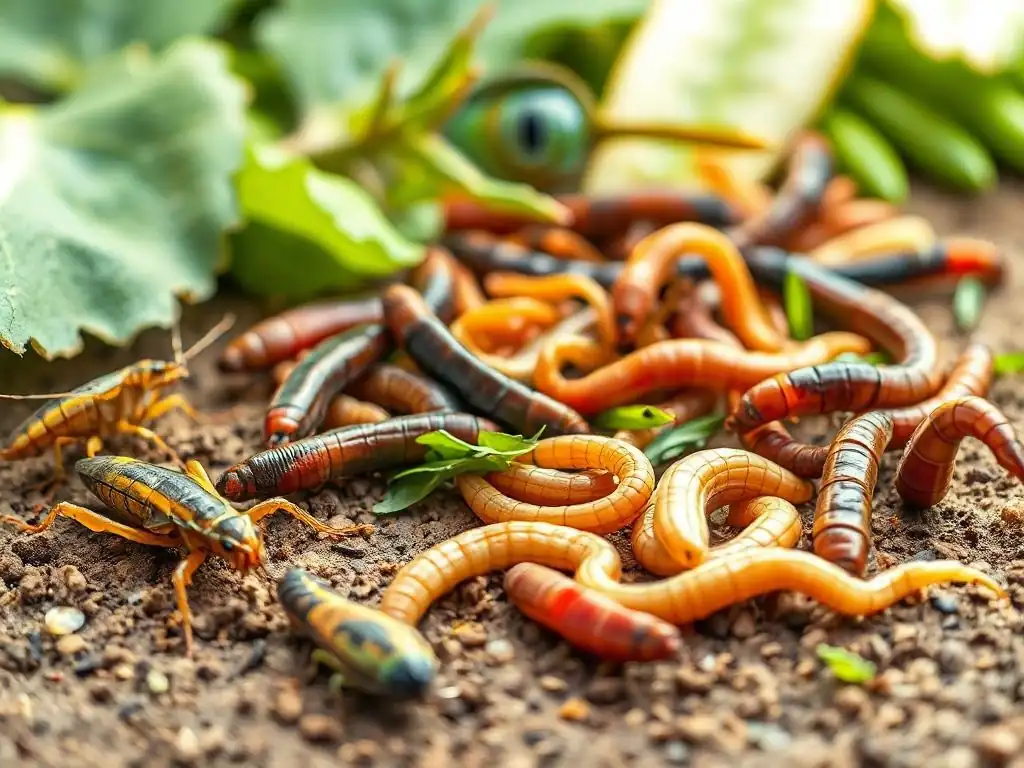
Gut loading reptile feeder insects is crucial for providing your carnivorous reptile with a balanced and nutritious diet. The success of gut loading hinges heavily on the quality and type of insect you choose. Different insects offer varying nutritional profiles, and selecting the right ones is the first step towards ensuring your reptile thrives. This section focuses on choosing the optimal feeder insects for gut loading, considering factors like nutritional value and ease of gut loading.
Choosing High-Quality Feeder Insects: Crickets, Dubia Roaches, and More
The most common feeder insects for gut loading include crickets, dubia roaches, and mealworms. However, the nutritional content varies significantly between species and even within the same species depending on their diet and rearing conditions. Choosing high-quality insects is paramount.
Crickets, while readily available, often lack certain nutrients unless gut-loaded properly. Their exoskeletons can also be a source of impaction if fed in excessive amounts. Therefore, selecting larger crickets (for larger reptiles) and ensuring they are fed a nutrient-rich diet is essential.
Dubia roaches are increasingly popular due to their high nutritional value and ease of handling. They possess a better calcium-to-phosphorus ratio compared to crickets and are generally less likely to escape. However, they require a slightly more controlled environment to thrive.
Mealworms, while convenient, are relatively lower in calcium and higher in fat compared to crickets and roaches. They should be offered sparingly and primarily as a supplementary food source, not the main staple.
Consider the following when selecting your insects:
- Nutritional Profile: Look for insects raised on a diet rich in vitamins, minerals, and essential nutrients. Avoid insects raised on low-quality diets, which can lead to deficiencies in your reptile.
- Size: Choose insects appropriately sized for your reptile. Too large an insect can be difficult to digest, while too small may not provide sufficient nutrition.
- Source: Always obtain your feeder insects from reputable breeders or suppliers who prioritize insect health and hygiene.
Example Nutritional Comparison (per 100g):
This is a simplified comparison and actual values can vary greatly.
| Insect Type | Protein (g) | Fat (g) | Calcium (mg) | Phosphorus (mg) |
|---|---|---|---|---|
| Crickets | 60-70 | 10-15 | 50-100 | 30-60 |
| Dubia Roaches | 65-75 | 8-12 | 100-150 | 40-80 |
| Mealworms | 50-60 | 20-30 | 30-50 | 20-40 |
Assessing Insect Size and Species Appropriateness for Your Reptile
The size and species of the feeder insect should always be carefully considered in relation to the size and species of your reptile. Feeding an insect that is too large can lead to regurgitation, impaction, or even injury to your reptile. Conversely, feeding insects that are too small may not provide sufficient nutrition to support your reptile's growth and overall health.
For example, a small hatchling leopard gecko would require tiny crickets or pinhead crickets, while a larger adult may consume larger crickets or even dubia roaches. Similarly, a large monitor lizard would require substantially larger insects, potentially including larger roaches or even appropriately-sized mice.
Always research the specific dietary needs of your reptile species. Consult reputable sources such as veterinary herpetologists or experienced reptile keepers to determine the appropriate size and type of feeder insect for your pet's age, size, and species. Incorrect feeding practices can have serious and potentially fatal consequences. Remember, a balanced gut-loaded insect is a cornerstone of a healthy reptile.
Sourcing Feeder Insects: Reputable Suppliers and Safe Handling Practices
Sourcing your feeder insects from reputable suppliers is critical for ensuring the health and well-being of your reptile. Insects obtained from unreliable sources may carry parasites, diseases, or be treated with harmful pesticides. This can have detrimental effects on your reptile's health, leading to illness or even death.
When choosing a supplier, consider the following:
- Reputation: Look for suppliers with a strong reputation for providing healthy, high-quality insects. Read reviews and testimonials from other reptile keepers.
- Hygiene: Ensure that the supplier maintains strict hygiene standards in their insect-rearing facilities. This helps minimize the risk of parasite or disease transmission.
- Feeding Practices: Inquire about the insects' diet. Reputable suppliers will provide information about the nutrition provided to their insects.
- Safe Handling: Always follow safe handling practices when receiving and handling feeder insects. Avoid direct contact with your reptile's food source.
Proper handling is crucial to prevent the spread of disease and parasites. Avoid cross-contamination by using separate containers and tools for handling insects. Regularly cleaning and disinfecting your insect containers is also essential. Always wash your hands thoroughly after handling feeder insects. 🐛 Prioritizing these steps will contribute significantly to the overall health and wellbeing of your reptile.
The Gut Loading Process: A Step-by-Step Guide
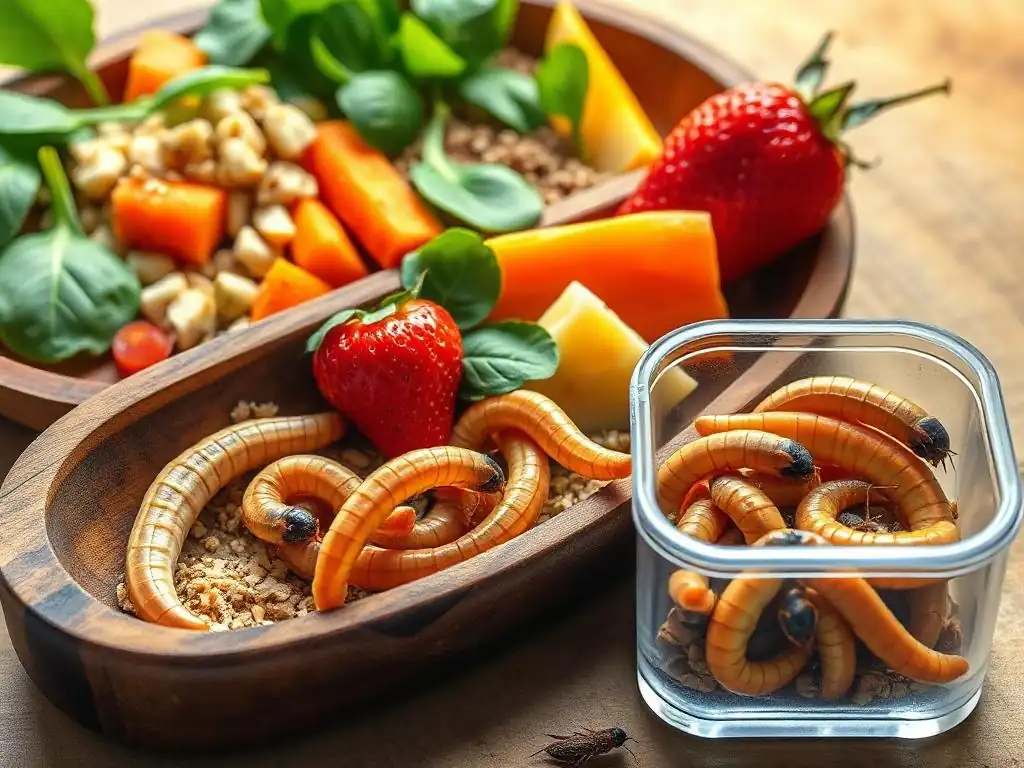
Gut loading reptile feeder insects is a crucial aspect of responsible carnivorous reptile care. It ensures your reptile receives the optimal nutrition it needs to thrive. This process involves feeding insects a highly nutritious diet for a specific period before offering them to your reptile.
The goal is to significantly increase the nutritional value of the insect, thereby improving your reptile's overall health and well-being. Proper gut loading is not merely about feeding insects; it's about strategically enhancing their nutritional profile to benefit your pet. This section provides a detailed, step-by-step guide to effectively gut load your reptile's food source.
Preparing the Gut Loading Diet: Nutrient-Rich Food Sources
The success of gut loading hinges on providing insects with a diet rich in essential vitamins, minerals, and proteins. Avoid using generic, low-quality food sources. Instead, focus on high-quality ingredients that will translate to a healthier meal for your reptile.
Here's a breakdown of excellent food choices for various insects:
- Crickets: A staple for many reptile keepers, crickets thrive on a diet of high-quality cricket feed, supplemented with fresh vegetables like carrots, sweet potatoes, and leafy greens (e.g., kale, collard greens). Adding a small amount of high-quality protein powder (specifically formulated for insects) can further enhance nutritional value. Ensure fresh water is always available.
- Dubia Roaches: Known for their nutritional density, Dubia roaches benefit from a diet of high-quality roach chow, supplemented with fruits (e.g., apples, bananas) and vegetables. They are less prone to escaping than crickets, making them a popular choice.
- Mealworms: While mealworms are a common feeder insect, they are lower in nutritional value compared to crickets or roaches. Therefore, gut loading them requires extra attention. Feed them a diet of bran, oats, and fresh vegetables, supplemented with a calcium and vitamin powder specifically designed for insects. Remember to avoid feeding them exclusively on wheat bran, as it lacks essential nutrients.
Table 1: Gut Loading Diet Comparison
| Insect Type | Primary Food Source | Supplemental Foods | Important Considerations |
|---|---|---|---|
| Crickets | High-quality cricket feed | Carrots, sweet potatoes, leafy greens | Ensure constant access to fresh water. |
| Dubia Roaches | High-quality roach chow | Fruits (apples, bananas), vegetables | Less prone to escape than crickets. |
| Mealworms | Bran, oats, fresh vegetables | Calcium and vitamin powder | Lower in nutritional value; requires careful attention. |
The key to a successful gut loading diet is variety. A diverse diet ensures that the insects receive a broader spectrum of nutrients, maximizing the nutritional benefits for your reptile. Remember to always research the specific dietary needs of the insect species you're using.
The Gut Loading Process: Timing and Duration for Optimal Results
The duration of the gut loading process depends on several factors, including the type of insect, its size, and the overall health of your reptile. A general guideline is to gut load insects for 24-48 hours before feeding them to your reptile. However, for larger insects or reptiles with specific dietary needs, a longer gut loading period (up to 72 hours) might be beneficial.
Consider these important factors when determining the gut loading duration:
- Insect Size: Larger insects require longer gut loading periods to fully absorb nutrients.
- Reptile Species: Different reptile species have different nutritional requirements, impacting the necessary gut loading duration. Research your reptile's specific needs.
- Insect Health: Only gut load healthy, active insects. Discard any insects exhibiting signs of illness or injury.
Implementing a consistent gut loading schedule is essential. This ensures that your reptile consistently receives a highly nutritious meal. Consider using a dedicated container for gut loading, separate from the container where you house your feeder insects. This prevents accidental contamination and maintains optimal hygiene.
Monitoring Insect Feeding Behavior and Health During Gut Loading
Regularly monitoring the feeding behavior and health of your gut-loaded insects is crucial. This ensures the process is effective and that the insects remain healthy. Observe the insects closely for signs of illness or stress, such as lethargy, loss of appetite, or abnormal droppings. Remove any unhealthy insects from the gut loading container to avoid spreading potential disease.
Here's what to look for during the gut loading process:
- Appetite: Healthy insects should exhibit a strong appetite for the provided food sources. A decrease in appetite could indicate illness or stress.
- Activity Level: Active insects are generally healthy. Lethargy could be a warning sign.
- Droppings: Examine the insects' droppings. Healthy droppings should be firm and consistent in appearance. Abnormal droppings (e.g., watery, bloody) could indicate a health problem.
By diligently monitoring the insects, you can ensure the effectiveness of the gut loading process and maintain the health of your reptile's food source. Remember, healthy insects translate to a healthier reptile. A proactive approach to insect health is an investment in your reptile's well-being.
Optimal Gut Loading Diets for Carnivorous Reptiles
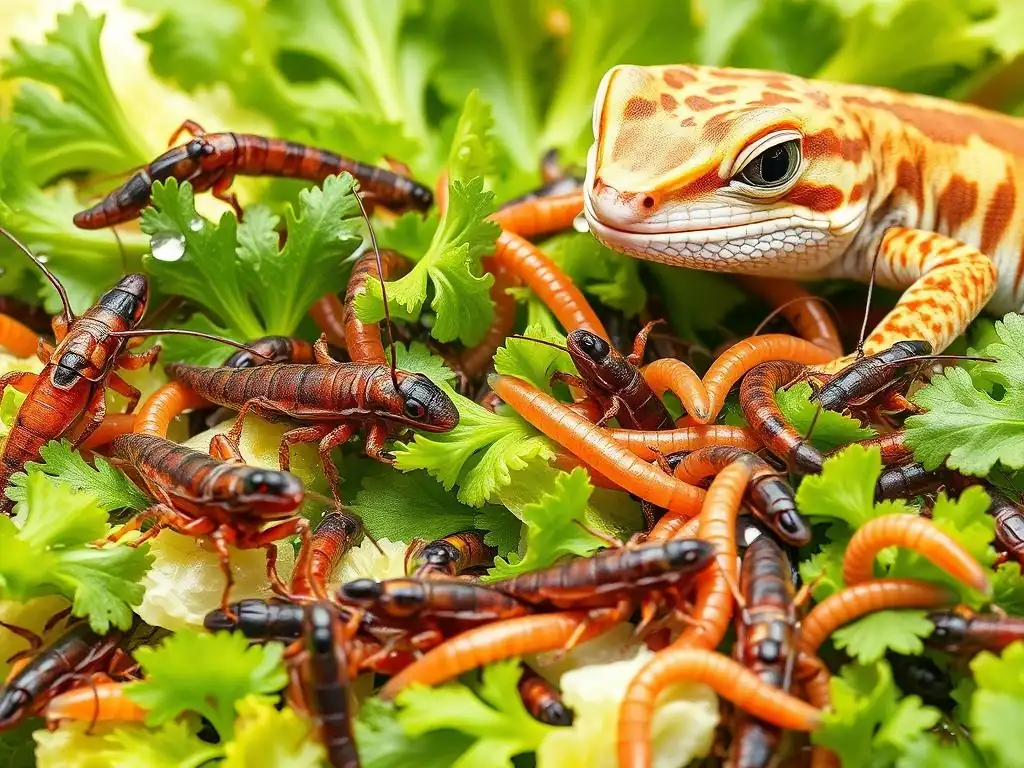
Providing your carnivorous reptile with a nutritionally rich diet is crucial for its health and longevity. Gut loading feeder insects is a key component of this process, ensuring your reptile receives the maximum nutritional benefit from its prey. The effectiveness of gut loading hinges on providing the insects with a diet that's rich in the nutrients your reptile needs. This isn't just about feeding them anything; it's about strategically selecting foods that will translate into a more robust and healthier meal for your pet.
The goal is to maximize the nutritional value transferred from the insect to the reptile, improving digestion, immune function, and overall well-being. This section will delve into the specifics of creating optimal gut loading diets. Remember, the quality of your gut loading directly impacts the health of your reptile.
Gut Loading for Baby Reptiles: Specialized Nutritional Requirements
Baby reptiles have exceptionally high nutritional requirements due to their rapid growth. Their developing bodies need a concentrated source of essential vitamins, minerals, and proteins to support healthy skeletal development, organ function, and immune system maturation. Therefore, gut loading for juvenile reptiles demands a more intense and specialized approach than that for adults. Consider supplementing the insects' diet with high-quality, finely ground commercial reptile food mixes, formulated specifically for young reptiles.
These mixes often contain calcium, phosphorus, and vitamin D3 in optimal ratios for bone growth. Furthermore, finely chopped fruits and vegetables like finely grated carrots and squash can add essential vitamins and fiber. The key is to offer a variety of nutrient-dense options to ensure a balanced diet for the insects, thus maximizing nutritional transfer to your young reptile.
Avoid feeding insects anything that may be toxic to your reptile, such as certain plants or spoiled food. Regularly monitor your baby reptile's growth and adjust the gut loading regimen as needed, consulting with a veterinarian specializing in reptiles for personalized advice. The success of gut loading for baby reptiles directly correlates with their overall health and growth rate.
Gut Loading for Adult Reptiles: Maintaining Peak Nutritional Levels
While adult reptiles don't require the same rapid growth-focused nutrition as juveniles, maintaining peak nutritional levels remains critical for their overall health, immune function, and reproductive success. Gut loading for adults should focus on providing a diverse diet for the feeder insects, ensuring a balanced intake of proteins, fats, vitamins, and minerals. A good gut-loading diet for adult insects might include high-quality commercial reptile food, supplemented with nutritious vegetables like collard greens, mustard greens, and dandelion greens. These greens are excellent sources of vitamins A, C, and K, as well as fiber.
Adding small amounts of high-quality protein sources, like finely ground meat or fish, can further enhance the nutritional profile. However, it's crucial to avoid overfeeding the insects, as this can lead to obesity and other health problems. The goal is to provide a balanced and nutrient-rich diet that promotes healthy digestion and nutrient absorption in your adult reptile.
Regularly observe your reptile for signs of nutritional deficiencies, such as lethargy, poor shedding, or bone deformities. These symptoms may indicate the need to adjust your gut loading strategy. Remember, consistent and appropriate gut loading is a cornerstone of responsible reptile ownership.
Supplementing Gut Loaded Insects: Essential Vitamins and Minerals
Even the most carefully planned gut loading diet might not provide all the necessary vitamins and minerals for your reptile. Therefore, supplementing gut-loaded insects is often recommended, particularly for young or breeding reptiles. Commercial supplements specifically formulated for reptiles are readily available and provide a convenient way to ensure your reptile receives a complete range of essential nutrients. These supplements typically contain a balanced blend of calcium, phosphorus, vitamin D3, vitamin A, and other essential vitamins and minerals.
However, it's crucial to follow the manufacturer's instructions carefully, as over-supplementation can be just as harmful as under-supplementation. Remember, moderation is key. You should always dust your gut-loaded insects with a reptile-specific vitamin and mineral supplement before feeding them to your reptile. This ensures that your reptile receives a concentrated dose of essential nutrients with each feeding.
Observing your reptile's behavior and physical condition is crucial in determining if your supplementation strategy is effective. Consult with a reptile veterinarian to determine the appropriate supplementation schedule and dosage for your specific reptile species and age. They can help you create a customized plan to ensure optimal nutritional health for your pet. Don't hesitate to seek professional guidance – it's a crucial step in responsible reptile care.
Advanced Gut Loading Techniques and Considerations
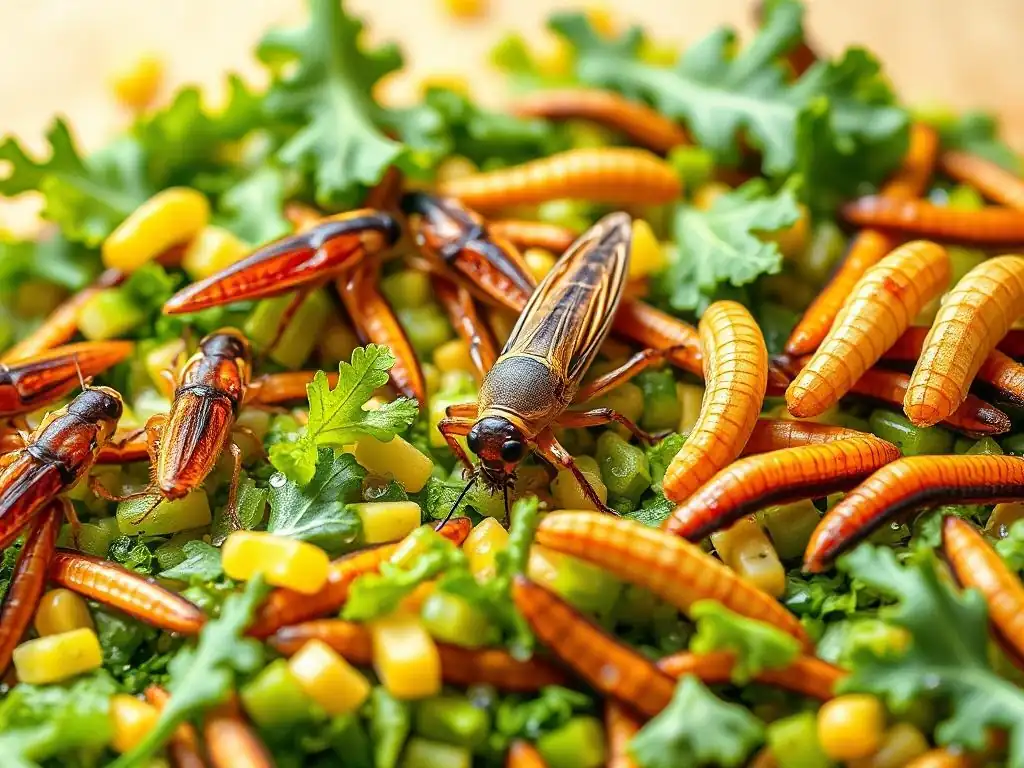
Gut loading reptile feeder insects is a crucial aspect of responsible carnivorous reptile care. While the basics involve feeding insects nutritious food before offering them to your reptile, mastering advanced techniques significantly enhances your pet's health and well-being. This section delves into sophisticated strategies and considerations for optimal gut loading. Effective gut loading goes beyond simply providing food; it's about maximizing the nutritional value transferred to your reptile.
Utilizing Different Gut Loading Foods: Variety for Balanced Nutrition
Providing a varied diet to your feeder insects is paramount for maximizing the nutritional profile they offer your reptile. Monotonous diets for insects can lead to deficiencies in the insects themselves, ultimately impacting your reptile's health. Consider incorporating a range of high-quality foods, aiming for a balanced mix of proteins, fats, and carbohydrates.
Here's a sample gut loading food schedule you can adapt based on the specific needs of your feeder insects (e.g., crickets, dubia roaches, mealworms):
| Day | Morning Meal | Afternoon Meal | Notes |
|---|---|---|---|
| 1 | High-quality commercial cricket food | Finely chopped carrots and zucchini | Ensure food is fresh and readily available. |
| 2 | Repashy Bug Burger | Sweet potato, finely grated | Offer a variety of vegetables for diverse nutrient intake. |
| 3 | Oatmeal (plain, cooked) | Spinach, finely chopped | Oatmeal provides carbohydrates for energy. |
| 4 | Commercial roach food | Collard greens | Adjust food types based on the insect species you are gut loading. |
| 5 | High-protein dog food (small amount) | A mix of finely chopped fruits and vegetables (apples, berries, etc.) | Small amounts of high-quality dog food can boost protein levels. |
Remember to always provide fresh water for your feeder insects. The availability of clean water is as crucial as the food provided for optimal gut loading. Dehydrated insects won't transfer optimal nutrition. Observe your insects closely; healthy, active insects are more likely to effectively transfer nutrients.
Recognizing Signs of Improper Gut Loading: Troubleshooting and Corrections
Identifying signs of inadequate gut loading is critical for promptly correcting any deficiencies. While subtle at first, these signs can significantly impact your reptile's long-term health. Watch for these warning signs in your reptile:
- Lethargy and lack of appetite: This could indicate a nutritional deficiency stemming from poorly gut-loaded insects.
- Slow growth or weight loss: Insufficient nutrients can hamper growth and lead to weight loss, particularly in young reptiles.
- Shedding problems: Nutritional deficiencies can interfere with the shedding process, leading to retained scutes or other skin issues.
- Weakened immune system: Poor nutrition makes reptiles more susceptible to infections and diseases.
- Metabolic bone disease (MBD): In severe cases, persistent nutritional deficiencies can lead to MBD, a debilitating condition.
If you notice any of these symptoms, immediately review your gut loading practices. Consider increasing the variety and nutritional quality of feeder insect food. Consult a veterinarian specializing in reptiles to rule out other potential causes and to develop a tailored nutritional plan for your reptile. Don't hesitate to seek professional advice; early intervention is crucial for successful treatment.
Long-Term Gut Loading Strategies for Maintaining Reptile Health
Maintaining a consistent and effective gut loading regimen is key to ensuring your reptile's long-term health and vitality. It's not a one-time fix but rather an ongoing commitment to providing optimal nutrition. Think of it as a continuous process of improvement and refinement.
Here are some long-term strategies to consider:
- Regularly rotate gut loading foods: Avoid feeding insects the same food repeatedly. Variety ensures a wider range of nutrients are available.
- Supplement feeder insects: Consider using high-quality reptile-specific supplements to further enhance the nutritional value of the insects.
- Monitor insect health: Ensure your feeder insects are healthy and active. Discard any that appear sick or lethargic.
- Keep detailed records: Maintain a log of your gut loading schedule, including the types of food used and any observations about your reptile's health. This data will be invaluable for identifying trends and making adjustments as needed.
- Consult with a herpetologist: Regular consultations with a reptile specialist can provide valuable guidance and support, ensuring you're using the best practices for your specific reptile species. They can offer tailored advice based on your reptile's individual needs and dietary requirements.
By implementing these long-term strategies, you'll not only be providing your carnivorous reptile with optimal nutrition but also contributing to its overall well-being and longevity. Remember, consistent effort in gut loading translates directly into a healthier and happier reptile. The seemingly small act of gut loading has a significant impact on the overall health of your pet.
Maintaining a Healthy Gut Loading Program for Long-Term Reptile Health
Maintaining a robust gut loading program is crucial for the long-term health and vitality of your carnivorous reptile. It's not just about feeding your feeder insects; it's about creating a sustainable system that ensures your reptile receives optimal nutrition. Neglecting this aspect can lead to nutritional deficiencies, impacting growth, immunity, and overall well-being. Think of gut loading as a foundational pillar of responsible reptile care. A well-structured program minimizes the risk of health problems and maximizes your pet's life expectancy. The benefits are significant, translating directly into a happier, healthier reptile.
Creating a Sustainable Gut Loading System: Time Management and Efficiency
Efficient gut loading requires careful planning and organization. Many keepers find that dedicating a specific area for insect rearing and gut loading simplifies the process. This might involve a dedicated shelf in a cool, dark area away from direct sunlight. Consider using clear plastic containers with ventilation for easy monitoring.
A schedule is key. Plan your insect purchases and gut loading schedule to avoid last-minute rushes. For example, if you feed your reptile twice a week, you'll need to schedule gut loading accordingly, ensuring a constant supply of nutrient-rich insects. This might involve staggered gut loading cycles for different insect batches.
Time management can be optimized using different feeding strategies. For instance, instead of individually gut loading dozens of insects, consider using bulk feeding methods for certain insects like crickets or mealworms. This can significantly reduce the time commitment without sacrificing nutritional value. Remember, consistency is key to success in gut loading.
Monitoring Your Reptile's Health and Adjusting Gut Loading as Needed
Regular monitoring of your reptile's health is paramount to ensure your gut loading strategy is effective. Observe your reptile's behavior, weight, and fecal matter. A healthy reptile will exhibit normal activity levels, maintain a healthy weight, and produce firm, well-formed feces. Changes in these areas could signal a need for adjustments to your gut loading program.
For instance, if your reptile is losing weight despite consistent feeding, it could indicate a deficiency in the gut-loaded insects. This might require switching to a higher-quality diet for your feeder insects or increasing the frequency of gut loading. Similarly, changes in fecal consistency can be indicative of problems. Loose or watery stools could suggest a problem with the gut loading program or an underlying health issue requiring veterinary attention.
Document your observations, including your reptile's weight, feeding schedule, and any changes you make to the gut loading process. This creates a valuable record for monitoring your reptile's health and improving your gut loading strategy. Consider using a spreadsheet or a dedicated reptile care journal to track this information effectively.
Several issues can arise from improper gut loading practices. One common problem is using low-quality feeder insects. These insects may lack essential nutrients, leading to deficiencies in your reptile. Always choose high-quality, ethically sourced insects from reputable suppliers. Another issue is inconsistent gut loading. Intermittent or irregular gut loading can result in inconsistent nutrient intake for your reptile, impacting its health.
Furthermore, improper storage of gut-loaded insects can lead to spoilage and the growth of harmful bacteria. Keep gut-loaded insects in a cool, well-ventilated container and replace them regularly. Never use insects that are dead, dying, or show signs of disease. Finally, neglecting to diversify the diet of your feeder insects can lead to nutritional imbalances in your reptile.
Aim to provide a varied diet for your insects, including high-quality vegetables, fruits, and commercial gut-load supplements. Remember, a healthy reptile is a happy reptile, and a well-planned gut loading program is a cornerstone of responsible reptile ownership. By diligently following these guidelines and remaining vigilant, you contribute significantly to your reptile's overall well-being and longevity.
Frequently Asked Questions
What is gut loading?
Gut loading is the process of feeding feeder insects a nutritious diet before feeding them to your carnivorous reptile. This ensures your reptile receives a higher nutritional value from its prey. It's crucial for a healthy reptile.
Why is gut loading important for my reptile?
Gut loading significantly improves the nutritional content of feeder insects, providing your reptile with essential vitamins, minerals, and other nutrients vital for growth, health, and immunity. A poorly nourished insect means a poorly nourished reptile.
What should I feed my feeder insects?
Offer a varied diet including high-quality commercial gut-load mixes, fresh vegetables (like carrots and squash), and fruits. Avoid anything moldy or rotting. Variety is key for optimal nutrition.
How long should I gut load my feeder insects?
The ideal gut-loading period is 24-48 hours. This allows the insects to sufficiently absorb the nutrients before feeding to your reptile. Shorter periods might not provide significant nutritional benefits.
Are there specific diets for different feeder insects?
Yes, different insects have different dietary needs. Research the specific requirements for your chosen feeder insect (e.g., crickets, roaches, mealworms) to ensure optimal gut loading. This will vary depending on the insect species.
Final Reflection: Nourishing the Ecosystem Within
The health of our carnivorous reptile companions hinges directly on the nutritional quality of their food, and this begins long before the insect reaches their enclosure. A seemingly small detail—gut loading—holds the key to unlocking vibrant health and longevity for these fascinating creatures. Ignoring this crucial step is akin to neglecting a vital link in a delicate chain, ultimately compromising the well-being of our scaly friends.
The practice of gut loading has profoundly impacted the way we care for carnivorous reptiles, shifting the focus from simply providing food to actively cultivating a thriving ecosystem within the enclosure. This holistic approach recognizes the interconnectedness of all elements within the reptile's environment. The best way to understand the universe is to change it.
While not directly about gut loading, this quote from physicist and Nobel laureate Leon Lederman highlights the transformative power of understanding and actively improving a system, in this case, our reptile's nutritional intake. This active participation in their well-being fosters a deeper connection and responsibility towards our pets.
You now possess the knowledge to elevate your reptile's care to a new level. Consider the implications of gut loading: not just a feeding technique, but a commitment to providing optimal nutrition, ensuring vibrant health, and fostering a longer, happier life for your reptile. Take the time to implement these practices, observe the results, and continue learning. Your reptile will thank you for it.
Unlock Your Reptile's Full Potential: Nourish & Thrive!
Thanks for exploring the world of gut loading with us! You've learned how to significantly improve your carnivorous reptile's nutrition and overall health. Ready to put this knowledge into practice?
Here's how you can make a real difference:
- Prioritize nutrient-rich gut loading: Begin by implementing the best practices from this article, focusing on insects your reptile enjoys most. Even a small dietary change can yield significant improvements!
- Experiment with diverse gut-loading diets: Gradually introduce nutritious insects such as dubia roaches or phoenix worms to your reptile's diet. Observe their response and adjust their feeding plan accordingly.
- Share your success! Join our PetCareWorld community and share your reptile's progress with gut loading. Inspire others to optimize their pet's nutrition!
What exciting changes will you make to your reptile's feeding schedule to ensure they receive optimal nutrition?