
Creating a Natural Feeding Environment for Your Carnivorous Reptile

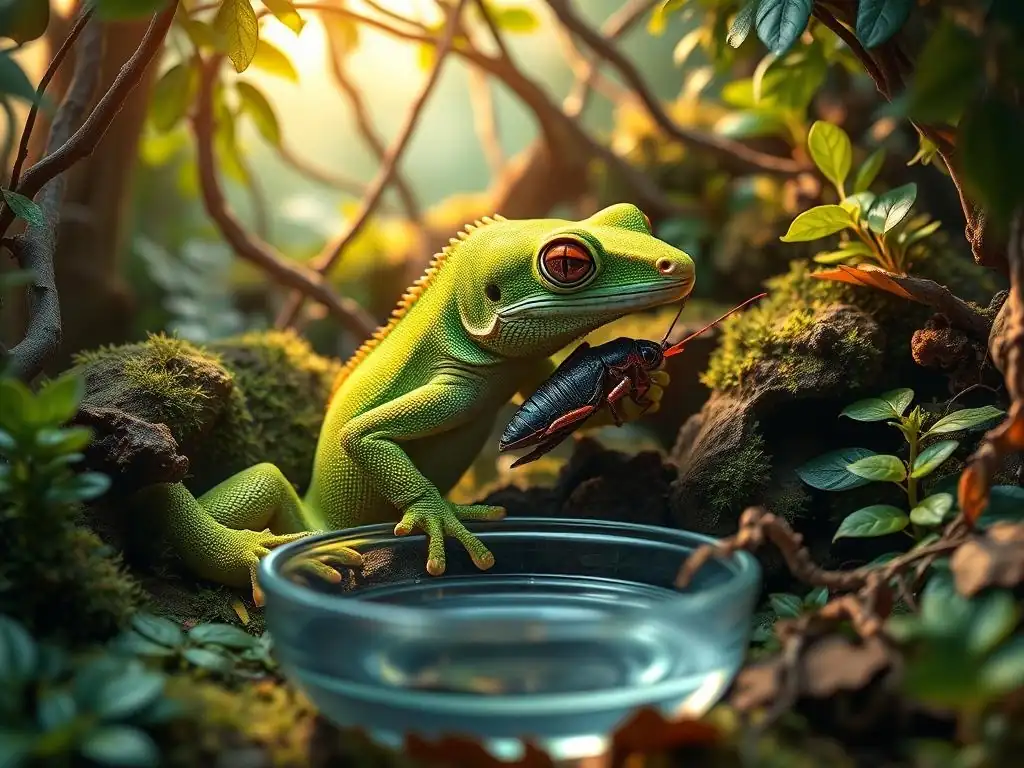
Welcome to PetCareWorld, your ultimate guide to a happier, healthier life for your beloved companion! Are you ready to unlock the secrets to a thriving reptile? Discover how creating a natural feeding environment can significantly impact your carnivorous reptile's well-being and even their lifespan. Dive into our expert guide on "Creating a Natural Feeding Environment for Your Carnivorous Reptile" and learn techniques that will transform mealtimes for your scaly friend. Let's explore together!
- Understanding Your Carnivorous Reptile's Dietary Needs
- Designing a Natural Feeding Environment
- Enhancing the Feeding Experience
- Monitoring Feeding Success and Reptile Health
- Maintaining a Clean and Sanitary Feeding Area
- Advanced Techniques for a Stimulating Feeding Environment
- Addressing Common Challenges in Reptile Feeding
-
Frequently Asked Questions
- What is a "natural feeding environment" for a carnivorous reptile?
- Why is a natural feeding environment important for my reptile?
- How can I create a natural feeding environment for my reptile?
- What types of prey are suitable for creating a natural feeding environment?
- Are there any safety concerns when creating a natural feeding environment?
- Final Reflection: Cultivating a Thriving Ecosystem for Your Carnivorous Companion
- Unleash Your Reptile's Inner Hunter: Craft the Perfect Habitat!
Understanding Your Carnivorous Reptile's Dietary Needs
Creating a natural feeding environment for your carnivorous reptile is crucial for its health, well-being, and longevity. Unlike omnivorous or herbivorous reptiles, carnivores have specific dietary needs that must be met to prevent nutritional deficiencies and ensure optimal digestion. This article delves into the key aspects of establishing a naturalistic feeding setup for your reptile, focusing on the selection of appropriate prey, determining the correct feeding frequency and size, and ensuring a balanced nutritional intake.
Understanding these elements is paramount to providing your carnivorous reptile with the best possible care and contributing to its thriving existence. A well-designed feeding environment mimics the reptile's natural hunting behaviors, reducing stress and promoting a healthier digestive system.
Ignoring these natural instincts can lead to health problems and reduce your pet's overall quality of life. This guide aims to empower you with the knowledge and techniques necessary to create a thriving environment for your scaly companion.
Identifying Prey Species Appropriate for Your Reptile
The selection of appropriate prey is fundamental to the health of your carnivorous reptile. Offering the wrong type of prey can lead to digestive problems, nutritional deficiencies, and even death. The specific prey species suitable for your reptile depends heavily on its species, size, and age. For example, a juvenile bearded dragon might thrive on appropriately sized crickets, while an adult may require larger prey items like dubia roaches or even pinky mice. It's crucial to research the specific dietary needs of your reptile species. Incorrect prey selection can result in:
- Digestive issues: Prey that is too large, too small, or of the wrong type can cause impaction, regurgitation, or other digestive problems.
- Nutritional deficiencies: Certain prey items may lack essential nutrients, leading to deficiencies that can manifest in various health problems.
- Parasite transmission: Prey insects sourced from the wild may carry parasites that can infect your reptile. Always opt for captive-bred insects whenever possible.
Remember to always consult with a veterinarian or experienced reptile keeper specializing in your reptile's species to determine the most suitable prey items. They can provide tailored guidance based on your reptile's specific needs and prevent potential health risks. A well-informed choice of prey is a cornerstone of responsible reptile ownership.
Determining the Right Prey Size and Frequency
Providing the correct size and frequency of prey is as important as selecting the right species. Feeding too much or too little, or offering prey that is too large or too small, can have serious consequences. Generally, prey should be roughly the size of the reptile's head. Overfeeding can lead to obesity and related health problems, while underfeeding can result in malnutrition and weakness. The frequency of feeding also varies depending on the age and species of the reptile. Young, growing reptiles typically require more frequent feeding than adults.
| Reptile Age | Feeding Frequency (Example) | Prey Size (Example) |
|---|---|---|
| Juvenile (e.g., <6 months) | Daily or every other day | Small insects (e.g., crickets) |
| Adult | 2-3 times per week | Larger insects/small rodents |
Remember, these are just examples. The correct feeding frequency and prey size will depend on the specific species and individual needs of your reptile. Observing your reptile's behavior and weight can help you determine if you need to adjust the feeding schedule or prey size. Regular veterinary check-ups are also essential for monitoring your reptile's health and ensuring its dietary needs are met.
Nutritional Considerations: Ensuring a Balanced Diet
Even with the right prey species and size, it's crucial to ensure your reptile receives a balanced diet. Some prey items may lack certain essential nutrients, necessitating supplementation. Dusting prey with vitamin and mineral supplements, such as calcium and vitamin D3, is often recommended, particularly for growing reptiles. The specific supplements and their dosage should be determined based on your reptile's species and individual needs, in consultation with a veterinarian or experienced reptile keeper.
A varied diet, including different types of appropriate prey, can also help ensure a balanced nutritional intake. Monitoring your reptile's weight, activity levels, and overall health is crucial to identify any potential nutritional deficiencies early on. Careful attention to these details ensures your carnivorous reptile receives the complete nutrition it needs to thrive. A balanced diet, combined with a natural feeding environment, is the key to a healthy and happy reptile companion.
Designing a Natural Feeding Environment
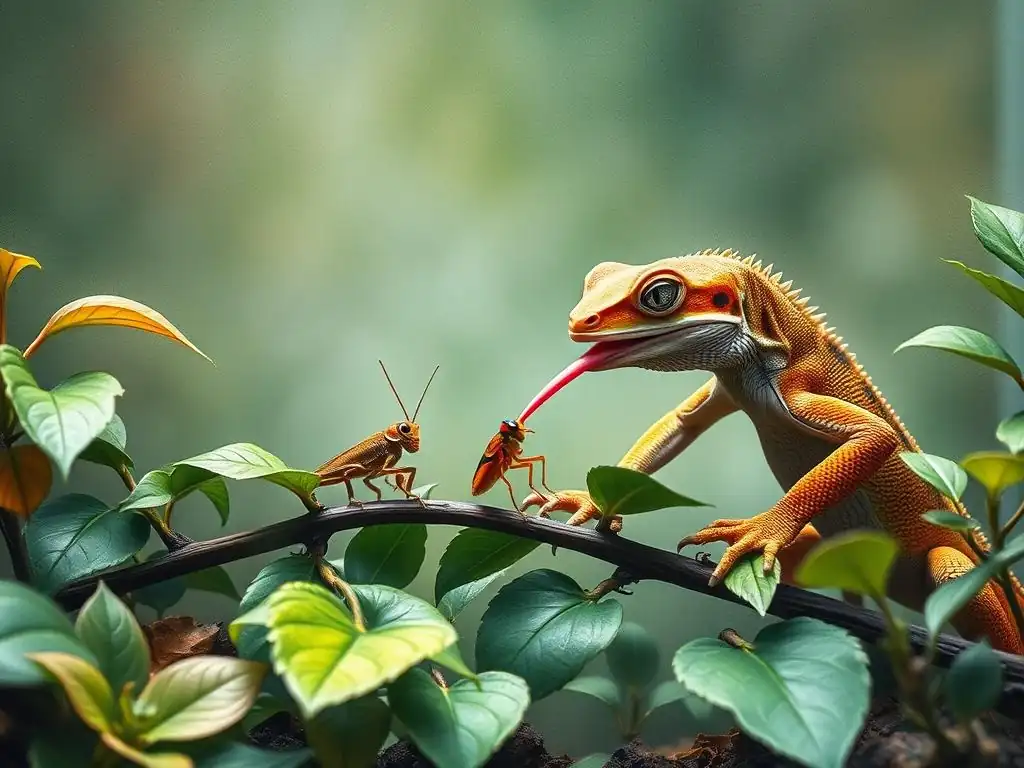
Creating a stimulating and enriching feeding environment for your carnivorous reptile is crucial for its physical and mental well-being. A natural setup encourages natural hunting behaviors, reduces stress, and can even improve feeding response, especially in picky eaters. This goes beyond simply placing food in a bowl; it's about crafting a miniature ecosystem that mimics the reptile's natural hunting grounds. The key is to understand the species-specific hunting strategies of your reptile to accurately replicate its natural feeding environment.
For instance, a terrestrial species will have different needs than an arboreal one. Careful consideration of these factors will significantly improve the quality of life for your pet. Remember, a happy reptile is a healthy reptile, and a natural feeding environment contributes significantly to overall happiness.
Habitat Setup for Natural Hunting Instincts
The design of your reptile's enclosure plays a vital role in stimulating natural feeding behaviors. Avoid simply placing food in a readily accessible bowl. Instead, consider the following:
- Substrate: Use a substrate that provides cover and allows for hiding places. This mimics the natural environment where reptiles ambush their prey. Loose leaf litter, cypress mulch, or even carefully arranged rocks can create ideal hiding spots. Avoid smooth, easily cleaned surfaces.
- Temperature Gradients: Maintain a thermal gradient within the enclosure. This allows your reptile to regulate its body temperature and increases its activity levels, making it more likely to hunt actively. The warmer areas should be strategically placed to encourage movement towards potential prey.
- Structural Complexity: Introduce branches, logs, rocks, and plants to create a three-dimensional environment. This complexity provides opportunities for ambush hunting and encourages natural exploration. The complexity should be appropriate for the size and climbing abilities of your reptile. For example, a large arboreal species will require significantly more vertical space and branches than a small terrestrial species.
- Hiding Places for Prey (and Predator!): If using live prey, provide hiding spots for the prey items as well. This prolongs the hunt, mimicking the natural challenges a reptile faces when foraging. It also allows for a more natural feeding process and reduces stress on both the predator and prey.
- Enclosure Size: Sufficient space is paramount. A cramped enclosure limits exploration and hunting opportunities, leading to a less natural and ultimately less enriching feeding experience. Always ensure your enclosure is appropriately sized for the adult size of your reptile.
Mimicking Natural Prey Movement and Presentation
Reptiles are often visually stimulated hunters. Simply dropping food into the enclosure isn't always sufficient. Mimicking the natural movement of prey can significantly improve feeding success, especially with reluctant eaters. Consider these techniques:
- Using tongs: Instead of placing the food directly into the enclosure, use tongs to move the prey item. This simulates the movement of a struggling prey animal and can trigger your reptile's hunting instincts. Vary the speed and movement patterns to keep things interesting.
- Live prey (with caution): While ethical considerations and safety must always be paramount, controlled use of live prey can significantly increase feeding engagement. The movement of live prey provides a more realistic hunting experience. However, this method requires careful monitoring to prevent injury to either the reptile or the prey.
- Prey variety: Offer a variety of prey items, varying size and type, to mimic the diversity found in a natural environment. This helps to prevent the reptile from becoming bored or picky. Research your specific reptile's natural diet to ensure you offer appropriate prey choices.
- Strategic placement: Don't always place food in the same location. Vary the placement of prey items within the enclosure to encourage exploration and hunting behavior.
Utilizing Live Prey vs. Frozen/Thawed Options: Pros and Cons
The choice between live, frozen/thawed, or commercially prepared prey is a significant one. Each option presents advantages and disadvantages:
| Method | Pros | Cons |
|---|---|---|
| Live Prey | Most natural stimulation, improved hunting instincts, higher acceptance rate | Ethical concerns, risk of injury to reptile or prey, potential for disease transmission, availability issues |
| Frozen/Thawed | Convenient, safe, readily available, reduces disease risk | Less natural stimulation, may require thawing and warming, potential for nutrient loss during freezing |
| Commercially Prepared | Convenient, formulated for nutritional needs | Can be more expensive, may not be as stimulating as live or frozen/thawed prey |
Ultimately, the best approach to feeding your carnivorous reptile involves a combination of careful habitat design, prey presentation techniques, and thoughtful consideration of the pros and cons of different prey options. Remember to prioritize the well-being and natural behaviors of your reptile. Regular observation and adjustments to the feeding environment will ensure your reptile thrives.
Enhancing the Feeding Experience
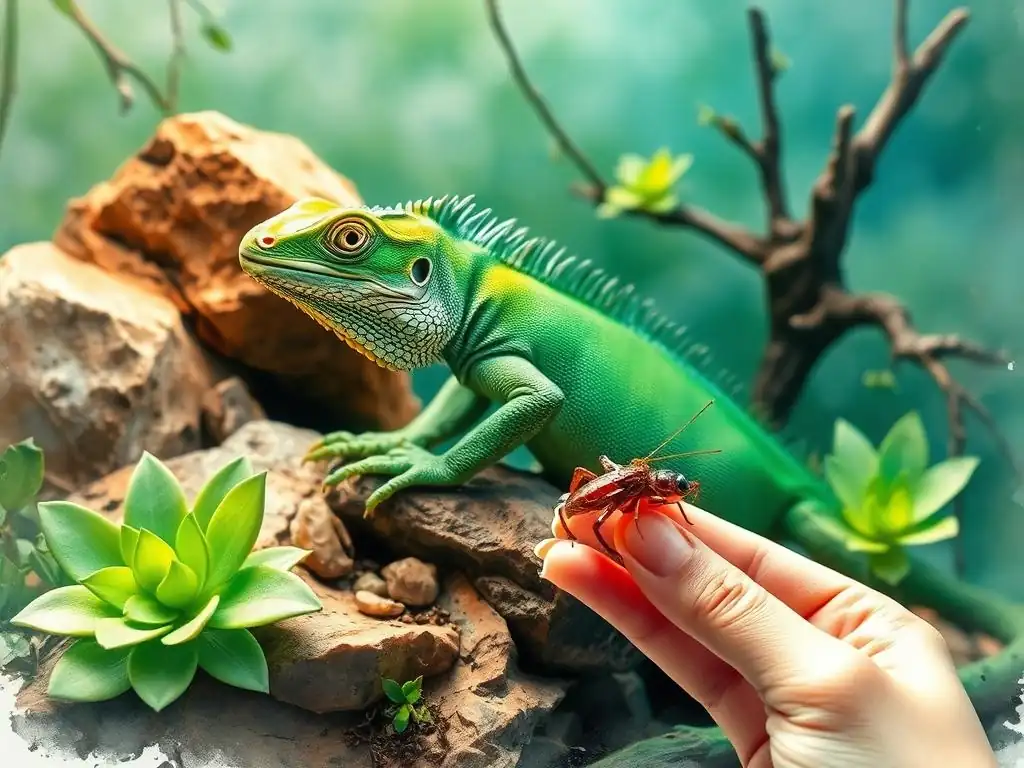
This section focuses on refining your carnivorous reptile's feeding environment to mimic its natural hunting behaviors, resulting in a more enriching and stress-free feeding experience. A natural feeding environment significantly impacts your reptile's appetite, digestion, and overall well-being. By incorporating elements that stimulate natural hunting instincts, you can improve the quality of life for your pet and potentially alleviate feeding issues. We'll explore key aspects to create this optimal natural reptile feeding environment.
Creating Hiding Places and Ambush Points
Reptiles in the wild rarely have their prey presented on a plate. They spend a significant amount of time hunting and ambushing their meals. Mimicking this behavior is crucial for a stimulating feeding experience. Creating hiding places and ambush points within the enclosure allows your reptile to engage in its natural predatory instincts, making feeding time less stressful and more enjoyable.
Consider constructing several hiding places using various materials such as cork bark, rocks, or artificial foliage. These should be strategically placed to allow your reptile to conceal itself before and after feeding. The size and placement of these hiding spots will vary depending on your reptile's species and size. For example, a larger species like a tegu might require larger and more substantial hiding places than a smaller species like a crested gecko.
Furthermore, incorporating ambush points – strategically placed items your reptile can use to conceal itself while waiting for prey – can significantly enhance the feeding experience. This could involve placing branches or rocks in such a way that your reptile can partially conceal itself while observing its prey. This element of surprise mirrors the natural hunting process, making feeding time a more engaging and fulfilling activity.
Remember, the goal is to create an environment where your reptile feels safe, secure, and stimulated during feeding. Observe your reptile's behavior to adjust the placement and number of hiding places and ambush points accordingly.
Incorporating Natural Substrate and Cover
The substrate you choose significantly impacts the overall feel and functionality of your reptile's enclosure and directly contributes to a natural reptile feeding environment. Avoid smooth, slippery surfaces that don’t allow for natural burrowing or hiding. Instead, opt for substrates that mimic the natural environment of your reptile. This could include things like cypress mulch, coconut fiber, or even a combination of substrates to create varied textures and levels.
The type of substrate you choose will vary depending on your reptile’s species and its specific needs. Some species, like certain snakes, prefer a deeper substrate for burrowing, while others might thrive with a shallower layer of substrate. Research your specific reptile's needs to ensure you're providing the most appropriate substrate for its comfort and well-being. Remember, the substrate plays a vital role in maintaining humidity and temperature, both of which are crucial for your reptile's health.
Beyond the substrate, providing appropriate cover is crucial. This doesn’t just mean hiding places; it also involves creating a sense of security and seclusion within the enclosure. This can be achieved with carefully placed branches, leaves (artificial or real, depending on species and safety), or other natural-looking elements. These provide visual barriers and increase the sense of security, allowing your reptile to feel more comfortable and confident during feeding.
Implementing Enrichment Techniques for Stimulation
Enrichment is crucial for maintaining your reptile's physical and mental well-being. A stimulating environment directly contributes to a healthier and more natural feeding response. Enrichment activities can take many forms, including the addition of climbing structures, varied textures, and interactive feeding methods.
For instance, instead of simply placing prey in a bowl, consider hiding prey items within the enclosure amongst the substrate or amongst the branches and foliage. This encourages your reptile to actively search for its food, thus mimicking its natural hunting behavior. This interactive approach greatly enhances the feeding experience and reduces stress.
Furthermore, consider adding climbing structures like branches or rocks of different sizes and textures to provide opportunities for exploration and physical activity. These activities stimulate your reptile both physically and mentally, leading to better overall health and a more natural feeding behavior. Remember, a bored or understimulated reptile might exhibit reduced appetite or feeding issues.
Thus, a rich and stimulating environment is essential for optimal health and a natural reptile feeding environment. Regularly observe your reptile's behavior and adjust enrichment accordingly to maintain its engagement and interest. A happy reptile is a healthy reptile, and a healthy reptile is more likely to maintain a healthy appetite.
Monitoring Feeding Success and Reptile Health
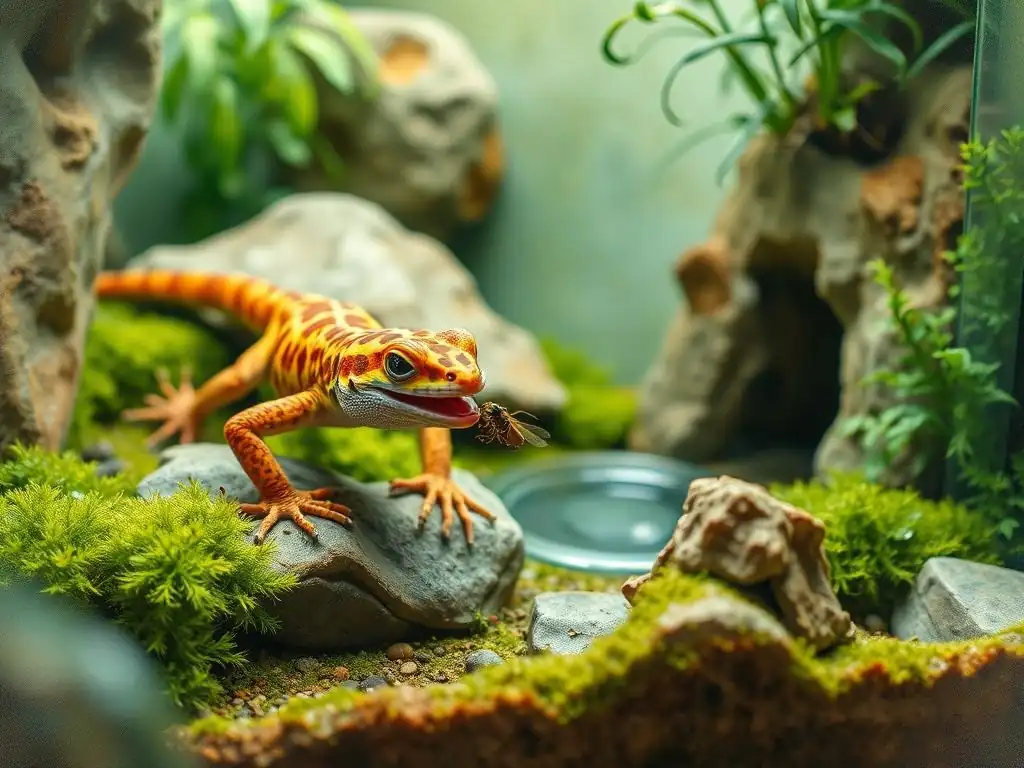
Creating a natural reptile feeding environment is crucial, but it's equally important to monitor your carnivorous reptile's response to this environment and ensure its overall health. Regular observation and careful attention to detail are key to maintaining a thriving reptile. This section details how to effectively monitor your reptile's feeding success and identify potential problems early. Successfully achieving a natural reptile feeding environment hinges on proactive monitoring and adjustments.
Observing Feeding Behavior and Prey Consumption
Observing your reptile's feeding behavior provides valuable insights into its health and the effectiveness of your feeding environment. A healthy reptile will typically exhibit keen interest in presented prey, showing active pursuit and efficient consumption. Note the speed and efficiency of the feeding process. A lethargic approach or refusal of food can be indicative of underlying health issues. Keep a detailed feeding log, recording:
- Date and Time: When was the prey offered and consumed?
- Type and Size of Prey: What kind of prey was offered, and what was its size relative to the reptile? Accurate records help track growth and feeding patterns.
- Feeding Duration: How long did it take for the reptile to consume the prey? Prolonged feeding times might suggest issues with prey selection or the reptile's health.
- Prey Consumption: How much of the offered prey was consumed? Partial consumption could indicate problems with the prey's condition, palatability, or the reptile's appetite.
- Post-Feeding Behavior: How does the reptile behave after feeding? Does it retreat to a basking spot, or does it display unusual restlessness or lethargy?
For example, a juvenile bearded dragon might enthusiastically consume several crickets within minutes, while an adult might take longer with larger prey items. Any significant deviation from established patterns warrants further investigation. Remember, consistent observation is the foundation of proactive reptile care. Accurate record-keeping enables you to identify trends and subtle changes in your reptile's feeding behavior.
Identifying Signs of Nutritional Deficiencies or Health Issues
Nutritional deficiencies and health problems often manifest through changes in feeding behavior and overall appearance. While a natural feeding environment minimizes these risks, it doesn't eliminate them entirely. Here are some key indicators to watch for:
- Weight Loss or Lack of Growth: Regular weight checks are essential, especially for young reptiles. Unexpected weight loss or a plateau in growth can signal nutritional deficiencies or underlying illnesses.
- Lethargy and Lack of Appetite: A consistently lethargic reptile with a diminished appetite should be examined by a veterinarian immediately. This could indicate a range of issues, from metabolic bone disease to internal parasites.
- Changes in Skin and Scales: Dull, dry skin or abnormal shedding patterns can be signs of vitamin or mineral deficiencies. Similarly, changes in scale color or texture can indicate a health problem.
- Abnormal Fecal Matter: Observe the consistency, color, and frequency of your reptile's feces. Changes in these aspects can be indicative of digestive issues or parasitic infections. Note: The frequency and consistency of droppings can vary widely between species and individuals. Consult your veterinarian for breed-specific benchmarks.
- Behavioral Changes: Any unusual changes in behavior, such as excessive hiding, aggression, or unusual posture, should prompt a veterinary checkup.
Table 1: Common Signs of Nutritional Deficiencies in Carnivorous Reptiles
| Deficiency | Symptoms |
|---|---|
| Calcium Deficiency | Lethargy, muscle weakness, tremors, abnormal shedding, metabolic bone disease |
| Vitamin D3 Deficiency | Metabolic bone disease, weak bones, skeletal deformities |
| Vitamin A Deficiency | Eye problems, respiratory infections, skin problems |
| Protein Deficiency | Poor growth, lethargy, weakness |
Regular veterinary checkups, combined with careful observation, are crucial for early detection and treatment of any health problems. Prevention is always better than cure!
Adjusting the Feeding Environment Based on Observation
Based on your observations, you may need to adjust your reptile's feeding environment to improve their health and feeding success. This could involve:
- Adjusting Prey Size and Type: If your reptile is struggling to consume prey, try offering smaller or different prey items. Variety is key in mimicking a natural diet.
- Improving Prey Presentation: Experiment with different methods of prey presentation to encourage feeding. Some reptiles respond better to live prey, while others prefer pre-killed options.
- Enhancing Environmental Enrichment: Adding more hides, basking spots, or climbing structures can reduce stress and stimulate appetite.
- Temperature and Humidity Adjustments: Ensure the temperature and humidity levels within the enclosure are appropriate for your reptile's species.
- Veterinary Consultation: If you continue to observe concerning symptoms, consult a veterinarian specializing in reptiles.
Remember, creating a natural reptile feeding environment is an ongoing process. Continuous monitoring and adjustments based on your observations are crucial for ensuring the long-term health and well-being of your carnivorous reptile. This proactive approach ensures a thriving and happy reptile companion.
Maintaining a Clean and Sanitary Feeding Area
Creating a natural feeding environment for your carnivorous reptile doesn't mean neglecting hygiene. A clean and sanitary feeding area is crucial for preventing bacterial contamination and disease, ensuring your reptile's health and well-being. This section details essential practices for maintaining a pristine feeding space, contributing to a thriving and natural-feeling environment for your reptile while prioritizing its safety. Remember, a healthy reptile is a happy reptile!
Preventing Bacterial Contamination and Disease
Bacterial contamination is a significant threat to carnivorous reptiles. Their immune systems can be more susceptible to infections compared to other animals, making a sterile feeding environment paramount. Preventing bacterial growth requires a multi-pronged approach. Firstly, choose feeding containers that are easily cleaned and disinfected. Avoid porous materials that can harbor bacteria. Stainless steel or glass are excellent choices.
Secondly, always wash your hands thoroughly before and after handling your reptile and its food. This simple step significantly reduces the risk of transferring harmful bacteria. Thirdly, regularly inspect your reptile for any signs of illness, such as lethargy, loss of appetite, or unusual discharge. Early detection is key to effective treatment. Ignoring even minor signs can lead to serious health complications, highlighting the importance of proactive reptile care. Remember that a healthy reptile is less susceptible to bacterial infections.
Consider the following preventative measures:
- Regular substrate changes: The substrate in your reptile's enclosure should be changed regularly, particularly in the feeding area. The frequency depends on the type of substrate and the reptile's habits, but aim for at least weekly cleaning in high-traffic areas.
- Appropriate ventilation: Good ventilation helps to prevent the buildup of moisture and ammonia, which can promote bacterial growth. Ensure your enclosure has adequate ventilation to maintain optimal air quality.
- Quarantine new reptiles: Always quarantine new reptiles for at least 30 days before introducing them to your existing collection to prevent the spread of disease. This is especially important if you are unsure about their health history.
Failing to implement these measures can significantly increase the risk of bacterial diseases such as Salmonella, E. coli, and other pathogens that can severely impact your reptile's health. A proactive approach to hygiene is the best defense against these threats.
Proper Cleaning and Disinfection Techniques
Cleaning and disinfecting the feeding area is not a one-size-fits-all process. The specific techniques will vary depending on the materials used in the enclosure and the type of reptile. However, several general principles apply. Always start by removing any uneaten prey and fecal matter. Then, thoroughly scrub the surfaces with hot, soapy water. Use a reptile-safe disinfectant after the initial cleaning. Avoid using harsh chemicals that could harm your reptile. Always rinse thoroughly with clean water after disinfecting, ensuring no residue remains. Allow the enclosure to air dry completely before returning your reptile.
Here's a step-by-step guide:
- Remove all items: Take out all food bowls, water bowls, hides, and other items from the feeding area.
- Mechanical cleaning: Scrub all surfaces thoroughly with a stiff brush and hot, soapy water. Pay attention to crevices and corners where bacteria can accumulate.
- Disinfection: Apply a reptile-safe disinfectant, following the manufacturer's instructions carefully. Let it sit for the recommended time before rinsing.
- Rinsing: Rinse all surfaces thoroughly with clean, hot water to remove any disinfectant residue.
- Drying: Allow the enclosure to air dry completely before replacing items and returning your reptile.
Remember, consistent and thorough cleaning is key to preventing bacterial growth and maintaining a healthy environment for your reptile. Regular disinfection is crucial for eliminating harmful pathogens.
Safe Disposal of Uneaten Prey and Waste
Proper disposal of uneaten prey and waste is essential for maintaining hygiene and preventing the spread of disease. Never leave uneaten food in the enclosure for extended periods. Remove it immediately after the feeding session. Dispose of it in a sealed plastic bag in your household trash. Similarly, clean up fecal matter promptly and dispose of it appropriately. Avoid flushing waste down the toilet, as it can contaminate water systems. The disposal method should be safe and compliant with local regulations.
Consider these additional points:
- Frozen prey: If you use frozen prey, thaw it completely and safely before feeding. Never feed your reptile thawed food that has been refrozen.
- Live prey: If you use live prey, ensure it is healthy and free from disease. Dispose of any uneaten live prey appropriately.
- Waste disposal: Use sealed bags for all waste disposal. This prevents unwanted odors and the spread of pathogens.
By following these guidelines, you can create a natural reptile feeding environment that prioritizes both the naturalistic aspects and the critical need for hygiene and sanitation, ensuring the health and longevity of your cherished carnivorous reptile. Remember, a clean environment contributes significantly to a healthy and happy reptile.
Advanced Techniques for a Stimulating Feeding Environment
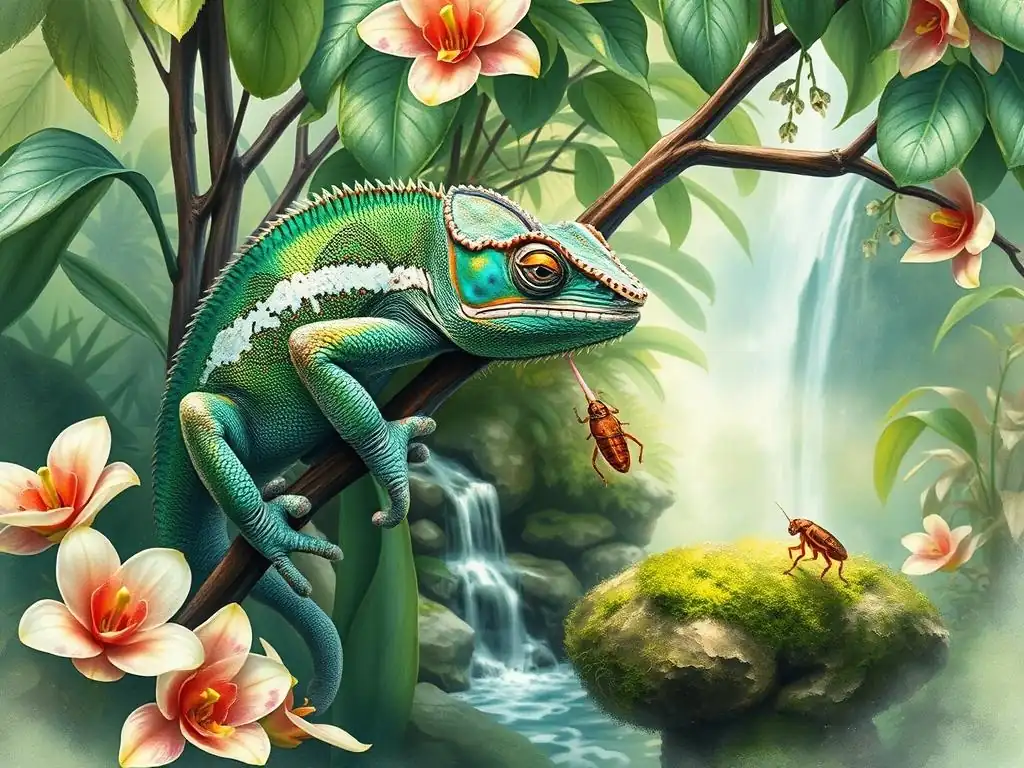
Creating a truly natural reptile feeding environment goes beyond simply providing food. It involves stimulating your reptile's natural hunting instincts and providing a mentally enriching experience alongside nutritional needs. This section delves into advanced techniques to elevate your carnivorous reptile's feeding experience, promoting better health and a more engaging life. Remember, a stimulated reptile is a healthier reptile! We'll explore strategies that mimic the challenges and rewards a reptile would experience in its natural habitat, focusing on natural reptile feeding environment best practices.
Implementing Rotating Feeding Locations
One simple yet highly effective method to enhance the feeding experience is rotating feeding locations. Instead of consistently feeding your reptile in the same spot, vary the location within the enclosure. This mimics the unpredictable nature of prey acquisition in the wild. For example, one week you might place the prey item near a basking spot, the next week behind a hide, and the next near a water source. This encourages natural exploration and foraging behavior.
Consider these factors when rotating feeding locations:
- Safety: Ensure the new location doesn't pose any risks to your reptile. Avoid placing prey near heat lamps or in areas where your reptile might struggle to access it safely.
- Variety: Don't just rotate between two or three spots; aim for greater variety to keep your reptile engaged.
- Observation: Monitor your reptile's response to the changing locations. Does it seem more enthusiastic about hunting in certain areas? This can provide valuable insight into its preferences and needs.
- Frequency: How often you rotate the feeding location depends on your reptile's species and individual temperament. Start with gradual changes and observe your reptile's reaction.
Introducing Environmental Enrichment Items
Environmental enrichment plays a crucial role in stimulating natural feeding behaviors. Adding items that mimic natural obstacles or hiding places can transform feeding time into a more stimulating and engaging activity. This is especially important for stimulating a natural reptile feeding environment.
Here are some examples of enrichment items:
- Rocks and branches: These provide varied terrain and hiding places, making prey searching more challenging and rewarding.
- Plants (non-toxic): Live plants, if appropriate for your reptile's species and enclosure, can add complexity and visual interest, offering cover for both predator and prey (if using live feeders).
- Tunnels and hides: These offer safe spaces for both your reptile and the prey, adding an element of suspense to the hunting process.
- Leaf litter: A layer of leaf litter on the enclosure floor can create a more natural foraging environment, hiding prey items and encouraging exploration.
Remember to always choose enrichment items that are safe, non-toxic, and appropriate for your reptile's size and species. Avoid anything that could pose a risk of injury or ingestion.
Using Different Prey Delivery Methods
The method of prey delivery significantly impacts the stimulation level of the feeding experience. Simply dropping a dead mouse into the enclosure doesn't replicate the thrill of the hunt.
Consider these alternative prey delivery methods:
| Method | Description | Benefits | Considerations |
|---|---|---|---|
| Live Feeding (with caution) | Providing live prey (appropriately sized and species-specific) | Highly stimulating, mimics natural hunting behavior. | Requires careful supervision to prevent injury to reptile or escape of prey. Ethical considerations are paramount. |
| Prey in Hiding | Placing prey within a hide, under a rock, or amongst foliage. | Encourages searching and foraging. | Ensure prey is still visible enough for the reptile to locate. |
| Tongs/Forceps | Using tongs to present prey, mimicking a quick strike. | Allows controlled feeding, especially useful for picky eaters or during training. | Requires practice and care to avoid injuring the reptile. |
| Scent Trails | Lightly dragging a prey item across the enclosure to create a scent trail before placing it in a hiding spot. | Stimulates olfactory senses and encourages tracking behavior. | Use sparingly and avoid overwhelming the reptile with strong scents. |
By implementing these advanced techniques, you can create a significantly more stimulating and natural feeding environment for your carnivorous reptile, contributing to its overall well-being and enriching its life. Remember to always prioritize the safety and welfare of your pet while implementing these methods.
Addressing Common Challenges in Reptile Feeding
Creating a truly natural feeding environment for your carnivorous reptile goes beyond simply providing the right prey. Many challenges can arise, impacting your reptile's health and well-being. Understanding and proactively addressing these issues is crucial for successful husbandry. This section will focus on some of the most common hurdles encountered by reptile keepers and offer practical solutions to enhance your reptile's feeding experience. Remember, a happy, well-fed reptile is a healthy reptile!
Dealing with Picky Eaters
Some carnivorous reptiles can be notoriously picky eaters, refusing certain prey items even if nutritionally appropriate. This pickiness can stem from various factors, including previous negative experiences, learned preferences, or simply individual temperament. To address this, a multifaceted approach is necessary.
First, diversity is key. Offer a variety of appropriately sized prey items, rotating them regularly. This prevents boredom and caters to individual preferences. For instance, a leopard gecko might prefer crickets one day and waxworms the next. Keep detailed feeding records to track which prey items are readily accepted and which are consistently refused.
Secondly, presentation matters. The way you present the prey can significantly impact a reptile's willingness to eat. Live prey often stimulates a predatory response more effectively than pre-killed options. However, always ensure the prey is appropriately sized to avoid injury to your reptile. Consider varying the location of the feeding bowl; sometimes a change of scenery can pique their interest.
Finally, environmental enrichment plays a vital role. A stimulating environment, mimicking a natural habitat, can reduce stress and encourage natural feeding behaviors. This includes providing appropriate hides, basking spots, and climbing structures. A stressed reptile is less likely to exhibit normal feeding behaviors. Observe your reptile's behavior closely; changes in activity levels or hiding patterns could indicate underlying stress.
Stress is a significant factor influencing feeding behavior in reptiles. Environmental factors such as improper temperature gradients, inadequate humidity, insufficient hiding places, and even excessive handling can all contribute to stress, leading to anorexia or reduced appetite. A stressed reptile prioritizes survival over feeding.
To mitigate stress-related feeding issues, ensure your reptile's enclosure meets its specific needs. Accurate temperature and humidity levels are paramount. Provide ample hiding spots, allowing your reptile to feel secure and escape when needed. Minimize handling to essential care tasks. Observe your reptile's body language for signs of stress, such as rapid breathing, flattened body posture, or excessive hiding. Addressing these environmental stressors proactively is crucial to maintaining a healthy appetite.
Consider the impact of introducing new reptiles or pets into the household. Changes in the environment can trigger stress. A gradual introduction period and providing sufficient space can reduce the likelihood of stress-related anorexia.
Overcoming Prey Avoidance Behavior
Prey avoidance, where a reptile refuses to eat even when presented with appropriate prey, can be a more complex issue. This can sometimes be linked to previous negative experiences, such as being bitten by prey or having a traumatic feeding experience. It can also be a symptom of underlying health problems.
Firstly, rule out any underlying medical conditions. A veterinary check-up is essential to eliminate any health issues that might be contributing to the refusal to feed. Weight loss, lethargy, or unusual behavior warrants immediate veterinary attention.
Secondly, gradually reintroduce feeding. If a reptile has developed a phobia of certain prey, consider offering smaller portions or introducing a new prey item that is visually less intimidating. Start by placing the prey close to the reptile's hiding spot, allowing it to approach at its own pace. Avoid forcing the reptile to eat.
Finally, creating a calm and predictable feeding routine can help build trust and reduce anxiety. Always feed your reptile in the same location, at the same time, and using the same method. Consistency builds confidence and can help overcome avoidance behaviors. Patience and persistence are key to overcoming prey avoidance, but veterinary consultation is crucial to rule out any medical causes.
Frequently Asked Questions
What is a "natural feeding environment" for a carnivorous reptile?
A natural feeding environment mimics the reptile's wild hunting behaviors. This means providing opportunities for active foraging and prey capture, rather than simply placing food in a bowl. This helps stimulate natural instincts.
Why is a natural feeding environment important for my reptile?
It promotes physical and mental stimulation, reducing boredom and stress. A more natural feeding process also helps improve digestion and overall health. It's crucial for enrichment.
How can I create a natural feeding environment for my reptile?
Use hiding places to conceal prey items, scatter food throughout the enclosure, or use live prey (with careful consideration for safety and suitability). Vary the location and method of feeding regularly.
What types of prey are suitable for creating a natural feeding environment?
The appropriate prey depends on your reptile's species and size. Research your reptile's diet thoroughly to ensure you offer appropriate and nutritious prey. Always prioritize safe and ethically sourced food items.
Are there any safety concerns when creating a natural feeding environment?
Yes, supervise all feeding interactions, especially with live prey. Ensure the prey is appropriately sized to avoid injury to your reptile. Always prioritize the safety and well-being of your pet.
Final Reflection: Cultivating a Thriving Ecosystem for Your Carnivorous Companion
Creating a natural feeding environment isn't just about mimicking the wild; it's about fostering the well-being and enriching the life of your carnivorous reptile. The methods discussed—from simulating natural hunting behaviors to providing appropriate prey items and maintaining a clean, stimulating enclosure—directly impact the health, happiness, and longevity of your scaly friend. This isn't merely a hobbyist's pursuit; it's a commitment to responsible pet ownership.
The impact of understanding and replicating a natural feeding environment extends far beyond the individual reptile. It fosters a deeper appreciation for the complex ecosystems these creatures inhabit and the delicate balance of nature. It challenges us to move beyond simplistic views of pet care and embrace a more holistic and ethical approach. The more we learn about the natural world, the more we realize how much we have to learn.
This quote resonates deeply, reminding us that the journey of understanding and providing for our reptile companions is a continuous process of learning and refinement.
Now, consider your own reptile's enclosure. Does it truly reflect the needs of its natural counterpart? Are you providing opportunities for natural hunting behaviors? Take a moment to reflect on what you've learned and commit to making even small changes that will significantly improve your reptile's quality of life. Embrace the challenge of creating a thriving ecosystem within your home, and witness the rewarding transformation in your carnivorous companion's health and behavior. The journey towards a truly natural feeding environment is a rewarding one, enriching both your reptile's life and your own understanding of the natural world.
Unleash Your Reptile's Inner Hunter: Craft the Perfect Habitat!
Congratulations on taking the plunge into the fascinating world of carnivorous reptile care! We hope you've gained valuable insights into creating a thriving environment for your scaly companion. Now, let's put that knowledge into practice.
Here's how to proceed:
- Design a stimulating habitat: Carefully consider your reptile's specific needs and implement the strategies discussed earlier, focusing on enrichment and replicating natural hunting behaviors. Remember to document your progress with photos – we'd love to see them!
- Research and provide a balanced diet: Ensure you offer a varied and nutritious diet tailored to your reptile's species and age. This is essential for its long-term health and well-being.
- Share your journey! We'd love to hear about your progress, any challenges you've encountered, and the adjustments you've made along the way.
What exciting improvements are you planning for your reptile's habitat today?