
Reptile Socialization: Understanding Interactions Between Different Species


Welcome to PetCareWorld, your ultimate guide to the fascinating world of pet care! Are you ready to unlock the secrets of successful reptile cohabitation? Our comprehensive Reptile Species Compatibility Guide dives deep into the complexities of reptile socialization, revealing which species thrive together and which pairings should be avoided. Discover the surprising truths about interspecies dynamics and learn how to create a harmonious and thriving environment for your scaly companions. Explore the world of reptiles and exotic pets with us—your journey to responsible ownership starts here!
- Reptile Species Compatibility Guide: A Comprehensive Overview
- Factors Affecting Reptile Compatibility
- Successful Reptile Cohabitation: Case Studies and Examples
- Creating a Harmonious Multi-Species Reptile Enclosure
- Troubleshooting Common Problems in Multi-Species Reptile Housing
- Ethical Considerations in Multi-Species Reptile Keeping
-
Frequently Asked Questions
- Can different reptile species live together?
- What are the risks of keeping incompatible reptiles together?
- Are there any exceptions to the rule of species incompatibility?
- How can I find out if two reptile species are compatible?
- What should I do if my incompatible reptiles are already housed together?
- Final Reflection: The Harmonious Habitat: Coexistence and Conservation
- Unleash Your Reptile Knowledge: Next Steps for Successful Cohabitation
Reptile Species Compatibility Guide: A Comprehensive Overview
Keeping multiple reptiles together can be a rewarding experience, fostering a thriving and engaging terrarium environment. However, it's crucial to understand that not all reptiles are created equal when it comes to social interaction. This comprehensive guide explores the complexities of reptile socialization, providing pet owners with the knowledge to make informed decisions about cohabitation and ensure the well-being of their scaled companions.
We'll delve into the nuances of reptile social structures, individual temperaments, and the vital role of size and age in determining compatibility. This guide aims to help you navigate the often-challenging world of multi-species reptile keeping, empowering you to create a safe and harmonious environment for your pets.
Successfully implementing a reptile species compatibility guide is key to preventing stress, injury, and even death within your reptile collection. Remember, responsible reptile ownership includes understanding the unique needs of each species and making informed choices about their living arrangements.
Reptiles exhibit a vast array of social behaviors, ranging from solitary existence to complex group dynamics. Understanding these inherent differences is paramount before considering cohabitation. Some species are inherently solitary, fiercely territorial, and will aggressively defend their space against intruders. Others are more tolerant, forming social groups with established hierarchies.
Ignoring these fundamental social structures can lead to severe consequences, including injuries, stress, and even death for your reptiles. It's important to research the specific social habits of each reptile species you're considering housing together. For example, certain lizards are known to be highly territorial, while some snakes can tolerate the presence of other individuals, provided sufficient space and resources.
Solitary vs. Gregarious Species: Key Differences in Social Needs
The distinction between solitary and gregarious species is fundamental to successful cohabitation. Solitary species, such as many species of venomous snakes and large monitor lizards, require individual enclosures to prevent aggression and territorial disputes. These species often exhibit aggressive behavior towards conspecifics (members of the same species) and will readily attack if their space is invaded.
Conversely, some species, like certain gecko species or some smaller snakes, may thrive in group settings, provided there is ample space, hiding places, and resources to avoid competition. However, even within gregarious species, careful observation is essential to detect any signs of aggression or dominance hierarchies that might necessitate separation.
| Species Type | Social Structure | Cohabitation Considerations |
|---|---|---|
| Solitary | Lives alone | Requires individual enclosure; aggressive towards conspecifics. |
| Gregarious | Lives in groups | Requires ample space, resources, and careful monitoring for aggression. |
Assessing Individual Reptile Temperaments and Personalities
Even within the same species, individual reptiles can exhibit unique temperaments and personalities. Some individuals may be more docile and tolerant than others, while some may be naturally more aggressive or prone to territorial behavior. Careful observation of each reptile's behavior, both individually and when introduced to other reptiles, is crucial.
Signs of stress, such as hiding excessively, loss of appetite, or changes in skin coloration, should be closely monitored and addressed promptly. Introducing reptiles slowly and carefully, allowing them to acclimate to each other's presence gradually, can help mitigate potential conflicts. [Specific information pending on reliable methods for assessing individual reptile temperaments].
The Role of Size and Age in Reptile Interactions
Size and age are critical factors to consider when assessing reptile compatibility. Larger reptiles can easily injure or kill smaller ones, even unintentionally, during interactions. Similarly, younger reptiles may be more vulnerable to aggression from older, more established individuals. Ideally, reptiles of similar size and age should be housed together to minimize the risk of injury or dominance issues.
Introducing a significantly smaller reptile to a larger one, regardless of species, should be avoided. Age disparities can also lead to competition for resources, increasing the likelihood of conflict. Careful consideration of size and age differences is crucial for ensuring a safe and harmonious environment.
Factors Affecting Reptile Compatibility
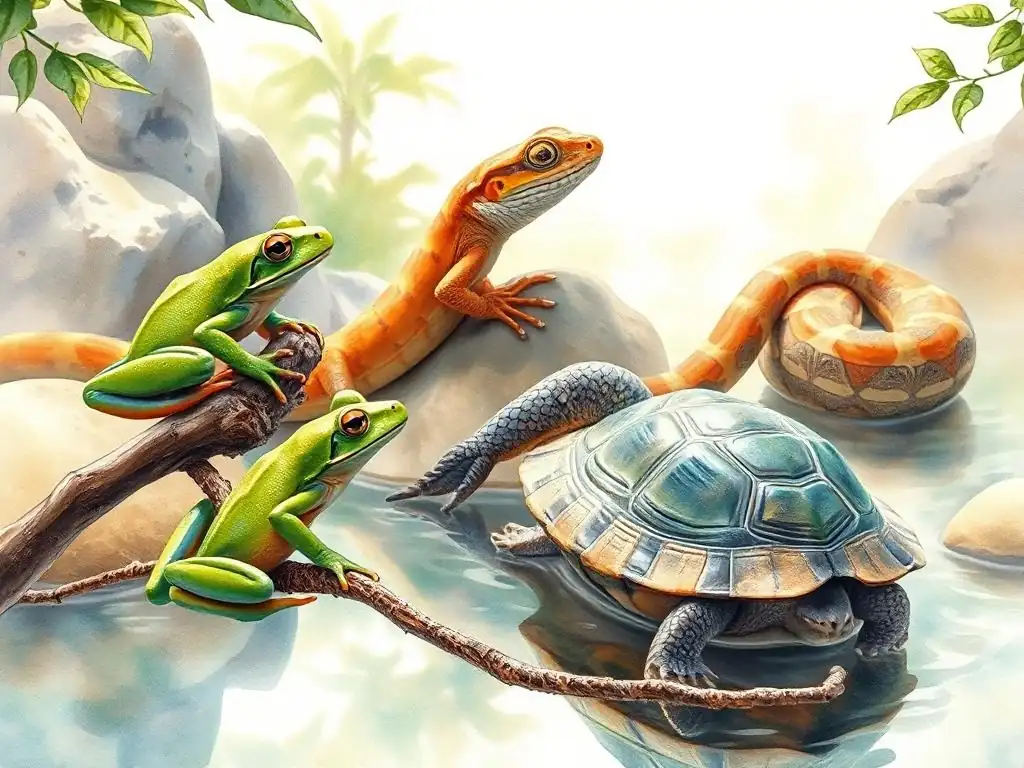
This section delves into the crucial factors influencing the success or failure of cohabitating different reptile species. Understanding these factors is paramount to creating a safe and enriching environment for your scaly companions, preventing stress, injury, and ultimately, ensuring their well-being. A well-informed approach to reptile cohabitation is key to responsible reptile ownership and avoids the pitfalls of incompatible pairings. This guide will provide the necessary knowledge to assess compatibility before introducing different reptile species. Remember, even with careful planning, some species will never be suitable roommates.
Habitat Requirements and Environmental Enrichment: Creating a Safe Space
Successful cohabitation hinges on providing a habitat that caters to the specific needs of all resident reptiles. Ignoring the individual requirements of each species will inevitably lead to conflict and stress. For example, a desert species requiring high temperatures and low humidity will not thrive alongside a tropical species needing consistently high humidity. Temperature gradients are also critical; one reptile might need a basking spot at 100°F (38°C), while another prefers a cooler area around 80°F (27°C). Failing to provide these diverse microclimates will result in one or both reptiles suffering from thermal stress.
The size of the enclosure is equally vital. Sufficient space prevents territorial disputes and allows each reptile to establish its own preferred zones. Overcrowding is a significant factor leading to aggression, especially among larger species. Consider the adult size of each reptile when choosing the enclosure, and remember that they will require more space as they grow.
Environmental enrichment is crucial for preventing boredom and stress. Providing ample hiding places, climbing structures, and appropriate substrate promotes natural behaviors and reduces the likelihood of aggression. The types of enrichment will vary depending on the species; arboreal reptiles require vertical space and branches, while terrestrial species need ample floor space and hiding spots. The enrichment should be carefully selected to avoid creating hazards or increasing competition for resources.
| Reptile Species | Ideal Temperature Range (°F) | Humidity Level (%) | Enclosure Size (minimum) |
|---|---|---|---|
| Leopard Gecko | 75-90 | 30-40 | 20 gallons |
| Crested Gecko | 72-80 | 60-80 | 18x18x24 inches |
| Bearded Dragon | 90-105 | 30-40 | 40 gallons |
| Note: These are general guidelines. Consult species-specific care sheets for more precise information. |
Dietary Needs and Feeding Strategies: Avoiding Competition and Stress
Dietary overlap is a major source of conflict between cohabitating reptiles. If two species share similar prey items, competition for food can escalate into aggression, particularly during feeding time. This competition can lead to stress, malnutrition, and even injury. For instance, two species of lizards that both consume crickets will likely fight over limited resources.
To mitigate this, implement feeding strategies that minimize competition. This could involve feeding each reptile in separate locations within the enclosure or using different feeding methods, such as tongs or feeders. Consider offering a variety of prey items to reduce direct competition. If one reptile is a more dominant feeder, ensure the other is able to obtain sufficient food.
Monitoring food intake is essential to ensure all reptiles are receiving adequate nutrition. Observe feeding sessions closely to identify any signs of aggression or competition. Adjusting feeding schedules or locations may be necessary to ensure the well-being of all inhabitants. Consider feeding at different times of the day to reduce direct competition for food.
Identifying Potential Aggression Cues and Warning Signals
Recognizing signs of aggression is crucial for preventing escalation and ensuring the safety of your reptiles. Early detection allows for intervention and adjustments to the habitat or feeding strategies. Common warning signs include:
- Tail whipping: A rapid, forceful movement of the tail, often indicating territoriality or threat.
- Hissing: A defensive behavior often accompanied by puffed-up bodies or open mouths.
- Lunging: Sudden, aggressive movements towards another reptile.
- Biting: Obvious aggression that can lead to serious injury.
- Changes in appetite or behavior: A decrease in food intake or unusual lethargy can indicate underlying stress caused by interaction with other reptiles.
It is important to note that not all species exhibit the same warning signs. Some reptiles may display subtle changes in behavior, such as increased hiding or avoidance of other reptiles, before resorting to overt aggression. Careful observation of your reptiles' behavior is crucial in identifying potential problems before they escalate. If you notice any signs of aggression, immediately separate the reptiles and reassess the habitat and feeding strategies. Consult a veterinarian or reptile specialist if necessary. Careful observation and proactive management are key to preventing aggression and ensuring the long-term health and well-being of your reptile collection.
Successful Reptile Cohabitation: Case Studies and Examples
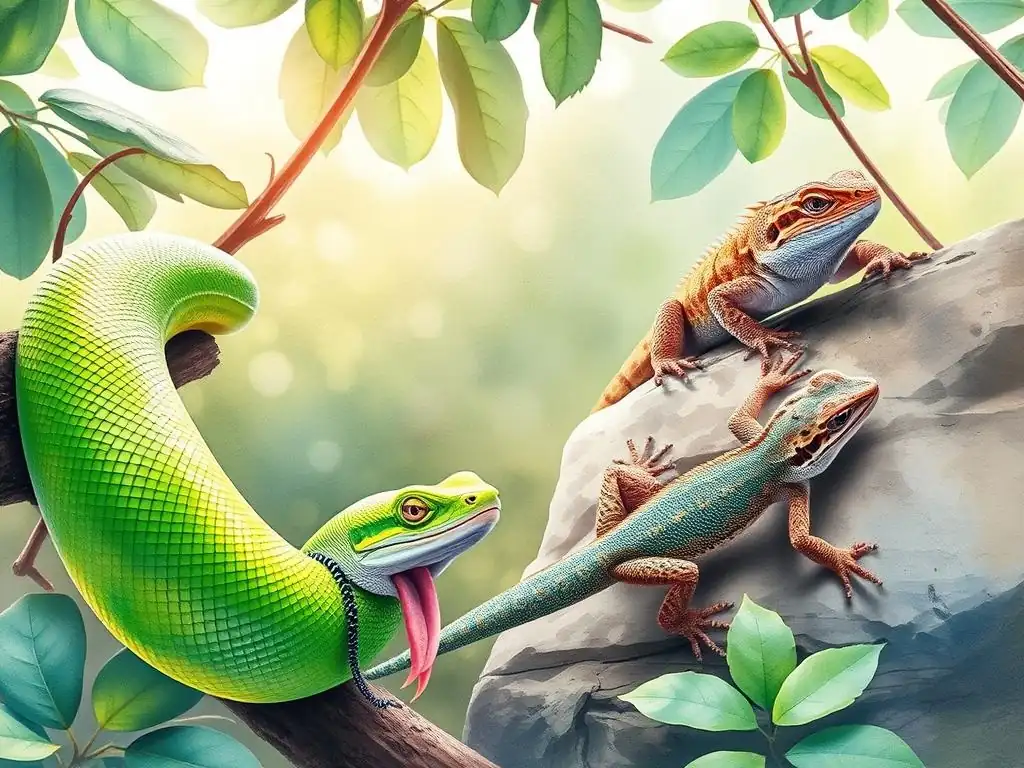
This section delves into the successful cohabitation of different reptile species, providing concrete examples and highlighting the crucial factors that contribute to harmonious living arrangements. Understanding species compatibility is paramount for the well-being of your reptiles; improper housing can lead to stress, injury, and even death. A well-researched "Reptile species compatibility guide" is essential before introducing multiple reptiles to a shared enclosure. Remember, even within the same species, individual personalities and temperaments play a significant role.
Compatible Reptile Species: A Detailed List with Considerations
Successfully cohabitating reptiles requires careful planning and observation. This list provides examples of compatible species, but remember that individual variation exists. Always prioritize the safety and well-being of your animals. Factors like size, temperament, and dietary needs must be carefully considered. A lack of proper planning can easily lead to conflict and injury. Always monitor your reptiles closely after introducing them, even if they are deemed compatible.
Compatible Pairs of Leopard Geckos
Leopard geckos, Eublepharis macularius, are often successfully housed in pairs, particularly if they are introduced young and are of similar size. However, this isn't guaranteed. Careful observation is crucial. Males, especially, may exhibit territorial behavior, leading to aggression. Providing ample space, hiding spots, and food sources can mitigate this. Consider the following:
- Size: Avoid pairing significantly different sized individuals. Larger geckos may dominate and injure smaller ones.
- Sex: While same-sex pairings are generally safer, two males might still fight. A male-female pair requires careful monitoring for breeding.
- Enclosure Size: A larger enclosure is crucial for reducing stress and territorial conflicts. The minimum size recommended is often doubled when housing two geckos.
Remember, even with careful planning, some pairings may not work. Be prepared to separate individuals if aggression or stress is observed. Signs of stress include loss of appetite, hiding excessively, and changes in skin coloration.
Compatible Pairs of Crested Geckos
Crested geckos, Correlophus ciliatus, are generally more docile than leopard geckos and are often successfully kept in pairs. Similar to leopard geckos, however, size and sex are important considerations. Providing an enriched environment with plenty of climbing structures and hiding places is key.
- Feeding: Ensure sufficient food is available to avoid competition.
- Temperature and Humidity: Maintain consistent environmental parameters to reduce stress.
- Substrate: A suitable substrate that allows for burrowing is beneficial for both stress reduction and enrichment.
Compatible Groups of Corn Snakes
Corn snakes, Pantherophis guttatus, are relatively docile and can sometimes be kept in groups, particularly if introduced young. However, this is often more successful with females than males, who are more prone to aggression. The enclosure size needs to be significantly larger than for a single snake, providing ample space for each individual to retreat.
- Enclosure Size: The space required increases exponentially with the number of snakes.
- Feeding: Individual feeding is often recommended to prevent competition and aggression. This is especially crucial when dealing with a group of males.
- Monitoring: Regular monitoring for signs of stress or aggression is essential.
Incompatible Reptile Species: Understanding Potential Conflicts
This section explores reptile species that should never be housed together due to inherent incompatibility. Mixing incompatible species can lead to serious injury or death for one or both animals. This is not simply a matter of observation; it's a matter of safety and ethical pet ownership. A comprehensive "Reptile species compatibility guide" will clearly outline these dangerous pairings.
Incompatible Species: Bearded Dragons and Corn Snakes
Bearded dragons, Pogona vitticeps, and corn snakes are frequently cited as an example of incompatible species. The size difference alone presents a significant risk. A larger bearded dragon could easily injure or kill a smaller corn snake. Beyond size, their vastly different needs for temperature and humidity make cohabitation impossible.
Incompatible Species: Green Anoles and Leopard Geckos
Green anoles, Anolis carolinensis, and leopard geckos represent another example of incompatible species. While seemingly small, the risk is significant. Anoles are diurnal (active during the day) and arboreal (tree-dwelling), while leopard geckos are nocturnal and terrestrial. Their vastly different environmental and behavioral needs make cohabitation impractical, and the potential for predation from the anole exists. Even if not directly predatory, the stress of cohabitation could severely impact the health and well-being of the leopard gecko. Furthermore, the anole's preference for higher humidity can create an unsuitable environment for the leopard gecko.
Remember, this guide only provides a snapshot of species compatibility. Thorough research and careful observation are essential for responsible reptile ownership. Always consult with a reptile veterinarian or experienced herpetologist before introducing multiple reptiles to a shared enclosure. Prioritize the health and safety of your animals above all else.
Creating a Harmonious Multi-Species Reptile Enclosure
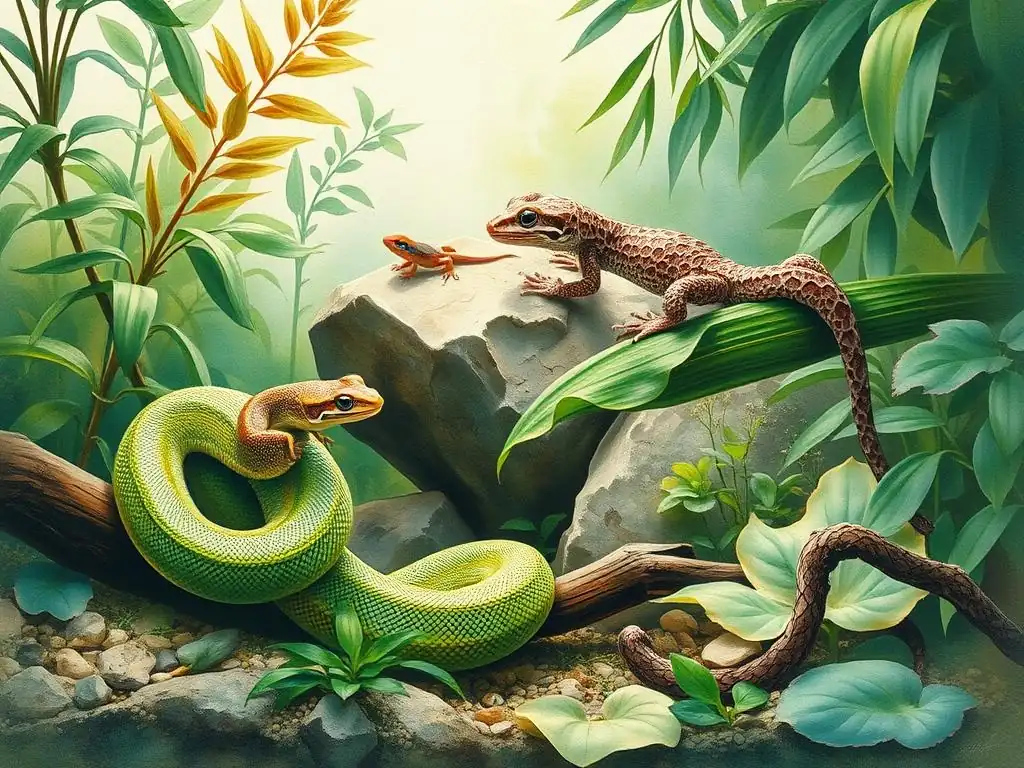
This section delves into the crucial aspects of successfully housing multiple reptile species together, focusing on the practical considerations for creating a safe and stimulating environment. A successful multi-species reptile enclosure requires careful planning and a deep understanding of individual species needs, going beyond a simple "Reptile species compatibility guide." Ignoring these factors can lead to stress, injury, and even death for your reptiles.
Space Planning and Habitat Design for Multiple Reptiles
Creating an appropriate habitat for multiple reptile species requires meticulous planning. Insufficient space is a leading cause of conflict and stress. The minimum space requirement isn't simply the sum of individual species needs; consider the reptiles' activity levels and potential interactions. For instance, a highly active species like a leopard gecko might require significantly more floor space than a relatively sedentary species like a bearded dragon, even if their individual size requirements are similar. Territorial species need ample space to avoid direct confrontation.
Consider these points when planning your multi-species enclosure:
- Species-Specific Needs: Research each species' individual requirements meticulously. This includes temperature gradients, humidity levels, substrate type, and basking spot requirements. Compromise is often necessary, but ensuring each species' core needs are met is paramount. For example, a species requiring high humidity might need a specific humid hide, while another might need a drier area.
- Visual Barriers: Strategically placed rocks, plants, and branches can create visual barriers, reducing direct visual contact and territorial disputes between species. This is especially important for territorial species or those that exhibit aggressive behavior towards conspecifics or other species.
- Hiding Places: Provide ample hiding spots for all species, allowing them to retreat and feel secure. The number of hides should exceed the number of reptiles, ensuring that every individual has a choice of retreat locations.
- Substrate Choice: Choose a substrate that meets the needs of all species. This might require zoning the enclosure with different substrates in designated areas. For example, a species needing high humidity might have a section with damp moss, while another prefers a drier substrate like paper towels.
- Enclosure Size: As a general rule, the larger the enclosure, the better. Larger enclosures allow for more space between reptiles, reducing the likelihood of conflict. Aim for an enclosure size significantly larger than the sum of individual species needs.
Implementing Effective Enrichment Strategies for Multiple Species
Enrichment is crucial for maintaining the well-being of reptiles in a multi-species environment. It reduces stress and boredom, promoting natural behaviors and preventing aggression stemming from lack of stimulation. Enrichment strategies should be tailored to the specific needs of each species.
Consider these enrichment strategies:
- Environmental Enrichment: This includes providing varied textures, hiding places, climbing structures, and visual stimulation. Think about incorporating branches, rocks, plants (non-toxic! ), and even artificial foliage. Remember to consider the climbing abilities and preferences of each species.
- Behavioral Enrichment: This involves activities that stimulate natural behaviors. For example, providing live prey for predatory species (following ethical considerations) or implementing foraging opportunities through hidden food items.
- Social Enrichment (with caution): While introducing multiple species creates social interaction, it's crucial to monitor these interactions carefully. Some species might benefit from visual interaction with other species, while others might find it stressful. The key is careful observation and appropriate species selection.
Monitoring Reptile Interactions and Addressing Potential Issues
Continuous monitoring is essential to ensure the success of a multi-species reptile enclosure. Regular observation allows for early detection of potential problems. Early intervention is key in preventing escalation of conflicts and ensuring the well-being of all reptiles.
- Regular Observation: Daily visual checks are necessary to observe body language, feeding behaviors, and any signs of aggression or stress. Look for signs such as weight loss, lethargy, or injuries.
- Addressing Aggression: If aggression is observed, immediate intervention is required. This might involve separating the aggressive individuals or modifying the enclosure to provide more space and visual barriers. In some cases, rehoming one or more reptiles may be necessary.
- Record Keeping: Maintain detailed records of feeding, shedding, behavior, and any observed interactions. This provides valuable data to assess the success of the multi-species setup and allows for early detection of any problems.
Remember, creating a successful multi-species reptile enclosure requires significant research, planning, and ongoing monitoring. Prioritizing the individual needs of each species and carefully assessing potential compatibility is essential for a harmonious and thriving reptile community. This detailed approach, far beyond a simple compatibility guide, is essential for responsible reptile keeping.
Troubleshooting Common Problems in Multi-Species Reptile Housing
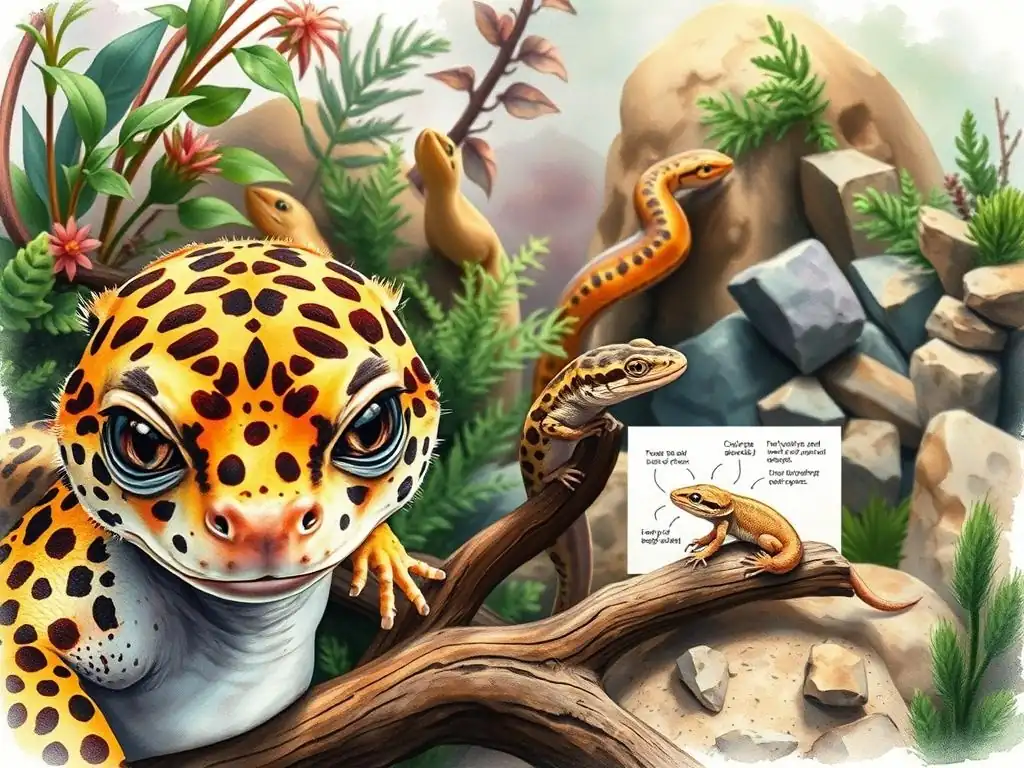
This section addresses common challenges encountered when housing multiple reptile species together, offering practical solutions to ensure the well-being of your reptilian companions. Successfully cohabitating different reptile species requires careful planning and ongoing monitoring. Ignoring potential conflicts can lead to serious health issues, stress, and even death for your pets. This guide focuses on proactive strategies and reactive solutions to maintain a harmonious and healthy multi-species environment. Understanding reptile species compatibility is paramount for a successful outcome, and this guide will help you navigate the complexities of this endeavor.
Dealing with Aggression and Territorial Behavior
Aggression and territorial disputes are frequent problems when housing multiple reptile species, particularly those with overlapping niches or similar prey preferences. Preventing these issues starts with careful species selection. Avoid combining species known for aggressive behavior, especially those with similar sizes and hunting strategies. For instance, combining a larger, more aggressive species like a monitor lizard with a smaller, docile species like a gecko is generally ill-advised. The larger reptile may view the smaller one as prey or a threat, leading to attacks and potential injury or death.
Even with careful species selection, aggression can still emerge. Providing ample space, hiding places, and basking spots can significantly mitigate territorial disputes. Each reptile should have its own designated safe zone where it feels secure and can retreat from potential aggressors. Observe your reptiles closely for signs of aggression, such as hissing, tail whipping, lunging, or biting. If aggression occurs, immediate separation is necessary. This may require re-housing the reptiles in separate enclosures.
Careful enrichment of the environment is crucial. Providing a variety of climbing structures, branches, rocks, and foliage can help to reduce territorial tension by providing multiple areas for exploration and basking. This also helps to ensure that no single reptile dominates the most desirable spots. Remember that even seemingly compatible species can exhibit unexpected aggressive behavior, so constant monitoring is essential.
Preventing Disease Transmission Between Reptiles
Disease transmission is a major concern when housing multiple reptile species. Reptiles can carry a range of pathogens, including bacteria, viruses, parasites, and fungi, many of which are species-specific. However, cross-species transmission can occur, particularly if there's exposure to fecal matter, shed skin, or other bodily fluids. Maintaining impeccable hygiene is paramount. Regular and thorough cleaning of the enclosure is essential, removing all fecal matter, uneaten food, and shed skin promptly. Use appropriate disinfectants, ensuring they're safe for reptiles and effective against a broad spectrum of pathogens. [Specific disinfectant recommendations pending].
Quarantine is a vital preventative measure, especially for new reptiles introduced to an existing multi-species setup. A separate quarantine enclosure allows you to monitor the new reptile for any signs of illness before introducing it to the established group. This minimizes the risk of introducing diseases into the existing population. Regular veterinary check-ups are also crucial.
A veterinarian specializing in reptiles can perform health screenings, identify potential health problems early on, and advise on preventative measures. This proactive approach is critical to maintaining the health of your reptile collection. The cost of regular vet visits is a small price to pay for the health and well-being of your pets.
Addressing Dietary Conflicts and Nutritional Needs
Dietary conflicts can arise when housing different reptile species together, particularly if they have differing nutritional requirements or feeding preferences. Some species may be cannibalistic, posing a significant risk to smaller or weaker individuals. Others may compete aggressively for food, leading to stress and malnutrition. Careful species selection is again key. Avoid combining species with similar dietary needs, as this can lead to competition and starvation for some individuals. For example, avoid cohabitating two species that both primarily consume insects, as this will create competition for resources.
Implementing a feeding strategy that minimizes competition is crucial. Provide multiple feeding stations, strategically placed throughout the enclosure, to reduce direct competition between individuals. Consider using separate feeding containers or even feeding the reptiles at different times of the day. This helps to ensure that each reptile receives adequate nutrition without the stress of competition. Furthermore, each species should receive a tailored diet that meets its specific nutritional requirements.
Researching the individual dietary needs of each species is essential to avoid nutritional deficiencies or imbalances. A varied diet, incorporating a range of insects, vegetables, and other appropriate food sources, is generally recommended. Monitoring each reptile's weight and body condition is important to ensure they are receiving adequate nutrition. Remember, a well-fed reptile is a happy and healthy reptile.
Ethical Considerations in Multi-Species Reptile Keeping
Responsible reptile ownership goes beyond simply providing food, water, and shelter. When considering keeping multiple reptile species together, a deep understanding of ethical implications is paramount. The welfare of each animal must be the top priority, and this necessitates careful consideration of their individual needs and potential for conflict. Ignoring ethical considerations can lead to significant harm, suffering, and even death for the reptiles involved.
This section will explore the crucial aspects of ethical reptile keeping in a multi-species environment. A key aspect of responsible reptile ownership centers around the principle of "Do No Harm." This extends beyond the obvious acts of cruelty and encompasses a proactive approach to minimizing stress and maximizing the well-being of each reptile.
Responsible Reptile Ownership: Prioritizing Animal Welfare
Prioritizing animal welfare in multi-species reptile keeping means understanding that not all reptiles are created equal. Different species have vastly different needs regarding temperature, humidity, lighting, substrate, and diet. For example, a desert-dwelling species like a Leopard Gecko requires a dry, warm environment, while a tropical species like a Green Tree Frog needs high humidity and plenty of climbing space. Forcing incompatible species to share an enclosure inevitably leads to compromised welfare for at least one, if not all, inhabitants. This compromise can manifest in various ways, including:
- Stress-induced illness: Constant anxiety from inappropriate housing can weaken the immune system, making reptiles more susceptible to disease.
- Nutritional deficiencies: Competition for food can result in some reptiles not receiving adequate nutrition. This is particularly problematic for species with specialized dietary requirements.
- Physical injury: Larger or more aggressive species may injure or even kill smaller, more docile companions. This is especially concerning with species that exhibit cannibalistic tendencies.
- Territorial disputes: Even seemingly peaceful species can become aggressive when their space is limited or resources are scarce.
Careful observation is crucial. Regular monitoring for signs of stress, such as lethargy, loss of appetite, or unusual behavior, is vital for early intervention and preventing serious health problems.
The Importance of Research and Careful Planning Before Cohabitation
Before introducing any two reptile species, exhaustive research is essential. This involves understanding the specific needs of each species, their natural habitats, and their potential for interaction. Consult reputable sources, such as scientific literature and experienced herpetologists, to determine compatibility. Simply assuming two species can coexist peacefully is irresponsible and potentially fatal. Here's a breakdown of the crucial research steps:
- Species-specific requirements: Thoroughly investigate the ideal temperature, humidity, lighting, and substrate for each species. Even a small discrepancy can create an unsuitable environment for at least one reptile.
- Dietary needs: Analyze the dietary requirements of each species. Can they share the same food sources without competition or nutritional deficiencies? Are there any risks of cannibalism?
- Temperament and behavior: Research the typical temperament and behavior of both species. Are they known to be aggressive or territorial? Are they likely to tolerate the presence of another species?
- Size and growth: Consider the adult size of each species. Will the smaller species be at risk of injury from the larger species as they grow?
Careful planning also includes creating a spacious enclosure that can accommodate the needs of both species. Providing ample hiding places, basking spots, and climbing structures can help minimize stress and competition. Remember, larger is always better when dealing with multiple reptiles.
When to Separate Reptiles: Recognizing Signs of Stress and Conflict
Even with careful planning and research, some reptile pairings may not be successful. Recognizing signs of stress and conflict is crucial for the well-being of your animals. Immediate separation is necessary if you observe any of the following:
- Aggressive behavior: Chasing, biting, or wrestling between reptiles is a clear sign of conflict.
- Weight loss or loss of appetite: If one or both reptiles are losing weight or refusing to eat, this could indicate stress or lack of access to resources.
- Lethargy and unusual behavior: Changes in behavior, such as hiding excessively or showing signs of lethargy, can signal stress or illness.
- Physical injuries: Scratches, bites, or other injuries are strong indicators of conflict.
Ignoring these warning signs can lead to serious health problems, even death. If you observe any of these signs, promptly separate the reptiles and reassess the situation. It is always better to err on the side of caution and prioritize the welfare of your animals. Remember, a successful multi-species reptile setup requires constant vigilance and a willingness to adapt as needed. The health and happiness of your reptiles should always be the ultimate measure of success.
Frequently Asked Questions
Can different reptile species live together?
Generally, no. Different reptile species have different needs regarding temperature, humidity, and diet. Housing them together often leads to stress, injury, or death.
What are the risks of keeping incompatible reptiles together?
Risks include disease transmission, fighting and injury, and competition for resources like food and basking spots. One reptile may even prey on another.
Are there any exceptions to the rule of species incompatibility?
There are very few. Some closely related species might be housed together under extremely controlled conditions, but this is rare and requires expert knowledge.
How can I find out if two reptile species are compatible?
Consult a reputable herpetological resource like PetCareWorld or a qualified veterinarian specializing in reptiles. Thorough research is essential before co-housing.
What should I do if my incompatible reptiles are already housed together?
Immediately separate them. Prioritize the safety and well-being of each reptile. Consult a veterinarian to assess for injuries or illness.
Final Reflection: The Harmonious Habitat: Coexistence and Conservation
Understanding reptile compatibility is not merely a hobbyist's concern; it's a crucial step towards responsible reptile keeping and the preservation of these fascinating creatures. The implications of improper housing extend beyond individual animal welfare, impacting the delicate balance of biodiversity and the future of reptile populations.
The journey of researching reptile socialization has profoundly impacted my understanding of the interconnectedness of species and the subtle nuances of their interactions. The more we learn about the natural world, the more we realize how much we still have to learn.
This quote underscores the ongoing need for research and responsible practices within the reptile keeping community. Witnessing the potential for harmonious cohabitation, even between seemingly disparate species, highlights the importance of careful observation and a deep respect for the unique needs of each reptile. It challenges the simplistic view of reptiles as solitary creatures and opens up a world of possibilities for enriching their lives.
Consider the implications of your choices. Are you providing an environment that truly reflects the natural needs of your reptiles? Are you actively learning about their individual behaviors and social cues? You have the power to create a harmonious habitat, not just a cage. By embracing responsible reptile keeping, you contribute to a future where these magnificent creatures thrive, both in captivity and in the wild. Let this guide be a starting point for your journey towards a deeper understanding and a more compassionate approach to reptile care.
Unleash Your Reptile Knowledge: Next Steps for Successful Cohabitation
Thanks for exploring the fascinating world of reptile socialization! You've gained valuable insights into the complexities of creating harmonious multi-species environments. Ready to put this knowledge into practice?
- Design your ideal reptile habitat: Carefully consider the specific needs of each species—temperature, humidity, and space requirements—to create a thriving and safe community. Sketch out a potential enclosure design, focusing on individual needs and the creation of appropriate shared spaces.
- Share your reptile expertise: Help others avoid common mistakes! Discuss your findings and experiences on the PetCareWorld forums or share this article with fellow reptile enthusiasts. Start a conversation on your favorite social media platform.
- Observe and adapt: Maintain a detailed journal documenting your reptiles' interactions. Note any signs of stress or aggression and adjust your habitat or management strategies accordingly. This ongoing observation is crucial for long-term success.
What unique challenges or successes have you encountered while keeping different reptile species together? Let's discuss!