
Reptile Bone Health: Ensuring Strong Skeletons Through Diet and Care


Welcome to PetCareWorld, your ultimate guide to a happier, healthier life for your beloved companion! Are you ready to unlock the secrets to vibrant reptile health? Our comprehensive Reptile bone health diet guide dives deep into the nutritional needs of your scaled friends, revealing the key ingredients and feeding strategies for ensuring strong, healthy skeletons. Discover how the right diet can transform your reptile's well-being – explore now and embark on a journey to optimal reptile care!
- Understanding Reptile Bone Structure and Metabolism
-
The Crucial Role of Diet in Reptile Bone Health: A Reptile Bone Health Diet Guide
- Essential Nutrients for Strong Bones: Calcium, Phosphorus, and Vitamin D3
- Calcium to Phosphorus Ratio: Achieving the Perfect Balance in Your Reptile's Diet
- Choosing the Right Foods: Commercial Diets vs. Live Prey for Optimal Bone Health
- Dietary Supplements for Reptile Bone Health: When and How to Use Them
- Providing Optimal Environmental Conditions for Bone Health
- Monitoring Your Reptile's Bone Health: Signs and Symptoms
- Practical Tips for Maintaining Reptile Bone Health: A Reptile Bone Health Diet Guide
- Frequently Asked Questions (FAQs) about Reptile Bone Health and Nutrition
-
Frequently Asked Questions
- What are the key dietary components for strong reptile bones?
- How do I know if my reptile has a bone health problem?
- What are some good calcium supplements for reptiles?
- How does UVB lighting affect reptile bone health?
- My reptile's diet seems balanced, but it still has bone problems. What could be wrong?
- Final Reflection: A Foundation of Bone: Nurturing Healthy Reptile Lives
- Unlock Your Reptile's Inner Strength!
Understanding Reptile Bone Structure and Metabolism
Reptiles, unlike mammals, possess a unique skeletal system and metabolic process that significantly impacts their bone health. Understanding these nuances is crucial for responsible reptile ownership and ensuring your scaly companion enjoys a long, healthy life. This comprehensive guide delves into the essential dietary and care requirements for maintaining strong, healthy bones in your reptile.
We’ll explore the critical roles of calcium and phosphorus, examine the devastating effects of Metabolic Bone Disease (MBD), and investigate the various factors influencing bone density across different reptile species and ages. This guide aims to provide you with the knowledge to implement a robust reptile bone health diet and overall care plan, ultimately preventing health issues and promoting optimal well-being.
Successfully navigating reptile bone health requires a proactive approach, combining a precise understanding of nutritional needs with diligent observation of your pet's behavior and physical condition. This "Reptile bone health diet guide" will empower you to make informed decisions, ensuring your reptile thrives.
Calcium and Phosphorus: The Cornerstones of Reptile Bone Health
Calcium (Ca) and phosphorus (P) are not merely present in reptile bones; they are the very foundation upon which skeletal strength is built. Calcium, the most abundant mineral in reptile bones, is essential for bone mineralization and overall skeletal integrity. Phosphorus plays a vital supporting role, contributing to bone formation and maintaining its structural integrity. The ideal Ca:P ratio is critical; a significant imbalance can lead to serious health problems.
For most reptiles, a ratio of 2:1 (calcium to phosphorus) is generally recommended, though this can vary depending on the species and life stage. Providing a diet rich in calcium-rich foods, such as appropriately prepared insects dusted with calcium supplements, is paramount. Conversely, excessive phosphorus can interfere with calcium absorption, highlighting the importance of a balanced diet. Insufficient calcium intake, or an imbalanced Ca:P ratio, can manifest in various ways, from subtle weakness to severe deformities.
Monitoring your reptile's diet and ensuring access to appropriate UVB lighting (crucial for calcium absorption) are key preventative measures. Specific dietary recommendations will vary greatly depending on the species of reptile. For example, insectivores require appropriately sized insects dusted with calcium supplements, while herbivores need access to calcium-rich vegetables.
Metabolic Bone Disease (MBD) in Reptiles: Prevention and Treatment
Metabolic Bone Disease (MBD) is a debilitating condition stemming from a deficiency in calcium and/or vitamin D3, often exacerbated by inadequate ultraviolet B (UVB) lighting. Symptoms can range from subtle lethargy and weakness to severe bone deformities, fractures, and paralysis. Early detection is crucial for successful treatment. Recognizing the early warning signs, such as wobbly gait, tremors, or reluctance to move, is vital.
MBD is almost entirely preventable through proper diet and environmental enrichment. Providing a diet rich in calcium and vitamin D3, coupled with appropriate UVB lighting, is the cornerstone of prevention. Treatment for MBD often involves dietary adjustments, calcium supplementation, and UVB therapy.
In severe cases, veterinary intervention may be necessary, including medication and supportive care. Remember that MBD is a serious and potentially fatal condition; preventative measures are far more effective and humane than dealing with the consequences. The cost of treatment can be substantial, reinforcing the importance of proactive care.
Factors Affecting Bone Density in Reptiles: Age, Species, and Genetics
Several factors beyond diet influence bone density in reptiles. Age plays a significant role; young, growing reptiles have higher calcium requirements than adults. Species-specific dietary needs must also be considered; herbivorous reptiles have different calcium requirements than carnivorous or insectivorous reptiles. Genetic predisposition can also influence bone density. Some breeds or species might be inherently more susceptible to bone-related issues than others.
Furthermore, environmental factors, such as temperature and humidity, can indirectly influence calcium absorption and bone health. Maintaining appropriate environmental conditions is critical to supporting overall reptile well-being, including bone health. Understanding these multifaceted factors allows for a more comprehensive and tailored approach to ensuring optimal bone health in your reptile companion. Regular veterinary check-ups are recommended to monitor bone health and identify potential problems early. A proactive, well-informed approach is crucial for ensuring your reptile's skeletal system remains strong and healthy throughout its life.
The Crucial Role of Diet in Reptile Bone Health: A Reptile Bone Health Diet Guide
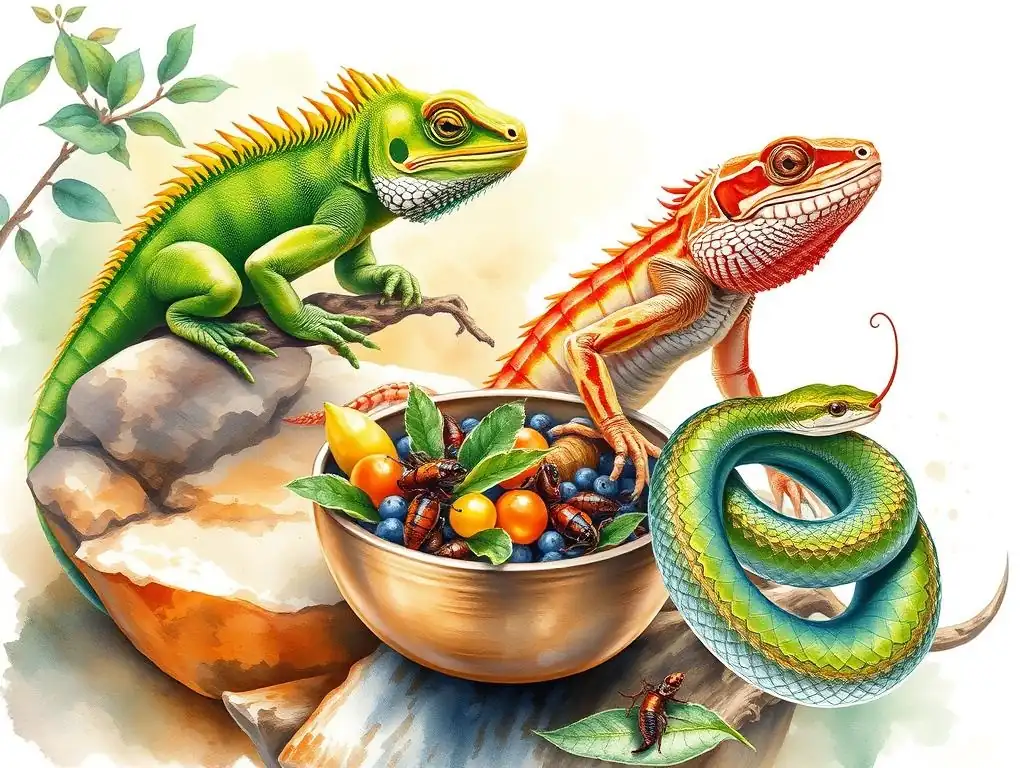
A reptile's skeletal system, just like ours, relies heavily on proper nutrition for optimal health and strength. Maintaining strong bones in reptiles is crucial for preventing metabolic bone disease (MBD), a debilitating condition characterized by weakened bones and skeletal deformities. This section will delve into the critical role of diet in achieving and maintaining strong reptile bones, providing a comprehensive reptile bone health diet guide.
Understanding the nutritional needs of your specific reptile species is paramount; general guidelines are helpful, but individual requirements can vary significantly. Ignoring these species-specific needs can lead to serious health problems. This guide will highlight key nutritional components and dietary strategies for optimal bone health.
Essential Nutrients for Strong Bones: Calcium, Phosphorus, and Vitamin D3
Calcium (Ca) is the cornerstone of strong bones. It's the primary mineral component of bone tissue, providing structural integrity and strength. Insufficient calcium intake is the most common cause of MBD. Phosphorus (P) works synergistically with calcium in bone formation, contributing to bone mineralization.
The balance between these two is critical, as an imbalance can hinder bone development. Finally, Vitamin D3 is essential for calcium absorption. Without sufficient Vitamin D3, even with adequate calcium intake, the reptile's body cannot effectively utilize the calcium for bone building. This leads to a paradoxical situation where a reptile may be receiving ample calcium but still suffering from MBD due to inadequate Vitamin D3.
The levels of these nutrients vary greatly depending on the reptile species. For example, a Leopard Gecko will have different nutritional needs than a bearded dragon. Always research the specific requirements of your reptile. Supplementation might be necessary, particularly for reptiles kept indoors, where natural UVB exposure is limited. Over-supplementation, however, can also be harmful, potentially leading to kidney stones or other health issues. Careful monitoring and consultation with a veterinarian specializing in reptiles are key to ensuring your reptile receives the perfect balance of these vital nutrients.
Calcium to Phosphorus Ratio: Achieving the Perfect Balance in Your Reptile's Diet
The calcium to phosphorus (Ca:P) ratio is a crucial factor in maintaining reptile bone health. An ideal Ca:P ratio usually falls between 1:1 and 2:1, although this can vary depending on the species. Maintaining this balance is essential for proper bone mineralization and preventing MBD. A ratio skewed heavily towards phosphorus can lead to calcium deficiency, even with adequate calcium intake.
Consider this example: A Bearded Dragon diet consisting primarily of insects low in calcium and high in phosphorus would lead to a problematic Ca:P ratio. This imbalance would significantly increase the risk of MBD, even if the dragon consumes calcium supplements. Conversely, a diet rich in calcium-rich vegetables and appropriately supplemented insects can maintain a healthy Ca:P ratio. Always check the nutritional content of commercial reptile foods and adjust accordingly. If using live prey, dusting with calcium and vitamin D3 supplements is crucial to ensure the correct balance and prevent deficiencies.
Choosing the Right Foods: Commercial Diets vs. Live Prey for Optimal Bone Health
The choice between commercial diets and live prey for your reptile depends on several factors, including species, age, and individual dietary needs. Commercial diets offer convenience and consistency in nutrient delivery. Reputable brands often formulate their products to provide a balanced nutritional profile, including appropriate Ca:P ratios and Vitamin D3. However, these diets should be supplemented, especially if your reptile does not receive adequate UVB exposure.
Live prey, such as insects, offers a more natural feeding experience and can be a valuable component of a balanced diet. However, ensuring the proper nutritional content of live prey is crucial. Insects should be gut-loaded (fed nutritious food before feeding to the reptile) to increase their nutritional value.
Furthermore, dusting live prey with calcium and Vitamin D3 supplements is essential to achieve the correct Ca:P ratio and ensure adequate vitamin intake. This process requires diligence and careful monitoring to avoid deficiencies or over-supplementation. A balanced approach, often combining commercial diets with carefully managed live prey, generally offers the most comprehensive nutritional support for optimal reptile bone health.
This comprehensive guide provides a solid foundation for understanding the nutritional aspects of reptile bone health. Remember that consulting with a reptile veterinarian is crucial for personalized advice tailored to your reptile's specific needs and species. Regular veterinary check-ups, including blood work to assess calcium and phosphorus levels, are recommended to monitor bone health and prevent potential problems. Proactive care is the key to ensuring your reptile enjoys a long and healthy life with strong, resilient bones.
Dietary Supplements for Reptile Bone Health: When and How to Use Them
Dietary supplements can play a crucial role in supporting reptile bone health, particularly when dietary calcium and phosphorus levels are insufficient or when specific deficiencies are suspected. However, it's vital to understand that supplements should complement, not replace, a well-balanced diet. Over-supplementation can be just as detrimental as under-supplementation, potentially leading to metabolic bone disease (MBD) or other health problems. Therefore, responsible use is paramount.
One of the most common supplements used to improve reptile bone health is calcium. Calcium is essential for bone growth and maintenance, and deficiencies can lead to weakened bones, skeletal deformities, and other health issues. Different forms of calcium supplements exist, including calcium carbonate, calcium gluconate, and calcium lactate. The bioavailability – how effectively the body absorbs the calcium – varies between these forms.
[Specific bioavailability data for different calcium forms in reptiles pending]. Choosing the right form is crucial and often depends on the specific reptile species and its dietary needs. For instance, certain species may absorb calcium carbonate more efficiently than others.
Phosphorus is another crucial mineral for bone health, working synergistically with calcium. While often abundant in commercial reptile diets, imbalances between calcium and phosphorus can negatively impact bone development. The ideal calcium-to-phosphorus ratio varies depending on the reptile species; for example, some species thrive with a ratio of 2:1 while others may require a higher calcium concentration. [Specific calcium-to-phosphorus ratios for various reptile species pending]. Supplementation with phosphorus is generally less common than calcium supplementation, usually only necessary when a significant deficiency is identified through blood tests or veterinary assessment.
Vitamin D3 is vital for calcium absorption. Reptiles cannot synthesize Vitamin D3 themselves; they must obtain it through their diet or through exposure to UVB radiation. UVB exposure allows the reptile to convert a precursor molecule into active Vitamin D3. However, even with proper UVB lighting, dietary supplementation with Vitamin D3 might be necessary, especially for indoor reptiles or during winter months when UVB exposure is limited. Always consult a veterinarian or herpetologist before adding Vitamin D3 supplements, as oversupplementation can be toxic.
The administration of supplements also requires careful consideration. Dusting insects or other prey items with a calcium and vitamin D3 powder is a common method for many insectivorous reptiles. Liquid supplements are available and can be added directly to the food or water, but this method requires monitoring to ensure the reptile consumes the entire dose. In some cases, injections may be necessary under veterinary supervision, particularly for severely deficient animals.
Remember, the frequency and dosage of supplements should always be determined based on the species, age, health status, and dietary intake of the reptile. Regular veterinary check-ups are crucial for monitoring bone health and adjusting supplementation as needed. Ignoring these guidelines can lead to serious health complications.
Providing Optimal Environmental Conditions for Bone Health
Maintaining optimal environmental conditions is crucial for reptile bone health. A reptile's environment directly impacts its ability to absorb calcium and synthesize vitamin D3, both essential for strong bones. Neglecting these environmental factors can lead to metabolic bone disease (MBD), a debilitating condition characterized by weakened bones and skeletal deformities. This section will detail the key environmental aspects to prioritize for robust reptile bone health. Remember, the specific requirements vary significantly depending on the species of reptile. Always research the precise needs of your pet.
UVB and UVA Lighting: Essential for Vitamin D3 Synthesis and Calcium Absorption
UVB and UVA lighting are not interchangeable; they play distinct, yet equally crucial, roles in reptile bone health. UVB radiation is absolutely essential for the synthesis of vitamin D3 in a reptile's skin. Vitamin D3 is critical for calcium absorption from the gut. Without sufficient UVB, even a diet rich in calcium will be ineffective, leading to calcium deficiency and MBD. UVA lighting, while not directly involved in calcium metabolism, is important for overall reptile health, influencing behavior, appetite, and immune function, indirectly contributing to strong bone development.
The intensity and duration of UVB and UVA exposure are species-specific. Some species require high-intensity UVB bulbs for several hours daily, while others may only need supplemental lighting for a shorter period. The distance between the reptile and the light source also matters; placing the bulb too far away reduces its effectiveness.
Regularly check and replace UVB bulbs according to the manufacturer's recommendations, as their effectiveness diminishes over time. A faulty or old bulb is essentially useless for promoting vitamin D3 synthesis. Monitoring your reptile's behavior and physical condition is vital; lethargy, soft bones, or deformities can indicate inadequate lighting.
Temperature and Humidity: Maintaining Ideal Conditions for Bone Metabolism
Temperature and humidity significantly influence calcium metabolism and bone development in reptiles. Metabolic processes, including calcium absorption and bone formation, are temperature-dependent. Consistent, appropriate temperatures are necessary for optimal enzyme function and efficient calcium utilization. Similarly, humidity plays a role in maintaining proper hydration, which is indirectly linked to bone health. Dehydration can impair calcium absorption and overall bone metabolism.
Maintaining the correct temperature gradient is crucial. Reptiles require a basking spot with a higher temperature and a cooler area where they can regulate their body temperature. Temperature gradients allow reptiles to thermoregulate, crucial for optimal metabolic function. Using accurate thermometers to monitor temperatures is essential. The ideal temperature range and humidity levels vary widely across different reptile species. For example, desert-dwelling reptiles require lower humidity than tropical species. Failure to provide the correct temperature and humidity can lead to stress, reduced appetite, and ultimately, impaired bone health.
Substrate Selection: Impact on Bone Health and Hygiene
The substrate, or bottom bedding, in a reptile enclosure can significantly impact bone health, both directly and indirectly. Certain substrates, such as sand or loose soil, can be ingested by reptiles, especially young ones or those prone to exploring their environment by mouth. Ingestion of such substrates can lead to impaction, a serious condition that can interfere with nutrient absorption, including calcium, and ultimately compromise bone health. Moreover, an unclean substrate can harbor bacteria and parasites, leading to infections that can further weaken the immune system and exacerbate bone problems.
Choosing an appropriate substrate is, therefore, crucial. Paper towels, reptile carpet, or non-toxic tile are generally safer choices than sand or loose substrates, minimizing the risk of ingestion and impaction. Regular cleaning and replacement of the substrate are also necessary to maintain hygiene and prevent the buildup of bacteria and parasites.
A clean environment minimizes the risk of secondary infections and helps to support overall reptile health, including bone health. Remember to choose a substrate that is suitable for your reptile's species and its specific environmental needs. Always research the best substrate for your specific reptile before making a purchase.
Monitoring Your Reptile's Bone Health: Signs and Symptoms
Regular observation is crucial for maintaining your reptile's bone health. Subtle changes in behavior and physical appearance can be early indicators of underlying skeletal issues, particularly Metabolic Bone Disease (MBD). Proactive monitoring allows for early intervention, significantly improving the chances of successful treatment and preventing long-term complications. A healthy reptile exhibits vibrant energy levels, a strong posture, and normal locomotion. Any deviation from this baseline warrants closer examination. This section will detail the key signs and symptoms to watch out for, empowering you to become a more vigilant and informed reptile caregiver.
Recognizing the Signs of Metabolic Bone Disease (MBD)
Metabolic Bone Disease (MBD) is a common nutritional disorder in reptiles, arising from an imbalance of calcium, phosphorus, and Vitamin D3. Early detection is vital, as MBD can lead to severe bone deformities, fractures, and even death if left untreated. The symptoms can be insidious, often developing gradually. Here are some key signs to watch for:
- Skeletal Deformities: Look for bowed legs, a wobbly gait, or an abnormally curved spine. These deformities are often most noticeable in growing reptiles. Precise measurements of limb length and angles can be helpful in tracking progression. [Specific measurement techniques pending].
- Muscle Weakness and Tremors: Reptiles with MBD may exhibit weakness in their limbs, difficulty moving, or trembling. This is often a consequence of weakened bones and impaired muscle function. Observe their movement during feeding and basking to note any unusual stiffness or hesitation.
- Lethargy and Loss of Appetite: MBD can cause significant discomfort and pain, leading to lethargy and a decrease in appetite. A previously enthusiastic eater showing disinterest in food should raise concern. Record food intake meticulously to detect subtle changes in feeding patterns.
- Soft or Brittle Bones: In advanced cases, the bones may become noticeably soft or brittle, making them susceptible to fractures. This is a serious sign requiring immediate veterinary attention. [Data on the frequency of bone fractures in reptiles with MBD pending].
- Jaw Problems: MBD can affect the jaw bones, leading to difficulty eating or a noticeable asymmetry in the jaw structure. This can be observed by noting the symmetry of the jaw when the reptile is eating or resting.
It's important to remember that not all reptiles exhibiting these signs will necessarily have MBD. However, any combination of these symptoms warrants a consultation with a veterinarian experienced in reptile care. Early diagnosis and intervention are crucial for effective treatment and improving the prognosis.
Regular Veterinary Checkups: Early Detection and Prevention
Regular veterinary checkups are essential for maintaining the overall health of your reptile, including its bone health. These checkups provide opportunities for early detection of MBD and other skeletal problems, allowing for prompt treatment before irreversible damage occurs. A comprehensive veterinary examination will include:
- Physical Examination: A thorough physical examination will assess the reptile's overall health, including its posture, gait, and muscle tone. The veterinarian will palpate the bones to check for any abnormalities.
- Bloodwork: Blood tests can help assess calcium, phosphorus, and vitamin D3 levels, providing crucial information about the reptile's mineral balance. Analyzing these values helps determine the severity of any mineral deficiency.
- Radiographs (X-rays): X-rays provide detailed images of the bones, allowing the veterinarian to identify fractures, deformities, and other skeletal abnormalities. Radiographs are a crucial diagnostic tool for detecting MBD and assessing its severity.
The frequency of veterinary checkups will depend on the age and species of your reptile, as well as its overall health. For young, growing reptiles, more frequent checkups may be necessary. Establish a relationship with a veterinarian experienced in reptile care to ensure your pet receives the best possible care. Preventative care is far more effective and less costly than treating severe MBD.
Diagnostic Tests for Assessing Bone Health
Several diagnostic tests can help veterinarians accurately assess reptile bone health and diagnose MBD. These tests provide objective data to support clinical findings and guide treatment decisions. The choice of test will depend on the specific clinical presentation and the veterinarian's assessment.
| Test | Description | Benefits | Limitations |
|---|---|---|---|
| Radiography (X-rays) | Creates images of the bones, revealing fractures, deformities, and bone density changes. | Provides a visual assessment of bone structure and integrity. | May not detect early stages of MBD, requires specialized equipment and expertise. |
| Blood Chemistry Panel | Measures blood levels of calcium, phosphorus, and other electrolytes. | Assesses mineral balance and detects metabolic imbalances. | Blood samples can be stressful for reptiles; results reflect current status only. |
| Histopathology | Microscopic examination of bone tissue. | Provides detailed information about bone structure and cellular changes. | Invasive procedure; requires euthanasia in many cases. |
| Bone Density Measurement | [Specific technique pending] | [Benefits pending] | [Limitations pending] |
The information provided here serves as a guide and should not replace professional veterinary advice. Always consult a veterinarian specializing in reptile care for diagnosis and treatment of any suspected bone health issues in your reptile. Early intervention is key to a positive outcome. Remember, a well-balanced diet and proper environmental conditions are crucial for preventing MBD and ensuring optimal reptile bone health.
Practical Tips for Maintaining Reptile Bone Health: A Reptile Bone Health Diet Guide
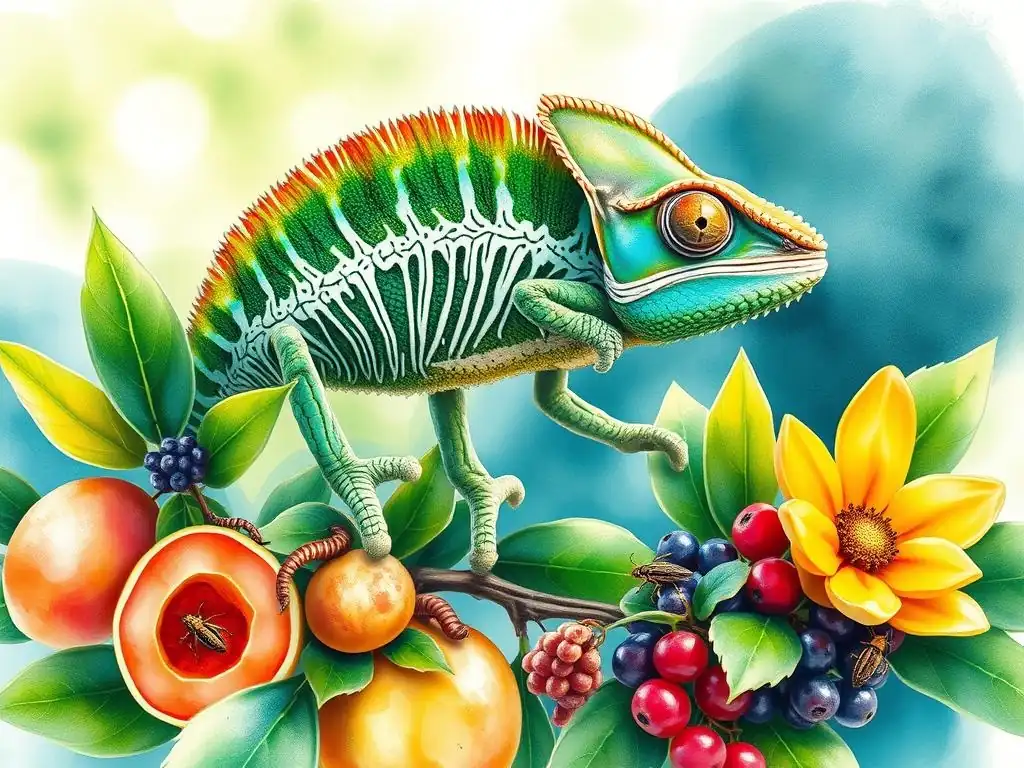
This section offers practical, actionable steps for improving your reptile's bone health through diet and overall care. Remember, a healthy diet is the cornerstone of strong bones in reptiles, just as it is for humans. Ignoring nutritional needs can lead to serious health problems, including Metabolic Bone Disease (MBD), a debilitating condition affecting skeletal structure. This guide will provide a solid foundation for understanding and addressing your reptile's bone health needs.
Creating a Balanced Diet Plan for Your Reptile
Crafting a balanced diet for your reptile requires careful consideration of several factors, primarily species-specific nutritional requirements. There's no one-size-fits-all solution; a diet suitable for a bearded dragon won't necessarily be appropriate for a leopard gecko. Understanding your reptile's natural diet is crucial.
For example, insectivorous reptiles like many geckos and some lizards require a diet primarily consisting of insects. These insects should be gut-loaded – fed nutritious foods before being offered to your reptile – to ensure they provide optimal nutritional value. This gut-loading process enhances the insect's calcium and vitamin content, directly benefiting your reptile's bone health. Dusting insects with a calcium and vitamin D3 supplement is also essential.
Herbivorous reptiles, such as many tortoises and iguanas, need a diet rich in leafy greens, vegetables, and fruits. However, the specific types and proportions of these foods vary significantly depending on the species. For example, an iguana's diet should be predominantly leafy greens, while a tortoise might benefit from a more varied mix including certain fruits and vegetables. Access to a calcium-rich substrate (such as cuttlebone) is also vital for these species. Always research the specific dietary needs of your reptile species.
| Reptile Type | Primary Food Source | Essential Supplements | Considerations |
|---|---|---|---|
| Insectivorous | Insects (crickets, roaches, mealworms) | Calcium, Vitamin D3 | Gut-loading insects is crucial |
| Herbivorous | Leafy greens, vegetables, fruits | Calcium, Vitamin D3, sometimes Vitamin A | Variety is important, but species-specific needs vary |
| Omnivorous | Insects, vegetables, fruits, small vertebrates (occasionally) | Calcium, Vitamin D3, Vitamin A, potentially others | Balance is key; research specific species requirements |
Failure to provide a balanced diet, tailored to your reptile's specific needs, can result in nutritional deficiencies, leading to weakened bones and other health problems. Remember to consult reputable sources and veterinary professionals for species-specific dietary recommendations.
Supplementation Strategies for Specific Reptile Species
While a balanced diet forms the foundation of good bone health, supplementation often plays a crucial role, especially for captive reptiles. The need for supplementation depends heavily on the species and the composition of their diet. Over-supplementation can be just as harmful as under-supplementation, so careful planning is essential.
For instance, bearded dragons, a popular pet reptile, often require supplemental calcium and Vitamin D3 due to the lower concentration of these nutrients in many commercially available insects. The frequency and amount of supplementation will depend on factors such as the type of insects fed, the age and size of the dragon, and the intensity of UVB lighting. Some keepers use a calcium supplement daily, while others opt for a less frequent regimen.
Understanding UVB Lighting and its Role
UVB lighting is crucial for reptiles as it helps them synthesize Vitamin D3, essential for calcium absorption. Without adequate UVB, even with proper calcium intake, reptiles can still develop MBD. The type and intensity of UVB lighting vary depending on the species and the distance from the light source. Incorrect UVB lighting can severely impact bone health.
This is not a comprehensive guide, and individual reptile species have unique needs. It’s vital to research your specific reptile's requirements thoroughly. Consult with a veterinarian specializing in reptiles for personalized supplementation advice. Improper supplementation can have negative consequences, so always proceed with caution and informed decision-making. Always purchase supplements from reputable sources.
Preventing Metabolic Bone Disease (MBD) Through Proper Care
Metabolic Bone Disease (MBD) is a serious condition resulting from a deficiency in calcium, Vitamin D3, or both, coupled with inadequate UVB exposure. Prevention is key, and it starts with understanding the factors contributing to MBD.
MBD manifests through various symptoms, including skeletal deformities, lethargy, weakened bones, and difficulty moving. Early detection is crucial for successful treatment, which typically involves dietary changes, supplementation adjustments, and increased UVB exposure. However, severe cases might require more intensive veterinary intervention.
Prevention is far more effective than cure when it comes to MBD. A proactive approach to diet and UVB provision is essential for maintaining your reptile's skeletal health.
Proper husbandry practices, including appropriate temperature gradients, humidity levels, and substrate type, also play a role in preventing MBD. Maintaining the correct temperature gradient helps in digestion and calcium absorption. Similarly, appropriate substrate is crucial for basking and thermoregulation, essential for proper calcium utilization. Remember, a holistic approach to reptile care, encompassing diet, supplementation, and environment, is essential for preventing MBD and ensuring robust bone health. Regular veterinary check-ups are strongly recommended to monitor your reptile's health and catch potential problems early.
Addressing Common Nutritional Deficiencies in Reptiles
Nutritional deficiencies are a significant threat to reptile bone health. Calcium and phosphorus are crucial, and imbalances can lead to metabolic bone disease (MBD), a debilitating condition. A lack of vitamin D3, essential for calcium absorption, also contributes to MBD. Symptoms can range from lethargy and weakness to skeletal deformities and fractures. Early detection is key. Regular veterinary checkups, including blood tests to assess calcium and phosphorus levels, are vital. A reptile exhibiting signs of MBD may require intensive veterinary care, including specialized diets and medications. Prevention is always better than cure. A well-balanced diet, supplemented appropriately, is paramount.
Understanding the specific dietary needs of your reptile species is crucial. Different reptiles have different calcium-to-phosphorus ratios and vitamin D3 requirements. For example, herbivorous reptiles may need less vitamin D3 than insectivores, as they can obtain it from plants exposed to UV light. However, even herbivores can benefit from supplemental calcium. Inadequate calcium intake can lead to soft bones, while excessive phosphorus intake can interfere with calcium absorption. This highlights the importance of researching your reptile's specific needs and tailoring its diet accordingly. Failure to do so can result in serious health complications, including MBD.
Beyond calcium, phosphorus, and vitamin D3, other nutrients play a crucial role in bone health. Vitamin A is essential for bone growth and development. Vitamin K is important for blood clotting, which is crucial for bone healing. Magnesium is involved in calcium metabolism. Providing a varied and balanced diet, supplemented with appropriate vitamins and minerals, is the most effective way to prevent nutritional deficiencies.
It's recommended to use high-quality reptile-specific supplements, following the recommended dosage carefully. Over-supplementation can be just as harmful as under-supplementation. Always consult with a veterinarian or herpetologist specializing in reptile nutrition to formulate a tailored diet plan for your pet. They can advise on the appropriate supplements and monitor your reptile's progress.
The role of UVB lighting cannot be overstated. UVB light allows reptiles to synthesize vitamin D3, which is crucial for calcium absorption. Without proper UVB exposure, reptiles cannot effectively utilize the calcium in their diet, leading to MBD. The type and intensity of UVB bulb required will vary depending on the species of reptile.
It's essential to choose a high-quality UVB bulb and replace it regularly, as UVB output diminishes over time. Ensure the bulb is positioned correctly to provide adequate UVB exposure to your reptile's basking area. Regular monitoring of your reptile’s behavior and physical condition is also essential to detect early signs of nutritional deficiencies and address them promptly. A proactive approach to reptile nutrition is essential for maintaining optimal bone health and overall well-being.
Frequently Asked Questions (FAQs) about Reptile Bone Health and Nutrition
This section addresses common concerns regarding reptile bone health and nutrition, providing practical advice to ensure your scaly companion enjoys a long and healthy life. Understanding these key aspects is crucial for preventing metabolic bone disease (MBD), a debilitating condition affecting many reptiles in captivity. This guide focuses on dietary and environmental factors crucial for strong, healthy bones.
What are the best calcium supplements for reptiles?
Choosing the right calcium supplement is paramount for maintaining optimal reptile bone health. The best choice depends heavily on the species of reptile you own. For example, a bearded dragon’s calcium needs differ significantly from those of a leopard gecko. Generally, a high-quality calcium powder, without added phosphorus, is recommended. The calcium to phosphorus ratio is critical; too much phosphorus can interfere with calcium absorption.
Many reputable brands offer calcium supplements specifically formulated for reptiles. Look for products containing calcium carbonate (CaCO₃) or dicalcium phosphate (DCP), but always check the label for the calcium:phosphorus ratio. A ratio of at least 2:1, and ideally higher, is generally considered ideal. Some supplements also include Vitamin D3, which aids calcium absorption, but be cautious of over-supplementation, as this can be toxic. Always follow the manufacturer's instructions carefully regarding dosage, frequency, and application method (dusting on food, etc. ).
Remember, prevention is key. Providing a balanced diet rich in naturally occurring calcium sources is the first line of defense against calcium deficiency. This reduces the need for excessive supplementation. Observe your reptile's behavior and appetite; any changes could be indicative of underlying nutritional issues. Consult a veterinarian specializing in reptiles if you have any concerns about your reptile's calcium intake or bone health.
How often should I provide UVB lighting for my reptile?
UVB lighting is not a supplement; it's an essential component of a healthy reptile environment. UVB rays are crucial for the synthesis of Vitamin D3 within the reptile's body. Vitamin D3 is vital for calcium absorption, and inadequate UVB exposure directly leads to metabolic bone disease (MBD). The frequency and duration of UVB exposure vary depending on the species and the type of UVB bulb used.
Generally, reptiles require 10-12 hours of UVB exposure daily. However, this is a broad guideline. Some species, particularly those from arid climates, may require slightly longer periods. It's crucial to research the specific requirements of your reptile species. The intensity of the UVB bulb is equally important; a weak or old bulb will not provide sufficient UVB radiation, rendering it ineffective. Replace UVB bulbs every 6-12 months, even if they still appear to be working, as their UVB output diminishes over time.
The placement of the UVB bulb is also critical. The distance between the bulb and the basking spot should be carefully determined according to the manufacturer's instructions. Too close, and you risk overheating and burning your reptile; too far, and the UVB rays won't be strong enough. Regularly monitor the temperature and UVB levels using appropriate measuring devices to ensure your reptile is receiving the optimal level of UVB radiation. Consistent monitoring is crucial for maintaining optimal reptile bone health.
What are the signs of metabolic bone disease in reptiles?
Metabolic bone disease (MBD) is a severe condition resulting from calcium deficiency and inadequate Vitamin D3. Early detection and intervention are critical for a positive outcome. Recognizing the signs of MBD is crucial for preventing long-term health problems.
Early signs of MBD can be subtle and easily overlooked. These may include:
- Lethargy and weakness: Your reptile may appear less active than usual, exhibiting a decreased appetite and reluctance to move.
- Muscle tremors and spasms: This is a more advanced symptom, indicating significant calcium deficiency.
- Deformities in bones and limbs: This is often a late-stage sign, where skeletal deformities are visible. This can manifest as bowed legs, a deformed jaw, or a curved spine.
- Soft or fragile bones: This can lead to fractures even with minor trauma.
- Loss of appetite: This is often one of the first noticeable signs, indicating a potential underlying health problem.
If you notice any of these symptoms, immediately consult a veterinarian specializing in reptiles. Early diagnosis and treatment significantly improve the chances of successful recovery. Remember, consistent monitoring of your reptile's diet, environment, and overall health is the best way to prevent MBD and maintain optimal reptile bone health. Prevention is always better than cure, and in the case of MBD, early intervention is paramount.
How can I prevent metabolic bone disease (MBD) in my reptile?
Metabolic bone disease (MBD) is a serious condition in reptiles resulting from nutritional deficiencies, primarily insufficient calcium and vitamin D3. Preventing MBD requires a multifaceted approach focusing on proper diet, appropriate lighting, and environmental enrichment. Let's delve into the specifics:
First and foremost, diet is crucial. Your reptile's diet must provide a proper calcium-to-phosphorus ratio. This ratio should generally be 2:1 or higher, meaning there should be at least twice as much calcium as phosphorus. Many commercial reptile diets are formulated to meet these needs, but always check the label carefully.
Supplementing with calcium powder, dusted on food items several times a week, is often necessary, especially for growing reptiles or females laying eggs. The type of calcium powder matters; calcium carbonate is readily available and inexpensive, but calcium gluconate is more easily absorbed. Consult a veterinarian specializing in reptiles to determine the best supplement for your specific reptile species. In addition to calcium, ensure your reptile receives enough vitamin D3, which is essential for calcium absorption.
Secondly, appropriate lighting is paramount. Reptiles require specific UVB and UVA light exposure to synthesize vitamin D3. Without proper UVB lighting, even a perfect diet won't prevent MBD. The type and intensity of UVB lighting depend on the species of reptile; some require higher UVB output than others.
It's vital to research the specific needs of your reptile species and choose a UVB bulb with the appropriate strength and spectrum. Remember that UVB bulbs degrade over time, losing their effectiveness; replace them according to the manufacturer's recommendations, typically every 6-12 months, to maintain optimal UVB output. UVA lighting is also important for overall reptile health and well-being, influencing their behavior and appetite.
Thirdly, environmental enrichment plays a surprising role. Providing a suitable enclosure with appropriate temperature gradients, humidity levels, and hiding places helps ensure your reptile's overall health. Stress can negatively impact calcium absorption and increase the risk of MBD. A comfortable and stimulating environment contributes to a healthy reptile, making it more likely to thrive and absorb nutrients effectively. This includes substrate selection; some substrates can interfere with calcium absorption. Consult with a reptile veterinarian or experienced reptile keeper to determine the most appropriate substrate for your specific reptile.
Finally, regular veterinary checkups are essential. A reptile veterinarian can perform physical examinations, assess your reptile's diet and environment, and detect early signs of MBD through blood tests. Early diagnosis and intervention greatly improve the chances of successful treatment and recovery. Don't hesitate to seek professional help if you notice any signs of MBD, such as lethargy, bone deformities, or tremors. Prevention is always better than cure, and proactive care is key to maintaining your reptile's bone health. Remember that consistency in providing proper nutrition, lighting, and a suitable environment is crucial for long-term success in preventing MBD.
Frequently Asked Questions
What are the key dietary components for strong reptile bones?
Reptiles need a diet rich in calcium and phosphorus, along with vitamin D3 for proper absorption. The calcium-to-phosphorus ratio is crucial for optimal bone health.
How do I know if my reptile has a bone health problem?
Signs can include limb deformities, weakness, lethargy, or difficulty moving. If you notice any of these, consult a veterinarian immediately.
What are some good calcium supplements for reptiles?
Many commercially available calcium powders are suitable, but always follow the instructions carefully. Cuttlebone can also provide a natural source of calcium.
How does UVB lighting affect reptile bone health?
UVB lighting is essential because it helps reptiles synthesize vitamin D3, which is vital for calcium absorption and strong bones. Insufficient UVB can lead to metabolic bone disease (MBD).
My reptile's diet seems balanced, but it still has bone problems. What could be wrong?
Several factors can contribute, including underlying health issues, incorrect UVB lighting, or genetic predispositions. A veterinary examination is necessary to determine the exact cause.
Final Reflection: A Foundation of Bone: Nurturing Healthy Reptile Lives
The health of our reptile companions hinges directly on the nutritional foundation we provide. A seemingly small oversight in their diet can have devastating long-term consequences, impacting their mobility, comfort, and overall well-being. Understanding the intricate relationship between diet and bone health is not merely a matter of responsible ownership; it's a commitment to ensuring a vibrant and fulfilling life for these fascinating creatures.
The impact of proper nutrition on reptile bone health extends far beyond the individual animal. It underscores the crucial role we play in the conservation and ethical care of these often misunderstood species. Providing the correct calcium-to-phosphorus ratio and supplementing with essential vitamins isn't just about preventing Metabolic Bone Disease (MBD); it's about fostering a thriving population of healthy reptiles, both in captivity and, hopefully, in the wild. The care we give reflects the respect we have.
This simple truth holds profound implications for our responsibility towards the animals under our care.
You, the reader, now hold the knowledge to make a significant difference. Take the time to review your reptile's diet, ensuring it aligns with their specific needs. Don't hesitate to consult with a veterinarian specializing in reptiles if you have any concerns. By actively participating in the health and well-being of your scaly friends, you are not only enriching their lives but also contributing to a broader understanding and appreciation of these incredible animals. Let's build a future where strong bones and healthy lives are the norm for all reptiles.
Unlock Your Reptile's Inner Strength!
Congratulations on taking the first step toward ensuring your reptile's optimal bone health! You've gained valuable knowledge that will help you build a stronger, healthier future for your scaly companion. Ready to put this knowledge into practice?
- Craft a Bone-Boosting Diet: Begin by carefully reviewing your reptile's current diet, paying close attention to its calcium and vitamin D3 intake. Make any necessary adjustments based on the recommendations provided in this article. A balanced diet is crucial for strong bones.
- Share Your Progress (and Ask Questions!): Join our thriving PetCareWorld community and share your reptile's dietary journey. We're eager to hear about your successes and are here to provide support and guidance should you encounter any challenges.
- Access Our Expert Resources: Delve deeper into reptile care with our comprehensive collection of articles and guides available at petcareworld.org. We offer a wealth of information to help you become a confident and knowledgeable reptile caregiver.
What positive change will you implement today to improve your reptile's bone health?