
Reptile Eye Health: Recognizing and Addressing Common Problems

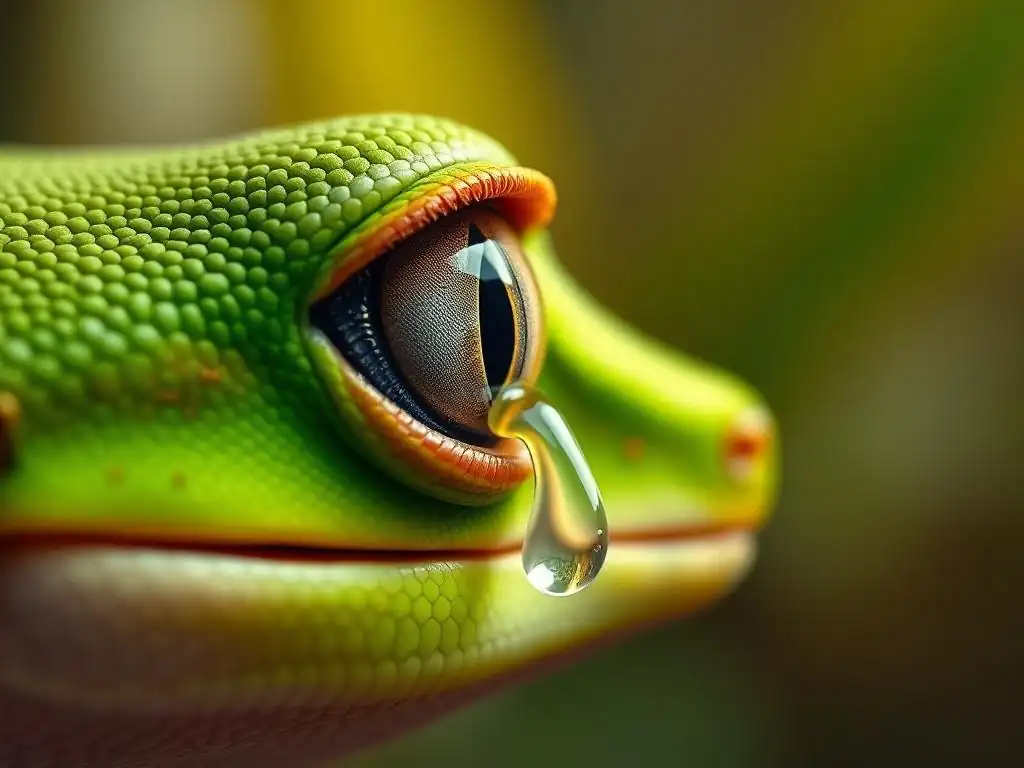
Welcome to PetCareWorld, your ultimate guide to happy and healthy pets! Are you concerned about your reptile's eyesight? We delve into the fascinating world of reptile eye health, exploring common Reptile eye problems solutions and offering expert advice on recognizing and addressing potential issues. Discover practical strategies to ensure your scaly companion enjoys optimal vision – explore our comprehensive guide now and learn how to keep their eyes bright and healthy.
- Understanding Reptile Eye Anatomy and Normal Appearance
- Common Reptile Eye Problems and Their Symptoms
- Diagnosing and Treating Reptile Eye Issues
- Preventing Reptile Eye Problems
- Specific Reptile Eye Diseases and Their Management
- Long-Term Eye Care for Reptiles
- Frequently Asked Questions
- Final Reflection: The Glimmer in Their Gaze: Protecting Reptile Eye Health
- Unveil Your Reptile's Radiant Gaze: Take Action Today!
Understanding Reptile Eye Anatomy and Normal Appearance
Reptiles, with their diverse and fascinating array of species, present unique challenges and rewards for pet owners. Maintaining the health and well-being of these captivating creatures requires a comprehensive understanding of their specific needs, and a crucial aspect of this is recognizing and addressing potential eye problems. This article serves as a practical guide to reptile eye health, focusing on identifying common issues and exploring effective solutions.
We will delve into the intricacies of reptile eye anatomy, highlighting key features indicative of good health, exploring the variations across different species, and providing a visual guide to help you assess your reptile's ocular well-being. Early detection and intervention are critical in preventing minor issues from escalating into serious, potentially vision-threatening conditions.
By learning to recognize the signs of healthy and unhealthy reptile eyes, you can significantly improve your pet's quality of life and longevity. This guide will empower you to become a more informed and proactive caregiver, ensuring your scaly companion enjoys clear vision and overall good health.
Key Features of Healthy Reptile Eyes
A healthy reptile eye typically exhibits several key characteristics. The eyes should be bright, clear, and free from any discharge or cloudiness. The eyelids, if present, should be clean and properly closed. The surface of the eye should be smooth and moist, without any visible lesions, abrasions, or swelling.
The pupil should be responsive to light, constricting when a light source is shone upon it and dilating in dimmer conditions. The clarity of the cornea, the transparent outer layer of the eye, is particularly important. Any opacity or irregularity in the cornea could indicate an underlying problem. Furthermore, the reptile should be able to track movement with its eyes, demonstrating normal visual function.
Regular observation of these features is crucial for early detection of potential problems. Remember to gently observe your reptile; avoid any forceful handling that could stress the animal or damage its delicate eyes. A healthy reptile will generally exhibit active and alert behavior, and its eyes will reflect this overall well-being. Regular veterinary check-ups are also highly recommended for early diagnosis and prevention.
Variations in Eye Appearance Across Reptile Species
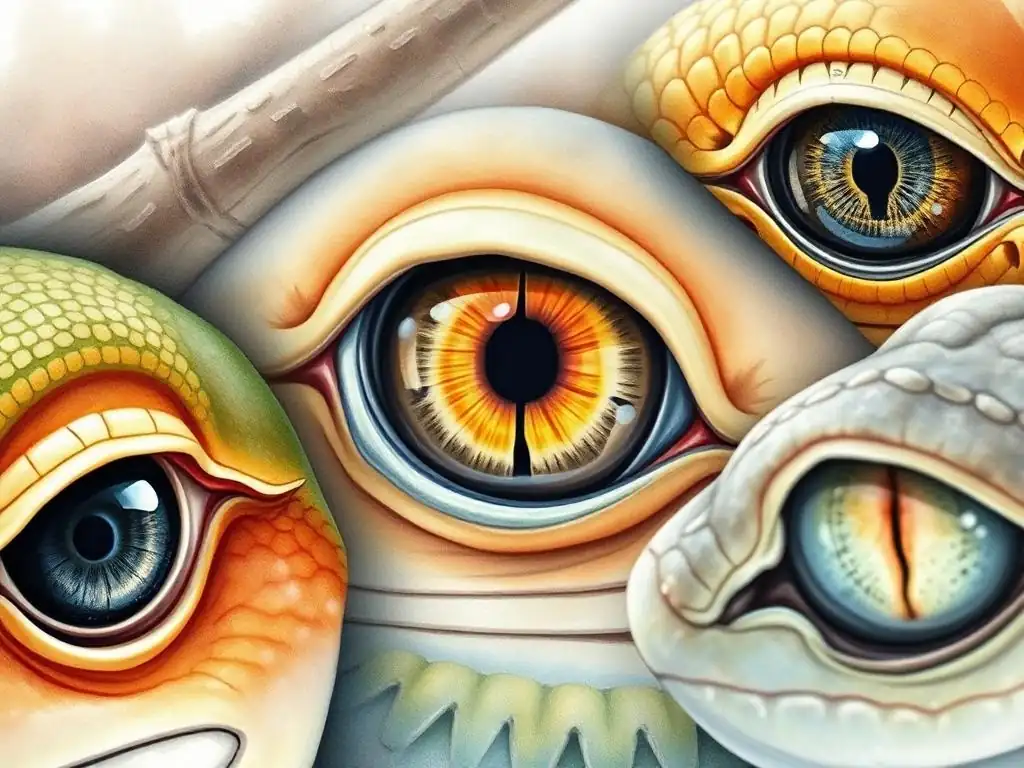
It's crucial to remember that the appearance of a healthy reptile eye can vary significantly depending on the species. For instance, the size, shape, and color of the eyes can differ dramatically between a gecko and a snake. Some species naturally have more prominent eyelids than others; some lack eyelids altogether. The pupil shape also varies considerably. Some reptiles possess round pupils, while others may have slit-like or vertically elliptical pupils.
These variations are entirely normal within the context of the species. Therefore, it is imperative to understand the normal eye characteristics specific to your reptile's species before attempting to assess its eye health. Consulting specialized reptile care guides or veterinary resources specific to your reptile's species is highly recommended. Thorough research will allow you to differentiate between normal variations and actual health problems. This detailed knowledge will prove invaluable in making informed decisions regarding your pet's care.
Assessing Your Reptile's Eyes: A Visual Guide
Regularly observing your reptile's eyes is paramount to identifying potential problems early on. Here's a visual guide to help you assess your reptile's ocular health:
| Symptom | Possible Indication | Action to Take |
|---|---|---|
| Cloudy or opaque cornea | Corneal ulcer, infection, cataracts | Consult a veterinarian immediately. |
| Swelling around the eyes | Infection, injury, allergic reaction | Consult a veterinarian immediately. |
| Discharge (pus, mucus) | Infection, inflammation, injury | Consult a veterinarian immediately. |
| Redness or inflammation | Infection, injury, irritation | Consult a veterinarian immediately. |
| Abnormal pupil shape or size | Neurological problems, eye injury, medication side effects | Consult a veterinarian immediately. |
| Difficulty tracking movement | Neurological problems, eye injury, vision impairment | Consult a veterinarian immediately. Careful observation is crucial here. |
| Protruding or sunken eyes | Dehydration, illness, injury | Consult a veterinarian immediately. Address underlying causes immediately. |
Remember that this guide serves as a starting point. Any deviation from the normal appearance of your reptile's eyes warrants immediate veterinary attention. Early intervention is key to successful treatment and preventing permanent vision damage. Don't hesitate to seek professional help if you have any concerns about your reptile's eye health.
Common Reptile Eye Problems and Their Symptoms
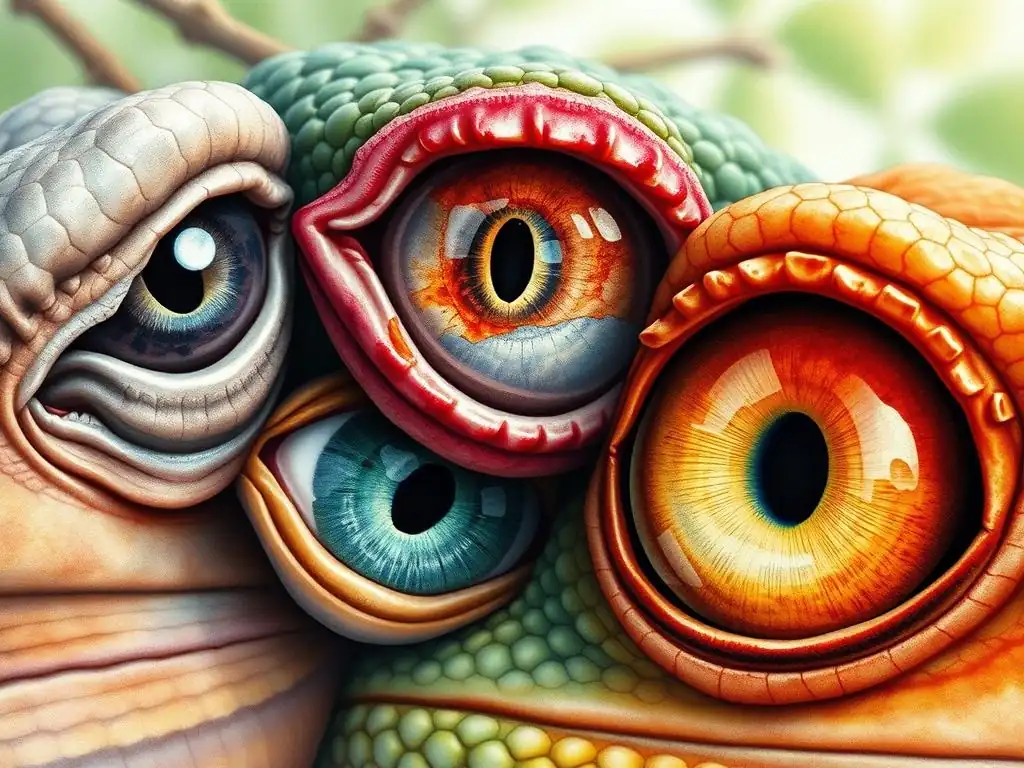
Reptiles, despite their often-stoic nature, can suffer from a variety of eye conditions. Early detection and appropriate intervention are crucial for maintaining their overall health and well-being. Understanding common reptile eye problems and their associated symptoms is the first step towards providing effective solutions. This section will delve into some of the most frequently encountered issues, offering insights into their causes and potential treatments.
Remember, always consult a veterinarian specializing in reptiles (a herpetologist) for diagnosis and treatment plans. Self-treating can be harmful and delay proper care. This information is for educational purposes only and should not replace professional veterinary advice.
Cloudy Eyes in Reptiles: Causes and Treatments
Cloudy eyes in reptiles, often characterized by a whitish or opaque appearance to the cornea, can indicate several underlying problems. These range from relatively minor irritations to serious infections requiring immediate veterinary attention. The cloudiness itself is a symptom, not a diagnosis.
Several factors can contribute to cloudy eyes:
- Dehydration: Severe dehydration can lead to a loss of ocular fluid, resulting in a cloudy appearance. Proper hydration is paramount for reptile health. Monitor water intake and consider adjusting humidity levels in the enclosure.
- Infection: Bacterial or fungal infections of the eye are common culprits. These infections can cause inflammation and cloudiness. Signs often include swelling, redness, and discharge.
- Trauma: Physical injury to the eye, such as scratches or abrasions from cage decorations or fights with tank mates, can cause clouding.
- Metabolic Bone Disease (MBD): This disease, frequently seen in reptiles due to improper calcium and vitamin D3 levels in their diet, can weaken bones, including those around the eye socket, potentially affecting eye clarity.
- Vitamin A Deficiency: A deficiency in vitamin A can lead to various eye problems, including cloudiness and dryness.
Treatment: Treatment depends entirely on the underlying cause. Dehydration requires increasing water intake. Infections may require antibiotic or antifungal medications prescribed by a vet. Trauma may require careful cleaning and monitoring for infection. MBD necessitates dietary adjustments and supplementation. Vitamin A deficiency requires dietary changes to include appropriate sources of this vitamin. Never attempt to treat cloudy eyes without a proper veterinary diagnosis. Delaying professional care can lead to irreversible vision loss or other complications.
Eye Discharge in Reptiles: Types, Severity, and Solutions
Eye discharge in reptiles can vary significantly in appearance, ranging from a clear, watery discharge to a thick, purulent (pus-like) substance. The color and consistency of the discharge can provide clues to the underlying cause.
- Clear, Watery Discharge: This might indicate a mild irritation or a reaction to dust or debris. Simple cleaning with a reptile-safe solution might suffice, but veterinary consultation is still recommended to rule out more serious issues.
- White or Yellowish Discharge: This often suggests a bacterial infection. This requires veterinary attention and antibiotic treatment.
- Greenish or Brownish Discharge: This frequently points to a more serious infection, possibly bacterial or fungal. Immediate veterinary intervention is necessary.
- Bloody Discharge: This is a serious sign indicating trauma or a severe infection, necessitating immediate veterinary care.
Severity and Solutions: The severity of eye discharge depends on the underlying cause and its progression. Mild irritation may clear up with simple cleaning, but infections require medication prescribed by a veterinarian. The type of discharge, its volume, and the presence of other symptoms (e.g., swelling, cloudiness) are crucial factors in determining the severity and necessary treatment. Regular monitoring of the reptile's eye health is essential to detect problems early.
Remember: Ignoring eye discharge, regardless of its apparent severity, can lead to serious complications such as blindness and systemic infections.
Swelling Around Reptile Eyes: Identifying Underlying Issues
Swelling around a reptile's eyes can be a symptom of various conditions, ranging from minor irritations to severe infections or systemic diseases. The location and extent of the swelling, along with other accompanying symptoms, are crucial for determining the underlying cause.
Potential causes include:
- Infection: Bacterial or fungal infections can cause inflammation and swelling around the eyes.
- Abscesses: Localized collections of pus can form near the eye, causing significant swelling.
- Trauma: Injuries to the eye or surrounding tissues can result in swelling and bruising.
- Allergies: Certain substances in the reptile's environment can trigger allergic reactions, leading to swelling.
- Underlying Systemic Diseases: Swelling around the eyes can also be a symptom of more serious systemic diseases, such as kidney disease or liver failure.
Identifying Underlying Issues: Careful observation is crucial. Note the location, size, and consistency of the swelling. Is it firm or soft? Is there any discoloration or discharge from the eye? Are there other symptoms present, such as lethargy, loss of appetite, or respiratory distress?
All these factors provide valuable information for a veterinarian to make an accurate diagnosis. Prompt veterinary attention is necessary when swelling around the eyes is observed. Early diagnosis and treatment are crucial to prevent complications and ensure the reptile's well-being. Do not attempt home remedies; seek professional help. The earlier the intervention, the better the chance of a successful outcome.
Reptile Eye Injuries: Recognition and First Aid
Reptile eye injuries, sadly, are not uncommon, particularly in active species or those housed in inadequately secured enclosures. These injuries can range from minor abrasions to severe lacerations, potentially impacting vision and overall health. Recognizing the signs of an eye injury is crucial for prompt and effective treatment.
Look for obvious signs such as swelling, bleeding, discharge (purulent or watery), cloudiness of the cornea, and the presence of foreign bodies embedded in the eye or surrounding tissues. The reptile may also exhibit signs of pain, such as rubbing its eye or avoiding bright light. The severity of the injury will dictate the course of action.
Minor abrasions may heal on their own with supportive care, such as keeping the enclosure clean and providing a quiet, dark environment to minimize stress and promote healing. However, more serious injuries necessitate immediate veterinary attention. Attempting to treat severe injuries at home can worsen the situation and potentially lead to permanent vision loss or even infection.
Before veterinary intervention, carefully and gently clean the area around the eye with a sterile saline solution. Avoid applying any pressure or attempting to remove embedded objects yourself. Instead, gently cover the affected eye with a clean, damp cloth to protect it during transport to the veterinarian.
Remember, swift action is key to maximizing the chances of a positive outcome and preventing complications. Early intervention can significantly improve the prognosis for reptile eye injuries. Accurate diagnosis by a veterinarian specializing in reptiles is vital to determine the appropriate treatment plan, which may involve antibiotics, anti-inflammatory medications, or even surgical repair.
Prolapse of the Nictitating Membrane: Diagnosis and Management
The nictitating membrane, also known as the third eyelid, is a protective membrane located in the inner corner of a reptile's eye. Prolapse of this membrane, where it protrudes from the eye, is a relatively common problem in reptiles, often stemming from underlying health issues or trauma. Several factors can contribute to this condition, including respiratory infections, dehydration, vitamin A deficiency, and even stress. Early detection is key to successful management.
Diagnosing a nictitating membrane prolapse usually involves a thorough veterinary examination. The veterinarian will assess the reptile's overall health, looking for signs of underlying conditions such as respiratory illness or vitamin deficiencies. They will also carefully examine the prolapsed membrane to assess its condition and determine the severity of the prolapse. Sometimes, a simple visual inspection is sufficient for diagnosis; other times, additional diagnostic tests may be necessary. The appearance of the prolapsed membrane can provide clues. A swollen, inflamed, or infected membrane requires immediate attention to prevent further complications.
Management of a nictitating membrane prolapse depends on the underlying cause and the severity of the prolapse. In some cases, the membrane may spontaneously retract once the underlying condition is addressed. However, if the prolapse is significant or if there are signs of infection, veterinary intervention may be necessary. Treatment may involve lubricating eye ointments to keep the membrane moist and prevent further irritation.
In more severe cases, surgical intervention may be required to reposition the membrane. Furthermore, addressing any underlying health problems, such as providing appropriate hydration or supplementing the reptile's diet with vitamin A, is crucial for long-term prevention and management. Regular veterinary check-ups are recommended to monitor the reptile's eye health and prevent future prolapses. Proper husbandry practices, including maintaining a clean and appropriately humidified enclosure, are also essential in minimizing the risk of this condition.
Diagnosing and Treating Reptile Eye Issues
Reptile eye problems solutions often require a multifaceted approach combining careful observation, accurate diagnosis, and appropriate treatment. Early intervention is crucial for optimal outcomes, as untreated eye conditions can lead to vision loss, infection, and even death in severe cases. This section will guide you through the process of identifying, diagnosing, and treating common reptile eye issues. Remember, this information is for educational purposes only and should not replace professional veterinary advice. Always consult a veterinarian specializing in reptiles (a herpetologist) for any concerns about your reptile's health.
When to Seek Veterinary Care for Reptile Eye Problems
Recognizing when your reptile needs veterinary attention is paramount for successful treatment of reptile eye problems. Don't delay seeking professional help if you observe any of the following:
- Discharge: Any discharge from the eye, regardless of color (clear, cloudy, purulent), warrants immediate veterinary attention. This could indicate infection, inflammation, or injury. The consistency of the discharge (thick, watery, etc.) can also provide valuable diagnostic information.
- Swelling: Significant swelling around the eye, eyelid, or surrounding tissues is a serious sign and requires prompt veterinary evaluation. This could be due to trauma, infection, or an underlying systemic disease.
- Changes in Eye Appearance: Noticeable changes in your reptile's eye color, clarity, or shape should be investigated. Cloudy eyes, bulging eyes (proptosis), sunken eyes, or changes in pupil size or reactivity can point to various underlying issues.
- Abnormal Eyelid Position: If your reptile's eyelids are swollen, drooping, or unable to close properly, seek veterinary care immediately. This could indicate inflammation, injury, or neurological problems.
- Vision Impairment: Observe your reptile's behavior. If it seems to have difficulty navigating its enclosure, is bumping into objects, or is less responsive to stimuli, it could be experiencing vision problems.
- Persistent Eye Rubbing: While reptiles don't rub their eyes like mammals, persistent attempts to touch or clean the eye area could indicate discomfort or irritation.
Remember, early detection and intervention are key to successful treatment. Even seemingly minor eye problems can quickly escalate if left untreated. Don't hesitate to contact your veterinarian if you have any doubts. The health and well-being of your reptile depend on it.
Diagnostic Tests for Reptile Eye Diseases
Accurate diagnosis of reptile eye problems requires a comprehensive approach by a qualified veterinarian. Several diagnostic tests may be employed to determine the underlying cause of the issue. These include:
- Physical Examination: A thorough physical exam is the first step. The veterinarian will carefully examine the eyes, assessing for swelling, discharge, changes in pupil size and reactivity, and eyelid position. They will also assess the overall health of the reptile, looking for any other signs of illness.
- Ophthalmoscopy: This procedure uses a specialized instrument (an ophthalmoscope) to examine the interior structures of the eye, including the retina, optic nerve, and lens. This allows the veterinarian to detect abnormalities such as retinal detachment, cataracts, or glaucoma.
- Fluorescein Stain: This dye is applied to the eye to highlight any corneal ulcers or abrasions. These are common injuries in reptiles, often caused by trauma or infection.
- Culture and Sensitivity Testing: If an infection is suspected, a sample of the eye discharge may be collected and sent to a laboratory for culture and sensitivity testing. This helps identify the specific bacteria or fungus causing the infection and determine the most effective antibiotic or antifungal treatment.
- Bloodwork: In some cases, blood tests may be necessary to evaluate the reptile's overall health and identify any underlying systemic diseases that could be contributing to the eye problem. This could include checking for infections, metabolic disorders, or immune deficiencies.
The specific tests used will depend on the suspected cause of the eye problem and the individual reptile's condition.
Medical Treatments for Reptile Eye Conditions: Medications and Procedures
Treatment for reptile eye conditions varies greatly depending on the underlying cause. Options range from topical medications to surgical interventions. Here are some common treatments:
- Topical Antibiotics and Antifungals: For bacterial or fungal infections, topical antibiotic or antifungal ointments or solutions are often prescribed. These are applied directly to the affected eye. The veterinarian will determine the appropriate medication and dosage based on the results of culture and sensitivity testing.
- Anti-inflammatory Medications: If inflammation is present, anti-inflammatory medications may be used to reduce swelling and discomfort. These can be administered topically or systemically (orally or by injection).
- Pain Management: Pain relievers may be necessary to manage discomfort associated with eye injuries or infections.
- Surgical Procedures: In some cases, surgery may be required to correct problems such as proptosis (bulging eye), corneal ulcers, or other structural damage. These procedures often require specialized veterinary expertise.
- Supportive Care: In addition to specific medications, supportive care is crucial. This may include maintaining a clean and appropriately humidified environment, providing proper nutrition, and monitoring the reptile closely for any changes in its condition.
The treatment plan will be tailored to the specific needs of your reptile and the severity of the eye condition. Close monitoring and follow-up appointments are essential to ensure the effectiveness of the treatment and to detect any complications. Remember, consistency with treatment is key to a positive outcome. Working closely with your veterinarian is crucial for successful management of your reptile's eye health.
Home Care for Minor Reptile Eye Problems
Minor eye issues in reptiles, such as mild discharge or slight cloudiness, can often be managed at home with careful observation and supportive care. However, it's crucial to remember that any change in your reptile's eye should be monitored closely. If the condition worsens or doesn't improve within a few days, veterinary attention is absolutely necessary. Delaying professional help can lead to irreversible damage.
Effective home care begins with meticulous hygiene. Ensure your reptile's enclosure is meticulously cleaned to prevent secondary infections. This includes regular disinfection of surfaces, water bowls, and any other items your reptile comes into contact with. Use reptile-safe disinfectants and thoroughly rinse all surfaces to remove any residue. Avoid harsh chemicals that could irritate your reptile's already sensitive eyes.
Maintaining appropriate humidity and temperature within the enclosure is also vital. Dehydration can exacerbate eye problems, so ensure the humidity levels are within the species-specific recommended range. Use a reliable hygrometer to monitor humidity accurately. Similarly, maintaining the correct temperature gradient is crucial for overall reptile health, including eye health. Temperature fluctuations can weaken the immune system, making your reptile more susceptible to infections.
Gentle cleansing can sometimes be beneficial for minor eye discharge. Use a soft, damp cotton swab or a clean piece of gauze, moistened with sterile saline solution, to gently wipe away any visible discharge. Never use pressure; the goal is to remove the discharge, not to irritate the eye further. Be extremely careful and avoid touching the eye directly with the swab. Always work from the inner corner of the eye outwards. If you notice any resistance or your reptile shows signs of distress, stop immediately.
Dietary adjustments might also be necessary. A balanced diet rich in essential vitamins and minerals is crucial for overall health and can support the immune system in fighting off infections. Consult a reptile veterinarian or a reputable herpetological resource to determine the appropriate diet for your specific reptile species. Nutritional deficiencies can weaken the immune system and contribute to eye problems.
Remember that providing the correct diet is a preventative measure as much as a treatment strategy. A healthy reptile is better equipped to combat minor ailments. Regular supplementation, when necessary and under veterinary guidance, can also be a beneficial part of your reptile's care plan.
Preventing Reptile Eye Problems
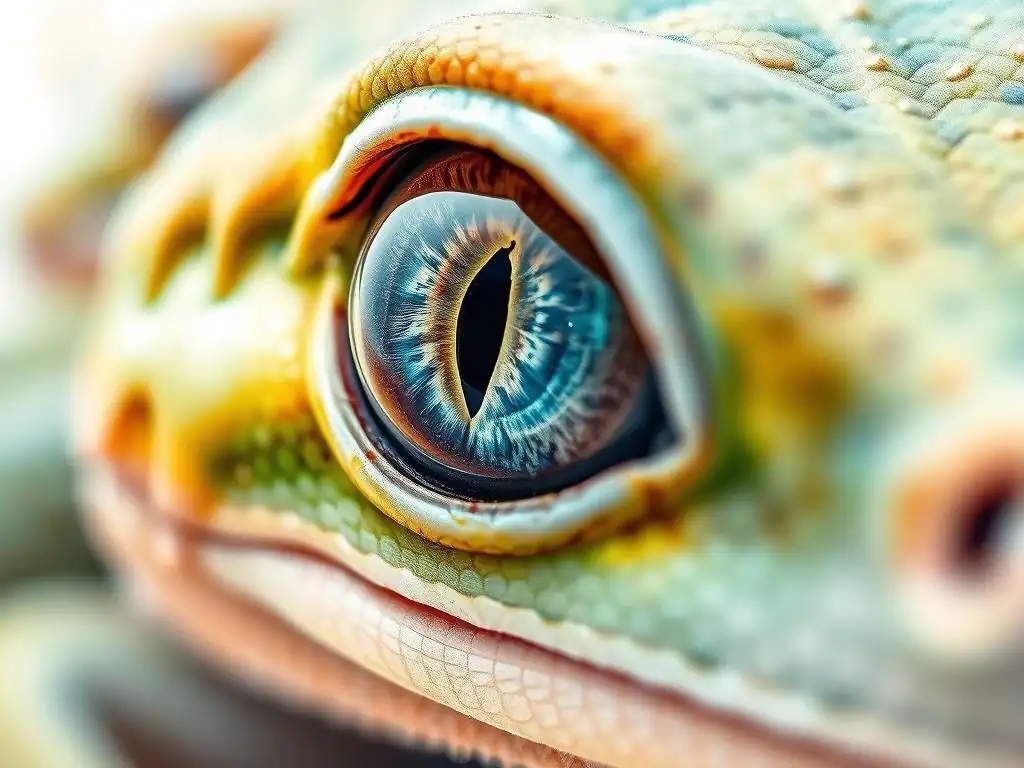
Maintaining optimal reptile eye health is crucial for their overall well-being. Proactive measures significantly reduce the risk of developing serious conditions requiring veterinary intervention. This section focuses on preventative care strategies to keep your reptile's eyes healthy and bright. Understanding the specific needs of your reptile species is paramount, as different reptiles have varying sensitivities and requirements. Remember, early detection is key in addressing potential issues. The earlier you notice a problem, the better the chances of successful treatment and a swift recovery for your scaly companion.
Maintaining a Clean and Safe Enclosure for Reptiles
A clean and appropriately sized enclosure is the cornerstone of preventing reptile eye problems. Accumulated debris, including uneaten food, fecal matter, and shed skin, can harbor bacteria and parasites, increasing the risk of eye infections. Regular cleaning is essential, and the frequency depends on the species and the size of the enclosure. For example, a large bearded dragon enclosure might require cleaning once a week, while a smaller leopard gecko enclosure might only need cleaning every two weeks.
The substrate you choose also plays a critical role. Loose substrates like sand or soil can be irritating to the eyes if they get kicked up or accidentally ingested. Consider using paper towels, reptile carpet, or other easily cleanable substrates. Furthermore, ensure the enclosure is appropriately sized to allow for comfortable movement and prevent accidental injuries.
Overcrowding can lead to stress and fighting, potentially resulting in eye injuries. Remember to regularly inspect the enclosure for sharp objects or potential hazards that could cause trauma to the eyes. A proactive approach to hygiene and environmental safety is vital for preventing many common reptile eye problems.
Proper Nutrition and Hydration for Optimal Eye Health
A balanced diet rich in essential vitamins and minerals is crucial for maintaining healthy eyes. Nutritional deficiencies can manifest as various eye problems, including cataracts, corneal ulcers, and other sight-threatening conditions. The specific dietary requirements vary greatly depending on the reptile species. For instance, insectivorous reptiles need a diet supplemented with calcium and vitamin D3, often provided through dusting their insects with appropriate supplements. Herbivorous reptiles need access to a variety of leafy greens and vegetables to ensure a balanced intake of nutrients.
Dehydration can also negatively impact eye health, leading to dry eyes and increased susceptibility to infections. Ensure your reptile has access to clean, fresh water at all times. The type of water dish is important; a shallow dish that is easy to access and clean is recommended. Monitor your reptile's hydration levels; signs of dehydration include sunken eyes, lethargy, and decreased appetite.
If you suspect dehydration, consult a veterinarian immediately. Providing your reptile with the correct nutrition and ensuring adequate hydration are vital components of preventative eye care. This proactive approach minimizes the risk of developing serious eye-related health issues.
Regular Handling and Examination of Your Reptile
While regular handling might seem counterintuitive to preventing eye problems, gentle and careful handling allows for early detection of any abnormalities. During handling, take the opportunity to visually inspect your reptile's eyes. Look for any signs of redness, swelling, discharge, cloudiness, or abnormal positioning of the eyes. Early detection of these symptoms can allow for prompt veterinary intervention, leading to better treatment outcomes.
However, it's crucial to handle your reptile gently and avoid any actions that might cause injury to its eyes. Wash your hands thoroughly before and after handling to prevent the transfer of bacteria or other pathogens. Avoid using strong scents or perfumes, as these can irritate your reptile's sensitive eyes. Regular visual examinations, combined with careful handling practices, are essential components of preventative reptile eye care. Remember that early detection is key to successful treatment, minimizing potential long-term health complications. This proactive approach to reptile care helps ensure your pet enjoys optimal vision and overall well-being.
Preventing Injuries to the Reptile's Eyes
Protecting your reptile's eyes from physical harm is paramount to maintaining their overall eye health. Reptiles, especially those kept in enclosures, are susceptible to various injuries. A common cause is accidental trauma from sharp objects within their habitat. Think about the substrate you use; loose gravel or sharp rocks can easily scratch or puncture a reptile's delicate eyes.
Similarly, rough or improperly cleaned enclosure decor can pose a threat. Regularly inspect your reptile's enclosure for any potential hazards, removing anything that could cause injury. This includes sharp edges on branches, protruding pieces of wood, or even overly enthusiastic tank mates.
Another important aspect of injury prevention is handling techniques. Improper handling can easily lead to eye injuries. Always support your reptile's body gently, avoiding any pressure or sudden movements that might cause their eyes to be injured. Learn the correct handling techniques for your specific species, as different reptiles have varying sensitivities. For example, a large iguana requires a more supportive and careful handling approach than a smaller gecko. If you are unsure about the correct handling techniques, seeking guidance from a veterinarian specializing in reptiles or an experienced reptile keeper is highly recommended.
Furthermore, consider the placement of your reptile enclosure. Avoid positioning it near areas with high traffic or where it might be accidentally bumped or knocked over. Vibrations from loud noises or machinery can also stress your reptile, potentially leading to increased risk of accidental eye injuries. A quiet, stable, and secure location is crucial to minimizing the risks.
Finally, remember that proactive measures are key. Regularly inspect your reptile's eyes for any signs of injury, such as redness, swelling, or discharge. Early detection allows for prompt treatment, preventing minor issues from escalating into more severe problems. Prevention is the best medicine, and careful attention to detail in your reptile's environment and handling can significantly reduce the risk of eye injuries.
Specific Reptile Eye Diseases and Their Management
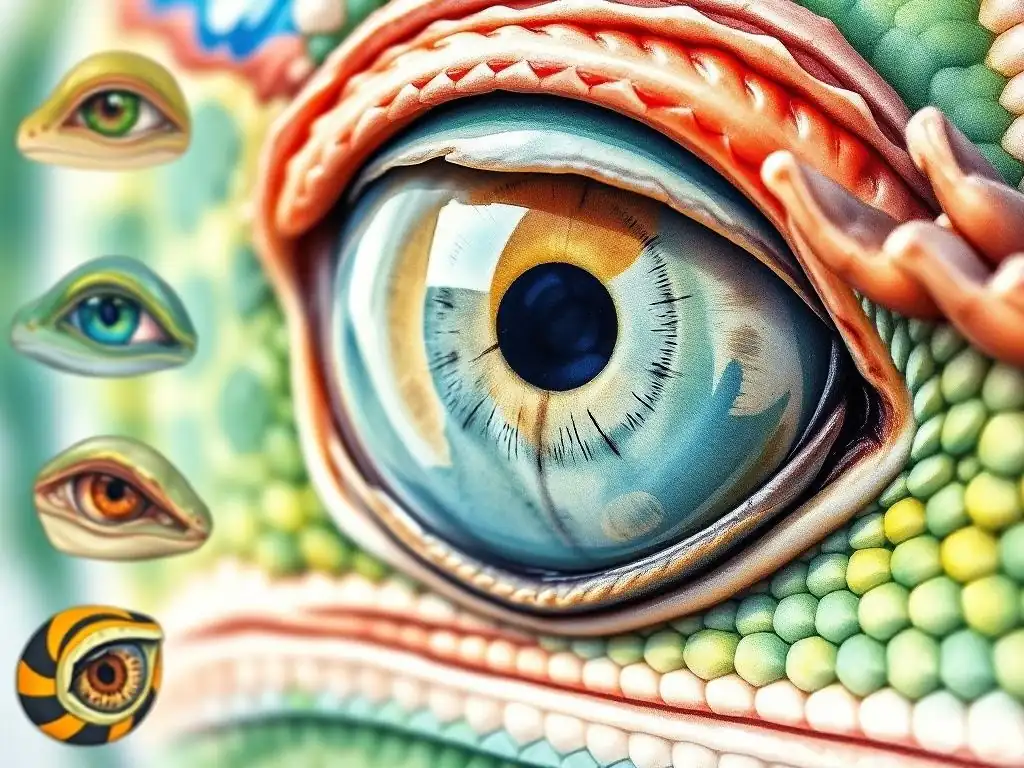
This section delves into the specifics of common reptile eye diseases, focusing on their symptoms, diagnosis, and treatment options. Understanding these conditions is crucial for responsible reptile ownership and ensuring the well-being of your scaled companion. Early detection and prompt veterinary intervention are key to successful management of reptile eye problems and improving the quality of life for your pet. Remember, this information is for educational purposes only and should not replace professional veterinary advice. Always consult a veterinarian specializing in reptiles for diagnosis and treatment.
Cataracts in Reptiles: Symptoms, Diagnosis, and Treatment Options
Cataracts in reptiles, like in humans, are characterized by the clouding of the eye's lens, obstructing light transmission and leading to impaired vision. While the exact causes aren't always fully understood, factors like aging, genetics, trauma, and certain underlying medical conditions can contribute.
Symptoms of cataracts can vary, but often include a noticeable opacity or cloudiness in the lens of the eye, visible as a whitish or grayish film. Affected reptiles may exhibit signs of impaired vision, such as difficulty navigating their enclosure, bumping into objects, or reduced responsiveness to visual stimuli. Some reptiles may also display changes in pupil size or reactivity to light.
Diagnosis typically involves a thorough physical examination by a veterinarian specializing in reptiles. Often, a simple visual inspection is sufficient to identify cataracts. However, further tests might be necessary to rule out other underlying conditions that could mimic cataract symptoms. There is currently no definitive cure for cataracts in reptiles. Treatment options primarily focus on managing the symptoms and improving the reptile's quality of life. In some cases, surgical removal of the cataract might be considered, but this is a complex procedure with potential risks and is not always successful.
The prognosis for reptiles with cataracts varies depending on the severity of the condition and the presence of any other health issues. While complete vision restoration is unlikely, appropriate management can help maintain the reptile’s comfort and overall well-being. Regular veterinary check-ups are essential for monitoring the progression of cataracts and addressing any complications that may arise.
Conjunctivitis in Reptiles: Causes, Symptoms, and Management Strategies
Reptilian conjunctivitis, or inflammation of the conjunctiva (the membrane lining the eyelid and covering the white part of the eye), is a relatively common eye problem. Several factors can trigger this condition, including bacterial or viral infections, allergies, irritants (such as dust or debris), and underlying systemic diseases. Proper hygiene and environmental management are crucial in preventing conjunctivitis.
Symptoms of conjunctivitis can range from mild to severe. Mild cases might present with slight redness, swelling, and a minimal amount of discharge. More severe cases, however, can result in significant swelling, excessive discharge (which may be watery, mucoid, or purulent), and even ulceration of the conjunctiva. The affected reptile may also exhibit signs of discomfort, such as rubbing its eyes or squinting.
Diagnosis involves a careful examination of the eye and surrounding tissues by a reptile veterinarian. Testing, such as bacterial cultures or cytology, might be necessary to determine the underlying cause and guide treatment. Treatment strategies depend on the cause of the conjunctivitis. Bacterial infections might require antibiotic treatment (topical or systemic), while viral infections often require supportive care. Allergic conjunctivitis may need antihistamine therapy. In cases of irritation, careful cleaning of the eye with sterile saline solution might be sufficient. Prompt and appropriate treatment is crucial to prevent complications, such as corneal involvement (keratitis) or even vision loss.
Keratitis in Reptiles: Identifying and Treating Corneal Inflammation
Keratitis, an inflammation of the cornea (the transparent outer layer of the eye), is a serious condition that can lead to significant vision impairment or even blindness if left untreated. Various factors, including infections (bacterial, fungal, viral), trauma, and underlying systemic diseases, can cause keratitis. Early detection and prompt veterinary intervention are vital for successful management.
Identifying keratitis involves observing symptoms such as cloudiness or opacity in the cornea, redness and swelling of the surrounding tissues, and increased tearing or discharge. The affected reptile may show signs of pain, such as squinting or rubbing its eyes. Severe cases might exhibit ulceration of the cornea.
Diagnosis requires a thorough examination by a reptile veterinarian. Specialized diagnostic techniques, such as fluorescein staining (to detect corneal ulcers) and cultures (to identify infectious agents), might be necessary. Treatment varies depending on the underlying cause. Antibiotics, antifungals, or antiviral medications may be necessary to combat infections. In cases of trauma or ulceration, surgical intervention might be required.
Treatment often involves topical medications administered directly to the eye. Pain management may also be necessary to ensure the reptile's comfort. The prognosis for keratitis depends on the severity of the condition and the effectiveness of treatment. Early intervention significantly improves the chances of a favorable outcome. Regular veterinary follow-up is essential to monitor the healing process and prevent recurrence.
Long-Term Eye Care for Reptiles
Maintaining your reptile's ocular health requires a proactive and ongoing commitment. Simply treating an existing problem isn't enough; preventative care is key to avoiding future issues and ensuring your scaly friend enjoys optimal vision throughout its life. This section delves into the crucial aspects of long-term reptile eye care, focusing on proactive measures and strategies for maintaining eye health. Remember, early detection is paramount when dealing with reptile eye problems solutions.
Ongoing Monitoring of Reptile Eye Health
Regularly inspecting your reptile's eyes is crucial for early detection of problems. Aim for daily visual checks, looking for any signs of discharge, cloudiness, swelling, redness, or changes in eye shape or size. Even subtle changes can indicate underlying issues. Pay close attention to the clarity of the cornea – a cloudy or opaque cornea is a significant warning sign.
Here's a helpful checklist for your daily eye examination:
- [ ] Clarity: Are the eyes bright and clear, or cloudy or opaque?
- [ ] Discharge: Is there any discharge (sticky, watery, or purulent)? Note the color and consistency.
- [ ] Swelling: Is there any swelling around the eyes or eyelids?
- [ ] Redness: Is the area around the eye red or inflamed?
- [ ] Eyelids: Are the eyelids properly positioned and functioning correctly?
- [ ] Behavior: Does your reptile seem to be exhibiting any signs of vision impairment, such as difficulty catching prey or navigating its enclosure?
Maintaining detailed records of your observations is incredibly beneficial. A simple notebook or a dedicated app can help you track changes over time and provide valuable information to your veterinarian. This meticulous record-keeping is especially important for identifying trends and patterns that might indicate a developing problem, allowing for timely intervention and effective reptile eye problems solutions. Don't underestimate the power of consistent monitoring! Early detection significantly improves the chances of successful treatment.
Nutritional Support for Healthy Eyes
Just like in humans, a balanced and nutritious diet plays a vital role in maintaining healthy reptile eyes. Nutrient deficiencies can directly impact eye health, leading to various problems. Ensuring your reptile receives the appropriate vitamins and minerals is crucial for preventing and addressing potential issues. The specific nutritional requirements vary greatly depending on the species, so consult a reptile veterinarian or a reputable herpetological resource to determine the optimal diet for your pet.
Some key nutrients vital for eye health include:
- Vitamin A: Essential for maintaining the integrity of the cornea and other eye tissues. Deficiency can lead to night blindness and other vision problems.
- Vitamin E: A powerful antioxidant that protects eye cells from damage caused by free radicals.
- Taurine: An amino acid that plays a crucial role in maintaining the health of the retina.
- Omega-3 Fatty Acids: Help reduce inflammation and protect against oxidative stress in the eyes.
Remember, providing a diverse and species-appropriate diet is more effective than relying solely on supplements. A well-balanced diet is the foundation of good health, including optimal eye health, and forms an important part of any effective reptile eye problems solutions strategy. Supplementing should only be done under the guidance of a veterinarian.
When to Schedule Follow-up Veterinary Appointments
Even with diligent monitoring and preventative care, occasional veterinary check-ups are essential for maintaining your reptile's long-term eye health. Regular examinations allow your veterinarian to assess your reptile's overall health, identify any potential issues early on, and provide guidance on maintaining optimal eye health. Schedule follow-up appointments based on your veterinarian's recommendations, but generally, annual check-ups are a good starting point.
Consider scheduling an immediate appointment if you observe any of the following:
- Significant changes in eye appearance (cloudiness, swelling, discharge).
- Behavioral changes suggesting vision impairment.
- Persistent eye irritation or rubbing.
- Any trauma to the eye area.
Early intervention is crucial for effective treatment and improved prognosis. Don't delay seeking veterinary care if you are concerned about your reptile's eye health. A proactive approach is the best way to ensure your reptile enjoys clear vision and a long, healthy life. Remember, timely veterinary care is a crucial component of any successful reptile eye problems solutions plan.
Frequently Asked Questions
What are some common reptile eye problems?
Reptiles can suffer from various eye issues, including cloudy eyes, swollen eyelids, discharge, and protruding eyes. These often stem from infections, dehydration, or nutritional deficiencies.
How can I tell if my reptile has an eye infection?
Signs of infection include pus-like discharge, redness, swelling, and squinting. If you notice any of these, seek veterinary care immediately. Delaying treatment can lead to serious complications.
What are the causes of cloudy eyes in reptiles?
Cloudy eyes in reptiles can be caused by several factors, including bacterial or fungal infections, metabolic bone disease (MBD), trauma, or dehydration. Proper humidity and diet are crucial for prevention.
My reptile's eye is bulging. What should I do?
A protruding eye is a serious issue requiring immediate veterinary attention. This can indicate trauma, infection, or underlying health problems. Do not attempt self-treatment.
What preventative measures can I take to maintain my reptile's eye health?
Regular veterinary check-ups are essential. Ensure your reptile receives a balanced diet, lives in a properly maintained enclosure with appropriate humidity and temperature, and handle them gently to avoid injury.
Final Reflection: The Glimmer in Their Gaze: Protecting Reptile Eye Health
The health of a reptile's eyes is a direct reflection of its overall well-being, and understanding their unique needs is crucial for responsible ownership. Ignoring even seemingly minor eye issues can lead to irreversible damage, highlighting the urgent need for reptile keepers to be proactive in their care. This underscores the importance of early detection and intervention in maintaining the vibrant health of these fascinating creatures.
The journey of learning about reptile eye health has been profoundly impactful, shifting my perspective on the responsibilities of pet ownership. It's not simply about providing food and shelter; it's about understanding the subtle nuances of their physiology and recognizing the silent signals they may exhibit. The eyes are the window to the soul,
and in the case of reptiles, they are also the window to their health. This simple truth underscores the vital role of observation and preventative care in ensuring their well-being.
Now, it's your turn. Take a moment to observe your reptile's eyes – their clarity, brightness, and responsiveness. Are you equipped to recognize the signs of potential problems? This article serves as a starting point; continue your research, consult with experienced reptile veterinarians, and become a vigilant advocate for the health and happiness of your scaly companions. The glimmer in their gaze is a testament to your care, and their well-being is a reflection of your commitment.
Unveil Your Reptile's Radiant Gaze: Take Action Today!
Thank you for learning about reptile eye health! We hope you feel confident in recognizing and addressing potential problems. Ready to put your new knowledge into practice? Here's how:
- Schedule a Veterinary Checkup: Arrange a wellness exam for your reptile with a veterinarian experienced in exotic animals. Early detection and treatment of eye problems is crucial.
- Optimize Your Reptile's Habitat: Ensure your pet's enclosure maintains proper humidity and lighting, and is meticulously clean to prevent eye infections. Remove any sharp objects that could cause injury.
- Share Your Knowledge: Join our PetCareWorld community forum and share your experiences with reptile eye care—your successes and challenges can help others!
What simple steps can you take today to improve your reptile's eye health and overall well-being?